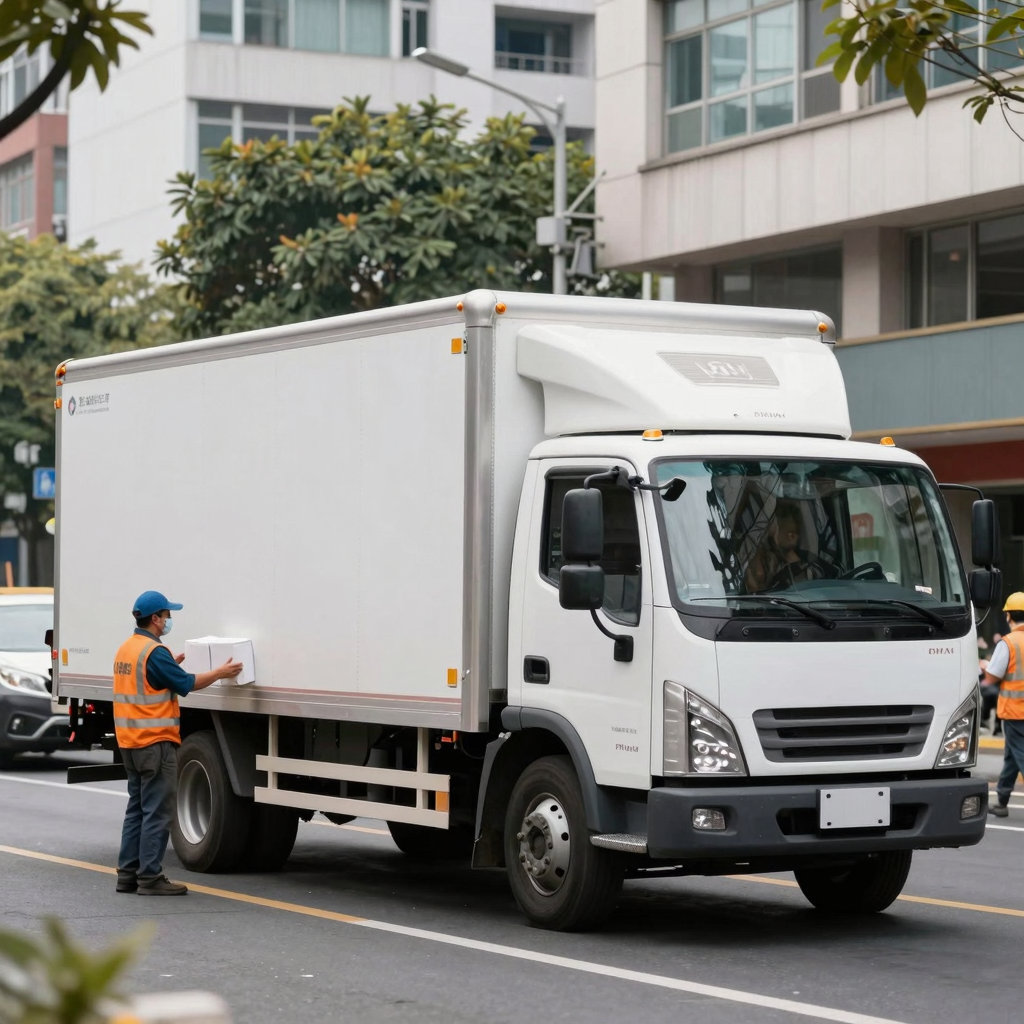
In today’s fast-paced economy, box trucks serve as the backbone of various sectors, prominently in logistics, construction, and food distribution. These versatile vehicles offer secure, enclosed cargo areas that safeguard goods from theft and environmental damage, making them indispensable for last-mile deliveries and regional distribution. As urbanization and e-commerce continue to rise, the demand for box truck services is witnessing unprecedented growth. Recent industry trends indicate that the global market for box trucks is set to expand significantly in the coming years, driven by increasing needs for effective transportation solutions across industries (Global Box Trucks Market Insights).
In the construction sector, box trucks efficiently transport tools, materials, and equipment to job sites, ensuring project timelines are met. Similarly, for food distributors, refrigerated box trucks maintain critical temperature controls to ensure the freshness and safety of perishable goods, adhering to stringent food safety regulations (All About Box Truck Applications). As we delve into this article, we will explore actionable strategies on how to establish and grow a successful box truck business, catering to the diverse needs of logistics companies, construction firms, and food distributors. Whether you are new to this venture or looking to expand your existing operations, the insights provided here will guide you towards achieving success in the lucrative box truck business.
Benefits of Using Box Trucks
Utilizing box trucks for business operations brings numerous advantages, particularly in logistics, construction, and food distribution sectors. Here are some key benefits:
-
Efficiency in Logistics: Box trucks enhance logistics efficiency by providing flexible and cost-effective transportation solutions. Their size facilitates easy navigation in urban areas, improving last-mile delivery times. For more insights into logistics efficiency, check this article.
-
Cost-Effectiveness: With lower maintenance and operational costs compared to larger trucks, box trucks offer a budget-friendly option. Their fuel efficiency further contributes to cost savings.
-
Versatile Applications: Ideal for various industries, box trucks are suitable for transporting a wide array of goods, from construction materials to perishable foods. They can be tailored with features like refrigeration for specific needs, making them a versatile choice for food distribution.
-
Increased Safety: Enclosed cargo spaces protect goods from environmental factors, reducing damage risks and ensuring safe transportation.
These benefits collectively underline the importance of box trucks in enhancing operational capabilities across industries.
Understanding the Market
Researching market demand is a foundational step for any business looking to engage in box truck services. By identifying trends and potential clients in key sectors such as construction, logistics, and food services, companies can position themselves effectively in the marketplace.
Market Demand Overview
According to current reports, the global box truck market has seen a growth of approximately 10.5% in sales compared to the previous year, with total sales projected to reach nearly $12 billion in 2023. The surge in sales indicates a strong demand driven by various industries needing reliable transportation solutions. This growth is primarily fueled by:
- E-commerce and Logistics: There’s an increasing necessity for last-mile delivery solutions, which highlights the importance of box trucks for safe and efficient transport.
- Construction Industry: Box trucks are critically needed for moving materials, equipment, and tools to job sites, making them vital for operations.
- Food Service: The demand for temperature-controlled transportation for perishables such as fresh produce and dairy products is escalating, thus creating a need for specialized box trucks.
Identifying Potential Clients
For box truck service providers, identifying potential clients is crucial. Here are some strategies:
- Market Research: Utilize resources like market forecasts and reports to understand specific demands in your region. For instance, companies can leverage market analysis reports to target regions with high growth potential.
- Networking: Attend industry-specific trade shows and events to connect with potential clients in the construction, logistics, and food sectors.
- Online Presence: Build a strong online presence targeting these sectors through SEO strategies and digital marketing campaigns.
Understanding these aspects of market demand can significantly enhance your business’s approach and lead to successful engagements with clients in various industries.
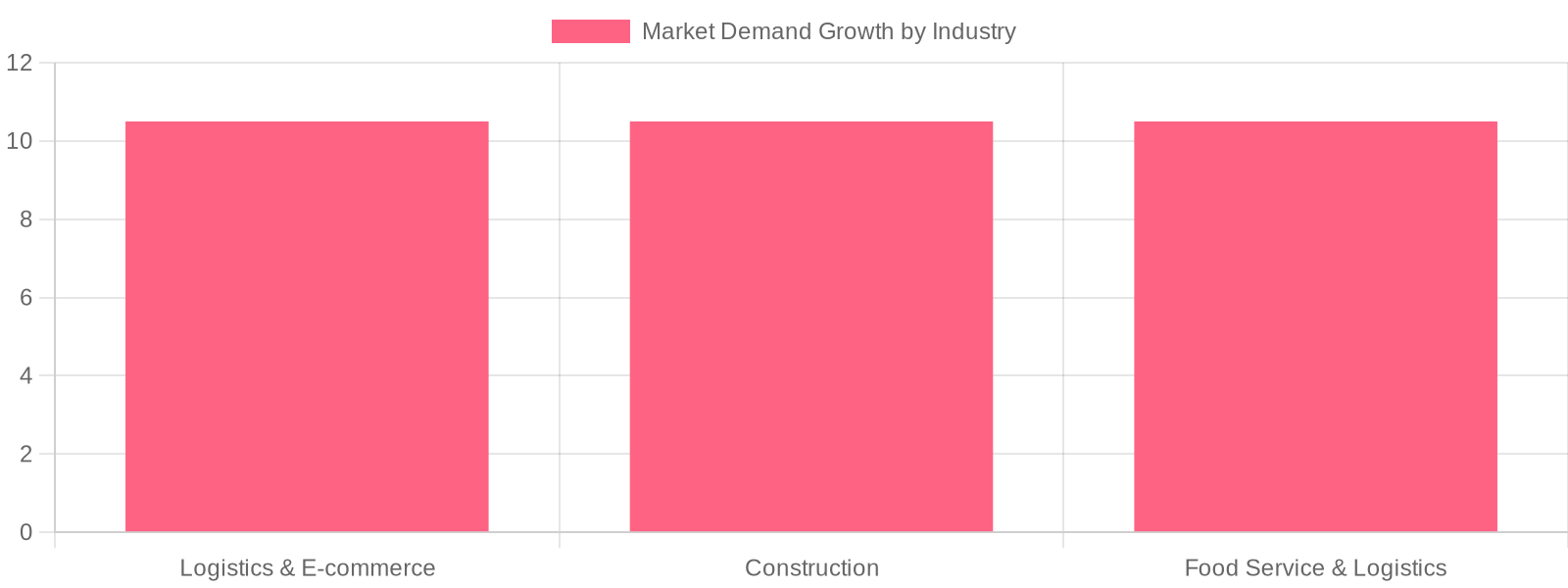
Market demand growth across key industries highlights the increasing need for box truck services in 2023.
| Model | Payload Capacity (tons) | Fuel Efficiency / Power Source | Suitability for Logistics | Suitability for Construction | Suitability for Food Distribution |
|---|---|---|---|---|---|
| ISUZU GIGA 4×2 9.8m Box Truck | Up to 10 tons | Diesel, 4-6L engine, 150-250HP, Euro 6 emission standard | High – Robust performance for long-haul and heavy-duty logistics transport | High – Durable construction and high load capacity ideal for material transport | Medium – Can be adapted with refrigerated or food-grade containers; requires additional equipment |
| Crago Truck Direct Pickup (120HP) | 3-5 tons | Diesel, <4L engine, <150hp, Euro 3 emission standard | Medium – Suitable for short-haul urban logistics and regional delivery | Medium – Adequate for light construction material transport | Low – Not designed for temperature-controlled cargo; limited specialized configurations |
| 130km Range Electric Double Cabin Box Truck | 1 ton (C1500), 1.5 tons (T32) | Zero emission, electric (72V battery), up to 130km range | Very High – Ideal for urban delivery, last-mile logistics, and zero-emission zones | Low – Limited payload and range make it unsuitable for heavy construction tasks | High – Available in refrigerated versions (e.g., frozen food, ice cream); suitable for cold chain delivery |
| A6 Mini Electric Box Truck | 1-10 tons (varies by configuration) | Electric, <4L equivalent, max speed 40km/h | High – Excellent for small-scale urban deliveries and local distribution | Low – Low payload and speed limit restrict use in heavy construction | Medium – Can be customized with refrigeration; best for short-range chilled goods |
Marketing Strategies for Box Truck Business
In the competitive landscape of logistics, construction, and food industries, implementing effective marketing strategies is crucial for success. Businesses with box trucks need to adopt a diversified approach to attract clients and establish a strong market presence. Below are key strategies that emphasize digital techniques, networking, and relationship building.
1. Digital Marketing Techniques
Digital marketing is at the forefront of modern business strategies. Utilizing tailored online marketing tactics can significantly enhance visibility and attract new clients. Here are several techniques:
- Search Engine Optimization (SEO): Optimize your website with keywords related to box truck services in logistics, construction, and food distribution. This increases your chances of appearing in search results when potential clients look for transportation solutions.
- Content Marketing: Create informative blog posts that address industry challenges, such as logistics delays or construction deadlines. For instance, a post about optimizing delivery times can position your company as an industry thought leader. You can read more about how UPS is expanding its delivery capabilities to learn about effective operational strategies.
- Social Media Engagement: Leverage platforms like LinkedIn to showcase your services, share success stories, and connect with industry professionals. Regular updates on your fleet’s capabilities can engage potential clients and partners.
2. Networking and Relationship Building
Networking plays a critical role in business development, especially in industries where trust and reliability are paramount.
- Industry Events and Trade Shows: Attend conferences related to logistics and construction to establish connections. Having an onsite presence allows for direct engagement with potential clients.
- Partnerships with Local Businesses: Collaborate with local construction firms or food distributors. Joint marketing initiatives, such as co-branded campaigns, can amplify reach while showcasing integrated services. For example, creating logistics solutions tailored for food safety, as explored in recent articles about integrating logistics in the food sector, can be particularly effective.
3. Strong Online Presence
Today’s clients often rely on online reviews and testimonials when making decisions.
- Building Credibility with Reviews: Encourage satisfied clients to leave positive reviews on platforms like Google and Yelp. A solid portfolio of testimonials can build trust and convert prospects into clients.
- Interactive Content: Use case studies, customer testimonials, and video content to illustrate your services’ reliability and efficiency. Highlighting successful projects in your marketing materials can greatly influence decision-makers.
Conclusion
By integrating these marketing strategies – from robust digital marketing efforts to networking and building strong relationships – your box truck business can enhance its visibility and attract clients across logistics, construction, and food sectors. Employing a combination of these strategies ensures you’re well-positioned to meet the demands of the market effectively.
User Adoption Data for Box Truck Services
The adoption of box truck services has seen significant growth driven by various factors, particularly within key industries such as logistics, construction, and food distribution. The global box truck market was valued at approximately $12.3 billion in 2023, with projections indicating it will reach around $19.8 billion by 2033, reflecting a compound annual growth rate (CAGR) of 5.5% during this period. This growth is largely attributed to the ongoing expansion of e-commerce and the increasing need for efficient urban freight solutions.
According to a report by Credence Research, the Southeast Asia market alone is anticipated to grow from $2.287 billion in 2024 to $3.814 billion by 2032, at a CAGR of 6.6%. The primary drivers of this growth include rising e-commerce penetration, the expansion of retail distribution networks, and the increasing demand for urban logistics solutions, particularly in rapidly developing metropolitan areas.
The trend indicates that businesses-especially those in logistics and freight, construction, and food and beverage distribution-should seriously consider the opportunities presented by the box truck market. Given the rising demand for last-mile delivery solutions and the versatility of box trucks in various operational settings, entering this market could offer significant advantages. Companies can leverage these services to improve delivery efficiency, enhance customer satisfaction, and potentially reduce operational costs.
For further reading on market impacts, consider reviewing the implications of e-commerce on logistics expansion in this market growth analysis. For insights on specific industry adoption trends, check out this report on Southeast Asia’s box truck market.

“Box trucks have emerged as a more environmentally friendly alternative due to their smaller size and lower emissions. They excel in urban deliveries, showcasing greater operational efficiency and a lower carbon footprint, making them the preferred choice for logistics companies under increasingly stringent environmental regulations.”
- Expert from Logistics Today
In today’s rapidly evolving logistics landscape, leveraging box trucks has become increasingly essential for businesses seeking to enhance their operational efficiency and meet the growing demands of e-commerce and localized deliveries. As highlighted in various industry reports, the box truck rental services market is projected to thrive, primarily driven by small and medium-sized enterprises (SMEs) that aim to scale operations without incurring heavy capital expenditures. The expanding market for these vehicles reflects not only the necessity of versatile delivery options but also the broader economic trends shaping the logistics sector. For instance, a recent report noted a surge in global box truck sales, with a year-over-year growth rate of 7.2% in 2023, indicating robust demand primarily fueled by e-commerce activities.
This trend underscores the practical steps businesses can take to incorporate box trucks into their logistics strategies effectively. From selecting the right type of box truck for specific cargo needs to implementing fleet management solutions, businesses can capitalize on the growing market by adopting innovative practices that enhance operational flexibility. For example, businesses can optimize their delivery schedules, utilize real-time tracking for efficient route management, and leverage digital platforms for seamless booking processes, thereby maximizing customer satisfaction and reducing costs.
The critical takeaway for logistics and freight companies, construction firms, and food distributors is the urgency to explore the advantages of box trucks actively. Their adaptability and cost-effectiveness make them indispensable assets for improving fleet efficiency and meeting customer demands. Therefore, it is vital for businesses to evaluate their logistical needs and consider investing in box trucks as part of their growth strategy. By taking these practical steps, businesses can position themselves well for future success and capitalize on the ongoing trends in the logistics industry. Now is the time to seize the opportunity-explore your options for integrating box trucks into your operations and propel your business toward growth and efficiency.

Global Box Truck Market Growth
The growth trajectory of the box truck market is poised for significant expansion over the next decade. Here are some key insights:
- Current Market Value (2023): Approximately $12.9 billion.
- Projected Market Value (2033): Expected to reach approximately $19.8 billion.
- Key Drivers of Growth: This expansion is primarily driven by increasing logistics and delivery demands, the rise of e-commerce, and a growing inclination towards efficient transportation solutions.
Annual Market Growth Rates:
| Year | Market Value (USD Billion) | Annual Growth Rate (%) | Key Trends Affecting Growth |
|---|---|---|---|
| 2023 | 12.9 | – | Logistics demand, e-commerce expansion, efficient transport solutions |
| 2024 | 13.6 | 5.4% | Rising freight volumes, digital logistics platforms, fleet electrification |
| 2025 | 14.3 | 5.1% | E-commerce growth, supply chain optimization, government incentives |
| 2026 | 15.0 | 4.9% | Urban delivery demand, green regulations, automation in logistics |
| 2027 | 15.8 | 5.3% | Increased last-mile delivery needs, smart fleet management |
| 2028 | 16.6 | 5.1% | Expansion of cold chain logistics, infrastructure investment |
| 2029 | 17.4 | 4.8% | Shift to low-emission vehicles, rising fuel efficiency demands |
| 2030 | 18.2 | 4.6% | Global trade recovery, digitalization of freight networks |
| 2031 | 18.8 | 3.3% | Market saturation in mature regions, slower adoption in emerging markets |
| 2032 | 19.3 | 2.7% | Focus on operational efficiency, regulatory compliance |
| 2033 | 19.8 | 2.6% | Long-term sustainability trends, advanced telematics integration |
Source: Global Box Trucks Market Size and Forecast (2023-2033) | E-commerce Growth Drives Demand for Box Trucks
This chart and data underscore the investment potential within the box truck market, making it an attractive option for companies in logistics, construction, and other sectors reliant on efficient freight solutions.