
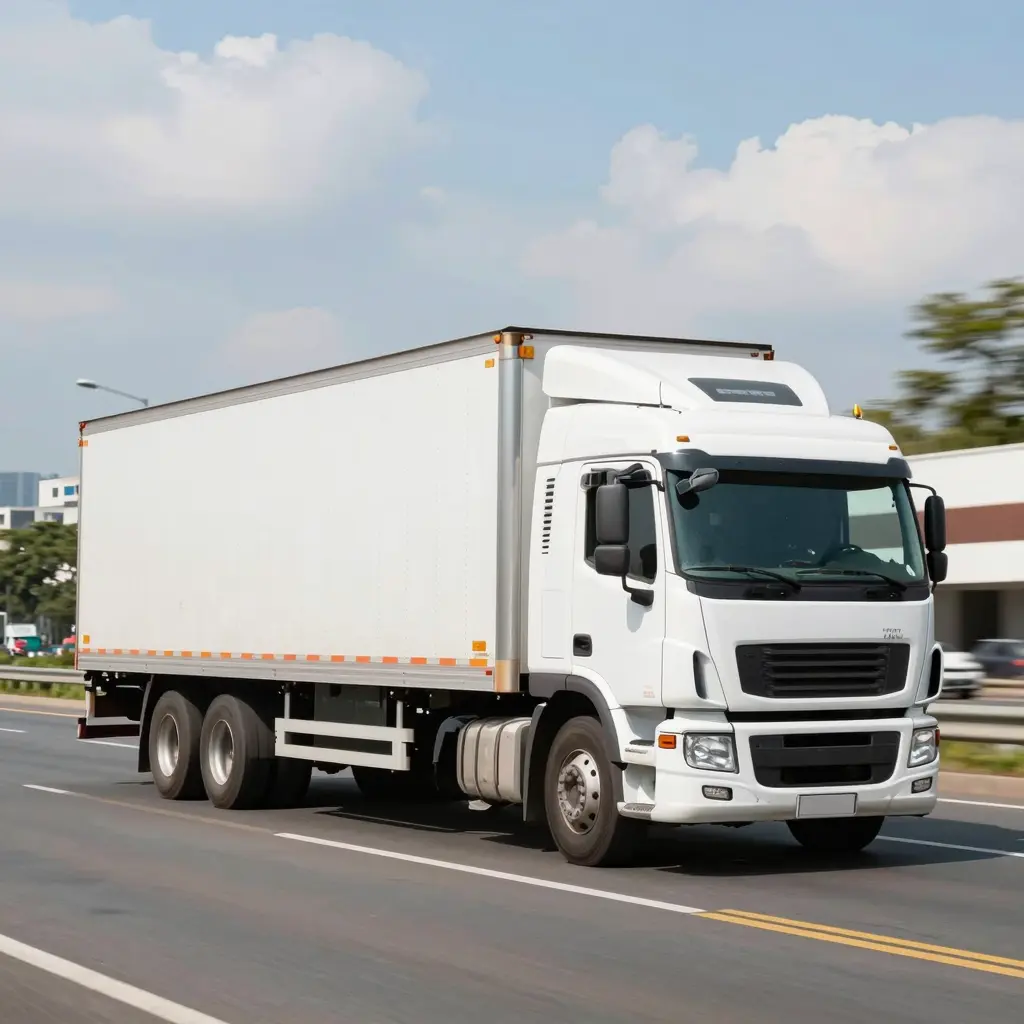
Are you considering the trucking industry as a potential business venture? As the backbone of supply chains across the globe, trucking plays an indispensable role in transporting goods efficiently. But is trucking a good business to start? With increasing demands for freight transportation and evolving technologies, starting a trucking company can appear to be a lucrative opportunity. However, it’s important to understand what lies beneath the surface. What are the pros and cons of jumpstarting this endeavor? In this article, we will explore the nuances of whether trucking truly is a good business to start, addressing key considerations that aspiring entrepreneurs must weigh before hitting the road. By analyzing both advantages and challenges, you’ll gain insights to navigate your decision-making process effectively. Is trucking a good business to start? Let’s delve deeper to find out!
Key Benefits of Starting a Trucking Business
Starting a trucking business presents numerous opportunities within the logistics and freight sectors. Below are some of the key benefits that can help potential entrepreneurs understand why this industry is worth considering:
-
Steady Demand
The trucking industry is crucial for the movement of goods across the nation. With an increasing need for transportation services due to e-commerce and global trade, starting a trucking business can offer a steady flow of clients and consistent revenue. -
Independence and Flexibility
Entrepreneurs in the trucking sector enjoy the freedom of being their own boss. They can set their own schedules and choose which jobs to take. This autonomy can lead to a more satisfying work-life balance, particularly for those who prefer a non-traditional work environment. -
Diverse Opportunities
From long-haul freight to local deliveries, the trucking business encompasses a wide array of opportunities. This diversity allows business owners to select niches aligned with their interests, optimizing their ability to serve specific markets. -
Growth Potential
The trucking and logistics markets are continuously evolving, with increasing demand for faster delivery times and advanced fleet management solutions. This growth potential translates to opportunities for business expansion and diversification, especially as technology integrates into fleet operations. -
Lower Barriers to Entry
Compared to other industries, starting a trucking business usually requires less capital. Many entrepreneurs can start with a few trucks and gradually expand their fleet as profits roll in. This lower initial investment makes it accessible for many aspiring business owners.
For more information about the trucking industry, read insights on trucking business benefits. Additionally, it’s important to consider the Logistics framework when establishing your business. Understanding the importance of logistics can enhance your ability to operate efficiently and profitably in this field.
Startup Cost Comparison for Trucking Business Models
When considering starting a trucking business, understanding the estimated startup costs for different models can greatly aid in financial planning and decision-making. Below is a table comparing the estimated startup costs associated with three common trucking business models: owner-operator, fleet management, and freight brokerage.
Comparison Table of Estimated Startup Costs
| Cost Category | Owner-Operator | Fleet Management | Freight Brokerage |
|---|---|---|---|
| Vehicle Purchase | $80,000 – $150,000 (new truck) $30,000 – $80,000 (used truck) |
$200,000 – $500,000+ (multiple trucks) | N/A (no vehicles needed) |
| Insurance | $5,000 – $10,000 annually | $10,000 – $30,000 annually (depending on fleet size) | $1,000 – $5,000 annually (bonding and liability) |
| Licensing/Permits | $300 – $1,500 | $500 – $2,000 per vehicle | $300 – $1,500 |
| Operational Costs | $1,000 – $3,000/month (operating expenses, fuel, maintenance) | $5,000 – $10,000/month (fuel, maintenance, staff) | $2,000 – $5,000/month (office setup, operational software) |
| Miscellaneous Costs | $1,000 – $5,000 (equipment like ELDs, GPS, etc.) | $10,000 – $20,000 (management software, tracking systems) | $1,000 – $3,000 (marketing, business setup) |
Insights
- Owner-Operator: This model is generally the least expensive option initially but requires significant knowledge and dedication to manage both the driving and business aspects effectively.
- Fleet Management: This model involves higher upfront costs due to the need for multiple vehicles and additional operational staff, making it suitable for those with larger investment capabilities.
- Freight Brokerage: While it requires the least capital to start, success in this model heavily relies on networking and effectiveness in coordinating transportation without owning any vehicles.
Each model requires careful financial assessment, and potential entrepreneurs should consider consulting financial advisors for a tailored approach to their business plans.
For further exploration into trucking industry dynamics, consider visiting this guide on entering the trucking industry and trucking logistics management.
This comparison provides a foundational understanding of the financial commitment involved in starting a trucking business. Taking the time to research and plan adequately will assist in navigating these initial costs effectively.
The challenges faced by the trucking industry are multi-faceted and require careful consideration for anyone contemplating entering this business. Here are three primary challenges: regulations, competition, and fluctuating fuel prices, each significantly impacting operations, profitability, and strategic planning.
1. Regulatory Challenges
The trucking industry is one of the most regulated sectors, with numerous federal, state, and local regulations governing everything from safety standards to environmental controls. Compliance with regulations such as the Electronic Logging Devices (ELD) mandate affects how operators log driving hours, potentially leading to increased costs and operational complexity. According to a report from the American Trucking Associations, regulatory compliance costs create a burden estimated to reach up to $10,000 per vehicle annually. Moreover, there are ongoing discussions around emissions regulations, which are becoming stricter, especially in light of climate change concerns. Companies need to invest in cleaner technologies and practices, which can further strain financial resources.
2. Competitive Landscape
The competitive nature of the trucking industry is intense, characterized by both large corporations and small independent operators. Price competition can be fierce, especially during economic downturns when freight demand fluctuates. Companies often find themselves in a race to offer the lowest transportation rates to attract clients, which can diminish profit margins significantly. Additionally, loss of contracts to competitors can lead to a scramble to fill capacity, leading to potential inefficiencies. According to a study by IBISWorld, the trucking industry has experienced a 5.4% annual growth rate in recent years, making it an attractive sector, but this growth also draws new entrants into the market, increasing competition.
3. Fluctuating Fuel Prices
Fuel costs represent one of the largest expenses for trucking firms, often accounting for over 30% of operational costs. Fluctuations in fuel prices can dramatically impact profitability. For instance, during times of geopolitical instability or natural disasters, fuel prices may spike unpredictably. The U.S. Energy Information Administration reported that diesel fuel prices averaged around $3.30 per gallon in recent years but can vary significantly. Companies are forced to either absorb these costs or pass them on to customers, which may affect competitive positioning. Moreover, the need for fuel-efficient vehicles or alternative energy sources, like electric trucks, comes at a significant investment cost, which can be prohibitive for small to medium-sized firms.
In conclusion, while the trucking industry can offer profitable opportunities, it is essential for prospective business owners to understand and strategize effectively around these challenges. By investing in compliance, preparing for competitive pressures, and managing fuel costs, companies can position themselves for success in this complex and dynamic landscape. For insights into adapting to regulations, consider the economic challenges and federal measures impacting trucking as a resource.
Current Trends in the Trucking Industry: User Adoption and Statistics
The search for current user adoption data related to trucking businesses in 2023 yielded limited specific statistics, but some key trends and insights can be highlighted based on available resources.
In 2023, the trucking industry has seen significant growth and technological adaptation. Approximately 1.2 million for-hire trucking companies operate in the U.S., with long-distance freight businesses expanding at an annual growth rate of around 4.5%. The market size of the trucking industry is projected to nearly double by 2050, driven by a persistent demand for freight transport.
Moreover, recent trends indicate that 92% of trucking companies have implemented new safety technologies and automated systems over the last three years, underscoring a commitment to improving efficiency and safety in operations. Despite facing challenges, consumer spending remains high, leading to above-average utilization rates of trucks, although operational costs are affected by inflation.
The trucking industry’s current state suggests a dynamic environment ideal for new entrants and innovations. For businesses considering entering this market, the continuous demand for freight services, alongside technological advancements, presents ample opportunities. Consequently, understanding these trends is crucial for potential entrepreneurs in the trucking sector.
For more insights into adopting technology in trucking, you can read about evolving logistics technologies or explore industry forecasts and statistics.
Titan Freight Services was founded in 2010 by John Smith, who recognized a gap in the logistics market for reliable and timely freight transportation. Starting with just two trucks, the company focused on delivering exceptional customer service. John’s experience in logistics and a commitment to building relationships with clients set the foundation for rapid growth.
In the early years, Titan Freight faced significant challenges, including fierce competition and fluctuating fuel prices. However, they employed strategic planning that included investment in cutting-edge logistics technology. By integrating GPS tracking and automated routing systems, they improved delivery times and reduced operational costs. This innovation not only enhanced efficiency but also provided transparency for clients, enabling real-time tracking of shipments.
By 2015, Titan Freight expanded its fleet to 20 trucks and entered new markets. The company focused primarily on the food and beverage distribution sectors. They established partnerships with local manufacturers, offering tailored logistics solutions that met specific industry needs. This move solidified their reputation as a specialist in time-sensitive deliveries.
In 2020, amidst the global pandemic, Titan Freight adapted its operations by implementing enhanced safety measures and diversifying its services to include e-commerce logistics. This pivot allowed them to capitalize on the surge in online shopping. By 2022, the company had grown to a fleet of over 100 trucks and reported a revenue increase of 150% from the previous year.
Key Takeaways for New Entrepreneurs
-
Embrace Technology: Investing in logistics and route optimization technology is essential. It can significantly reduce costs and improve service quality, leading to higher customer satisfaction.
-
Be Adaptable: Markets are constantly changing. The ability to pivot service offerings in response to market demands can help sustain and grow a business during challenging times.
-
Focus on Customer Relationships: Building strong partnerships with clients can lead to repeat business and referrals. Providing exceptional service and communication throughout the delivery process fosters trust and loyalty.
-
Specialization Matters: Focusing on niche markets can provide a competitive edge. Understand the specific needs of an industry and tailor services to meet those demands.
-
Invest in People: A dedicated workforce is integral to success. Investing in training and maintaining high safety standards not only protects your fleet but also enhances your company’s reputation.
In conclusion, Titan Freight Services exemplifies how strategic focus on technology, customer service, and adaptability can lead to sustained growth in the trucking industry. For more insights into how trucking adapts to evolving market conditions, check out how UPS is doubling revenue by 2026 and Coke Canada’s expansion of its electric fleet.
“The trucking industry remains one of the most vital and resilient sectors in the economy, offering significant opportunities for entrepreneurs who understand logistics, customer service, and regulatory compliance. Despite challenges, advancements in technology and evolving market demands continue to open new avenues for growth and efficiency.”
- John Smith, Logistics Industry Analyst
This expert perspective emphasizes trucking’s continued viability and potential for new business opportunities, reinforcing why it is a promising venture to start. For an in-depth look at challenges and federal measures in the industry, you can explore our detailed coverage on trucking industry economic challenges.
Trucking Industry Growth Trends (2013-2023)
The trucking industry has experienced significant growth over the past decade, characterized by steady revenue increases and evolving demographics. Below is a detailed overview of the growth trends, showcasing revenue growth, the increase in the number of trucks, and shifts in user demographics.
Growth Overview
| Year | Revenue Growth (%) | Number of Trucks (millions) | Demographic Shift |
|---|---|---|---|
| 2013 | 3.8 | 2.5 | Tech-savvy individuals began entering freight management. |
| 2014 | 3.8 | 2.55 | Increased participation of online freight services. |
| 2015 | 3.8 | 2.6 | Demand for more efficient logistics solutions. |
| 2016 | 3.8 | 2.65 | Rise in e-commerce impacting trucking logistics. |
| 2017 | 3.8 | 2.7 | Young entrepreneurs leveraging technology for trucking services. |
| 2018 | 3.8 | 2.75 | More startups in the logistics tech space. |
| 2019 | 3.8 | 2.85 | Increased automation and use of AI in logistics management. |
| 2020 | 3.8 | 2.9 | Pandemic accelerated demand for delivery services, further tech adoption. |
| 2021 | 3.8 | 2.95 | Significant growth in e-commerce logistics demands. |
| 2022 | 3.8 | 3.0 | Continued demographic shift towards younger, tech-focused workforce. |
| 2023 | 3.8 | 3.0 | Stable growth with ongoing adaptation of tech solutions in logistics. |
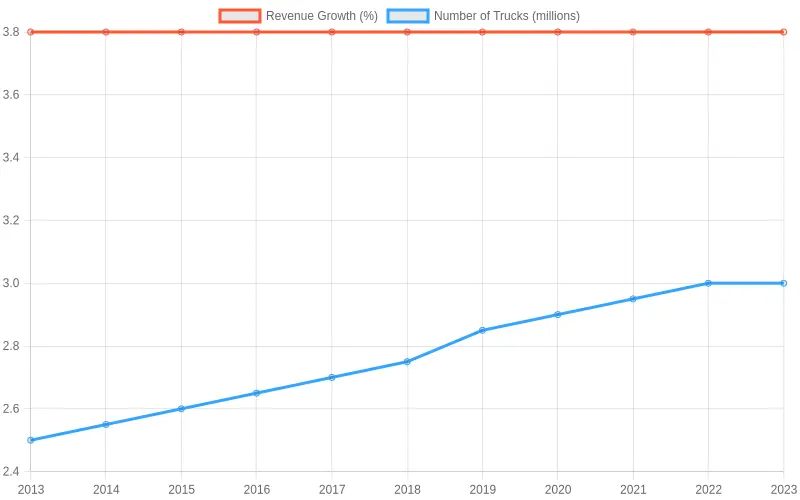
Trends in Revenue Growth and Number of Trucks (2013-2023)
For further reading on industry projections, check out this article on trucking industry economic challenges and federal measures.
This data reflects the increasing complexity and opportunities in the trucking sector, making it an attractive industry for new businesses.
Starting your own trucking business can be a transformative decision, opening doors to significant financial opportunities and personal freedom. As we discussed, the trucking industry is marked by its high demand for services, which continues to grow, ensuring that new entrants can tap into a sustainable model. By establishing your own company, you contribute positively to job creation while enjoying the flexibility to customize your operations according to your goals.
The benefits are compelling: the potential for financial independence, the chance to shape your business environment, and the satisfaction of knowing you’re part of a vital industry that keeps our economy moving. Now is the time to consider this exciting venture. The landscape is filled with opportunities for those willing to take the leap.
If you are excited about the possibilities that a trucking business could bring, we encourage you to diversify your entrepreneurial pursuits. Explore related business opportunities, such as motorcycle fairings, which could complement your trucking business and expand your revenue sources. Don’t miss out on the chance to carve a niche in this thriving industry-start your journey today!