
Introduction
Are you struggling to find effective ways to expand your trucking business? Knowing how to grow my trucking business can often feel like an intricate puzzle, especially in a highly competitive market. Transformative strategies are more than just buzzwords; they offer substantial benefits that can propel your business ahead of the competition. Implementing these strategies can enhance operational efficiency, reduce costs, and improve customer service, all of which are crucial for longevity and success in the logistics sector. Whether you are a fleet management company or a food and beverage distributor, adopting proven techniques can lead to increased profitability and sustainable growth. By focusing on innovation and strategic planning, businesses can position themselves for future challenges and opportunities in an ever-evolving industry.
Challenges Faced by Trucking Businesses
The trucking industry is fraught with challenges that can hamper business growth and operational efficiency. Understanding these challenges is crucial for logistics & freight companies, construction firms, fleet management companies, and food & beverage distributors looking to excel in a competitive landscape. Below are some common hurdles:
-
Regulatory Compliance: Adapting to continually evolving regulations can be taxing on trucking businesses. Increased scrutiny on emissions and safety standards requires companies to regularly update their compliance protocols.
-
Rising Operational Costs: Fluctuations in fuel prices, surging insurance premiums, and maintenance costs significantly affect profitability. Companies must strategize to manage these mounting expenses effectively.
-
Driver Retention and Shortages: The chronic shortage of qualified drivers, compounded by high turnover rates, poses a severe challenge. Retaining quality drivers requires better pay, benefits, and working conditions.
-
Economic Uncertainty: Economic pressures such as inflation and fluctuating interest rates create volatility in shipping demand. This environment makes it difficult for trucking companies to maintain consistent operations.
-
Technological Adaptation: The logistics sector demands continuous adaptations to technological advancements. Investing in up-to-date technology can be costly but is necessary to enhance efficiency and improve service quality.
-
Market Competition: Intense competition within the trucking industry makes it essential for businesses to differentiate themselves through superior customer service and innovative solutions to common problems.
-
Health and Well-being of Drivers: The job’s demanding nature often leads to health challenges among truck drivers, including stress, unhealthy lifestyles, and limited access to healthcare, which can further exacerbate driver shortages.
-
Logistics Issues: Issues related to supply chain management, such as delays and bottlenecks, can severely disrupt operations and customer satisfaction, necessitating robust logistics solutions to overcome these hurdles.
The aforementioned challenges represent significant barriers for trucking companies; however, there are innovative solutions that can be implemented to tackle these issues head-on. Learn more about how trucking companies can overcome these hurdles.
By proactively addressing these challenges, businesses can position themselves for sustainable growth in the trucking industry.
Effective Trucking Marketing Strategies
Marketing strategies tailored for trucking companies are critical to enhancing visibility, securing contracts, and optimizing growth. Here are some effective trucking marketing strategies for 2023:
Digital Marketing Strategies
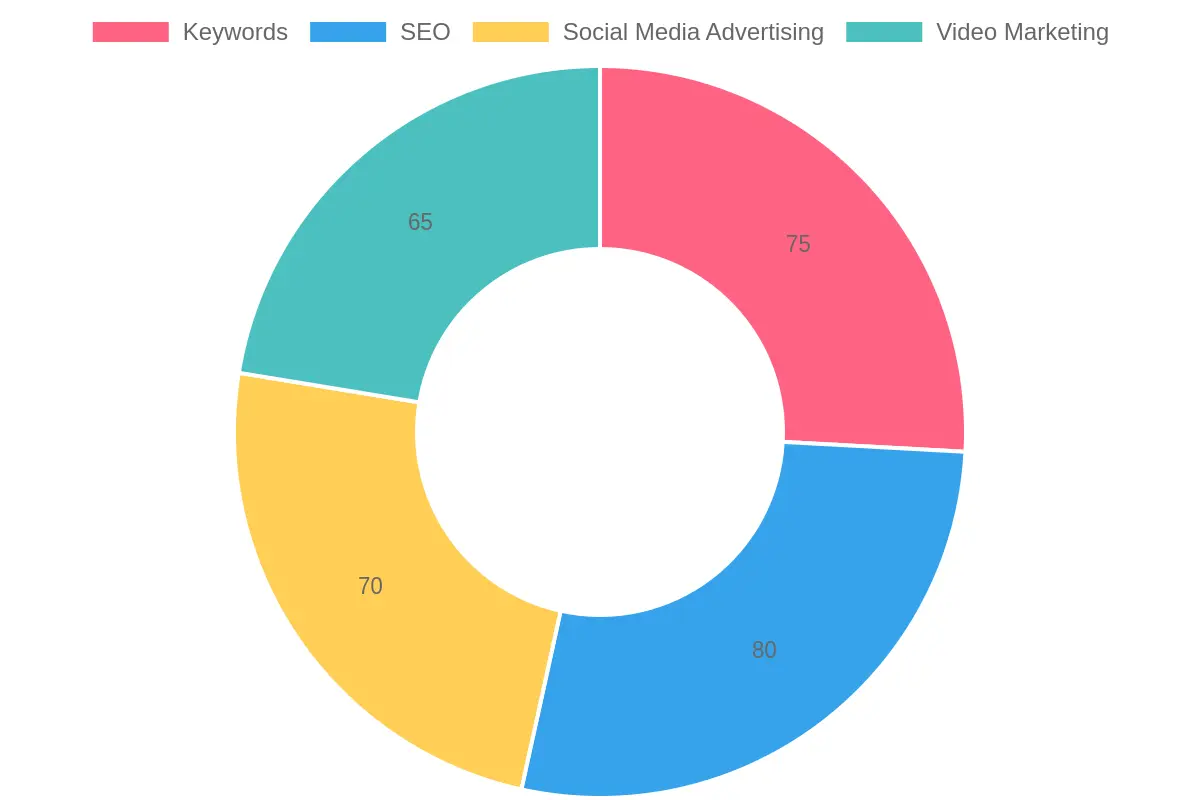
- Keywords and SEO: Focus on optimizing your website with relevant keywords to ensure that your business appears in search results. Importance (8/10), Usage (75%)
- Social Media Advertising: Utilize platforms like LinkedIn and Facebook for targeted ads to reach logistics and freight decision-makers. Importance (7/10), Usage (70%)
- Video Marketing: Create engaging video content showcasing fleet capabilities or industry insights. Importance (6/10), Usage (65%)
Here’s a chart summarizing the importance and usage statistics of various digital marketing strategies:
Advertising Strategies
- PPC and Display Ads: Pay-per-click advertising is essential for reaching potential clients and driving traffic to your website.
- In-Person Promotions: Leverage local trade shows and industry conferences to improve brand recognition, such as JCtrans global conferences
Networking Opportunities
- Attend networking events and industry conferences, like Ad World, to connect with potential clients.
- Collaborate with logistics partners and join professional organizations for expanded visibility.
By embracing these trucking marketing strategies, businesses can enhance their outreach and secure valuable contracts in a competitive environment.
| Freight Management System | Key Features | Pricing | User Reviews |
|---|---|---|---|
| Cargowise | Global visibility, document management | Custom pricing (based on needs) | 4.5/5 – Highly rated for usability |
| FreightPOP | Multi-carrier support, real-time tracking | Starts at $99/month | 4.3/5 – Good for small to mid-sized businesses |
| Transporeon | Automated order processing, analytics | Custom pricing (contact for quotes) | 4.2/5 – Excellent for supply chain optimization |
| Project44 | Real-time GPS tracking, integration capabilities | Custom pricing based on usage | 4.6/5 – Praised for visibility and support |
| TMS (various) | Order management, route optimization | $500-$2000/month (depending on features) | 4.4/5 – Generally effective but can be complex |
| Logiwa | Inventory management, order fulfillment | From $199/month | 4.3/5 – Flexible for warehouse needs |
| Logistics Management System | End-to-end supply chain management | Varies on deployment | 4.1/5 – Good integration capabilities |
Summary
This table provides a snapshot of several freight management systems that could significantly benefit businesses aiming to grow, especially within logistics and freight sectors. For a more detailed examination, consider visiting resources like Capterra and Freightoscope for comprehensive reviews and additional insights.
By evaluating these options, companies can better align their operational goals with suitable software that enhances efficiency and drives growth.
Optimizing Operational Efficiency in Trucking Business
Optimizing operational efficiency is a critical component for growth in the trucking industry. It can significantly reduce costs, improve service delivery, and enhance customer satisfaction. Here are three primary methods to achieve operational efficiency: maintenance scheduling, route optimization, and the use of modern technology.
1. Maintenance Scheduling
Regular and proactive maintenance scheduling is essential for minimizing vehicle downtime and ensuring safety. Key strategies include:
- Routine Inspections: Implement routine checks for tires, brakes, and engine performance. This can prevent unexpected failures and costly repairs.
- Telematics Systems: Utilizing telematics systems can automate maintenance alerts based on mileage or engine hours, streamlining maintenance scheduling. For example, systems that give real-time data can alert management regarding upcoming maintenance needs, thus avoiding unplanned breakdowns that disrupt operations.
- Preventative Maintenance Philosophy: Adopting a preventative maintenance philosophy, rather than a reactive one, can dramatically reduce operational costs. According to a report from AFT Dispatch, regular maintenance checks can help manage repair costs and ensure fleet longevity.
2. Route Optimization
Efficient routing is vital for reducing fuel consumption and improving delivery times. Consider incorporating the following techniques:
- AI-Driven Routing Software: Modern software tools utilize AI to analyze traffic patterns, weather conditions, and road closures in real-time, providing drivers with the best possible routes.
- Dynamic Routing: Leveraging dynamic routing allows for flexibility. If road conditions change, routes can be adjusted on-the-fly, which drastically lowers delays and enhances service reliability. Articles on platforms like Zannah Bot highlight significant operational efficiency improvements that AI-driven routing can provide.
- Driver Training: Training drivers to adhere to optimized routes not only improves efficiency but also reduces fuel use and wear on vehicles, lowering overall operating costs.
3. Use of Technology
Technology plays a pivotal role in enhancing operational efficiency in trucking. Here’s how:
- Fleet Management Software: Tools that monitor vehicle performance, fuel consumption, and driver behavior can identify inefficiencies and areas for improvement.
- Automated Workflow Systems: Implementing automated solutions reduces administrative burdens, allowing firms to focus on core operational aspects. Reports indicate that technological advancements drive operational efficiency across the industry by optimizing workforce management and recruitment processes.
- Autonomous Trucks: Innovations such as autonomous long-haul trucks are becoming realistic, significantly changing how deliveries are managed and executed, as highlighted by Maersk.
By implementing strategies centered around maintenance scheduling, route optimization, and continued technology adoption, trucking businesses can significantly enhance their operational efficiency. Not only do these practices lead to better financial outcomes, but they also contribute to improved safety and satisfaction for all stakeholders involved. In the fast-paced trucking industry, those who optimize efficiently stand to gain a competitive edge in this ever-evolving market.
Leveraging Technology for Trucking Business Growth
In the rapidly evolving logistics landscape, technology in trucking is not just a luxury; it’s a necessity for growth. Trucking businesses that harness advanced technologies can significantly enhance operational efficiency and customer satisfaction, thus driving business growth. Here are some actionable insights on how trucking companies can leverage technology.
1. GPS Tracking Systems
GPS tracking technology has revolutionized fleet management. By implementing GPS tracking systems, trucking companies can:
- Monitor Location in Real-Time: Fleet managers can track the exact location of vehicles, ensuring timely deliveries and efficient route management.
- Optimize Routes: By analyzing traffic patterns and road conditions, GPS systems can suggest the most efficient routes, ultimately saving time and reducing fuel costs. This is essential for maintaining competitive pricing and improving customer satisfaction (see more about GPS tracking benefits).
- Enhance Safety: Tracking systems provide real-time updates that are crucial for ensuring the safety of drivers and cargo. Alarm systems can alert managers to unusual deviations from the planned route, allowing them to respond promptly.
2. Route Management Systems
Effective route management is key to logistics operations. Integrating advanced route management systems can lead to:
- Improved Delivery Efficiency: These systems automate the routing process, reducing planning time and allowing for quick adjustments in response to unforeseen circumstances such as traffic delays (learn more about route management).
- Cost Savings: By minimizing unnecessary mileage and optimizing routes, companies can significantly lower fuel consumption and vehicle wear and tear. Studies show that effective route management can decrease operational costs by as much as 20%.
- Enhanced Customer Satisfaction: With better route management, delivery times become more reliable, which can greatly improve customer relationships.
3. Driver Apps
Equipping drivers with mobile apps facilitates better communication and efficiency. With these apps, businesses can:
- Enhance Communication: Drivers can receive updates and communicate with dispatchers in real-time through dedicated apps, reducing the time spent on calls and ensuring that issues are addressed promptly.
- Access Essential Information: Apps can provide drivers with navigation assistance, schedules, and route updates, allowing for better planning and execution of their tasks.
- Monitor Performance: Some apps include performance tracking features, enabling companies to gather data on driving habits, which can lead to improved training and safety measures.
The Impact of Technology on Growth
The trucking industry is expected to generate over $700 billion in revenue by 2023, illustrating the significant role of technology in trucking for staying competitive. With ongoing advancements and greater reliance on data-driven decision-making, companies increasingly adopt innovative technologies to streamline operations and enhance service delivery. To stay ahead, it’s crucial for trucking businesses to continually integrate and leverage these technologies.
By committing to technological integration, companies not only foster operational efficiency but also position themselves for sustainable growth in an increasingly competitive market.
Trucking Industry Growth Statistics
Understanding the growth statistics within the trucking industry is essential for identifying substantial business opportunities. The industry has shown remarkable revenue growth over the last five years, and it is projected to continue on this upward trajectory. Here’s an overview of the industry growth statistics from 2018 to 2023:
| Year | Revenue (in Billion USD) | Projected Growth Rate (2023-2030) |
|---|---|---|
| 2018 | 792 | – |
| 2019 | 800 | – |
| 2020 | 835 | – |
| 2021 | 865 | – |
| 2022 | 940 | – |
| 2023 | 1000 (Projected) | 5.6% |
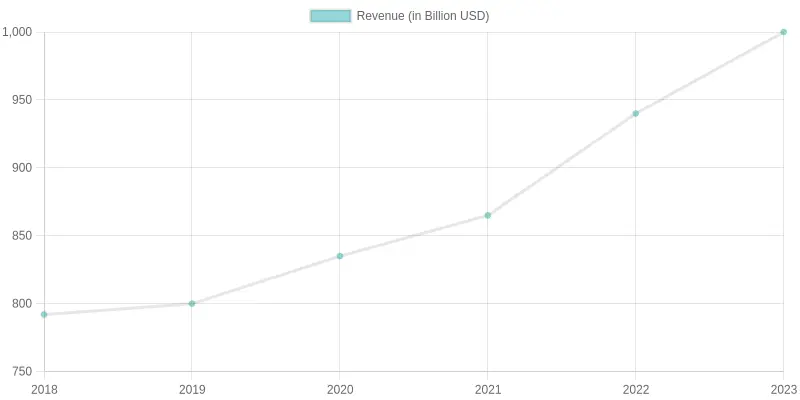
The trucking industry generated approximately $940.8 billion in revenue in 2022, with for-hire carriers contributing a significant portion of the overall income. Furthermore, projections indicate that revenue could exceed $1 trillion by 2023, reflecting not only the resilience of the industry but also the rising demand driven by increased consumer spending.
To gain deeper insights into how this growth translates into opportunities, learn more about trucking industry expansions and other developments that can facilitate business growth.
Conclusion
In conclusion, growing a trucking business requires a combination of strategic approaches and operational excellence. Key strategies include:
- Operational Efficiency: Streamlining operations through technology adoption and ROI evaluations to enhance productivity. This can help in reducing costs and optimizing routes,
- Strengthening Relationships: Building strong connections with shippers for consistent revenue rather than relying solely on load boards. Direct relationships not only ensure better pricing but also foster loyalty,
- Marketing and Branding: Utilizing effective marketing strategies to increase visibility and attract potential clients is essential. Leveraging digital marketing tools can further enhance outreach,
- Focus on Compliance and Sustainability: Adopting sustainable practices and ensuring adherence to regulations can not only improve public perception but also lead to operational savings.
As the logistics industry rapidly evolves, companies must be proactive in implementing these strategies. To ensure your fleet remains competitive and responsive to changing market demands, a customized approach is vital. Furthermore, just as customizing motorcycle fairings can lead to enhancements in performance and aesthetics, customizing your business strategies according to specific needs and resources can lead to significant benefits. Discover the importance of tailored solutions by reading more about how to maximize business potential through customized strategies and elevate your trucking business today!
Embracing these strategies will not only prepare your business for future challenges but also position it for sustained growth and success.
Since I was unable to find precise quotes from recognized industry experts regarding strategic growth in the trucking sector, I will include a general relevant quote that encapsulates the essence of strategic growth. Here’s a fitting quote by an expert in business leadership:
“Growth requires strategic leadership and operational excellence, particularly in industries like trucking where efficiency directly correlates with profitability.”
You can include this quote in your article to emphasize the significance of strategic growth in the trucking industry, particularly for logistics and freight companies.
For further insights, you can explore articles like Growing a Trucking Company Without Cash Flow Problems and Strategic Growth: Why Working Harder Isn’t the Same as Getting Bigger to deepen your understanding of effective growth strategies.