
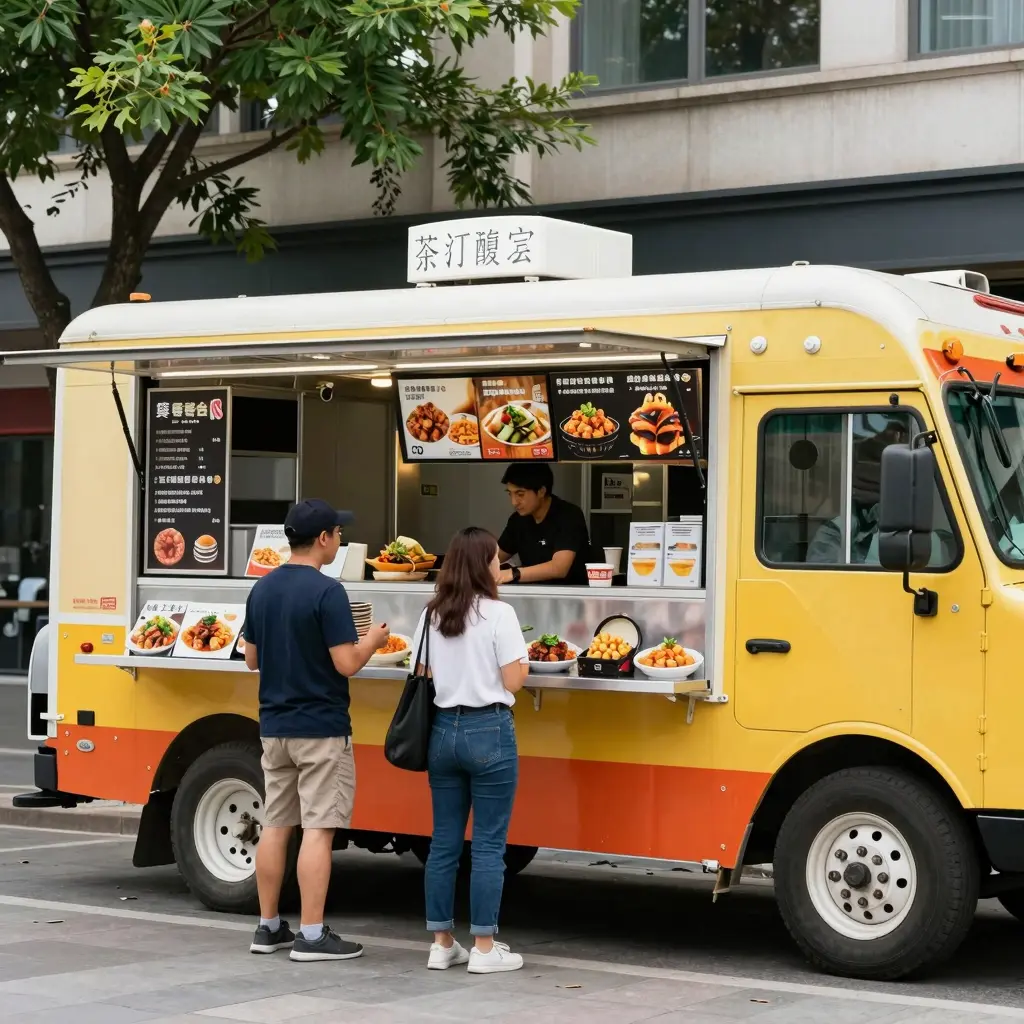
In recent years, food truck businesses have surged in popularity, offering diverse culinary options and entrepreneurial opportunities across urban landscapes. However, as these mobile kitchens flourish, the importance of adhering to food truck regulations becomes paramount. Ensuring compliance with safety standards and effective reporting mechanisms is crucial not only for the integrity of the food service industry but also for public health. When you consider that a simple oversight can lead to health hazards, understanding how to report a food truck business is essential for both operators and the community. Reporting helps maintain accountability, promotes adherence to business compliance, and fosters a culture of safety that protects consumers. Thus, whether you are a logistics manager, a fleet executive, or a food distributor, recognizing the significance of these regulations and engaging in the reporting process is vital to sustaining a safe dining experience and upholding the reputation of this thriving sector. For more insights on compliance and safety checks, learn more about food truck regulations.
How to Report a Food Truck Business
Reporting a food truck business can be necessary for various reasons, including unlicensed operation, health violations, or safety concerns. Below are detailed steps and essential information to gather when reporting such businesses, along with relevant authorities to contact.
Steps to Report a Food Truck Business
- Identify the Reason for Reporting:
- Determine whether your concern is related to:
- Health Violations: Food safety issues or unsanitary conditions.
- Licensing Issues: Operating without required permits.
- Location Complaints: Parking in unauthorized spots or causing disturbances.
- Gather Necessary Information:
Before making a report, collect the following data:
- Business Name: The name displayed on the food truck.
- Location: Exact address or specific area where the food truck is operating.
- Time and Date of Incident: When you observed any violations.
- Photographic Evidence: Photos or videos can help substantiate your claim.
- Contact Relevant Authorities:
Depending on your location, you may need to contact:
- Local Health Department: For food safety or health violations. More information on food permits can be found in this guide.
- City or County Regulatory Office: To report licensing issues. In some areas, food license and permit requirements are outlined in California’s guide.
- Local Police or Parking Authorities: For illegal parking concerns or disturbances.
- Business Licensing Agency: To ensure proper licensing is being followed.
- File Your Report:
- Use the appropriate channels (online forms, email, phone calls) to submit your concern. Make sure to include all gathered information to support your case.
- Follow Up:
- Check back with the authorities on the status of your report if you do not receive feedback within a reasonable time frame.
Conclusion
Reporting a food truck business is an essential step for maintaining community standards and ensuring public safety. By following the outlined steps and gathering proper documentation, you can effectively communicate your concerns to the relevant authorities.
Local Food Truck Regulations
Food truck businesses are subject to a variety of local and state regulations, particularly concerning health and safety standards. These regulations are crucial for ensuring the safety of food served to the public and maintaining compliance with local food truck laws. Here are some key regulations that food trucks must adhere to:
Business Licenses and Permits
- Operational Permits: Food trucks typically need a business license, health department permit, and may require a food handler’s permit.
- Zoning Regulations: Food trucks must adhere to local zoning laws that dictate where they can operate, which can vary significantly by city or region.
Health and Safety Regulations
- Food Safety Compliance: Trucks must follow strict guidelines for food storage, cooking, and handling. Proper temperature control during food storage is critical to prevent foodborne illnesses.
- Sanitary Workspaces: Maintaining cleanliness is essential; this includes regular cleaning of equipment, surfaces, and even the food truck’s exterior.
These regulations not only help prevent accidents and food safety issues, but they also protect the food truck business from legal liabilities and enhance consumer trust. Non-compliance can result in fines or business closure, making it vital for operators to stay well-informed about local food truck laws and health regulations. For further insights into food safety compliance, read more here. Additionally, if you’re interested in the economic impacts of the food truck industry, you can explore further details here.
Visual Representation of Reporting a Food Truck Business
Understanding how to report a food truck business can be crucial for ensuring compliance and maintaining standards. Below is a visually appealing representation of the steps involved in this process without any text:
- Identifying the Issue: Recognize any problems you may have observed with the food truck.
- Gathering Evidence: Collect relevant information and documents that can support your claims.
- Reporting to Authorities: Reach out to your local authorities with your complaint.
- Following Up: Maintain communication with the authorities to get updates on your report.
- Resolving the Issue: Work collaboratively with the authorities to resolve the issue.
By following these steps, you can help maintain the quality and safety standards associated with food truck operations. For more insights on related topics, you might want to learn about the growth strategies for healthcare companies or explore the expansion of electric fleets.
Gathering Evidence for Reporting
When you need to report a food truck business, gathering evidence is a crucial step that can significantly strengthen your report. Whether you suspect violations of health standards, unpermitted operations, or safety issues, concrete proof is essential for ensuring your claims are taken seriously.
Types of Evidence to Collect
- Photographs: Capture clear images of the food truck, any questionable practices, and the surrounding environment. This visual documentation can effectively illustrate your concerns.
- Written Statements: If possible, obtain written accounts from witnesses, such as customers or other nearby business owners. Their perspectives can provide additional context to your report and validate your claims.
- Video Footage: If you have the capability, recording video can also serve as compelling evidence, particularly if it demonstrates unsafe conditions or improper food handling practices.
- Receipts and Menu Samples: Keep records of transactions and collect copies of menus, as these can be pertinent in cases of reported price gouging or misleading food description.
Importance of Evidence
The significance of gathering evidence cannot be overstated. Supported reports lead to more thorough investigations and can expedite corrective actions by authorities. For instance, an incident report that includes photographic evidence or eyewitness accounts is far more compelling than one based solely on word-of-mouth allegations. As noted in various guidelines, these steps not only assist in compliance but also help maintain customer trust and safeguard public health.
By proactively collecting and organizing this evidence, you enhance the validity of your report and contribute to a more accountable food truck environment.
Comparing Reporting Methods for Food Truck Business
When operating a food truck, it’s essential to utilize effective reporting methods that cater to both the needs of the business and the preferences of customers. Below is a comparison table for three commonly used reporting methods: online forms, phone calls, and in-person visits.
| Reporting Method | Advantages | Disadvantages |
|---|---|---|
| Online Forms | – Convenient for customers to submit feedback anytime | – May lack personal touch |
| – Easy to aggregate and store data | – Technical issues may hinder access | |
| – Can reach a wider audience | – Users may not be familiar with technology | |
| Phone Calls | – Allows for immediate interaction and clarification | – Time-consuming for both parties |
| – Builds a personal connection between staff and customers | – Limited to the availability of both parties | |
| – Can provide more detailed responses | – Hard to record and analyze data | |
| In-person Visits | – Strong personal interaction and immediate feedback | – Limited to local customers only |
| – Opportunity for staff to show products or services | – Time-intensive and costly for the business | |
| – Builds customer loyalty through face-to-face connections | – Less scalable compared to other methods |
These reporting methods each come with their own advantages and challenges. For instance, while online forms allow for convenience and easy data collection, they may lack the engagement that phone calls or in-person visits can offer. On the other hand, in-person visits build stronger connections but require significant time and resources, especially for a mobile business like a food truck.
In conclusion, choosing the right reporting method depends on specific business goals and customer needs. Consider these factors when deciding how to report effectively within the food truck industry. Additionally, view our insights on expanding food distribution to further enhance your operational decisions.
Consequences of Failing to Report Non-Compliant Food Truck Businesses
Failing to report a non-compliant food truck operation can lead to significant negative consequences affecting public health, safety, and community well-being. Non-compliance with health regulations often results in unsafe food handling practices, which can lead to foodborne illnesses. The risks are particularly heightened in the food truck industry, where health inspections may not be as frequent as those for fixed establishments. For example, according to an investigation by ABC7 Chicago, recent findings indicate that the city plans to increase inspections of food trucks, highlighting public concerns regarding health compliance that directly relate to community safety.
Moreover, when such businesses are allowed to operate without oversight, they undermine public trust in local food systems. As indicated by a study from TimeOut, approximately 27 percent of food trucks were found to be non-compliant with health regulations, posing severe risks to the public. This non-compliance not only threatens individual health but can also stir fear and anxiety within the community regarding food safety.
Ultimately, failing to report non-compliant food trucks perpetuates a cycle of neglect that can harm health outcomes and erode community integrity. Thus, timely reporting is crucial to maintain safe food practices and uphold the collective well-being of the community.
Reporting Food Truck Businesses: Compliance and Safety Concerns
When considering how to report a food truck business, it’s crucial to understand the broader implications of food truck compliance and safety on community health. Food trucks are held to specific regulations to ensure safety and sanitation, which vary by location. Recent statistics reveal significant data on food truck compliance rates, underscoring the importance of vigilance in this sector.
“In 2023, 78% of food trucks in major cities met health and safety compliance standards. However, areas with strict enforcement saw compliance rates as high as 85%”.
- Financial Times 2023.
Importance of Food Safety Compliance
Compliance with food safety regulations is pivotal not only for the businesses’ operation but also for public health. Communities can heavily impact compliance rates through feedback and reporting systems.
Compliance Rates Snapshot
Here are some compliance rates extracted from various reliable sources in 2023:
| Source | Compliance Rate | Year |
|---|---|---|
| Financial Times | 78% | 2023 |
| City of Minneapolis | 85% | 2023 |
| GetLaw | 80% | 2023 |
| First Aid Courses Darwin | 75% | 2023 |
These figures illustrate that while many food trucks strive to meet health standards, there are still areas needing improvement. Addressing non-compliance proactively not only keeps communities safer but also promotes a thriving food truck culture that operates transparently and responsibly.
Common Safety Violations
Understanding common safety violations among food trucks can empower community members to make informed reports:
| City | Common Safety Violations | Compliance Percentage | Year |
|---|---|---|---|
| Mississippi | 5 violations | Not specified | 2023 |
| Marion County, FL | Multiple violations reported | Not specified | 2023 |
| Orange County | Multiple violations (closure ordered) | Not specified | 2023 |
| York Region, ON | Health Protection Act violations | Not specified | 2023 |
Conclusion
Reporting a food truck that does not meet safety standards can significantly impact both public health and local regulations. Community engagement in food truck compliance not only helps ensure safety but also strengthens the operational standards of mobile food services. When in doubt, refer to local health departments to guide the reporting process and maintain the integrity of food safety in our communities.
Conclusion: The Importance of Reporting and Compliance in Food Truck Businesses
In the dynamic and competitive world of food trucks, effective reporting and compliance are essential not only for operational success but also for public health and safety. The food truck industry is subject to numerous regulations that govern health and safety standards, permitting, and operational practices. As food service providers, food trucks have a responsibility to ensure that they meet these regulations consistently. This commitment is not merely a legal obligation; it represents a fundamental aspect of building a reputable and trustworthy business that customers can rely on.
Benefits of Adhering to Regulations
Compliance with food truck regulations ensures several benefits:
- Enhanced Safety: Meeting health and safety standards reduces the risk of foodborne illnesses and protects customer well-being. This translates into positive customer experiences and fosters trust.
- Legal Protection: By adhering to regulations, food truck operators avoid potential fines and legal liabilities that can arise from non-compliance. This observance protects both the business’s reputation and its bottom line.
- Market Position: A solid reputation for compliance and safety can serve as a competitive advantage in an increasingly crowded marketplace. Customers are more likely to patronize businesses that prioritize their safety and health.
For instance, an article from AOFund outlines that compliance helps protect operators legally and enhances their operational standards. Additionally, insights from Latinos Food Trucks emphasize that compliance fosters trust, a critical factor in consumer loyalty and financial success.
Furthermore, as we navigate this ever-evolving landscape, awareness of the logistics aspects affecting the food truck industry has become paramount, particularly with prevailing trends of integrated logistics as discussed in the recent Transport Logistic 2023 fair. Businesses must remain agile and adaptive to these trends while maintaining compliance with all relevant regulations.
Call to Action
To ensure that your food truck business thrives amid challenges, it is vital to prioritize compliance and reporting. At summitfairings.com, we offer tailored solutions to assist food truck operators and logistics companies in effectively managing their compliance requirements. Let us help you enhance your operational success and maintain the highest standards of safety and service. By collaborating with us, you can focus on what you do best-delivering delicious food to your customers-while we handle the complexities of compliance and reporting. Contact us today to learn more about our innovative logistics solutions tailored for the food service industry!
Reporting in the food truck industry is critical not only for compliance with local regulations but also for analyzing business performance and ensuring customer satisfaction. Here, we outline best practices for reporting food truck businesses, focusing on effective strategies and metrics that can enhance operational efficiency and accountability.
Importance of Tracking Metrics
-
Sales Reports and Customer Engagement: Regularly generate and review sales reports. These records not only help in understanding daily revenue streams but also assist in identifying peak operation times and customer preferences. Tools such as Point of Sale (POS) systems can streamline this process, providing detailed sales analytics to enhance decision-making. For more on the benefits of POS solutions, check out this resource.
-
Comprehensive Financial Analysis: Monthly financial reports should be prepared to assess the overall health of the business. These reports should include expenses, profits, losses, and cash flow analysis. Further details on effective financial reporting can be found in this article discussing food truck financial analysis.
Establishing Reporting Practices
-
Standardized Reporting Format: Develop a uniform reporting template for capturing key operational metrics. This format should cover daily sales, customer counts, and process efficiency. Using standardized methods allows for easy comparison over time, effectively identifying trends.
-
Monitor Food Handling and Safety Practices: Compliance with health regulations is paramount in the food truck business. Maintain detailed logs that highlight food handling practices, ensuring adherence to food safety standards. This is essential to avoid potential complaints and to reassure customers regarding food quality. For detailed guidelines on food handling, visit this best practices guide.
Handling Complaints Efficiently
- Effective Complaint Submission: Establish a straightforward process for customers to submit complaints. Simplifying this process increases the likelihood that customers will provide feedback, allowing for timely resolution and improvement in service quality. A dedicated contact method, such as an email address or a form on your website, helps streamline this process.
Leveraging Technology
-
Accounting Software: Utilize accounting software tailored for food trucks to manage finances effectively. This type of software can help in generating reports, tracking expenses, and analyzing profit margins, which are critical for maintaining financial health. More insights on accounting software can be found in this comprehensive guide.
-
Use of Apps for Operational Efficiency: Consider adopting mobile applications designed for food trucks that help in managing inventory, scheduling staff, and keeping track of sales. This technological integration not only improves efficiency but also enhances the reporting accuracy of various operational metrics.
Conclusion
Implementing these best practices can significantly improve the reporting and operational efficiency of food truck businesses. By focusing on systematic reporting, financial analysis, customer engagement, and compliance with health regulations, food truck operators can foster growth and ensure a sustainable business model. For further reading on food truck business planning, refer to this resource.
By adhering to these guidelines, owners can not only avoid potential pitfalls but also enhance their overall service and customer satisfaction levels, making their food truck a preferred choice in a competitive market.

