
Starting a food truck business has become a lucrative venture within the food truck industry, particularly appealing to logistics and fleet management companies looking to diversify their operations. As consumer preferences shift towards convenience and gourmet food options, the demand for food trucks continues to grow, with projections indicating a remarkable revenue generation of $1.4 billion in 2024 and an annual growth rate of 9.37%[^1]. For logistics companies, this offers a unique opportunity to leverage their existing fleet management skills and systems to create and run mobile food businesses effectively.
Understanding how to open a truck food business involves recognizing the essential factors that contribute to success, such as location analysis, menu development, regulatory compliance, and strategic marketing. Each of these elements can significantly impact operations and profitability. Additionally, food trucks can efficiently navigate urban settings where traditional brick-and-mortar restaurants may struggle, thus offering flexibility that aligns well with logistics practices. Moreover, partnering with food and beverage distributors can streamline the supply chain process and enhance product accessibility. Overall, this convergence of food service and logistics not only serves to meet consumer demands but also provides an innovative avenue for industry growth and sustainability.
[^1]: Learn more about the rapid growth of the food truck industry
| Type of Permit | Issuing Authority | Time Frame for Approval |
|---|---|---|
| Business License | Local business registration office | 1-4 weeks |
| Food Service Permit | Local health department | 1-6 weeks |
| Food Handler Certification | State health department or accredited organization | 1-3 weeks |
| Vehicle Health Permit | Local transportation authority | 1-2 weeks |
| Fire Department Permit | Local fire department | 2-4 weeks |
| Zoning Permit | Local zoning board | Varies (up to several months) |
| Sales Tax Permit | State revenue department | 1-2 weeks |
Key Points to Consider:
- Business License: Required to operate a business legally; the application is typically straightforward.
- Food Service Permit: Ensures the food truck complies with health regulations and safety standards.
- Food Handler Certification: Training for all employees handling food to prevent foodborne illnesses.
- Vehicle Health Permit: Validates that the food truck meets health and safety standards for food transport.
- Fire Department Permit: Necessary if the food truck uses cooking equipment that produces open flames.
- Zoning Permit: Required to ensure the food truck operates in designated areas; this can vary significantly by municipality.
- Sales Tax Permit: Required for collecting tax on sales made.
For further details on regulations and compliance, you may want to review resources such as Food Truck Regulations by State and Understanding Your State’s Food Truck Regulations.
Choosing the Right Food Truck
Selecting the right food truck is a critical decision that can significantly impact the success of your food business. The key factors to consider include the size, equipment, and functionalities of the truck, along with the need to balance your budget with quality.
1. Size Matters
- Dimensions: The size of the food truck affects not only operational logistics but also the menu you can offer. A medium-sized food truck typically weighs between 12,000 and 16,000 pounds when fully equipped, which impacts its licensing requirements. Understand the dimensions necessary for your kitchen layout and service style, as this will influence everything from menu planning to food preparation efficiency.
- Space Utilization: The interior space must be optimized to accommodate essential equipment like grills, fryers, and refrigeration units. Choose a size that allows for effective workflow without overcrowding.
2. Essential Equipment
- Cooking Gear: Invest in high-quality cooking equipment that suits your menu and operational needs. Standard equipment includes grills, fryers, and ovens, which are crucial for food quality and customer satisfaction. Learn more about specific equipment via Chef Units.
- Support Systems: Consider the necessary operational systems like refrigeration and storage that are required to maintain food safety and streamline service. A well-equipped food truck enhances service efficiency and productivity.
3. Budget vs. Quality
- Balancing Act: While it’s essential to stick to your budget, cutting costs on critical equipment can lead to operational inefficiencies. Allocate funds wisely between equipment quality and overall design to ensure a profitable food truck business model. According to sources from Trailer King Builders, maintaining this balance is vital for long-term success.
By thoroughly considering these factors, you can choose a food truck that not only meets your specific needs but also ensures a quality experience for your customers.

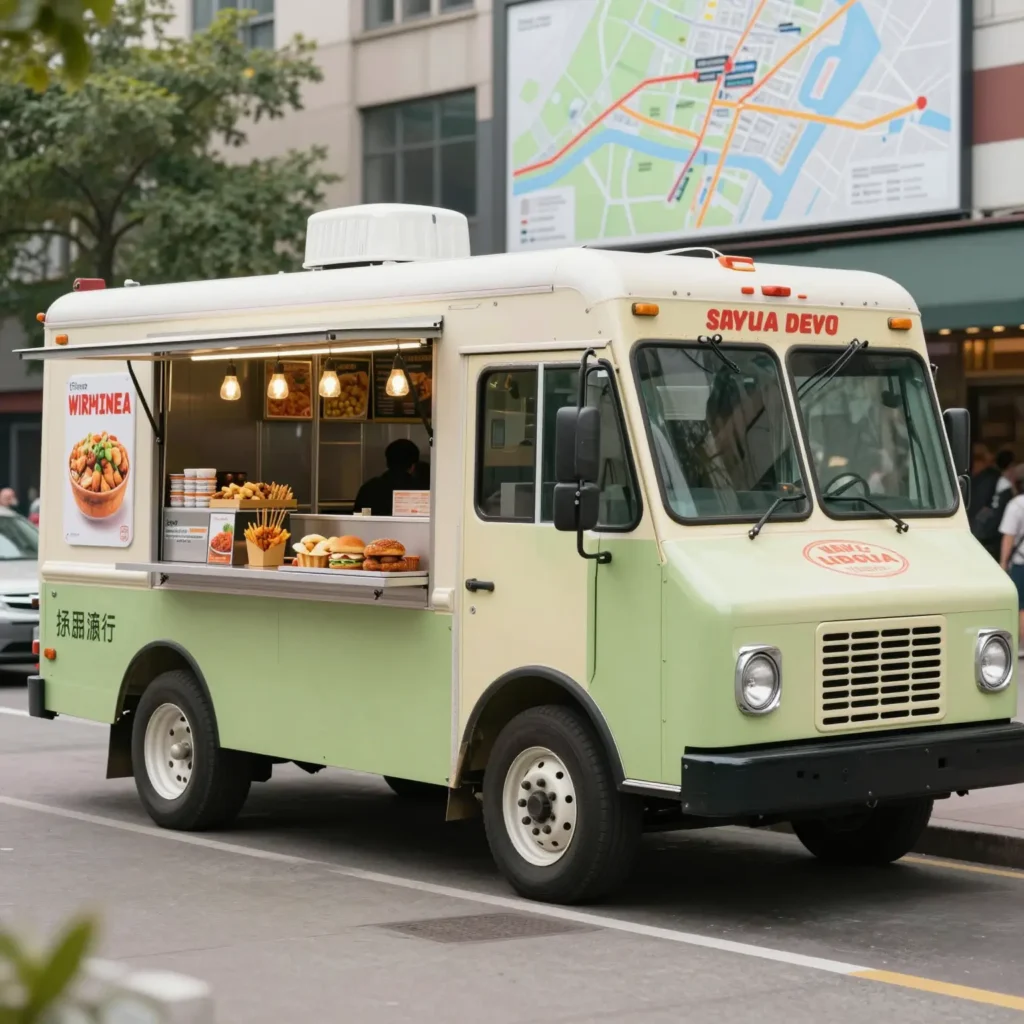
This visual showcases a variety of food truck designs and setups, highlighting elements such as colorful exteriors, diverse food options, outdoor seating, decorative signage, and themed decor. This can inspire potential business owners in the food truck industry to envision their unique setups.
Food Safety Regulations in the Food Truck Industry
Food safety regulations are vital in the food truck industry to ensure the health and safety of consumers. Regulation compliance not only protects the public but also enhances the credibility of food establishments. According to the CDC, approximately 48 million people in the U.S. contract foodborne illnesses each year, resulting in about 128,000 hospitalizations and 3,000 deaths. Food trucks, being mobile vendors, face unique challenges in maintaining food safety standards due to fluctuating working conditions and limited space.
To address these challenges, food truck operators must adhere to strict regulations set forth by local health departments. Some prominent regulations include:
- Regular Inspections: Food trucks must undergo regular inspections by local health authorities. The FDA reports that 76% of food truck inspections pass on the first attempt. Compliance can significantly depend on the type of inspection and local regulations.
- Employee Training: A study highlighted that training programs for food truck operators improve adherence to food safety practices, yielding a compliance success rate of about 58%. Regular training sessions should be organized to keep staff updated on food safety regulations.
Best practices also play a crucial role in ensuring food safety:
- Temperature Control: Food must be stored and served at safe temperatures. Using thermometers to regularly check food temperatures is imperative in preventing bacterial growth.
- Hygiene Practices: Implementing proper handwashing and the use of disposable gloves during meal preparation helps prevent cross-contamination.
- Regular Cleaning: Equipment and surfaces should be cleaned regularly to minimize contamination risks. Regularly schedule deep cleaning to further ensure a sanitary food handling environment.
By adhering to these regulations and best practices, food truck operators can provide safe and delicious food to their customers while minimizing the risks associated with foodborne illnesses.
For more insights on the challenges faced in the food industry, learn more about food truck inspection requirements. Additionally, explore the best practices for food safety in Ontario to further strengthen your compliance strategies.
Initial Costs Associated with Starting a Food Truck
Opening a food truck business involves various upfront costs. Here’s a detailed list of the primary expenses to consider:
- Food Truck Purchase or Lease: Depending on the age, model, and customizations, a food truck can cost between $50,000 and $250,000. You may choose to buy new or used trucks, or even lease one to lower initial costs.
- Truck Branding and Wraps: Customizing your truck’s appearance with a wrap and branding can range from $2,000 to $5,000.
- Permits and Licenses: Food truck permit costs vary widely by location, typically ranging from $400 to $2,500 in direct fees, but can exceed $8,000 to $25,000 when including compliance costs. Learn more about permit costs to ensure you’re budgeted properly.
- Equipment: Essential kitchen equipment includes grills, fryers, refrigerators, and storage. This can total around $15,000 to $50,000.
- Supplies: Initial inventory for food items, condiments, and packaging can cost about $1,000 to $3,000.
- Insurance: Liability insurance is crucial for food trucks and can generally range from $1,000 to $3,000 annually.
- Marketing and Advertising: Allocate around $1,500 to $5,000 for initial marketing efforts.
Planning your budget carefully is essential to the success of your food truck venture.
Effective Marketing Strategies for Food Trucks
In the dynamic landscape of food truck businesses, effective marketing strategies are essential for success. Food trucks, being mobile and often operating in a competitive market, can capitalize on innovative marketing techniques that not only enhance visibility but also engage potential customers. Key strategies include leveraging social media, fostering community engagement, and building partnerships.
Social Media Engagement
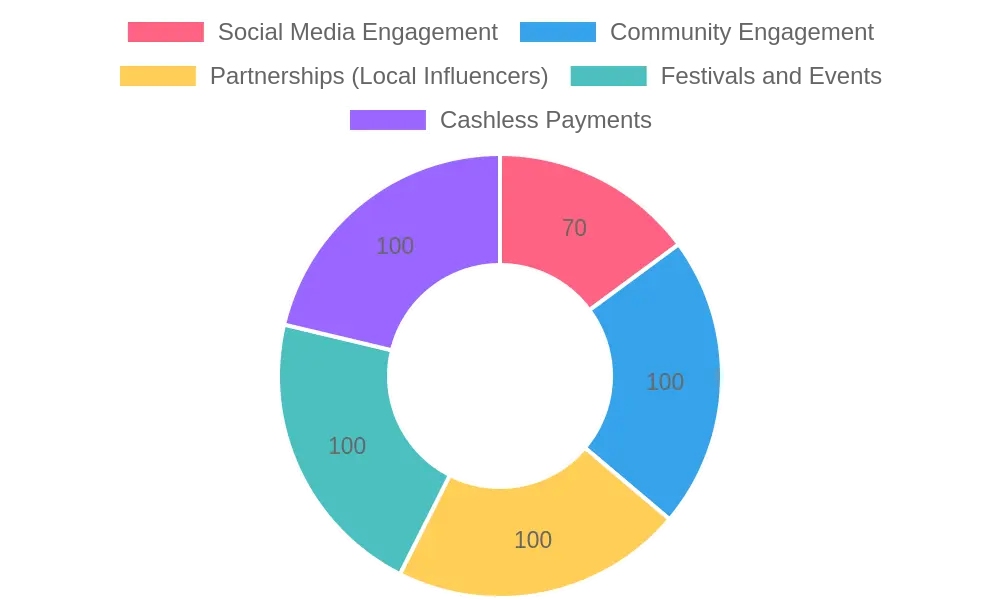
Social media platforms play a crucial role in the success of food trucks. According to a recent study, 70% of food trucks reported improved brand recognition through social media marketing. Platforms like Instagram and TikTok allow food trucks to showcase their menus, post attractive food images, and engage with customers interactively. For instance, a successful case is the food truck “Korean BBQ Taco Truck,” which effectively used Instagram to share visually appealing images of its fusion cuisine, leading to increased foot traffic and a loyal customer base. Businesses can also utilize local influencers to expand their reach. Collaborations with food bloggers or Instagrammers who resonate with the local demographic can significantly enhance visibility and engagement.
Community Engagement
Community engagement is another pillar for food truck marketing. Participating in local events, farmers’ markets, or food festivals can make a food truck a beloved part of the community. For instance, the food truck “Empieree Eats” created a community outreach program that boosted customer loyalty and sales by hosting monthly events that invited local feedback and collaboration. This fostered a strong community bond and encouraged regular customers to return. Establishing genuine relationships within the community not only increases customer retention but also transforms food trucks into local landmarks.
Partnerships
Building partnerships with local businesses can also enhance visibility and profitability. Establishing collaborations with breweries, local events, and even schools can provide food trucks access to new customer bases. For example, the food truck “Tasty Adventures” partnered with a local brewery for a special event, which allowed both entities to promote their brands while attracting new customers. Through authentic partnerships, food trucks can extend their marketing reach effectively and create memorable experiences for customers.
Conclusion
Implementing these marketing strategies-robust social media presence, community engagement, and strategic partnerships-can significantly impact food truck success. As the food truck industry continues to grow, businesses that employ creative marketing strategies are more likely to thrive amidst competition. The food truck market has been projected to grow 9.5% annually by 2024, highlighting the importance of effective marketing in sustaining and boosting this growth. Each strategy provides unique advantages, leading to increased brand recognition, customer loyalty, and, ultimately, sustained profitability.

Food Truck Profitability Overview
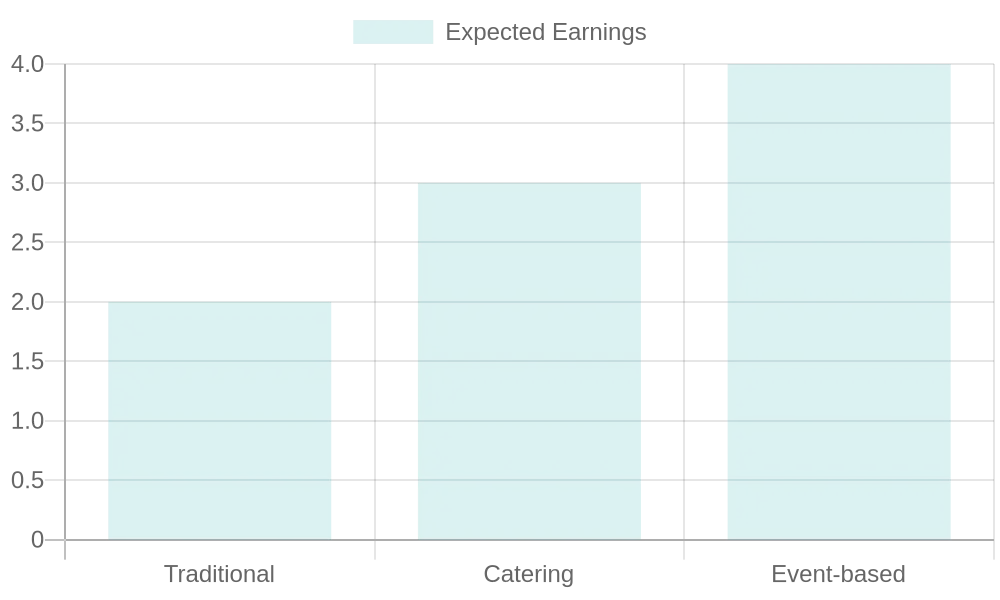
The chart below provides an insightful comparison of the profitability across various food truck models: traditional, catering, and event-based. Each model has distinct revenue streams and expected earnings timelines, which can greatly influence the decision for entrepreneurs in the food truck business.
| Food Truck Model | Profitability Timeline | Revenue Streams | Expected Earnings |
|---|---|---|---|
| Traditional | 1-2 years | Walk-up sales, local events | Moderate growth over time |
| Catering | 6-12 months | Fundraiser events, private events | Quick revenue due to contracts |
| Event-based | < 12 months | Contracted payments, guest counts | High revenue potential |
Sources:
- Food Truck vs. Restaurant: Which Is More Profitable?
- Food Truck vs Catering: Pros, Cons, and Who It’s For
- How Catering Can Boost Food Truck Sales & Profit
Understanding the Food Truck Business: Insights from a Successful Owner
Starting a food truck business can often be a double-edged sword: it demands hard work, dedication, and resilience against myriad challenges, but offers incredible rewards that make the effort worthwhile.
Jake Ramirez, owner of Taco Trek, encapsulates this perspective on the food truck industry with his insightful quote:
“Starting a food truck is both challenging and rewarding; it tests your passion and commitment, but the joy of serving delicious food to people makes it all worthwhile.”
Jake’s story is a testament to the struggles many food truck entrepreneurs face:
- Financial Challenges: Managing costs while ensuring profitability can be daunting. Many start with limited funds but require investment in quality ingredients and equipment.
- Competition: The food truck market is saturated. Standing out requires exceptional culinary creativity balanced with effective marketing.
- Regulatory Hurdles: Securing permits, health inspections, and adhering to local regulations can be complex.
- Logistical Issues: Finding the right locations to attract customers involves strategic planning and flexibility, as success can depend on foot traffic and community engagements.
Yet, the hurdles are accompanied by significant rewards:
- Community Engagement: Food trucks often foster a sense of community. They offer unique culinary experiences and create connections with customers. This relationship cultivates brand loyalty and satisfaction.
- Creative Freedom: Unlike traditional restaurants, food trucks allow chefs to explore their culinary passions, experiment with diverse menus, and innovate based on customer feedback. Different recipes can be introduced based on seasonal availability and specific events.
- Flexibility: A food truck’s mobility provides the ability to pivot quickly-a strategic advantage in a dynamic market. Owners can change locations and menus when needed based on customer preferences.
In summary, while the journey of opening and operating a food truck is riddled with challenges ranging from financial management to regulatory compliance, the personal satisfaction and connection created by serving great food make the experience profoundly rewarding. Educating oneself and navigating these complexities will be fundamental to a successful venture. For logistics professionals looking to support the food and beverage distribution sector, understanding these dynamics is crucial.
In conclusion, embarking on a food truck business presents a rewarding and dynamic opportunity for anyone looking to enter the culinary industry. From low startup costs to the freedom of mobility, food trucks serve as a practical organizational model for budding entrepreneurs. The essential steps include thorough research, menu development, and legal compliance, ensuring that your food truck stands out in this growing market. Notably, the industry is experiencing a resurgence, with consumers increasingly preferring gourmet food on-the-go. This creates a fertile ground for establishing your unique culinary brand.
Moreover, understanding the logistics of food delivery, including vendor relationships and supply chain management, is crucial for success. Boosting visibility through effective marketing strategies and engaging social media presence cannot be overstated. With the right approach, you can transform your passion for food into a thriving enterprise.
If you’re ready to elevate your food truck venture, consider investing in high-quality truck equipment available at Titan Business Trucks. Our premium range provides everything you need to hit the road running. Explore our offerings today and take the first step toward fulfilling your entrepreneurial dreams!