
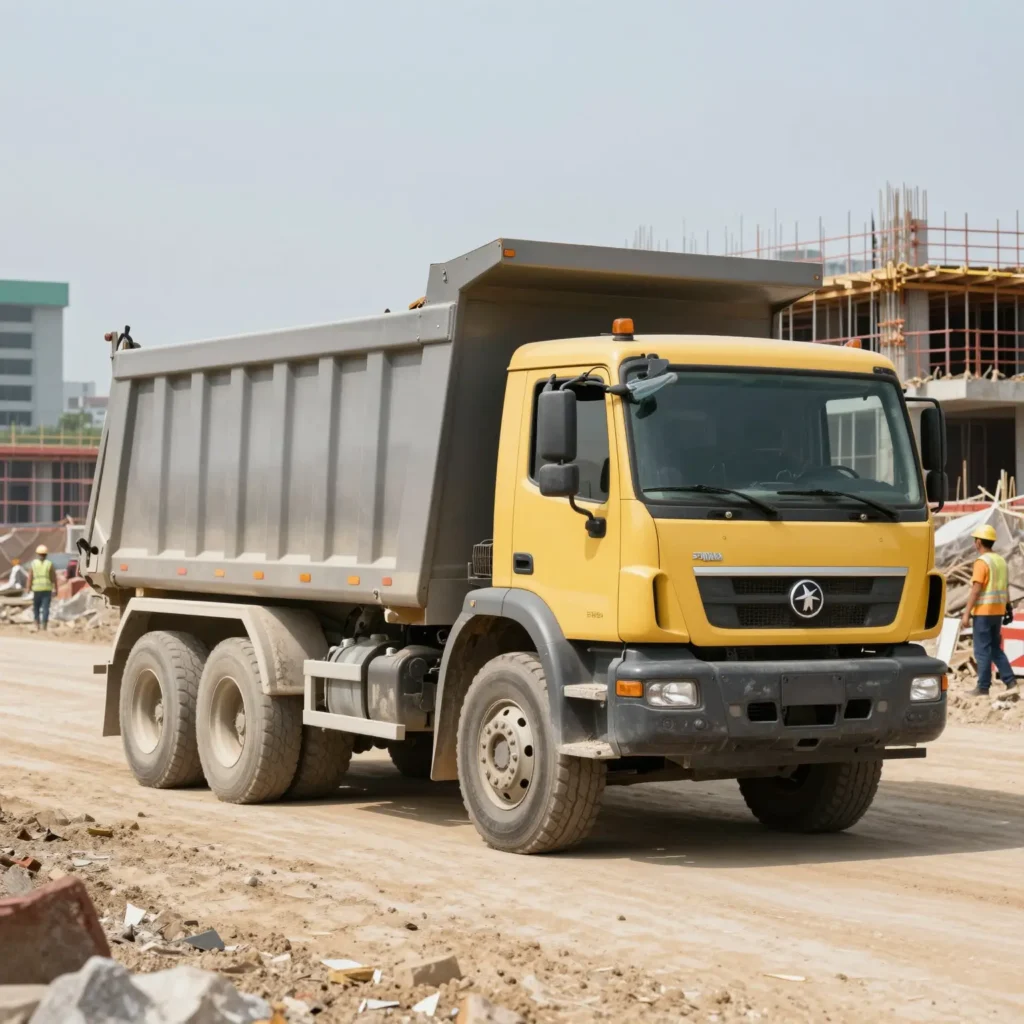
In the dynamic landscape of logistics and construction, the dump truck business stands as a pillar of efficiency and operational success. This sector, essential for transporting aggregate materials like soil, gravel, and debris, plays a crucial role in the execution of large-scale projects, from residential buildings to expansive commercial infrastructure. The demand for dump trucks has seen a significant surge, driven by ongoing infrastructure development and environmental initiatives aimed at sustainable waste management. However, the industry also faces a range of challenges, including stringent regulations, rising operational costs, and an evolving competitive market that requires businesses to innovate continuously.
As we delve deeper into the operational aspects of running a dump truck business, this article will unravel the myriad opportunities available to operators, such as diversifying into eco-conscious projects and tapping into lucrative government contracts. Yet, with opportunity comes the challenge of navigating economic fluctuations and maintaining compliance with environmental regulations. Join us as we explore essential strategies for launching and sustaining a successful dump truck business, ensuring that you are well-prepared for the journey ahead. Learn more about current trucking industry challenges and how to adapt to changing market demands.
Understanding the Dump Truck Market
The dump truck market is witnessing significant transformations and growth driven by increased demand across various sectors, particularly in construction and mining. As of 2023, the global dump truck market is projected to grow at a compound annual growth rate (CAGR) of approximately 6.10% to 7.1% from 2023 to 2029, dependent on the analysis source. This growth reflects rising investments in infrastructure development and robust activity in the mining sector, which are expected to bolster the demand for dump trucks significantly.
Demand Trends
The demand for dump trucks is primarily propelled by ongoing construction projects, urban redevelopment initiatives, and a surge in mining operations. In regions experiencing rapid industrialization, the need for efficient transportation of materials has escalated, thereby enhancing sales in the dump truck segment. Furthermore, an increasing preference for specialized dump trucks, equipped with advanced technologies for improved operational efficiency, is notably shaping market demand.
Competitive Landscape
The competitive landscape for the dump truck market is characterized by several key players, including renowned manufacturers like Caterpillar, Volvo, and Komatsu. These firms are continuously innovating to enhance their product offerings and are focusing on sustainability by incorporating fuel-efficient engines and electric dump trucks into their lineups. Strategic partnerships and collaborations are prevalent among industry leaders, further intensifying competition in this sector. For instance, companies are investing in research and development to meet stringent emissions regulations, which will likely influence the market dynamics moving forward.
Market Potential
The potential of the dump truck market is substantial, particularly as government policies in various regions aim to stimulate economic growth through infrastructure development. Furthermore, trends toward automation and the use of electric trucks in logistics show promise for a transformed operational landscape. As outlined in various forecasts, the strategic positioning of companies focusing on electrification and sustainability could result in significant revenue gains over the coming years.
As stakeholders prepare for future developments, it will be crucial for logistics and freight companies, construction firms, and fleet management companies to understand these dynamics to navigate through challenges and seize opportunities in the growing dump truck market. Learn more about the economic challenges impacting the trucking industry and the future of electric fleets.
| Model | Payload Capacity (tons) | Fuel Efficiency (mpg) | Price Range ($) |
|---|---|---|---|
| Caterpillar 777G | 100 | 5-6 | $400,000 – $550,000 |
| Volvo A40G | 30 | 6-8 | $280,000 – $450,000 |
| Komatsu HM400-5 | 40 | 5-7 | $350,000 – $500,000 |
| John Deere 310SL | 10 | 6-9 | $90,000 – $120,000 |
| Hitachi EH3500AC-3 | 150 | 4-5 | $1,500,000 – $2,200,000 |
| Bell B45E | 40 | 8-10 | $250,000 – $350,000 |
| Volvo EC950F | 50 | 5-6 | $350,000 – $600,000 |
| Terex TR100 | 40 | 7-8 | $300,000 – $450,000 |
| Mercedes Arocs 4145 | 18 | 7-9 | $120,000 – $200,000 |
| MAN TGS 41.400 | 30 | 6-8 | $150,000 – $250,000 |
Essential Equipment and Maintenance for Dump Truck Businesses
Starting and operating a successful dump truck business requires careful selection of essential equipment and diligent maintenance practices. Here’s an overview of the necessary truck models, tools, and maintenance routines critical for fleet management.
Essential Equipment
When selecting dump trucks, it’s crucial to understand the various models available in the market. Here are some notable dump truck models worth considering:
| Model | Payload Capacity (tons) | Horsepower | Fuel Efficiency (km/L) | Source |
|---|---|---|---|---|
| MT126H Mining Dump Truck | 90 | Not specified | Comparable to 70-ton trucks | YouTube |
| Largest Mining Dump Truck | Up to 410 | Not specified | Not specified | TY Mining |
| 40 Ton CAT Articulated Dump Truck | 40 | Not specified | Not specified | Al Marwan |
| 6×4 Dump Truck | 15-25 | Not specified | Not specified | Chinese Truck Factory |
| GHH Mining Trucks | 15 to 55 | Not specified | Not specified | E & MJ |
| Volvo Articulated Haulers | Not specified | Not specified | High fuel efficiency | Finance Wire |
In addition to the trucks, the following tools are essential for maintenance and operation:
- Diagnostic Tools: OBD2 scanners to analyze engine and transmission problems.
- Hand Tools: Wrenches, sockets, and screwdrivers for minor repairs.
- Air Compressors: For working with compressed air systems.
- Grease Guns: Essential for lubrication tasks.
- Hydraulic Jacks: For lifting trucks safely during repair work.
Routine Maintenance Practices
Routine maintenance is vital in ensuring dump trucks remain operational and reliable. Regular checks and services can prevent costly downtimes. Here are key maintenance practices:
- Daily Inspections: Conduct visual checks for fluid leaks, tire condition, and overall cleanliness before every trip.
- Fluid Checks: Regularly monitor and change engine oil, coolant levels, and hydraulic fluid.
- Brake Inspection: Regularly check brake pads and systems to ensure safety during operations.
- Tire Maintenance: Monitor tire pressure and tread wear, replacing tires as necessary to ensure road safety and efficiency.
- Scheduled Servicing: Follow the manufacturer’s servicing schedule as part of the maintenance program.
Importance of Maintenance in Preventing Downtime
Proper maintenance not only extends the lifespan of vehicles but significantly reduces downtime costs. Below are key statistics that illustrate the impact of maintenance:
| Category | Data |
|---|---|
| Average Downtime | $800 – $1,600 per day in unnecessary downtime due to poor maintenance for automotive operations. |
| Downtime Cost Per Hour | $260 – $450 per hour from missed routes, overtime, and fuel waste. |
| Cost of Poor Maintenance | Total Annual Downtime Cost could escalate to $6.8M/year for automotive operations. |
| Maintenance Cost | Properly maintained trucks incur significantly lower costs than those that are not, impacting overall operational costs. |
Conclusion
In conclusion, ensuring the right equipment and adherence to routine maintenance are the cornerstones of a successful dump truck business. For more information on efficient logistic practices and industry insights, you can learn more about trucking industry economic challenges or discover how businesses like UPS expanded with strategic planning. With effective planning and maintenance, your dump truck operations can achieve maximum efficiency and profitability.
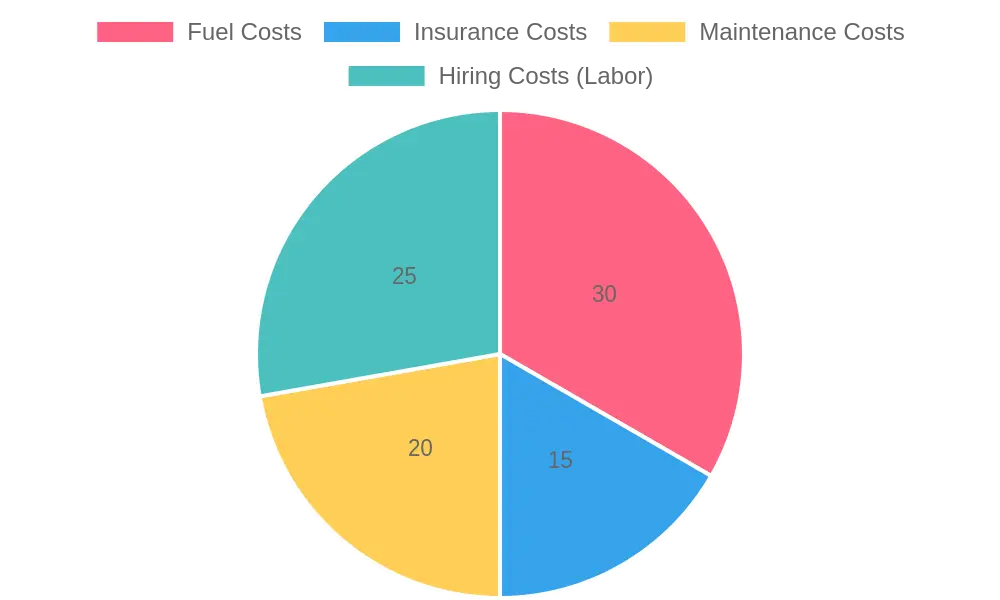
This chart illustrates the increases in operating costs associated with running a dump truck business over the past three years, showcasing significant rises in various crucial categories:
| Cost Category | Percentage Increase Over Last 3 Years |
|---|---|
| Fuel Costs | 30% |
| Insurance Costs | 15% |
| Maintenance Costs | 20% |
| Hiring Costs (Labor) | 25% |
This information is essential for logistics and fleet management companies to understand the financial aspects of owning and operating dump trucks. For further insights, learn more about the trucking industry’s economic challenges and how to adapt to rising operational costs in this sector.
Regulatory Requirements
Operating a dump truck business is heavily regulated due to the significant safety and environmental implications associated with this industry. Adherence to regulatory requirements is paramount to ensuring safe operations and compliance with the law. Here are the key regulatory requirements for dump truck operators:
1. Licensing
- Commercial Driver’s License (CDL): Operators must possess a valid CDL, typically a Class A or B license, depending on the type and weight of the truck. This license ensures that the driver is qualified to safely operate large vehicles.
Learn more about CDL regulations. - Local Business License: Many jurisdictions require dump truck operators to obtain a local business license, confirming that the operation complies with local business laws.
2. Permits
- Operating Permits: Depending on the state or municipality, specific operating permits may be required, particularly for overweight or oversized loads.
- Environmental Permits: Certain operations may require environmental permits to ensure compliance with environmental standards and protect local ecosystems.
3. Safety Standards
- Compliance with safety regulations, including maintenance protocols for vehicles, is obligatory. Dump truck operators must regularly inspect and maintain their trucks to adhere to safety standards and prevent accidents.
- Drug Testing Compliance: Operators are required to follow stringent drug testing protocols to ensure safety on the roads, as mandated by federal regulations.
4. Environmental Compliance
- Operators must comply with local and federal environmental regulations regarding emissions and waste disposal. Failure to comply can result in hefty fines and operational shutdowns.
Consequences of Non-Compliance
Non-compliance with these regulations can lead to severe penalties, including fines, suspension of operating licenses, and potential legal actions. Furthermore, violations can tarnish the business’s reputation, making it difficult to secure contracts and clients. Operators must remain vigilant in adhering to all applicable regulations to ensure the sustainable success of their dump truck business.
Best Practices for Acquiring Contracts in Construction and Logistics Industries
Acquiring contracts in the construction and logistics industries, especially within dump truck services, involves strategic networking, effective proposal writing, and leveraging industry connections. Here are some best practices to consider:
-
Build Relationships: Attend industry conferences, networking events, and local meet-ups to establish connections with potential clients and partners. Building strong relationships is crucial in these sectors.
-
Tailor Proposals: Customized proposals demonstrate an understanding of the client’s specific needs. Highlight relevant experience, safety records, and previous project successes to stand out.
-
Utilize Digital Tools: Use platforms such as LinkedIn for professional networking. Join industry groups and participate in discussions to increase visibility and establish authority in your field.
-
Follow Market Trends: Stay informed about industry trends, regulations, and challenges by reading relevant publications. For instance, explore insights on economic challenges in trucking.
-
Leverage Industry Connections: Reach out to industry connections for referrals and collaborations. These relationships can often lead to new contract opportunities.
Applying these strategies effectively can increase your chances of acquiring valuable contracts in the competitive construction and logistics sectors.
Insurance and Liability for Dump Truck Businesses
Ensuring the right insurance coverage for a dump truck business is not just a regulatory requirement; it’s a critical aspect of risk management. For those operating in the logistics and construction sectors, comprehensive insurance can protect your assets and secure your business against unforeseen liabilities.
Types of Insurance Coverage Available
- Liability Insurance: This is fundamental coverage that protects against claims resulting from injuries and damage to third parties. It typically includes:
- Bodily Injury Liability: Covers medical expenses for injuries sustained by others in an accident you caused.
- Property Damage Liability: Covers damages to another person’s property.
-
Cargo Insurance: A specialized coverage that protects the goods you transport in your dump trucks. Essential for businesses that carry valuable or fragile cargo, ensuring you can recover losses if goods are damaged or lost in transit.
-
Physical Damage Insurance: Covers damages to your vehicles, including collision and comprehensive coverage, protecting your investment in case of accidents or natural disasters.
-
Workers’ Compensation: Important for businesses with employees, this insurance provides medical benefits and wage replacement to injured workers while protecting the employer from lawsuits related to workplace injuries.
-
General Liability Insurance: This covers a broad range of situations, such as accidents in the course of everyday business operations that don’t specifically fall under the other coverages.
Companies should assess their specific needs based on the operations they conduct, the areas they service, and the nature of the loads they carry. For a detailed guide on the various insurance types needed for dump truck operations, refer to this resource by Dump Truck Dispatcher.
Importance of Risk Assessment
Conducting a thorough risk assessment is crucial before selecting insurance policies. Understanding the risks involved in your operations can help you tailor your coverage. Consider:
- Type of Cargo: Different cargo types carry unique risks.
- Driving Routes: Assess the dangers associated with your usual driving routes, such as busy urban areas or rough rural roads.
- Driver Experience and Safety Records: More experienced drivers generally pose a lower risk, which can help reduce premiums.
Tips for Cutting Costs While Maintaining Coverage
While comprehensive coverage is essential, there are several strategies to control insurance costs without compromising on protection:
- Higher Deductibles: Opting for a higher deductible can lower premium costs. Just ensure that your business can afford the out-of-pocket expenses in the event of a claim.
- Avoiding Unnecessary Coverages: Review your current policies to eliminate any additional coverages that may no longer be necessary.
- Implement Safety Programs: Establishing safety and training programs can lead to fewer accidents and insurance discounts. Consider investing in technology that monitors driving behaviors.
- Annual Policy Review: Regularly review your insurance needs as your business evolves to ensure you are not over or under-insured.
By taking these factors into account, dump truck businesses can find a balance between adequate protection and cost-efficiency. To further explore tips to reduce rates, you might find useful insights in Socal Truck Insurance’s guide on lowering dump truck insurance costs.
Here is a relevant quote addressing the importance of establishing a solid foundation for a business in the logistics and construction sectors:
“A successful man is one who can lay a firm foundation with the bricks others have thrown at him.” – David Brinkley
This quote encapsulates the essence of resilience and strategic planning necessary for success in operating a dump truck business. It emphasizes that challenges and obstacles can be transformed into foundational elements for growth and success.
Importance of a Solid Foundation in the Dump Truck Business
Establishing a solid foundation is crucial for the long-term success of a dump truck business. This includes:
- Strategic Planning: Future success often hinges on how well initial plans are laid out.
- Operational Efficiency: A strong operational foundation can lead to improved logistics and service delivery.
- Trust and Reliability: Building strong relationships with clients and suppliers forms the backbone of a successful logistics venture.
For more insights on building effective strategies in the logistics industry, you can learn more about the economic challenges faced by the trucking industry.
In this context, aligning your business practices with foundational principles can greatly enhance business resilience and competitive advantage.
Conclusion
In conclusion, understanding the operational aspects of a dump truck business is crucial for success and sustainability in today’s competitive landscape. Throughout this article, we have explored the essential elements necessary for effectively operating a dump truck business, highlighting key areas such as market research, financial planning, and regulatory compliance.
The dump truck industry is significant, with an estimated market worth of around $40 billion and projected annual growth of 7%. This enormous potential underscores the importance of having a comprehensive business plan that includes competitive analysis and strategic financial forecasting. The key strategies discussed, such as maintaining operational efficiency and understanding local market dynamics, are vital for maximizing profitability and ensuring your business thrives in a fluctuating economic environment. Moreover, keeping abreast of legal considerations, such as understanding liabilities, documentation, and compliance with regulations, is necessary for safeguarding your operations against disputes and unforeseen challenges.
As the industry evolves, embracing advancements and innovations-such as electric fleets and automation-will play a critical role in shaping the future of dump truck businesses. By investing in the right equipment and technologies, operators can enhance their operational capabilities and contribute to broader environmental goals.
If you’re looking to drive your dump truck operations to greater heights, consider engaging with Summit Fairings products that provide innovative solutions tailored for the needs of modern dump truck businesses. Learn more about how you can optimize your operations and ensure your business is always a step ahead in this ever-evolving industry.