
Starting a trucking business in Texas presents a unique opportunity for logistics and freight companies, construction firms, fleet management organizations, and food and beverage distributors alike. Texas, known for its expansive road networks and thriving industries, serves as a pivotal hub in the North American supply chain. As demand for freight transport continues to surge, entrepreneurs venturing into the trucking sector can tap into a market ripe with potential. However, navigating the complexities of establishing a trucking business requires comprehensive planning and understanding of regulatory requirements. This article aims to equip you with the essential knowledge and step-by-step guidance to successfully launch your trucking venture in Texas. From understanding state regulations to managing operational costs, discover how strategic planning and innovative solutions can pave the way for a profitable trucking enterprise. If you’re ready to drive your ambitions forward, let’s explore the fundamentals of starting your business in this dynamic landscape.
Legal Requirements for Starting a Trucking Business in Texas
Starting a trucking business in Texas entails several legal and regulatory requirements. Here’s an outline to guide prospective business owners in navigating this process:
-
Business Structure Registration: Choose a legal business structure (e.g., LLC, corporation) and file the necessary registration with the Texas Secretary of State.
-
Obtain a USDOT Number: Necessary for safety and compliance reports. This is essential for inter-state commerce.
-
Secure a Motor Carrier Authority: A freight shipping permit from the Federal Motor Carrier Safety Administration (FMCSA) is required to operate legally.
-
Get a Texas Trip Permit: If the vehicle is not registered in Texas and will be in the state for more than 48 hours.
-
Obtain Insurance: Liability insurance is required, meeting federal and state minimum requirements to cover damages and ensure compliance.
-
Surety Bond: Many trucking permits require a surety bond as a guarantee of compliance with regulations.
-
Franchise Tax Registration: Register for state taxes, including franchise taxes which are based on the business’s margin.
-
Comply with Environmental Regulations: Ensure the fleet adheres to local emissions requirements. Learn more about compliance challenges and how to avoid operational hurdles.
Comparison of Different Trucking Business Models
To start a trucking business in Texas, it’s essential to understand the different models available. Here, we compare owner-operators, freight brokerages, and fleet management firms, highlighting their key features, pros, and cons.
| Trucking Business Model | Key Features | Pros | Cons |
|---|---|---|---|
| Owner-Operator | – Operate their own truck | – Full control over operations | – High initial investment in equipment |
| – Independent business | – Potential for high profits | – Responsibility for maintenance and repairs | |
| – Flexible scheduling | – Direct relationship with clients | – Limited growth potential without additional capital | |
| Freight Brokerage | – Acts as an intermediary | – Requires lower startup capital | – Dependence on carrier reliability |
| – Matches shippers with carriers | – Builds strong market relationships | – Processing disputes can be complex | |
| – Often home-based | – Opportunity to scale and diversify services | – Intense competition | |
| Fleet Management | – Manages multiple trucks | – Can achieve economies of scale | – Requires significant financial resources |
| – Handles logistics and maintenance | – Potential for regular income from contracts | – Complex management process | |
| – Employs drivers | – Brand recognition and loyalty potential | – More rigid operational structure |
Additional Resources
For more insights on starting a trucking business and the related challenges, check out this article on trucking industry economic challenges.
Financing Options for Trucking Businesses in Texas
Starting a trucking business in Texas requires a substantial financial investment in vehicles, equipment, and operational resources. Fortunately, there are various financing options available to help aspiring business owners navigate this essential aspect of their startup journey. Below are key options including loans, grants, and leasing programs.
1. Loans
Small Business Administration (SBA) Loans:
SBA loans are a popular choice for trucking businesses due to their favorable terms, including lower interest rates and longer repayment periods. The SBA 7(a) loan program provides funding for various expenses, including purchasing trucks, building facilities, or refinancing existing debt. Businesses can apply for these loans through SBA-approved lenders. More information is available from the SBA Loans page.
Conventional Bank Loans:
Traditional banks and credit unions also offer loans for commercial trucking. While they typically require good credit and a solid business plan, these loans can support a wide range of business needs, from purchasing equipment to covering operational costs.
2. Grants
While federal grants are generally not available for profit-driven trucking companies, various state and local grants may provide some financial assistance. For instance, businesses involved in environmentally friendly practices may qualify for funding through state emissions programs. Additionally, organizations such as the Disadvantaged Business Enterprise (DBE) program offer financial assistance to qualifying businesses. To explore opportunities, visit resources such as Grants.gov or local Texas government websites.
3. Leasing
Equipment Leasing:
For many startup trucking companies, leasing equipment can alleviate the financial burden of purchasing trucks outright. This option allows businesses to preserve capital while still obtaining the necessary vehicles. Leasing terms can vary, and it’s advisable to evaluate potential tax advantages of leasing versus purchasing.
Dealer Financing:
Truck dealerships often provide competitive financing options for both new and used trucks. This can include flexible down payment options, longer terms, and tailored plans based on the company’s cash flow.
Conclusion
Navigating financing for a trucking business can seem overwhelming, but understanding the options available in Texas can make the process manageable. From SBA loans to local grants and leasing options, there are ample resources to support new business owners. Always consider consulting with financial advisors or institutions to explore the most suitable options for your needs.
For more insights on the trucking industry’s economic challenges and resources, you may want to check out this article.
Choosing the right trucks and equipment is pivotal to the success of any trucking operation, particularly when starting a business in Texas. Here are some key considerations to optimize your fleet selection based on cost, efficiency, and compliance with state regulations.
1. Cost Analysis
Cost is arguably the most critical factor in selecting trucks and equipment. It is essential to determine both the initial investment and the total cost of ownership (TCO), which includes maintenance, fuel, insurance, and financing. When evaluating budget constraints, consider the following:
-
Financing Options: Various financing structures can influence cash flow and tax implications. The role they play in your operational flexibility is significant; for example, lease-purchase arrangements can alleviate upfront costs and allow for gradual repayment. Explore options such as lease-purchase trucking companies that may fit your financial strategy.
-
Operational Costs: An effectively chosen truck can help minimize long-term expenses, particularly in fuel consumption and maintenance. Opt for fuel-efficient models to boost your bottom line as fuel costs can significantly impact overall expenditures.
2. Efficiency and Suitability
Efficiency in operations can be drastically improved by selecting trucks that are tailored to the specific needs of your logistics or construction activities:
-
Type of Goods and Transport Distance: It is vital to align your truck type with the nature of goods you intend to transport and the distances involved. For shorter hauls, lighter trucks may suffice, while heavier loads and longer distances might necessitate robust, specialized equipment. Resources like Bulk Transporter provide valuable insights into selecting the appropriate engine and fuel options, which can have lasting effects on operational efficiency.
-
Compliance with State Laws: Every trucking operation must adhere to state and federal regulations. In Texas, compliance with the Department of Transportation (DOT) and Motor Carrier Safety regulations is crucial to avoid costly fines or operational delays. Regular maintenance records and adherence to emission standards not only help ensure compliance but also enhance your company image and reliability.
3. Long-Term Considerations
While immediate costs and efficiency are critical, consider the long-term implications of your choices:
-
Resale Value: Selecting trucks known for strong resale value can mitigate future losses when upgrading or expanding your fleet. Trucks with better performance often maintain higher market values due to demand in secondary markets.
-
Sustainability: As environmental regulations tighten, opting for eco-friendly or electric trucks can not only help your business stay compliant but also position you favorably with clients increasingly concerned about sustainability.
In conclusion, the process of selecting trucks and equipment is multifaceted. Balancing cost, efficiency, compliance, and future-proofing operations is key to establishing a successful trucking business in Texas. By adopting a strategic approach and understanding your unique business needs, you can effectively navigate this critical aspect of your new venture. For more insights on compliance and industry adaptation, check out recent discussions on regulatory challenges.
Through careful planning and informed decision-making, you will be well on your way to establishing a robust and efficient trucking operation.
Current Trends in Texas Trucking Industry in 2023
The trucking industry in Texas remains a cornerstone of the state’s economy, vital for logistics and the transport of goods across the nation. As of 2023, several key trends have emerged:
-
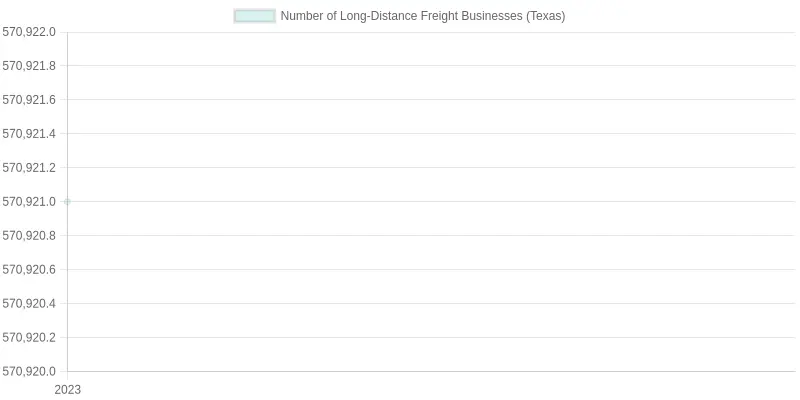
Growth of Long-Distance Freight: The number of long-distance freight businesses in Texas reached an impressive 570,921 this year, reflecting an annual growth rate of 4.5% since 2018. This growth indicates persistent demand for freight services amid fluctuating market conditions.
-
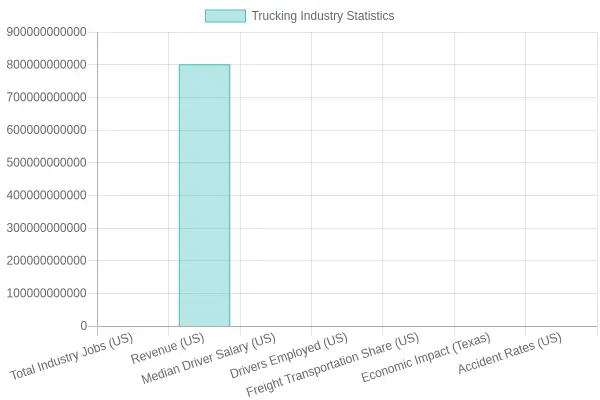
Economic Impact: The U.S. trucking industry generated over $801 billion in wages and benefits in 2023, showcasing significant economic contribution. Truck drivers earned a median annual wage of approximately $49,000, highlighting the crucial role they play in the economy.
-
Driver Shortages and Costs: Despite growth, a severe truck driver shortfall plagued the industry, costing the economy an estimated $242 billion due to delayed deliveries and lost productivity. This shortage emphasizes the ongoing challenges companies face in maintaining sufficient staffing levels.
-
Emphasis on Digital Innovations: The industry sees a continuing push towards digitalization, as companies adopt new technologies to enhance efficiency and streamline operations. This trend is particularly essential for addressing the pressures from rising operating costs.
For further reading, you can explore more about trucking in 2023 and insights on the impact of driver shortages.
Trucking Industry Growth Trends in Texas
Understanding the growth trends in the Texas trucking industry is vital for stakeholders, including logistics and freight companies, construction firms, and fleet managers. While specific statistics for the years 2021-2023 were challenging to source, the industry remains dynamic and resilient. Below is a chart representing the freight market data analysis for Texas, highlighting trends that can influence decision-making for businesses operating in this sector.

Key Insights on Trucking Growth in Texas
- Freight Rates: As noted in industry analyses, freight rates are often subject to fluctuations based on market demand and operational costs.
- Number of Trucking Companies: The number of trucking firms in Texas is indicative of the overall health of the industry, reflecting competition and opportunities.
- Revenue Trends: Increased demand for transportation and logistics services typically results in higher revenue for trucking companies, which is a vital metric for assessing growth.
For a deeper understanding of the economic challenges and measures in the trucking industry, take a look at trucking industry economic challenges.
In summary, starting a trucking business in Texas involves meticulous planning, compliance with regulations, and strategic investment in resources such as vehicles and technology. Understanding the market dynamics is essential, along with efficient fleet management and financial planning. Moreover, leveraging partnerships and exploring innovative solutions can significantly uplift your business prospects in this competitive industry.
As you embark on this exciting journey, consider enhancing your fleet’s efficiency and performance with Summit Fairings. Their specialized products are designed to improve aerodynamics, increase fuel efficiency, and reduce operational costs, making them ideal for logistics and freight companies. Don’t miss the opportunity to optimize your operations-learn more about Summit Fairings and take the first step toward revolutionizing your trucking business today!

