
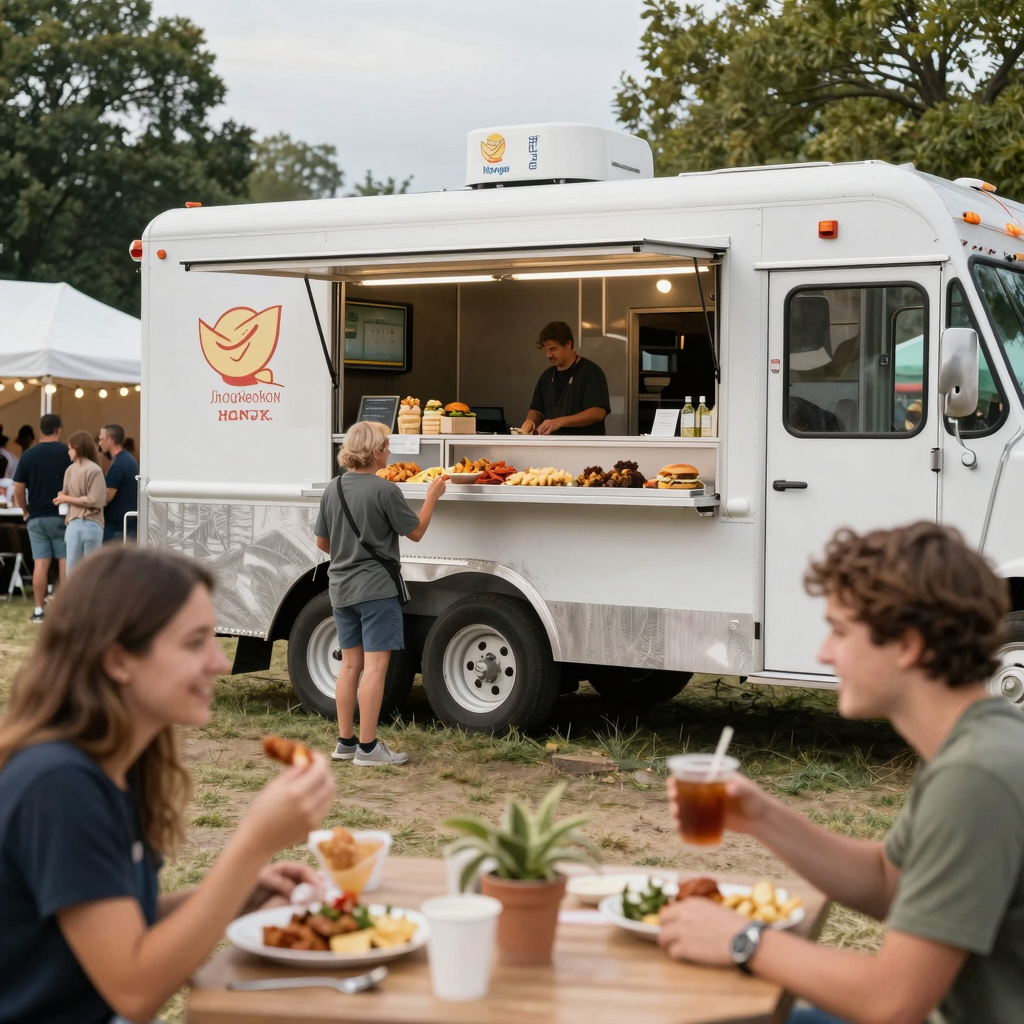
Introduction to Profitable Food Truck Ventures
The vibrant world of food trucks is rapidly evolving into a lucrative avenue for culinary entrepreneurs, capturing the resonant pulse of consumer dining preferences. Over recent years, this growing trend has transformed the gastronomical landscape, allowing food lovers to experience innovative cuisines on-the-go while providing aspiring chefs a platform to showcase their culinary talents without the overhead costs of traditional restaurants. With the ability to operate in diverse locations and cater to various events, the potential profit margins for food truck operators are substantial.
However, success in this dynamic industry doesn’t come without its challenges. Understanding the logistics of the food truck business model, regulatory compliance, and effective marketing strategies is essential for new entrants. This article will guide you through the intricacies of establishing a profitable food truck business, from selecting a niche to financial management and operational efficiency.
As you embark on this culinary journey, discover methods to align your passion for food with practical business strategies designed for sustainable growth and profitability. Explore how logistics companies have evolved with industry changes and
learn about profitable expansions in the food sector that can inspire your venture.
Key Steps to Start a Profitable Food Truck Business
Establishing a food truck business can be both exciting and profitable when approached methodically. Below are the key steps to ensure a successful launch and sustainable operation.
1. Conduct Market Research
- Identify Your Target Market: Understand who your potential customers are, their preferences, and what they are willing to pay.
- Analyze Competitors: Conduct a competitive analysis to see what other food trucks in your area are offering and how you can differentiate yourself.
- Explore Demand for Food Trucks: According to research, the global food truck market is expected to reach $24 billion by 2024, growing at a rate of 6.8% annually through 2030 (Grand View Research).
2. Develop a Business Plan
- Define Your Concept: Choose a unique niche or theme for your food truck, such as gourmet tacos or vegan options, to stand out in a competitive market.
- Create Financial Projections: Estimate your startup costs, operating expenses, and potential revenue. Include detailed budgets for equipment, supplies, and permits.
3. Licensing and Regulations
- Obtain Necessary Permits: Secure required permits like health department approvals, food handler’s permits, and local business licenses. Each area has different licensing requirements that you must research and satisfy.
- Invest in Insurances: Consider getting commercial insurance to cover potential liabilities related to your food truck operations.
4. Menu Development
- Craft a Profitable Menu: Develop a simple, high-margin menu focused on quality, ensuring that your offerings align with customer preferences identified in your market research.
- Ingredient Sourcing: Establish relationships with reliable suppliers for fresh and quality ingredients.
5. Purchase or Lease a Vehicle
- Select the Right Food Truck: Decide whether buying a new or used truck is better based on your budget and needs. Ensure the vehicle meets local health codes and regulations.
- Branding: Create an eye-catching design for your food truck that reflects your brand and attracts customers.
6. Marketing and Promotion
- Build an Online Presence: Leverage social media to promote your food truck, engage with customers, and announce your location.
- Plan Your Route: Identify high-traffic areas and events where you can maximize exposure and sales opportunities.
Conclusion
By following these critical steps, you can set a strong foundation for your food truck business, ensuring not just survival but profitability in a bustling food industry. For more insights on effective business practices, [](learn more about successful business strategies here).
Market Research: The Key to Success in the Food Truck Industry
In the competitive landscape of the food truck industry, effective market research is crucial for establishing a profitable business. It empowers entrepreneurs to identify target customers, analyze competitors, and understand evolving local food trends, ultimately enhancing their overall business strategy.
Identifying Target Customers
Market research allows food truck operators to pinpoint their ideal customer segments. Surveys and demographic studies reveal key consumer preferences, such as dietary trends and spending habits. For instance, a recent report indicated that 72% of food truck patrons prioritize taste above all else, with distinct consumer groups identified: health-conscious (35%), price-oriented (28%), taste-oriented (30%), and convenience-oriented (17%). This insight enables food truck owners to tailor their offerings to meet specific needs, ensuring that their menus resonate with the right audience.
Analyzing Competitors
Understanding the competitive landscape is another vital element of market research. Regular competitor analysis helps food truck businesses differentiate themselves. Around 74% of successful food trucks engage in this practice to refine their unique selling propositions. Analysis includes acknowledging factors such as service speed, customer experience, and branding. This competitive insight can inform strategic decisions such as pricing, menu diversification, and promotional efforts.
Understanding Local Food Trends
Flexibility in adapting to local food trends is essential in the food truck industry, where consumer preferences can shift rapidly. Data indicates that 89% of food truck customers express higher satisfaction when offered diverse international cuisines. By monitoring trends such as an increased demand for healthy and sustainable food options, food truck operators can innovate their menus to stay relevant. Additionally, knowing peak operating locations, such as parks and events, enables optimized scheduling that can drive higher foot traffic and sales.
Conclusion
In conclusion, conducting thorough market research is not just an option but a necessity for food truck entrepreneurs. By identifying target customers, analyzing competitors, and adapting to local food trends, food truck businesses can position themselves for greater success in an ever-evolving market. For more insights on maximizing food truck profitability, learn about effective business operations here.
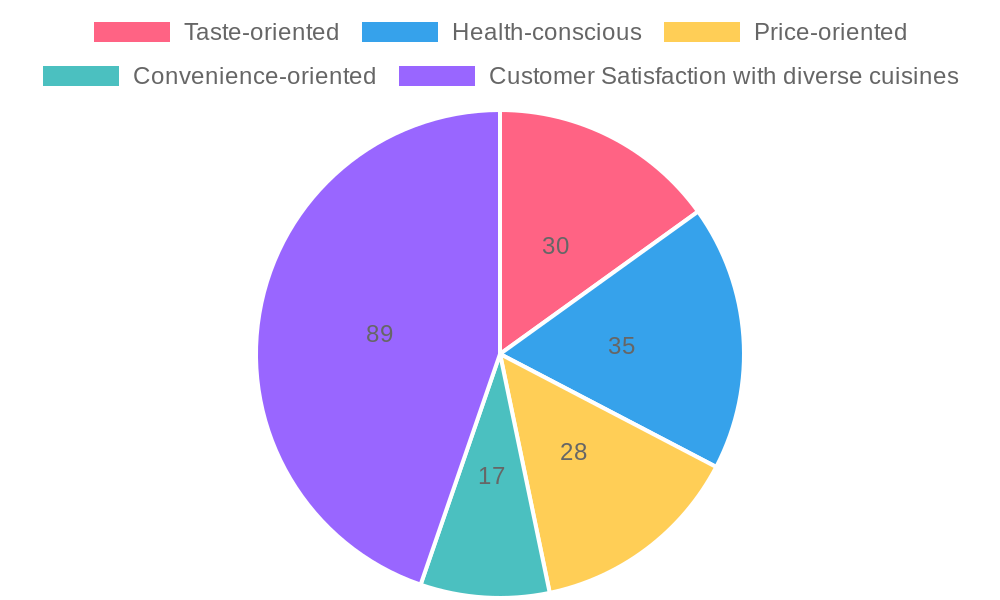
Chart illustrates customer preferences and insights gained through market research relevant to food truck operations.
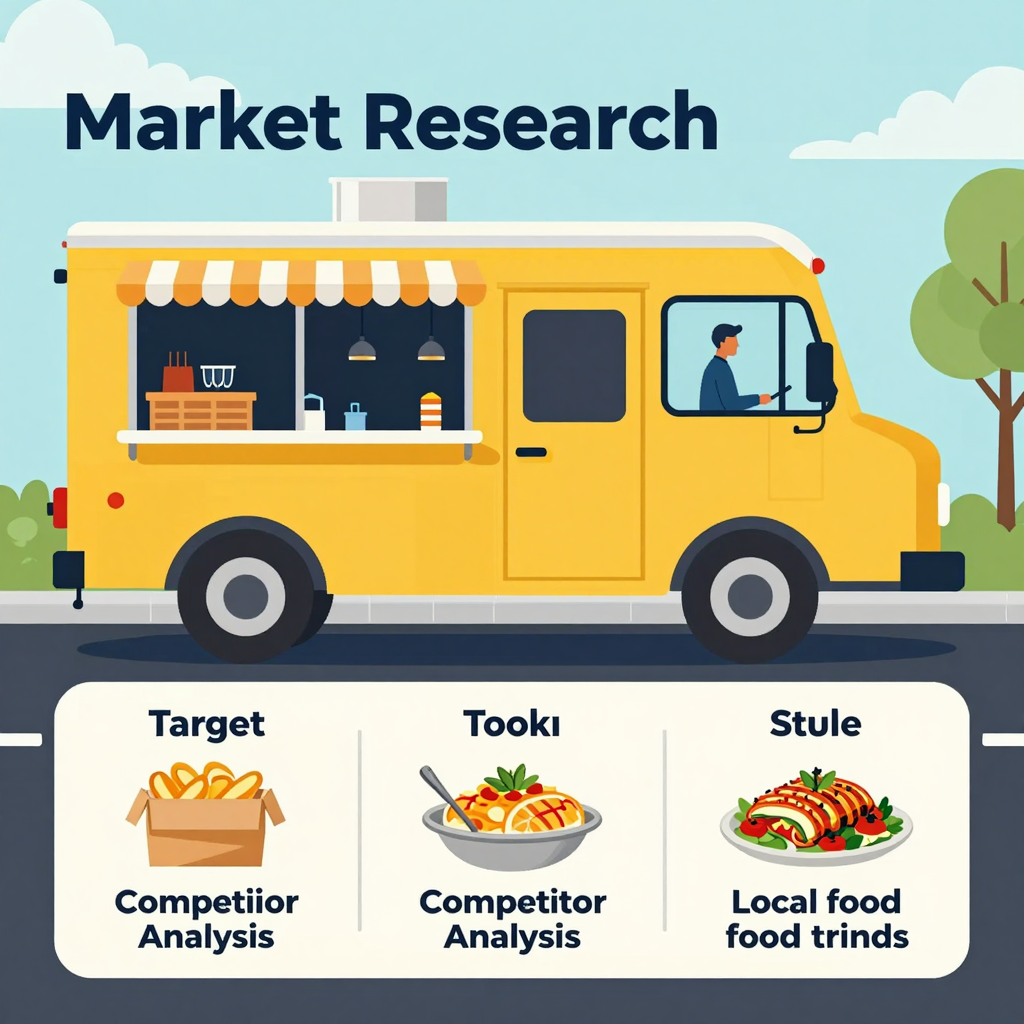
Infographic showcasing the advantages of conducting market research for food trucks.
Comparing Food Truck Models for Your Business
When starting a profitable food truck business, it’s essential to select the right model that aligns with your budget, culinary offerings, and operational style. Below is a comprehensive comparison of different food truck models based on cost, features, and suitable cuisine types.
| Food Truck Model | Typical Cost (USD) | Key Features | Suitable Cuisine Types |
|---|---|---|---|
| Trailer-Based Truck | $10,000 – $30,000 | Requires towing vehicle, lower initial cost, modular setup | Street food, BBQ, versatile cuisine |
| Full Van Conversion | $30,000 – $60,000 | Fully enclosed, better fuel efficiency, compact for cities | Burgers, sandwiches, coffee |
| El Carrito (Taco Truck) | $5,000 – $15,000 | Minimalist design, low operational costs | Tacos, quesadillas, simple Mexican dishes |
| Customized Food Truck | $50,000 – $100,000+ | Fully equipped kitchen, high-end appliances | Gourmet meals, unique menus, fusion cuisine |
| Catering Truck | $50,000 – $120,000+ | Large cooking area, mass food preparation capabilities | Large events, wedding receptions |
| Dessert Truck | $25,000 – $70,000 | Refrigeration system, serving exterior, appealing to youth | Ice cream, cupcakes, pastries |
Conclusion
Choosing the right food truck is pivotal for success in the food truck industry. Consider your menu, target audience, and financial capacity when selecting a model. For more details on how to optimize your food truck business, learn more about strategic expansion or explore case studies on sustainable fleet management.
Licensing and Permits for Operating a Food Truck
Operating a food truck is an exciting venture, but it comes with rigorous legal requirements that must be addressed to ensure compliance with local laws and health regulations. Here are the primary licenses and permits necessary for running a food truck:
1. Business License
Before you can operate your food truck, you need a general business license. This is a legal requirement in most states and cities, allowing you to conduct business activities in a specified area.
2. Mobile Food Vendor Permit
Most jurisdictions require a specific mobile food vendor permit. This permit generally involves a detailed application process and mandates compliance with local regulations regarding food safety and service.
3. Health Permits
A critical component of food truck operations is obtaining a health permit from your local or county health department. This may involve passing an inspection that evaluates food safety practices, including proper food temperature control, waste disposal systems, and sanitation of the food preparation area. For example, the New York City Department of Health requires vendors to have a certified food protection manager on staff and compliance with stringent health codes (NYC Department of Health).
4. Federal Food Facility Registration
If your food truck serves food to the public, you are required to register as a food facility with the FDA. This federal registration establishes compliance with national food safety standards and is mandatory for food businesses.
5. Sales Tax Permit
To collect sales tax from customers, you must acquire a seller’s permit. This permit allows you to legally charge and remit taxes based on your sales.
6. Zoning Permits
Understanding where you can legally operate your food truck is crucial. Zoning laws can restrict food truck operations in certain areas, necessitating the need for specific permits to park and sell food at various locations. Many cities establish designated food truck zones, so it is advisable to consult with local planning and zoning offices to learn about the regulations that apply to you (SBA Guidelines).
Conclusion
Acquiring these licenses and permits is essential to running a legal and successful food truck business. Ensure that you thoroughly research the requirements in your area, as they can vary significantly depending on local laws. Being proactive in addressing these legal parameters will contribute to the overall success and sustainability of your food truck operation.
By knowing the ins and outs of food truck regulations, you position yourself to focus on delivering quality food and service to your customers.
Trending Food Truck Menu Ideas for 2023
Launching a food truck can be an exciting venture, and an enticing menu is crucial to attract customers. Here is a compilation of popular food truck ideas that are trending in 2023 and can inspire new business owners.
1. Plant-Based Options
- Jackfruit Tacos: A vegan alternative that mimics pulled pork.
- Vegan Burgers: Using ingredients like black beans, lentils, or chickpeas.
2. Globally-Inspired Street Food
- Korean BBQ Burritos: A fusion of Korean flavors wrapped in a burrito.
- Thai Curry Bowls: Serving herbed curries over rice or noodles.
3. Elevated Comfort Food
- Truffle Fries: Gourmet fries topped with truffle oil and parmesan.
- Artisanal Grilled Cheese: Customized sandwiches with high-quality ingredients.
4. Health-Conscious Choices
- Quinoa Bowls: Packed with proteins and various toppings.
- Plant-Based Wraps: Full of fresh, seasonal vegetables.
5. Regional Specialties
- Tacos and Tortas: Classic Mexican fare remains a favorite.
- Shawarma and Kebabs: Middle Eastern sandwiches and skewers with rich flavors.
6. Dessert Trucks
- Gourmet Ice Cream: Especially with unique or local flavors.
- Vegan Desserts: Catering to the growing market demand for plant-based options.
7. Gourmet Dogs and Burgers
- Features such as exotic toppings and flavored sausages.
8. Sweet & Savory Crepes
- Both dessert and meal options featuring fresh fillings.
9. Build-Your-Own Bowls
- Customizable components allowing patrons to choose their ingredients.
10. Sustainable Menus
- Utilizing local ingredients and compostable packaging, appealing to eco-conscious customers.
These trends not only reflect current consumer preferences but also create opportunities for food truck operators to stand out in a competitive market. For more insights into how food trucks can thrive, consider strategies that incorporate both unique flavors and locally-sourced ingredients, as discussed in Food Truck Trends 2023 and Trending Food Truck Menu Ideas.
Food Truck Success Stories: Inspiration for Your Business
Starting and operating a successful food truck business requires creativity, strategic planning, and a touch of entrepreneurial spirit. Here are some noteworthy success stories that illustrate various paths to profitability within the food truck industry.
1. Royal Cheesecake & Varieties
Raleigh-based bakery, Royal Cheesecake & Varieties, utilized a technology grant from Lenovo to expand their business by adding a second food truck. This strategic move not only amplified their customer outreach but also enabled them to fulfill a significant corporate order of 170 cheesecakes across the United States. Their integration of advanced technology streamlined operations, solidifying their rapid growth trajectory.
2. Yes Chef!
Toronto’s NutmegSpiced, led by Sonisha, successfully optimized their kitchen operations by adopting Lenovo technology. This transition not only enhanced communication within the team but dramatically improved customer service. The results were evident as their sales surged by four times during the 2024 Christmas season compared to the previous year, showcasing the impact of operational efficiency on profitability.
3. Sneaker Doodle
Initially a local startup, Sneaker Doodle transformed into a global brand within two years, thanks in part to the tech support they received. The company capitalized on efficient operational scalability through technology, demonstrating how modern tools can drive rapid expansion.
These inspiring case studies illustrate that integrating technology, understanding market needs, and expanding strategically are vital to thriving in the competitive food truck industry. For more insights on the logistics of food business ventures, consider exploring innovative food distribution strategies.
Understanding Food Truck Profit Margins
A food truck business can be lucrative, but understanding profit margins for different menu items is crucial for maximizing earnings. Profit margin refers to the percentage of revenue that exceeds the costs associated with a food item. For food trucks, these margins can vary widely depending on the type of food sold.
Average Profit Margins by Food Item
From various industry reports, the average profit margins of key food items sold in food trucks are as follows:
| Food Item | Average Profit Margin |
|---|---|
| Hot Dogs | 30% – 70% |
| Sandwiches | 20% – 40% |
| Desserts | 40% – 50% |
| BBQ (e.g., ribs, brisket) | 35% – 50% |
| Pizza (e.g., slices, individual pies) | 25% – 45% |
According to a guide on food truck profitability published by the National Restaurant Association, the profitability of food trucks is affected by various factors:
- Menu Pricing: Properly pricing items to cover costs and target customer demographics can improve margins.
- Ingredient Costs: Lower-cost ingredients that allow for higher markup are essential. Items like desserts often yield higher margins because they can be priced significantly despite low material costs.
- Menu Optimization: Food trucks should focus on high-margin items, potentially phasing out lower-margin offerings to maximize overall profitability.
To visualize these insights, refer to the chart below which represents average profit margins for various food items sold in food trucks.
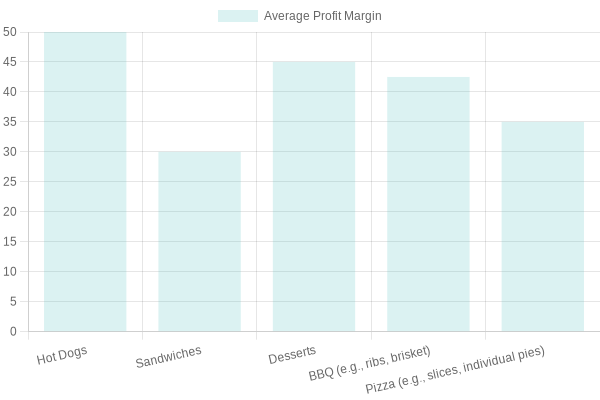
Understanding which items yield the highest profits not only aids in menu planning but helps to make informed decisions about inventory and sales strategies. For further insights on enhancing food truck revenue, you can learn more here.
Key Strategies for Success in Food Truck Operations
Starting a food truck business requires strategic planning and execution. According to the Entrepreneurial Insights Blog, a seasoned food truck entrepreneur emphasizes the importance of preparation:
“A successful food truck isn’t built on luck, but on planning and execution.”
He advocates for new entrants to formulate a detailed business plan, establish their unique selling proposition (USP), and begin with small-scale trials to gauge market demand. Furthermore, he underscores the need for effective cash flow management, recommending that entrepreneurs reserve at least six months of operating funds to navigate initial challenges.
Implementing these strategies can significantly enhance the odds of success in the competitive food truck industry. Additionally, experts suggest focusing on niche markets to stand out, as noted in various resources. For instance, the Food Truck Success Formula highlights the significance of optimizing menus for profitability and strategically choosing locations with high traffic and low competition. By differentiating through unique flavors or thematic concepts, food truck operators can carve a niche in the bustling food scene. Thus, thorough planning and market positioning are essential for long-term profitability in this dynamic sector.
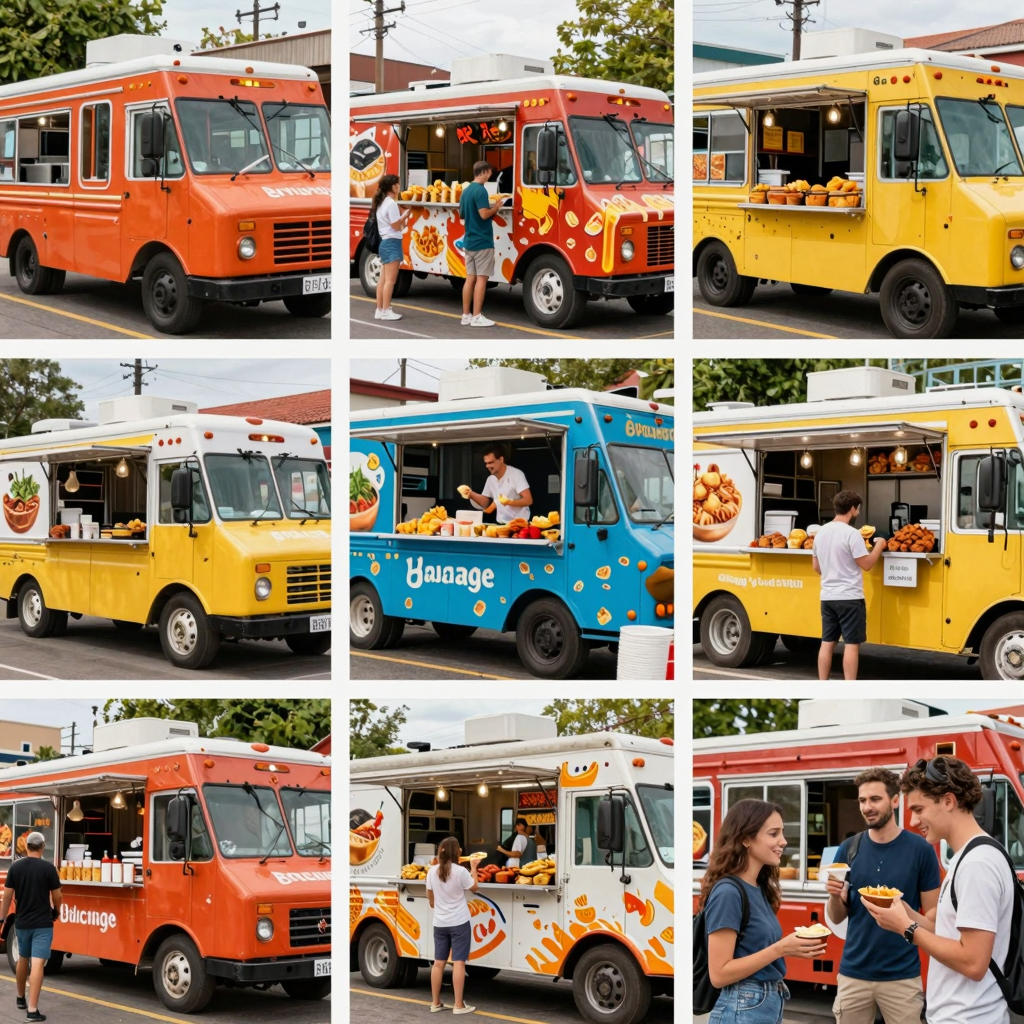
Photo illustrating vibrant food trucks serving diverse cuisines in a bustling street setting.
Conclusion and Call to Action
In conclusion, establishing a profitable food truck business requires a comprehensive understanding of the market, meticulous planning, and a commitment to excellence in service and product quality. Key aspects such as identifying target demographics, selecting optimal locations, and offering unique and appealing menu items have a significant influence on success. Additionally, effective marketing strategies, financial management, and staying compliant with local regulations are essential to ensure sustainability and growth.
With the food truck industry expected to grow considerably, reaching approximately $6.46 billion by 2031 (as depicted in the graph below), there has never been a better time to venture into this dynamic market. As logistics, construction, and food distributors explore new business avenues, investing in a food truck can align with your broader operational goals.
To maximize your profitability and streamline operations, consider exploring innovative solutions such as Summit Fairings. Their products are designed to enhance performance and reduce costs, making them an invaluable asset for your fleet. Learn more about how Summit Fairings can help boost your food truck business. Take the step today towards not just a food truck, but a full-fledged food network that ensures both customer satisfaction and your financial prosperity.