

Current State of Yellow Trucking: A Critical Analysis
The logistics and freight industry is experiencing a pivotal moment as questions arise regarding the future of Yellow Trucking, a longstanding player in the sector. With a rich history spanning several decades, Yellow Trucking has encountered unprecedented challenges recently, sparking debates about its solvency and ongoing operations. The company’s struggles are more than just a corporate crisis; they serve as a barometer for the broader freight industry, highlighting critical issues such as shifting market demands, rising operational costs, and evolving business models in the face of economic disruption. This situation is particularly significant, as the outcome could not only affect thousands of employees but also have a ripple effect across supply chains, impacting other logistics and freight companies, construction and engineering firms, as well as food and beverage distributors that rely on these services. As stakeholders in these industries monitor developments closely, understanding the implications of Yellow Trucking’s fate becomes essential for strategic planning and decision-making in a rapidly changing environment. Companies that are deeply integrated into the logistics landscape must be prepared to adapt and innovate to survive in a climate marked by uncertainty. For further insights into the economic challenges facing the trucking industry, you can explore this article.
In addition, hearing successful adaptation stories can provide valuable lessons for industry participants; for that, we recommend checking out how other companies like UPS are expanding to meet changing demands by doubling revenue by 2026.
The Foundational History of Yellow Trucking
Yellow Trucking, officially known as Yellow Corporation, has a storied history that reflects significant milestones and transformations in the logistics sector. Founded in 1924 as the Yellow Transit Company in Oklahoma City, it began by providing local freight services. Over the decades, Yellow transitioned into a prominent player in the less-than-truckload (LTL) freight industry, paving the way for substantial growth and innovation.
Key Milestones
- 1930s: The company expanded its services into the Midwest and Eastern states, setting the groundwork for a broader national presence.
- 1944: Renamed as Yellow Freight System, reflecting its growing influence in the trucking industry.
- 1960s: A decade marked by the acquisition of several smaller regional trucking companies, which helped strengthen its operational base.
- 1970s: Yellow began expanding its service offerings beyond traditional freight transport, introducing logistics management services that would align with the evolving needs of businesses.
- 1980s: Merging with Roadway Express, Yellow created Yellow Roadway, further solidifying its position as a logistics leader in North America.
Recent Developments
The company faced significant challenges in the 2010s, including bankruptcy protection due to financial struggles. However, in 2020, it underwent a rebranding to Yellow Corporation, which signaled a renewed focus on technology enhancements and operational efficiency. By 2022, Yellow implemented significant operational changes aimed at improving service delivery and adapting to market demands.
Yellow Trucking’s history showcases a blend of resilience, innovation, and adaptability, reflecting the broader trends in the logistics industry. As companies like Yellow evolve, they continue to contribute to the development of efficient and effective freight solutions in a rapidly changing environment. For more insights on logistics trends, read about UPS Healthcare’s expansion plans and its impact on the industry.
Visual Representation of Milestones
This chart provides a visual summary of the major milestones in Yellow Trucking’s history, illustrating its evolution in the logistics sector.
Conclusion
Yellow Trucking demonstrates the complexities and dynamics within the logistics industry, showcasing how operational changes and strategic expansions can navigate financial challenges and promote growth over time.
Unfortunately, specific financial metrics for Yellow Trucking and its competitors for the year 2023, including revenue, losses, and debt data, are not readily available. This lack of data limits the ability to create a detailed comparison table.
For accurate and up-to-date financial information, consider consulting major financial news outlets, industry reports, or official company financial statements available through sources such as the Securities and Exchange Commission (SEC) or company investor relations websites.
If you need assistance with other inquiries or topics, please feel free to ask.
The sudden closure of Yellow Trucking marks a significant turning point in logistics and freight operations, especially affecting critical sectors like construction and food & beverage. The demise of this major player in the trucking industry not only reduces available trucking capacity but also escalates the operational challenges that many companies face, particularly in these sectors.
Impact on the Food & Beverage Sector
With the shutdown, food shippers who relied on Yellow’s services are experiencing severe disruptions. As noted in an article from Food Shippers Blog, the loss of Yellow’s operational capacity threatens timely deliveries essential for maintaining the freshness and quality of food products. Major clients, including retailers like Walmart and Home Depot, are already pivoting to other carriers, which could lead to increased freight prices and potential shortages on grocery shelves. The food industry thrives on just-in-time logistics; thus, the ripple effect of this closure could mean higher costs for consumers and diminished service reliability.
Effects on the Construction Industry
For the construction sector, the withdrawal of Yellow Trucking exacerbates existing supply chain problems. This industry often relies on timely delivery of materials, and disruptions could hinder project timelines. As highlighted by the analysis on Contender Logistics, construction firms are now facing logistical challenges that could stall ongoing projects and increase costs. The absence of Yellow’s capacity may lead to longer wait times for materials, impacting production schedules and potentially setting back timelines for critical infrastructure projects.
Long-Term Implications
The broader implications extend beyond logistical setbacks. With around 88,000 trucking companies ceasing operations in 2023, the economic landscape is shifting. Reports indicate a correlated rise in freight prices as the supply chain struggles to adjust to the loss of capacity. Observations from Business Insider suggest that the series of bankruptcies could ignite price wars that further complicate the operational climate for logistics companies.
In summary, the closure of Yellow Trucking poses serious ramifications for logistics operations in both the food and construction sectors. Companies must brace for increased costs, supply chain disruptions, and a re-examination of their logistics strategies to stay competitive in an increasingly challenging market landscape. Stakeholders are encouraged to analyze their supply chains thoroughly and explore alternative carriers to mitigate the impending impacts of this significant industry change.
Customer Testimonials
As the logistics community grapples with the challenges stemming from Yellow Trucking’s uncertain situation, clients have expressed a mix of concerns and insights that provide a glimpse into the potential future of their partnerships.
Client Concerns
- Uncertainty of Deliveries: Many clients have raised alarms about potential disruptions in their supply chains due to Yellow Trucking’s operational struggles. “We depend on reliable transportation to meet our deadlines, and any instability in Yellow Trucking’s operations raises red flags for us,” noted a logistics manager from a major distribution firm.
- Competitive Pricing: Another recurring concern pertains to competitive freight pricing. Businesses that relied on Yellow Trucking for cost-effective services fear that if they go out of business, they may have to turn to more expensive alternatives. A representative from a construction firm stated, “If Yellow Trucking closes, we have to look for new partners, which may not be as economically viable.”
Potential Solutions
Amidst these concerns, many clients advocate for solutions that can help stabilize the logistics landscape:
- Diversification of Service Providers: Businesses are encouraged to diversify their transport partners to mitigate risks. “We are exploring additional carriers in our supply chain to ensure we are not reliant on any single contractor,” mentioned the purchasing director of a food distribution company.
- Increased Communication: Clients believe that proactive communication with logistics providers is essential. Enhancing dialogue between companies can foster a collaborative environment, mitigating confusion and aligning expectations during transitions.
As the logistics industry turns its gaze toward potential solutions, it remains crucial for all stakeholders to remain informed and agile in adapting to any changes that may arise from Yellow Trucking’s fate. Companies may learn more about trucking industry’s economic challenges here and explore the potential impact of disruptions on their supply chains here.
Trends in the Freight and Logistics Industry: 2018 – 2023
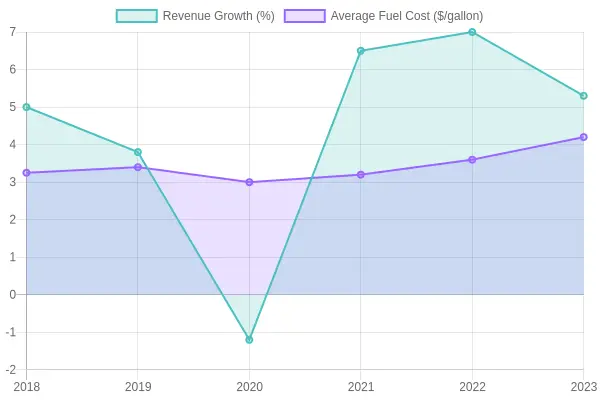
The freight and logistics sector, particularly trucking, has shown various trends over the past five years. The following graph illustrates key statistics, including revenue growth, the number of trucking businesses, employment trends, and average fuel costs in the trucking industry from 2018 to 2023.
Trucking Industry Trends Data
| Year | Revenue Growth (%) | Number of Trucking Businesses | Employment Trends (jobs) | Average Fuel Cost ($/gallon) |
|---|---|---|---|---|
| 2018 | 5 | 600,000 | 3.5 million | 3.25 |
| 2019 | 3.8 | 620,000 | 3.6 million | 3.40 |
| 2020 | -1.2 | 610,000 | 3.2 million | 3.00 |
| 2021 | 6.5 | 630,000 | 3.8 million | 3.20 |
| 2022 | 7 | 640,000 | 4.0 million | 3.60 |
| 2023 | 5.3 | 650,000 | 4.5 million | 4.20 |
These trends can offer insights into the evolving nature of the trucking industry. For more detailed information on how trucking impacts the larger logistics landscape, learn more about the economic challenges in the trucking industry and explore the recent shifts in employment in trucking.
Alternatives to Yellow Trucking Service Providers
Given the decline of Yellow Trucking, companies in the logistics sector must seek alternative service providers to ensure continuity in their operations. Here are several potential alternatives that logistics and freight companies, construction firms, and other distributors can consider:
- ABF Freight: Known for its reliability in freight transportation and customer service, ABF can offer comprehensive solutions tailored to various shipping needs.
- ArcBest: This logistics company provides a range of services, including freight transportation and logistics solutions, making it a versatile option.
- XPO Logistics: A leading global provider of transportation and logistics services, XPO offers cutting-edge technology solutions for effective supply chain management.
- USPS: For smaller shipments and regional deliveries, the United States Postal Service can be an efficient alternative, especially for lightweight packages.
- UPS: UPS is a well-established choice for international shipping, freight shipping, and supply chain management for various types of businesses.
- FedEx: Known for its fast delivery times, FedEx offers extensive freight and logistics options suitable for both domestic and international shipping needs.
- R+L Carriers: This company provides LTL (Less Than Truckload) shipping services and boasts a large network, which can be beneficial for shipment flexibility.
- Saia LTL Freight: Offering regional and national LTL services, Saia is a strong contender for businesses looking for reliable freight options.
By diversifying logistics partners, companies can mitigate risks associated with disruptions in their supply chain. For more insights on the trucking industry and how to navigate these changes, you can explore our article on trucking industry economic challenges or investing in people as key to trucking success.
In conclusion, while the decline of Yellow Trucking poses challenges, there are numerous alternative providers that can support various logistics and freight needs. By exploring these options, businesses can enhance their operational resilience.
The case of Yellow Trucking serves as a poignant reminder of the shifting landscape within the logistics and freight industry. The recent challenges faced by Yellow highlight the critical need for adaptability among logistics providers. The industry, marked by rapid advancements in technology and evolving market demands, necessitates that companies embrace innovation. Key points from our discussion emphasize:
-
Adapting to Market Changes: As demand patterns fluctuate, logistics companies must strategically adjust their operations. Implementing modern technologies not only enhances efficiency but also improves service delivery.
-
Innovative Solutions: Companies such as DHL and industry analyses stress the importance of logistical innovation, encouraging firms to rethink their supply chain strategies. This transformation is vital for maintaining competitiveness amid economic uncertainties.
-
Proactive Measures: The structural challenges highlighted by Yellow’s scenario suggest a pressing call for proactive risk management and diversification strategies. Companies that anticipate shifts in regulations and consumer behavior will be better positioned to thrive.
Therefore, it is imperative for logistics and freight firms to recognize these industry dynamics and proactively prepare to adapt to ensuring a sustainable and successful future. For further insights into adapting to changing market demands, consider exploring how UPS is expanding its healthcare reach or Coke Canada’s investment in electric fleets. Embracing these solutions will not only safeguard against disruptions but also foster robust growth and resilience in an ever-evolving market landscape.
This comprehensive approach will ensure that logistics companies are not just surviving but thriving in the new era of freight and transportation.
“The shutdown of a major trucking company like Yellow Trucking poses significant challenges for the logistics industry. It highlights vulnerabilities within the supply chain and reinforces the necessity for companies to diversify their service providers to mitigate risks.” – Logistics Industry Expert
In today’s rapidly changing logistics landscape, the challenges faced by companies like Yellow Trucking serve as a stark reminder of the importance of reliable transportation solutions. At Summit Fairings, we understand that your operations depend on a trustworthy partner that can provide efficient and effective transport services. As you navigate these uncertain times, consider the strategic advantages of working with a company that prioritizes innovation, reliability, and sustainability. Our tailored solutions not only enhance efficiency but also cater to the unique needs of industries including logistics, construction, and food distribution. By partnering with Summit Fairings, you can ensure your supply chain remains uninterrupted and responsive to market demands. Don’t let uncertainty hinder your growth; instead, embrace the future with confidence by choosing a partner committed to excellence in transportation. Let’s work together to create logistics solutions that pave the way for your success. Learn more about our innovative solutions and discover how we can support your logistics needs today!