
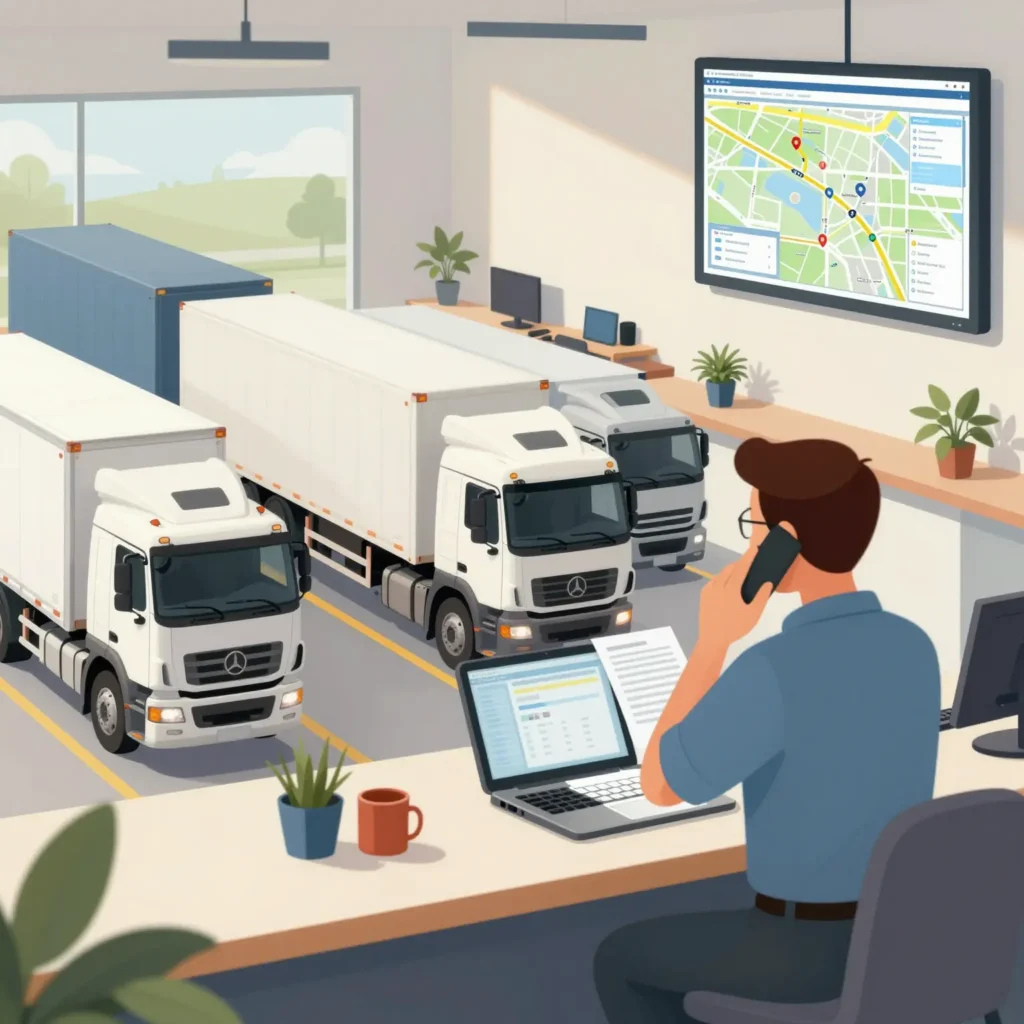
Introduction to Starting a Trucking Dispatcher Business
In the realm of logistics, the challenges faced by trucking companies cannot be overstated. From fluctuating fuel costs to the complexities of regulatory compliance, the industry is fraught with obstacles that directly impact operational efficiency. Additionally, the demand for timely deliveries creates an intricate web of expectations that companies must navigate adeptly. At the heart of addressing these challenges lies the role of an effective dispatcher-a crucial figure responsible for ensuring that trucks are utilized efficiently, routes are optimized, and deliveries are carried out without a hitch.
Starting a trucking dispatcher business presents an opportunity not only to thrive in this challenging environment but also to become an integral part of a logistics ecosystem that is evolving rapidly. For companies within the logistics, freight, and distribution sectors, having a competent dispatcher can mean the difference between chaos and seamless operations. Effective dispatching can mitigate delays, reduce operational costs, and enhance overall service quality, thereby allowing businesses to remain competitive. As you consider embarking on this path, you will find that understanding the delicate balance between logistics challenges and the necessity of meticulous dispatching is essential for establishing a successful venture in the trucking industry. To gain a deeper insight into the economic challenges and opportunities within the trucking sector, you may find this article on trucking industry economic challenges particularly enlightening.
Key Benefits of Establishing a Trucking Dispatcher Business
Starting a trucking dispatcher business can be a rewarding venture, particularly in the current logistics landscape, which is rapidly evolving due to technology and an increase in demand for efficient freight solutions. Below are some key benefits that highlight how this business model addresses the specific needs of target audiences such as logistics and freight companies, construction and engineering firms, fleet management companies, and food and beverage distributors:
-
Low Startup Costs: Compared to owning a trucking fleet, starting a dispatching business requires significantly lower initial investment. This aspect allows entrepreneurs to enter the logistics sector without the financial burden of purchasing vehicles.
-
Flexible Working Conditions: Truck dispatchers can operate from home or any location, allowing for a better work-life balance and reducing the need for commuting. This flexibility can often lead to higher job satisfaction and productivity.
-
High Earning Potential: Freight dispatchers generally earn commissions based on the volume of freight managed. This means there is significant potential for income growth, particularly during times of economic growth and increased demand for transportation services.
-
Essential Role in Logistics: Dispatchers play a crucial role in managing logistics efficiently, which is vital for the smooth operation of transportation companies. They help optimize routes, track shipments, and improve delivery times, directly affecting customer satisfaction.
-
Networking Opportunities: By collaborating with various sectors such as construction, engineering, and food distribution, dispatchers can build strong professional relationships, enabling them to expand their business reach and services.
-
Technological Advancements: The trucking industry is experiencing significant technological advancements. Dispatchers can leverage these tools (like tracking software and automated systems) to improve efficiency and service quality, making them more competitive in the market.
-
Support for Industry Growth: Given the increasing demand for freight services driven by e-commerce and global trade, trucking dispatchers can position themselves strategically to support industry growth and capitalize on new opportunities. According to a FreightWaves article regarding the trucking industry outlook, companies will need to adjust logistic strategies to meet consumer demands as they grow.
-
Ability to Adapt to Changes: The logistics industry faces challenges such as driver shortages and regulatory changes. Dispatchers can pivot their services to meet these challenges, enabling their clients to remain competitive despite industry fluctuations.
This image illustrates the logistics flow in trucking dispatching, showcasing the roles of dispatchers, drivers, and clients and how they interact.
Key elements include:
- Dispatchers manage the communication and coordination of transport logistics.
- Drivers execute the deliveries and are in constant contact with dispatch.
- Clients provide the necessary information and requirements for their shipments.
Essential Skills Needed for Dispatchers
Starting a trucking dispatcher business requires a unique set of skills and qualifications that are crucial for ensuring seamless operations and effective freight management. Below are the key skills every aspiring dispatcher should focus on:
1. Critical Thinking
Critical thinking is essential for dispatchers as they often face unexpected situations that require quick decision-making. The ability to analyze information critically allows dispatchers to develop effective solutions, manage routing issues, and adapt to changing schedules. This skill is crucial when dealing with delays or emergencies, ensuring minimal disruption to operations.
2. Communication Skills
Strong communication skills are vital for fostering collaboration between drivers, clients, and logistics staff. Dispatchers must convey location updates, relay instructions, and resolve issues effectively. Clear communication not only enhances operational efficiency but also builds trust with drivers and clients, minimizing misunderstandings. In environments where prompt feedback is essential, effective communicators excel at ensuring that everyone is on the same page.
3. Industry Knowledge
An in-depth understanding of industry regulations, logistics, and transportation constraints is paramount for successful dispatchers. Knowledge regarding safety regulations and legal compliance ensures that dispatchers adhere to standards necessary in the trucking industry. Familiarity with transportation technologies, such as dispatch software, GPS systems, and load tracking tools, further empowers dispatchers to streamline operations effectively.
4. Organizational Skills
Organizational skills are crucial for managing multiple tasks simultaneously. A dispatcher often handles several shipments, coordinates routes, and manages communication between various stakeholders. Effective prioritization and time management can make the difference between a successful delivery and a missed deadline.
5. Technological Proficiency
In today’s fast-paced trucking environment, technological proficiency is increasingly important. Dispatchers often use software systems designed for routing optimization, load management, and compliance tracking. Being adept at using these tools not only improves efficiency but also enhances overall service delivery to clients.
Frequently, aspiring dispatchers may also choose to pursue training programs that cover these skills more comprehensively. Such training enhances operational capabilities and helps better prepare individuals for their roles in logistics. Considering these essential skills, individuals can better assess their readiness for starting a trucking dispatcher business. To gain further insights into the role of dispatchers in the trucking industry, consider reading about dispatcher responsibilities and duties and explore qualifications needed to start a dispatcher business.
Comparison of Popular Dispatch Software Options
When starting a trucking dispatcher business, choosing the right dispatch software is essential for streamlining operations and improving efficiency. Below is a comparison table of several leading dispatch software solutions currently available:
| Software | Real-Time Tracking | Mobile Access | User Support | Price Range | User Ratings |
|---|---|---|---|---|---|
| Verizon Connect | Yes | Yes | Yes | $50 – $120/month | 4.5/5 (Capterra) |
| Jobber | Yes | Yes | Yes | $39 – $179/month | 4.5/5 (Capterra) |
| Fleet Complete | Yes | Yes | Yes | $35 – $150/month | 4.6/5 (TechRadar) |
| ServiceTitan | Yes | Yes | Yes | $39 – $199/month | 4.7/5 (Capterra) |
| Housecall Pro | Yes | Yes | Yes | $65 – $200/month | 4.7/5 (TechRadar) |
| FieldPulse | Yes | Yes | Yes | $20 – $180/month | 4.8/5 (Capterra) |
These tools offer features such as real-time tracking, mobile accessibility, and reliable user support, making them suitable options for logistics and freight companies. The price and user ratings can vary significantly, so businesses must assess their specific needs and budgets when making a selection.
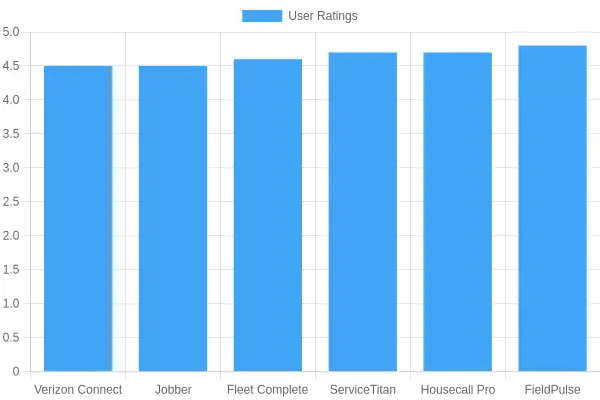
For those interested in learning more about dispatch software features and pricing, additional resources can provide deeper insights into the tools that best fit operational needs in the trucking industry.
Regulatory Compliance in the Trucking Industry
The trucking industry faces a complex landscape of regulatory compliance that is crucial for new dispatchers to understand. Adhering to federal and state laws is not only essential for operational efficiency but also for the safety and legality of transportation services.
Federal Regulations
At the federal level, compliance is primarily governed by the Federal Motor Carrier Safety Administration (FMCSA). Key compliance areas include:
-
Hours of Service (HOS) Regulations: These rules limit the number of hours drivers can operate a vehicle, requiring a maximum of 11 driving hours after 10 consecutive hours off duty. This regulation is crucial to ensure driver safety and mitigate fatigue-related accidents.
-
Electronic Logging Device (ELD) Mandate: All carriers are required to use ELDs to accurately record driving time. This not only helps with HOS compliance but also reduces the administrative burden on drivers and companies.
-
Emissions Standards: In response to growing environmental concerns, trucks must adhere to strict emissions regulations set forth by the Environmental Protection Agency (EPA). Compliance checks are rigorous, and failure to meet these standards can lead to significant fines and penalties.
For a comprehensive overview of federal regulations, visit the FMCSA.
State Regulations
Each state has its own set of regulations that trucking companies must follow in conjunction with federal laws. This includes:
- Over-Dimensional Load Permits: Required in many states for loads exceeding standard size limits to ensure safe travel on public roads.
- State-Specific Taxes: States impose various taxes, such as fuel taxes, which vary significantly. For example, California has a fuel tax of 75.7 cents per gallon, whereas Texas has a significantly lower tax of 20 cents.
- Health and Safety Codes: Regulations affecting vehicle sanitation, inspection of food transport vehicles, and overall driver safety standards vary by state.
Here’s a table summarizing key state requirements for trucking:
| State | Over-Dimensional Load Permit | Fuel Tax (cents per gallon) | Health Code Requirements |
|---|---|---|---|
| California | Yes | 75.7 | 10+ rules for truck parking and sanitation |
| Texas | Yes | 20 | Weight limits and hygiene rules |
| Florida | Yes | 24.4 | Specific vehicle sanitation requirements |
| New York | Yes | 44.8 | Truck wash standards regulations |
| Illinois | Yes | 38.5 | Inspections for food transport vehicles |
For further information on state-specific regulations, visit the National Conference of State Legislatures.
Importance of Compliance
Adhering to these regulations is vital not only to avoid penalties but also to ensure a safe operating environment for drivers and other road users. New dispatchers, in particular, must stay informed and versed in both federal and state requirements to manage their fleets effectively and responsibly.
Growth of the Trucking Industry
The trucking industry has exhibited significant growth over the past decade, underscoring its crucial role in the global economy. Key statistics illustrating this trend include revenue increases, business counts, and freight volumes, which together paint a comprehensive picture of the industry’s expansion.
Key Statistics (2013-2023)
| Year | Total Revenue (USD Billion) | Number of Businesses | Freight Volume (Billion Tons) |
|---|---|---|---|
| 2013 | 255 | 650,000 | 15.0 |
| 2016 | 700 | 800,000 | 16.5 |
| 2019 | 792 | 900,000 | 17.5 |
| 2021 | 819 | 950,000 | 18.5 |
| 2023 | 877 | 1,000,000 | 19.0 |
Insights
- Revenue Growth: The total revenue generated by the trucking industry increased from $255 billion in 2013 to approximately $877 billion in 2023, reflecting a steady growth path and demand for trucking services.
- Business Expansion: The number of businesses in the trucking sector rose from 650,000 to 1,000,000, indicating a thriving industry with lucrative opportunities for new dispatchers.
- Freight Volume: Freight volumes have also observed an upward trajectory, moving from 15.0 billion tons to 19.0 billion tons over the decade.

Conclusion
The upward trends in the trucking industry signify robust growth, offering numerous opportunities for those looking to start a trucking dispatcher business. As the industry continues to expand, understanding these trends will be essential for making informed business decisions and strategic planning in logistics and freight management. For more insights on how trucking is adapting and growing, learn more about economic challenges and federal measures that influence this sector.
“Amateurs talk strategy while professionals talk logistics.”
-Source: DHL
This quote underscores the critical importance of efficient dispatching in logistics operations, emphasizing that successful logistics management is not just about strategy but operational execution. Efficient dispatching plays a vital role in ensuring timely deliveries and satisfied customers in the trucking dispatcher business.
Conclusion
In conclusion, starting a trucking dispatcher business offers a unique opportunity for those looking to enter a vital industry within the logistics and transportation sectors. The key points discussed throughout this article encompass the essentials of establishing a dispatcher business, which include gaining necessary knowledge, understanding industry regulations, and creating solid relationships with carriers and shippers. Furthermore, the increasing demand for freight transportation underscores the significance of dispatchers in managing logistics effectively.
Starting this business provides numerous advantages: it allows for flexibility and independence in how one operates their services, often leading to substantial profitability as the demand for efficient freight management continues to rise. According to various insights, effective dispatchers are able to leverage technology to optimize routes, reduce costs, and ultimately enhance service efficiency, which is crucial for maintaining competitive edge in the market. This means that individuals considering this path can contribute to the essential workings of the economy while reaping significant benefits.
If you are contemplating venturing into the trucking dispatcher business, now is certainly the time to think seriously about it. With low startup costs and the possibility of high returns, this business avenue can pave the way for both personal and professional growth. Make your move today by exploring informative resources to help you on this journey toward success!
Marketing Strategies for a Dispatcher Business
Starting a trucking dispatcher business presents unique challenges, especially in attracting and retaining clientele. To navigate this landscape effectively, implementing robust marketing strategies is crucial. Here are several strategies that new dispatchers can adopt:
1. Establish a Strong Online Presence
An effective online presence cannot be overstated. Here are key components to consider:
- Professional Website: Develop a well-designed website that clearly outlines your services, expertise, and contact information. It should include testimonials and a blog to enhance SEO and engage visitors.
- Search Engine Optimization (SEO): Optimize your website to rank higher on search engine results pages (SERPs). Use relevant keywords such as ‘trucking dispatch services’ and ‘freight management’ to attract organic traffic.
- Social Media Engagement: Utilize platforms like LinkedIn and Facebook to share industry news, updates, and success stories. Engage with followers to build trust and showcase your expertise.
2. Network Effectively
Establishing connections within the industry can provide invaluable opportunities:
- Industry Events: Attend trade shows, seminars, and conferences where you can connect with logistics and freight companies. These events are excellent for networking and learning more about client needs and expectations.
- Local Business Groups: Join local chambers of commerce or industry-specific associations. This increases visibility in your community and helps facilitate partnerships.
3. Form Strategic Partnerships
Collaborating with other businesses can expand your reach:
- Alliances with Fleet Management Companies: Partner with fleet management companies to offer bundled services. Such arrangements can help both parties tap into each other’s customer bases.
- Referral Programs: Create referral relationships with related businesses like transport firms or logistics coordinators. This reciprocal exchange can drive new clients your way.
4. Utilize Digital Marketing Campaigns
Leverage online advertising to reach a broader audience:
- Pay-Per-Click Ads: Implement campaigns on platforms like Google and social media to target specific demographics. Tailor your advertisements focusing on services relevant to your audience, increasing conversion rates.
- Content Marketing: Produce high-quality, informative content (like e-books or guides) to share with potential clients. Demonstrating expertise can draw in prospective clients while also enhancing SEO efforts.
Conclusion
Employing a combination of robust online strategies, effective networking, and forming strategic partnerships can dramatically increase exposure and client acquisition for new trucking dispatcher businesses. By remaining proactive and adaptive in your marketing approaches, you can effectively position your business as a leader in the logistics and transportation sector. This not only ensures immediate client engagement but also lays the foundation for sustainable growth in the competitive trucking industry. For more insights on industry growth and adaptation, learn more about recent trucking industry developments.