

Introduction to Starting a Trucking School Business
The logistics and freight industry is undergoing a significant transformation, marked by a burgeoning demand for qualified truck drivers to navigate an increasingly complex supply chain. As businesses expand and e-commerce accelerates, the need for trained professionals is at an all-time high, creating a ripe opportunity for aspiring entrepreneurs to start a trucking school business. This venture is not only lucrative but also instrumental in supporting the growth of logistics companies by providing them with a skilled workforce. According to recent industry reports, the shortage of truck drivers could reach over 160,000 by 2028, accentuating the importance of training programs that prepare individuals for this rewarding career path. With an average annual salary of over $50,000 for truck drivers, investing in a trucking school can yield substantial returns while contributing positively to the economy and community. By equipping future drivers with the essential skills and knowledge, your trucking school can play a pivotal role in reducing the driver deficit and enhancing the overall efficiency of transport and freight operations. Furthermore, aligning your school with industry standards and regulations ensures that graduates are not only employable but also well-prepared to meet the challenges of modern trucking. Learn more about the implications of trucking growth and the current driver shortage.
How to Start a Trucking School Business: A Structured Outline
Starting a trucking school involves several crucial steps that ensure the success of the venture. Below is a structured outline detailing each step, along with relevant links for further reading.
1. Market Research
Conducting thorough market research is vital to understand the trucking industry, competitors, and target demographics. This might include:
- Analyzing the demand for truck drivers in your region.
- Identifying existing trucking schools and their offerings.
- Determining your unique selling proposition (USP).
Learn more about trucking industry challenges
2. Legal Requirements
Starting a trucking school necessitates compliance with various regulations. Key legal steps include:
- Obtaining a license to operate a training school.
- Meeting federal and state regulations for trucking education, including safety standards.
- Ensuring instructors have the necessary certifications.
Read about common legal requirements in the trucking business
3. Financial Planning
Developing a robust financial plan is essential for sustainability. Your financial planning should cover:
- Estimating startup costs (vehicles, facilities, and materials).
- Identifying potential funding sources, such as grants or loans.
- Projecting income and expenses to form a budget.
Discover financial assistance options for trucking schools
4. Curriculum Development
A comprehensive curriculum is critical for effective training. This can include:
- Designing modules that cover safe driving, vehicle maintenance, and regulations.
- Including practical driving experiences along with theoretical knowledge.
- Ensuring the curriculum aligns with national standards for CDL (Commercial Driver’s License) training.
Explore curriculum design principles
5. Marketing Strategies
Effective marketing is important to attract students. Strategies might involve:
- Utilizing online marketing platforms and social media to reach potential students.
- Partnering with local businesses and communities to promote your school.
- Conducting community events or workshops to increase visibility and engagement.
Learn about effective marketing strategies in education
Conclusion
These steps provide a structured approach to starting a trucking school business. By conducting extensive market research, understanding legal requirements, planning financially, developing a robust curriculum, and implementing effective marketing strategies, you can establish a successful educational institution in the trucking industry.

This image represents an analysis of the key steps necessary to start a trucking school, highlighting the importance of each category in a structured format.
The Importance of Conducting Thorough Market Research in the Logistics and Freight Industry
In the ever-evolving logistics and freight industry, conducting thorough market research is paramount for identifying opportunities and staying competitive. Thorough market research helps businesses understand market dynamics, customer needs, and emerging trends, which are essential for strategic decision-making.
Market research serves several critical functions in the logistics sector:
- Identifying Opportunities: By analyzing market trends and consumer preferences, logistics companies can detect new opportunities, such as expanding into different regions or offering innovative service solutions.
- Understanding Competition: Comprehensive market research allows businesses to assess their competitors, understand their strengths and weaknesses, and adapt their strategies accordingly to capture a larger market share.
- Optimizing Resource Allocation: Companies can better allocate resources by understanding market demands and operational challenges, reducing waste and enhancing overall productivity.
Demographic trends significantly influence the logistics industry, particularly concerning driver training. For example, shifts in population age and workforce availability have prompted logistics firms to rethink their training programs. According to insights gathered, younger generations are less inclined to pursue driving careers, leading to worker shortages. As a solution, companies are increasingly investing in adaptable training programs tailored to various age groups and backgrounds. This adaptation is essential for attracting a diverse workforce and addressing future skills gaps.
Such insights are confirmed by recent discussions in the industry, including driver training programs fueled by demographic shifts and the collaborative efforts between government and industry to improve training outcomes for new drivers.
Additionally, market research provides valuable information on emerging technologies that can enhance training effectiveness, such as simulation-based training tools, which engage drivers more effectively than traditional methods, ultimately leading to better-trained professionals in the logistics sector.
By prioritizing market research, companies can stay ahead of demographic changes affecting their workforce and ensure that their driver training programs are both relevant and effective, which is crucial for maintaining a robust and skilled workforce in the logistics industry.
Financial Planning for Starting a Trucking School
Starting a trucking school requires a well-thought-out financial plan. The expenses involved can be substantial and must be carefully itemized to ensure the successful launch of the institution. Here’s a detailed overview of the financial considerations, potential investments, and funding options for aspiring trucking school owners.
Estimated Costs Breakdown
The costs associated with launching a trucking school can range significantly depending on location, scope, and operational strategy. Here’s a breakdown of typical expenses:
| Cost Item | Estimated Cost |
|---|---|
| Equipment | $50,000 – $150,000 |
| Facilities | $10,000 – $100,000/year |
| Staff Salaries | $30,000 – $70,000/year per instructor |
| Insurance | $5,000 – $15,000/year |
| Marketing | $3,000 – $20,000 |
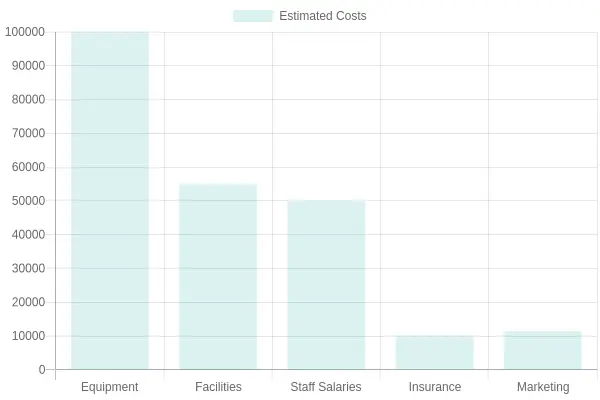
- Equipment: This includes the purchase or lease of trucks and trailers used for training. The investment can vary based on whether new or used vehicles are chosen.
- Facilities: Renting or purchasing a facility for classrooms and parking. Costs will depend on geographical location.
- Staff Salaries: Instructors are critical to the success of any trucking school and should possess adequate experience and qualifications. Their salaries can vary based on credentials and region.
- Insurance: Adequate insurance is necessary to cover potential liabilities and protect the business.
- Marketing: Initial marketing efforts are essential to attract students and establish the school’s reputation in the community.
Funding Options
Securing funding is a crucial step in starting a trucking school. Potential options include:
- Grants: Various federal and state grants are available for educational institutions, including those in vocational training. Check resources such as Grants.gov for opportunities.
- Student Loans: Programs such as Federal Student Aid offer financial assistance for students attending trucking schools, which can help inform potential revenue streams for the school.
- Private Investors: Seeking investment from private individuals or organizations interested in the logistics and education sectors can provide the necessary capital.
- Local Business Partnerships: Collaborating with local logistics companies may yield sponsorship opportunities or provide networking advantages that can lead to funding.
Starting a trucking school requires diligent planning and understanding of the financial landscape. By analyzing initial costs and exploring funding options, potential owners can create a solid financial foundation that supports sustainable success in the trucking education industry. For more insights on managing finances in trucking, check out this resource.
| State | Licensing Requirement | Training Hours | Operational Compliance |
|---|---|---|---|
| Alabama | Must be licensed by the state | 160 hours | Must comply with state and federal laws |
| Alaska | Must be licensed and approved by the state | 160 hours | Must meet safety and federal regulations |
| Arizona | Licensed by the Arizona Department of Transportation | 160 hours | Compliance with state and federal regulations |
| Arkansas | State-approved licensing required | 160 hours | Must follow state guidelines and regulations |
| California | Licensed by state; approval needed | 160 hours | Must maintain operational safety standards |
| Colorado | State certification required | 160 hours | Compliance with federal and state regulations |
| Connecticut | Must have state approval | 160 hours | Follows federal safety compliance |
| Delaware | State licensing required | 160 hours | Compliance with safety standards |
| Florida | Licensed by state | 160 hours | Must adhere to state regulations |
| Georgia | Licensing by the Georgia Department of Driver Services | 160 hours | Must follow federal safety standards |
| Idaho | Need a state license for schools | 160 hours | Compliance with federal and state laws |
| Illinois | State licensing necessary | 160 hours | Must meet safety compliance needs |
| Indiana | Licensed by Indiana Bureau of Motor Vehicles | 160 hours | Compliance with federal trucking regulations |
| Iowa | Requires state licensing | 160 hours | Must adhere to operational compliance standards |
| Kansas | Licensed and state-approved | 160 hours | Must comply with safety laws |
| Kentucky | State licensing required | 160 hours | Requires compliance with safety regulations |
| Louisiana | Must comply with state requirements | 160 hours | Operational guidelines must be followed |
| Maine | School must be certified by the state | 160 hours | Compliance with regulations |
| Maryland | Licensed by the Maryland Motor Vehicle Administration | 160 hours | Must meet safety compliance requirements |
| Massachusetts | State licensing required | 160 hours | Must comply with operational standards |
| Michigan | Approved state licensing needed | 160 hours | Must follow federal safety compliance |
| Minnesota | Licensed by the Department of Public Safety | 160 hours | Must adhere to state and federal guidelines |
| Mississippi | State approval and licensing required | 160 hours | Compliance with operational safety laws |
| Missouri | Licensed by state; usually 160 hours | 160 hours | Follows federal guidelines for compliance |
| Montana | Must be state licensed | 160 hours | Compliance with operational standards |
| Nebraska | State licensing required | 160 hours | Follows federal regulations |
| Nevada | Must have state certification | 160 hours | Must comply with operational safety |
| New Hampshire | Licensed by state | 160 hours | Compliance with necessary regulations |
| New Jersey | State certified training program required | 160 hours | Must adhere to compliance standards |
| New Mexico | State approval required | 160 hours | Compliance with federal regulations |
| New York | Licensed by state | 160 hours | Operate in compliance with safety standards |
| North Carolina | State-approved school | 160 hours | Compliance required with federal laws |
| North Dakota | Licensed and approved | 160 hours | Must meet operational compliance |
| Ohio | State-approved certification required | 160 hours | Compliance with safety and federal standards |
| Oklahoma | Must be licensed by the state | 160 hours | Operational compliance with state laws |
| Oregon | Must meet state licensing requirements | 160 hours | Compliance with operational standards |
| Pennsylvania | Must be state licensed and approved | 160 hours | Must comply with operational safety |
| Rhode Island | Licensed by the state | 160 hours | Follow federal operational guidelines |
| South Carolina | State approval required | 160 hours | Compliance with safety standards |
| South Dakota | Must possess state certification | 160 hours | Must adhere to state regulations |
| Tennessee | State licensing required | 160 hours | Compliance with operational standards |
| Texas | Licensed by the state | 160 hours | Must follow safety and compliance laws |
| Utah | State-approved trucking school required | 160 hours | Adhere to federal trucking regulations |
| Vermont | State certification required | 160 hours | Compliance with operational guidelines |
| Virginia | Must be licensed by the state | 160 hours | Requires compliance with safety laws |
| Washington | State approval required | 160 hours | Compliance with federal regulations |
| West Virginia | Must be state licensed | 160 hours | Adhere to operational safety standards |
| Wisconsin | Licensed by the state | 160 hours | Must meet compliance standards |
| Wyoming | State licensing required | 160 hours | Compliance with operational laws |
For more details on state regulations, you can learn more here.
Developing a Successful Trucking School Curriculum
Creating a robust curriculum for a trucking school is essential for equipping future truck drivers with the necessary skills and knowledge. A successful curriculum should comprise three core components: classroom instruction, hands-on training, and practical assessments.
1. Classroom Instruction
Classroom instruction lays the foundational knowledge for students aspiring to enter the trucking industry. Key subjects typically covered include:
- Traffic Regulations: Understanding laws and rules governing road safety and vehicle operation.
- Vehicle Maintenance: Knowledge of basic truck maintenance ensures that future drivers can identify and handle minor mechanical failures.
- Logistics and Route Planning: Instruction on planning efficient routes to optimize deliveries and reduce fuel consumption.
This theoretical background is crucial for instilling a comprehensive understanding of the trucking industry and preparing students for hands-on training. Consider referring to this resource for a deeper insight into the essential skills required in trucking: Do You Have What it Takes to Drive? Essential Skills for Successful Trucking.
2. Hands-On Training
Practical experience is vital in a trucking curriculum. This component often includes:
- Simulated Driving: Utilizing simulators to emulate real-world driving conditions and hone skills before going on the road.
- Behind-the-Wheel Training: Real-life experience allowing students to operate trucks under instructor supervision, focusing on safety protocols and operational procedures.
- Field Trips: Visits to freight companies or logistic hubs to provide insight into actual trucking operations.
These practical experiences not only boost confidence among learners but also prepare them adequately for the employment market.
3. Practical Assessments
Evaluation is a critical aspect of any educational program. For trucking schools, effective assessment methods should include:
- Driving Tests: Assessing student ability to handle trucks in controlled scenarios.
- Written Exams: Testing knowledge of traffic laws, vehicle operation, and emergency response procedures.
- Performance Reviews: Regular feedback on driving skills and classroom participation ensures continual improvement.
A successful trucking school curriculum should emphasize continuous evaluations that reflect a student’s readiness to enter the workforce. For insights on curriculum development best practices, you can explore this article: Curriculum Development: Best Practices & Killer Strategies.
In conclusion, a well-rounded trucking school curriculum incorporating theoretical knowledge, practical training, and effective assessment methods is indispensable for producing competent truck drivers who can thrive in the demanding logistics sector.
Marketing Strategies for Promoting Your Trucking School
Effective marketing is crucial for the success of a trucking school, especially when targeting logistics firms and related industries. Both offline and online approaches should be leveraged to maximize outreach and attract potential students. Below are several strategies tailored to meet the needs of logistics companies, construction and engineering firms, fleet management companies, and food and beverage distributors.
Online Marketing Strategies
-
Search Engine Optimization (SEO): Optimize your website’s content with keywords relevant to the trucking industry. This includes blog posts about industry trends, driving techniques, or regulatory changes. By increasing organic search visibility, your school can attract more inquiries and interest from logistics firms.
-
Social Media Engagement: Utilize platforms like LinkedIn, Twitter, and Facebook to share success stories, industry news, and promotional content. Engaging content can establish your authority in the trucking education space. Consider creating a community around topics of interest to foster interaction.
-
Email Marketing: Develop an email newsletter to keep logistics companies informed about new courses and industry insights. Personalizing emails to target specific audiences could enhance engagement rates and increase conversions. Learn more about effective email marketing strategies.
-
Webinars and Online Workshops: Host informational webinars that showcase the value of training drivers through your school. This can attract logistics firms looking to improve their drivers’ skills and safety records.
Offline Marketing Strategies
-
Community Engagement: Form partnerships with local logistics firms and attend industry events to increase awareness. Sponsoring events or holding local training sessions can create valuable connections.
-
Collaborative Marketing: Partner with local businesses that intersect with your target audience. For instance, collaborating with automotive companies or vehicle maintenance services can enhance your visibility and credibility within the industry.
-
Print Advertising: While digital marketing is crucial, traditional print media can still be effective, especially in regional publications or industry-specific magazines. Advertising in these places can directly reach your target audience.
-
Promotional Events: Organize open days or demonstrations where potential students and industry partners can experience training firsthand. These in-person events can also allow you to build strong relationships with logistics firms.
Integrating Online and Offline Strategies
Utilizing both online and offline marketing strategies can significantly amplify the effectiveness of your promotional efforts. For example, you can use print materials at events to drive traffic to your online content. As highlighted in this resource on offline marketing strategies, bridging these channels can create a cohesive marketing approach that effectively engages different audience segments.
By combining these strategies, trucking schools can create a robust marketing framework that resonates with potential students and industry partners alike, ensuring sustainable growth and relevance in the competitive education market.
In discussing the importance of trucking school graduates, industry analysts and experts have sometimes highlighted the critical need for new talent in this ever-evolving field. \n\n> “The trucking industry is facing significant hiring challenges. With a job placement rate of 99.2% for graduates in certain programs in 2023, the demand for well-trained trucking school graduates is more crucial than ever.” \n- Alexandria Echo Press \n\nThis emphasizes the promising outlook and the essential role that educational programs play in shaping the future workforce for this vital industry.
Projected Growth of the Trucking Industry
The trucking industry is poised for substantial growth over the next decade, driven by increasing demand for freight services. Key projections indicate that by 2034, truck tonnage in the U.S. will rise from 11.3 billion tons to 14.2 billion tons, reflecting a robust expansion in logistics and shipping needs, particularly with the rise of e-commerce. Furthermore, the global freight trucking market is expected to reach an estimated value of $3.43 trillion by 2031.
Graphical Representation
To visually illustrate these projections, the following bar chart displays the significant increase in truck tonnage expected from 2023 to 2034:

| Year | Tonnage (Billion Tons) | Market Value (USD) |
|---|---|---|
| 2023 | 11.3 | N/A |
| 2024 | N/A | N/A |
| 2025 | N/A | N/A |
| 2026 | N/A | N/A |
| 2027 | N/A | N/A |
| 2028 | N/A | N/A |
| 2029 | N/A | N/A |
| 2030 | N/A | N/A |
| 2031 | N/A | 3.43 trillion |
| 2032 | N/A | N/A |
| 2033 | N/A | N/A |
| 2034 | 14.2 | N/A |
This growing demand highlights the necessity for qualified drivers and the subsequent need for training institutions to equip them with the skills required to meet industry standards.
For more insights into the growth of the trucking industry, you can read about the impacts of supply chain dynamics and explore how logistics can evolve with market demands.
In conclusion, starting a trucking school business represents a significant opportunity within the logistics and transportation sectors. Key points discussed throughout this article include identifying your target audience, understanding the necessary regulatory requirements, and recognizing the importance of a comprehensive curriculum that addresses both theoretical and practical aspects of trucking. By adhering to these foundational principles, logistics and freight companies, construction firms, and other related industries can cultivate a skilled workforce to meet the growing demands of the trucking industry.
As you venture into this lucrative business area, let’s not forget the importance of brand visibility and customer engagement. This is where customizing motorcycle fairings comes into play. Businesses like Summit Fairings offer tailored solutions that enhance vehicle aesthetics while also improving aerodynamics and overall performance. Custom fairings not only allow for unique branding opportunities but also create a deeper connection with customers by reflecting their individual styles and preferences.
Moreover, investing in motorcycle fairing customization serves as a strategic move that can drive business growth. By prioritizing aesthetics alongside functionality, you can enhance customer loyalty and satisfaction while standing out in a competitive market.
Are you ready to take the next step towards building your trucking school? Explore how custom motorcycle fairings can elevate your branding and enhance your business image. Don’t miss out on maximizing your potential-embark on this journey today!