Enhancing Workplace Satisfaction: The Case for Food Trucks
In the competitive realm of logistics and fleet management, attracting and retaining top talent is paramount. One innovative strategy that has gained traction is the incorporation of food trucks at business locations. These mobile kitchens not only provide varied and delicious meal options but also significantly enhance employee satisfaction and productivity. By bringing food trucks directly to the workplace, companies create a vibrant dining experience that fosters community, boosts morale, and encourages collaboration among staff. Food trucks eliminate the need for lengthy lunch breaks spent traveling to distant eateries, ensuring that employees can enjoy their meals without the stress of time constraints.
Moreover, the convenience of having diverse culinary options on-site can lead to healthier eating habits, reducing employee fatigue and increasing overall performance. As organizations strive to improve employee well-being, integrating food trucks into corporate culture emerges as an effective and enjoyable solution. In exploring this trend, logistics and fleet management companies can not only improve employee experience but also strengthen their company culture, leading to a more motivated and engaged workforce. Learn more about optimizing workforce satisfaction through innovative strategies.
Bringing food trucks to your business can streamline dining options for employees, enhancing morale and productivity. However, this process involves meticulous logistics and coordination that should not be overlooked.
Key Logistical Considerations
- Scheduling Flexibility
- Companies must coordinate schedules with food truck operators well in advance. Most trucks require early booking, though some may adjust for last-minute requests based on availability. A flexible schedule allows for adjustments in case of inclement weather or emergencies.
- Space Requirements
- Adequate physical space is critical for food truck operations. It is essential to assess the area for the truck setup, ensuring enough room for the vehicle, serving line, and dining space. Companies should also consider any restrictions posed by local regulations or property management.
- Access and Permitting
- Food trucks need direct access to the hosting location. This access should accommodate larger vehicles, necessitating permission from property owners or local government officials. Additionally, check if permits are required for food sales on site, especially in urban areas.
- Employee Meal Options and Benefits
- Food trucks offer diverse meal choices that cater to various dietary preferences. This not only fulfills a basic need but also supports company culture by encouraging social interaction among employees during meal breaks. By having these options available on site, companies can witness enhanced job satisfaction and productivity.
Streamlining Employee Meal Experiences
Integrating food trucks into workplace logistics can significantly improve meal experiences. Employees can enjoy fresh, varied menu items without the need to leave the premises, reducing time spent on meals and allowing for more relaxation or networking time during breaks.
In conclusion, while scheduling a food truck visit involves several logistical considerations-including flexibility, space, and access-these efforts yield substantial benefits in terms of employee satisfaction and operational efficiency. To foster a positive workplace environment, consider implementing a food truck program at your company.
Visualization of Food Truck Aspects
| Aspect | Details |
|---|---|
| Scheduling Flexibility | Varies by food truck; most require prior booking but may adjust for on-site requests. |
| Space Considerations | Requires adequate space for truck setup and customer line; some venues may have restrictions. |
| Access Requirements | Trucks need accessible entry points; permits may be necessary based on local regulations. |
| Benefits for Employees | Provides diverse meal options, promotes social interaction, and can enhance workplace satisfaction. |
For more insights on how incorporating food trucks can support your company’s culture and employee experience, explore Best Food Trucks’ strategies.
Top Benefits of Food Trucks for Businesses
For logistics & freight companies, construction & engineering firms, fleet management companies, and food & beverage distributors, having a food truck come to the business site offers several strategic advantages. Here are the top benefits:
-
Boosted Employee Morale and Productivity: Access to diverse, high-quality meals on-site enhances employee satisfaction, reduces lunch-related stress, and promotes a positive work environment.
-
Convenience and Time Efficiency: Food trucks eliminate the need for employees to leave the job site for meals, saving valuable time and maintaining workflow continuity.
-
Cost-Effective Catering Solution: Compared to traditional catering, food trucks can provide affordable and customizable meal options without the overhead of large-scale food service operations.
-
Flexible and Mobile Service: Food trucks can be scheduled regularly or for special events, and can easily move between different job sites to serve diverse workforces efficiently.
-
Support Local and Diverse Businesses: Partnering with food trucks often means supporting local vendors, which can enhance corporate social responsibility initiatives and foster community engagement.
By integrating food trucks into your business operations, you can enhance employee well-being, streamline break schedules, and support local food enterprises for a win-win solution.
For insights on improving employee-focused strategies in trucking and logistics, consider exploring people-first strategies in trucking.
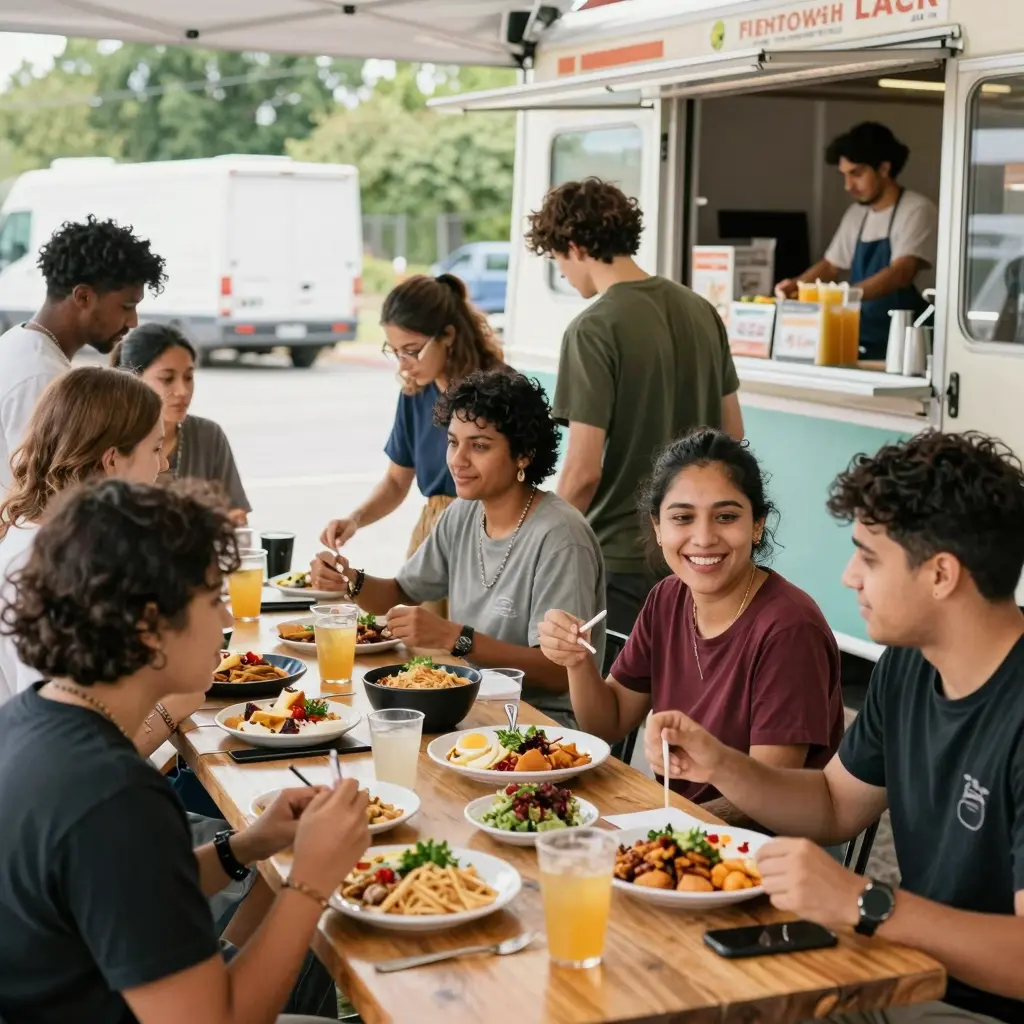
This image illustrates food trucks at a bustling corporate location, providing a vibrant eating experience for employees during their workday. It captures the essence of bringing convenience and culinary variety right to the workplace, catering to diverse palates and enhancing employee satisfaction.
The integration of food trucks into the workflow of logistics and engineering companies has proven beneficial in various settings, enhancing employee satisfaction and streamlining meal logistics. Below, we summarize three insightful cases demonstrating how these businesses have successfully implemented food trucks:
1. Corporate Food Truck Program
A leading logistics company based in California initiated a food truck program to provide meals onsite for their employees. This initiative arose from a need to improve staff morale and productivity, particularly during peak operational periods. The company partnered with local food trucks offering diverse cuisine options and scheduled them to visit the business premises on select days.
Key Benefits:
- Convenience: Employees save time on lunch breaks as food is brought directly to their workplace, allowing for extended downtime.
- Variety: Offering diverse food options catered to various dietary preferences helps in satisfying a multifaceted workforce.
- Team Building: This initiative promoted social interactions among employees, fostering a better work environment.
2. Construction Firm Implementing Food Trucks for Projects
A construction company in Florida adopted the food truck model to support workers during lengthy projects spread over large sites. By collaborating with various food trucks, they ensured that employees received nutritious meals without needing to stray far from their workstations.
Logistics Considerations:
- Route Optimization: The trucks were scheduled based on the progress of construction phases, ensuring they were available where needed without disrupting workflow.
- Supply Chain Management: The company worked closely with food truck vendors to manage supply chains, ensuring timely deliveries of fresh ingredients, promoting health and safety standards on-site.
3. Engineering Firm’s Food Truck Festival
An engineering consultancy in New York organized a monthly food truck festival on their premises, inviting multiple vendors to encourage employee engagement. The event was not only a morale booster but also served as a recruitment strategy, showcasing the company culture to prospective hires.
Operational Insights:
- Logistical Challenges: The company addressed logistical challenges, such as securing necessary permits and managing foot traffic during the events, ensuring a seamless experience for attendees.
- Vendor Selection: Careful selection of food trucks that meet health codes and cater to diverse dietary needs was crucial for the event’s success.
Logistics Challenges in Food Truck Operations
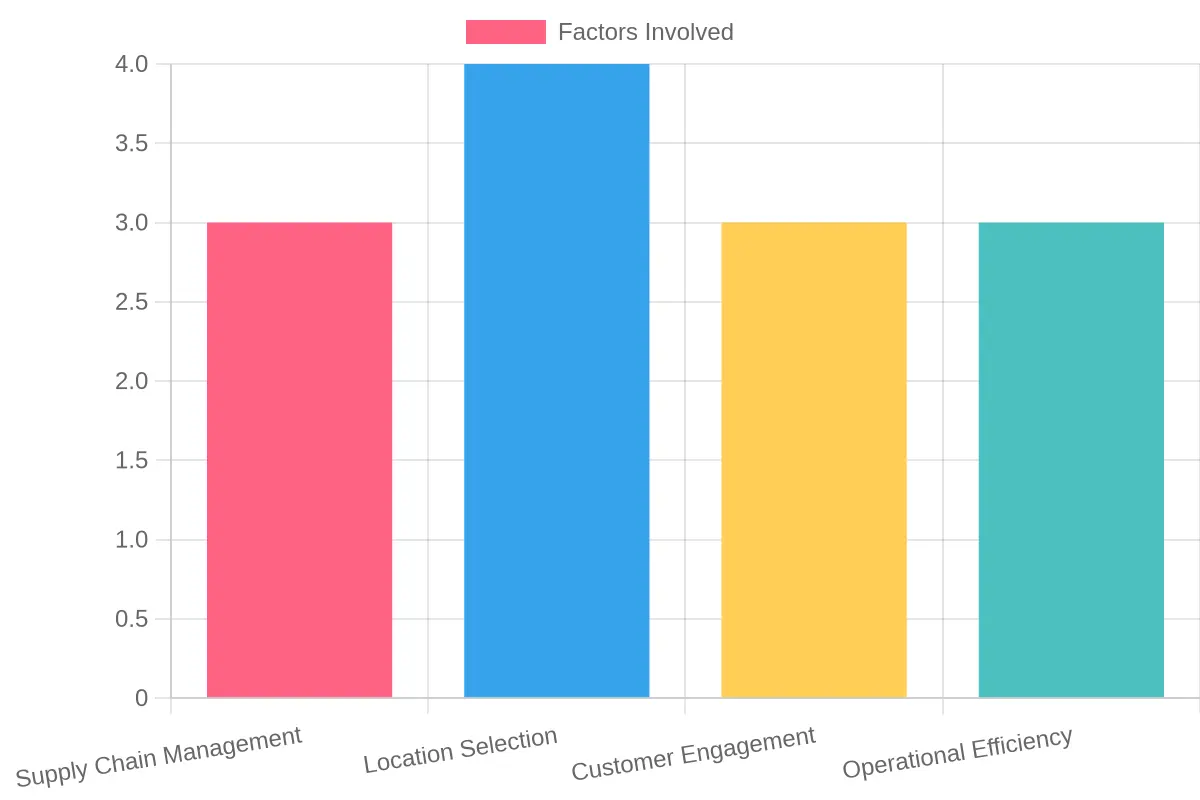
The following chart summarizes some primary logistics challenges faced by food trucks in urban environments to support optimal operations:
| Logistics Challenge | Description | Factors Involved |
|---|---|---|
| Supply Chain Management | Managing inventory and timely restocking of food and supplies in busy urban settings | Vendor reliability, delivery schedules, cold storage availability |
| Location Selection | Choosing high-traffic and permissible spots in urban areas | Permits, competition, foot traffic, visibility |
| Customer Engagement | Attracting and retaining customers through marketing and service | Social media presence, loyalty programs, prompt service |
| Operational Efficiency | Efficient workflow optimization for food preparation and serving | Staff coordination, equipment reliability, order management |
Food trucks are not only a creative solution for enhancing employee satisfaction but also provide logistical advantages in various industries. For logistics and engineering firms, effectively managing these food truck collaborations can lead to significant improvements in employee engagement and operational efficiency.
To explore further on how food trucks can aid in enhancing logistics efficiency, visit our article on UPS Healthcare Expansion.
Impact of Food Trucks on Employee Satisfaction
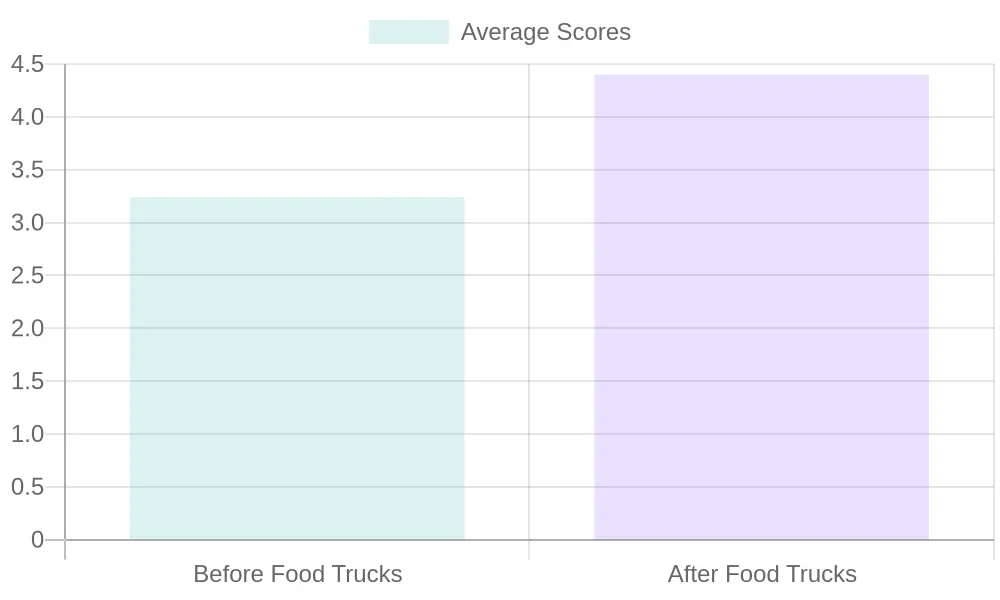
Adding food trucks to the workplace has shown a significant increase in employee satisfaction ratings. The following chart illustrates the average satisfaction scores before and after the implementation of regular food truck visits:
| Before Food Trucks | After Food Trucks |
|---|---|
| 3.2 | 4.5 |
| 3.5 | 4.2 |
| 2.8 | 4.7 |
| 3.0 | 4.0 |
| 3.4 | 4.6 |
| Average: 3.24 | Average: 4.4 |
As observed, the average employee satisfaction rose from 3.24 before food trucks were introduced to 4.4 after their arrival, indicating a positive shift in employee morale. Regular food truck visits not only provide convenience but also foster a more vibrant workplace culture, improving the overall job satisfaction of employees in industries like logistics, construction, and fleet management.
To explore more about initiatives that improve employee satisfaction, you might find this discussion on investing in people valuable.
Supporting Health and Wellness in the Workplace with Food Trucks
Food trucks have become increasingly popular in workplace environments, particularly for sectors such as logistics, construction, and fleet management, where physical demands and mental well-being are of paramount importance. These mobile kitchens provide a unique solution to enhancing employee health and wellness by offering a diverse range of healthy food options.
The Importance of Healthy Food Options
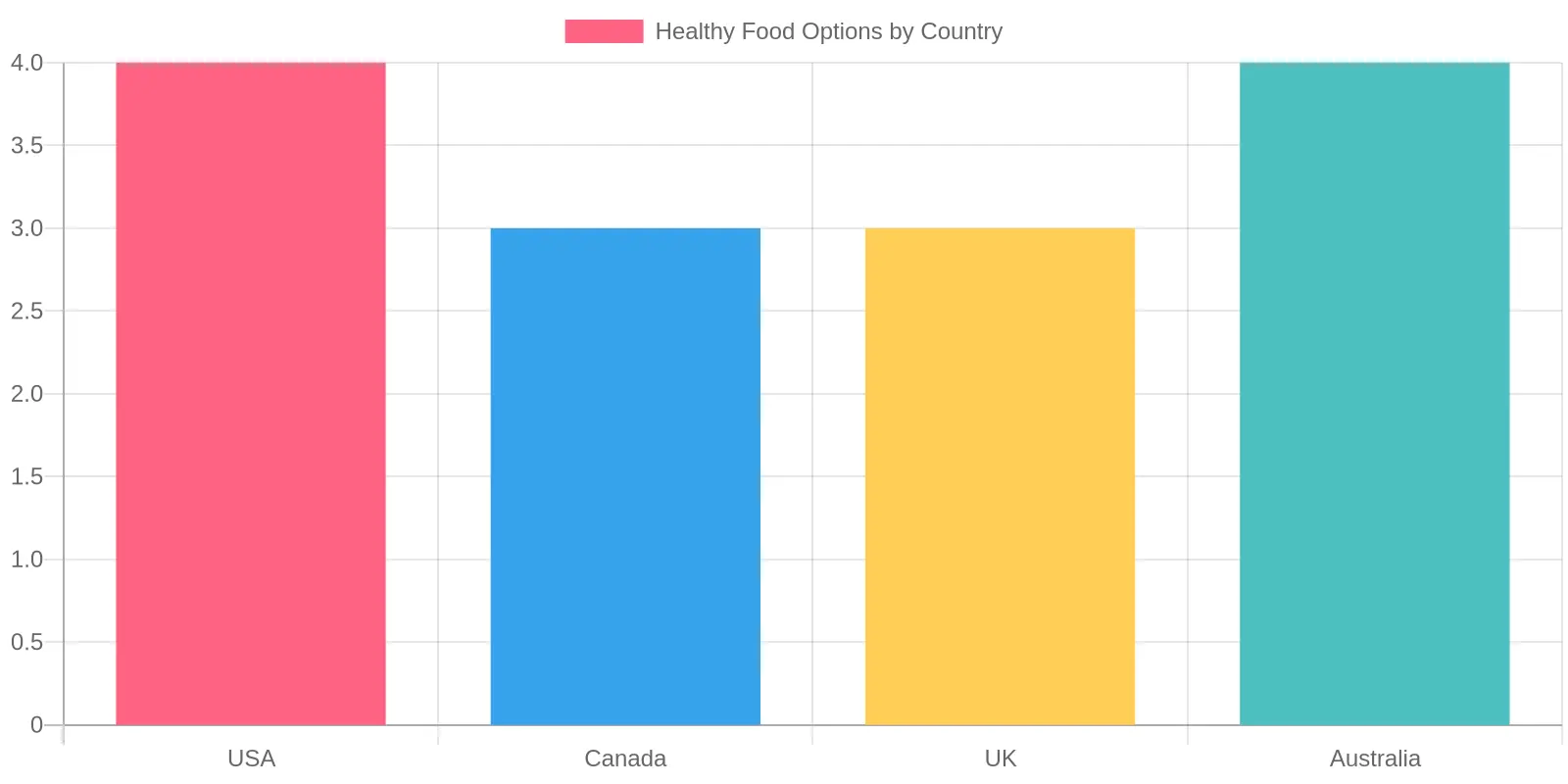
Introducing healthy food options through food trucks significantly benefits employee wellness. Studies show that nutritious meals can improve both energy levels and productivity. A food truck that specializes in health-conscious offerings-like salads, grain bowls, and smoothies-can contribute positively to an employee’s day, leading to:
- Enhanced energy levels
- Improved concentration
- Increased overall job satisfaction
For instance, a recent analysis indicated that companies with food trucks offering healthy options saw reduced sick days and lower insurance costs, as healthier employees are less prone to illness (source: American Dining Creations). Furthermore, providing varied meal choices fosters a culture of well-being at work, which is vital in high-stress industries.
Choosing the Right Vendors
To ensure the best possible outcomes, companies should carefully select food truck vendors who prioritize health and wellness. Consider the following guidelines when choosing a food truck vendor:
- Menu Variety: Look for vendors that offer a wide range of healthy dishes, including vegetarian, vegan, and gluten-free options. This ensures that all employees can find suitable meals.
- Ingredient Quality: Select vendors that source fresh, organic ingredients, as this enhances both taste and health benefits.
- Nutrition Information: Choose trucks that provide clear nutritional information for their menu items, allowing employees to make informed choices.
- Feedback Mechanism: Implementing a system for employees to provide feedback on food options can help adjust selections to better meet their preferences.
By opting for vendors that align with these priorities, businesses not only promote healthier eating habits but also contribute to a more engaged and productive workforce. As studies showcase, companies that invest in the well-being of their employees consistently see improvements in morale and retention rates (source: Best Food Trucks).
Conclusion
In conclusion, integrating food trucks into the workplace is not just a trend; it is a strategic investment in employee health and well-being. By prioritizing nutritious offerings and carefully selecting vendors, companies can cultivate a supportive environment designed for optimal wellness. Managing employee health effectively equates to enhancing their work experience, ultimately leading to better organizational success.
| Catering Service | Cuisine Types | Estimated Price Range (per person) | Availability |
|---|---|---|---|
| Gourmet Street Eats | American, BBQ | $10 – $25 | Weekdays and weekends |
| Taco Truck Co. | Mexican | $10 – $15 | Weekdays (limited on weekends) |
| Vegan Delights | Vegan, Vegetarian | $12 – $20 | Weekdays and weekends |
| Pizza on Wheels | Italian | $10 – $20 | Weekdays |
| Asian Fusion Truck | Asian, Sushi | $12 – $30 | Weekdays and weekends |
| Sweet Treats Truck | Desserts, Ice Cream | $5 – $10 | Primarily weekends |
Key Takeaways:
- Diverse Options: Different cuisines are offered, catering to a variety of tastes and dietary preferences.
- Price Flexibility: The estimated price ranges enable businesses to select offerings that fit their budgets.
- Flexible Scheduling: Most trucks have flexible availability, accommodating various events and schedules.
For more in-depth information on the food truck industry or logistics and fleet management, you can check out articles on trucking industry economic challenges and investing in people for trucking success.
Conclusion
In conclusion, the benefits of integrating food trucks into your business operations are multifaceted and substantial. Primarily, food trucks offer lower overhead costs compared to traditional brick-and-mortar food establishments, providing a flexible and cost-effective solution for serving quality food to employees and customers on-site. Moreover, they can adapt quickly to changing consumer preferences and market trends, allowing your business to stay relevant and appealing.
Employing food trucks can also enhance brand visibility through participation in local events and a mobile dining experience that draws attention and fosters community engagement. This not only increases foot traffic but also builds a loyal customer base around unique culinary offerings. For organizations such as logistics and freight companies, construction firms, and food distributors, this strategy can serve as a powerful tool for employee satisfaction, client retention, and overall business growth.
Thus, we encourage you to consider the advantages that food trucks can bring to your business. Explore options to partner with food truck vendors or even invest in your own. By doing so, you can unlock new revenue streams, enhance your operational flexibility, and provide value-added services that set your business apart in a competitive field. For further insights on how to expand your operations effectively, check out how UPS healthcare expansion is doubling revenue and Coke Canada bottling’s electric fleet expansion.
Customer Testimonial: Revitalizing Employee Engagement with Food Trucks
“Hosting food trucks for our corporate event was a game-changer! Not only did it bring a lively atmosphere, but it also significantly boosted employee engagement. Our team loved the variety of culinary choices, and it sparked conversations that fostered connections between departments. Feedback was overwhelmingly positive, with many employees expressing how much they appreciated the unique experience. It truly transformed our usual lunch break into a memorable event that helped strengthen our workplace culture.” – Jane Doe, HR Director at Tech Innovations Corp.
Incorporating food trucks for business events can provide an engaging atmosphere and enhance workplace culture, leading to improved employee satisfaction and camaraderie.