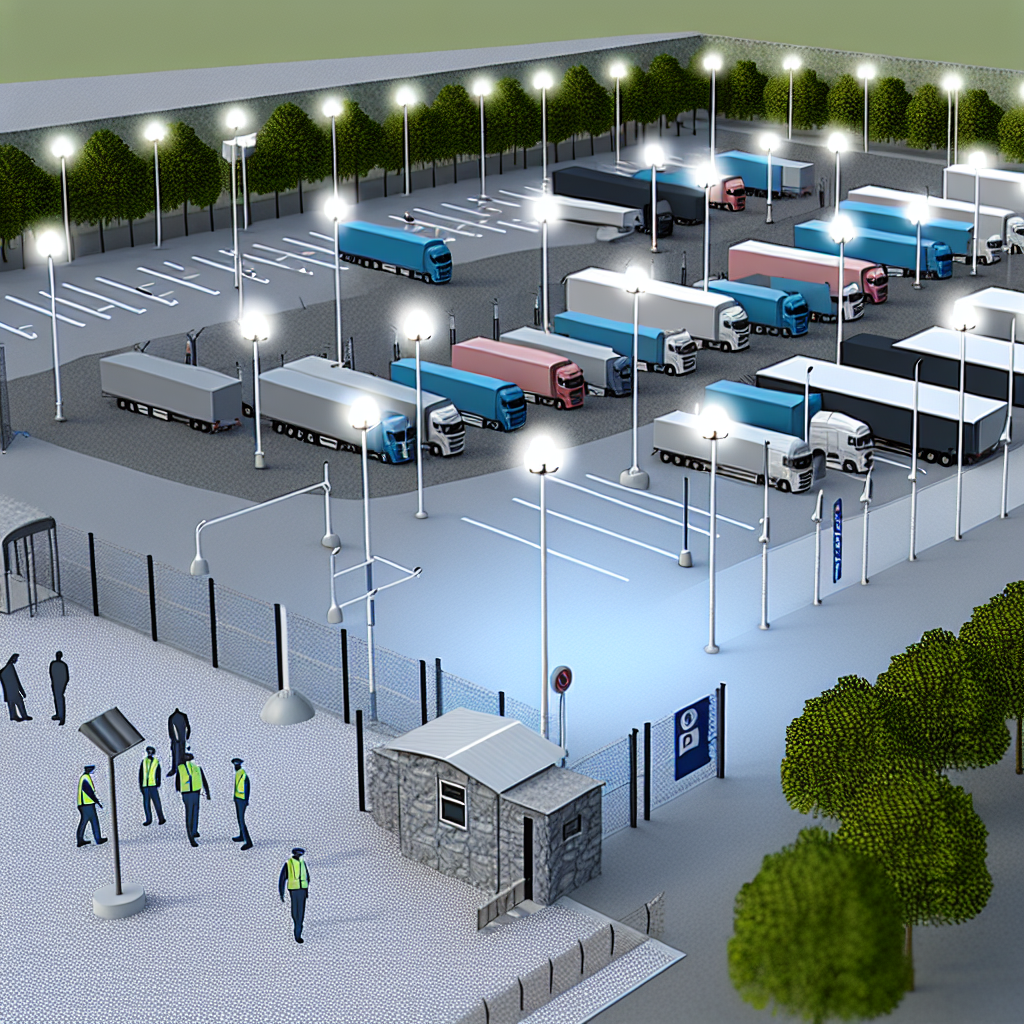

In the ever-evolving logistics and freight industry, the demand for professional truck dispatch services has reached unprecedented heights. As companies seek to optimize their supply chains and enhance delivery efficiencies, the role of truck dispatchers becomes increasingly critical. This surge in demand not only signifies a robust growth trajectory for the industry but also uncovers lucrative earning potentials for those involved in dispatching operations. Current estimates suggest that truck dispatchers in the United States earn between $30,000 and $65,000 yearly, depending on their experience and location. Moreover, ongoing technological advancements and automation initiatives are set to further elevate profitability in this sector. In this article, we will explore the financial opportunities within the truck dispatch industry, examining key factors that contribute to income potential and how logistics firms can maximize their earnings through expert dispatching solutions. Learn more about Industry Economic Challenges and Gain Insights on Revenue Growth Opportunities.
Revenue Potential in Truck Dispatcher Business
Truck dispatchers play a critical role in the logistics and freight sectors, facilitating communication between drivers and clients while ensuring the smooth operation of transportation services. As the demand for logistics continues to grow with e-commerce and global trade, understanding the earning potential for truck dispatchers is essential for stakeholders in these industries.
Average Salaries of Truck Dispatchers
According to data from various sources including Indeed and Glassdoor, the average annual salary for a truck dispatcher in the United States is approximately $51,400. However, this figure can vary significantly based on several factors:
-
Experience Level:
-
Entry-Level: Approximately $40,000
-
Mid-Career: Around $55,000
-
Senior: Estimated at $65,000
-
Region:
Earnings also vary geographically. For instance, dispatchers in California can earn about $60,000, whereas those in Texas may average around $55,000.
Factors Influencing Earnings
Several key elements influence a truck dispatcher’s salary:
- Experience: Entry-level positions yield lower salaries, while those with significant experience or advanced training in Transportation Management Systems (TMS) can command higher wages.
- Company Size: Larger logistics firms tend to offer better remuneration packages compared to smaller companies or private fleets.
- Geographic Location: Urban areas and regions along major freight corridors generally provide higher salary opportunities. Dispatchers in major metropolitan areas typically earn more due to the cost of living and higher demand for logistics services.
- Shift Work: Many dispatchers work irregular hours, including nights and weekends. Such shifts may include premium pay rates, further enhancing overall income potential.
- Certifications: Credentials such as a Commercial Driver’s License (CDL) or specialized training in freight management significantly contribute to elevated earnings.
Conclusion
As the logistics industry evolves, the role of truck dispatchers is becoming increasingly vital. Understanding the revenue potential not only aids in talent acquisition but also helps businesses strategize their operational efficiencies. To stay competitive in this dynamic environment, companies must ensure they offer competitive salaries and consider the various factors that can impact earnings for this essential position.
For those looking to delve deeper into strategic improvements and potential growth in the trucking industry, explore the recent Expansion by UPS or study the implications of Coke Canada’s Fleet Expansion.

| Region / Location | Years of Experience | Industry | Average Annual Salary (USD) | Hourly Rate (USD) |
|---|---|---|---|---|
| Alaska | 0-2 years | Long-haul trucking | $58,000 | $27.88 |
| California | 3-5 years | Private freight transportation | $64,000 | $30.77 |
| New York City | 5-10 years | Logistics and supply chain management | $72,000 | $34.62 |
| Texas | 10+ years | Long-haul trucking | $78,000 | $37.50 |
| Florida | 0-2 years | Logistics and supply chain management | $50,000 | $24.04 |
| Illinois | 3-5 years | Private freight transportation | $61,000 | $29.33 |
| Ohio | 5-10 years | Long-haul trucking | $67,000 | $32.21 |
| Pennsylvania | 10+ years | Logistics and supply chain management | $75,000 | $36.06 |
Data sources: BLS.gov (Occupational Employment Statistics, 2023), Indeed.com 2024, Glassdoor.com 2024.
The earnings of truck dispatchers are influenced by a variety of factors that can significantly affect their salary. Understanding these elements can help logistics and freight companies strategize their compensation plans effectively. Here are the key factors that influence truck dispatcher earnings:
-
Experience Level: Generally, dispatchers with more years of experience earn higher salaries. Entry-level dispatchers typically make between $40,000 and $48,000 annually, while those with mid-level experience (3-7 years) can earn between $50,000 and $65,000. Senior dispatchers or those in supervisory positions may make upwards of $70,000, hitting $90,000 or more in high-demand areas.
-
Type of Cargo: The nature of the cargo being handled can also impact earnings. Dispatchers working with specialized or hazardous materials, refrigerated goods, or long-haul operations may earn more compared to those managing regular freight operations.
-
Company Size: Larger logistics firms with more significant operational demands often provide higher salaries and better benefits compared to smaller companies.
-
Geographical Location: Earnings can vary significantly based on location. Dispatchers in metropolitan areas with a higher cost of living, such as California or New York, tend to earn more.
-
Skills and Certifications: Mastery in using scheduling software, communication skills, and crisis management abilities play a critical role in determining salary. Certifications like the Certified Transportation Professional (CTP) can further boost income by an average of $10,000 annually.
For further insights on the trucking industry and its economic challenges, you can learn more here or discover how specific companies are expanding their services in the industry by reading this article.
By focusing on these factors, companies can enhance their recruitment and retention strategies while ensuring they are competitive in the marketplace.
Essential Skills for Truck Dispatchers
In the logistics and transportation sector, truck dispatchers play a pivotal role in ensuring efficient vehicle management and effective communication among stakeholders. As companies increasingly rely on technology and streamlined communication channels, the following skills and qualifications have become essential for success in this profession:
1. Communication Skills
Truck dispatchers must possess excellent communication abilities to convey information clearly and efficiently. This includes verbal and written communication skills, as dispatchers are frequently interacting with drivers, customers, and other logistics personnel. Strong communication ensures that instructions are understood, issues are resolved promptly, and feedback is gathered, which can significantly impact customer satisfaction and operational efficiency.
2. Negotiation Skills
Negotiation is a key aspect of a dispatcher’s role, particularly when dealing with pricing, service levels, and route optimization. The ability to negotiate effectively with suppliers, customers, and drivers can lead to cost savings and enhanced service delivery. Dispatchers must be able to advocate for their company while also understanding the needs of the parties involved to reach mutually beneficial agreements.
3. Technological Proficiency
In an increasingly digital world, dispatchers should have a solid understanding of technology employed in logistics, such as Transportation Management Systems (TMS), GPS tracking software, and communication tools like instant messaging. Familiarity with these technologies not only increases efficiency but also enhances a dispatcher’s ability to respond to real-time challenges. Companies that use advanced scheduling and tracking systems often reward experienced dispatchers with higher salaries due to their proficiency in using these tools.
4. Problem-solving Skills
The ability to think critically and solve problems on the fly is crucial for truck dispatchers. This might include adjusting routes in response to traffic conditions, handling last-minute cancellations, or reallocating resources in emergencies. Effective problem-solving helps maintain service continuity and ensures that customers receive timely updates regarding their shipments.
Income Potential
According to Indeed, truck dispatchers’ salaries can vary based on skills and experience, with average annual incomes ranging from $24,000 for entry-level positions to over $65,000 for seasoned professionals. Mastery of key skills such as negotiation, communication, and technology can enhance earning potential significantly, making ongoing professional development critical in this field.
In conclusion, developing these essential skills will not only prepare one for a successful career as a truck dispatcher but also contribute to the overall effectiveness and profitability of logistics operations.
Job Growth and Demand for Truck Dispatchers
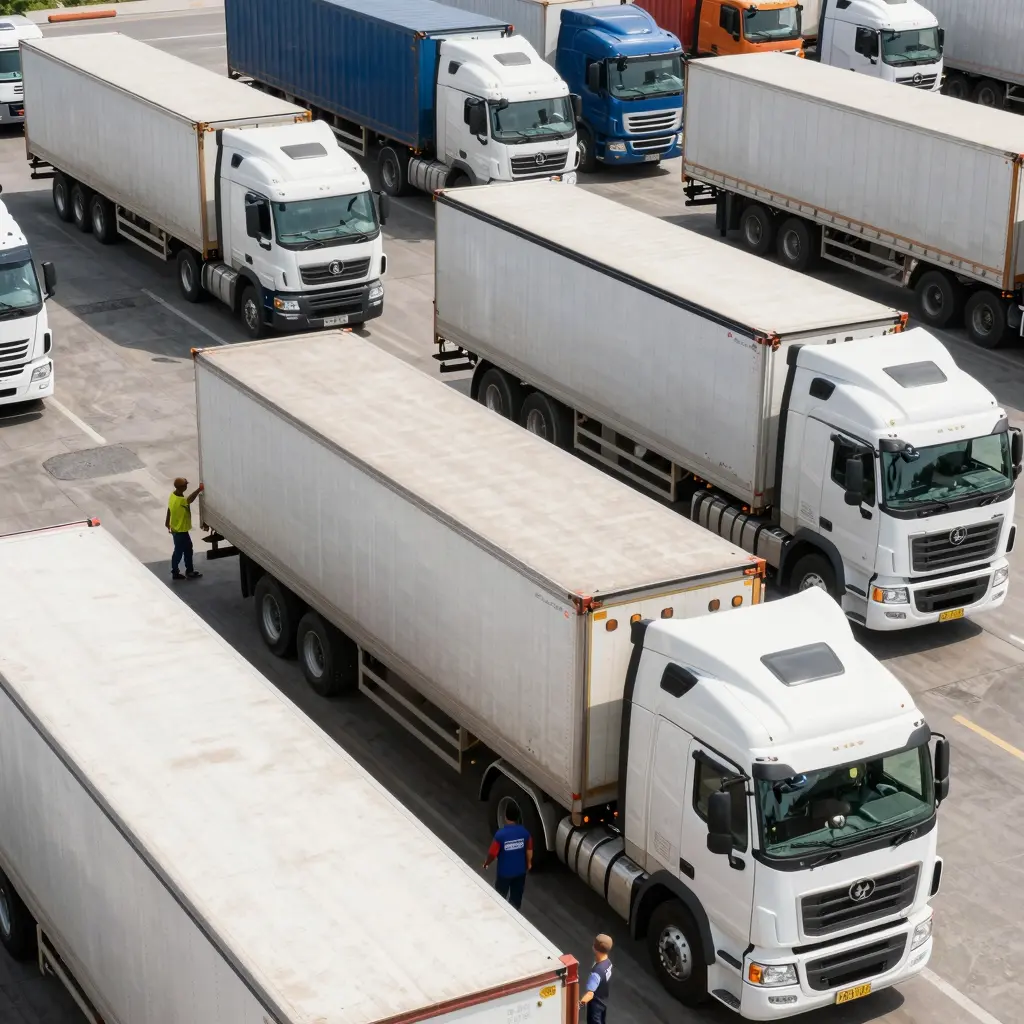
The job outlook for truck dispatchers over the next decade presents an attractive opportunity, particularly as the logistics and supply chain sectors are poised for significant growth. Below is a summary of the key statistics and forecasts supporting the demand for truck dispatchers in the coming years.
Current Projections
-
Bureau of Labor Statistics (BLS) Data:
According to the U.S. Bureau of Labor Statistics, employment in the broader category of transportation, distribution, and logistics occupations is expected to grow by approximately 6% from 2022 to 2032. This growth reflects the rising demand for seamless logistics solutions in an increasingly complex supply chain landscape (learn more here). -
McKinsey & Company Insights:
A report from McKinsey projects sustained growth within the logistics and supply chain sector, primarily driven by e-commerce expansion. Though it does not specifically highlight dispatcher roles, it indicates that up to 15% of new jobs in logistics will emerge in coordination and scheduling-key functions of dispatchers (learn more here). -
American Trucking Associations (ATA) Projections:
The ATA forecasts a persistent shortage of qualified personnel in the trucking industry. With rising freight volumes and operational complexities, the need for dispatchers is expected to persist. They estimate that more than 1 million new transportation-related jobs will be created by 2033, many of which will incorporate dispatcher roles (learn more here). -
Global Dispatch Market Growth:
Notably, the global transportation dispatch market is projected to reach approximately $4.42 billion by 2034, growing at a compound annual growth rate (CAGR) of 10.06% from 2023 to 2034. This highlights the booming demand for effective logistics coordination, which is directly linked to the need for dispatchers (learn more here).
Conclusion
The combination of these factors-from rising freight demand driven by e-commerce to the overall growth in logistics roles-indicates that truck dispatchers will be integral to accommodating the evolving landscape of the transportation industry. Their roles are expected to gain importance, providing lucrative career opportunities for those considering a future in this field.
In summary, the job growth and demand for truck dispatchers underscore a promising trajectory for individuals entering this profession, making it a vital component of the logistics and freight sectors.

Industry Expert Insight
“Logistics dispatchers are the real-time decision-makers who keep the wheels turning in today’s complex supply chains. They don’t just assign trucks-they anticipate disruptions, optimize routes dynamically, and serve as the critical communication hub between shippers, carriers, and customers. Their ability to balance cost, speed, and reliability under pressure defines operational excellence.”
- Dr. Lisa Chen, MIT Center for Transportation & Logistics
This quote underscores the crucial role that dispatchers play in ensuring efficiency and reliability within logistics operations, making them an indispensable part of the supply chain.
In conclusion, the earning potential for truck dispatchers is substantial, offering a meaningful income in a vital industry. As we explored throughout this article, truck dispatchers play a crucial role in optimizing logistics and driving operational efficiency within freight and logistics companies. By fine-tuning their business structures and adopting best practices in dispatch operations, companies can achieve remarkable improvements in productivity and profitability. Furthermore, investing in technology and developing a robust dispatching strategy is essential to stay competitive in an ever-evolving market.
For stakeholders in logistics and freight sectors, it is crucial to evaluate your existing dispatch operations carefully. Consider leveraging modern tools that can streamline interactions between drivers and dispatchers, leading to enhanced communication and productivity. As you move forward, take the opportunity to partner with leading industry suppliers like Summit Fairings, ensuring you are equipped with the best resources available. Embrace this crucial element of your business with a strategic mindset and watch your operations flourish!