
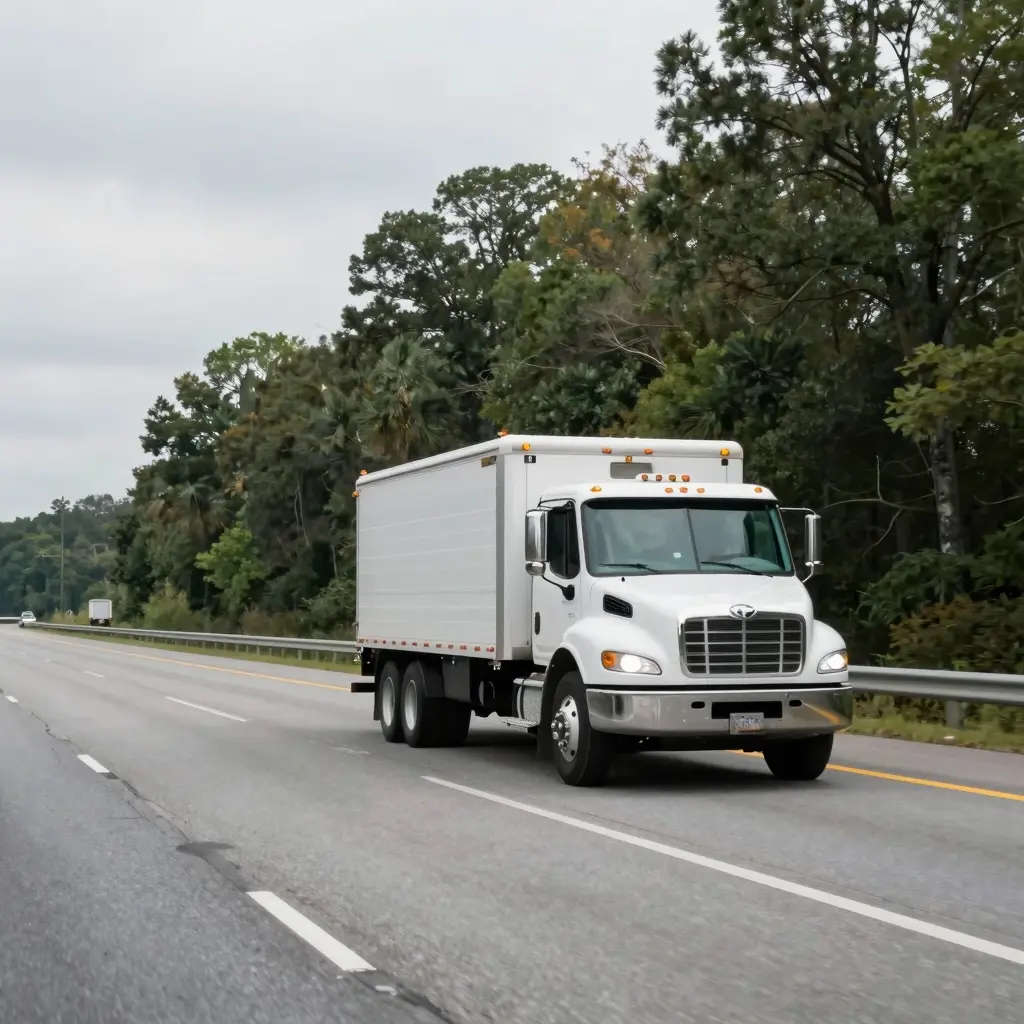
Starting a tow truck business in South Carolina presents a unique opportunity within the booming logistics, construction, fleet management, and food distribution sectors. As industries increasingly rely on efficient transport solutions, the demand for reliable towing services is growing rapidly. The state’s strategic location, coupled with its expanding economic landscape, makes it a prime area for new business ventures. Whether you are looking to support construction projects with heavy equipment transport or assist logistics companies in maintaining their fleet, the potential for growth in this field is significant. With the right approach and understanding of the market, entrepreneurs can tap into a lucrative niche that not only offers financial rewards but also plays a critical role in keeping essential services running smoothly. This guide will provide insights into launching a successful tow truck business in South Carolina, allowing you to effectively position yourself in this thriving market. Learn more about how trucking is adapting to economic challenges and understand the increasing needs of businesses like yours.
Challenges of Starting a Tow Truck Business in South Carolina
Starting a tow truck business in South Carolina can be an appealing venture, but it comes with its own set of challenges. Here are the primary difficulties faced by prospective tow truck operators in the state:
1. Regulatory Hurdles
The regulatory landscape for tow truck businesses in South Carolina is intricate. Before beginning operations, entrepreneurs must navigate the following requirements:
- Licensing: All tow truck operators are required to have a valid Commercial Driver’s License (CDL) with a Class B endorsement, as outlined by the South Carolina Department of Public Safety.
- Business Registration: Companies must register their business with the South Carolina Secretary of State and acquire a business license from their local county or city.
- Insurance Requirements: Towing operators must carry liability insurance that meets state minimums, commonly at least $1,000,000 in coverage. Non-compliance with these regulations can lead to penalties or the suspension of business operations.
- Compliance with the Towing Act: South Carolina’s Motor Vehicle Towing Act regulates important aspects such as pricing, vehicle storage, and consumer notification processes, demanding that operators maintain clear communication regarding towing fees and vehicle recovery procedures.
2. Competition from Established Companies
The towing industry can be highly competitive, especially in urban areas. New entrants often compete against established towing companies that have built customer loyalty over years. Effective marketing and exceptional service quality are crucial to differentiate from competitors and capture market share.
3. Initial Capital Investment
Starting a tow truck business requires substantial capital investment. Potential costs include:
- Acquisition of Vehicles: A tow truck can be a significant expense, often ranging from $30,000 to $100,000 depending on the type and condition of the truck.
- Equipment Investiture: Additional tools such as dollies, lights, and safety gear are also essential. This adds another layer of financial requirement that new owners must be prepared for.
- Operating Costs: Entrepreneurs should also budget for operating expenses like fuel, maintenance, and insurance – all of which can quickly accumulate, particularly in the initial stages when cash flow may be tight.
Conclusion
While entering the tow truck business in South Carolina can be profitable, it demands a thorough understanding of legal requirements, a strategic approach to competition, and a clear financial plan. Entrepreneurs can position themselves for success by anticipating these challenges and effectively navigating the regulatory landscape. For more information on business strategies, read about how trucking companies are overcoming economic challenges.
Necessary Licenses and Permits for a Tow Truck Business in South Carolina
Starting a tow truck business in South Carolina requires various licenses and permits to ensure compliance with state and local regulations. Below is a detailed list of these requirements:
-
Business License:
-
Obtain a business license from the South Carolina Department of Revenue. This is necessary for all operations within the state.
-
For more details, visit the South Carolina Department of Revenue.
-
Towing License:
-
A valid towing license, issued by the South Carolina Public Service Commission (PSC), is mandatory for any towing service.
-
The application requires proof of at least $1 million liability insurance and compliance with equipment and vehicle standards.
-
More information can be found at the PSC website.
-
Company Registration:
-
Register your business entity (LLC, corporation, etc.) with the South Carolina Secretary of State prior to obtaining a business license.
-
Details are available on the South Carolina Secretary of State’s Business Services page.
-
Local Permits:
-
Depending on the locality (e.g., Columbia, Charleston), additional city-specific licenses or operational permits may be required.
-
It’s advisable to consult local city government offices regarding their specific requirements.
-
Driver Qualifications:
-
All tow truck drivers must possess a valid driver’s license and may need to undergo professional towing operation training.
Adhering to these local and state requirements is crucial for legally operating your tow truck business in South Carolina. Staying informed about any changes in legislation or regulations is also recommended for ongoing compliance.
Essential Steps in Developing a Business Plan for a Tow Truck Business
Creating a comprehensive business plan is crucial for any towing business aspiring to thrive in South Carolina’s competitive market. This plan serves as a roadmap that outlines your business goals, target audience, financial projections, and marketing strategies. Below, we discuss the essential steps involved in developing a successful business plan for your tow truck business.
1. Conduct Market Research
Market research is the foundational step in any business plan. It helps you understand the market landscape, including:
- Industry Trends: Study the current trends in the towing industry. For example, the global towing market is expected to grow from USD 15.2 billion in 2026 to USD 24.8 billion in 2034, with a CAGR of 5.2% source.
- Competitor Analysis: Identify your major competitors, their strengths, weaknesses, and pricing strategies.
- Customer Needs: Understand what potential customers expect from a towing service. This can include timely responses, reliability, and professionalism.
2. Define Your Target Audience
Identifying your target customers is crucial for developing effective marketing strategies. In South Carolina, potential target audiences may include:
- Logistics and Freight Companies: Frequent roadside assistance and fleet management needs.
- Construction and Engineering Firms: Often require heavy equipment towing.
- Fleet Management Companies: Need regular servicing and towing for their fleets.
- Food & Beverage Distributors: Can benefit from prompt service in case of vehicle breakdowns during deliveries.
3. Develop Financial Projections
Financial projections will help you assess the feasibility of your business and attract investors. Essential components include:
- Startup Costs: Include expenses for equipment, vehicles, insurance, and permits. Research indicates that a small towing business can have annual revenues ranging from $800,000 to $1.5 million, with profit margins of 15%-25% Transportation Today.
- Revenue Streams: Define how you will generate income (e.g., roadside assistance, heavy-duty towing, etc.).
- Break-even Analysis: Determine how long it will take for your business to break even based on projected costs and revenues.
4. Create a Marketing Strategy
A solid marketing strategy is essential for attracting and retaining customers. Key tactics may include:
- Online Presence: Build a professional website and engage on social media platforms to reach potential clients.
- Networking: Establish relationships with local businesses that may require towing services (e.g., auto repair shops).
- Promotions: Implement introductory offers or loyalty programs to retain customers.
Conclusion
In summary, a thorough business plan is vital for launching a successful tow truck business in South Carolina. By conducting market research, defining your target audience, developing financial projections, and creating effective marketing strategies, you will position yourself for success in this growing industry. For more insights into the economic challenges and growth opportunities in trucking, learn more here. Don’t forget to visualize these steps with the infographic provided below!

Equipment and Fleet Requirements for Starting a Tow Truck Business
Starting a tow truck business in South Carolina requires careful consideration of equipment and fleet specifications to ensure operational efficiency and customer satisfaction. Here are the essential types of tow trucks and related equipment you will need:
Types of Tow Trucks and Specifications
- Integrated Tow Truck
- Maximum Towing Capacity: 100+ tons
- Weight (Empty): 15,000 – 25,000 kg
- Features: Integrated boom and wheel lift system; designed for stability and efficiency in complex urban settings.
- Heavy Duty Wrecker Tow Truck
- Maximum Towing Capacity: 100+ tons
- Weight (Empty): 18,000 – 30,000 kg
- Features: Heavy-duty hydraulic systems and high-capacity winches for industrial and large vehicle recovery.
- Flatbed Tow Truck (Rollback)
- Maximum Towing Capacity: 10,000 – 40,000 kg
- Weight (Empty): 12,000 – 22,000 kg
- Features: Hydraulic tilting platform for easy loading and unloading of disabled vehicles.
- Underlift Tow Truck
- Maximum Towing Capacity: 5,000 – 10,000 kg
- Weight (Empty): 8,000 – 15,000 kg
- Features: Allows for quick deployment and requires less space for operation.
- Boom Tow Truck
- Maximum Towing Capacity: 10 – 30 tons
- Weight (Empty): 16,000 – 28,000 kg
- Features: 360-degree rotational hydraulic boom for towing in tight spots such as highways.
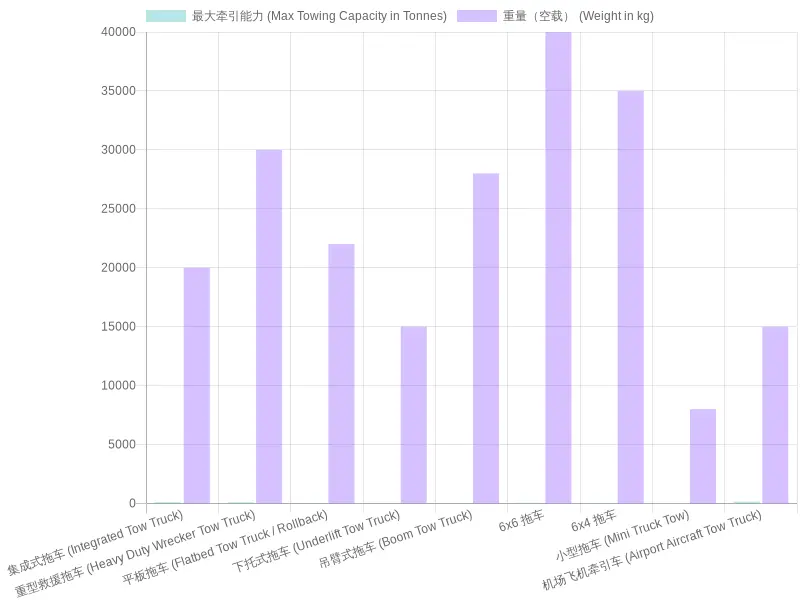
Source: Towing Trucks Guide.
Pricing Considerations
Pricing for tow trucks can vary widely based on type, brand, and features:
| Type of Tow Truck | Price Range (USD) | Description |
|---|---|---|
| Integrated Tow Truck | $120,000 – $200,000 | Heavy-duty trucks with advanced features for complex towing scenarios. |
| Heavy Duty Wrecker Tow Truck | $80,000 – $150,000 | Suitable for large vehicles and equipment; robust performance. |
| Flatbed Tow Truck | $40,000 – $80,000 | Modern hydraulic systems for efficient loading and unloading. |
| Boom Tow Truck | $60,000 – $100,000 | Equipped with the ability to maneuver around tight spots. |
Note: Prices may fluctuate based on features, brand, and local dealer markup.
In addition to the initial investment in tow trucks, maintenance is a critical aspect of operations. Regular maintenance schedules should include:
- Hydraulic system checks: Perform every three months.
- Winch and lifting system inspections: Quarterly to ensure functionality.
- Regular oil changes and inspections: Based on manufacturer recommendations.
By investing in the right equipment and establishing a solid maintenance routine, you’ll be positioning your tow truck business for success. If you want to learn more about the economic aspects of the towing industry, check out this insightful article.
For startups, consider reaching out to manufacturers for detailed pricing and financing options to ascertain the best fit for your budget and operational needs. Overall, making informed choices in this initial stage can lead to sustainable growth in the competitive towing market.
Total Word Count: 610
Comparison of Insurance Options for Tow Truck Businesses
When starting a tow truck business in South Carolina, selecting the right insurance is crucial. Here’s a comparison of different insurance options available, outlining their costs, coverage options, and benefits:
| Insurance Provider/Type | Average Cost per Year | Coverage Options | Benefits |
|---|---|---|---|
| The Hartford | $3,500 – $7,000 | General liability, commercial auto, physical damage, non-owned vehicle | Protection against third-party injuries, vehicle damage during towing, legal defense |
| Insurify | $3,600 – $7,200 | Liability, collision, comprehensive, roadside assistance, uninsured/underinsured | Custom endorsements, competitive rates based on location and fleet size |
| SBA Recommendations | $4,000 – $8,000 | General liability ($1M-$2M), commercial auto, workers’ compensation | Compliance with regulations, financial security, tailored policy options |
| Forbes Top Picks (e.g., Progressive) | $5,000 – $9,000 | Customizable policy bundles, 24/7 roadside assistance | Safety incentive programs, equipment insurance for winches, risk management tools |
Key Considerations:
- Location Matters: Premiums can vary based on geographical spread and urban vs. rural operations.
- Type of Coverage: Ensure to evaluate all necessary coverages like equipment breakdown and legal liabilities.
- Tailored Policies: Consider policies that can adapt to the specific risks associated with tow truck operations.
By thoroughly understanding these aspects, tow truck business owners can make informed decisions that will ultimately safeguard their operations. For more insights into industry practices, check out this article on trucking industry economic challenges.
The towing industry in South Carolina is experiencing dynamic growth, fueled by increased demand for services and evolving customer needs. Below, we summarize the key statistics regarding growth trends, average pricing, and customer demographics within the sector.
Growth Trends
- As of early 2023, the towing industry across the U.S. had a market size of approximately $10.3 billion, with a projected growth rate of 4.1% annually until 2025. Though specific data for South Carolina isn’t detailed, this trend likely influences local operations, as the state is part of this expanding market (LookupAPlate).
- In South Carolina, there are currently 79 job openings related to towing services, indicating robust demand for labor in this sector, primarily for roles such as Tow Truck Driver, Truck Driver, and Mechanic (Indeed).
Average Pricing
- The average towing fee in South Carolina is reported to be around $185 per tow. This includes a base fee of $95 for pickup and an additional $90 for transportation over the first 10 miles. Beyond this, charges increase by $10 per mile (South Carolina Department of Public Safety).
- An analysis from the American Automobile Association (AAA) indicates a standard tow averages $176, with urban areas like Greenville and Myrtle Beach averaging $205, largely due to higher operational costs in these regions (AAA).
- The National Auto Towing & Recovery Association notes that emergency tows, such as those from accidents, can command fees as high as $210, highlighting the more lucrative nature of emergency towing services (NATRA).
Customer Demographics
- While specific demographic data for towing service users in South Carolina is limited, insights suggest that the customer base includes a mix of private vehicle owners, commercial transportation firms, and individuals involved in traffic incidents. The general customer demographic is diverse, ranging from everyday commuters to commercial operators requiring towing for fleet vehicles.
- 95.6% of tow truck drivers in the U.S. identify as male, indicating a gender imbalance that also reflects on customer interactions within the industry (LookupAPlate).
In conclusion, the towing industry in South Carolina is marked by significant growth and evolving pricing structures. With a balanced mix of customer demographics, the sector is well-positioned for continued expansion. For detailed guidance on starting a towing business, consider reviewing our comprehensive resources or contacting industry professionals.
This information can assist logistics and freight companies, construction firms, fleet management businesses, and food distributors in understanding the towing landscape in South Carolina. If you are interested in exploring further aspects of the towing industry, you can read more about the economic challenges facing trucking.
By leveraging such industry insights, you can strategically position your business to meet the rising demands within this essential sector.
Conclusion and Key Takeaways
In conclusion, starting a tow truck business in South Carolina presents a substantial opportunity for growth within a structured and increasingly essential service sector. As we have discussed, thorough planning is paramount for success; this involves understanding the legal requirements including obtaining necessary licenses and permits, setting up your business structure effectively, and ensuring compliance with state regulations. The growth potential for this industry is promising as the demand for reliable towing and roadside assistance services continues to rise, driven by ongoing road activity and vehicle ownership trends.
To reiterate the key takeaways:
- Conduct comprehensive market research to identify demand and competition in your chosen area.
- Submit all registrations and obtain the required licenses, including a Towing Operator License from the South Carolina Department of Transportation.
- Invest in proper vehicles and equipment to ensure safety and efficiency while operating your business.
- Build a strong network of partners, such as local repair shops and insurance companies to expand service offerings.
- Stay informed of regulations and market trends, adapting to changes that may impact your business.
A successful tow truck business requires diligence, commitment, and the willingness to adapt. If you’re a budding entrepreneur, this is your moment – the towing industry is evolving, and there is never a better time to invest in your future. Start planning, take the leap, and remember that every great journey begins with a single step.
Visual representation of the growth potential and planning required to start a tow truck business.
For more detailed guidance on navigating the intricacies of starting your business, be sure to check out this comprehensive guide.
Engage with the community and learn from existing businesses to ensure your path is well-lit ahead!
“The future of the tow truck business lies in technology integration and predictive maintenance. Companies that invest in telematics, remote diagnostics, and wireless-controlled recovery systems are seeing up to a 40% reduction in downtime and a 25% increase in customer satisfaction. We no longer just tow cars; we protect them. A flatbed tow truck isn’t just a tool-it’s a warranty for the vehicle’s integrity.”
- Jane Kim, CEO of Reliable Tow Services
Source