
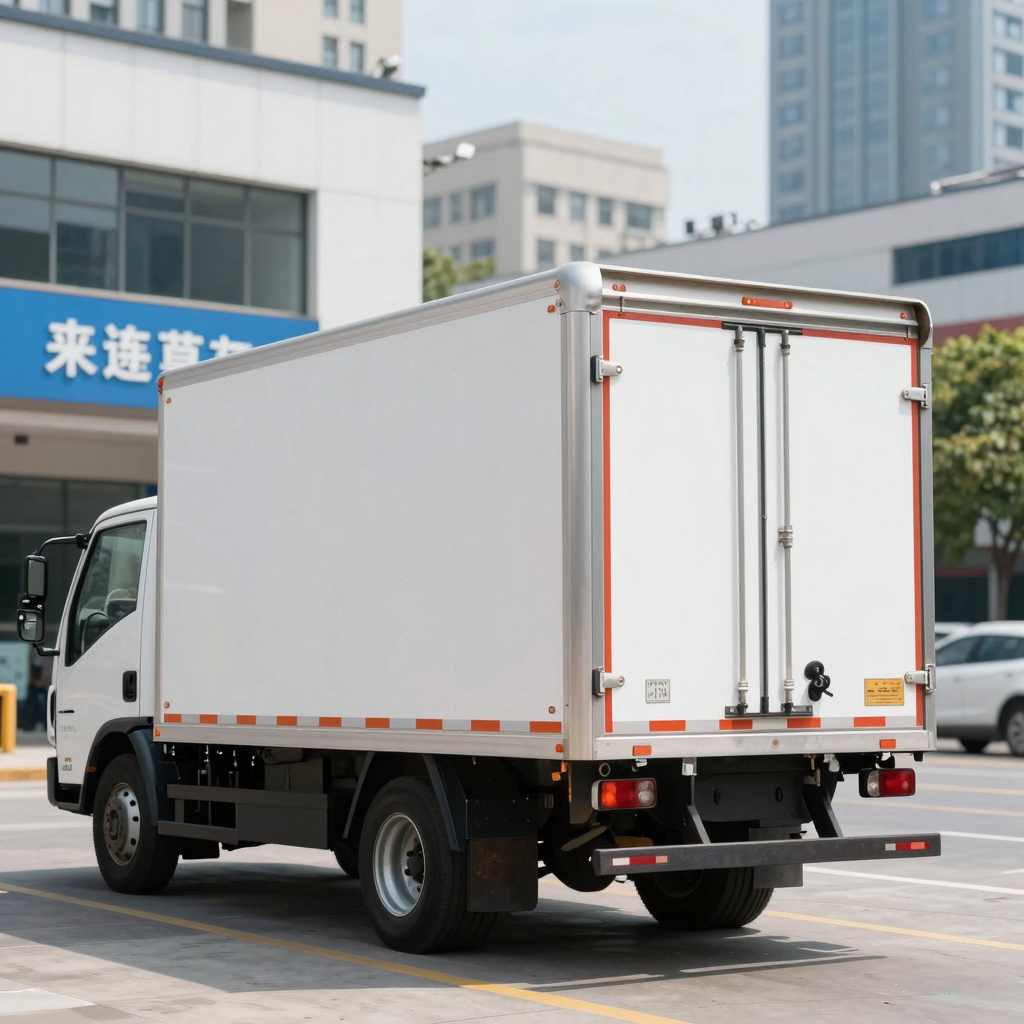
Introduction to Renting Refrigerated Box Trucks for Business Deliveries
In today’s fast-paced business environment, ensuring reliable delivery of goods is paramount, particularly in industries such as logistics, construction, and food distribution. The significance of having a dependable transport solution cannot be overstated; when it comes to transporting temperature-sensitive items, a refrigerated box truck can make all the difference between preserving product quality and suffering significant losses. As businesses adapt to the increasing demands of consumers and regulatory standards, the need to rent refrigerated box trucks becomes a strategic decision that can enhance operational efficiency. From ensuring that fresh produce reaches its destination without spoiling to maintaining the integrity of pharmaceuticals in transit, the role of rented refrigerated trucks is crucial. Companies that prioritize their delivery capabilities not only improve customer satisfaction but also establish a competitive edge in the market. To explore options for renting refrigerated box trucks and understanding their benefits, take a closer look at how this rental model can support your logistics objectives in a dynamic market.
Learn more about the importance of reliable delivery in the logistics industry.
Benefits of Renting Refrigerated Box Trucks
Renting refrigerated box trucks offers numerous advantages for logistics and delivery services, making them an attractive option for companies aiming to enhance efficiency and reduce costs. Here are some key benefits:
- Cost Savings: Renting eliminates the need for significant upfront investment in purchasing refrigerated trucks, along with costs associated with maintenance and repairs.
- Flexibility: Businesses can rent trucks on a short-term basis to meet fluctuating demand, allowing for scalability during peak seasons without the long-term commitment of ownership.
- Increased Capacity: Refrigerated box trucks provide ample space for transporting temperature-sensitive goods, enabling companies to cater to larger orders or diverse shipments without compromising quality.
- Access to Advanced Technology: Renting allows companies to utilize the latest refrigerated truck models equipped with advanced refrigeration technology and tracking systems, thereby enhancing logistics operations.
- Efficiency in Operations: With specialized trucks, businesses can ensure timely deliveries of perishable goods, which is critical in industries such as food and pharmaceuticals.
- Simple Compliance with Regulations: Renting ensures that vehicles meet the essential health and safety regulations necessary for transporting temperature-sensitive goods.
- Lower Risk: There are fewer financial risks compared to owning a fleet as renting allows businesses to adapt to changes in market conditions without being tied down by asset depreciation.
For more insights into how the transportation industry is adapting, learn more about trucking’s evolving landscape.
Visual Reference:
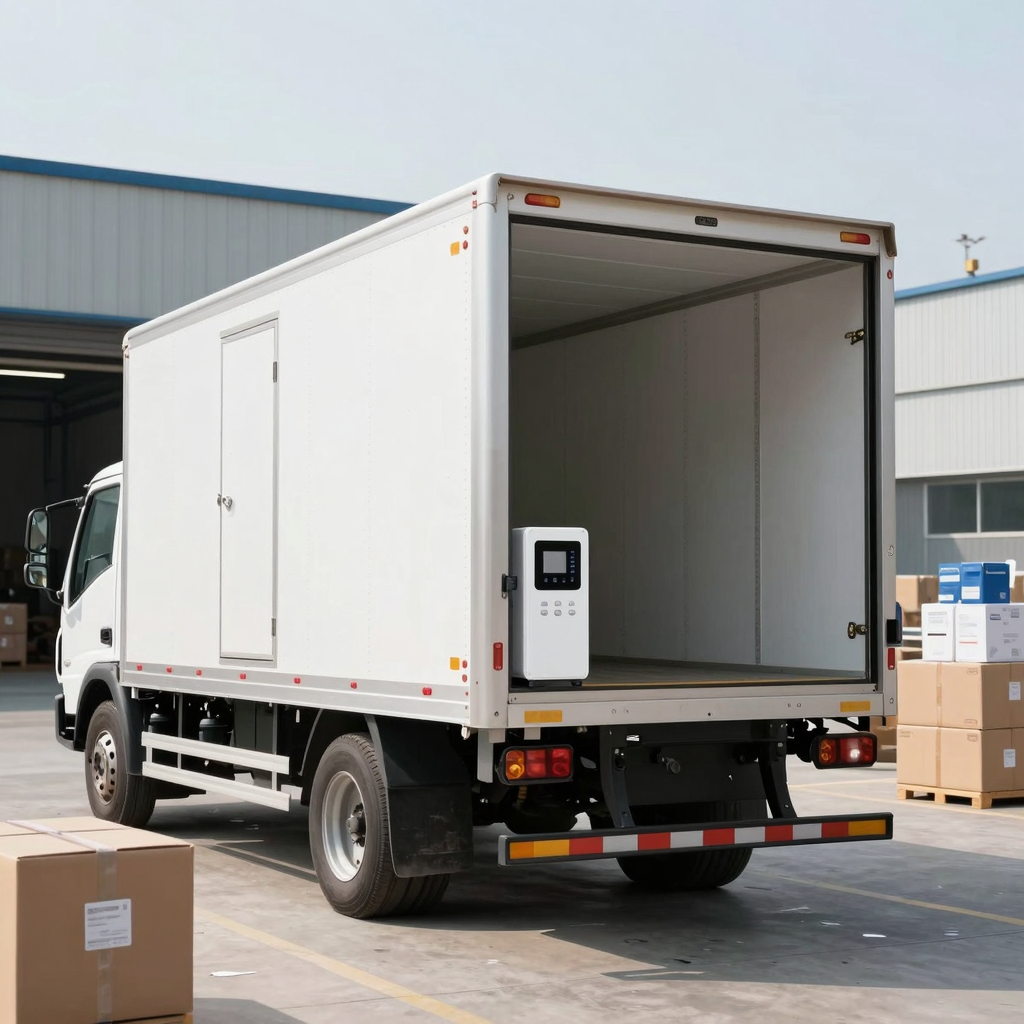
By taking advantage of these key benefits, logistics and delivery services can optimize their operations while maintaining a focus on quality and customer satisfaction.
Types of Refrigerated Box Trucks
Refrigerated box trucks are essential for numerous industries requiring temperature-sensitive transport. When considering renting a refrigerated box truck, it is crucial to understand the different types available, the size variations, and the temperature control options.
Size Variations
Refrigerated box trucks typically range from 10 feet to 26 feet in length. Common configurations include:
- 12 ft (3.66 m): Ideal for urban deliveries and smaller loads, suitable for restaurants or small-scale food service.
- 16 ft (4.88 m): A balanced option often used for grocery deliveries and event catering services.
- 18 ft (5.49 m): Good for hauling larger parcels without compromising maneuverability.
- 24 ft (7.32 m) and 26 ft (7.92 m): Best for substantial cold chain logistics, allowing for larger cargo volumes, suitable for food distributors and pharmaceutical companies.
The cargo volumes can vary from approximately 1,000 to 3,000 cubic feet, depending on the truck size. Payload capacities can range from 4 tons to over 18 tons depending on the model and design. Some advanced vehicles include features such as dual-zone cooling, which is beneficial for transporting different types of products simultaneously.
Temperature Control Options
Temperature control is vital for maintaining the integrity of temperature-sensitive goods. Options typically include:
- Refrigerated (35°F to 40°F / 2°C to 4°C): Suitable for fresh produce, dairy, and some pharmaceuticals.
- Frozen (0°F to -10°F / -18°C to -23°C): Commonly used for meat and seafood.
- Deep Freeze (-10°F to -20°F / -23°C to -29°C): Ideal for certain frozen product types that require stringent temperature controls.
- Ultra-Low Temperature (below -20°F / -29°C): Often used in medical and biological transport to ensure the viability of sensitive materials.
Various models also feature advanced digital monitoring systems, which provide real-time temperature tracking and alerts, ensuring compliance with strict cold chain standards. This technology is particularly significant in industries such as pharmaceuticals, where the integrity of products like vaccines is crucial.
For a detailed understanding of how the right equipment can impact your operations, learn more about what the trucking industry is facing or explore the benefits of investing in technology for improved logistics solutions.
Comparison of Major Truck Rental Companies
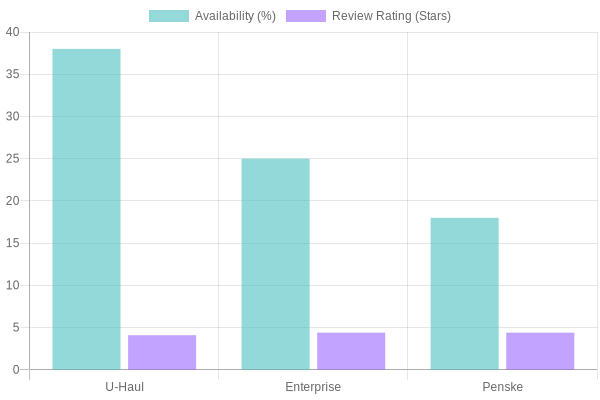
When considering the rental of a refrigerated box truck for business deliveries, understanding the offerings from leading truck rental companies is essential. Here is a comparison of key players in the industry based on pricing, availability, and customer reviews:
| Company | Pricing Range | Availability (%) | Review Rating (Stars) |
|---|---|---|---|
| U-Haul | $45 – $65 | 38% | 4.1 |
| Enterprise | Starting at $75 | 25% | 4.4 |
| Penske | Starting at $55 | 18% | 4.4 |
Analysis of Data
- U-Haul is recognized for its affordability and vast availability, making it a popular choice for short-term rentals. Its average pricing ranges from $45 to $65, and it holds 38% of the market share.
- Enterprise offers higher pricing starting at around $75 but compensates with excellent customer support and flexible rental terms, achieving a standout review rating of 4.4 stars.
- Penske, known for superior vehicle upkeep and quality, also starts at $55 but has a slightly lower availability at 18%.
This comparison highlights critical factors to consider when renting a truck to ensure the needs of logistics and freight operations are met effectively. For more insights about trends in the trucking industry, learn more here.
In summary, evaluate each company’s offerings based on your business needs to determine the best option for your refrigerated box truck rental.
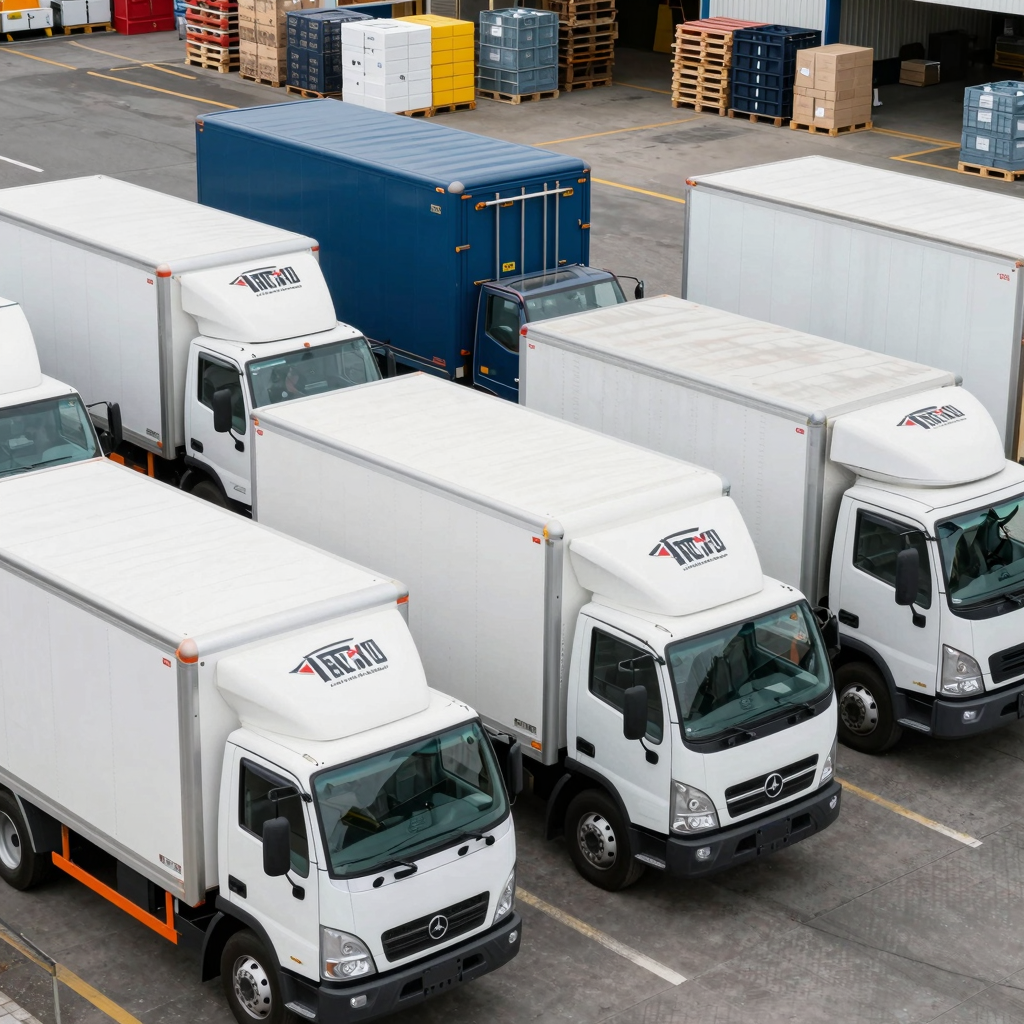
Renting Refrigerated Box Trucks for Your Business
In the logistics industry, the demand for refrigerated box trucks has surged due to the need for transporting temperature-sensitive goods. To engage effectively with your audience and provide them with insights on []how to rent a refrigerated box truck for business deliveries](https://titanbusinesstrucks.com/ups-healthcare-expansion-doubling-revenue-by-2026/), it’s essential to include engaging visuals. This image captures the essence of refrigerated box trucks in a real-world delivery setting, emphasizing their importance in various sectors including food and beverage distribution, logistics and freight management, and engineering firms.
The Rental Process for Refrigerated Box Trucks
Renting a refrigerated box truck involves several important steps, carefully designed to ensure that your logistics and transportation needs are met effectively. Here’s a step-by-step guide to help you navigate through the rental process:
- Determine Your Requirements
- Assess the volume of cargo you need to transport.
- Identify the required temperature range for your goods (e.g., refrigerated: 0°C to 4°C; frozen: -18°C to -25°C).
- Decide on the truck size that suits your needs (e.g., 14 ft, 20-ton capacity) and necessary features (e.g., pop-up roof, insulated van).
- Consider the rental duration, whether it’s short-term or long-term.
- Research Rental Providers
- Search for certified refrigerated truck rental companies with a strong reputation, certifications (CE, BV, ISO), and good customer reviews.
- Compare providers based on their vehicle condition, fleet size, and proximity to your location.
- Ensure the company offers trucks with reliable refrigeration systems from recognized brands (e.g., Carrier, Thermoking).
- Select the Right Vehicle
- Choose a chassis brand (e.g., Sinotruk HOWO, ISUZU) that aligns with your needs.
- Confirm the body material (e.g., aluminum, stainless steel) and insulation type (e.g., polyurethane foam) of the refrigerated unit.
- Make sure the truck supports the necessary power source and meets emission standards.
- Request a Quote and Book
- Contact multiple rental providers to get detailed quotes based on your specifications (size, temperature range, duration).
- Review costs, which should include daily/weekly rental rates, insurance, fuel policies, and any additional fees for delivery or pickup.
- Confirm your rental terms including cancellation policies and maintenance responsibilities.
- Inspect the Truck Before Pickup
- Conduct a thorough pre-delivery inspection (PDI) to check the condition of the refrigeration unit and cooling system.
- Ensure the truck can maintain target temperatures and look for any signs of damage.
- During the Rental Period
- Regularly monitor temperature logs to maintain cold chain integrity.
- Follow proper loading practices to ensure efficient airflow within the unit.
- Immediately report any mechanical issues to the rental company to minimize risks.
- Return the Truck
- Clean the vehicle interior and ensure the refrigeration unit is turned off.
- Return the truck to the agreed location on time.
- Fill out a post-return inspection form to document the truck’s condition.
For further insights on how businesses can leverage refrigerated truck rentals for success, check this detailed analysis.
Here is a visual representation of the rental steps:
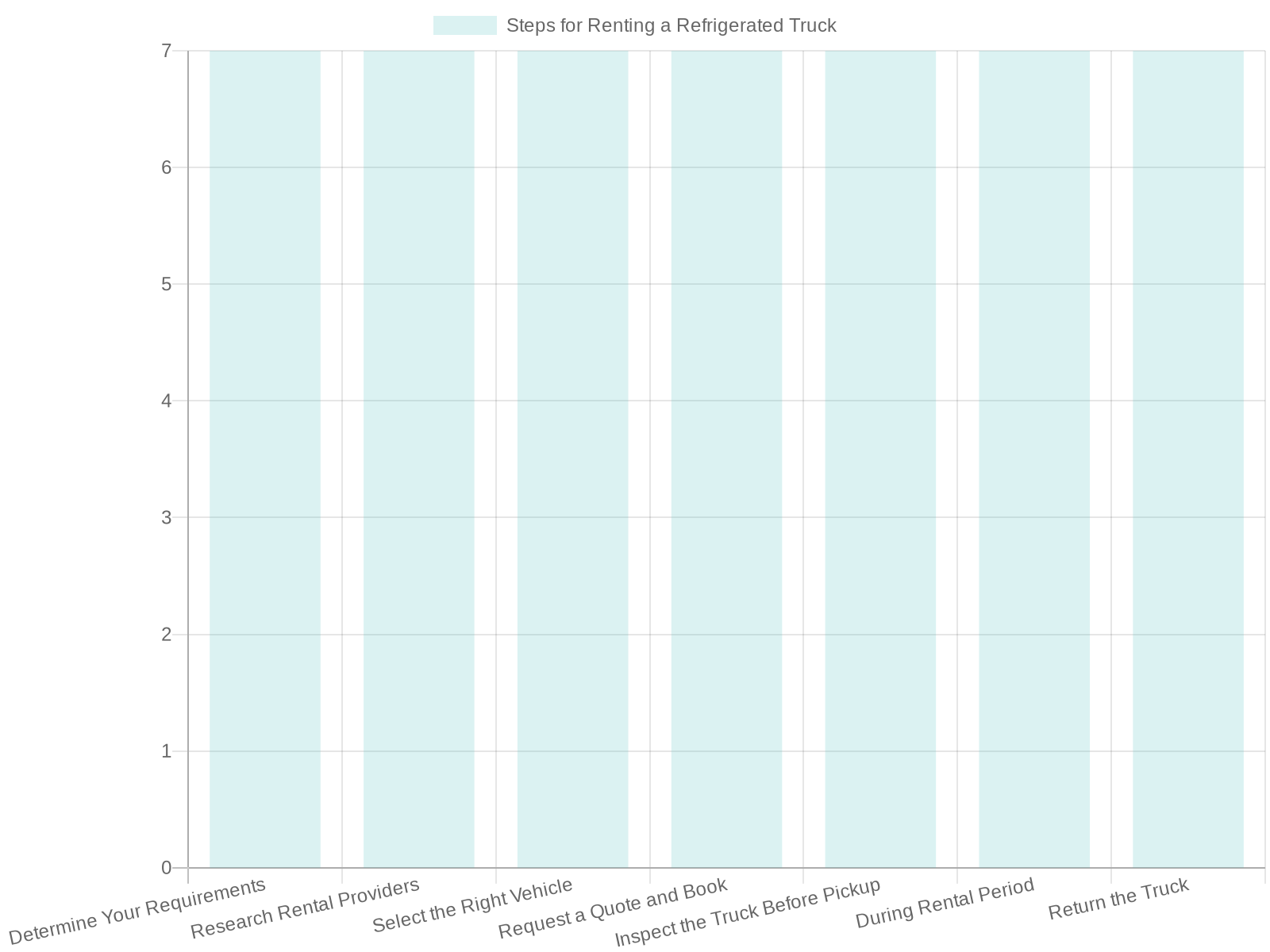
By following these steps, logistics and freight companies can effectively manage their refrigerated transport needs, ensuring the safe delivery of perishable goods. For expert guidance and support in fleet management, visit our dedicated resource here.
Regulations for Refrigerated Trucks
Renting and operating a refrigerated box truck comes with specific regulations that vary across states in the United States. Ensuring compliance with these regulations is essential for logistics and freight companies, food distributors, and others utilizing refrigerated transport services. Below is an overview of prominent regulations and requirements:
1. Federal Regulations
The U.S. Food and Drug Administration (FDA) mandates under the Food Safety Modernization Act (FSMA) that refrigerated transport vehicles must meet strict temperature control requirements. This includes:
- Installation of calibrated temperature-recording devices to monitor and document temperatures during transportation.
- Pre-cooling vehicles before loading to prevent cross-contamination and ensure maintaining designated temperatures.
2. State-Specific Regulations
State laws can be more stringent than federal guidelines. Here are some examples:
- California requires refrigerated trucks used for transporting perishables to be equipped with remote temperature monitoring systems and mandates reporting of this data to state authorities.
- Texas emphasizes the maintenance of vehicle records for at least two years, focusing on compliance and traceability.
- Illinois mandates disinfecting refrigerated vehicles after each use to enhance food safety.
3. Trends and Recommendations
Recent studies, such as those by the National Conference of State Legislatures (NCSL), indicate that over 30 states have implemented specialized regulations for refrigerated vehicles. Noteworthy recommendations include:
- Mandatory digital temperature recorders.
- Required training for drivers handling cold chain operations.
- Online compliance platforms for real-time monitoring of vehicle temperatures in states like Washington and Maryland.
Conclusion
It’s crucial for businesses involved in refrigerated transport to understand both federal and state-specific regulations to ensure compliance and safety. For more information on how regulations affect the industry, you can learn more about food safety regulations.
Embracing a proactive compliance strategy can minimize legal risks and enhance operational efficiency in the refrigerated transport sector.
Rental Trends in Refrigerated Box Trucks
The demand for refrigerated box trucks has surged, particularly in critical industries such as food and beverage, pharmaceuticals, and e-commerce. This trend is fueled by the rapid expansion of online grocery services and the increasing need for temperature-controlled logistics to meet regulatory compliance for perishable goods.
Growth Overview
As illustrated in the chart below, the global refrigerated truck rental market is projected to experience significant growth, ascending from approximately $65.91 billion in 2023 to $147.94 billion by 2032, at a compound annual growth rate (CAGR) of 9.40%. This growth signifies the increasing reliance on rental solutions as businesses adapt to changing market demands.
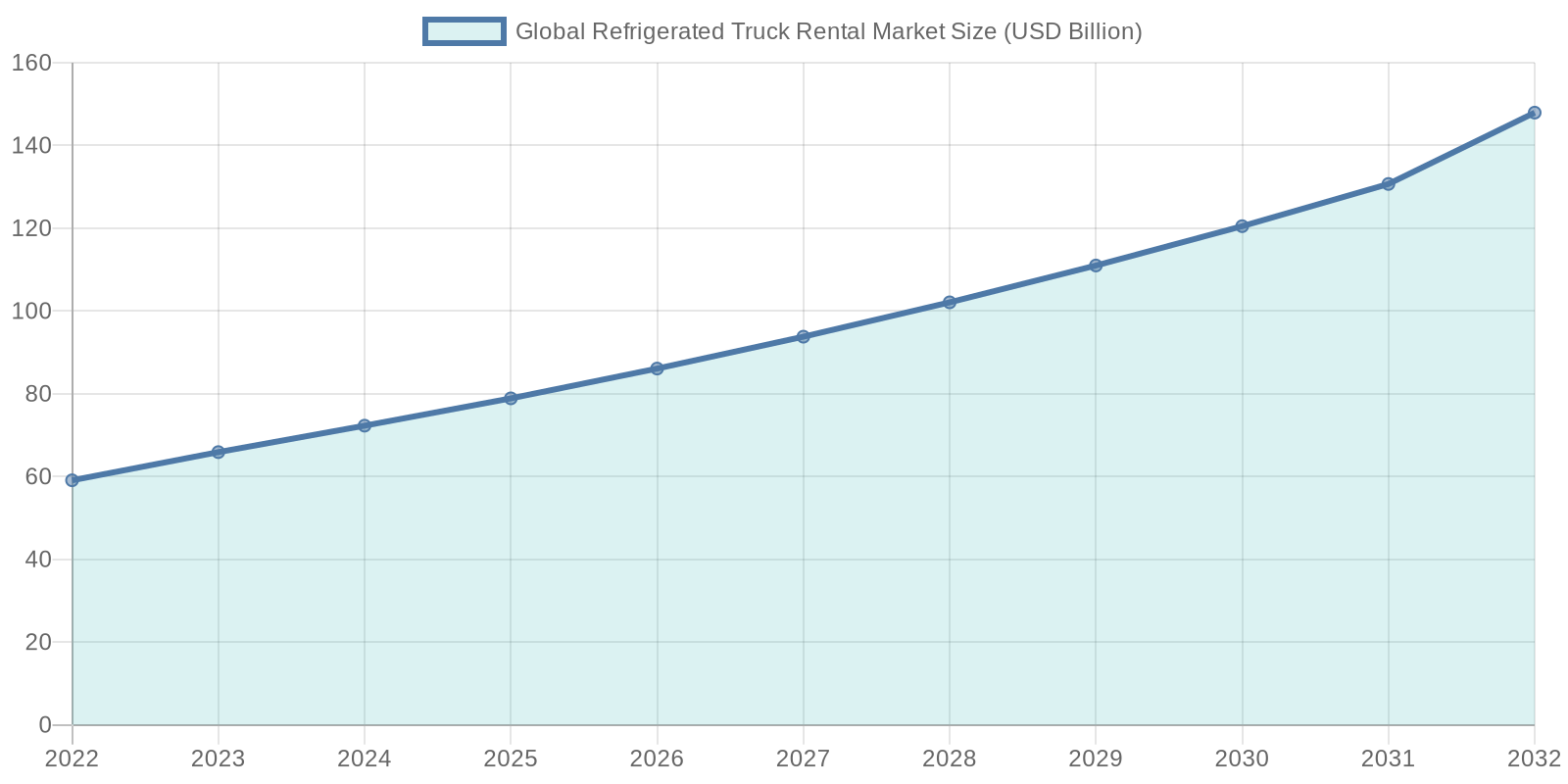
Chart: Global Refrigerated Truck Rental Market Size (USD Billion) from 2022 to 2032
Key Industry Drivers
- E-commerce: Rapid growth in online grocery sales is propelling demand for refrigerated transport to ensure timely and safe delivery of perishables.
- Pharmaceuticals: The strict temperature requirements for vaccines and medications mean that businesses are increasingly opting for rental solutions that can guarantee compliance.
- Food and Beverage: Changing consumer expectations for fresh products, coupled with seasonal spikes in demand, bolster the need for flexible rental options.
Notable Trends
- Growth in smart technology adoption including telematics for real-time monitoring of temperature and compliance.
- Increase in the use of electric and hybrid refrigerated vehicles, aligning with sustainability goals.
- Expansion of last-mile refrigerated deliveries, particularly in urban areas to accommodate growing e-commerce needs.
For further insights into the trucking industry’s adaptation to changing markets, read about Ryder’s expansion of their rental fleet and observe how companies like Coke Canada are innovating with electric fleets.
“Temperature control failure is the primary cause of food recalls, and modern intelligent refrigeration systems reduce risk by over 80% through IoT-enabled traceability.”
In the logistics industry, especially within the food and beverage sector, the importance of using refrigerated box trucks cannot be overstated. These vehicles provide essential benefits, including precise temperature control, enhanced food safety, and efficient delivery options.
When transporting perishable goods, the risks associated with temperature fluctuation can lead to severe consequences, including degradation of product quality and public health risks. It is vital for logistics and freight companies to integrate reliable temperature management solutions in their delivery fleet to maintain standards and comply with health regulations.
For more insights into advancements in refrigerated transport, consider this article on modern systems for refrigerated trucks.
In conclusion, the advantages of renting refrigerated box trucks for business deliveries cannot be overstated. These specialized vehicles play a crucial role in maintaining the integrity of temperature-sensitive goods, ensuring products remain safe and of high quality during transit. As outlined, renting provides operational flexibility, allowing companies to scale their logistics according to demand fluctuations without the significant upfront investment required for purchasing refrigerated trucks. Additionally, rental companies typically offer modern vehicles equipped with efficient cooling systems and temperature monitoring technology that adhere to industry regulations, such as Good Storage Practices (GSP). For logistics and freight companies, food and beverage distributors, and others in industries where product quality is paramount, renting refrigerated box trucks is an excellent solution for seamless operations. Therefore, if your business requires efficient and reliable transportation for perishable goods, consider renting a refrigerated box truck today. To learn more about the impact of efficient logistics solutions, explore our insights on cold chain logistics and check out tips for successful rentals.