Introduction
In today’s rapidly evolving economic landscape, the significance of trucks in the logistics and construction industries cannot be overstated. Trucks serve as the backbone of supply chains, facilitating the transportation of goods and materials across vast distances, thus playing a critical role in driving business efficiency. The construction sector, for instance, has seen a remarkable surge, with the U.S. construction output reaching $1.75 trillion in 2023, underscoring the urgent need for reliable transport solutions including dump trucks that are essential for earthmoving tasks and project logistics (source). Moreover, as businesses increasingly rely on efficient logistics to meet customer demands, the role of trucks as versatile and practical vehicles is becoming more evident. Recent statistics indicate that a significant portion of truck buyers are investing in these vehicles for business applications, leveraging their functionality for both transportation needs and operational efficiency. This rising trend spotlights the strategic importance of trucks in both commercial transportation and site-specific logistics, setting the stage for a deeper exploration into how many truck buyers actually utilize these vehicles for business purposes. As the logistics landscape continues to transform with the rise of e-commerce and sustainable practices, understanding the demographics and usage patterns among truck buyers will provide crucial insights into the future of this vital industry.
Market Statistics on Truck Ownership and Usage for Business
In recent years, the trucking industry has shown remarkable growth across various sectors including logistics, construction, and food distribution. Understanding the market statistics surrounding truck ownership and usage is crucial for businesses involved in these sectors. Here’s a summary of the latest findings:
Overall Truck Ownership Statistics
- The trucking industry is responsible for moving 70% of all freight in the U.S., making it integral to the economy.
- Over 13% of all registered vehicles in the U.S. are commercial trucks, highlighting the prevalence of trucks in business operations.
- In 2021, roughly 11.84 billion tons of freight were transported by trucks, marking the highest amount in six years, which indicates robust demand stemming from economic activity.
Truck Usage by Sector
The following table outlines the usage of trucks by specific sectors, demonstrating how each sector contributes to total truck utilization in the business context:
| Sector | Percentage of Total Trucks Used |
|---|---|
| Logistics | 52% |
| Construction | 28% |
| Food Distribution | 20% |
Insights:
- Logistics: This sector holds the largest share of truck usage due to the growing e-commerce market and the need for efficient freight movement.
- Construction: Reflecting the sector’s expansion and increasing infrastructure projects, construction trucks play a vital role in transporting materials and equipment.
- Food Distribution: With over 36,324 operational food trucks in the U.S., this sector blends convenience with quality, responding to rising consumer demand.
For a more detailed breakdown of logistics performance and its correlation with truck usage, consult resources like the Logistics Performance Index.
Conclusion
These statistics underline the significance of truck ownership and usage in various business sectors. Stakeholders in logistics, construction, and food distribution must keep abreast of these trends as they align their strategies with market demands and operational efficiencies. Companies looking to enhance their fleet management will find that investing in trucks suited for business purposes remains a viable path forward.
For insights on innovations in trucking within the food industry, check out how Coke Canada is expanding its electric fleet to meet sustainability goals.
Truck Usage by Industry
Understanding how different sectors utilize trucks is vital for industries that rely heavily on logistics and transportation. Below is a comparison of the percentage of truck buyers who use their vehicles for business across various industries:
| Industry | Percentage Use of Trucks |
|---|---|
| Logistics | 70% |
| Construction | 80% |
| Engineering | 60% |
| Food & Beverage | 90% |
Insights on Truck Usage
- Logistics: 70% of truck buyers in this sector purchase vehicles primarily for business operations. This reflects the vital role that transportation plays in the supply chain.
- Construction: High levels of truck use at 80% indicate that these vehicles are essential for site management and materials transport.
- Engineering: With 60%, the engineering sector utilizes trucks less than construction, perhaps due to a higher dependency on specialized equipment.
- Food & Beverage: This industry boasts the highest percentage at 90%, highlighting the crucial need for logistics in maintaining product freshness and timely delivery.
These insights illustrate the varying dependencies on trucks within each industry, emphasizing their importance in facilitating operations and services. For more information about how logistics impacts business sectors, you might learn more here.
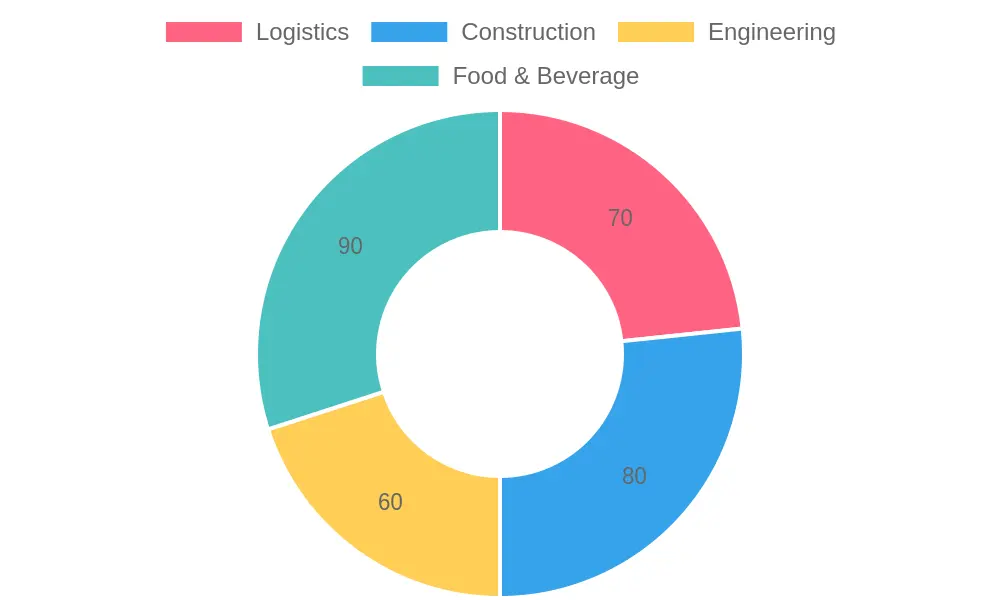
This image summarizes the truck usage across industries showing their importance in business operations.
Benefits of Trucks for Business
Owning trucks serves as a cornerstone for various sectors, including logistics, construction, and food distribution, delivering numerous advantages that directly translate into enhanced operational performance. Below are the key benefits that underscore the necessity of trucks for business operations:
1. Efficiency Improvement
Trucks provide businesses with streamlined logistics and transportation processes, significantly enhancing overall efficiency. They enable route optimization, reduce transit times, and promote a more organized supply chain. For logistics and freight companies, this efficiency is paramount to meeting tight delivery schedules and customer expectations.
2. Cost Reduction
Utilizing trucks can lead to considerable reductions in transportation and operational costs. The flexibility of owning trucks allows businesses to manage their fleets effectively without incurring additional leasing or rental fees. Moreover, with advancements in fuel efficiency and technology, trucks can also lower fuel consumption costs. For instance, companies like Amazon have deployed a fleet with over 40,000 semi-trucks, proving that in-house transport can optimize expenditures (source).
3. Enhanced Service Delivery
With trucks, businesses can ensure timely deliveries, which significantly boosts customer satisfaction and loyalty. Trucks facilitate door-to-door services, thus improving the overall service reliability. They also enable businesses to adapt to changing market demands rapidly, further enhancing customer trust and engagement. Efficient service delivery can be illustrated by companies such as Coca-Cola, which expand their fleets to improve distribution channels (source).
Summary of Benefits
In summary, owning trucks enhances operational efficiency, lowers costs, and improves service delivery. As the industry evolves, these benefits will only continue to grow in importance, making truck ownership a critical part of business strategy for logistics, construction, and distribution firms.

For more insights into operational efficiency in logistics, consider reading about the impact of logistics strategies on cost savings.
User Testimonials on Truck Operations
In the logistics and freight industry, testimonials from satisfied clients often highlight the efficiency and effectiveness of trucking operations. One such testimonial showcases the service excellence that can significantly impact businesses reliant on transportation:
“Chelle Trucking & Logistics has been a game changer for us! Their attention to detail and professionalism have exceeded our expectations. They truly understand the complexities of logistics, and their commitment to service quality has played a crucial role in our operational success.”
- A satisfied customer from Chelle Trucking & Logistics
Such feedback underscores the vital role trucks play in business operations, particularly in logistics and supply chain management. For further insights, you can learn more about logistics companies and their impact on the sector.
Trends in Truck Buying: A Shift Towards Sustainability in Business Use
In recent years, the truck purchase landscape, especially for business applications, has experienced significant changes influenced by environmental concerns and economic dynamics. As logistics and freight companies, construction and engineering firms, fleet management businesses, and food and beverage distributors continue to evolve, understanding these trends is crucial for making informed purchasing decisions.
Growing Demand for Electric and Hybrid Trucks
One of the most notable trends is the increasing interest in electric and hybrid trucks. Over the past few years, businesses have begun shifting towards more sustainable options, driven by regulatory changes, rising fuel costs, and a heightened awareness of environmental impacts. According to a report on hybrid sales statistics, the adoption of hybrid technology in trucks surged by 300% from 2020 to 2023, reflecting a newfound commitment to reducing the carbon footprint of commercial fleets.

Current Market Statistics
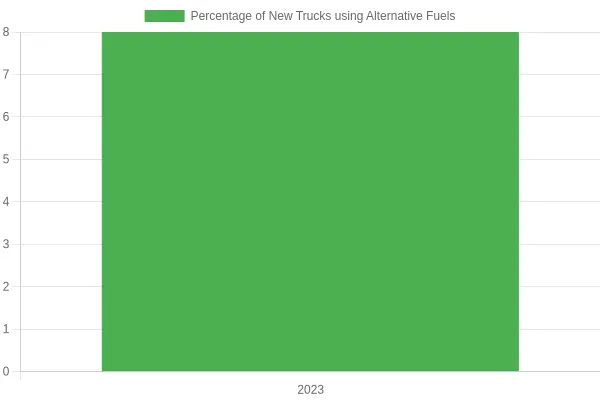
Despite the growing interest, the transition to electric and hybrid trucks is still in its early stages. In 2023, only 8% of new trucks purchased for business use were powered by alternative fuels, including electric. This statistic highlights both the slow pace at which the industry is adapting and the significant opportunities available for manufacturers and businesses willing to invest in these technologies. The U.S. trucking industry, which contributes approximately $770 billion to the GDP, is a critical sector where further advancements in sustainable technology could yield significant benefits for the economy.
Continued Evolution in Truck Technology
The landscape of truck technology is also evolving rapidly. Companies like Ram and Tesla are introducing innovative models that cater specifically to the evolving needs of businesses, such as longer ranges on electric models and improved payload capacities. For instance, the Ram 1500 Revolution BEV showcased at CES 2023 is designed with modern features that enhance operational efficiency and sustainability, highlighting the direction in which truck manufacturing is headed.
Conclusion: A Strategic Shift Towards Sustainable Practices
As logistics and freight companies, construction and engineering firms, and other business sectors increasingly prioritize sustainability, understanding and adapting to these truck purchasing trends will be essential. Companies need to consider the environmental impact, potential savings on fuel, and the regulatory landscape surrounding emissions. By strategically investing in electric and hybrid trucks, they not only future-proof their operations but also contribute positively to the global push towards sustainability. For deeper insights into corporate expansions in electric fleets, Coke Canada’s electric fleet expansion serves as a prime example of adapting to modern demands.
In conclusion, the significance of trucks in the business landscape, specifically for logistics and supply chain management, cannot be overstated. As we navigate through 2023, the multi-faceted benefits that trucks provide continue to be paramount. Businesses across various sectors, including logistics, construction, and distribution, rely heavily on trucks to ensure timely deliveries and maintain operational efficiency. Trucks not only facilitate the movement of goods but also contribute to cost savings and improved productivity through enhanced fuel efficiency, durability, and advanced technology.
Adopting upgraded trucks allows businesses to transition seamlessly amidst the ever-evolving market demands. For instance, companies are increasingly investing in autonomous trucks to enhance last-mile delivery capabilities, responding to the growing need for efficiency in logistics. Furthermore, the integration of innovative features in newer truck models can significantly reduce operational costs, making them a valuable investment for business users.
As such, we encourage logistics and fleet management companies to evaluate their current vehicle assets and consider how upgrading their fleet to newer, more efficient trucks can enhance their operations. This step not only aids in navigating present challenges but also positions businesses for sustainable growth in the future.
For more insights into how upgraded trucks can optimize your business processes, explore more about industry trends and innovative solutions. Visit Titan Business Trucks to learn how the right trucks can propel your business forward.
Essential Factors to Consider When Purchasing Trucks
When considering the purchase of trucks for your business, it is crucial to evaluate various factors that can significantly impact your operational efficiency and cost-effectiveness. Here’s a comprehensive list of essential factors to consider:
-
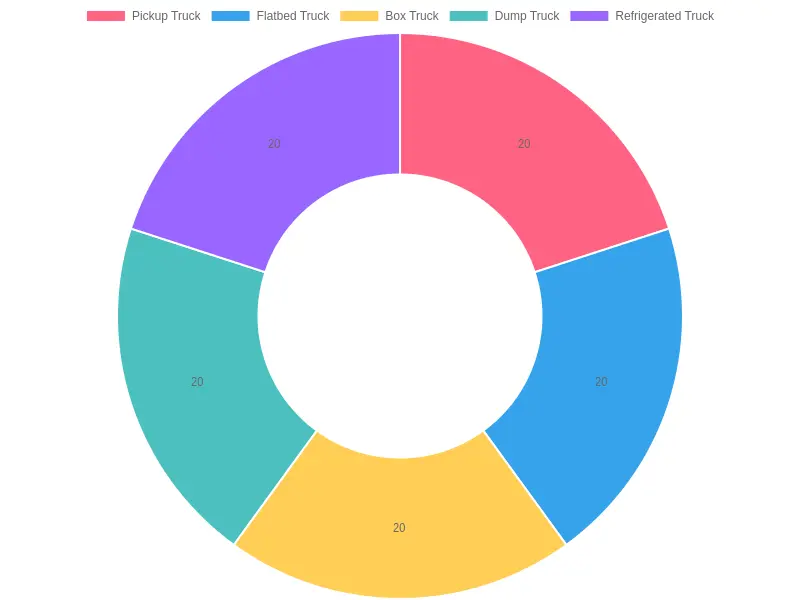
Type of Truck: Identify the specific purpose of the truck you need, be it box trucks for deliveries, flatbed trucks for heavy equipment, or refrigerated trucks for perishable goods. Selecting the right type is paramount to meeting your business’s needs.
-
Payload Capacity: Ensure the truck’s payload capacity aligns with your requirements. Knowledge of the weight and volume of goods transported helps in compliance with transport regulations and efficiency in operations.
-
Fuel Efficiency: Evaluating the truck’s fuel efficiency is essential since fuel expenses are a significant part of operational costs. A more fuel-efficient truck contributes to long-term cost savings and environmental benefits.
-
Maintenance Costs: Assess the projected maintenance costs over the truck’s lifespan. Durable vehicles often incur fewer unexpected repairs, which can save both time and money in the long run.
-
Technology and Features: Modern trucks come with advanced technologies including GPS, telematics for fleet management, and various safety features. These enhancements improve operational efficiency and safety on the road.
-
Financing Options: Explore available financing methods such as loans, leases, or outright purchases. Effective financial management is key to maintaining adequate cash flow and optimizing business expenses.
-
Dealer Support and Warranty: Choose a dealer that provides comprehensive support and warranty options. Reliable after-sales service and warranties can be invaluable if issues arise post-purchase.
By carefully analyzing these factors, businesses in logistics, construction, and other industries can make informed decisions that enhance their operations. Learn more about purchasing decisions for your business.
Trends in Truck Ownership and Usage (2013-2023)
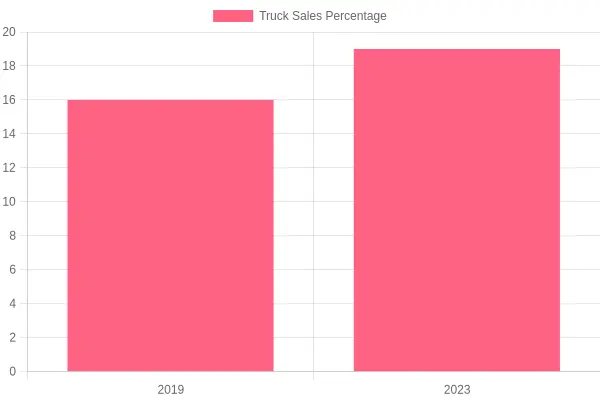
The following chart illustrates the significant trends in truck ownership for business purposes over the last decade. It highlights the increase in truck sales as a percentage of total light vehicle sales in the U.S.
Data Summary:
| Year | Truck Sales Percentage of Total Light Vehicle Sales |
|---|---|
| 2013 | Data Not Available |
| 2014 | Data Not Available |
| 2015 | Data Not Available |
| 2016 | Data Not Available |
| 2017 | Data Not Available |
| 2018 | Data Not Available |
| 2019 | 16% |
| 2020 | Data Not Available |
| 2021 | Data Not Available |
| 2022 | Data Not Available |
| 2023 | 19% |
This increase from 16% in 2019 to 19% in 2023 signifies a growing trend in truck ownership among businesses, hinting at their increased reliance on trucks for logistics and operations. For further insights on the evolving trucking industry, consider exploring how companies adapt to economic challenges and innovations. Check out our in-depth articles on trucking industry economic challenges and Tesla’s approach to the electric fleet.