

Understanding Truck Driver Classification: A Vital Component in Logistics and Fleet Management
In today’s intricate logistics and transportation landscape, the classification of truck drivers plays a pivotal role for various industries-including logistics and freight companies, construction firms, and fleet management. The right classification ensures that these organizations not only comply with regulatory requirements but also optimize their operational efficiency. With an increasing focus on compliance and operational effectiveness, businesses face the necessity of correctly classifying truck drivers to avoid penalties and enhance productivity.
The implications of driver classification reach far beyond mere compliance; they directly impact workforce management, insurance costs, and ultimately the bottom line. As the industry evolves, and with the introduction of new regulations and standards, it becomes critical for companies to stay abreast of the best practices surrounding truck driver classification. Understanding the nuances of these classifications aids in mitigating risks associated with employment status, ensuring that logistics practices align with the legal framework.
With proper classification, businesses can streamline their operations, enhance their recruitment processes, and promote a safer work environment. In this article, we delve deeper into the classifications used for truck drivers, their importance, and how they can help logistics, construction, and fleet management companies maintain competitive advantages in a dynamic marketplace. Learn more about the trucking industry’s economic challenges and how aligning with regulations can support growth.
Business Classifications Relevant to Truck Drivers
Truck drivers play a vital role in various sectors, and their work can be classified into several business classifications, each with distinct primary roles. Below is a list of the main classifications relevant to truck drivers:
-
Heavy and Tractor-Trailer Truck Drivers
These drivers operate large trucks, typically weighing over 26,000 pounds, to transport goods across long distances. Their responsibilities include maintaining accurate logs of work hours and ensuring cargo safety. -
Light Truck or Delivery Services Drivers
These professionals usually drive vehicles weighing less than 26,000 pounds. They are responsible for delivering goods to businesses or residences, often making local deliveries. Their roles require excellent knowledge of local routes and delivery schedules. -
Local Truck Drivers
Operating in a specific area or city, local truck drivers transport goods over short distances. They return home after each shift, balancing route efficiency with delivery timelines. -
Regional Drivers
Regional truck drivers cover a larger geographic area than local drivers but typically return home weekly, if not more frequently. They transport freight to regional hubs, contributing to the efficiency of supply chains. -
Over-the-Road (OTR) Drivers
OTR drivers are often away from home for extended periods, covering long distances across multiple states. They manage longer hauls, requiring awareness of national regulations and vehicle maintenance needs. -
Reefer Drivers
Specializing in transporting perishable items, reefer drivers operate refrigerated trucks. They must maintain specific temperature controls during transit to ensure cargo quality. -
Flatbed Truck Drivers
These drivers are responsible for transporting oversized or irregularly shaped goods on flatbed trailers. This classification requires knowledge of secure loading techniques to ensure safety on the road. -
Tank Truck Drivers
They transport liquid cargo, including chemicals, fuel, or water. Tank truck drivers must adhere to strict safety protocols and sometimes require special endorsements due to the nature of the materials being transported.
For more insights into the truck driving profession and the evolving roles within the industry, consider reading about the impact of emissions regulation on trucking or exploring youth careers in trucking as they relate to future workforce development.
Regulatory Requirements Impacting Truck Drivers
The trucking industry is heavily regulated at both the federal and state levels, and adherence to these regulations is crucial for ensuring the safety and efficiency of operations. The Federal Motor Carrier Safety Administration (FMCSA) plays a pivotal role in establishing guidelines that all truck drivers and companies must follow. Some of the key regulatory requirements that impact truck drivers include:
Federal Motor Carrier Safety Administration (FMCSA) Guidelines
The FMCSA outlines several critical regulations aimed at promoting safe driving practices and vehicle operation. Key areas impacted by FMCSA guidelines include:
- Driver Qualifications: Drivers must meet specific criteria to be eligible for commercial driving. This includes having a valid Commercial Driver’s License (CDL) and passing a medical examination to ensure they meet health standards.
- Hours of Service (HOS): Regulations limit the number of hours a driver can operate a commercial vehicle, ensuring they take mandatory breaks to combat fatigue. These rules typically specify maximum driving hours and minimum rest periods, which are essential for safety on the roads.
- Vehicle Maintenance: Trucking companies must maintain their vehicles to a particular standard, adhering to regular inspections and maintenance schedules, which are vital for preventing mechanical failures on the road.
For more detailed information on FMCSA regulations, you can refer to this FMCSA Compliance Guide.
State-Specific Regulations
In addition to federal regulations, individual states may enact their own rules that affect truck drivers, including:
- Weight Limits: States may impose different weight limits for trucks, influencing how loads are managed and impacting route selections.
- Route Restrictions: Certain jurisdictions may have specific road restrictions for trucks based on height, weight, or type of cargo, affecting operational routes and logistics planning.
- Permitting for Oversized Loads: Each state has its own permitting process for oversized or overweight loads, which requires drivers to secure the necessary permits before transport.
Influence on Classifications and Operational Practices
The FMCSA guidelines and state regulations fundamentally shape the operational landscape for truck drivers. They affect how drivers classify their work and the types of responsibilities they assume. For instance:
- Drivers must comply with HOS regulations, which affect staffing, shift patterns, and overall delivery schedules.
- Companies may adjust their operations to ensure vehicles meet state weight and size requirements, which can influence fleet management decisions.
Compliance with these regulatory requirements is essential not only to avoid penalties but also to enhance the safety of drivers and the public. By adhering to federal and state guidelines, trucking companies foster a safer roadway environment, which can lead to better operational efficiencies and reduced accident rates.
In summary, regulatory requirements, including FMCSA guidelines and state-specific regulations, significantly impact how truck drivers operate, influencing everything from their classification to safety practices. Understanding and navigating these regulations is important for success in the trucking industry.
Comparison of Truck Driver Classifications
Selecting the right truck driver classification for your logistics needs is crucial. Below is a table that compares four truck driver classifications, detailing their typical duties, required qualifications, and average salaries.
| Classification Name | Typical Duties | Required Qualifications | Average Salary |
|---|---|---|---|
| Class A | Operate heavy trucks, transport goods across states | CDL Class A license, minimum 21 years old | $50,000 – $80,000 |
| Class B | Drive vehicles heavier than 26,000 lbs, local routes | CDL Class B license, minimum 18 years old | $35,000 – $65,000 |
| Class C | Operate smaller trucks, mostly local deliveries | CDL Class C license, minimum 18 years old | $30,000 – $60,000 |
| Owner-Operator | Manage own trucking business, negotiate contracts | CDL, business management skills, insurance | $100,000 – $150,000+ |
Additional Insights
For further understanding of the financial aspects of trucking, refer to this source.
Furthermore, to learn about different trucking job options, explore this guide.
Visual Representation of Average Salaries by Truck Classification
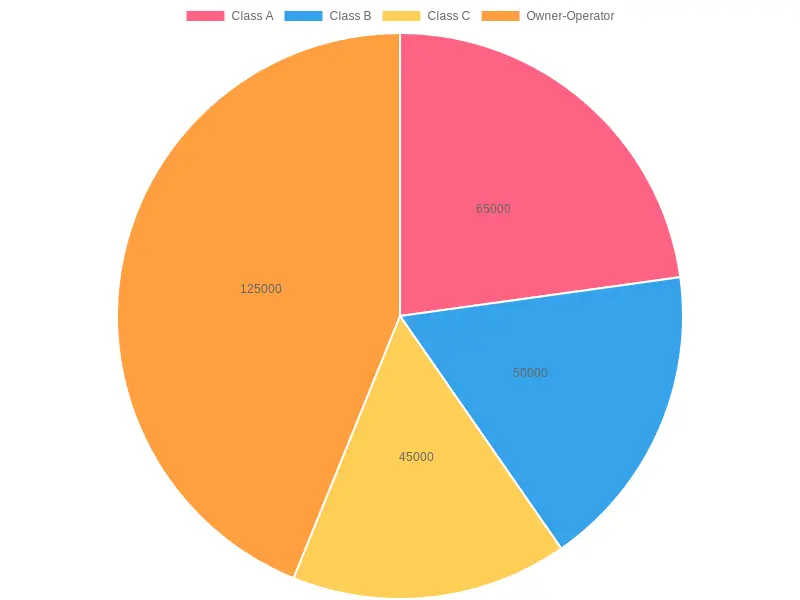
This chart provides a visual breakdown of the average salaries associated with different truck classifications.
Case Study: Transforming Driver Classifications for Enhanced Efficiency
A leading logistics company, Girteka, recognized a pressing need to enhance operational efficiency by restructuring its truck driver classifications. The organization turned to this strategic management solution following challenges resulting from high driver turnover, inefficient operations, and increased operational costs.
Steps Taken
-
Assessment of Current Classifications: Girteka first evaluated its existing classifications of truck drivers. They identified that many drivers were classified incorrectly as independent contractors rather than employees, which hindered their operational flexibility.
-
Engagement of Stakeholders: The company involved key stakeholders, including management, HR, and legal advisors, to establish appropriate classifications based on the drivers’ responsibilities and business needs.
-
Implementation of New Classification Structure: They introduced a revised classification system that better aligned job roles with industry standards. This included providing benefits to drivers classified as employees, which made the jobs more attractive.
-
Training and Awareness Programs: To support the transition, Girteka implemented training programs for managers and drivers to ensure that everyone understood the new classifications and benefits available to them.
-
Continuous Monitoring and Improvement: Following implementation, continuous feedback mechanisms were put in place to improve the classification system and address any challenges that arose.
Outcomes
The results were significant:
- Cost Savings: The restructured classifications led to reduced driver turnover rates, which previously cost the company up to $95.5 million weekly due to hiring shortages. After restructuring, costs decreased as employee retention improved.
- Enhanced Efficiency: Delivery timelines improved remarkably, with faster turnaround times due to a more stable workforce.
- Higher Driver Retention Rates: The company boosted driver retention rates by offering benefits associated with their new employment classifications, leading to an increase in satisfied, stable employees who remained with the company for longer. This rate rose to an impressive 85%.
This effective restructuring of driver classifications exemplifies how strategic changes within logistics companies can lead to improved operational efficiency and a more satisfied workforce. Such changes are crucial in a competitive environment where logistics efficiency directly correlates with profitability.
For further reading about improving employee retention, check out our article on automating driver retention strategies. Additionally, learn more about the potential impacts of driver classification in the logistics industry by visiting our detailed analysis on trucking industry challenges.
Truck Driver Employment Statistics and Economic Impact
The logistics and freight industry plays a pivotal role in the U.S. economy, heavily reliant on truck drivers. Here’s a concise overview of the current statistics related to truck drivers concerning employment rates, average salaries, and their economic significance.
Employment Rates
While specific annual employment data for truck drivers from the U.S. Bureau of Labor Statistics was unavailable, the industry has seen fluctuations that are largely influenced by economic events. It is crucial for logistics and freight companies to monitor these changes to navigate workforce needs effectively.
Average Salaries
The compensation for truck drivers varies widely based on experience:
| Category | Entry-Level Salary | Mid-Level Salary | Experienced Salary |
|---|---|---|---|
| Truck Drivers | $40,853 | $55,952 | $71,933 |
| Source | Talent.com | ||
| Additional Source | $51,676 | $67,600 | $96,183 |
| Chegg.com |
The average truck driver earns approximately $55,952 annually, with entry-level positions starting around $40,853 and experienced roles reaching up to $71,933. These figures underscore the value of investing in truck driver salaries to enhance recruitment and retention within the logistics sector.
Economic Impact
Truck drivers are integral to the logistics supply chain, impacting freight operations and overall economic stability. Higher driver compensation positively correlates with better service delivery and efficiency in freight operations, ultimately leading to enhanced profitability for companies in the logistics and freight sectors.
Understanding these statistics is essential for companies who depend on truck drivers and the transportation infrastructure to maintain a competitive edge in the industry.
Charts
Salary Comparison

Employment Rate Over Years
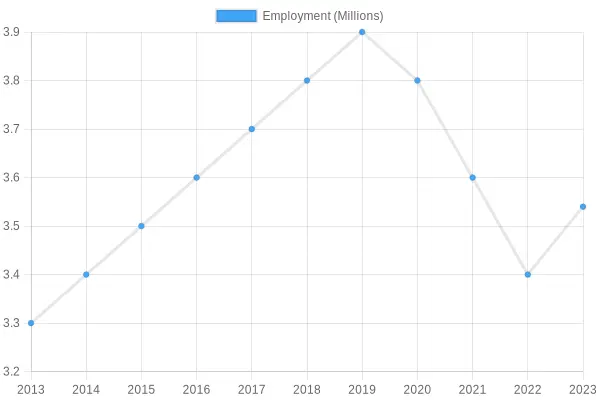
Truck Driver Employment Trends Over the Last Decade
Here is a line chart that illustrates the trends in truck driver employment in the U.S. over the past decade, highlighting significant peaks and troughs in employment:
| Year | Employment (Millions) |
|---|---|
| 2013 | 3.3 |
| 2014 | 3.4 |
| 2015 | 3.5 |
| 2016 | 3.6 |
| 2017 | 3.7 |
| 2018 | 3.8 |
| 2019 | 3.9 |
| 2020 | 3.8 |
| 2021 | 3.6 |
| 2022 | 3.4 |
| 2023 | 3.54 |
Analysis of Trends
- Peak: The peak employment of 3.9 million was recorded in 2019, reflecting robust economic growth prior to the COVID-19 pandemic.
- Trough: The employment dipped to 3.6 million in 2021 and fell further to 3.54 million in 2023, underscoring the ongoing challenges faced by the industry, including workforce shortages and other economic pressures.
This chart serves as a vital visual representation of the employment situation among truck drivers, effectively illustrating the dynamics and trends within this essential industry.
For more insights into the challenges and developments in the trucking industry, visit this article on federal measures or learn how trucking stabilized during late 2024.
Impacts of Misclassification for Truck Drivers
Misclassifying truck drivers represents a significant concern for logistics and transportation companies. The classification of drivers as independent contractors rather than employees can have profound repercussions. These impacts are multifaceted, touching on financial, legal, and operational realms.
Financial Implications
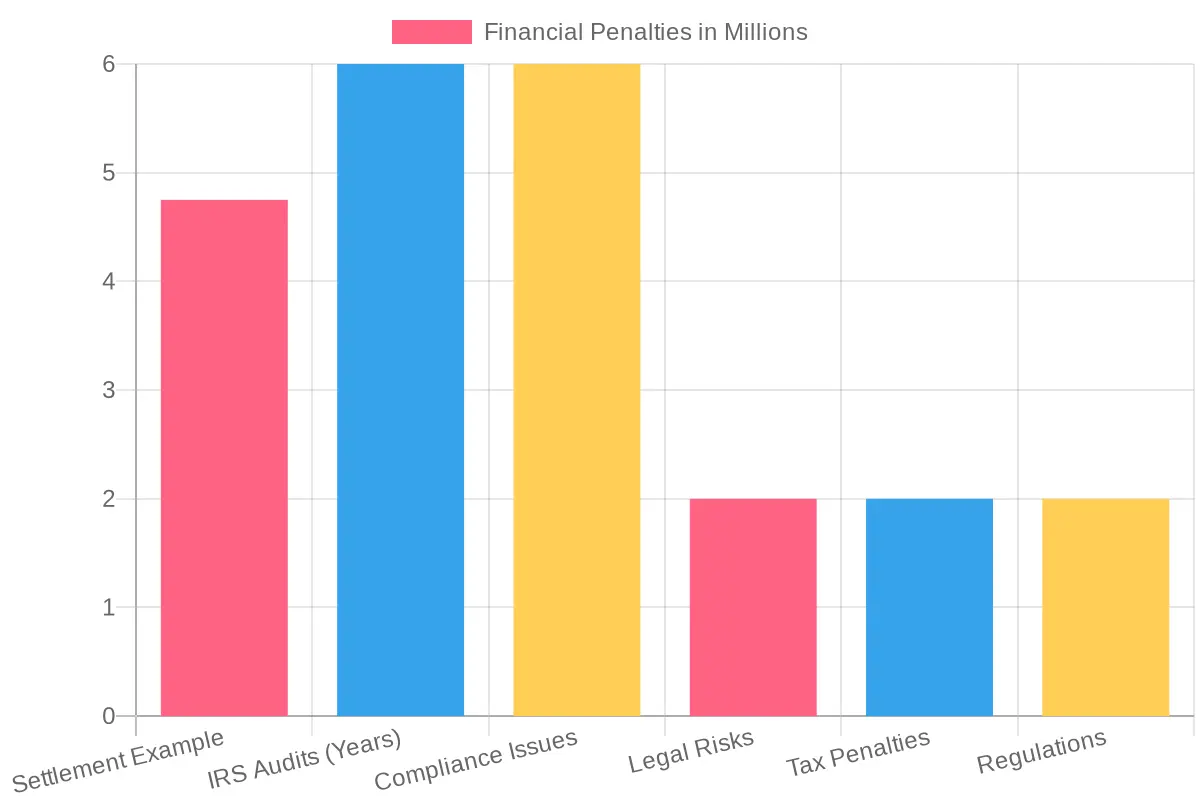
One of the most glaring financial ramifications of misclassification involves hefty penalties. According to findings, misclassifying truck drivers can lead to significant financial penalties, including back taxes, fines, and other costs attributed to improper classification. The IRS can impose penalties of up to 100% on the employment taxes owed if the misclassification is determined to be intentional. A notable example includes a case where Comtrak Logistics settled a $4.75 million class action lawsuit due to the misclassification of California truck drivers as independent contractors. This indicates the risk companies face of substantial financial liabilities – underlining the critical nature of correct classification.
For further insights on financial impacts, visit Penned Insights.
| Category/Description | Details | Source URL |
|---|---|---|
| Settled Cases | Misclassified drivers led to settlements of millions in lawsuits, highlighting financial risks for companies. | Miller Shah |
| IRS Tax Penalties | IRS audits can extend to six years, resulting in compounded interest on unpaid taxes and additional penalties. | ABLEMKR |
| Legal Risks | Increased risk of litigation, claiming unpaid overtime and denied benefits due to misclassification. | USA Leaders |
Legal Ramifications
The legal implications of misclassification are varied and profound. Companies may face lawsuits from misclassified drivers who seek unpaid wages, benefits, or protections afforded to employees. This may lead to legal costs that can escalate quickly, placing additional financial stress on the business. Further, regulatory frameworks are becoming more stringent. In Canada, for instance, stricter tax penalties were introduced for misclassifying truck drivers, illustrating a shift towards enforcing accountability within the industry.
Operational Challenges
Misclassifying truck drivers also poses operational challenges. Companies may find themselves struggling to attract and retain qualified drivers when they are unable to offer necessary employee benefits such as health insurance or retirement plans. As misclassification limits access to such benefits, it can lead to a workforce that is less stable and less engaged, which in turn hampers overall operational efficiency.
For more details on these operational challenges, visit Fleet Owner.
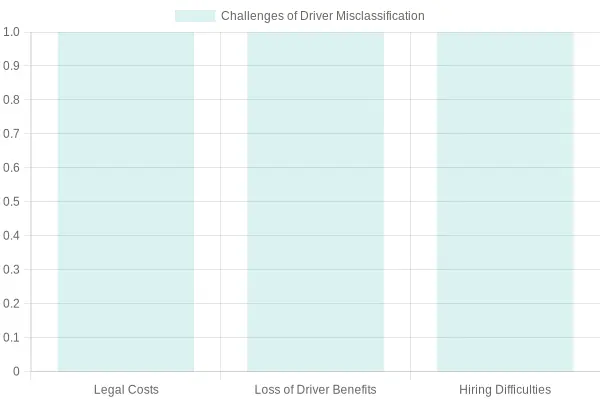
| Challenge | Description | Source URL |
|---|---|---|
| Legal Costs | Increased expenses due to litigation over misclassification. | Nat Law Review |
| Loss of Driver Benefits | Drivers may lose access to health benefits and retirement plans. | Trucking Info |
| Hiring Difficulties | Difficulty in retaining qualified drivers due to lack of benefits. | Fleet Owner |
As outlined, the impacts of misclassifying truck drivers are both profound and far-reaching, suggesting a pressing need for companies in the industry to align their practices with regulatory standards to mitigate financial, legal, and operational risks.
Importance of Business Classification for Truck Drivers
Accurate business classification is not just a bureaucratic requirement; it plays a crucial role in the logistics sector, influencing everything from safety standards to operational efficiency.
“In our ever-evolving logistics sector, accurate business classification is fundamental to navigating complexities and driving efficiency. It ensures that companies can adapt swiftly to market changes and comply with safety regulations, ultimately enhancing service delivery.”
- Expert in Logistics, source
The significance of accurate classifications cannot be overstated. They affect:
- Operational Efficiency: Proper classifications help identify the unique requirements of different logistics activities.
- Safety Protocols: Ensuring compliance with safety regulations tailored to specific operations can mitigate risks significantly.
- Market Adaptability: In an age where logistics demands are shifting rapidly, a clear understanding of classifications allows companies to pivot quickly and effectively.
With these factors in mind, logistics companies must prioritize precise business classification to not only meet regulatory expectations but also improve their overall operational capabilities.
Image illustrating the importance of accurate business classification for truck drivers.
For further insights on how logistics is being impacted by current industry changes, learn more here.
In conclusion, the proper classification of truck drivers is not merely an administrative consideration but a vital component that significantly affects the logistics and freight industries. Misclassification can lead to substantial legal consequences, operational inefficiencies, and financial strains on companies that inadvertently shift costs onto their drivers. For example, independent contractors often face economic vulnerabilities and lack essential labor protections, such as benefits and job stability, which can undermine both their livelihoods and the efficiency of logistical operations. As industry stakeholders, it is essential to recognize that accurate classification can enhance compliance, foster safer working environments, and promote operational effectiveness.
Moreover, as we navigate the complexities surrounding labor laws and classifications, companies must engage with these issues proactively. Implementing best practices in driver classification not only serves to protect the rights of workers but also contributes to the overall health of the logistics sector. Therefore, it is vital for all logistics and freight companies, as well as construction firms and fleet management organizations, to prioritize ongoing education about driver classifications and their implications. We encourage you to learn more about trucking industry classifications and best practices to ensure your business stays ahead in this critical area.

