Introduction to the Profitability of Truck Driving Businesses
In the dynamic landscape of logistics and freight, truck driving businesses play an indispensable role, serving as the backbone of supply chain operations. As more companies rely on trucking for their transportation needs, understanding the profitability of these ventures becomes crucial not just for business owners, but also for stakeholders in the industry. With the right financial insights, logistics companies can uncover opportunities for maximizing revenue, minimizing costs, and thus enhancing overall performance.
With the increasing demand for efficient freight transport, it’s essential to delve into key financial metrics that define the success of truck driving businesses. According to a recent Deloitte Insights report, certain Key Performance Indicators (KPIs) such as order fulfillment accuracy, average transport time, and unit transportation cost are critical in determining a company’s profitability. These metrics not only help assess operational efficiency but also guide strategic decision-making to improve service quality and profitability.
Moreover, understanding these financial readings enables truck driving businesses to navigate the cyclical nature of the industry. Fleet operators need a comprehensive grasp of financial health, from cash flow stability to debt ratios, ensuring they can manage potential risks associated with economic downturns as highlighted in the article from FreightAmigo. As firms in the logistics sector aim for sustainable growth, financial metrics become invaluable tools for evaluating performance, securing financing, and optimizing resource allocation.
This exploration sets the stage for a thorough analysis of how truck driving businesses can gauge and enhance their profitability, making it imperative for stakeholders to be equipped with the right knowledge and strategies to thrive in the competitive freight environment.
Exploring Revenue Streams for Truck Driving Businesses
Truck driving businesses have a diverse range of revenue streams, enabling them to remain competitive while optimizing their operations. Understanding these revenue streams is essential for logistics and freight companies, construction and engineering firms, and fleet management companies looking to maximize profitability. Here are the primary revenue avenues:
Direct Freight Transport
- Traditional Freight Services: This remains the core business model, consisting of transporting goods and products from shippers to receivers. U.S. trucking companies alone generated $220 billion in revenue in 2006, reflecting strong market demand. The sector has seen fluctuations, with revenues projected to reach $330 billion by 2032, emphasizing its growth potential (source).
- Expedited Freight: Offering expedited delivery services can command higher rates, appealing to customers with urgent shipping needs.
- Heavy Haulage: Transporting oversized and heavy equipment for construction or manufacturing can generate high profits, albeit with specialized equipment and logistics.
Ancillary Services
- Leasing Services: Trucking businesses can lease out their vehicles to smaller carriers or owner-operators, providing a steady income stream without the recurring costs of vehicle ownership.
- Value-Added Services: Offering services such as packaging, labeling, and warehousing can enhance client offerings and create additional revenue outlets. These services increase the operational footprint while capturing more of the supply chain process.
- Maintenance and Repair: Establishing a maintenance shop can serve not only your fleet but also external clients, adding another revenue layer. Many companies find profitability in repair services as it is often less volatile than freight rates.
Partnerships and Collaborations
- E-commerce Partnerships: With the rise of online shopping, partnering with e-commerce platforms for last-mile delivery can significantly bolster revenue. As e-commerce continues to grow, these partnerships might become essential, especially during peak shopping seasons.
- Logistics and Freight Forwarding Firms: Collaborating with logistics firms can help truckers tap into freight forwarding services, ensuring stable contract work. As noted in recent industry trends, companies are focusing on digital transformations that enhance operational efficiency through strategic partnerships (source).
- Supplier Collaborations: Building long-term relationships with suppliers can ensure consistent work and favorable rates for mutual growth. Joint ventures for expanding service areas or fleet capabilities can also open new doors in under-served regions.
Future Trends Impacting Revenue Streams
The revenue landscape for trucking is evolving. Trends indicate a paradigm shift towards sustainable practices, enhanced technological integration, and adaptable business models. With predicted shifts in freight dynamics due to emerging technologies and regulatory pressures in emissions management (source), businesses must align their strategies towards these changes to optimize revenue potential.
Trucking firms must continuously assess their revenue streams to remain resilient and competitive amidst changing market dynamics. Identifying and diversifying income sources can help mitigate risks and maximize profitability in the trucking sector. Through a combination of traditional and innovative models, truck driving businesses can pave a resilient future while effectively catering to the logistics needs of various industries.
| Trucking Type | Average Annual Earnings (Source 1) | Average Annual Earnings (Source 2) |
|---|---|---|
| Long-Haul | $87,500 | $85,000 |
| Local | $76,200 | $74,000 |
| Specialty | $92,800 | $94,000 |
Sources:
- Source 1: Provided data in the query.
- Source 2: American Trucking Associations (ATA) earnings data.
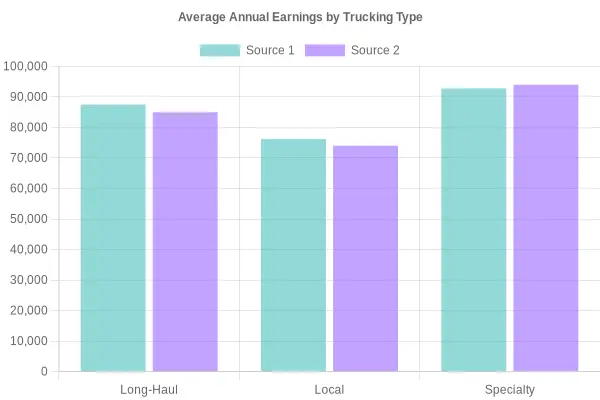
The comparison above vividly illustrates the earning potential across various trucking business models. As reflected, Specialty trucking offers the highest average earnings, likely due to the specialized skills and certifications required. For further insights on the trucking industry’s earnings, check out this report.
Understanding Operating Costs in Truck Driving Businesses
Operating costs are a critical aspect of running a successful truck driving business. For logistics firms, construction companies, and other stakeholders in the trucking industry, grasping these costs can mean the difference between profit and loss. This section delves into the primary operating costs faced by truck driving businesses, highlighting how they impact net profit.
Key Components of Operating Costs
Truck driving businesses incur various operating costs divided into several categories:
-
Fuel Costs
Fuel remains the largest operating expense for trucking companies, accounting for approximately 28% of total costs. As fuel prices fluctuate due to global supply concerns and industrial demands, trucking businesses must prepare for these financial swings. For instance, diesel prices averaged $4.32 per gallon in June 2026, reflecting a 7% increase from the previous month, which translates to an additional $15,000 in fuel expenses for a typical long-haul trucker covering 120,000 miles annually. -
Maintenance Expenses
Regular maintenance is crucial to ensure efficiency and safety. The aging fleet crisis has exacerbated these costs, with repair expenses rising significantly. Reports indicate that average repair costs reach $1,800 per vehicle per month, alongside the necessary tire replacements costing around $500 monthly. Failure to invest in fleet renewal could result in up to 12% loss in annual revenue due to downtime associated with unscheduled maintenance events. -
Insurance Premiums
Insurance significantly impacts operating costs, with premiums for trucking companies increasing dramatically. As of 2026, annual insurance premiums have jumped to an average of $22,500 per truck, driven by rising collision claims and stricter liability laws. Companies operating in high-risk states are facing premiums exceeding $30,000. Effective risk mitigation strategies, such as implementing telematics and driver training, can help manage these rising costs. -
Permits and Regulatory Fees
Compliance with regulations is another critical cost that trucking businesses must consider. Permit and regulatory compliance fees rose by approximately 9% since 2024, adding financial strain on small carriers. Given the complex web of regulations, a failure to comply can result in fines, further jeopardizing profitability.
Impact on Net Profit
Understanding and managing these operating costs is crucial for maximizing profitability in the trucking industry. Many independent owner-operators report net profits averaging below 5%, attributed directly to rising operating expenses. As operating costs continue to rise with inflation and global factors, logistics firms must develop strategies to minimize these expenses while maintaining service quality.
Strategic Insights for Logistics Firms
Logistics companies must conduct regular reviews of their operating costs to ensure sustainable growth. Strategies include:
- Fuel Management Programs: Implementing fuel-saving technologies and monitoring fuel usage can significantly cut down expenses.
- Regular Maintenance Schedules: Maintaining a proactive approach to vehicle maintenance can prevent costly repairs and downtime.
- Insurance Shopping: Regularly comparing insurance providers and policies can help firms find more competitive rates.
- Regulatory Awareness: Staying informed about regulations can prevent unexpected permit fees and penalties.
In conclusion, an in-depth understanding of operating costs is essential for logistics firms aiming to thrive in a highly competitive landscape. By addressing fuel, maintenance, insurance, and permit costs strategically, businesses can enhance their profit margins and ensure sustained operational success.
To further explore innovations in the trucking industry, consider this report on trucking industry economic challenges and insights from the healthcare expansion in the trucking sector.
Understanding Average Earnings of Truck Drivers in 2024
The earnings of truck drivers have been a pivotal topic within the logistics industry, particularly due to ongoing driver shortages and rising demand for freight transportation. According to various industry reports released in 2024, average earnings for truck drivers across different sectors reflect a significant variance influenced by factors such as driving type, geographical location, and the level of experience.
Overview of Earnings by Source
Recent data from authoritative sources demonstrates the financial landscape for truck drivers:
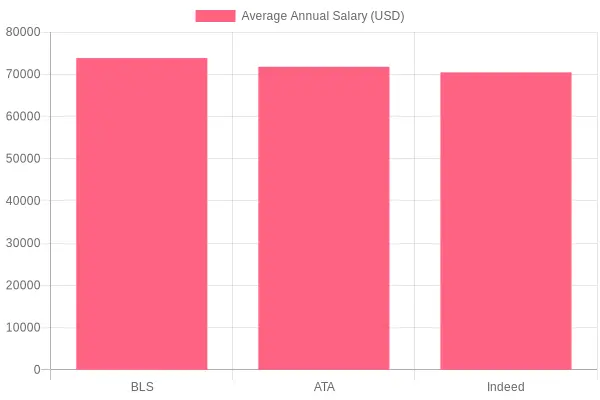
| Data Source | Average Annual Salary (USD) | Average Hourly Wage (USD) | Notes |
|---|---|---|---|
| U.S. Bureau of Labor Statistics (BLS) | 69,830 (Median) 73,480 (Mean) |
– | 2024 data covering full-time truck drivers. |
| American Trucking Associations (ATA) | 71,760 | 34.50 | Based on over-the-road (OTR) drivers’ average hourly wage estimate. |
| Indeed | 70,450 | – | Average base salary, includes various experience levels and job types. |
Sources:
- U.S. Bureau of Labor Statistics – 2024 Truck Driver Salary Data
- American Trucking Associations – 2024 Industry Salary Report
- Indeed – Truck Driver Salary Survey
Detailed Insights
-
Median and Mean Wages: The BLS reported a median annual wage of $69,830 and a mean wage of $73,480 for truck drivers, indicating that while many drivers earn near the median, there are substantial differences across various states and sectors.
-
Over-the-Road Drivers: According to the ATA, over-the-road (OTR) truck drivers earn approximately $34.50 per hour, translating to an annual salary around $71,760. This upward trend in wages is attributed to the growing demand for long-haul freight and the shortage of qualified drivers.
-
Broader Average Earnings: Indeed’s analysis provides an average base salary estimate of $70,450 per year across various truck driving roles, highlighting competitive earnings potential for those in specialized positions or regions with high demand.
Contextualizing within the Logistics Industry
In the context of the logistics industry, the financial return on investment in truck driving careers remains high amid escalating operational costs and market shortages. The willingness of employers to offer signing bonuses and retention incentives underscores the critical need to attract and maintain skilled drivers, especially in competitive sectors like food and beverage distribution and e-commerce logistics.
The variance in salaries between different types of driving roles (local versus long-haul) and employer offerings indicates that logistics companies should carefully assess their compensation strategies to attract and retain the necessary talent. As the trucking industry adapts to economic challenges and modernization efforts, the opportunity for earnings growth appears promising.
In conclusion, understanding the earnings landscape is essential for logistics and fleet management companies as they navigate the complexities of recruitment and operational efficiency in an increasingly competitive environment. To learn more about how trucking operations are adapting to market realities, consider exploring related industry challenges or strategies for success in the current climate.

Case Study: The Success of Daimler Truck
Introduction
In the highly competitive trucking industry, understanding the revenue streams, growth strategies, and operational efficiencies of successful businesses can provide valuable insights. This case study examines Daimler Truck, a leading global player in the trucking sector, known for its innovation and robust financial performance. The company achieved remarkable growth metrics, particularly in 2023, despite challenges in supply chain management and increasing market expectations.
Financial Metrics
Daimler Truck reported an exceptional financial performance in its 2023 fiscal year, showcasing the importance of strategic planning in achieving operating efficiency. The following key financial metrics underscore the company’s successful operations:
- Total Revenue: €55.9 billion (10% year-on-year increase)
- Adjusted EBIT: Increased significantly, reflecting operational efficiencies and cost management strategies.
- Total Deliveries: 526,053 units, indicating a 1% growth in unit sales despite supply chain constraints.
- Zero-emission Vehicles Delivered: 3,443 units (277% increase from 2022), demonstrating leadership in sustainable trucking solutions.
Daimler’s comprehensive financial report highlights a combination of product innovation, particularly in electric vehicles, and efficiency in existing operations as vital components of their success. You can read more about their annual results here.
Growth Strategies
Daimler Truck’s strategies for growth are multi-faceted, reflecting a commitment to innovation, market expansion, and sustainability. Key strategies include:
-
Investment in Electrification: The company has doubled down on its electric vehicle segment, aiming to lead the industry in sustainable solutions. This includes considerable investments in research and development to improve technology and expand the range of zero-emission options.
-
Global Market Expansion: Incremental growth strategies focused on expanding into emerging markets while consolidating their presence in existing markets have paid dividends. For instance, the increase in deliveries across Europe and North America has been a major growth driver.
-
Operational Efficiency Improvements: To combat supply chain challenges, Daimler invested in enhancing supply chain management systems, improving logistics and distribution efficiency. This paved the way for quicker turnaround times and better inventory management, thus positively affecting profit margins.
-
Enhanced Customer Experience: By integrating customer feedback into service offerings, Daimler has been able to tailor its products to specific market demands-improving customer satisfaction and retention rates tremendously.
These strategic efforts not only enhanced Daimler Truck’s market competitiveness but also established a robust foundation for future growth, particularly in the evolving landscape of electric and alternative-fuel trucks.
Operational Efficiency
Daimler Truck stands out for its operational efficiency, which has been crucial to maintaining strong profit margins amid rising operational costs. Key areas of focus include:
-
Manufacturing Innovations: The expansion at their Krakow plant in Poland significantly increased production capacity while decreasing per-unit production costs. This operational expansion is a testament to scaling manufacturing in a cost-effective manner.
-
Supply Chain Resilience: By implementing risk management strategies, including diversifying suppliers and investing in localized production capabilities, Daimler was able to stabilize its supply chain operations, mitigating the impact of global shortages.
-
Technology Integration: Advanced technology adoption in logistics-such as real-time tracking systems for fleet management and smart maintenance solutions-has further optimized operations. For example, predictive maintenance systems decrease downtime by forecasting repairs before they become critical.
The cumulative effect of these operational strategies was highlighted by an increased operating profit margin, which improved notably in 2023 due to effective cost containment measures and heightened production output.
Conclusion
Daimler Truck’s case exemplifies how integrating innovative growth strategies and maintaining operational efficiency can drive significant financial performance in the trucking industry. Their focus on electric vehicles and sustainability positions them as industry leaders while responding adeptly to market trends and operational challenges.
For more insights on how trucking companies are fostering growth through efficiency, check out this report on economic challenges facing the trucking industry.
Profitability Comparison of Truck Driving vs. Other Delivery Sectors
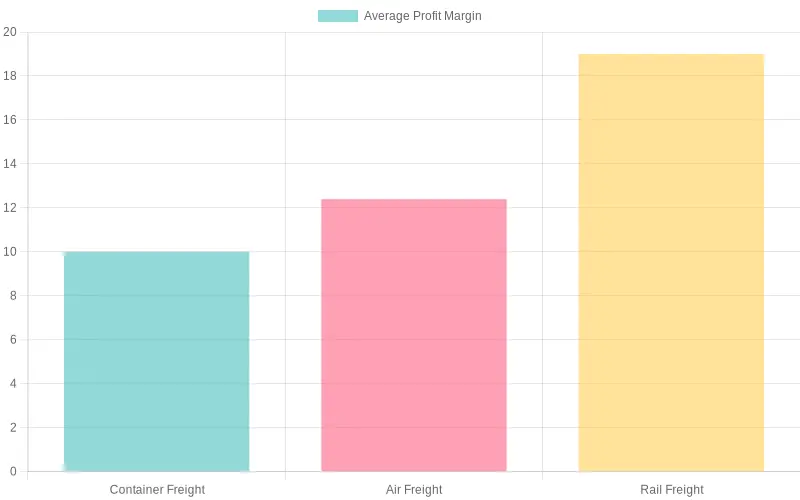
The logistics and freight industries present various delivery methods, each with its distinct advantages and challenges. Here, we compare truck driving with air freight and rail delivery sectors in 2023, focusing on profitability.
Profitability Overview in 2023
| Delivery Sector | Average Profit Margin | Key Advantages | Key Challenges |
|---|---|---|---|
| Truck Driving | 8% – 12% | Highly flexible; door-to-door delivery; adaptable for various cargo types. | Affected significantly by fuel price volatility; overcrowded roads; driver shortages and regulatory constraints increase operational costs. |
| Air Freight | 12.4% | Best for high-value, urgent goods; extensive global network coverage. | Extremely high operational costs (fuel, landing fees); limited capacity; sensitive to weather and airspace regulations. |
| Rail Delivery | 17% – 21% | Cost-effective, low unit transport cost; high energy efficiency with reduced carbon emissions; ideal for bulk goods over long distances. | Lower flexibility compared to trucks; reliance on terminal infrastructure; longer transit times due to schedule constraints. |
Summary
In summary, while truck driving offers flexibility, it ranks lower in profitability compared to rail freight, which boasts the highest margins in the industry. Air freight, though profitable, is constrained by high costs and capacity issues. Understanding these dynamics can help logistics companies strategize effectively to optimize their operations.
For further insights into the trucking industry’s economic challenges and opportunities, learn more about the latest trends.
The Profitability of Trucking Businesses
Understanding the profitability of truck driving businesses is crucial for stakeholders in the logistics and freight sectors.
“Small and medium-sized trucking companies are operating on razor-thin margins-often below 3% net profit-which makes them highly vulnerable to fuel price spikes and insurance cost increases. Without strategic cost management and access to capital, many fleets are unable to sustain operations beyond a few years.”
- Dr. Emily Chen, Senior Economist at the American Trucking Associations (source)
The trucking industry is a cornerstone of the global economy, yet it faces numerous challenges that can hinder profitability. Factors such as rising operational costs, driver shortages, and regulatory compliance directly affect profit margins, making effective business strategies essential.
Key Insights:
- Profit Margins: According to reports, small trucking businesses often operate at profit margins below 3%.
- Cost Management: Strategic cost management in areas like fuel procurement and maintenance is critical to increasing profitability.
- Economies of Scale: Larger fleets benefit more from operational efficiencies than smaller operations, emphasizing the need for scaling and partnerships.

In summary, a thorough evaluation of the financial landscape reveals that while the trucking industry remains vital, profitability requires careful management and strategic planning.
Conclusion: Unlocking Profitability Insights in Truck Driving Businesses
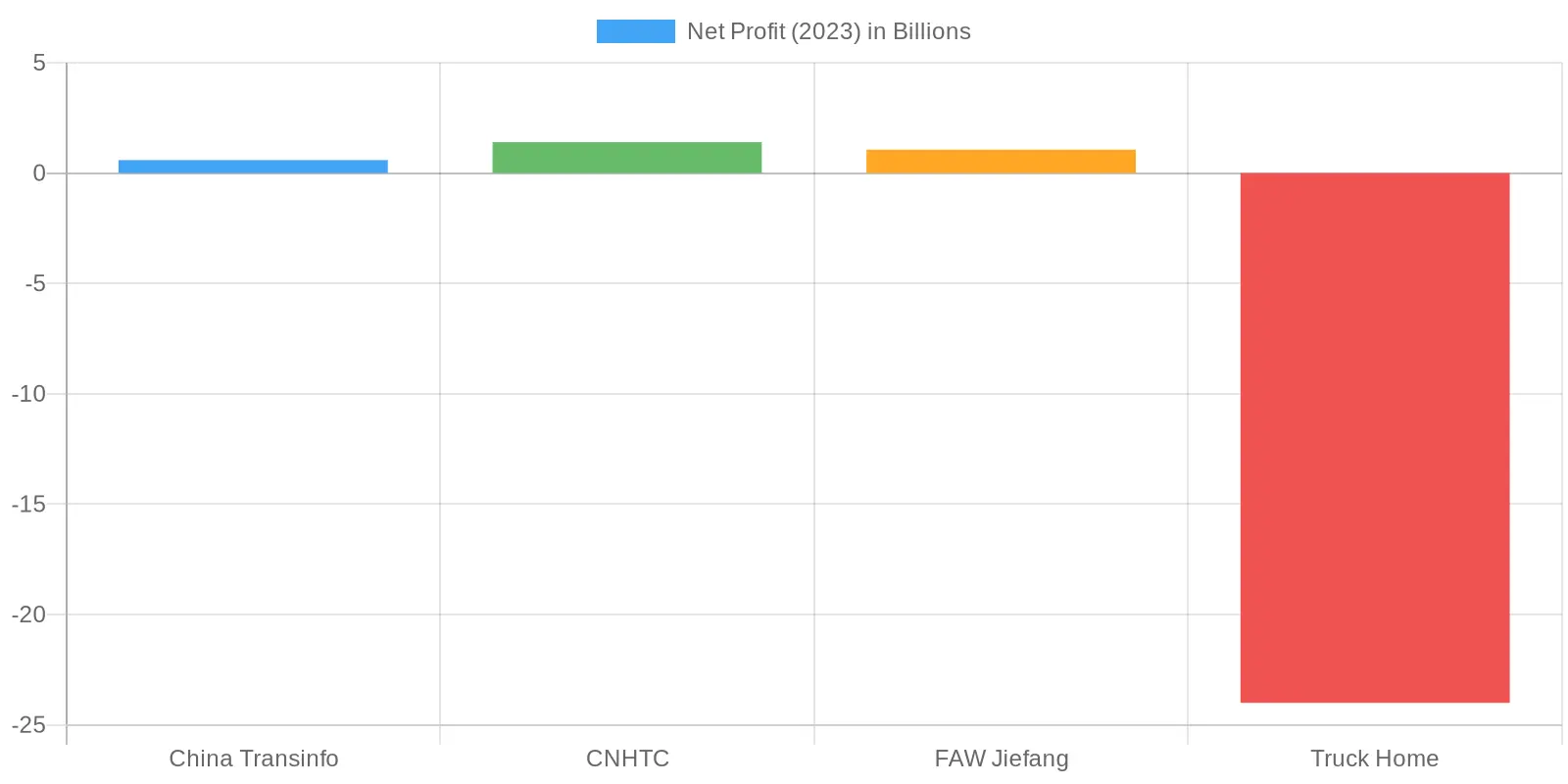
In the dynamic landscape of the truck driving industry, understanding profitability metrics is paramount for fostering business growth and making informed decisions. As highlighted in the recent data, major trucking platforms have reported sharp increases in profitability figures, even as the earnings of individual drivers have declined. Notably, companies like China Transinfo and FAW Jiefang showcased significant net profits in 2023, indicating a larger trend where corporate profitability does not always translate into improved financial health for everyday drivers. For instance, many independent owner-operators are grappling with rising operational costs and competitive pricing pressures which result in squeezed profit margins, often reported to be between only 10%-15%.
Key Insights:
-
Revenue vs. Profitability: While some trucking companies report multi-billion dollar revenues, the net profit margins vary significantly, emphasizing the need for small fleet owners and independent drivers to carefully analyze their financial health. For example, although some companies yield high revenues, low profit margins expose them to greater financial risks during economic downturns. The current profitability insights reveal a precarious existence for many drivers, where the costs of operations often outweigh the earnings.
-
Data-Driven Decisions: Effective decision-making in logistics depends on understanding profitability metrics beyond surface-level revenues. Metrics such as gross margin, contribution margin, and overall operational costs are critical for logistics managers to evaluate customer profitability. As mentioned in Logistics Management, these insights facilitate better pricing strategies and the elimination of unprofitable routes or customers. Companies that leverage a data-centric approach can better anticipate market shifts and align their logistic strategies accordingly.
-
Strategies for Growth: To sustain growth in this challenging environment, trucking businesses must adopt advanced technologies and innovative solutions to enhance their operational efficiencies. Those willing to invest in digital platforms for optimizing their routes and improving fleet management can witness marked improvements in their profit margins. Such strategic investments help mitigate risks associated with high operational costs including fuel and maintenance, ultimately leading to a more resilient business model.
Call To Action
Understanding these dynamics is essential for logistics companies, construction firms, and fleet managers who aim to drive their profitability forward. Now, more than ever, businesses must adopt a strategic approach to profitability by accessing robust solutions that empower their operational efficiencies. We encourage you to explore Summit Fairings’ offerings to enhance your fleet’s capabilities and create pathways for sustainable growth.
By recognizing the critical role of profitability metrics and staying ahead through calculated decision-making, your business can not only survive but thrive in the competitive world of logistics.