
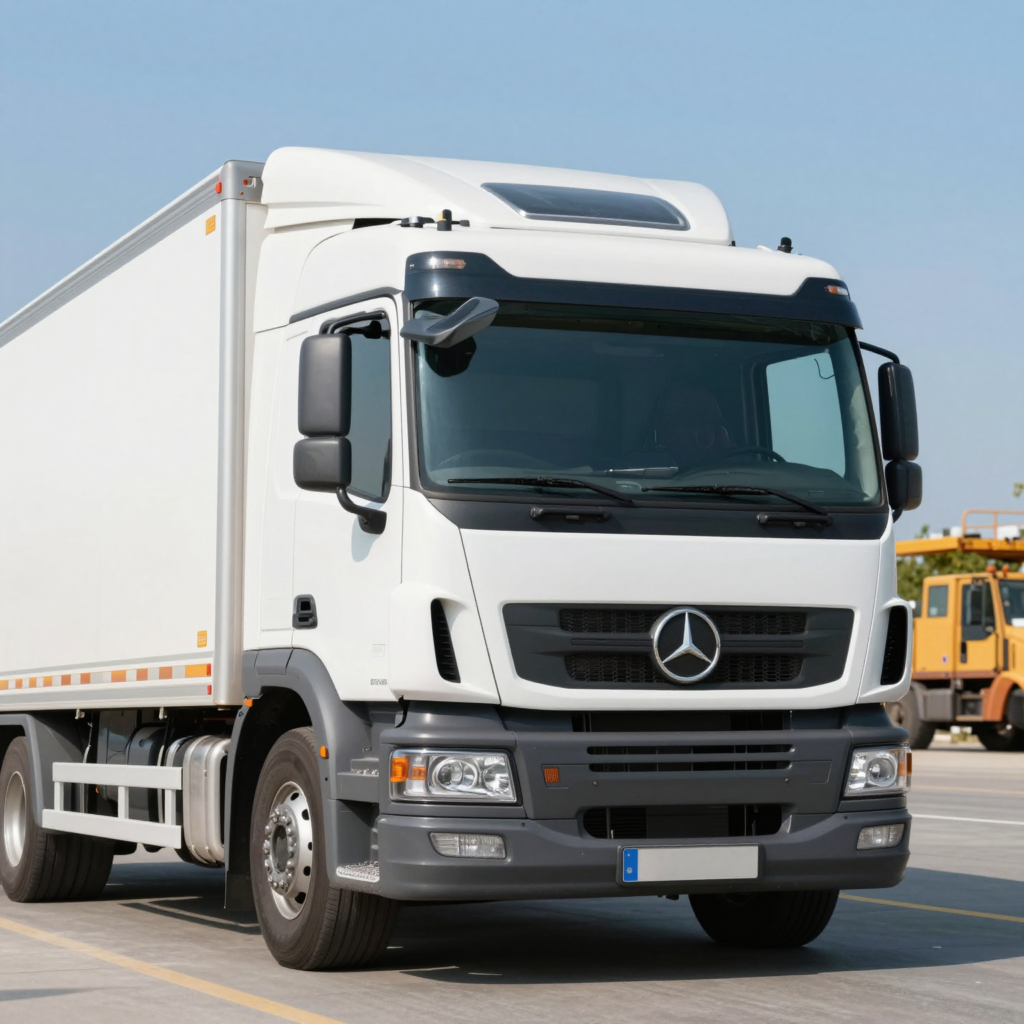
In the fast-paced worlds of logistics, construction, fleet management, and food & beverage distribution, success hinges on efficiency and reliability. As these industries continue to evolve, the decision to purchase the right truck becomes integral to operational performance. A strategically chosen vehicle doesn’t just fulfill a role in transportation; it plays a crucial part in cost management, resource allocation, and overall business productivity. Whether you’re hauling freight across vast distances or delivering fresh produce to local markets, the right truck empowers companies to enhance their delivery timelines, minimize operational disruptions, and ultimately improve customer satisfaction.
Understanding the specific needs of your business, such as payload capacity, fuel efficiency, and the technologies that support today’s logistics operations, is essential for making an informed decision. Investing in a well-suited truck can lead to significant long-term cost savings and adaptability in a fluctuating market. This guide will delve into the critical aspects of purchasing trucks for various business needs, helping you to navigate the complex landscape of options and regulations. Learn more about regulatory challenges and transforming fleet management to ensure your operations stay ahead in a competitive environment.
Key Benefits of Owning a Truck for Business
Owning a truck can transform your operations, offering numerous advantages tailored to various sectors, including logistics, construction, fleet management, and distribution:
- Enhanced Efficiency: Trucks allow businesses to streamline operations, ensuring cargo is delivered on time and reducing downtime in logistics and distribution.
- Increased Flexibility: Businesses can adapt to changing project demands and customer needs without relying on external transportation services, crucial for construction projects.
- Cost Savings: With a dedicated truck, companies can minimize transportation costs, reduce reliance on third-party logistics, and maximize profit margins through direct control over logistics expenses.
- Improved Service Quality: Owning a truck enables better management of delivery schedules, ensuring reliability and timely service, thereby enhancing customer satisfaction.
- Asset Control: Trucks are valuable business assets that can appreciate in value, providing long-term financial benefits and options for asset financing.
For deeper insights into maximizing truck ownership’s benefits, consider Transforming Fleet Management and Navigating Fleet Challenges in your operational strategy.
Financial Considerations for Buying a Truck for Business
When procuring a truck for your business, it is crucial to carefully evaluate various financial factors that can significantly affect your financial performance and operational efficiency. Here are some critical considerations:
- Total Cost of Ownership (TCO)
Understanding TCO is essential as it encompasses all costs associated with acquiring and operating a truck throughout its useful life. This includes:
-
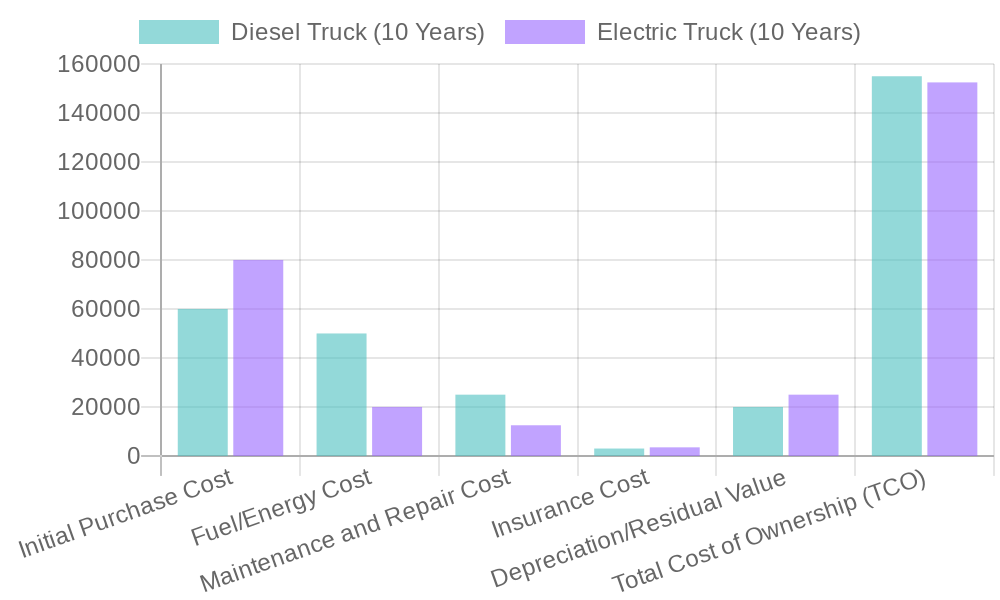
Initial Purchase Cost: Depending on the type, the initial price for diesel trucks ranges from $50,000 to $70,000, while electric trucks typically range from $70,000 to $90,000.
-
Fuel/Energy Cost: Over ten years, diesel trucks are expected to incur fuel costs between $40,000 and $60,000, compared to $15,000 to $25,000 for electric trucks, reflecting lower energy costs and higher efficiency.
-
Maintenance and Repair Cost: Diesel trucks generally require $20,000 to $30,000 in maintenance, while electric trucks see lower expected costs of $10,000-$15,000.
-
Insurance: Annually, insurance can cost $2,500 to $3,500 for diesel trucks and $3,000 to $4,000 for electric trucks, due to rising premiums for newer technologies.
-
Depreciation/Residual Value: After ten years, diesel trucks may lose $15,000 to $25,000, while electric trucks might see a depreciation of $20,000 to $30,000, resulting in a lower overall TCO for electric trucks in terms of asset recovery.
TCO Summary
Diesel trucks have a TCO of approximately $155,000 over ten years, while electric trucks are around $152,500. The advantages in operational costs can favor electric trucks, particularly with advancements in battery technology and government incentives.
- Financing Options
It is essential for business owners to explore various financing options:
- Loans: Traditional bank loans, or loans through specialized truck financing companies often provide competitive rates.
- Leasing: This allows businesses to use a truck for a specific period, usually at lower upfront costs.
- Grants and Incentives: Be sure to inquire about state or federal grants for electric vehicles, which can substantially reduce initial expenses.
-
Tax Deductions
In 2023, businesses can take maximum advantage of tax deductions when purchasing trucks under Section 179. For qualifying vehicles, businesses may deduct up to $1,160,000 in the year of purchase, with bonus depreciation allowing for a 100% deduction on trucks placed in service during the year. Proper documentation and showing that the vehicle is used primarily for business purposes are essential. For more details, visit IRS.gov. -
Operating Expenses
Common ongoing operating expenses include:
- Fuel or energy expenses
- Maintenance costs
- Insurance premiums
- Licensing and registration fees
Understanding these recurring costs will help accurately forecast cash flow and maintain profitability.
In conclusion, evaluating the financial aspects of purchasing a truck for business use can aid logistics, freight, and construction companies in making informed decisions that enhance their operational efficiency and financial viability. Be proactive in your financial planning to ensure sustainable growth in your business.
Truck Model Comparison
When considering the right truck for your business, it’s essential to compare various models based on key specifications such as engine type, payload capacity, fuel efficiency, and price. Below is a summary of three popular truck models tailored for business needs:
| Truck Model | Engine Type | Payload Capacity | Fuel Efficiency | Price |
|---|---|---|---|---|
| Ford F-250 Super Duty | 6.7L V8 Turbo Diesel | 3,200 lbs | 20 MPG | $44,000 |
| Chevrolet Silverado 2500HD | 6.6L V8 Gas / Diesel | 3,689 lbs | 19 MPG | $43,400 |
| Ram 2500 Heavy Duty | 6.4L HEMI V8 | 4,010 lbs | 17 MPG | $44,900 |
This table highlights just a few of the many options available for businesses in need of reliable trucks. For more insights on the future of trucking and the latest trends in the industry, feel free to read more about the future of trucking under current administration or explore our strategies for combating cargo theft.
Legal and Regulatory Considerations When Purchasing a Truck
When acquiring a truck for business operations, businesses must navigate a complex landscape of legal and regulatory requirements that govern the purchase and use of commercial vehicles. Understanding these requirements is essential to ensure compliance and mitigate potential risks.
Licensing Requirements
One of the foremost steps is obtaining the necessary licenses. Businesses must acquire a USDOT (U.S. Department of Transportation) number from the Federal Motor Carrier Safety Administration (FMCSA), which is mandatory for companies operating in interstate commerce. Additionally, if the business intends to transport goods across state lines, securing an MC number (Motor Carrier number) is also crucial. This registration process ensures that companies meet safety standards while facilitating accountability in the transportation industry.
Insurance Coverage
Securing appropriate insurance is another critical consideration. Most businesses must carry several types of insurance, including:
- Liability Insurance: This protects against claims of bodily injury or property damage.
- Cargo Insurance: Covers the value of goods being transported.
- Physical Damage Insurance: Offers coverage for damages to the truck itself.
Comprehensive insurance coverage is not only a legal requirement in many jurisdictions but also a safeguard against potential financial losses.
Compliance with Regulations
In addition to licensing and insurance, compliance with regulations is integral when operating a commercial truck. Key regulatory benchmarks include:
- Adherence to emissions standards established by the Environmental Protection Agency (EPA) and state agencies such as the California Air Resources Board (CARB), especially if the truck will operate in environmentally sensitive areas.
- Compliance with the FMCSA’s Hours of Service (HOS) rules to ensure driver safety and avoid fatigue-related incidents.
- Obligations surrounding the use of Electronic Logging Devices (ELDs) for tracking driving hours.
- Compliance with Hazardous Materials Regulations (HMR) if transporting hazardous materials, which includes specific training and placarding requirements as set forth by the FMCSA.
By understanding and adhering to these legal and regulatory requirements, businesses can streamline their operations, enhance safety standards, and minimize legal risks. For further insights into industry regulations, you can learn more here.
Market Trends in Truck Purchases
In 2023, truck purchases, particularly in the logistics and construction sectors, showed a robust growth trend driven by several key factors: an increasing demand for efficient delivery solutions, a shift towards electric vehicles, and a general recovery in infrastructure investments following the pandemic.
Electric Truck Sales Growth
According to recent data, electric truck sales have witnessed significant growth:
- Logistics Sector: From a 35% growth in 2022, electric truck sales surged to 53% in 2023. The logistics sector is focusing on urban transportation, where electric trucks excel due to lower range requirements and favorable urban delivery conditions.
- Construction Sector: The transition in construction is slower but promising, with a move from 28% growth in 2022 to 41% in 2023. Advances in battery technology and mobile charging solutions are enabling more construction companies to adopt electric fleets for regional hauls.
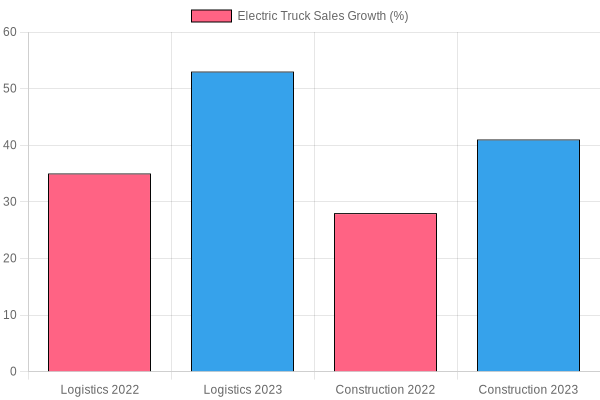
These trends indicate a growing acceptance of electric trucks as viable alternatives to traditional diesel models.
Market Share Distribution
A recent analysis provided insights into market share across truck types:
| Truck Type | Market Share (%) | Sector Focus |
|---|---|---|
| Traditional Diesel | 60% | Logistics and Construction |
| Electric | 30% | Logistics and Construction |
| Natural Gas | 10% | Logistics and Construction |
The increasing market penetration of electric trucks aligns with both corporate sustainability goals and regulatory pressures regarding emissions reductions. Companies in logistics and construction should consider these trends when making purchasing decisions, as the landscape continues to shift toward greener alternatives.
For further insight into the evolving dynamics in truck purchases, explore our resources on trucking sustainability initiatives and the impact of emissions regulations.
Expert Tips for Selecting the Right Truck for Your Business
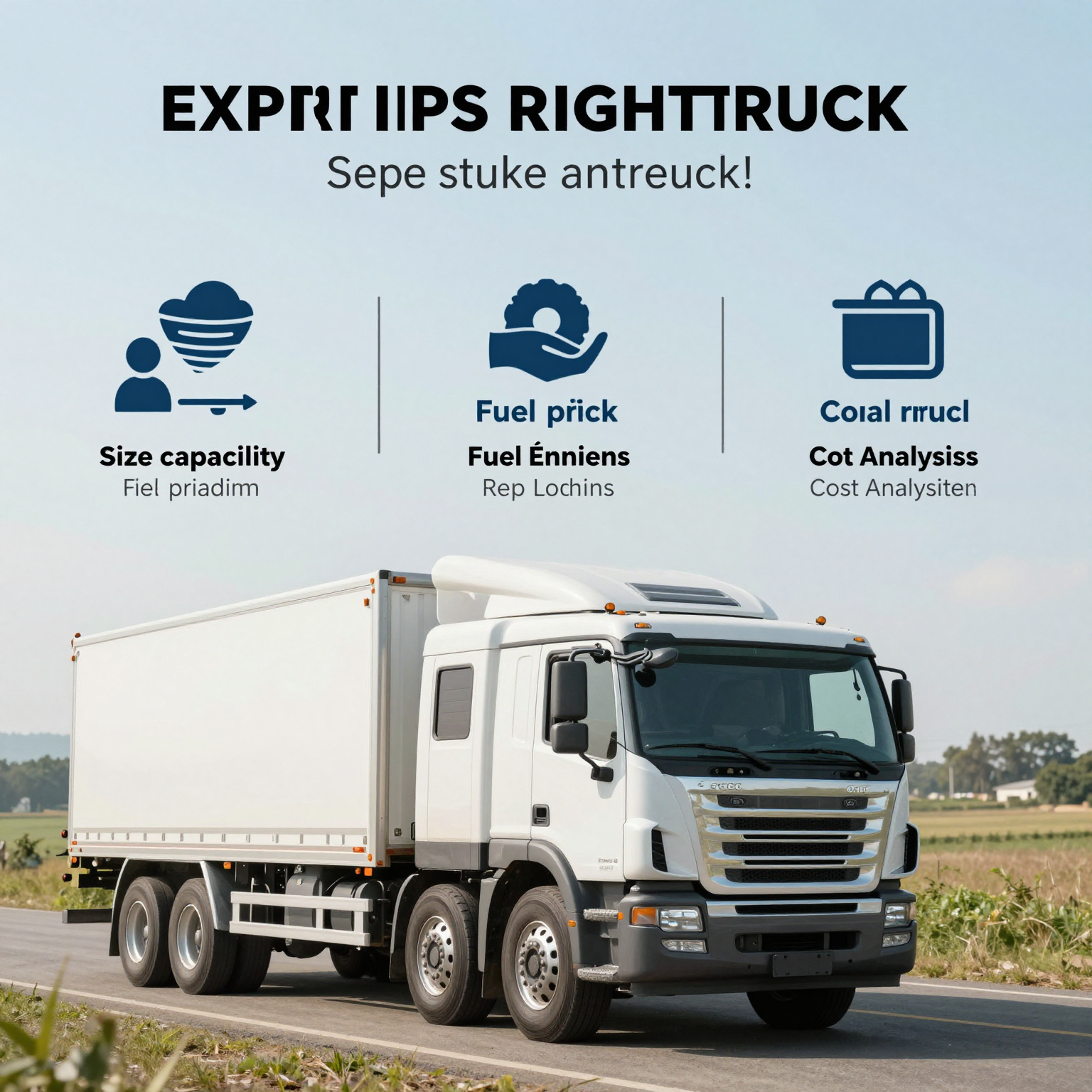
Selecting the right truck is a critical decision for businesses, especially for logistics and freight companies, construction firms, and distributors. Here are several expert tips to consider based on operational needs, size, capacity, and fuel options.
1. Assess Your Business Requirements
Before purchasing a truck, it’s essential to evaluate your specific operational needs:
- Cargo Type: What will you transport? Different types of cargo require different truck configurations (e.g., refrigerated trucks for perishables, flatbeds for construction materials).
- Load Capacity: Analyze the weight and volume of your typical loads. Make sure to select a truck that can handle your needs without compromise.
- Route Considerations: Consider whether your routes are predominantly urban or highway. Urban routes may require smaller, more maneuverable trucks, whereas long-haul routes necessitate larger, more fuel-efficient models.
2. Evaluate Truck Specifications
Understand the technical specifications of the trucks you are considering:
- Payload Capacity: Ensure the truck can carry the required weight without exceeding performance limits. Check the Gross Vehicle Weight Rating (GVWR).
- Engine Power: Assess the horsepower and torque needed for your typical driving conditions. More powerful engines may be required for hauling heavy loads or driving on hilly terrain.
- Transmission Type: Decide between manual and automatic transmissions based on driver comfort and ease of operation.
3. Consider Fuel Efficiency and Fuel Type
Fuel costs are a significant aspect of total cost of ownership (TCO):
- Fuel Options: Evaluate the availability of diesel and alternative fuel options such as CNG, LNG, or electric vehicles to meet regulatory requirements and reduce emissions. New regulations are heavily influencing fuel choices in the trucking industry (learn more about the impact of regulations).
- Fuel Efficiency: Look for trucks that offer better miles per gallon, which translates to lower operating costs. Use the EPA’s SmartWay program to identify fuel-efficient models.
4. Analyze Total Cost of Ownership (TCO)
Total cost of ownership includes more than just the purchase price:
- Maintenance Costs: Choose trucks known for reliability and lower maintenance costs to reduce downtime. Brands with robust service networks can minimize repair times.
- Depreciation: Understand how different truck models depreciate over time, and choose models that retain their value well (check out current market trends).
5. Safety Features and Driver Comfort
Investing in safety and comfort can reduce accidents and improve driver satisfaction:
- Advanced Driver Assistance Systems (ADAS): Features such as lane departure warnings, automated braking, and adaptive cruise control can enhance safety, especially on long hauls.
- Ergonomic Design: Comfortable seating and user-friendly controls can reduce driver fatigue and improve productivity in the long term.
6. Research and Test Drive
Finally, don’t rely solely on specifications:
- Test Drive: Schedule a test drive to better understand how the truck handles. Pay attention to visibility, driving comfort, and responsiveness.
- Seek Reviews: Research reviews and talk to other business owners who have made similar purchases to gain insights into real-world performance.
Conclusion
Selecting the right truck for your business requires a thorough understanding of your specific needs and the available options in the market. By considering these expert tips, you can make an informed decision that aligns with your business objectives and operational demands. For further insights on truck selection, check out this resource on type selection.
Reference
For detailed information on truck purchasing trends and specifications, refer to industry publications and guidelines.
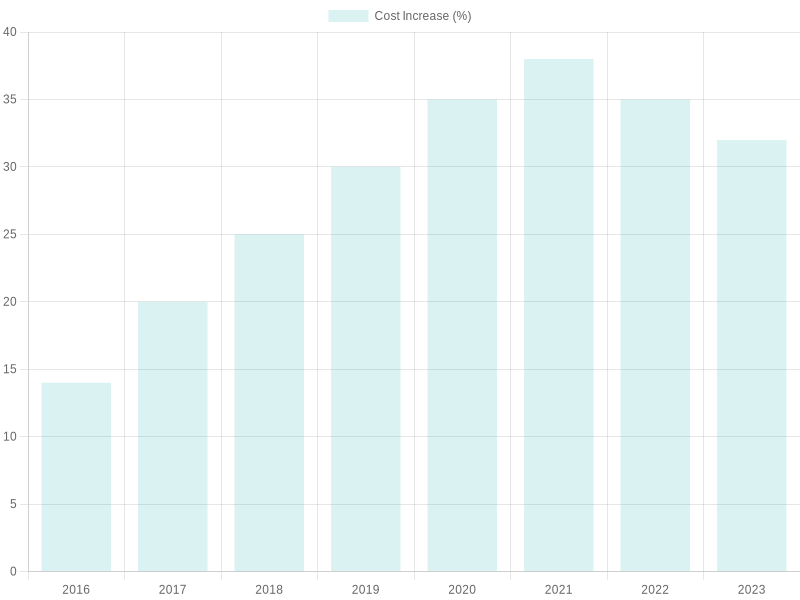
This chart visually represents the trends in truck ownership costs over the past few years, highlighting increases in costs related to maintenance, insurance, and fuel. The trend indicates a reasonably steady increase, which is an essential consideration for logistics and freight companies, construction and engineering firms, and other entities involved in fleet management.
Conclusion and Call to Action
Choosing the right truck for your business is not just a matter of preference; it can significantly influence your operational efficiency and bottom line. Throughout this article, we discussed critical factors such as payload capacity, fuel efficiency, and adaptability to your specific logistics needs. Whether you’re managing a fleet for a freight company or involved in construction and engineering, selecting the optimal vehicle can lead to substantial cost savings and enhanced productivity. Additionally, a proper choice can prepare your business to tackle challenges such as cargo theft and the evolving regulatory landscape affecting the trucking industry, as evidenced by regulatory insights and cargo security strategies.
As you move forward, we encourage you to carefully evaluate your requirements and consider how each truck’s configuration aligns with your operations. For those looking to enhance their performance, explore high-quality products like the motorcycle fairing kits from Summit Fairings. These fairings are designed to provide excellent performance without compromising on style and safety, catering perfectly to both everyday riders and adventure seekers alike. Diving into the right investments now can yield substantial dividends for your business in the long run.