
Owning an ice cream truck business merges the art of culinary delight with the nuances of mobile operations. For logistics and freight companies, construction firms, fleet management entities, and food distributors, the journey into the ice cream sector demands a well-prepared strategy. Each chapter of this guide will equip you with the necessary insights, from research and legal requirements to acquiring vehicles and marketing, enabling informed decisions that enhance your operational viability in this unique niche market.
Planning the Route: Research-Driven Blueprint for Owning an Ice Cream Truck Business
Every successful ice cream truck story starts not on a sunny street but in a careful plan, a map of market signals, costs, and practical steps. The idea of a rolling kitchen delivering frozen treats to parks, schools, festivals, and beaches sounds simple, yet the path from dream to dough requires disciplined groundwork. Real-world markets show a robust appetite for mobile ice cream, with the traditional ice cream truck market valued at about USD 1.2 billion in 2023 and accounting for roughly two-thirds of total market revenue. That scale matters, but the local rhythm matters more. A plan that aligns with climate, foot traffic patterns, event calendars, and community tastes has a far better chance of turning a single truck into a sustainable venture. Planning, then, is the engine that drives every other decision along the route.\n\nMarket research is the first milestone. It’s more than identifying a high-traffic corner; it’s a process of validating where customers are likely to gather and when they will crave something cold and sweet. Summer may bring the most heat, but it also stretches the field of competition. A feasible plan asks pointed questions: Which parks are busiest after school hours? Which beach access points have permitted vending? Are there recurring community events that reliably pull crowds? Most important, what are the local price levels, and how much traffic can a single truck realistically serve in a given window? The answers frame your forecast, pricing, and even the menu. A well-informed forecast that couples daily capacity with seasonal demand reduces the risk of over-investment or underutilized equipment.\n\nA clear business model and a defined niche help you stand out in a crowded field. You might start with classic flavors while weaving in premium ingredients or dietary options. Or you could lean into specialty items—gelato, frozen yogurt, or vegan choices—that attract specific audiences. Some operators experiment with themed experiences or customizable flavors to create memorable moments for families and school groups. The core idea is simple: differentiate not just by taste, but by how you deliver it, when you operate, and how you engage with customers throughout the day. This differentiation feeds loyalty, word-of-mouth referrals, and social media buzz, all of which can compound your growth over time. To many new owners, a single truck is a launchpad, not a final destination. That mindset matters because it invites ongoing experimentation, guided by customer feedback and sales data rather than instinct alone.\n\nLegal and regulatory readiness is the practical foundation that makes growth possible. You will need a business license and food handling permits, and you must understand the rules for mobile vendors in your city or county. An employer identification number is often required if you’ll hire staff. Insurance is not optional; general liability and vehicle coverage tailored for commercial use provide protection against the unpredictable, from weather disruptions to mishaps on busy sidewalks. Health department compliance regarding food storage temperatures, sanitation, and safe handling becomes a recurring checkpoint, especially as you introduce new flavors or expand to additional vehicles. A robust compliance baseline reduces risk and increases your credibility with customers and partners at events.\n\nThe vehicle and equipment choice is both a financial and a culinary decision. You can purchase a used refrigerated van or truck or lease one, provided it can reliably maintain the temperatures required for frozen products. Inside, essential equipment includes reliable freezers, possibly a soft-serve unit if you offer that feature, and dependable coolers for ingredients. A modern, mobile-friendly payment system—the option to take cards and mobile wallets—can dramatically improve throughput during peak moments. Signage and branding are not afterthoughts; they are part of your in-person sales pitch. A well-branded truck signals reliability and quality as soon as a potential customer spots you from across a park lawn or a crowded street corner. Carrying spares and planning maintenance for refrigeration units and generators reduces downtime when demand is highest.\n\nMenu design and ingredient sourcing are the heart of the operation. Start with 3–5 core flavors that travel well and store consistently. Build in add-ons like sprinkles, syrups, and whipped cream to boost ticket size. Seasonal specials can create excitement and align with local events. Your sourcing strategy should prioritize freshness, consistency, and safety. Establish relationships with reputable suppliers who can deliver steady quality and predictable inventories. Consider offering options that appeal to health-conscious customers—organic, low-sugar, or vegan items—without compromising flavor. A menu that feels thoughtful and well balanced helps you manage waste and protect margins over time. The goal is not to chase every trend but to curate a dependable lineup that scales cleanly as your operation grows.\n\nPricing strategy and margins are where the numbers meet appetite. Start with a clear cost-per-unit calculation that includes ingredients, labor, fuel, maintenance, and potential fees for event participation. Aim for healthy gross margins, often in the 60–70% range in this business, while remaining competitive with local vendors. A practical approach is to price strategically for value: a basic cone or cup at a comfortable margin, plus tempting upgrades—the toppings, the premium flavor—designed to push average order value upward. If a cone costs roughly $1.50 to produce, a $4.00–$5.00 price point can be compelling, given the speed of service required in outdoor settings. The real nuance is maintaining consistent portion control, product temperature, and speed of service to prevent long lines from eroding customer satisfaction.\n\nMarketing and customer engagement are more powerful than many owners expect when they are well-timed and consistent. Social channels—sharing photos of daily locations, flavors, and smiling faces—turn ordinary routes into destinations. Partnerships with local events, schools, or festivals provide predictable revenue streams and co-branding opportunities. A strong online presence helps customers find you, follow your schedule, and plan their visits. The most successful operators weave loyalty into the experience: small incentives for repeat visits, referral discounts, or a simple punch-card approach that rewards families for returning. Beyond digital strategies, a responsive on-site attitude—friendly, quick, and attentive—can convert first-time buyers into regulars who tell their friends about the truck. The social and service dimensions reinforce the quality of the product and the reliability of the operation, creating a virtuous cycle of repeat business.\n\nOperational efficiency underpins all these elements. Route planning is not a gimmick; it’s the strategic backbone of daily revenue. Use simple mapping or GPS tools to optimize routes for minimum travel time and maximum exposure. Maintain rigorous inventory management to ensure you never run out of popular flavors during peak hours and to prevent waste on slow days. Hygiene and safety should be omnipresent, guiding everything from the cleanliness of the serving area to the handling of ingredients and the maintenance of refrigeration units. A well-run truck maintains a predictable cadence, which makes scheduling staff, if you choose to hire, far easier. It also makes forecasting easier, helping you identify when to scale up operations or dial back during off-peak periods. The more disciplined your daily management, the more resilient your business becomes to weather changes, local competition, or shifting event calendars.\n\nAs the business grows, consider pathways for expansion that preserve the brand you’ve built while opening new revenue streams. A second truck becomes feasible when you’ve proven repeatable processes, consistent cash flow, and solid supplier relationships. Catering for parties and corporate events can diversify income, while a brick-and-mortar shop or online pre-orders can extend your reach beyond street-level performance. Licensing your brand or product line may appear distant, but many operators begin by aligning with local partners who share your standards of quality and customer experience. All these steps rely on the same core discipline: a plan that remains adaptable in the face of new opportunities while staying rooted in market realities.\n\nTo anchor these ideas in a practical frame, consider the broader industry discussion around people as a critical driver of growth. For a deeper look at how investing in people can scale a mobile fleet and improve service quality, you can read about the human-centered approach in trucking leadership: Investing in People—a New Path for Trucking Fleets. This perspective emphasizes training, culture, and customer-first mindsets as essential components of sustainable expansion. The ice cream truck business follows a similar logic: every phase—from market research to menu design, from permits to promotions—benefits from deliberate people, process, and product investments. When you couple a well-researched plan with disciplined execution, the vehicle you drive becomes more than a source of revenue. It becomes a moving opportunity to build trust, delight customers, and grow a community around your brand.\n\nExternal resource: For a broader market and trend perspective, see Grand View Research’s analysis of the ice cream truck market, including size, applications, and forecasts through 2033. https://www.grandviewresearch.com/industry-analysis/ice-cream-truck-market
Navigating the Legal Landscape: From Licenses to Local Permits in Owning an Ice Cream Truck
Owning an ice cream truck is as much a legal undertaking as it is a culinary venture. The heat of summer and the appeal of a mobile treat can lure eager entrepreneurs, but the success of the enterprise rests on a foundation of compliance that often goes unseen. The legal terrain can feel labyrinthine, yet it is navigable with a clear plan, steady documentation, and a willingness to stay aligned with local health rules, vehicle regulations, and business taxes. In the real world, the difference between a bright idea and a bustling, reliable operation is often just the quality and timeliness of the compliance steps you take before you roll your first ice cream into the street. A thoughtful approach to legality protects customers, staff, and your growing brand while preventing costly delays and fines that can derail an ambitious launch.
Before you buy the truck or finalize a flavor lineup, it helps to decide how you want to structure the business. Legal formation is not merely a formality; it affects liability, taxes, and funding. Many small ice cream ventures start as a sole proprietorship, which is simple and inexpensive but exposes the owner to personal liability for business debts. Others opt for an LLC or similar entity to create a separation between personal assets and business obligations. Regardless of the form, you’ll want to obtain a federal Employer Identification Number (EIN) from the Internal Revenue Service, even if you plan to operate as a sole proprietor. An EIN is useful for opening a business bank account, hiring employees, and maintaining clean financial records as the enterprise grows. The process is straightforward and can be completed online, but the outcome matters: it positions you for clean bookkeeping, easier tax reporting, and clearer credibility when you approach suppliers and event organizers.
The heart of any ice cream venture lies in how you handle food safety. You will need a food handler’s permit, and most jurisdictions require a mobile or temporary food establishment permit issued by the local health department. These permits are not mere boxes to check; they ensure that your operation complies with basic sanitation practices, proper refrigeration, and safe handling of perishable goods. Health inspectors typically conduct routine visits to verify that your storage temperatures stay within safe ranges, that your equipment is clean and well-maintained, and that your staff follow established hygienic practices. Even beyond compliance, establishing strict food-safety standards creates trust with parents, schools, park officials, and customers who value reliability and safety as much as taste. You should budget for initial inspections, potential kitchen or service area upgrades, and ongoing training for anyone who works with the product.
Equally important is the vehicle itself. Your ice cream truck is a motor vehicle and will require proper vehicle registration with the state’s Department of Motor Vehicles. You may need to title the vehicle and affix license plates, and depending on the vehicle’s weight and configuration, you might be subject to a commercial driver’s license (CDL) requirement. These rules vary by state, so a careful early check-in with the DMV helps you avoid surprises at the street curb or during event setups. The refrigeration system, electrical supply, and safety devices on the truck are not just conveniences; they are critical compliance components. A well-maintained truck reduces the risk of breakdowns that could force cancellations and erode customer trust. Set aside funds for inspections, potential upgrades, and regular maintenance so that the vehicle remains a dependable platform rather than a hobby that keeps failing when demand spikes.
Sales tax compliance is another pillar of the legal framework. Many states require a sales tax permit for vendors selling tangible goods, including ice cream. If you operate with a storefront or a mobile unit, you will likely be responsible for collecting and remitting sales tax on every transaction. The process is typically straightforward but requires careful record-keeping and timely filings. A robust point-of-sale system that can generate clear receipts and separate tax collections from revenue helps you stay organized and reduces the risk of accidental noncompliance. As you plan, build a schedule that aligns tax liabilities with your cash flow so there is always enough liquidity to meet obligations without compromising your ability to reinvest in ingredients and equipment.
Insurance is not optional; it is a foundational risk management tool. General liability insurance protects you if a customer sustains a minor injury or if property is damaged during an event. Property coverage helps replace lost or damaged equipment in the truck, while vehicle insurance covers the truck itself in transit and when parked at a chosen location. If you decide to hire staff, workers’ compensation insurance becomes essential to cover on-the-job injuries. Insurance costs can be a surprise, especially for new operators, but they are a predictable expense that pays for itself through peace of mind and the ability to operate in a wider set of environments, including school campuses and larger festivals where vendors rely on formal coverage. The right policy not only satisfies local requirements but also signals to partners and event organizers that you are a responsible, credible operator.
Location-specific permits create another layer of complexity but are equally important. Even a legally registered business and a compliant truck do not guarantee access to every public space. Parks, beaches, school campuses, and event venues often require separate permits to operate, with rules about hours, charging methods, and waste disposal. The permitting process can involve application fees, background checks for certain types of events, and temporary signage or noise restrictions. Building a strong relationship with municipal officials, event organizers, and venue managers can smooth this friction. When you blend compliance with a proactive, respectful approach to location partners, you increase your chances of securing preferred spots during peak times, expanding your route network, and developing reliable recurring revenue from loyal communities.
Zoning and noise considerations may appear peripheral, but they shape where and when you can serve customers. Some neighborhoods and parks restrict the use of loud generators or commercial equipment during quiet hours, and some cities limit mobile vendors to specific lanes or zones. Understanding these constraints before you invest prevents late-stage adjustments and costly route changes. A well-planned operation anticipates potential conflicts and includes alternative sites or times that align with community norms. The goal is to keep the rhythm of your business consistent—regular hours, predictable locations, and a dependable product—without creating disruptions that invite pushback from residents or officials. The more you anticipate, the more you protect your brand from reputational risk as well as regulatory risk.
As you assemble your compliance playbook, remember that regulations are not a one-time hurdle but an ongoing discipline. Permits require renewal, licenses may need annual confirmation, and inspections can be scheduled on a routine basis. Create a simple, living calendar that tracks renewal dates, training refreshers, and any changes in local ordinances. Consider designating a compliance liaison—someone on your team who keeps track of documents, receipts, and regulatory updates. A dedicated person can ensure no deadline slips through the cracks, which could otherwise disrupt your schedule during a busy season. This proactive stance turns legal requirements from a source of anxiety into a structured asset that steadies growth and supports scalable expansion.
The credibility that comes with meeting all legal requirements amplifies the rest of your business strategy. Parents trust a vendor who shows receipts, certifications, and a clean, well-marked truck; schools and youth events look for vendors who demonstrate reliable health practices and insurance coverage; and event organizers seek partners who can operate smoothly under changing conditions. Legal compliance also influences branding decisions. A well-documented safety program, visible permits, and transparent pricing build a narrative of professionalism. In turn, this narrative attracts better routes, more frequent bookings, and recurring revenue that stabilizes cash flow across the off-peak season.
To weave these threads together, you can lean on broader regulatory knowledge without becoming overwhelmed. A practical step is to review official guidance on business licensing and registration from reputable sources, which typically explain the steps you must complete to operate legally in your area. As you map your path, you can also seek insights from related fields where regulatory literacy is paramount, such as mobile food service and small-business compliance programs. For broader regulatory insights in the transport and mobile operations sphere, you can explore guidance in related industry discussions that address how regulatory relief and structured compliance can support startups. regulatory-relief-winter-storms-trucking
Ultimately, legality underpins not just the ability to sell ice cream but the ability to grow with confidence. The costs and time you invest up front in licenses, permits, inspections, and insurance pay dividends in the form of reliable operations, access to preferred venues, and the trust of customers who know you take safety seriously. The steps may seem straightforward on paper, but the consequences of neglect are real and immediate: a canceled event, a confiscated vehicle, or a shutdown that could take weeks to resolve. By treating compliance as an integral part of your business design rather than as an afterthought, you create a resilient platform from which to scale—from a single truck to a small fleet serving multiple neighborhoods and events. The end goal is simple: to serve joy responsibly, legally, and consistently, so the ice cream truck becomes a familiar, welcome presence wherever you roll.
External resource for official licensing guidance: https://www.usa.gov/business-licenses
Gearing Up for the Sweet Ride: Mastering Vehicle and Equipment Acquisition for Your Ice Cream Truck
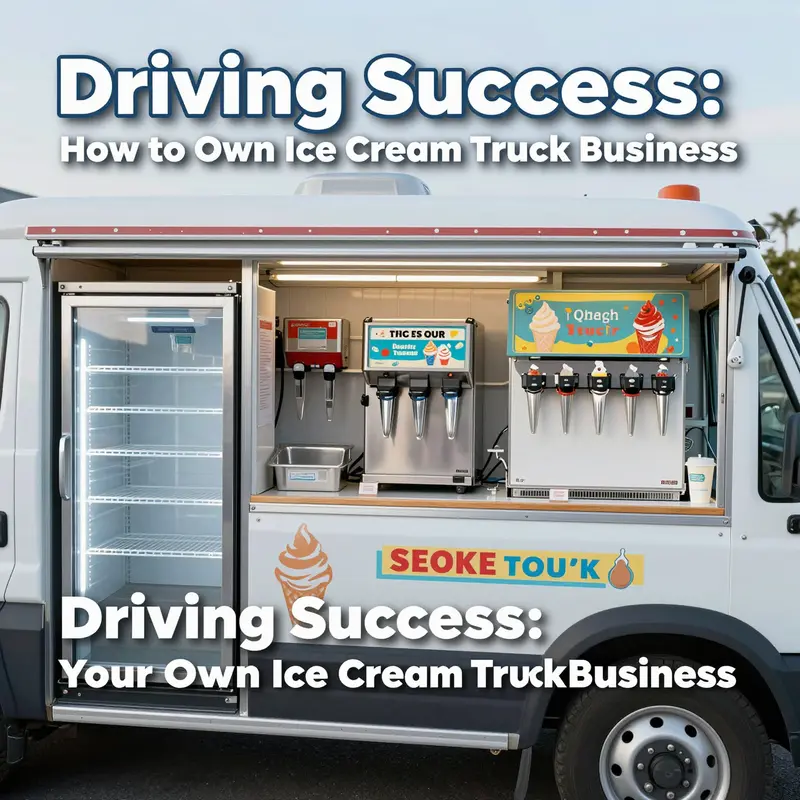
The vehicle you choose is more than a shell; it is the heartbeat of your business on wheels. The purchase or lease of a mobile unit sets the pace for service quality, menu variety, and reliability. A well-chosen truck does more than transport ice cream. It protects product integrity in heat, supports efficient workflow, and projects trust with customers. For many new owners, the path begins with envisioning the routes they will ride and the days they will serve. Then the practical questions arise: what kind of vehicle best fits your market, what equipment must travel with you, and how do you balance cost with durability?
In market terms, there are two broad routes. One option is a fully equipped, ready-to-roll mobile unit whose interior is designed for immediate operation. The other is a modular approach: a simpler chassis paired with individually sourced equipment and a custom fit-out over time. The price spectrum reflects these choices. A turnkey unit can cost from roughly seven thousand six hundred dollars, offering built-in refrigeration, storage, and specialized dispensing mechanisms. For budget-minded entrants, smaller, more flexible options exist—compact mobile units, carts, or even electric trikes with attachable ice cream components—that can be deployed in tight city corridors or festival footprints. These can be priced in the low thousands to two thousand dollars, depending on capacity, insulation, and added features. The goal is to balance upfront cash with the flexibility to upgrade as demand grows.
The heart of the decision is how you intend to operate. A larger, fully equipped truck provides uninterrupted service in peak season and in venues with longer operation windows. It often comes with more robust refrigeration, better insulation, and a dedicated workflow that minimizes spoilage and mistakes during high-traffic periods. A smaller unit, by contrast, offers agility and lower carrying costs. It can be a stepping stone into the industry, allowing you to test routes, flavors, and customer demand before committing to a larger asset. The right choice hinges on your geography, your seasonal patterns, and your appetite for risk. In many markets, the best strategy is to start with a single truck that matches your early-day objectives, and then scale as your operations stabilize and your brand grows.
Irrespective of size, the equipment inside matters just as much as the vehicle itself. The core requirements are straightforward but nonnegotiable: reliable freezers and refrigeration that maintain strict temperature control; a dispensing system tailored to your product line, whether it is soft-serve, pre-packaged pints, or novelty items; and a practical storage plan that keeps ingredients, toppings, and packaging organized and accessible. You will also need a dependable payment setup—cash handling, card processing, and a secure storage area for receipts and slope-safe cash management. In addition, a well-designed layout that supports quick service will cut down line times and improve customer satisfaction. Electrical capacity, power redundancy, and backup options can be the difference between a successful sell-out and a quiet day when the heat spikes or a generator hiccup interrupts service. The aim is to build a system that remains forgiving under pressure, so your crew can maintain smiles and speed even when crowds converge.
When you review vehicle and equipment options, you will encounter a range of price and configuration choices. A turnkey unit with refrigeration and shelving is a convenient option for entrepreneurs who want to minimize the learning curve. It reduces risk by presenting a tested workflow and a compliant, safe environment for frozen products. On the flip side, an à la carte approach allows you to curate your own set of capabilities. You may start with a sturdy, insulated cargo base and assemble the rest gradually—adding a high-efficiency freezer, a soft-serve module, or a rotating menu of toppings as you confirm demand in your core markets. Planning around maintenance costs from the outset helps keep finances sane. Equipment life spans will vary, but investing in durable, professional-grade components mitigates downtime and costly repairs later on.
In the sourcing phase, you will encounter suppliers who can ship components globally. Some operators lean into turnkey sources that offer integrated systems, while others prefer modular sourcing to optimize for price and compatibility. It is crucial to evaluate the total cost of ownership: not only the sticker price but also shipping, installation, warranties, and future upgrade paths. A reliable supplier network should provide clear technical specifications, installation guidance, and service support. Temperature monitoring devices, data loggers, and alarm systems offer added layers of protection for product quality. By pairing a solid mobile unit with a well-planned hardware stack, you establish a resilient platform for year-round operation and multi-venue events.
Branding and presentation are inseparable from the engineering side. The vehicle is your moving storefront, so the exterior design should communicate taste, fun, and trust at first glance. The right signage, color scheme, and graphics create an immediate impression that you are a professional operation. While the internal layout focuses on efficiency, the exterior speaks to your story: neighborhood-friendly, premium, or family-oriented flavors. Details like a reliable canopy for sunshine days, easy-to-clean surfaces, and non-slip flooring contribute to a safe, customer-friendly experience. If you consider expansion later—adding a second truck for rival routes or partnering with schools and events—the initial design choices should carry your brand forward, ensuring consistency across fleets.
The procurement decision also warrants a practical look at budget and financing. How much cash can you deploy upfront? Will your balance sheet support a loan or a lease? The answers will steer you toward a payment strategy that preserves operating capital for ingredients, marketing, and minor renovations. A lease or loan arrangement can align with seasonal cash flows, allowing you to refresh equipment with less financial strain as demand grows. These financial arrangements often come with maintenance and upgrade options that help you keep the fleet current without a large lump-sum cost. Regardless of the route, document all warranties and service terms, and make contingency plans for replacement parts, especially for high-use components like refrigeration units and dispensing mechanisms. A concise, well-structured maintenance schedule—covering routine cleaning, gasket inspections, motor checks, and electrical safety tests—will pay dividends in uptime and product quality.
As you finalize the vehicle and equipment package, consider how technology can streamline operations. A modern mobile ice cream business benefits from digital payments, inventory tracking, and real-time sales reporting. These tools enable you to identify best-selling flavors, optimize stocking levels, and curb waste. The experience you deliver should combine speed with accuracy, so the staff can focus on friendly service rather than grappling with clumsy processes. In addition, it is worth exploring emerging mobility technologies that gradually enter the sector. For a glimpse of how new forms of movement and automation might reshape the business, see Advancements in autonomous trucks. While not a direct fit for every operator today, staying informed about these developments can influence future decisions—perhaps a more autonomous backup plan or smarter routing software to lower fuel and time costs.
Choosing and assembling the right equipment is only the beginning. You must pair it with a sustainable maintenance routine. Create a calendar for preventive checks on refrigeration seals, motor bearings, electrical connections, and the integrity of hoses and wiring. Preventive care reduces emergency repairs, extends equipment life, and protects your reputation. It is also wise to have backup components on hand for critical parts such as gaskets, seals, belts, and filters. These back-up items minimize downtime when replacements are required mid-season. A robust stock management approach—tracking inventory levels, reorder thresholds, and usage patterns—reduces waste and ensures you can respond quickly to demand spikes without overstocking.
Finally, the journey to owning a mobile ice cream business does not end with the vehicle and gear. The acquisition choices you make today influence your risk profile, operating costs, and the experience you deliver to customers tomorrow. A sound strategy asks you to balance ambition with pragmatism: price with durability, speed with accuracy, brand appeal with reliability. The road to success includes a phased approach to growth. Start with one reliable platform, prove the concept, and reinvest profits into better equipment, a refined menu, or perhaps a second truck once revenues justify the investment. With thoughtful planning, you can convert a scratch-built dream into a dependable, scalable operation that serves smiles, not just scoops.
In practice, the most critical driver of success is alignment between your budget, your routes, and your menu. Start by validating your estimates with real-world quotes from suppliers and by negotiating terms that keep your cash runway intact through the first 90 days. Seek a balance between capacity and reliability; you want enough refrigeration to prevent spoilage but not so much empty space that energy costs overwhelm profits. Consider energy efficiency as a feature, choosing equipment that performs at temperature thresholds with minimal power draw. Temperature monitors and alarms are not just gadgets—they are your early warning system for safety and quality. Build a simple SOP for equipment operation and cleaning, train staff to respect the chain of custody for frozen goods, and schedule routine inspections well before the first big event of the season. The goal is not only to equip the truck but to cultivate a mindset of disciplined operations.
External resource: https://www.alibaba.com/product-detail/Concession-Food-Trailer-Ice-Cream-Truck-Airstream_1600935453233.html
Sourcing the Sweet Truth: Strategic Ingredient Pipelines for a Mobile Ice Cream Venture
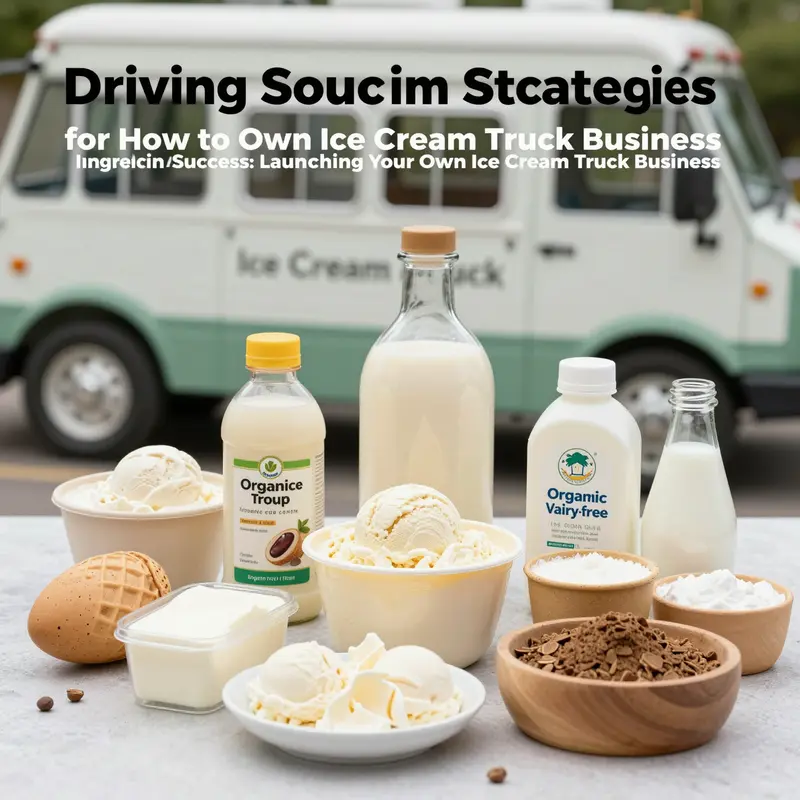
The soul of a successful ice cream truck isn’t just the flavor lineup or the gleaming smile of the operator. It sits in the cold room and on the shelves—the ingredients that roll from the whisk to the cone. In a mobile business, every flavor is a story you tell with each scoop, and that story starts with where you source your dairy, fruit, syrups, and toppings. The choosing of ingredients is not a sideline task; it is a primary driver of quality, consistency, and ultimately profitability. When you build a thoughtful, reliable sourcing strategy, you’re not just buying food. You’re shaping your brand’s integrity, its seasonal rhythm, and the trust customers place in you as a dependable, local destination for something sweet and shareable. A well-designed ingredient pipeline supports every other aspect of the business—from menu development to pricing, from operational rhythms to marketing narratives. It also acts as a hedge against supply disruption and price shocks, which are part of the reality of a truck-based operation that must follow rain, heat, and schedule with equal measure.
Prioritizing quality and freshness forms the bedrock of every strong sourcing plan. In practice, that means seeking dairy inputs—milk, cream, butter, and optional specialty products—from reputable producers who can guarantee freshness and consistent fat content, texture, and flavor. When possible, align with local dairies or regional cooperatives that can offer traceable supply chains and sustainable farming practices. Seasonal fruit should be sourced from nearby orchards, orchards, and farms whenever feasible. Local produce not only tastes better at peak ripeness but also cuts down on transport time, reducing both cost and carbon impact. Certifications such as organic or non-GMO can be compelling to health-conscious customers, especially when they appear on the menu or in signage. The key is not merely having a label but being able to stand behind the story of how and where ingredients were grown, picked, and prepared for your truck.
Developing reliable supplier relationships is the logical next step. A mobile operation benefits from partners who can deliver predictably, on time, and in the exact formats you need—bulk totes of dairy fat and base liquids for bases, frozen sugars and syrups, and a rotating stock of fresh toppings. Instead of chasing a dozen ad hoc sources, aim for a small, trusted roster of distributors who understand the demands of a portable kitchen. Establishing a clear ordering cadence, established lead times for seasonal items, and explicit quality expectations makes it easier to forecast costs and maintain consistent flavor across days and routes. In a business where a late delivery can derail a busy afternoon, dependability becomes a competitive advantage. You’ll know your margins, your inventory turn, and when to pivot flavors to align with what’s freshest in your region.
Bulk purchasing can compress unit costs, which is incredibly valuable when every inch of space in a truck counts. Yet bulk buys demand robust cold storage and precise inventory-management practices. Invest in compact, energy-efficient freezing units that integrate with your truck’s systems, and implement a simple digital tracker to monitor stock levels, shelf life, and reorder points. Rotate stock using First In, First Out, so nothing sits unused and losses to spoilage stay low. A practical rule of thumb is to pair bulk items with a reliable buffer of small-batch items that enable quick flavor changes without excessive waste. When you combine bulk efficiency with disciplined inventory discipline, you free capital that can fund new flavors, new equipment, or a second vehicle as demand grows.
Local and sustainable sourcing has benefits beyond a greener footprint. Customers increasingly reward businesses that demonstrate community commitment and environmental mindfulness. Partnering with nearby farms for fresh fruits, honey, maple syrup, or specialty ingredients supports regional economies and strengthens your storytelling. Use locally crafted chocolates, sprinkles, or cones to create regionally inspired offerings. The narrative writes itself: a truck that highlights seasonal, homegrown flavors becomes a mobile ambassador for place-based pride. This approach also shortens supply chains, reducing risk from weather or transportation hiccups and enabling swifter menu updates as seasons shift.
Diversifying your ingredient base fuels product innovation and helps you differentiate in a crowded market. Regularly test new spices, edible flowers, premium chocolate brands, or functional ingredients that offer subtle health angles without compromising taste. For example, a hint of cinnamon or cardamom can elevate a classic vanilla, while edible flowers can decorate and color naturally without artificial additives. Consider options for allergen-friendly items—gluten-free, nut-free, or vegan formulations—so you can welcome a broader audience. A diversified base invites experimentation, which keeps your menu fresh and your customers curious. The more you can responsibly source a variety of textures, colors, and flavors, the more your truck becomes a mobile dessert studio rather than a static treat cart.
Supplier collaboration goes beyond simply buying ingredients. Some manufacturers and private-label specialists can provide ready-to-use bases or pre-made frozen desserts that you can sell under your own branding. This approach cuts prep time and labor while preserving consistency across busy routes. When exploring such partnerships, evaluate not only price and ease of use but also compatibility with your flavor concepts, packaging, and service model. The objective is to preserve the hands-on craft you want to convey—without becoming a slave to back-of-house bottlenecks. In practice, this might mean offering a small, curated slate of signature items built on a core, reliable base and complemented by a rotating seasonal feature.
All of these sourcing choices hinge on clear communication and rigorous quality assurance. Create a simple set of supplier criteria and a checklist that covers temperature controls, delivery timelines, packaging integrity, and traceability. Schedule regular quality reviews with vendors, including taste tests, visual inspections, and evaluation of shelf life. Build in a feedback loop with your crew and customers so that flavor adjustments, new textures, or color accents can be implemented quickly and without sacrificing consistency across your fleet. When your operators trust the ingredients as well as the delivery schedule, service times tighten and customer delight climbs.
As you weave these sourcing strategies into your daily operations, consider the branding and storytelling opportunities they unlock. A truck that can tell the story of a local dairy farm, a nearby orchard, or a family-run confectioner through its flavors creates a powerful emotional hook. Customers feel connected not only to the product but also to the values you champion—locality, seasonality, and sustainability. This emotional resonance becomes a potent marketing lever. In turn, it supports price positioning by justifying value through quality and provenance rather than competing solely on price. A well-communicated sourcing narrative elevates your menu from a list of flavors to a living, moving brand experience that fans will seek out and share.
To weave these ideas into your operation, it helps to think of your sourcing as a continuous loop rather than a one-time setup. Start with a baseline trial period: sample several local producers, test a few bulk suppliers, and run a mini menu with both classic favorites and new seasonal items. Gather data on taste, cost, delivery reliability, and waste. Solicit customer comments in person and through social channels. Use that feedback to prune the supplier list, refine your inventory model, and adjust your flavor roadmap. In time, you’ll build a compact, repeatable system that aligns quality with cost and comfort with curiosity. A mobile business thrives when every scoop reinforces trust—trust in the ingredients, trust in the process, and trust in the people who operate the truck every day.
For a converging perspective on people-centric operations in trucking, see this related approach that places human factors at the center of fleet success: People-first strategies in trucking.
External resource: https://www.usfoods.com
Rolling Delights: Brand, Buzz, and Community—Marketing Your Ice Cream Truck for Real-World Impact
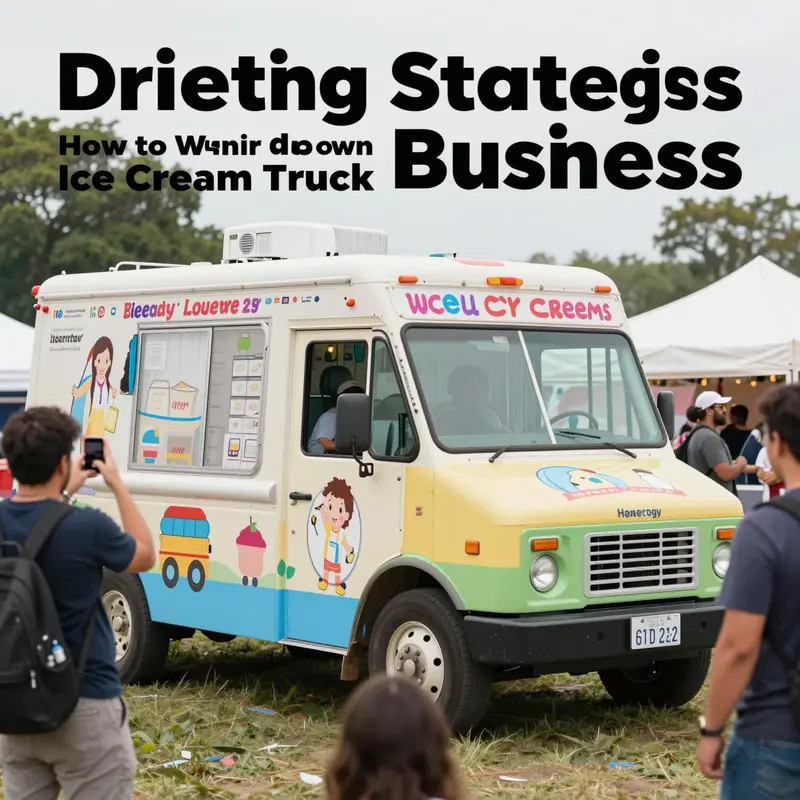
A mobile ice cream business is more than a dispenser of sweetness; it’s a rolling brand that travels through neighborhoods, schools, parks, and event grounds, carrying a story that people want to share. Marketing is not a separate add-on; it is woven into every scoop, every interaction, and every route choice. The most successful ice cream truck operators treat marketing as an operating discipline, one that blends identity, reach, and relationships into a single, coherent rhythm. When you begin with that mindset, growth stops being a leap of faith and becomes a measured, repeatable process grounded in brand clarity, audience insight, and community stewardship.
Brand is your primary compass. A compelling name, a logo that sings, and a color palette that makes your truck instantly recognizable—these elements do more than attract attention. They set expectations about what you offer and how you deliver it. Your exterior should echo the experience inside: clean, friendly, and reliable. Use bold lettering that’s legible from a distance and simple illustrations that convey flavors or themes you want to be known for. The goal isn’t just to be seen; it’s to be remembered when participants are deciding where to go for a treat after a game, during a festival, or between errands. A strong brand acts as a moving billboard that fosters trust with first-time customers and keeps them coming back.
Digital channels amplify your physical presence without costing a fortune. In 2026, social media remains the fastest, most direct way to announce location, share flavor news, and invite participation. Platforms that emphasize visuals and short-form video work best for ice cream, where mood and moment drive decisions. Post daily, even on off days, with updates on where you’ll be and what’s on the menu. Use geotags so locals near parks, schools, or beaches can discover you at a glance. Behind-the-scenes clips—soft-serve magic, topping samplings, flavor testing—give followers a peek into your craft and personality. Short videos showing customers’ reactions can be priceless social proof, turning casual observers into curious visitors. Consider interactive campaigns that invite input, such as voting for a limited-edition flavor or nominating a community cause to support with proceeds.
Loyalty and value perception are the currency of repeat business. A digital loyalty card, accessible through a simple app or QR code, gives customers a tangible reason to choose you again. Programs like “buy five cones, get one free” or “free topping upgrade after three visits” incentivize routine visits and higher average checks. Loyalty data also guides marketing decisions—which flavors perform best, what times see the most repeat visits, and which neighborhoods crave what kind of promotions. As you refine your program, balance generosity with margins and keep promotions aligned with your seasonal realities. Seasonal flavor drops, limited-time toppings, and exclusive offers for subscribers create anticipation and a measurable lift in frequency of visits.
Partnerships with events and communities are the most dependable accelerants for reach. Schools, PTA fundraisers, farmers markets, outdoor concerts, neighborhood block parties, and festival weekends offer built-in audiences hungry for something cool. A smart operator doesn’t just show up; they collaborate. Offer a portion of proceeds to a school charity, provide a discount for nonprofit events, or run a flavor fundraiser where a portion of every sale supports a local project. This approach builds goodwill, extends your footprint, and fosters lasting relationships with organizers who will invite you back year after year. Community partnerships also generate earned media—photos, shout-outs, and word-of-mouth recommendations that strengthen brand credibility beyond your direct marketing spend.
Sound and visuals remain powerful, inexpensive tools to capture attention in crowded spaces. A carefully chosen soundtrack can signal your brand’s mood—playful and retro for a family-friendly vibe, or modern and energetic for after-school crowds. Nighttime visibility matters too; LED accents around the serving window and a subtle digital display of current flavors or specials can guide late-day foot traffic. Movement helps, too—a portable banner, a small animated sign, or even a clever window graphic that shifts with the day’s menu. The goal is to create a sensory cue that people associate with you long after they’ve walked away with a smile. When combined with a clean, well-lit service window and a friendly, efficient staff, sound and visuals turn a quick visit into a memory that families talk about and share with friends.
Flavor strategy is a marketing tactic in its own right. Unique and seasonal flavors give customers a reason to seek you out repeatedly. Think rotating special offerings tied to holidays, local produce, or trending flavor themes. The thrill of trying something new draws both regulars and first-timers into a conversation—“What’s new this week?”—which you can sustain with social media teasers and countdowns. Balancing novelty with reliability is critical: keep a core lineup of crowd-pleasers so there’s always something familiar, while offering a rotating cast of specials that keep you newsworthy.
Route planning is more than logistics; it’s marketing in motion. Use data-driven tools to map out high-traffic windows and optimize your routes for visibility. Identify parks with baseball games, school pickup lines, summer concerts, and community events, then align your schedule with peak footfall. Publicly sharing your weekly or monthly route schedule, via your website or SMS alerts, gives fans a sense of ownership and predictability—powerful drivers of loyalty. A disciplined approach to routing also reduces idle time and fuel costs, allowing you to invest more in flavors, signage, and customer experience. When customers know exactly where you’ll be and when, they plan around you, and that predictability becomes a form of marketing in itself.
Within this ecosystem, the human element remains central. Marketing succeeds only when the experience matches the promise. Service quality—friendly greetings, speed, accuracy, and helpful toppings recommendations—creates positive associations that travel with your brand as you roll from one location to the next. In this sense, marketing and operations are two halves of the same coin. Your team’s demeanor, the cleanliness of your serving area, and the consistency of portion sizes shape customer perception just as strongly as a clever caption or a catchy jingle. Translating this to a broader industry perspective, consider the value of people-first approaches in trucking and mobile operations as you scale your branding efforts. People-first strategies in trucking offer a framework for aligning sales, service, and safety culture across a growing fleet of mobile units.
All this work, of course, relies on credible feedback loops. Monitor what works by tracking foot traffic patterns, social engagement, and sales lift during promotions. Simple dashboards or a spreadsheet that logs daily location data, flavor sales, and promotion uptake can reveal trends that guide future decisions. Don’t be afraid to adjust quickly—shifts in school calendars, local events, and weather alter demand, and your marketing plan should bend with those currents. Reviews from customers, comments on social media, and direct feedback at the window provide qualitative signals that complement numbers. When you respond with warmth and gratitude, you reinforce your brand’s promise and encourage community advocacy.
In practice, a chapter of marketing strategy binds together multiple threads: a clear brand that travels well, an online presence that invites discovery, loyalty structures that reward repeat visits, and partnerships that embed you in the community fabric. The most resilient ice cream truck operators innovate within those threads without losing the core identity that first drew customers in. The brand isn’t a logo alone; it’s the cumulative effect of your flavor stories, your sound and look on the street, the reliability of your routes, and the generosity of your community engagement. The road to growth is a steady cadence of small, valuable actions—consistently showing up in the right places, delivering delightful moments, and inviting people to become part of a shared experience. When these pieces align, marketing becomes less about selling a product and more about delivering joyous moments that families remember long after the last lick of summer. For readers seeking a deeper, systems-level lens on people-centric operations, the linked resource offers a broader context for translating truck-based service into broader organizational principles, while staying grounded in the practical realities of a mobile business. To stay current with evolving digital marketing dynamics for mobile food vendors, explore industry analyses and data-trends resources that illuminate the routes to sustained growth in 2026 and beyond. For a broader look at social media trends and mobile commerce in this space, you can reference external insights here: https://www.statista.com/marketing-food-trucks-social-media-2026.
Final thoughts
Launching an ice cream truck business blends culinary passion with strategic logistics. Through diligent research, adherence to legal standards, careful vehicle acquisition, quality ingredient sourcing, and effective marketing, you can carve out a niche in this vibrant market. Each step laid out in this guide provides a solid foundation for aspiring entrepreneurs and established firms alike, equipping you with the knowledge required to navigate the complexities of this unique industry. Embrace the challenge, and let your ice cream truck become a delight for your community.