
Across industries that rely on fleets, sites, and on-site operations—logistics and freight, construction and engineering, fleet management, and food distributors—a well-run food truck offers a strategic tool to support workforce meals, client engagements, and on-site morale. A formal setup demands discipline: market research that defines a niche, a robust financial plan, compliant permits, disciplined location strategy, and technology-driven operations. This five-chapter framework ties each step to enterprise needs, from understanding demand at industrial parks and campuses to financing options, regulatory pathways, site scheduling, and brand-led execution. Each chapter builds on the previous to deliver a holistic blueprint you can adapt to your organization’s scale, geographic footprint, and procurement standards. By aligning a food truck initiative with corporate goals—employee welfare, campus outreach, client hospitality, and on-site support—you gain a repeatable model for success that integrates with existing fleet and field operations. The overarching objective is to convert a mobile kitchen into a reliable, compliant, and scalable service that enhances participation, retention, and partner satisfaction while controlling cost and risk.
Seeing the Market Clearly: Turning Research into a Roadmap for Your Food Truck
From the moment you consider a food truck, you confront a field that rewards clarity as much as craft. A mobile kitchen moves, tastes change with the weather, and foot traffic ebbs and flows with events, seasons, and city rhythms. In this context, the most reliable path to success isn’t relying on a single standout recipe or a flashy truck; it’s building a foundation rooted in thorough market research and a robust, actionable plan. The aim is to translate observations into a strategy you can execute, iterate, and defend against the uncertainties that come with a moving target. When you treat market research as both a diagnostic and a design tool, you steer your concept toward a sustainable niche rather than chasing the trend du jour. This approach holds whether you’re drawn to gourmet street fare, plant-based comfort foods, or portable coffee excellence, because it anchors your decisions in real demand rather than aspirational hype.
At the heart of market research lies a simple question: what does the customer want, and where is it underserved? The landscape today offers a wealth of signals. A 2024 industry snapshot from Statista points to a street food market in the United States valued at around twenty-four billion dollars, underscoring not just appetite but the scale of opportunity. More importantly, that report notes there were more than 58,000 food trucks operating nationwide, a number that reflects both vibrant demand and intense competition. Those figures suggest a crucial insight for any newcomer: a crowded field does not doom you, but it pushes you to identify a distinctive niche rather than duplicating what already exists. Rather than a generic “burger-and-fries” approach, the smart entrant identifies where the market’s appetite isn’t fully satisfied and crafts a concept around it—be it fusion flavors, locally sourced ingredients, dietary specializations, or a portable, high-speed service model.
Market research is not only about what people say they want. It’s about watching what they actually do. Spend time in places where mobile food vendors congregate—bold food truck parks, busy farmers’ markets, university campuses, downtown entertainment blocks, and evening office clusters. Observe which trucks draw the longest lines, which menus tempt passersby, and how vendors position themselves through branding, packaging, and tempo of service. Look beyond the menu: what stories are customers sharing about their food experience? Do they value speed, price, sustainability, or novelty? Social media can be a powerful amplifier here. Analyze posts that get the most engagement, track which items receive repeated praise, and note how vendors leverage visuals and video to convey flavor and freshness. The data you collect from these real-world environments informs both the concept and the go-to-market plan. It helps you map a geographic footprint—where you’ll stand on which days, at what times, and in which kinds of venues—and it clarifies what your menu needs to deliver to outperform the competition on day one.
With these observations in hand, the next phase is translating insights into a concrete business plan. A robust plan does more than outline a menu; it crystallizes your brand promise, defines your pricing architecture, and lays out a path to profitability. This is where vision meets numbers. Start with your brand identity: what makes your truck memorable, and why should a customer care enough to seek you out repeatedly? Your mission statement should reflect a clear, differentiating value proposition—whether that’s speed and consistency, a commitment to sustainable sourcing, or a distinctive flavor profile that people can’t get elsewhere in a mobile context. This is not a one-paragraph exercise. It anchors your marketing approach, your partnerships, and the way you train staff to maintain a consistent experience across locations.
Financial planning follows closely. The upfront investment in a food truck, kitted-out kitchen, permits, insurance, and initial inventory is nontrivial. A practical planning mindset accepts that startup costs commonly range from roughly fifty thousand to well over a hundred thousand dollars, depending on whether you purchase new or used equipment, the size of the truck, and the level of customization. A comprehensive plan should itemize one-time costs—vehicle purchase or lease, kitchen equipment, vehicle graphics, a generator, and initial repairs or branding—as well as recurring expenses such as ingredients, fuel, vehicle maintenance, insurance, processing fees, and, if you’re using a commissary or shared kitchen, rental fees. Beyond the break-even math, you’ll want to model multiple sales scenarios to stress-test your assumptions. Build in conservative, moderate, and aggressive projections, and test the sensitivity of your profitability to changes in foot traffic, pricing, and cost inputs. This exercise isn’t merely theoretical; it helps you decide whether the concept is fundable by lenders or investors and, equally important, it clarifies for yourself the level of scale you’ll need to meet your financial goals.
A compelling plan also identifies your competitive advantage in practical terms. Are you offering a signature dish that can’t easily be replicated by another truck? Do you have an innovative service model—perhaps a predictable, rapid-fire menu tailored for peak-hour crowds? Or are you emphasizing sustainability in a way that resonates with a growing segment of eco-conscious consumers? Your plan should formalize these differentiators into a unique selling proposition (USP) and align them with tangible actions: menu engineering to maximize appealing items at favorable margins, branding elements that reinforce your concept, and a communications strategy that uses social channels to tell your story and attract a loyal following. The plan should also map growth opportunities—whether that means expanding to multiple trucks in different neighborhoods, launching a delivery-forward operation for events, or developing a weekend-only concept that tests new products while keeping overhead lean during weekdays. The broader aim is to craft a narrative that is adaptable across seasons and city seasons, while remaining faithful to the core brand promise.
Even the best market intelligence needs a practical framework to become actionable. Your business plan becomes that framework. It should articulate not only what you’ll do but how you’ll measure success. Short-term milestones—such as securing the first permit, completing training, or executing a six-week pilot route—should be clear and time-bound. Long-term milestones might include scaling to a second truck, entering curated event circuits, or establishing a recurring route at campus locations. Risks must be acknowledged and mitigated. Weather, supply chain fluctuations, and regulatory changes can influence both demand and cost structure. Your plan should outline contingency measures— diversifying menus to weather different seasons, establishing relationships with reliable suppliers, and maintaining reserve capital for unexpected disruptions. In short, a well‑built plan is a living document: a roadmap you revisit, revise, and realign as you gain market experience.
All of this theory comes to life through practical references and a disciplined mindset. For prospective operators seeking to anchor their planning process in proven guidance, a well-regarded external resource offers templates, budgets, and legal considerations that reflect contemporary best practices. For a step-by-step guide to creating a comprehensive food truck business plan—including templates, sample budgets, and legal requirements—visit Shopify’s Food Truck Business Guide. This resource complements the local expertise you’ll gather through your market observations and serves as a catalyst for translating insight into a structured, fundable plan. External resource: https://www.shopify.com/blog/food-truck-business-plan-template
As you refine your plan, consider the human element as well. Investment in people—training, customer service mindset, and team reliability—often determines whether a good concept becomes a sustainable business. The trucking sector has long demonstrated that people-first strategies yield better outcomes in uncertain conditions; the same logic applies to a food truck operating in a bustling city. The idea that people drive performance is reinforced by practitioners who highlight the centrality of talent development, cohesive team culture, and a customer-centric service model. You can explore these ideas further in the broader industry discussions, including perspectives on investing in people as a driver of long-term success. Investing in people key to trucking’s success.
The path from research to plans to execution is iterative. Your market realities will push you to adjust menus, refine locations, and recalibrate pricing. You will learn which neighborhoods reward your concept and which events test your endurance. The beauty of this approach lies in its flexibility: a truck found in a high-traffic daytime corridor can pivot to evening festivals, and a plant-based concept can expand into comfort-food reinventions without sacrificing the core mission. The discipline of rigorous market analysis paired with a pragmatic financial model gives you a loyal customer base, predictable revenue streams, and the confidence to weather the inevitable fluctuations of a mobile food business. With the market mapped and the plan in hand, you’re ready to secure permits, align capital, and begin the practical steps of setup—moving from idea to execution with clarity and purpose.
In short, the success of a food truck rests not on luck but on disciplined inquiry and a transparent, actionable plan. The insights you gather through market observation should inform every subsequent decision—from vehicle selection and equipment configuration to branding and location strategy. By translating signals into a clear business framework, you set a course that can sustain you through seasonality, competition, and the everyday realities of operating on wheels. This chapter is your invitation to approach the startup with eyes open, a plan that speaks to real customers, and the confidence to bring a delicious, well‑founded concept to life in the crowded world of street food.
Fueling Momentum: Securing Funding and Mastering Costs for a Thriving Food Truck Venture
Securing funding and controlling costs are the two levers that determine how quickly a food truck concept moves from dream to daily reality. In a world where street-side dining can be as competitive as it is creative, money isn’t just fuel for a truck; it’s the blueprint, the safety net, and the runway for growth. A thoughtful approach to financing begins with a rigorous inventory of needs and a disciplined plan for how revenue will cover them. It continues with a choice of funding routes that align with your timeline, risk tolerance, and strategic ambitions. And it culminates in a budgeting discipline that keeps the operation lean where it can be lean and strategically expansive where it must be expanding. When this balance is achieved, the truck doesn’t just survive; it compounds value—delivering better food, happier staff, and sustainable profits in neighborhoods that reward a dependable, high‑quality experience.
Costs in the food truck arena fall into two broad camps: upfront capital and ongoing operating expenses. On the upfront side, the literature and industry data converge around a typical range of fifty thousand to one hundred thousand dollars for a fully outfitted mobile kitchen, with the possibility of starting leaner—roughly twenty‑five thousand dollars—only if you’re willing to trade speed for frugality. The spread reflects choices about the truck itself (new versus used), how you outfit the kitchen (commercial-grade equipment versus compact, space-efficient options), the inclusion of a generator and power management solutions, craft branding, and initial inventory. Permits, licenses, and insurance sit alongside these items as non‑negotiable early outlays, since regulations treat the truck as both vehicle and restaurant. Even before a single burrito is sold, you’re funding a business license, a seller’s permit, a health permit, mobile vendor permits where required, and the registration or CDL if your jurisdiction demands it. These are fixed costs that reappear with every renewal, so they deserve front‑loaded attention in a realistic cash flow forecast.
Beyond the truck itself, a robust start-up plan should earmark costs for branding and sales channels. A strong, coherent brand helps you stand out in crowded markets and reduces the marketing dollars needed to generate word‑of‑mouth buzz. A digital footprint—quality photography, an accessible online menu, and predictable location updates—can be built gradually, but it should be anticipated early in the budgeting process. You’ll also want to reserve funds for point‑of‑sale hardware that supports contactless payments, a reliable inventory system to curb waste, and a strategy for online ordering or delivery where feasible. Every line item in this initial outlay represents a lever you’ll pull again in the months ahead as the business scales and the menu evolves.
On the ongoing side, costs are the heartbeat of sustainable profitability. Ingredients, fuel, labor, and ongoing insurance are the big-ticket items that can swing margins quickly. A well‑structured forecast estimates how many meals you need to sell at what price to cover your fixed costs while contributing to profit. This break‑even point is more than a figure; it’s a tactical tool. It tells you when a new location, a different daypart, or a revised menu can meaningfully improve the bottom line. A strong forecast also requires a cash flow view that shows not just monthly revenue, but the timing of outlays—when licenses renew, when truck maintenance is due, and when seasonal demand spikes require more inventory or staff. The reality is that even a profitable concept can stumble without disciplined working capital management: inventory turns must align with prep schedules, and payroll must align with sales velocity.
Financing strategies for a food truck venture range from traditional to alternative, but all share a few core requirements. Banks and the Small Business Administration remain the most common sources of long‑term funds, thanks to relatively favorable rates and structured repayment terms. Yet qualifying for a loan typically hinges on a strong credit history and a well‑documented business plan that demonstrates not only a concept but a clear path to profitability. If your credit profile isn’t ideal or you’re navigating early‑stage cash constraints, alternative lenders, online crowdfunding platforms, or even personal savings may bridge the gap. Grants or microloan programs exist in many regions to support minority‑owned or women‑led food service operations; these can be catalytic for early growth or for financing strategic milestones like commissary access or branding campaigns. The key, again, is to measure every option against its true cost of capital, its eligibility requirements, and its effect on your control and flexibility.
A compelling business plan is not merely a narrative; it’s a risk‑reduction instrument that shines a light on reality. In addition to a concept, the plan should present a target market, a concise competitive edge, a menu and pricing strategy anchored to market data, and a detailed forecast that includes break‑even analysis and cash flow projections. Lenders want to see that you’ve done the math and that you’ve thought through the operational realities of a mobile kitchen. This means showing how your truck will win in real neighborhoods—whether you’re serving gourmet street food, vegan comfort fare, or specialty coffee—by mapping locations, timings, and a disciplined approach to inventory and waste. It also means addressing contingencies: what will you do if a location underperforms, or if fuel prices spike, or if a permit renewal is delayed? A robust plan anticipates these questions and provides viable mitigations rather than excuses.
To maximize your chances of funding, consider a staged investment approach. Begin with a lean baseline that covers essential equipment, permits, and a small working capital reserve. As the concept proves itself—through consistent location success, predictable customer flow, and positive cash flow—you can unlock incremental rounds of financing tied to specific milestones such as adding a second location, expanding hours, or upgrading to a larger truck with enhanced efficiency. This staged approach not only reduces risk for lenders but also signals to investors that you’re capable of disciplined growth rather than rapid, unmanaged expansion. In practice, this means creating a financing plan that aligns with a realistic timeline for ramping up sales and for achieving measurable milestones, like hitting a monthly break‑even target or achieving a defined gross margin on core menu items.
An often overlooked but critical element of funding is the intangible asset of people. A well‑balanced team—drivers who understand food safety, cooks who can execute consistently, and managers who can coordinate locations and ensure brand consistency—multiplies the value of every dollar invested. In fact, the equation of funding and people is inseparable: investing in the right team accelerates revenue generation, improves customer experience, and reduces waste and downtime. This perspective is reflected in industry thinking about human capital as a driver of profitability and resilience. For perspectives that connect people strategy to trucking and mobile food operations, consider the broader lessons about investing in people as a catalyst for organizational growth: Investing in people key to trucking’s success.
As you map the funding landscape, keep a tight lid on non‑essential expenditures and automate what you can. A common pitfall is over‑investing in ambiance or premium equipment before the truck is generating consistent revenue. On the other hand, skimping on safety, sanitation, and compliance is a false economy. The permits, licenses, and safety certifications are not expenses to minimize but investments that protect you from disruption and fines. A practical budgeting discipline is to separate the one‑time capital outlays from ongoing recurring costs, and to assign owners to each line item so there is accountability and visibility. Regular cost reviews—monthly or quarterly—should track actuals against the forecast, uncover variances early, and prompt necessary adjustments. The goal is a living budget that informs operational decisions rather than a static sheet that sits on a shelf.
The financing environment evolves with the market, and so should your strategy. If you choose traditional financing, a well‑structured narrative and a credible financial model can unlock attractive terms. If you pursue alternative options, treat them as stepping stones—use the capital to achieve specific milestones, then re‑price or refinance as your cash flow strengthens. Whatever route you take, the thread that ties it all together is clarity: a clear value proposition, a clear path to profitability, and a clear plan for managing risk and timing. Your ability to articulate these elements often matters more to lenders and investors than the size of the initial loan or the exact interest rate. In many cases, a lender will respond not just to numbers but to the credibility of the plan and the owner’s commitment to disciplined execution.
External realities and supportive resources can also influence funding decisions. The Small Business Administration and other local resources frequently publish guidance on loan programs, microloans, and grants that are designed to support small, minority‑owned, or women‑led food ventures. While these programs vary by locale and eligibility, they are worth investigating early in the planning process so you understand potential avenues and timelines. In parallel, think about your go‑to market strategy and how it will evolve as the business scales. The right financier will want to see a credible path to growth that aligns with your operational capabilities, including the ability to maintain quality, safety, and consistency across locations and menus.
All of this matters most because cost control is not about shaving pennies at the start; it’s about preserving the ability to invest where it matters. If you start with a strong foundation—solid market data, a plausible forecast, and a plan for disciplined growth—the funding discussions become constructive conversations about how to deploy capital, not scuffles over dollars. And when funded responsibly, the business can weather the inevitable fluctuations of mobile dining—from seasonality to supply chain shifts—without losing momentum. The result is a lean, adaptable operation that can pivot between markets, adjust menus, and sustain a quality experience that turns first‑time customers into repeat patrons.
For those navigating the practical path of financing, remember that credible access often hinges on readiness and demonstration. Build your forecast as a living document you continuously refine; show how your concept can scale in a measured, repeatable way; and demonstrate a team capable of executing the plan with rigor. In that case, the money becomes a tool to accelerate a proven concept rather than a gamble on a bold idea. The chapter that follows will unpack the regulatory and location aspects that intersect with your funding choices, illustrating how compliance, permits, and smart site selection can de‑risk the venture and support sustained growth. Meanwhile, as you consider the human dimension of this venture, keep in mind that your people are not just staff; they are the living embodiment of the brand you’re building and the most reliable indicator of long‑term value.
External resource: For practical guidance on financing options tailored to small businesses, consult the U.S. Small Business Administration’s loan guidance available here: https://www.sba.gov/funding-programs/loans
Permits on Wheels: Securing Licenses and Inspections to Kickstart Your Food Truck
A food truck is a moving promise to customers: good food, fast service, and a clean, safe operation that can roll into many neighborhoods without a fixed storefront. But the promise only becomes reality when the legal stage is set. Permits and licenses are not merely bureaucratic hurdles; they are the foundation that defines where you can stand, what you can cook, who you can hire, and how you protect your customers and your business. In this chapter, we’ll trace how the compliance landscape works—from federal expectations that shape safety standards to the local licenses that grant you permission to operate in a city, a park, or a festival. We’ll anchor the discussion with a practical view of a major metropolitan example, while emphasizing that the core ideas are portable to virtually any locale. The process is granular, and the timing matters. Begin with a clear concept, then map the permits you will need, gather the documents you’ll rely on, and build a realistic timeline. Doing so turns a hopeful dream into a lawful, sustainable venture that can adapt as you scale, switch locations, or expand your menu.
At the federal level, the Territory is not a single license but a framework. The U.S. Food and Drug Administration provides the safety standards that inform state and local agencies. The FDA guidelines do not issue licenses; they set the food safety expectations that every competent operation must meet. Your path, however, runs through state and local doors. Municipalities and states typically require a suite of permits that together authorize mobile service, vehicle readiness, and ongoing compliance. The sum of these permits creates what you might call a regulatory spine—without it, even the best concept cannot legally stand on the street. In practice, the two most tangible anchors are the mobile food licensing and the food establishment permit, complemented by a business license, vehicle registration, and tax and health-related clearances. The precise mix varies by city, but the logic remains much the same: prove you can keep a clean truck, protect the public, and report the right information to tax and licensing authorities.
Take a representative but widely instructive example: New York City. In a large, highly regulated urban market, the core licenses typically begin with a Mobile Food Vending License, which the city’s Department of Health and Mental Hygiene (DOHMH) administers. The application process asks for details about your vehicle, proof of the operator’s identity, and a robust food-preparation plan. A recent, practical step in NYC involves an on-site inspection to verify that equipment, procedures, and hygiene controls align with established standards. Alongside this, a Food Service Permit—or Food Establishment Permit in some districts—certifies that your kitchen setup, cold storage, handwashing facilities, and cross-contamination controls meet local health requirements. Even for a vehicle that moves daily, the health department expects a defined layout, equipment inventories, and documented food-safety practices.
Beyond health-specific permits, a broader business license or local business tax certificate is usually needed. This is the formal recognition that your operation exists as a legal business entity, tied to a specific name and address, with responsibilities for taxes and reporting. Vehicle-related steps also matter: you must have valid vehicle registration and, in many places, a driver’s license or CDL appropriate for the vehicle’s size and weight. In cities with large fleets of mobile vendors, a vehicle inspection regime ensures that emergency equipment, brake systems, wiring, and fire suppression meet safety standards. A typical package also includes a Sales Tax Permit and an Employer Identification Number (EIN) from the IRS, enabling you to collect and remit sales taxes and to hire staff in a compliant way. Individual health certificates for employees, proving that food handlers meet local health requirements, are a recurring requirement in many jurisdictions and must be renewed periodically.
Some cities push further with targeted programs designed to broaden access to healthy food or to support low-income neighborhoods. A few places offer specialized permits tied to community initiatives—often labeled as green-cart or healthy-food incentives. These programs can add a layer of opportunity but also complexity, as they carry eligibility rules and quota limitations. Even if you do not plan to participate in a special program, the existence of such initiatives demonstrates how permits can interact with policy goals, pricing, and service areas. It’s important to check whether any such programs exist in your target city and what additional documentation they require.
The practical pathway to obtaining these permits is a sequence of thoughtful steps rather than a single, one-time form submission. Start with the distance you can legally travel and the hours you may operate in your chosen areas. Some districts restrict proximity to schools, other venues, or residential zones. Some neighborhoods limit the length of each service window or the total number of hours a vehicle may occupy a given spot. As you design your menu and brand, you should design your permit plan in parallel. Your vehicle’s build-out, layout drawings, and equipment lists should be ready to accompany permit applications as soon as you begin the submission process. In many cities, the process is layer upon layer: you obtain a mobile-vending license, then a food-service license, then vehicle-specific inspections, followed by tax registrations and insurance requirements. The logic is straightforward, but the timing can be tight, so early preparation matters.
Documentation is the real currency in this system. You’ll need identification documents, proof of address, vehicle registration details, a description of the planned menu and food-safety procedures, and often a floor or equipment plan showing refrigeration, food preparation, and waste management. Health departments frequently require a clean sanitation plan, a procedure manual for employees, and certifications for staff that indicate food-safety training. These documents help inspectors assess critical concerns—the potential for cross-contamination, the assurance of cold-chain integrity, and the presence of a functional handwashing station. It’s easy to underestimate the value of a well-prepared package: a comprehensive plan can shorten review times, reduce back-and-forth requests, and demonstrate your seriousness to regulators and potential lenders.
The financial side moves in tandem with the regulatory clock. Start-up costs aren’t only the vehicle and kitchen equipment; they include license fees, inspection fees, and insurance premiums. In many markets, licenses are annual, with renewals contingent on passing updated inspections or health checks. Keeping a calendar of renewal dates, fees, and required documentation helps prevent lapses that might delay openings or spark compliance issues. Insurance—particularly general liability and, for some operators, product liability—forms another essential pillar. Numerous jurisdictions expect operators to carry coverage that meets or exceeds a baseline, often tied to a minimum dollar amount. The impulse to economize must be balanced against the risk of a regulatory setback if coverage is too lean.
One of the clearest lessons from any bustling permit landscape is the value of local intelligence. Regulations shift with city councils, health departments, and seasonal event calendars. It’s wise to build a relationship with a local health inspector or a permitting liaison who can translate regulations into practical steps for your business. Even in cities with broad alignment on safety standards, the specifics—where you can set up, what you must wear, how you store food, and how you dispose of waste—can vary widely. The best operators treat licensing as a live component of their business model: they schedule regular checks, train staff on updates, and review procedures after any near-miss or inspection finding.
As you draft your operational blueprint, you may find it helpful to consider a concise example of how to present your case to regulators. Your application should narrate how your truck’s design supports safe cooking, how your menu aligns with local health codes (for example, clearly separated raw and cooked zones), and how you will manage sink and waste streams in a way that keeps streets clean and neighbors happy. It’s also wise to document your sourcing and cold-chain practices, your cleaning schedule, and who is responsible for compliance duties. In practice, this clarity reassures inspectors that your business will stay in good standing even as you scale to multiple locations or extended hours.
For operators who seek a broader perspective on navigating regulatory weather, there are resources that summarize how to maneuver through shifting rules and emergencies. A useful reference is Regulatory relief for trucking operations during winter storms. This material, while oriented to a different sector, demonstrates the kinds of policy shifts that can affect scheduling, inspections, and compliance timelines. It serves as a reminder that the permitting landscape is dynamic, and preparedness—through early filing, organized documentation, and a proactive compliance culture—can reduce friction when changes occur. You can explore a broader, industry-wide lens on regulatory responses here: Regulating the road to smoother operations when the weather turns challenging.
In closing, the route from concept to ready-to-roll food truck is paved with permits, licenses, inspections, and ongoing compliance. The good news is that once you align the paperwork with your business model, the daily grind becomes predictable: you park in approved zones, you follow vetted food-handling procedures, you maintain clean facilities, and you keep your staff trained and certified as required. The emphasis on documentation, planning, and proactive communication with authorities does not constrict creativity; it protects it. You gain the freedom to innovate within a legal framework that ensures customer safety and public trust. This is the quiet engine that keeps a fleet of hungry customers satisfied and a growing business moving forward.
For a clear, practical starting point on how to approach the licensing process in a major market, read the official guidance and then tailor it to your city’s specific requirements. The path you choose today will shape the opportunities you can pursue tomorrow, whether that means a broader service area, a more ambitious menu, or partnerships with festivals and institutions.
External resource: For authoritative guidance, consult the Small Business Administration’s Starting a Food Truck Business page. https://www.sba.gov/business-guide/launch-your-business/start-food-truck-business
Locating the Pulse: Strategic Placement and Timing for a Profitable Food Truck
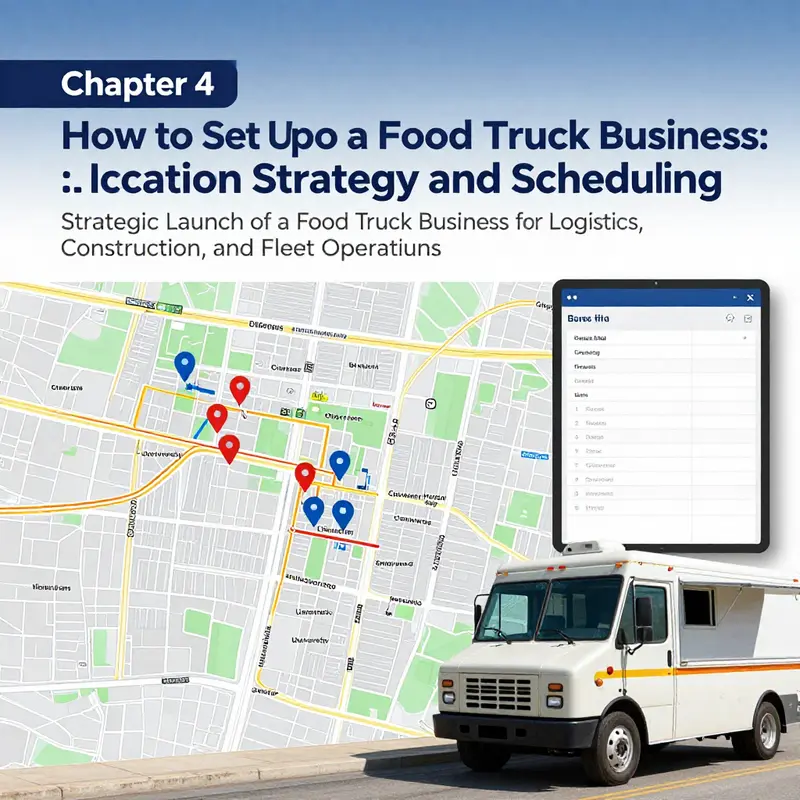
Mobility is the food truck’s strongest asset, but that asset only pays off when you treat location and timing as a single, data-informed strategy. The path to sustained profitability isn’t a matter of luck or nibbling at popular corners; it grows from a deliberate blend of where you park and when you roll. In practice, this means embracing a disciplined approach to location that blends core zones with smart rotation, while pairing schedules to the rhythms of the neighborhoods you serve. The result is a mobile kitchen that arrives where demand meets efficiency, and where branding, service speed, and menu alignment reinforce each other rather than compete for attention.
A practical way to frame location is the Three-Circle Rule. It isn’t a rigid law but a focused lens for decision-making. The first circle centers on Core Commercial Zones. During weekdays, these are places within roughly 500 meters of high-density office buildings or schools. The goal is to capture the lunch rush when workers crave a quick, satisfying meal and are willing to trade a short wait for a flavorful option. With strong execution, this can translate into noticeably higher transaction values per customer. When you’re evaluating where to park, you should consider how the walk from a curbside pickup or a pickup window fits within the office footprint and whether the crowd is likely to convert quickly to a repeat visit.
The second circle moves you toward Residential Entry Points. Evenings become the stage for neighborhood kitchens to become familiar, trusted options. Target entrances to residential areas between 5:00 PM and 7:30 PM, especially in mixed-age neighborhoods that blend long-term residents with students and renters. Visibility matters here; stations placed within about 20 meters of a primary entrance tend to become a go-to option before people head home or settle in for the evening. In this circle, repeat customers grow more quickly because the routine becomes part of the daily life—a predictable stop after work or after a commute, right when hunger and convenience align.
The third circle points to Major Transit Hubs. Proximity to subway or train station exits translates into extraordinary foot traffic, sometimes in the thousands of pedestrians per hour. Quick-service items—think sandwiches, warm drinks, or small plates that can be consumed on the go—fit this pace perfectly. The goal here isn’t a full-service dining experience but a reliable, fast, satisfying option that fits into a traveler’s or commuter’s day. The Three-Circle Rule is less about owning every space and more about choosing locations that compound your gains: speed of service, high visibility, and repeatability across a predictable schedule.
Yet no rule remains useful without a method to measure and adapt. A proven approach is the 3+X framework: establish three primary, fixed locations and one flexible, rotating spot. The fixed sites supply consistency and data, while the rotating location tests new audiences, events, or shifts in foot traffic. After a trial period, you compare sales, peak times, and customer flow to decide which spots deserve more time or a permanent placement. The aim is to build a small, agile portfolio of spots rather than a sprawling map of uncertain outcomes. This data-driven discipline matters because markets evolve, and a single season can reveal a spot’s true potential or its limits.
Keeping the location strategy in sync with local tastes is essential too. As of the latest local-market thinking, understanding community preferences—whether a rising appetite for plant-based options, a fondness for nostalgic comfort foods, or a fondness for seasonal specialties—helps you align your menu with what people want to buy when they’re nearby. The best location decisions become self-reinforcing: you park near the people who want your food, serve it in a way that matches their moment, and then adjust the menu to reflect what they’ve shown they crave. This alignment is where branding and location converge, turning a simple stop into a routine stop.
To stay ahead of the curve, it’s valuable to incorporate technology into the operational mix without letting it clutter the experience. Even when your primary focus is physical space and timing, you can benefit from understanding how evolving mobility technology can support dynamic decision-making. For instance, read about the latest developments in autonomous LT-series trucks to see how automation and data analytics could inform route planning, scheduling, and capacity management in the future. Advancements in Autonomous LT Series Trucks offers a perspective on how drivers, fleets, and mobile operations are evolving, and it is easy to imagine how similar principles could apply to a nimble, location‑aware food operation that tests spots and adapts in near real time.
The scheduling dimension is the other side of the coin. Location strategy is only as good as the times you choose to be there. Daytime operations in commercial zones demand a plan that respects the clock—arriving roughly 30 minutes before the noon peak helps you capture early birds who crave a dependable option before the rush. The midday window is a sequence of small choices: how quickly you turn a line, how you batch meals, and how you manage replenishment so you don’t disrupt the flow of foot traffic you depend on. The goal is a predictable rhythm that customers come to anticipate rather than a chase after the next hungry passerby.
Evening and night shifts tell a different story. Residential neighborhoods come alive with dinner energy, and industrial zones often reward late-night snacking. If your concept is built around comforting, warming items or strong grab-and-go options, a late-hour window can become highly lucrative. Seasonal shifts compound this: cold weather can lift the demand for hot beverages and steaming bowls, whereas summer invites lighter, refreshing fare. The lesson is to map your menu and staffing to the cadence of the day and the season, letting the truck’s mobility become a flexible instrument rather than a fixed cost center.
All of this sits on a practical footing: avoid obstructing safety routes, secure temporary occupancy permits where needed, and maintain a tidy, visible footprint that signals professionalism. A disciplined approach to permits is part of the long game. The better you understand your local rules and the more consistently you show up on time, the more you earn the trust of managers, campus coordinators, and event organizers who can help you reach new audiences over time.
The narrative of successful location and scheduling isn’t just about where you go; it’s about what you bring to that space—the speed of service, the reliability of your menu, and the way your brand stands out in a crowded market. Your truck becomes a familiar, welcome option in the daily routines of your customers, not a one-off micro-visit. That consistency is what turns a mobile kitchen into a reliable revenue stream. As you balance the core zones with a rotating test site, you’ll discover a geographic rhythm for your brand that aligns with the needs of your target customers across the week and across the season.
The cycle of research, testing, analysis, and adaptation underpins every successful shift in location and schedule. You monitor which spots yield higher average tickets, which times correspond with the longest lines, and which combinations of daypart and site yield the most repeat visits. When you spot a pattern—say, a consistent lunch crowd around a particular office cluster with a solid mid-afternoon lull—you can adjust staffing and inventory to maximize throughput during peak moments. And when a test location underperforms, you withdraw gracefully, reallocate resources, and reallocate your energy to the opportunities that show real promise.
If you’re planning to bring more sophistication to this process, consider how a broader mobility or fleet framework could inform your choices. Even without adopting full automation, you can borrow principles from the industry’s forward-looking practices: a structured approach to data collection, a weekly review of location performance, and a clear method for scaling successful spots into fixed venues during peak seasons. The aim isn’t to become a tech company overnight but to embed a culture of measurement and adaptability that keeps your truck relevant as neighborhoods, work patterns, and tastes evolve.
For those who want a concise guide on the big-picture licensing and regulatory landscape alongside these tactical moves, the Small Business Administration offers authoritative guidance on starting a food truck business. This external resource provides practical steps to ensure your location and scheduling strategies sit on a compliant foundation and are scalable as you grow. https://www.sba.gov/business-guide/launch-your-business/start-food-truck-business
Branding on Wheels: Crafting Identity, Audience, and Tech-Driven Operations for a Food Truck
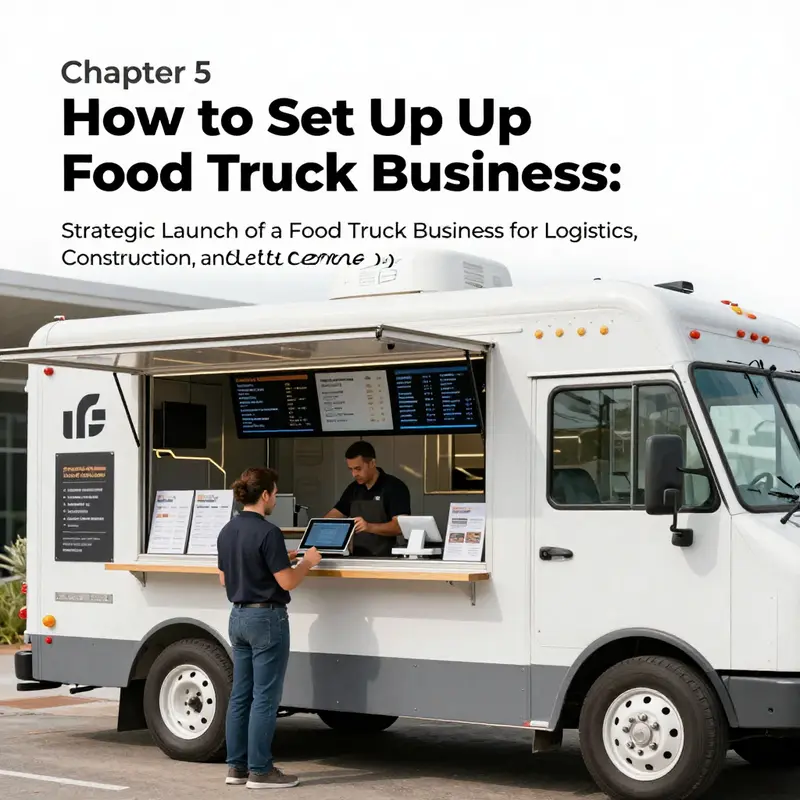
In the competitive world of street food, a truck’s success hinges not only on the flavor of its offerings but on the clarity and consistency of the experience it delivers. A cohesive brand acts as a compass for every interaction, from the moment a customer spots the vehicle to the moment they leave with a full belly and a memory. The core truth is simple: when branding, packaging, service, and technology align under a single narrative, a food truck becomes more than a temporary presence on a curb—it becomes a reliable destination in a bustling cityscape. This alignment starts with a deliberate brand identity that travels with the truck wherever it parks. It requires a well-documented design system that governs visuals, language, and behavior across every touchpoint. The truck wrap, the logo, the color palette, the typography, and the hand-drawn details should echo the same story as the menu board, the napkins, and the staff uniforms. Visual language that is instantly recognizable from a distance is essential; a sharply differentiated color combo, a memorable icon, and a legible typeface help customers connect with the concept even before they taste the food. Yet identity is not merely about aesthetics. It extends to the emotional resonance of the brand—the values it embodies, the stories it tells, and the way those stories unfold in real life at markets, festivals, and campus events. A well-crafted brand narrative weaves through the menu’s ingredients and the sourcing tale, the voice used in social posts, and the disclaimers on packaging, creating a sense of authenticity that customers can trust. That trust translates into a loyal following and, crucially, into a scalable platform for growth. The packaging itself becomes a canvas for storytelling and brand reinforcement. Packaging design should highlight core brand values—whether sustainability, artisanal craft, or bold comfort—and incorporate elements that evoke the brand story. Color, typography, and graphic motifs must be employed consistently across napkins, boxes, cups, and bags, ensuring customers recognize the brand even when the truck is parked far away or when a producer’s label lines up in a photo on a social feed. The packaging must also support fast service. In high-volume moments, a clean, readable layout with clear pricing and succinct menu entries helps staff communicate quickly with guests, reducing lines and ambiguity during peak hours. The menu design itself is part of the brand’s architecture. A well-organized information hierarchy—item names, prices, and quick descriptors—enables efficient decision-making for hurried customers. The boards should be legible from a few paces away, with contrast that withstands outdoor lighting and weather. Beyond visuals, branding demands consistency in service. Staff uniforms, greeting style, and the cadence of interactions should reflect the brand’s tone—whether playful, premium, or soulful. Training that reinforces these touchpoints ensures that customers’ expectations are met with uniform quality, from a friendly welcome to a swift, accurate order. The result is a stable customer experience that builds trust and word-of-mouth momentum. The importance of a brand guidelines document cannot be overstated. It functions as the operational backbone for expansion, helping new locations reproduce the same aesthetic, tone, and customer encounter. The guidelines should cover visual elements—color specifications, logo usage, typography, allowable patterns—and also provide rules for imagery, photography style, and even the mood appropriate for different scenarios, such as a bustling farmers’ market versus a formal corporate event. The value extends beyond the truck itself. A modern food truck must be ready to deploy across platforms and scenes: social media, pop-up partnerships, wedding catering, and private events all require a unified presence. The guideline set becomes a playbook for marketing, ensuring that a post on Instagram, a banner at a festival, and a menu card inside a catering box all convey the same brand promise. This coherence is not luxury; it’s a strategic necessity in a market where attention is scarce and choices are abundant. The scale of this approach reveals itself most clearly when the brand expands. A brand-guided growth path invites collaborations that feel native rather than contrived—co-branded events with local venues, partnerships with complementary brands, and a consistent aesthetic that travels with the fleet. A brand that is adaptable across locale types—market, festival, wedding, or corporate event—avoids the fragmentation that can erode trust. Storytelling, too, should adapt without losing core resonance. Through narrated product origins, the craft behind each recipe, or the regional influences behind a signature sauce, the brand invites customers to participate in a shared journey. The famed “rolling identity” becomes a living system, not a fixed signboard. In practice, a mature food truck brand treats every curbside encounter as a chance to reinforce its promise. The branding system guides decisions about which experiences to shape, which partnerships to pursue, and how to respond when a customer asks about sustainability, sourcing, or the craft of a particular dish. The synergy between brand and operations is what keeps the effort efficient and scalable. When brand guidelines inform the layout of the truck, the packaging, and the staff’s demeanor, the business benefits not only in consistency but in execution speed. Menu boards can be updated with new offerings without sacrificing legibility or tone. A designated color cue for a seasonal item, a typography tweak for a limited-time dessert, or a new pattern introduced through wrappers can be rolled out rapidly across all touchpoints while preserving the brand’s core aesthetics. In this sense, branding becomes a practical framework for speed and reliability in a mobile setting. The marketing engine, underpinned by brand coherence, thrives on hyper-local engagement. Local partnerships with small businesses, schools, and community centers can amplify reach without sacrificing authenticity. Pop-up events in parks or at office campuses expand visibility and create opportunities for real-time feedback. Engaging with local food bloggers and influencers often yields authentic, on-the-ground content that resonates more deeply than generic paid outreach. Building recurring moments—such as a weekly marquee item, or a “Lunchtime Live” music slot—transforms occasional visitors into regulars. A loyalty program embedded in an app or card-based punch system nudges customers toward repeat visits and deeper engagement. Integrating loyalty data with social media check-ins or QR code interactions creates a two-way channel for personalized marketing, a capability that many modern systems support. With brand at the center, technology becomes the energizing nerve system for the enterprise. A capable POS that supports contactless payments, inventory integrations, and real-time reporting ties sales to branding and marketing outcomes. Inventory management, automated replenishment, and cost analytics help maintain margins while the brand promises quality and consistency. Route planning and fleet management, especially for a growing fleet, must reflect the brand’s commitment to reliability and accuracy. The choice of equipment—portable, durable, and compatible with a cloud-based workflow—ensures that branding is not compromised by operational hiccups. In the journey from a single truck to a coordinated fleet, the design system stays the anchor. A scalable approach includes a modular kitchen layout that preserves the brand’s functional identity while accommodating growth in menu complexity and service locations. The long-term payoff is not merely more sales but a stronger, more trusted brand that customers recognize and crave across diverse environments. The path forward blends artistry with pragmatism: invest in a brand guidelines library, craft a packaging strategy that communicates story and efficiency, and implement a technology stack that amplifies speed, accuracy, and customer intimacy. Each element supports the other, fueling a virtuous cycle of brand perception and operational excellence. For those seeking a practical entry point into branding strategies for mobile food businesses, a concise primer on branding tips for food trucks offers a useful blueprint branding-tips-for-food-trucks. As you map your route to launch, remember that the most durable brands are not born from a single design moment but from a disciplined, ongoing practice of consistent experience, thoughtful storytelling, and reliable, scalable operations. The fusion of branding and technology—when orchestrated with care—transforms a food truck from a temporary roadside feature into a recognizable, trusted, and beloved part of the community. For readers seeking broader context on how tech is reshaping the industry, refer to trusted industry coverage on food-truck technology trends: https://www.restaurantbusinessonline.com/food-trucks/technology-food-trucks
Final thoughts
Effective deployment of a food truck within logistics, construction, and fleet operations hinges on disciplined planning, compliant execution, and technology-driven efficiency. By aligning market insight, funding strategies, regulatory navigation, strategic location decisions, and a strong brand with modern operations technology, organizations can extend their workplace amenities, client engagement, and on-site service capabilities. The result is a mobile, scalable, and compliant solution that reinforces workforce satisfaction, strengthens vendor relationships, and contributes to a resilient, diversified service portfolio.