
The trucking industry serves as the backbone of the global supply chain, ensuring the seamless transportation of goods from manufacturers to consumers. As sectors such as e-commerce and retail increasingly rely on effective logistics solutions, the role of trucking becomes more crucial than ever. This article explores the nuanced operations of the trucking business, highlighting its integral role in supply chain management, effective operational strategies, and the financial landscape, preparing stakeholders to optimize their engagement in the industry.
Rolling Toward Reliability: How Trucking Keeps the Global Supply Chain on Track
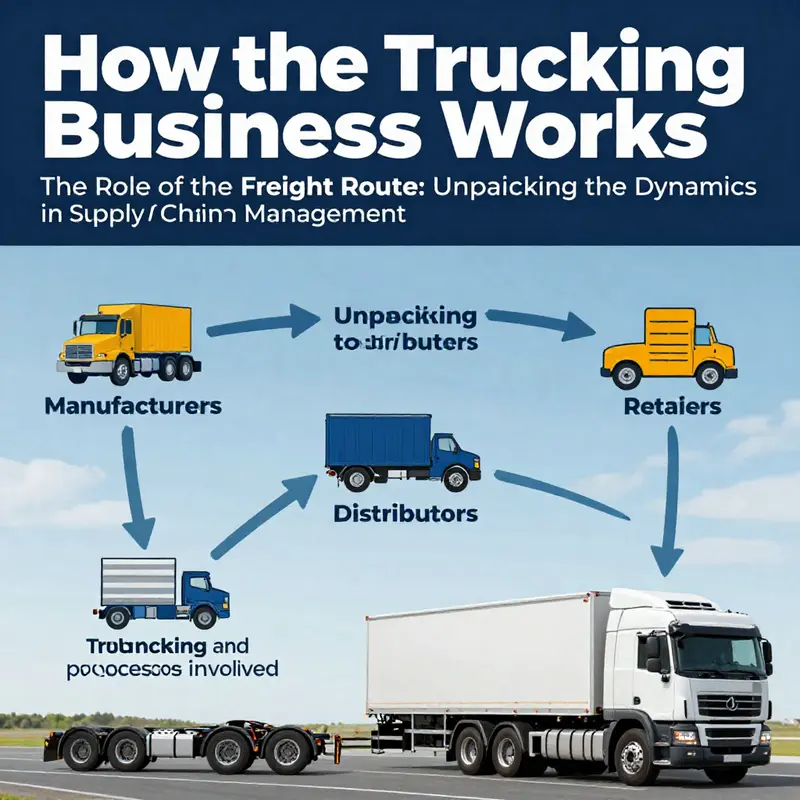
Trucking is more than a line on a map or a paid-by-the-mile service. It is the living artery of the modern economy, carrying goods from factories to warehouses, from regional distribution centers to the last mile that lands on a shopper’s doorstep. In the United States and across much of the world, trucks move more freight by volume than any other transportation mode. This reality explains why timeliness is not simply a luxury in trucking—it is the measure of reliability that keeps supply chains from breaking. A single late delivery can ripple through a network, delaying manufacturing schedules, disrupting store shelves, and eroding a customer’s trust. The trucking industry has grown into a sophisticated ecosystem built to minimize those risks through planning, discipline, and real-time responsiveness, all while facing the shifting currents of consumer demand, regulatory change, and evolving technology.
At its heart, the trucking business operates as a networked system of movement. Freight moves from producers to distributors, to retailers, and ultimately to consumers. The volume and variety of goods—ranging from raw materials and industrial parts to consumer electronics and household staples—demand different approaches, equipment, and skill sets. Box trucks, for example, have become especially popular for local and regional deliveries because their enclosed cargo space protects goods from weather, provides security, and simplifies loading and unloading in dense urban environments. The box truck segment is not incidental to the economy; it has grown into a robust market in its own right, valued at billions of dollars in recent years and projected to continue expanding as e-commerce and same-day delivery continue to mature. This expansion is both a signal and a catalyst: it signals the importance of reliable, flexible local and regional delivery, and it catalyzes new business models among independent operators and small fleets who specialize in last-mile markets.
The drivers behind this expansion are clear-cut. E-commerce, retail, manufacturing, and construction all push demand for fast, predictable, and cost-effective transport solutions. Consumers increasingly expect rapid fulfillment, and businesses respond by designing logistics networks that can absorb variability in demand while maintaining service levels. Independent trucking companies and small fleets have found fertile ground in last-mile delivery and same-day shipping, offering tailored solutions that larger national carriers sometimes cannot match for regional routes, smaller loads, or highly personalized service. Revenue in trucking grows through a mix of contracts with steady clients, spot market rates that reflect current supply and demand, and recurring service agreements that create predictable cash flows. The flexibility to switch among these models—seasonally, regionally, or in response to a client’s evolving needs—helps operators weather market cycles and regulatory shocks alike.
To run this business efficiently, operators lean on a blend of disciplined operations and modern technology. Route planning is not mere route finding; it is a balancing act that weighs time windows, traffic conditions, loading constraints, driver hours, and fuel costs. Hours-of-service rules and safety standards shape what is possible each day, and compliance has become a strategic issue as much as a legal mandate. A well-run fleet does not rely on luck; it relies on systems that allocate work to the right asset at the right time, while keeping drivers fresh, compliant, and engaged. Maintenance is equally critical. A breakdown on a critical leg of a route can cascade into missed windows, elevated costs, and reduced reliability. That is why maintenance planning, preventive care, and proactive replacements are fundamental to sustaining service quality.
Technology has become the backbone of this operational discipline. GPS tracking, electronic logging devices, and fleet management software provide the visibility that shippers and carriers once could only dream of. Real-time monitoring turns what used to be a linear supply chain into a living, responsive system. Freight can be tracked across borders and through intermodal handoffs, with alerts that anticipate delays, optimize routing, and minimize idle time. Shippers gain confidence because they can see where a shipment is at any moment, and carriers gain efficiency because they can adjust plans on the fly when new information arrives. For the driver, technology translates into safer, more predictable workdays. Digital tools help plan rest periods, suggest safer routes, and flag potential compliance issues before they become costly problems. In short, technology enhances visibility, accountability, and service quality, which are the trifecta of reliability in a time of rising customer expectations.
All of this unfolds within the broader trend of growing e-commerce and the demand for faster fulfillment. The impact on the trucking industry is not merely about moving more freight; it is about moving it smarter. Consumers want speed, but businesses want predictability. The industry responds with a multi-layered approach: smaller, more nimble fleets that handle last-mile deliveries; specialized carriers that manage delicate or heavy loads; and regional networks that optimize for local density and turnover. Box trucks fit squarely into this picture because they offer the balance of maneuverability, cargo integrity, and capacity that many urban and suburban routes demand. The market data underscores this, with the box truck segment showing robust growth and resiliency, reflecting both the vibrancy of e-commerce and the need for flexible delivery solutions beyond the reach of the largest national carriers.
This is not a story of solitary heroes behind a wheel, though. It is a story of an ecosystem that depends on people, process, and technology working in harmony. The role of the driver remains central, not just as a transporter but as a real-time liaison who manages inventory handoffs, verifies shipments, and feeds qualitative and quantitative feedback into the supply chain. A driver’s observations about loading conditions, temperature control, or transit delays may be the first signal that a shipment could face trouble downstream. In a world where data feeds are continuous, the driver is the human interface between plan and reality. Their ability to navigate complex routes, adhere to strict schedules, and maintain safety on the road is inseparable from the reliability that shippers seek. The day-to-day reality of driving—scheduling, fatigue management, compliance with speed limits and hours of service, and the vigilance to avoid unsafe situations—translates directly into fewer exceptions and smoother handoffs.
The operational emphasis on regulatory compliance cannot be overstated. Hours-of-service rules, vehicle inspection requirements, cargo securement standards, and emission considerations all shape how carriers schedule, dispatch, and maintain fleets. Noncompliance is not simply a legal risk; it is a risk to reliability. It disrupts the cadence of deliveries, increases the chance of roadside inspections and delays, and adds costs that can erode margins in tight market conditions. The best operators treat compliance as a strategic asset. They invest in training, adopt robust safety programs, and integrate regulatory requirements into the fabric of daily operations rather than treating them as an afterthought. In a highly regulated industry, the difference between average and exceptional performance often shows up in how consistently a fleet can stay on plan and keep drivers out of trouble on the road.
The state of fuel and maintenance costs also matters. Fuel remains one of the largest controllable expenses in trucking, and even modest shifts in price or efficiency can have outsized effects on route economics and capacity. The most successful operators continuously optimize fuel use through smarter routing, speed management, and equipment selection. This is where longevity and reliability intersect. A well-maintained fleet reduces downtime, extends the life of vehicles, and protects against unpredictable outages that would otherwise force a costly detour or a late delivery. Vehicle maintenance planning—covering tires, brakes, engine health, and telematics-enabled diagnostics—turns maintenance from a reactive event into a proactive discipline that sustains reliability over months and years.
The narrative of trucking as a reliability engine extends to the people who work in the industry. The modern driver is more than a solo operator; they are part of a team that includes dispatchers, mechanics, planners, and IT specialists. The most successful fleets cultivate a culture that respects the driver’s expertise and offers pathways to professional growth. Investments in people—training programs, safety initiatives, and clear career progression—translate into improved performance, lower turnover, and better service quality. A recent wave of thinking in the industry emphasizes the importance of human capital as much as hardware and software. The commentary around this topic often centers on the tension between labor supply and demand, the need for better driver retention, and the role of supportive work environments. In practice, that means creating work schedules that protect driver well-being, providing modern equipment, and offering training that keeps pace with evolving technologies and regulations.
The strategic implications for operators are clear. First, reliability rests on a well-coordinated blend of capacity and planning. Second, visibility through technology is not optional; it is the enabler that makes proactive management possible. And third, people—drivers, technicians, schedulers, and managers—are the strategic asset that determines whether a fleet can translate plans into on-time deliveries under changing conditions. When these elements align, a trucking operation not only delivers freight; it builds trust with shippers and customers, which in turn deepens partnerships and unlocks more regular work. A reliable network reduces the need for expensive expediting, lowers the risk of stockouts for retailers, and keeps the wheels of commerce turning smoothly.
To understand the broader texture of the industry, it helps to consider how an entrepreneurial entrant moves from idea to operation. The entrepreneurial path typically starts with a focused value proposition—local or regional service, a niche market, or a commitment to a specific customer segment. A business plan, often illustrated by practical frameworks for box truck operations, becomes the blueprint. It outlines the target market, pricing strategies, marketing approach, and the financial roadmap that guides decisions about equipment, staffing, and growth. A comprehensive plan also codifies risk management: contingencies for fuel price spikes, regulatory changes, or shifts in demand that could affect capacity. Resources that illuminate this process, such as guides on writing a box truck business plan, offer practical steps for translating a concept into a sustainable operation. As entrepreneurs mature, they increasingly rely on data-driven decision-making to optimize routes, predict maintenance needs, and price services competitively while preserving margins.
The topic of trucking’s role in the supply chain is not limited to the mechanics of dispatch and delivery. It also touches on the strategic relationship between carriers and shippers. Shippers want reliable partners who can meet precise service levels and provide transparent, real-time visibility into shipments. Carriers respond by investing in fleets and processes that minimize variability, improve dwell times at loading docks, and reduce transit times. In this dynamic, the value proposition is not just about cost per mile; it is about total cost of ownership and the reliability of the end-to-end experience. When carriers can demonstrate consistent performance, they enable shippers to design leaner, more resilient supply chains that can respond quickly to demand signals, seasonal spikes, or unforeseen disruptions. In an era where last-mile delivery is becoming both an opportunity and a battlefield, the strength of the trucking profession lies in its ability to adapt—between urban density and rural reach, between standardized service and customized solutions, and between legacy practices and emerging digital tools.
The discussion would be incomplete without acknowledging the evolving regulatory and policy environment that shapes every decision a fleet makes. Regulations influence vehicle standards, emissions considerations, and even the deployment of new technology like telematics and automated systems. Operators must anticipate shifts, allocate capital accordingly, and keep a vigilant eye on policy changes that could impact margins or service models. Yet regulation is not merely a constraint; it can also drive industry maturation. Clear standards create safer roads, which in turn support longer, more productive driver careers and more reliable networks. As the industry contends with these forces, the emphasis remains on practical outcomes: safer roads, happier customers, and a robust, sustainable business that can sustain service quality in the face of uncertainty.
A final thread in this narrative is the widening recognition that reliability and innovation are not opposed but mutually reinforcing. The modern trucking company is a hybrid of traditional know-how and forward-looking technology. Investments in remote diagnostics, predictive maintenance, and data-driven route optimization may seem technical, but they translate into fewer breakdowns, more accurate delivery windows, and better customer relationships. The culture that supports this approach is one that values continuous learning, cross-functional collaboration, and a long-term view of capacity management. The industry’s evolution toward more sophisticated fleet management and human capital development reflects a broader shift in logistics: from simply moving freight to orchestrating complex, multi-party networks with precision and accountability.
In this sense, the trucking business is not merely a transport service; it is a critical infrastructure that underpins the speed and reliability of modern commerce. Its success depends on the careful coordination of people, processes, and technology, all aligned with the expectations of a world that demands faster, cheaper, and more predictable delivery. As the market continues to widen the scope of what is possible—from same-day regional deliveries to intermodal solutions and beyond—the core discipline remains constant: plan well, operate safely, move with purpose, and continually adapt to a world in which customers expect not just goods, but confidence that those goods will arrive when and where they are promised. The industry’s trajectory is not a destination but a continuous journey toward greater efficiency, resilience, and service excellence. For anyone considering entering this space, the message is straightforward: a clear business plan, a willingness to invest in people and technology, and a commitment to reliability can open doors to a rewarding, enduring role in one of the world’s most essential supply-chain engines. And for those already in the field, the challenge is to keep pushing the boundaries of what is possible while staying true to the fundamentals that have always made trucking a vital link in global commerce.
For readers seeking a focused lens on one component of this broad landscape, the path forward often begins with people. Investing in people—drivers, maintenance technicians, dispatchers, and managers—can yield outsized improvements in safety, efficiency, and morale. This perspective is echoed in industry discussions about professional development, retention strategies, and the creation of a culture that supports growth at every level. For more on this approach, see the supplementary discussion around investing in people as a pathway for trucking fleets: Investing in People: A New Path for Trucking Fleets.
The larger trajectory also points to the symbiotic relationship between trucking and technology. As fleets adopt GPS tracking, ELDs, and robust fleet management platforms, the line between transportation and information becomes increasingly blurred. Real-time data streams empower planners to compress lead times, reduce idle periods, and deliver higher service levels without compromising safety. Yet technology alone cannot replace the judgment and experience that come from weeks, months, and years on the road. The best operators fuse human insight with machine intelligence, crafting a cycle of continuous improvement that spans planning, execution, and post-delivery evaluation. In this sense, trucking is both a craft and a system: a craft learned from practice, and a system refined through data and discipline.
The chapter you just read sits within a broader conversation about how the trucking industry operates, why it matters to the supply chain, and how forward-looking operators are aligning people, process, and technology to deliver dependable, scalable service. It is not only about the movement of freight but about the integrity of the promises that freight represents. Reliability is the currency by which carriers earn repeat business, build trust with customers, and contribute to the resilience of supply chains under pressure. In the years ahead, expect more emphasis on skilled labor, smarter fleet optimization, and smarter safety and compliance programs. Expect to see continued growth in regional and local solutions that leverage the strengths of box trucks and similar platforms to deliver fast, predictable results in diverse markets. And expect the industry to persist as a critical engine of commerce—an enterprise that, while complex, remains relentlessly focused on delivering on time, every time.
External perspectives help anchor this narrative in real-world thinking about the driver’s role and the supply chain’s dependence on dedicated trucking capacity. For readers who want a broader view of how drivers contribute to supply-chain outcomes, an external overview provides valuable context: https://www.linkedin.com/pulse/role-truck-drivers-supply-chain-industry-james-henderson-2022-06-27/.
On the Road to Reliability: Mastering Operational Excellence in Today’s Trucking Business
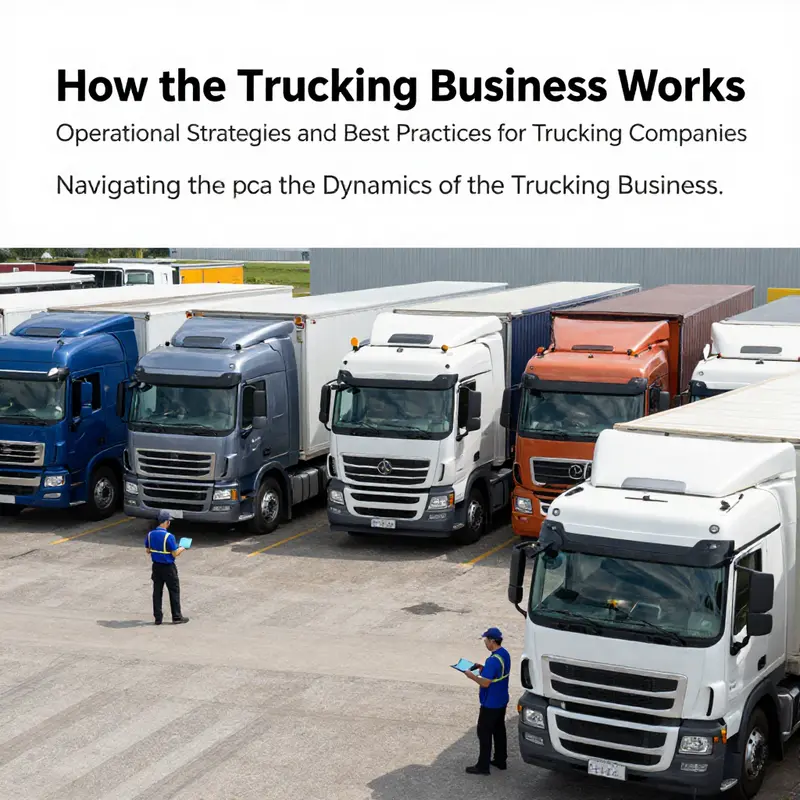
The trucking business, at its core, is a living, breathing system. It is not merely a fleet of vehicles cruising between points A and B; it is a carefully choreographed network where timing, safety, and costs converge to keep supply chains moving. When you stand back and look at it, the operation resembles a complex orchestra, with drivers as the principal musicians, dispatch and telematics as the conductor, maintenance crews as the percussion section, and fuel and compliance as the steady tempo that guides every decision. In this environment, success rests on one simple premise: operational excellence. Without it, promises to deliver on time, within budget, and with intact cargo can unravel in minutes. With it, a trucking company can transform ordinary routes into dependable lifelines for customers and create a resilient business poised to weather shifts in demand, regulation, or fuel prices.
A modern trucking operation begins with data, not guesswork. Telematics and driver-monitoring technology have moved from trendy add-ons to essential foundation. Real-time location data, engine diagnostics, and driver behavior metrics illuminate the parts of the operation that were once invisible. Harsh braking, excessive speeding, idle time, and detours become visible patterns rather than isolated incidents. When a fleet embraces this data, it shifts from reactive maintenance and firefighting to proactive management. Maintenance schedules can be adjusted to actual engine wear, routes can be recalibrated to minimize downtime, and coaching can target concrete behaviors that reduce risk and fuel use. A 2025 American Trucking Associations report highlights a tangible payoff: fleets leveraging advanced telematics can see up to a 20% reduction in fuel costs and a meaningful drop in accident rates. The numbers matter because they translate into safer roads, less downtime, and more predictable service levels for customers who rely on timely deliveries.
But data is only as valuable as the decisions that flow from it. This is where disciplined, structured practices come into play. Put simply, you can collect all the signals you want, but if you do not translate them into action, you do not improve. The best operators fuse telematics with clear guidelines for performance, safety, and continuous improvement. They establish routes that balance speed with reliability. They design maintenance windows around duty cycles so trucks spend less time idling in yards and more time moving. They set thresholds for what constitutes acceptable driver performance and what triggers a coaching loop. And they create feedback loops that connect drivers, dispatch, and maintenance into a single, accountable system. The result is a fleet that feels predictable to customers and transparent to leadership, where everyone understands how a late arrival or a damaged pallet affects the larger picture.
Crucial to that coherence is a deliberate investment in people. The driver is the face of the operation and, more often than not, the point where theory meets reality. A driver who understands hours-of-service rules, cargo securement procedures, and emergency protocols is not merely compliant; they are a partner in reliability. A structured training and requalification program should be the backbone of every reputable fleet. Defensive driving, fatigue management, regulatory updates, cargo handling, and mental health awareness are not just checkboxes. They are the elements that reduce accidents, improve on-time performance, and sustain a positive driver pipeline. The FMCSA emphasizes ongoing training as a core driver for fleet performance; the goal is to keep skills current in a field where rules evolve and road conditions change daily. Regular requalification also signals to drivers that the company values long-term safety and performance, which in turn lowers turnover and raises the quality of service delivered to customers.
Linking people, process, and technology creates a rhythm that can scale. A well-structured dispatching framework, supported by digital platforms for assignment, tracking, and reporting, makes the chain of communication transparent. Shippers and customers gain visibility into expected delivery windows, live status updates, and proactive issue resolution. The discipline of route planning and load optimization—taking into account truck capacity, fuel efficiency, driver hours, and customer service commitments—transforms planning from an art to a repeatable science. It is not merely about finding the fastest path; it is about balancing multiple objectives to deliver consistently. In this sense, effective fleet management is not a luxury; it is a strategic driver of profitability and customer trust.
The emphasis on fleet health extends beyond the engine and the wheel. Maintenance management becomes a proactive discipline rather than a reactive fix. Scheduled maintenance must align with vehicle utilization, repair lead times, and the realities of the local market. A healthy fleet minimizes unplanned breakdowns, reduces downtime, and extends the life of assets. Beyond mechanical upkeep, tire management, inspection cultures, and compliance with federal and state regulations form the silent scaffolding that supports reliability. Hours-of-service rules, driver qualification files, drug and alcohol testing, and cargo safety standards may seem procedural, but they are the guardrails that prevent risk from spiraling into costly incidents or service disruptions. The modern operator treats compliance less as a burden and more as an operating discipline—an investment in consistency rather than a cost of doing business.
Fuel remains a central and often fluctuating cost driver. Telematics informs fuel optimization not as a single tactic but as a suite of actions across the lifecycle of a trip. Engine diagnostics illuminate inefficiencies, but route optimization reduces fuel burn before the engine fires up. Idle reduction programs save fuel and reduce engine wear, while well-timed co-loads and backhauls increase asset utilization. The smartest operators view fuel efficiency as a shared responsibility among drivers, dispatch, and maintenance teams. Driver coaching targets driving behavior that yields meaningful fuel savings, such as smooth acceleration and deceleration patterns, optimal gear selection, and minimizing unnecessary idling in warm-up or cool-down periods. While technology provides the signals, it is the daily routines—the pre-trip checks, the post-trip reviews, and the post-delivery debriefs—that convert information into value.
Revenue models in trucking reinforce the need for operational discipline. Companies may rely on contracts, spot-market rates, or recurring service agreements. In a mature operation, the economics are clear: predictability in service levels supports pricing stability; tight control of costs preserves margins even when volumes dip. Operational excellence, therefore, is not just about moving freight; it is about delivering dependable outcomes that customers are willing to pay a premium for, or at least compensate with a stable, long-term relationship. The box truck segment, for instance, has grown as demand for local and regional deliveries has surged. Its value lies in versatility and enclosed cargo protection that are well-suited for e-commerce-driven last-mile needs. The market’s expansion in this niche underscores a broader truth: scalability in trucking comes from designing processes that work whether you are handling a single route or orchestrating a multi-market regional network.
A cohesive operation is also a customer-relations engine. Consistent communication, transparent status reporting, and reliable on-time performance are not luxuries; they are the currency of trust. When customers know what to expect and see that expectations are met, partnerships deepen. The most resilient fleets treat relationships with the same care as assets. They document service-level agreements, measure delivery reliability, and maintain open channels for feedback. This approach helps shippers and dispatchers coordinate more effectively, anticipate constraints, and respond to unforeseen disruptions with minimal ripple effects. In practice, it looks like proactive contingency planning: buffer times in high-traffic corridors, alternate drivers for peak periods, and robust contingency communication protocols that keep customers informed without creating alarm.
The future of trucking is inseparable from ongoing innovation. Automation concepts, while evolving, promise to reshape the operating model in meaningful ways. The industry is exploring autonomous features, advanced driver-assistance systems, and electrification as tools to enhance safety and efficiency. For now, the most impactful innovations are those that augment human capability without displacing essential human judgment. This means investments in digital fleet-management platforms that integrate telematics, scheduling, maintenance, HR, and finance into a single, auditable ecosystem. It means cultivating a culture of continuous improvement where the team, from the dispatcher to the lead mechanic, routinely asks, What could we do better tomorrow? And then tests the idea in a controlled, measurable way.
Within this evolving landscape, people remain the constant. The best operators nurture human capital as a strategic asset rather than a variable cost. The mindset shift—from surviving week to week to building a durable, scalable enterprise—begins with leadership that allocates time and resources for training, for wellness, and for career progression. For fleets large and small, investing in people yields dividends in safety, reliability, and retention. Some teams adopt formal programs that recognize and reward safe driving, punctual performance, and customer service excellence. Others create mentorship arcs that accelerate the development of new drivers, dispatchers, and maintenance staff. Each approach strengthens the organization’s memory: what works, what does not, and how to adapt. A company that makes people a top priority then has more than a workforce; it has a resilient operating system capable of absorbing shocks—whether it is a regulatory change, a fuel price spike, or a sudden shift in demand.
In sum, the trucking business works best when it treats itself as a system rather than a collection of silos. Telematics feeds decisions with real-time signals. Training and safety programs convert those signals into confident, responsible action. Fleet management translates this action into predictable service levels and margin protection. The industry’s trajectory toward better fuel efficiency, smarter maintenance, and stronger relationships with customers all revolve around this integrated approach. Box trucks and regional fleets illustrate a broader pattern: when small, nimble units are equipped with the right data, the right people, and the right processes, they can compete with larger players on reliability, price, and speed. The road to reliability, then, is less about chasing a single breakthrough and more about weaving together disciplined routines, thoughtful investments in people and technology, and a relentless focus on the customer experience. It is a journey of continuous refinement, where every mile provides feedback for the next mile, and where the destination—consistency and trust—keeps drivers and businesses moving forward together.
For those considering entering the industry or scaling a budding operation, the blueprint remains practical and human-centered. Start with a clear business plan that aligns market opportunities with core strengths, including a defined value proposition for last-mile and regional delivery. Build a culture that prioritizes safety and continuous learning, then back it with technology that informs, not overwhelms. Implement fleet-management discipline that coordinates maintenance, route planning, and driver performance as a single workflow. And finally, keep an eye on the horizon: new fuel options, automation features, and regulatory evolutions will redefine what is possible, but they will do so best when anchored in a robust operational core that keeps people safe, customers satisfied, and profits steady. As you pursue this path, you can lean on established expertise and practical frameworks that translate theory into measurable results. For instance, a cited resource on investing in people offers actionable guidance on building teams that drive long-term value in trucking. See the linked article Investing in People: Key to Trucking Success for practical ideas about workforce development, retention, and leadership in fleet operations.
As the industry continues to evolve, one thing remains certain: reliability is the outcome of deliberate, holistic management. It is not a single invention or a stand-alone initiative. It is the sum of careful route design, disciplined safety practices, cooperative supplier and customer relationships, and a culture that treats every mile as an opportunity to improve. The road may be long, and the terrain varied—from urban corridors crowded with traffic to rural stretches where weather and maintenance pose challenges—but with a cohesive operating model, trucking companies can deliver value consistently. They can protect margins during ups and downs, win repeat business through dependable service, and provide the backbone for the supply chains that power modern economies. The chapters that follow will build on this foundation, exploring how to scale from a local operation to a regional network while preserving the core commitments that make trucking a trusted, indispensable industry.
External resources for deeper context and practical guidance remain valuable as benchmarks and inspiration. For broader perspectives on industry standards and regulatory considerations, readers can consult the official resources of the American Trucking Associations at https://www.trucking.org/.
Money on the Move: Financial Foundations and Fresh Paths for Entrants in the Trucking Industry
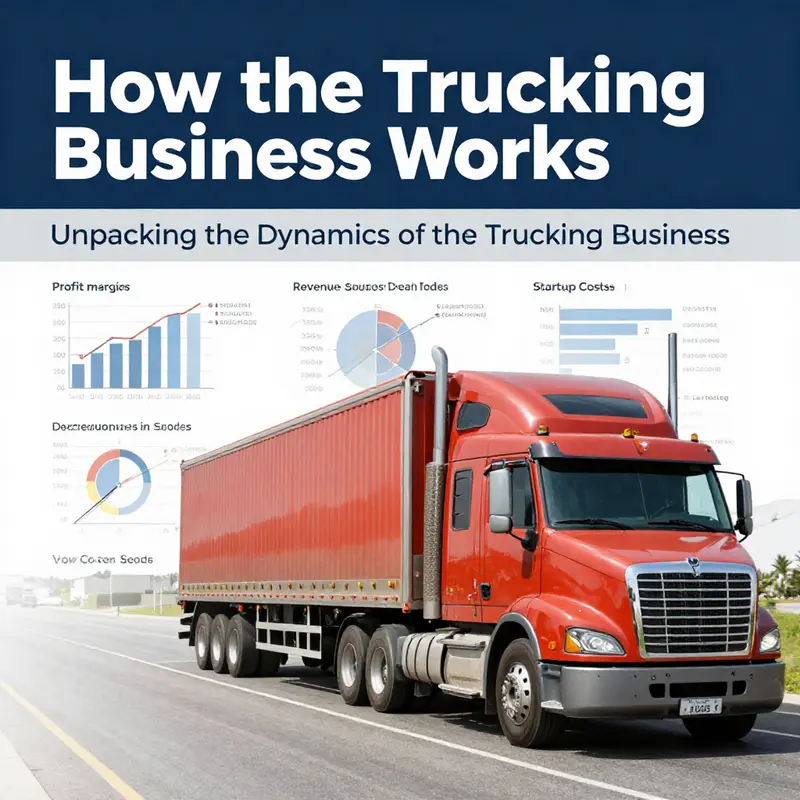
The trucking business is more than a fleet on a highway; it is a dynamic system where capital, timing, and trust braid together to move goods from producer to consumer. It sits at the intersection of infrastructure, commerce, and risk management, and its practical muscle comes from the people who plan routes, maintain equipment, and nurture relationships with shippers. Financially, trucking is a capital-intensive enterprise. The road to profitability starts long before a wheel turns. Entrepreneurs must reckon with large upfront costs—buying or leasing trucks, securing appropriate insurance, and meeting licensing and regulatory requirements. Depending on the operation and the class of vehicle—whether a dry van, a refrigerated unit, or a flatbed—the barriers to entry can range from modest to formidable. A typical startup budget often falls somewhere in the broad band of fifty thousand to well over one hundred thousand dollars when the owner-operator begins with a new or used vehicle, equipment that can be a workhorse or a high-maintenance asset. These numbers are not mere line items; they signal a company’s starting point in a market that rewards reliability, service quality, and predictable delivery times. The choice between buying and leasing, the decision to start with a single truck or a small rolling team, and the selection of insurance coverage all shape cash flow, which in turn dictates pricing, contract opportunities, and growth velocity. The chapter ahead treats the financial backbone of the industry not as a theoretical diagram but as a lived experience that shifts with fuel, policy, and the tempo of demand. It aims to illuminate the logic behind the numbers and to lay out a practical path for the aspiring entrant who wants to move from concept to credentialed operation with confidence.
The intercity and regional nature of the trucking market means that demand follows the rhythm of commerce. E-commerce and retail logistics have amplified the need for reliable, flexible delivery options beyond the largest national carriers. Box trucks, in particular, have gained traction for their versatility and enclosed cargo space, making them well-suited for local and regional deliveries that require speed and protection for goods. The market value of the box truck segment, reported at approximately $12.7 billion in 2024, and its projected growth signal that opportunities exist not just for established fleets but for nimble, service-focused newcomers who can carve out lanes in dense urban and suburban corridors. The financial mechanics of this growth rest on a mix of contract revenue, spot market rates, and recurring service agreements. A savvy entrant learns to read these signals and balance the mix so that revenue streams are both stable and scalable.
To translate opportunities into sustainable operations, one must understand the two sides of the cash equation: where money comes from and how it goes out. Revenue in trucking often materializes through direct contracts with manufacturers, distributors, and retailers, along with occasional opportunities in last-mile delivery or same-day shipments created by e-commerce. But cash inflows are frequently patterned by the terms of payment and the cadence of freight moves. Many shippers operate on cycles that can introduce cash flow gaps. A driver might complete a week’s work yet wait on invoices that stretch over 30, 45, or even 60 days, a phenomenon that can strain a nascent business if reserves are not carefully managed. This reality makes cash management a central discipline for any entrant. The best earnings plan couples a realistic forecast of revenue with a disciplined approach to expenses, ensuring that there is enough liquidity to cover equipment depreciation, insurance premiums, fuel costs, maintenance, and unexpected needs that arise from road wear and regulatory checks. In practice, this means building buffers for lean months, maintaining a cash reserve for down payments on new equipment, and instituting a balance between long-term assets and flexible capacity in the form of lease arrangements or short-term contracts.
Fuel, maintenance, and regulatory compliance constitute the triad of ongoing costs that most often determine profitability on a monthly basis. Fuel remains one of the largest operating expenses for any trucking business because its price is volatile and sensitive to geopolitical events, seasonal demand, and market dynamics like refinery outages. The variability of fuel prices creates a natural risk to profit margins, especially for operators with tight margins or those who depend on lengthy hauls with thin spreads. Maintenance costs, meanwhile, rise from routine servicing, tire replacements, and the inevitability of component failures that can halt a wheel in its tracks. A single costly repair can erode weeks of earnings if downtime interrupts scheduled loads or disrupts contractual commitments. Then there is the matter of compliance. Hours-of-service (HOS) rules, safety standards, insurance requirements, and vehicle inspections collectively raise the cognitive and financial load on the operator. Noncompliance not only invites fines but also foreign-actor risk: a single incident can derail operations, trigger insurance rate hikes, or attract fleet-wide scrutiny from customers who demand reliability and predictable performance.
Entrepreneurs entering the field confront these realities by pursuing financing options that fit their starting point and risk tolerance. Traditional bank loans can provide the capital necessary to acquire a first truck, pay for insurance premiums, and fund initial working capital needs. They often require collateral and a clean credit history, plus a clear plan for debt service alongside a credible projection of cash flow. Small Business Administration (SBA) loans are popular because they tend to offer favorable terms and structured repayment designed for small businesses navigating the capital-intensive phase. These programs help stretch payment timelines and reduce the initial burden of financing, enabling entrepreneurs to preserve working capital for operations, maintenance, and growth. In practice, the decision between a bank loan and an SBA-backed loan hinges on the borrower’s credit profile, collateral position, and the flexibility of terms that best align with their revenue cycles. The key takeaway is that access to capital, structured properly, underpins the ability to scale and weather the inevitable fluctuations of fuel prices, regulatory changes, and market demand.
For those who start with limited capital but want to enter the market, several pragmatic entry strategies have proven effective. One path is to begin as an owner-operator under an established carrier. This route offers hands-on experience, a foothold with clients, and the opportunity to build credit and vendor relationships while limiting upfront exposure. A second option is a partnership or lease-purchase arrangement, which enables an aspiring entrepreneur to secure equipment without a large upfront outlay, while gradually taking on more operational autonomy as profits accumulate. A third option involves government-backed programs or grants designed to support small transportation businesses, especially those that focus on regional delivery models or sustainable practices. Each of these strategies comes with trade-offs in control, profit margins, and the pace of growth, but when coupled with a disciplined plan, they can yield a credible path to independent operation.
Beyond getting started, the real art of financial success in trucking lies in optimization: resource allocation, pricing discipline, and customer relationships that deliver predictable revenue. Effective route planning is not merely about finding the shortest path between points A and B; it is about balancing service levels with fuel efficiency, driver hours, and asset utilization. A well-constructed routing plan can shave minutes off driving time, reduce idle time at shippers, and allow a fleet to complete more loads within a single shift. Customers, in turn, reward reliability with recurring contracts, which provide a stabilizing effect on cash flow and creditworthiness. The advantage of steady relationships is that they can translate into better payment terms, fewer rate disputes, and the possibility of locked-in lanes that yield predictable demand while allowing operators to negotiate favorable fuel surcharges or accessorials. Compliance, too, remains a strategic asset. A fleet that adheres to HOS rules, maintains a robust safety program, and meets insurance requirements minimizes the risk of interruptions due to regulatory action or premium increases, preserving the continuity of service that customers expect.
Technology is not a luxury in today’s trucking world; it is a core enabler of financial discipline and service quality. Fleet management software, telematics, and real-time communications reduce downtime, optimize maintenance scheduling, and improve fuel efficiency. Telematics provide a data-driven basis for decisions about vehicle replacement cycles, preventive maintenance intervals, and driver coaching. The ability to monitor fuel consumption by route, cargo type, and engine load helps operators calibrate their operations toward higher efficiency and lower emissions—an increasingly important criterion for customers and lenders alike. On the revenue side, data analytics illuminate which lanes and customers generate the most value, enabling a business to prioritize high-margin opportunities and phase in new services such as last-mile delivery or regional distribution networks. In this sense, technology does more than shave costs; it deepens a company’s insight into its own operations and strengthens its negotiating position with shippers who seek measurable performance.
The evolving market landscape also shapes the financial strategy of new entrants. The growth of last-mile delivery services and the expansion of e-commerce create demand for smaller, more nimble fleets that can provide rapid, dependable service in urban and peri-urban markets. This trend expands the set of viable revenue streams beyond traditional line-haul work and long-haul contracts. A fresh entrant can consider dedicated or semi-dedicated lanes, where a fixed set of routes is served with a consistent schedule. Such arrangements can simplify capacity planning, reduce deadhead miles, and improve consistency in revenue flow, which, in turn, strengthens the case for financing and insurance underwriters. Yet these opportunities come with their own set of requirements: more sophisticated scheduling, tighter coordination with customers, and higher expectations for on-time performance. The prudent path is to pair expansion with measured investment—investing in more equipment only as demand and cash flow justify the added complexity and risk.
A pivotal lever in this financial calculus is the alignment of costs with revenue streams. The industry is cyclical in nature; seasonal demand, weather disruptions, and macroeconomic shifts can swing volumes. A prudent entrant builds a scenario-based financial plan that contemplates multiple demand levels and currency of payments across cycles. Variable costs, particularly fuel and maintenance, should be modeled with sensitivity to price volatility and wear-related depreciation. The pricing strategy must reflect not only the cost of operation but also the value delivered to customers: reliable delivery windows, protection of fragile cargo, and the ability to scale with peak seasons. The economics of last-mile and regional logistics often allow for higher per-mile rates than long-haul transportation, provided service levels and capacity are aligned. Pricing, then, becomes a negotiation tool that is anchored in data, not guesswork, and it should be revisited regularly as fuel costs, equipment costs, and regulatory fees shift. A robust financial plan integrates a disciplined review of this pricing structure with a clear understanding of credit risk among customers and the payment terms that accompany different service models.
As entrants map their route into the industry, they can leverage the concept of human capital as a strategic asset. The most successful newcomers understand that the trucks are only as effective as the people who drive, dispatch, repair, and manage the daily flow of freight. Investment in people—driver training, compliance coaching, and a culture of safety—creates a sustainable foundation for growth. A chapter of practice, not just theory, is the willingness to allocate time and resources to develop talent, build organizational knowledge, and retain skilled staff who can operate efficiently under changing conditions. For readers curious about the people-centered side of trucking as a lever for long-term profitability, one path worth exploring is the broader narrative of investing in people as a strategic driver of trucking success. See more on this approach at Investing in People: A New Path for Trucking Fleets.
Ultimately, the financial health of a trucking operation rests on a few enduring habits. First, a well-structured business plan that clearly delineates revenue targets, cost controls, and capital requirements provides a north star for every decision. This plan should articulate variable costs, seasonal demand fluctuations, and regulatory changes so the business can adapt without losing its footing. Second, a disciplined capital strategy that aligns equipment purchases with cash flow realities—whether through conventional financing, SBA-backed products, or lease-purchase arrangements—gives the company what it needs to scale while preserving liquidity. Third, customer relationships and route optimization must work in concert. A fleet that can deliver reliably at the agreed times and rates will attract repeat business, reduce the friction of payment cycles, and improve the lender’s comfort with extending credit or refining terms. Finally, a commitment to continuous improvement—through data, process refinement, and responsible risk management—ensures that the operation stays resilient in the face of shifting fuel prices, labor markets, and regulatory expectations.
The journey from startup to sustained operation in trucking is not a single leap but a sequence of informed decisions that accumulate into competitive advantage. It requires a balanced blend of upfront planning, flexible financing, practical entry strategies, and a commitment to service quality that turns customers into long-term partners. The financial pilot light must stay lit, not only to cover the cost of keeping trucks on the road but to illuminate a path toward expansion, diversification, and the steady accumulation of equity in a business that truly lives on the move. The road ahead for entrants is not just about getting a truck and a load; it is about building a financially coherent enterprise that can weather volatility, seize opportunity, and deliver value consistently over time.
External resource for financing considerations: https://www.sba.gov/funding-programs/loans
Final thoughts
Understanding the intricate workings of the trucking business is vital for stakeholders across various industries. It becomes evident that the strategic operation of trucking companies influences not only their success but the broader logistics framework. By exploring the relationship between trucking and supply chain management, implementing best operational practices, and recognizing financial opportunities, logistics and freight companies, construction firms, and distributers can significantly enhance their operational efficacy and market competitiveness.