
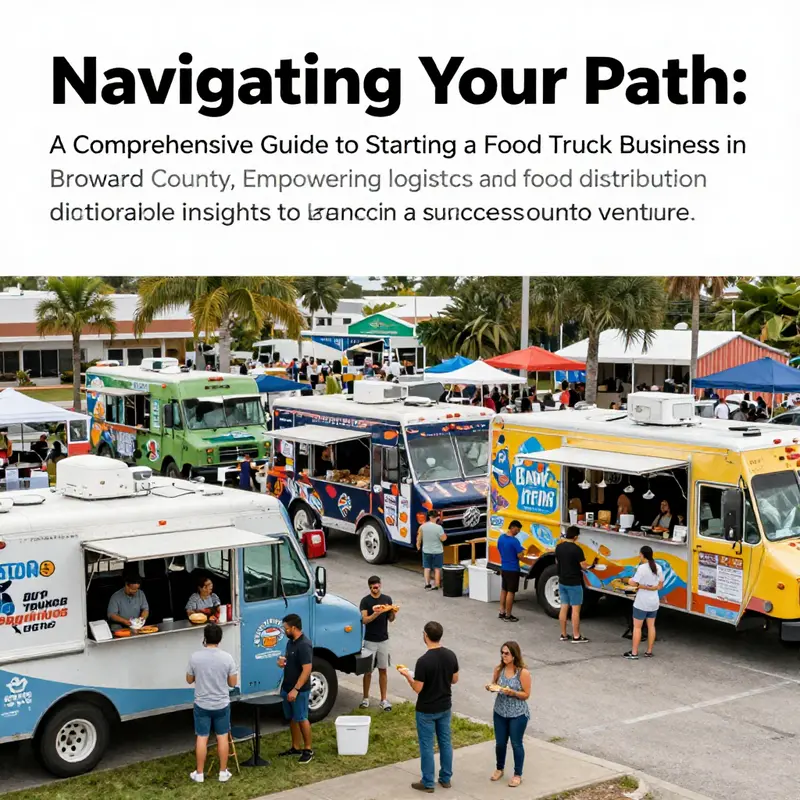
The food truck industry in Broward County has experienced significant growth, becoming a vibrant part of the local culinary landscape. Entrepreneurs and established businesses alike are increasingly attracted to this flexible food service model, offering an exciting opportunity for food enthusiasts and investors. However, launching a food truck business requires careful planning and a thorough understanding of legal and operational frameworks. This guide breaks down essential steps for those looking to start a food truck in Broward County, targeting logistics and freight companies, construction and engineering firms, fleet management companies, and food and beverage distributors. Each chapter will delve into critical components: from developing a unique business concept, choosing the right legal structure, navigating permits, securing insurance and equipment, to financial planning—empowering you with the knowledge to succeed in this competitive sector.
Beyond the Menu: Crafting a Distinct Broward County Food Truck Concept That Sells
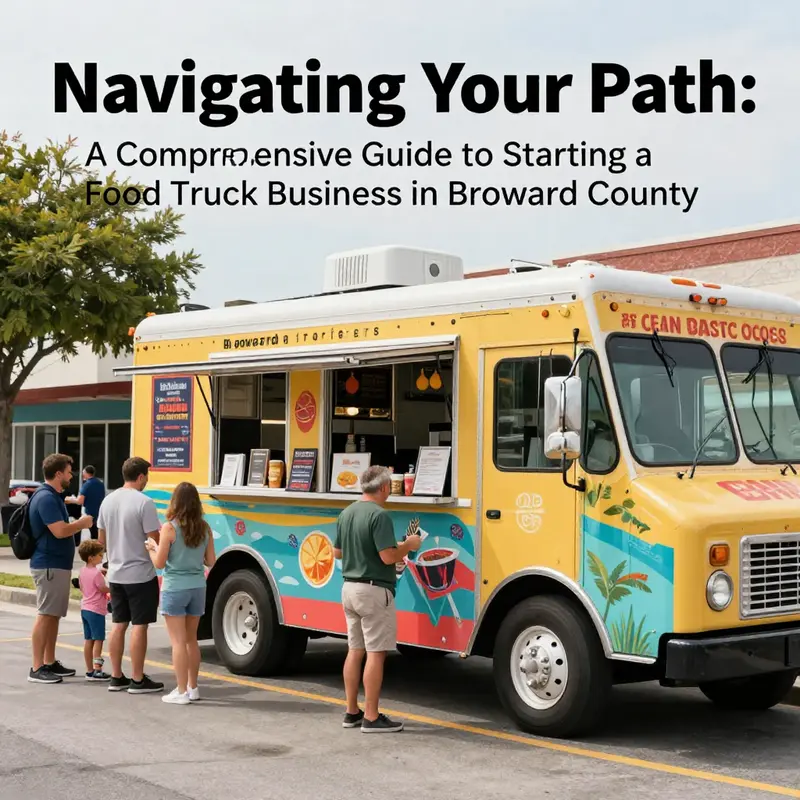
Developing a clear business concept for a Broward County food truck is the quiet engine behind every successful launch. It is not enough to pick a cuisine; the concept ties your menu, your brand, your service style, and your daily choices to a single, repeatable promise. In Broward’s sunlit mix of beaches, neighborhoods, and festival grounds, a distinct concept helps you stand out while guiding tough decisions about location, permits, and day-to-day operations. A well-defined concept acts as a compass when negotiating contracts with suppliers, planning a truck layout, and designing your cart’s workflow. It also shapes your marketing ladder—from the color and graphics on the side of your truck to the tone of your social posts and the rhythm of your events calendar. The county’s competitive but supportive ecosystem rewards clarity and makes it easier to attract customers who recognize you in a crowded street corner or during a late-night festival.
Start by naming the problem you want to solve for diners. Are you delivering a quick, affordable lunch with bold flavors, a premium experience with chef-driven twists, or a family-friendly option that travels easily between markets? Your answer becomes your value proposition: a crisp statement of why someone should choose you over other options. Flesh out a niche that fits Broward’s appetite—perhaps a signature dish that blends local staples with a distinctive technique, or a rotating menu that keeps regulars curious while maintaining core staples for consistency. A strong concept also signals your sourcing choices, whether you emphasize sustainable ingredients, locally grown produce, or a commitment to diverse cultural cuisines that echo the county’s own heritage.
Beyond the concept itself lies the audience you want to serve. Broward County hosts a mix of residents and visitors who spend time on the beach, in park-and-ride hubs, or at community events. Mapping where your target customers congregate informs your route planning and event strategy. If you lean toward vibrant, late-running events, you might design a menu that travels well under heat and humidity, with quick service and compact packaging. If you focus on daytime markets and office corridors, your concept may lean toward lighter fare and a faster turnover. Either way, the concept should align with what people in your chosen venues crave, while still offering a unique twist that invites repeat visits. This alignment is what turns an idea into a business moment rather than a one-off street food appearance.
Brand identity is the visible, tangible face of your concept. Your truck design, logo, color palette, typography, and even your soundtrack in the serving area should communicate the same story. Clarity here helps customers recognize you across multiple touchpoints—from social media visuals to menu boards and napkin designs. The branding should flow from your core menu choices and support the kind of customer experience you want to deliver: fast and efficient, warm and personal, or fun and theatrical. In Broward’s lively scene, a cohesive identity helps you win attention in crowded spaces and builds trust with event organizers who evaluate your professionalism at a glance.
Menu and product strategy are not separate from branding. They are the practical expression of your concept. A tight, well-priced menu reduces kitchen complexity and speeds service, especially when you are limited by a compact truck or a small cart. Consider cross-utilization of ingredients to manage waste and inventory while maintaining variety. Decide how often your menu will rotate to keep things fresh without introducing chaos. In the Broward context, seasonal greens in December or tropical fruits in the summer can create a weather-proof menu that resonates with beachgoers and festival crowds alike. Your concept should also anticipate dietary needs and cultural preferences common to the county, integrating them into a few reliable, clearly labeled options.
Operational realities unfold in the hardware you choose and the setup you build around it. The choice between a fully enclosed cart, a semi-enclosed setup, or an open-service window affects food safety, climate control, and staff workflow. Florida’s heat makes climate control not a luxury but a prerequisite for quality and compliance. A 2026 guide from a state-level industry association notes that enclosed models often provide better hygiene and easier temperature management during peak summer months. Your layout should support a logical flow from storage to prep to service, with clean lines for cleaning, and a simple system for receiving deliveries and stocking supplies. This is also the moment to consider power sources, water needs, and waste management—critical for staying compliant with Broward and city ordinances in bustling venues.
From concept to permit, compliance is a thread that runs through every decision. In Broward County you will typically pursue a Food Service Establishment Permit from the Health Department, with plans and layouts reviewed for sanitation and safe food handling. You will also need a Sales Tax Permit from the Florida Department of Revenue if you sell taxable goods, and you may require a Mobile Vendor Permit from the city where you operate. Fort Lauderdale, Hollywood, and Davie each have their own rules and schedules, so timing and documentation matter. Submitting detailed plans for your truck, equipment, and sanitation procedures saves revisits and reduces the risk of fines or shutdowns. Early coordination with county and city staff can make the difference between a smooth launch and a costly delay. You want to project a professional, compliant image from day one, because permits create a framework in which your concept can grow rather than being a last-minute hurdle.
Financing and budgeting anchor every creative impulse in realism. Start-up costs for a Broward County food truck commonly range from seventy-five thousand to over a hundred fifty thousand dollars, depending on truck condition, equipment choices, and menu ambition. Budget for the truck purchase or lease, kitchen gear, licensing fees, insurance, branding, initial inventory, and a cash reserve for the first few weeks of operation. Build a month-by-month forecast that captures seasonal demand, local events, and potential downtime between peak periods. The SBA’s lending programs and counseling resources can guide you through loan options, terms, and repayment scenarios, helping you test whether your revenue model scales with your concept. Practice a rigorous cash-flow plan that accommodates delays in permits, deliveries, and marketing campaigns, so you begin with a realistic runway.
Marketing begins the moment your concept is born. Brand development, a compelling social-media narrative, and a plan to punch above your weight at events will determine how quickly you build a loyal following. Create a simple but powerful launch plan that includes a signature event calendar, collaborations with local venues, and a consistent voice across platforms. Broward’s program ecosystem emphasizes community engagement: sponsor a local event, partner with nearby businesses, and invite feedback from early customers to refine your offerings. For visibility, use a mix of platforms, from image-rich posts to short videos that capture the speed and flavor of your service. Your concept should guide not just what you serve, but where and when you show up, because opportunities in Broward’s festival and beach scenes often materialize with short notice.
People drive the culture of your truck just as much as the equipment you buy. A service team that reflects the concept earns trust and creates repeat business. This is where a focus on hiring, training, and customer care intersects with operations. For entrepreneurs who see people as a strategic asset, there’s value in actively investing in your team—from onboarding programs to ongoing coaching and fair scheduling. Investing in people for trucking success. When staff feels empowered and understood, service quality rises, errors decrease, and your brand promising becomes real across every interaction.
With your concept defined and aligned to compliance, financing, and marketing, you can translate vision into a practical playbook. Your concept informs your equipment choices, your permits, and your daily routines. It helps you anticipate challenges unique to Broward’s climate, tourism cycles, and event calendars, while giving you a clear, repeatable experience that customers recognize. The core of your concept is the promise you make to diners: great food, delivered fast, in a way that respects local tastes and the environment. In the chapters ahead, you’ll translate that promise into concrete steps—licensing checklists, supplier strategies, and a predictable operations rhythm that keeps your truck rolling through Broward County’s vibrant streets.
External resource: Broward County SBDC offers free business counseling and planning tools to help refine and test your concept before launch: https://www.browardsbdc.org/
null
null
null
null
Armor on Wheels: Securing Insurance and Essential Gear for Broward County’s Food Truck Venture

In Broward County, starting a mobile kitchen means more than a great menu and a clever truck wrap. It means building a shield of protection around your investment, your crew, and the people you serve. Insurance and equipment are not afterthoughts; they are the bedrock that keeps a business compliant, resilient, and able to weather the unpredictable rhythms of street vending. The regulatory landscape in southeastern Florida is robust, with county health requirements intersecting with city ordinances. A careful, proactive approach to risk management can save you from fines, shutdowns, or costly delays that derail momentum during a crucial early phase.
When you begin shopping for coverage, you quickly learn there are several layers. General liability insurance is the foundation. In practice, many Broward-based operators carry a base policy around one million dollars of coverage, enough to address common slip-and-fall claims, product liability, and third-party damages. This protection matters not only for the bankable peace of mind it offers lenders and partners but for the day-to-day reality of busy events, crowded markets, and the high-energy pace of a food truck that pulls into a festival lot at peak hours. A qualified broker who understands mobile food service can translate the unique risks of a truck kitchen into a policy that fits your operation, balancing premium costs with meaningful protection. It is wise to secure a certificate of insurance and maintain it updated as you hire staff, switch locations, or expand your route. The dynamic nature of Broward’s event calendar means coverage decisions are not static; they evolve with scale and exposure.
Commercial auto insurance, the second pillar, treats the truck itself as a vehicle, with the specific responsibilities that come from its dual role as a kitchen and a roadworthy asset. This coverage can address physical damage to the truck, liability arising from accidents, and any cargo-related claims tied to the food you transport. For operators who employ drivers or staff who operate the vehicle, workers’ compensation insurance becomes essential. In Florida, as in many states, workers’ comp is mandatory if you have employees, and it extends protection to both the people who prepare meals inside the truck and those on site at events. Skipping this coverage is not a risk worth taking; the penalties can be stiff and the disruption abrupt. Insurance decisions should be anchored by a dialogue with a broker who brings experience with health department expectations, fleet risks, and seasonal fluctuations in demand. That relationship matters because the policy you purchase should not be an abstract line item. It should translate into tangible safeguards—clear limits, prompt claims handling, and transparent renewal terms.
Behind every policy is a practical map of equipment and infrastructure. A truly functional food truck must carry a fully equipped kitchen module that supports your menu while respecting space, safety, and health code requirements. Essential appliances include a griddle or flat-top for even searing, a reliable fryer if your concept calls for crispy offerings, a capable cold-storage unit, a dedicated prep area, and a sink with a potable water supply for handwashing and dish needs. The health department scrutinizes not just what you cook, but how you cook and how you clean. Equipment must be constructed from non-toxic, non-corrosive, and easily cleanable materials. The water system—potable supply, proper waste disposal, and backflow prevention—belongs to the same discipline. These details matter at the permit inspection, where the plan and the reality of your truck must align. A practical layout, tested in dry runs, can prevent bottlenecks during peak service times and reduce the chances of violating sanitary guidelines that could trigger inspections or, worse, permit suspensions.
In Broward, the equipment conversation intersects with energy reliability and operational efficiency. Many operators invest in a robust power setup to ensure stable cooking temperatures and uninterrupted service across events of varying size. This often means pairing a generator or alternative power sources with energy-conscious equipment, careful heat management, and an organized electrical plan that keeps circuits balanced and compliant with fire and electrical codes. Alongside the core kitchen, thoughtful investments in branding materials—clear, durable signage and an effective point-of-sale system—nudge customer experience and turnaround times in busy locations. While the equipment list stays grounded in health and safety, the ancillary gear that supports service quality can be the difference between a smooth shift and a chaotic one. The best trucks balance a lean, compliant core kitchen with reliable systems for payment processing, order assembly, and waste disposal.
As you plan the financials of insurance and equipment, remember that these decisions ripple through every other part of the business. Insurance premiums are influenced by factors such as your menu risk, location mix, and how you manage food safety practices on a day-to-day basis. Equipment costs, while initially sizable, can be amortized through careful budgeting, vendor financing discussions, and appropriate depreciation for tax purposes. The Small Business Administration highlights financing options that can help bridge upfront gaps, and Broward’s economic development landscape often points to counseling and financing resources that can sharpen calculations for a three- to five-year plan. A well-structured plan blends risk protection with capital efficiency, ensuring your truck can operate at scale without compromising safety or service.
People and process considerations thread through insurance and equipment as well. As you grow, the human element—training staff, enforcing standard operating procedures, and maintaining consistent health practices—interacts with insurance requirements and with how you configure your kitchen. A stable workforce, reduced accident risk, and disciplined sanitation practices can favorably influence premiums and the efficiency of your day-to-day operations. It is useful to view the business as a living system, where risk controls, maintenance routines, and customer-facing systems reinforce each other rather than compete for attention. For a broader perspective on managing people and performance in a mobile operations context, you can explore broader discussions such as Investing in People: Key to Trucking’s Success. This reference, while rooted in trucking, echoes the same principle: people and systems drive resilience in mobile, regulated settings.
In parallel with insurance and interior setup, the external environment—permits, inspections, and city-specific rules—shapes how you approach both risk and readiness. The Broward County Health Department outlines the essential steps for obtaining and maintaining a Mobile Food Facility Permit, including inspections, plan review, and ongoing compliance. This is not a one-off hurdle; it is an ongoing partnership to ensure your operation stays within health and safety boundaries as you travel to markets, beaches, and community events across the county. For operators who want to understand the broader legal and regulatory backbone, the county’s public health resources provide practical guidance, checklists, and contact points that help you anticipate questions before an inspector arrives. The rhythm of Broward’s regulatory calendar—seasonal markets, summer festivals, and recurring farmers’ markets—requires a stable framework of coverage, maintenance, and recordkeeping so that a busy summer does not become a setback in the fall.
As you inventory your needs, keep in mind the integration of the equipment with your service model. A well-planned truck is more than a kitchen-on-wheels; it is a reliable platform that supports your team, protects your customers, and sustains your brand promise in a crowded market. The investment in proper insurance, careful equipment selection, and an aligned operations plan pays off in smoother audits, quicker permit approvals, and a customer experience that consistently meets safety standards. In Broward’s vibrant, fast-moving environment, these elements are not optional extras but prerequisites for building a lasting business. The most successful operators remain informed, stay organized, and see risk management as a competitive differentiator rather than a compliance burden. They map out annual review cycles for insurance, service records, and equipment maintenance, ensuring every component of the truck’s operation adds to reliability and trust with customers, lenders, and licensing authorities.
For detailed permit guidance and updates, refer to Broward County Health Department’s food services information. And when you’re ready to deepen your strategy for growth and people, consider the broader lessons in the linked article about investing in people within trucking.
External resource: For ongoing updates on local health guidelines and permits, refer to Broward County Health Department – Food Services: https://www.broward.org/health
Financing the First Mile: Navigating Budgets, Loans, and Local Rules for a Broward County Food Truck
Financing the launch of a Broward County food truck is not only about securing funds; it is about building a financial engine that can survive the unpredictable rhythms of coastal weather, seasonal events, and shifting city permits. The foundation rests on a clear, realistic picture of startup costs, a disciplined plan for ongoing expenses, and a financing path that aligns with local regulations and growth goals. From the outset, map the financial landscape with honesty about the big-ticket items and the smaller but relentless costs that never go away. The largest line items tend to be the truck itself, its outfitting, and the permits that keep you compliant. A typical Broward startup falls within a broad range, often between sixty-five thousand and one hundred fifty thousand dollars, depending on whether you buy a used vehicle, invest in a customized build, or explore leasing alternatives. Outfitting a mobile kitchen—refrigeration, exhaust systems, sturdy prep surfaces, and reliable generators—can push costs toward the upper end of that spectrum. Add licensing, inspections, and insurance, and the initial cash requirement becomes substantial, but not insurmountable with a solid plan and the right partners. The budgeting process, therefore, should be built in layers. Begin with a detailed equipment and vehicle cost worksheet that captures what you must own at launch and what can be staged for later upgrades. Then layer in permitting and licensing fees, which in Broward involve the county health department, city-level vendors, and sometimes city-specific permits. This is not merely a compliance exercise; it is a cost management discipline. In Broward, you will step through a sequence of approvals that safeguard public health and consumer trust, but each permit carries a price tag that must be contemplated in the overall financial plan. A practical approach is to forecast permit renewals and potential inspections over the first two years. Even if approvals come in on a single timeline, you should reserve a contingency to cover any delays or additional requirements that could arise from municipal nuance. The financial plan must also be anchored in a realistic view of ongoing operating costs. Fuel, maintenance, insurance, and vehicle depreciation will be your steady drumbeat. Add food costs, packaging, cleaning supplies, and consumables that vary with menu choices and supplier terms. In a coastal county that thrives on festivals, markets, and beachside events, scheduling becomes a major variable. The revenue forecast should reflect a careful assessment of where you will park, how often you will appear, and what you will charge to sustain a healthy margin. A common rule of thumb is to target gross margins in the range of 60 to 70 percent for a well-managed menu, while keeping labor costs below a third of revenue. The mathematics of pricing and portion control matter as much as the food itself. To forecast revenue with confidence, align menu strategy with event calendars and foot traffic patterns. Broward’s event ecosystem offers frequent opportunities, from beachside gatherings to street fairs, which means revenue can be concentrated on weekends and special occasions. When projecting income, consider peak times and slower days, and build a contingency that accounts for weather disruptions or permit-related downtime that can temporarily reduce your appearances. This is where the discipline of a cash flow forecast becomes essential. A robust forecast translates into a timing plan for when you need capital versus when cash will begin to flow from sales. It also informs the funding strategy: should you pursue a traditional bank loan, an SBA-backed program, or a line of credit to smooth cash flow during off-peak periods? The Small Business Administration’s financing options—microloans and other programs—are designed for startups and can offer favorable terms. Prepare a polished business plan and a two-year financial projection to accompany loan applications, with clear assumptions about price, volume, and costs. In Broward, lenders will expect professional organization and credible forecasting, along with evidence of market demand. While debt can enable growth, equity or owner financing often provides flexibility in the early stages when cash is tight. Friends, family, or investors may be an option, but treat any such funding with formal terms, a repayment plan, and a clear understanding of what ownership or control, if any, is being conveyed. The goal is a balanced capital structure that minimizes risk while supporting growth. A practical step is to segment financing sources by purpose: one portion for capital expenditure (the truck and kitchen), another for working capital (inventory, marketing, and labor), and a safety reserve (emergency funds for repairs or seasonal downturns). For many operators, a combination works best: a modest loan to cover the truck and outfitting, plus a line of credit to cover short-term swings in inventory and payroll. The Broward County Small Business Development Center (SBDC) can be a critical ally, offering free counseling, business planning tools, and guidance on grants and low-interest loans. In practice, a well-structured plan includes three core elements: a startup cost tally, a monthly cash flow forecast for at least two years, and a break-even analysis that shows how many days you must operate to cover all costs. The break-even point will hinge on the menu’s price—and the arrangement with suppliers—as well as the predictability of event scheduling. Make room for a conservative revenue scenario and a more optimistic one. This creates a safety margin that makes it easier to navigate the inevitable curveballs. A nuanced financial plan also addresses talent as an asset. Staffing is a recurring expense, and investing in people can bear fruit through improved service, higher sales, and repeat business. A practical mindset is to view payroll as a lever for growth rather than a fixed cost. A solid strategy in this area is to allocate funds for training, cross-training, and incentives that align staff performance with sales. This perspective echoes a broader principle that runs through successful trucking and hospitality operations alike: people drive outcomes, not merely processes. For operators who want to explore this angle more deeply, see insights on investing in people as a key driver of performance in trucking leadership discourse. Investing in People: A New Path for Trucking Fleets. Beyond people, the toolkit for financial planning includes budgeting software, simple cash flow templates, and forecasting platforms that can handle seasonal demand and event-driven spikes. The right tool is one that you will actually use, so start with a realistic, easy-to-update model. Finally, align your finances with legal and regulatory discipline. Permit costs, business taxes, and city licenses require ongoing attention and renewal, and overlooking them can undermine cash flow and uptime. Build a calendar that flags renewal dates months in advance and earmarks funds to cover these recurring outlays. The Broward County Health Department permit, the Florida seller’s permit, and the city vendor permits each carry timelines and renewal fees that should be integrated into your financial plan. A well-structured financial approach will not only help you secure funding but also shape a viable growth path that respects local rules and community expectations. For broader guidance on local regulatory resources, consult Broward County’s official portal. External resource: https://www.broward.org
Final thoughts
Starting a food truck business in Broward County presents a viable opportunity for logistics companies, construction firms, and food distributors looking to diversify their revenue streams. By meticulously developing a business concept, choosing a proper legal structure, navigating the necessary permits, securing comprehensive insurance and equipment, and planning finances strategically, entrepreneurs can pave the way for sustainable success. This guide serves as a foundational resource, encouraging potential business owners to embrace the culinary innovation that food trucks bring to the community. Now is the time to leverage your industry expertise and explore this dynamic and rewarding market.