
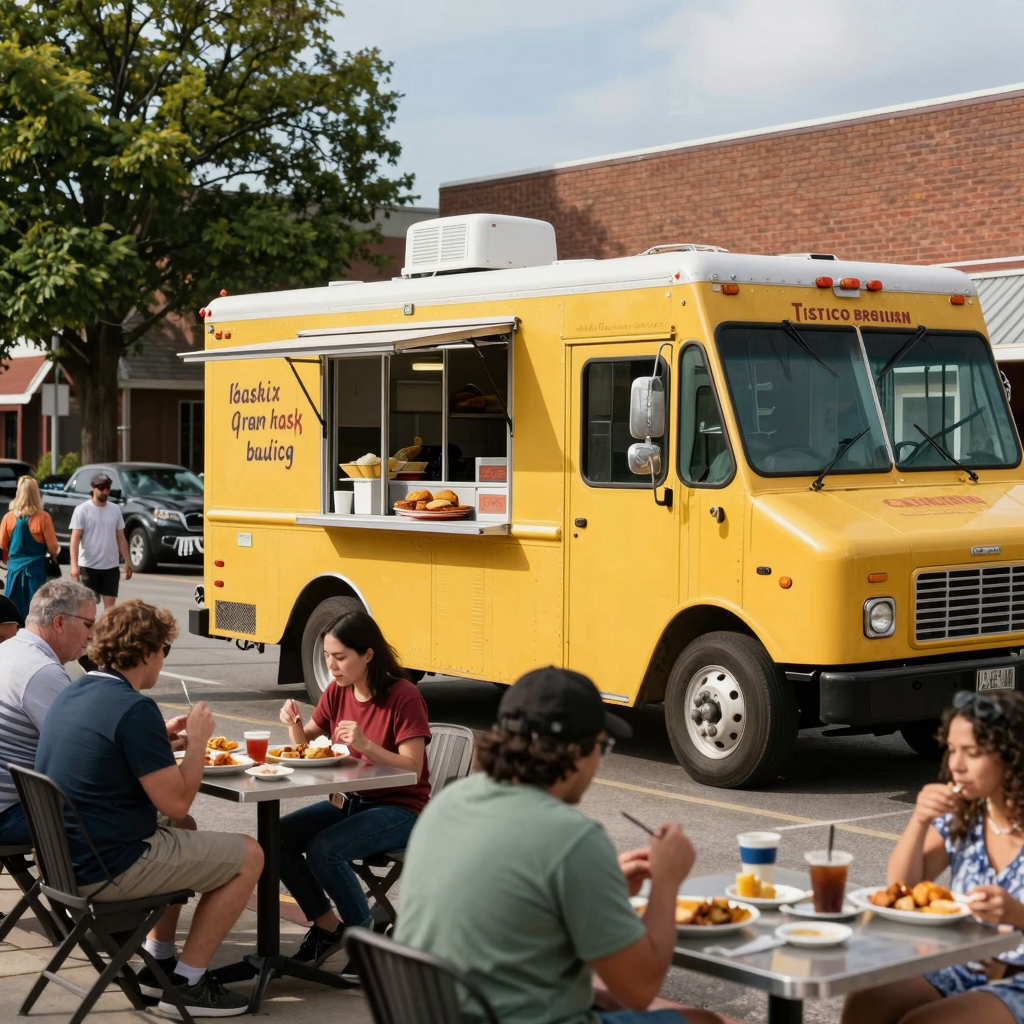
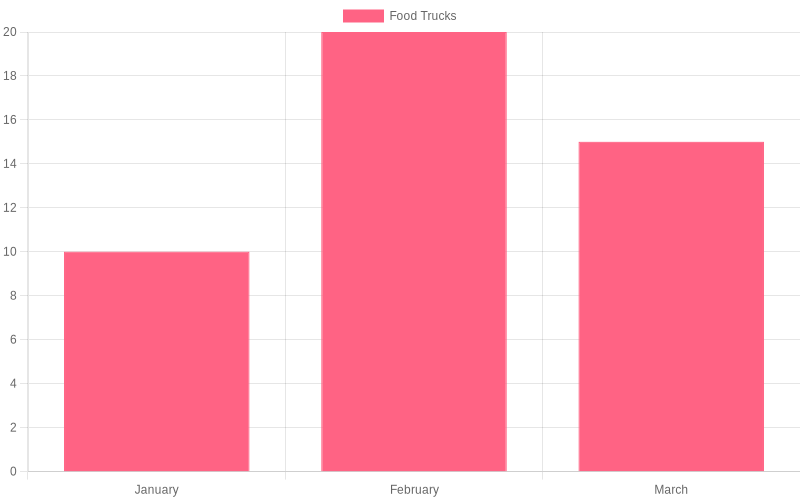
Starting a food truck business in Georgia presents an exciting opportunity within a rapidly expanding market. According to recent reports, the number of licensed food trucks in Georgia rose by an impressive 20.5% from 2022 to 2023, reflecting a growing interest in mobile dining solutions. With food trucks contributing approximately $180 million to the state’s economy this year, it’s evident that this niche is thriving. The lower startup costs compared to traditional brick-and-mortar cafes and the growing consumer demand for diverse and convenient dining options make this an appealing venture for aspiring restaurateurs. The food truck scene, particularly vibrant in urban centers like Atlanta, attracts a diverse audience, from busy professionals seeking quick meal options to families looking for affordable dining experiences. This convergence of demand positions food trucks as a lucrative business model amid Georgia’s dynamic culinary landscape. To learn more about the potential economic landscape influencing food trucks, check out insights on economic trends impacting trailer orders.
Starting a Food Truck Business in Georgia
Starting a food truck business in Georgia involves several essential steps that require careful planning and execution. Below is a detailed outline of the steps needed to successfully launch your food truck venture:
1. Conduct Market Research
Before anything else, conduct thorough market research to understand the local food scene in Georgia. Assess current trends, competitor offerings, and customer preferences. This knowledge will help you in sizing up the demand for your food truck concept and identifying your target market.
2. Develop a Business Plan
Crafting a solid business plan is crucial. Your plan should outline your concept, menu, marketing strategy, financial projections, and operational plan. This document will not only guide your business decisions but is also essential when seeking funding or partnerships.
3. Choose a Business Structure
Decide on the legal structure of your food truck business, whether it’s a sole proprietorship, LLC, or corporation. Register your business with the Georgia Secretary of State to ensure legal compliance. For more details on the registration process, you can visit the Georgia Secretary of State website.
4. Obtain Required Licenses and Permits
You’ll need various licenses and permits to operate legally:
- Mobile Food Vendor Permit: Required by your local jurisdiction.
- Food Service Establishment Permit: Obtained from the local health department, ensuring you meet health regulations.
- Sales Tax Registration: Necessary for tax compliance through the Georgia Department of Revenue.
For an extensive guide on permits, check the Food Truck Startup Guide.
5. Design Your Food Truck
Invest in a commercial-grade food truck that meets health and safety regulations. Consider the design and layout of the truck to maximize efficiency during service. The truck must be equipped with necessary appliances like grills, refrigeration, and handwashing stations.
6. Create a Unique Menu
Develop a menu that reflects your brand and caters to your target audience. Consider local tastes and trends when creating your offerings. Your menu should also be manageable, focusing on quality over quantity.
7. Build Your Brand
Design a memorable brand identity, including your food truck’s name, logo, and signage. An appealing brand image is essential for attracting customers. Use social media and local marketing strategies to create buzz around your launch.
8. Promote Your Food Truck
Use digital marketing, local advertising, and community engagement to promote your food truck. Attend local events and festivals to raise awareness about your brand. (Check out the local regulations concerning event participation for food trucks to ensure compliance).
9. Ensure Compliance and Continuously Improve
Stay informed about new laws and regulations that may impact your operations. Regularly review your business performance and customer feedback to adapt and improve your offerings.
Starting a food truck business requires dedication, attention to detail, and compliance with various regulations. Through planning and execution, your food truck can become a successful venture in Georgia.
Legal Requirements for Operating a Food Truck in Georgia
Starting a food truck business in Georgia necessitates compliance with various legal requirements, including permits, licenses, and health regulations. Understanding the regulatory framework is crucial for a successful operation.
Necessary Permits and Licenses
To operate legally, a food truck in Georgia must obtain several permits and licenses:
- Mobile Food Facility Permit: This is required from the local health department. The application involves submitting a fee (ranging from $150 to $300), passing an inspection, and ensuring the truck meets all health standards. This permit is valid for one year and must be renewed annually. For further information, visit the Georgia Department of Human Services.
- Business License: Depending on the locality, a local business license may be required. This helps ensure compliance with local zoning laws.
- Federal Employer Identification Number (EIN): Essential for tax purposes, this number is obtained through the IRS.
Health Regulations
Health regulations are stringent for food trucks in Georgia:
- Food Safety Training: Operators and staff must complete food safety training (ServSafe certification) to ensure proper food handling practices are followed.
- Regular Inspections: Food trucks must undergo inspections by local health departments to verify compliance with sanitation standards.
Zoning and Operational Guidelines
Local governments may impose additional regulations, including:
- Zoning Restrictions: Certain areas may restrict food truck operations, especially near schools or residential zones. It is vital to check local zoning maps and rules. In Atlanta, for example, a Mobile Food Vendor Permit must be obtained from the city’s Department of Business Affairs, which requires compliance with specific local ordinances (learn more about food truck permits).
Conclusion
Operating a food truck in Georgia involves navigating various legal and health requirements. By obtaining the correct permits and adhering to health regulations, operators can establish a compliant and successful food truck business.
Food Truck Market Trends in Georgia
Georgia’s food truck market has experienced significant growth in 2023, particularly in urban areas such as Atlanta, Savannah, and Athens. This trend reflects broader changes in consumer preferences and dining habits, presenting opportunities for aspiring entrepreneurs in the food and beverage industry.
Popular Cuisines
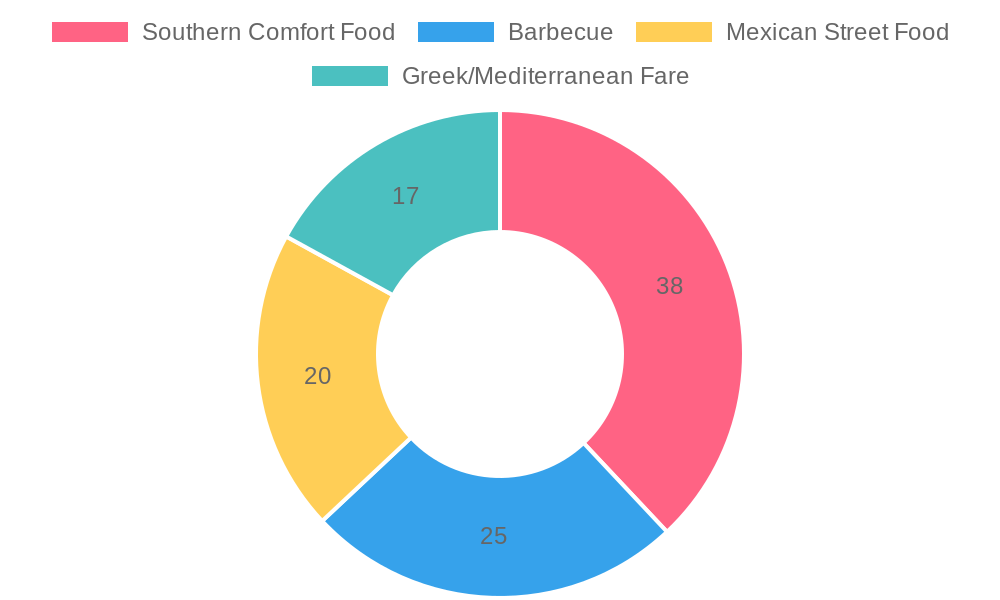
The most popular cuisines offered by food trucks in Georgia this year include:
| Cuisine Type | Percentage (%) |
|---|---|
| Southern Comfort Food | 38% |
| Barbecue | 25% |
| Mexican Street Food | 20% |
| Greek/Mediterranean Fare | 17% |
The above table showcases the diverse culinary offerings within the food truck scene. Southern Comfort food leads the market, followed by barbecue, which resonates with Georgia’s traditional tastes. As demonstrated in the accompanying chart, food trucks that offer Mexican and Greek/Mediterranean options are also thriving, indicating a push towards varied flavor profiles that appeal to a broad customer base.
Demographic Analysis
Demographics play a crucial role in determining the success of food trucks. Recent insights indicate the following customer age breakdown:
-
Millennials and Gen Z (ages 18-35): This group constitutes the primary consumer segment for food trucks, emphasizing the importance of trend-driven offerings.
-
Catering to Dietary Trends: Trucks providing plant-based, gluten-free, and keto options have noted an uptick in attendance rates, appealing to health-conscious consumers.
-
Event Attendance: At events like the Atlanta Food Truck Festival, 68% of attendees were under 35. Sustainability practices, including the use of compostable packaging and focus on local sourcing, resonate with younger consumers.
Conclusion
For logistics and food distributors seeking to tap into Georgia’s burgeoning food truck sector, understanding these trends is vital for operation success. By aligning with consumer preferences and demographics, coupled with effective fleet management strategies, businesses can seize this dynamic market opportunity. For further insights into the intersection of logistics and food services, learn more about fleet management strategies.
Starting a food truck business in Georgia involves navigating various permits and costs associated with legal compliance. Below is a detailed comparison table of the permits required along with their associated costs:
| Permit Type | Cost Range | Description |
|---|---|---|
| Food Service Establishment Permit | $250 | Issued by Georgia Department of Public Health (DPH), required annually for all food trucks. |
| Local Business License | $50 – $200 | Varies by jurisdiction; required to operate legally within city or county limits. |
| Mobile Food Vendor License (Atlanta) | $150 | Required by the City of Atlanta; includes proof of liability insurance and health inspection. |
| Special Event Permit | $50 – $100 per event | Required for operating at festivals or public events; cost varies by event specifics. |
All food truck operators must comply with state health codes and pass regular inspections. For specifics regarding local requirements, it is advisable to consult the Georgia Department of Public Health or your local municipality’s regulations.
Choosing the Right Food Truck
When selecting a food truck, several factors need to be considered that are particularly relevant for distributors and fleet companies. Here are key aspects to focus on:
Size and Dimensions
- Compactness: The size of the truck is crucial, especially for urban environments. A compact truck design maximizes maneuverability and parking success in crowded streets.
- Operation Capacity: Consider the operational capacity, which should match the anticipated demand. Larger trucks may accommodate expansive menu options and staff but may also face restrictions in areas with strict size regulations.
Equipment Configuration
- Kitchen Setup: Choose a truck that allows for customization of kitchen equipment based on your menu. Select equipment that meets the required health codes, such as refrigeration units, grills, and frying stations. Durable and efficient appliances will reduce long-term maintenance costs.
- Modular Design: Look for a flexible internal layout that can allow quick adjustments according to service needs or menu changes.
Maintenance Costs
Maintenance costs for food trucks can vary significantly based on different factors, including equipment quality, age of the truck, and usage. Here’s a detailed breakdown of influential factors:
| Factor | Influence on Maintenance Costs |
|---|---|
| Equipment Quality and Type | Higher-quality or specialized equipment increases maintenance complexity and cost. Frequent breakdowns are common with lower-end systems. |
| Usage Frequency | High daily usage accelerates wear and tear on engines and appliances, leading to more frequent maintenance needs. |
| Age of the Truck | Older trucks typically require more repairs due to aging components. |
| Climate Effects | Trucks in extreme temperatures may face higher maintenance due to additional strain on systems. |
| Preventive Practices | Regular servicing keeps long-term costs low and prevents major failures. |
Customization and Flexibility
- Visual Branding: Distributors should opt for trucks that allow for branding options, such as colors, logos, and customized features to align with company identity.
- Transport Mobility: Ensure the food truck is designed to support frequent relocations, requiring transportation-readiness and adaptability to different settings.
In summary, selecting the right food truck involves weighing the importance of size, equipment, maintenance, and customization to suit logistical needs-each aspect contributes to operational efficiency and brand identity.
Learn more about the future of trucking and its implications for food distribution channels.
Effective Marketing Strategies for Food Trucks
To successfully attract customers to your food truck, implementing a well-rounded marketing strategy is essential. Here are some effective tactics food truck owners can adopt:
-
Utilize Social Media: Build a strong presence on platforms like Instagram and TikTok. Share engaging content, daily menus, and behind-the-scenes looks to entice followers. Interactive polls and updates on your location can drive traffic. Learn more about using social media effectively.
-
Leverage Location-Based Advertising: Use apps like Google My Business and Yelp to promote your truck’s location and specials to nearby users. Keep information updated to ensure visibility.
-
Create a Loyalty Program: Implement digital punch cards for repeat customers. This encourages repeat business and fosters customer loyalty.
-
Engage in Local Events: Partner with local businesses and participate in community events to increase visibility and connect with potential customers.
-
Eye-Catching Branding: Ensure your truck is well-branded with vibrant colors and clear menus to attract foot traffic.
-
Storytelling: Share your journey and the sourcing of ingredients to create an emotional connection with customers. Discover additional marketing strategies.
These strategies can help your food truck stand out in a competitive market and attract a steady stream of customers.
Visualizing Food Trucks in Action
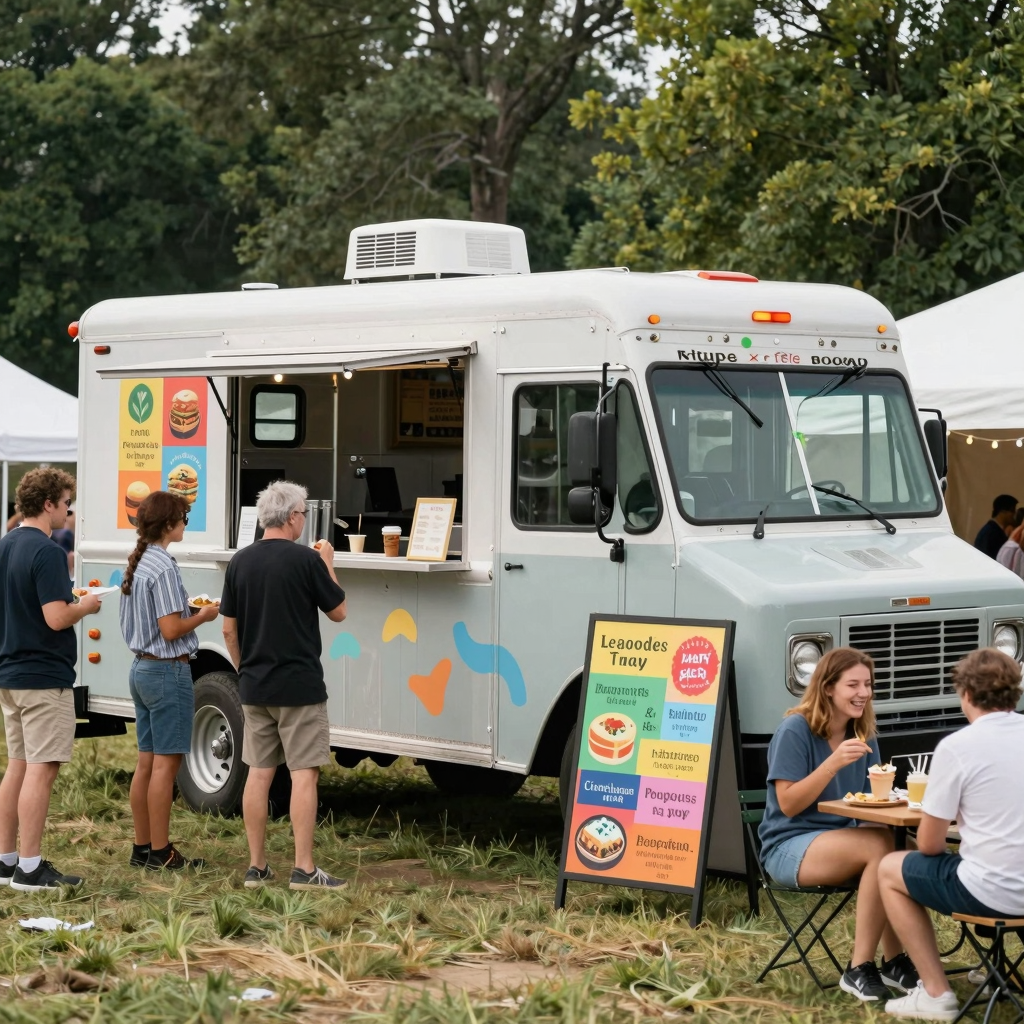
Starting a food truck business can be an exciting venture, and visualizing it can often spark inspiration. The image below captures the essence of food trucks in action, showcasing a variety of culinary offerings served to enthusiastic customers at an event.
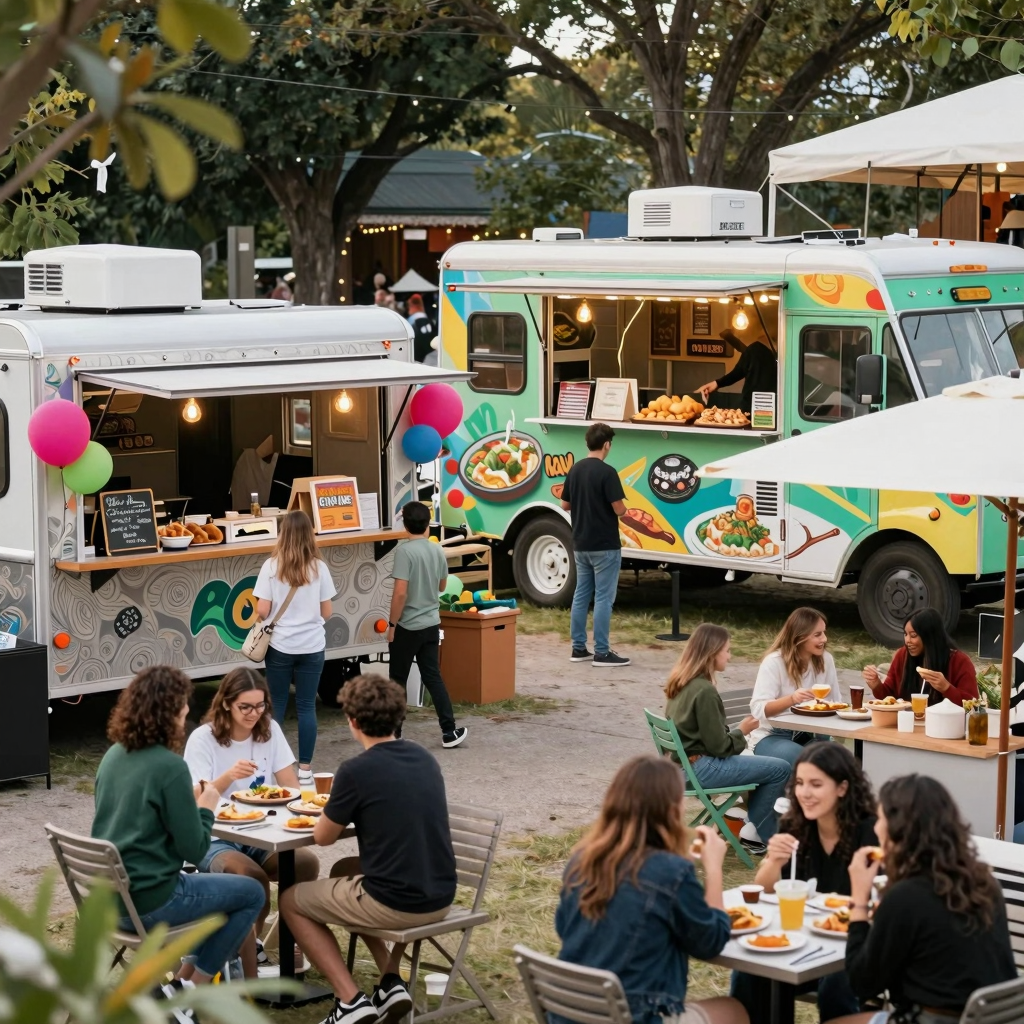
Creating a successful food truck business involves several key steps, from selecting a unique menu to understanding local regulations. In Georgia, you’ll need to navigate several logistical challenges, such as obtaining the necessary permits and licenses. However, with a well-planned approach and a vibrant brand, you can carve out a niche in the competitive food landscape.
Key steps include:
- Researching your market: Understand your target audience and their culinary preferences.
- Choosing a unique concept: This can differentiate you from other food vendors.
- Investing in high-quality equipment: Ensures that you can serve delicious food efficiently.
By picturing food trucks like those in the image, you can better understand how to engage with your customers and create a memorable brand appearance. For more insights on starting a business in logistics, consider exploring our articles on trucking costs and investing in human capital.
Inspiring Entrepreneurial Spirit
Starting a food truck business in Georgia can be an exciting journey filled with both challenges and rewards. A successful food truck entrepreneur once said, > “The most sustainable food trucks are those that build trust through repeatable excellence-not just great food, but great experiences.” This quote underscores the importance of providing consistent quality and excellent customer service, which are crucial for any food truck owner aiming to establish a loyal customer base.
As you venture into this dynamic industry, consider focusing not only on your menu but on the overall experience you provide to your customers. A vibrant atmosphere, like having a visually appealing food truck that showcases a variety of colorful dishes, can enhance customer engagement. Building relationships with your patrons will ultimately lead to repeat business and recommendations.
In addition to these strategic insights, understanding the logistical aspects of running a food truck is essential. Be sure to research local regulations and permits in Georgia, and consider how to manage supply chain logistics effectively. You can get started by learning about trucking challenges here.
With the right mix of quality, service, and logistics, your food truck can thrive in Georgia’s vibrant culinary scene.
Conclusion
In summary, the food truck business in Georgia exhibits remarkable potential for growth and success. Through the key points discussed, such as the increasing consumer demand for convenient dining options and the vibrant urban landscapes of major cities like Atlanta and Savannah, it is clear that the market is primed for expansion. Statistics indicate that the U.S. food truck industry is on a fruitful trajectory, with estimated annual growth rates of up to 6.9% from 2023 to 2026, highlighting a promising environment for new entrants.
Moreover, Georgia stands as one of the top states for food truck activity due to its rich cultural diversity and thriving tourism sector. Supported by innovative initiatives from local institutions, such as the University of Georgia’s Food Science Institute, which promotes sustainable practices and value-added food processing, aspiring food truck owners can find a nurturing ecosystem to flourish. This combination of favorable demographic trends, urban locales, and supportive community initiatives positions the food truck industry as a viable option for entrepreneurs seeking to carve their niche in the food and beverage landscape.
Call to Action
As such, we encourage you to explore the myriad opportunities available in the food truck business. Whether you are a logistics or fleet management professional looking to expand your portfolio or a culinary enthusiast craving entrepreneurial freedom, now is the time to dive into the vibrant food truck scene in Georgia. Engage with local suppliers, evaluate innovative approaches to food service, and leverage technology such as mobile payment systems and online ordering to enhance customer reach. By seizing this opportunity, you will not only contribute to the local economy but could also embark on a fulfilling journey in the thriving world of food trucks. Explore more about food truck innovation and growth opportunities and get started on your path to success!