
Starting a small trucking business can be a lucrative venture in the booming logistics and freight sector. With the ongoing demand for efficient transportation solutions, new entrepreneurs are presented with unprecedented market opportunities. The foundation of this industry is bolstered by both e-commerce growth and the need for reliable supply chains, creating an environment ripe for small trucking enterprises. However, entering this competitive landscape requires careful planning, compliance with regulations, and an understanding of the operational challenges involved.
This guide will navigate through the essential steps needed to launch your small trucking business, ensuring you capitalize on the expanding market while mitigating risks associated with compliance and logistics management. From acquiring the right permits and licenses to investing in a reliable fleet, your journey toward establishing a successful trucking operation begins with informed decision-making. If you’re looking to tap into this dynamic market, it’s time to explore what it takes to get on the road to success. For insights into the industry’s evolving landscape, learn about the recent trends in trucking or discover how expansion strategies are reshaping logistics.
Essential Steps to Start a Small Trucking Business
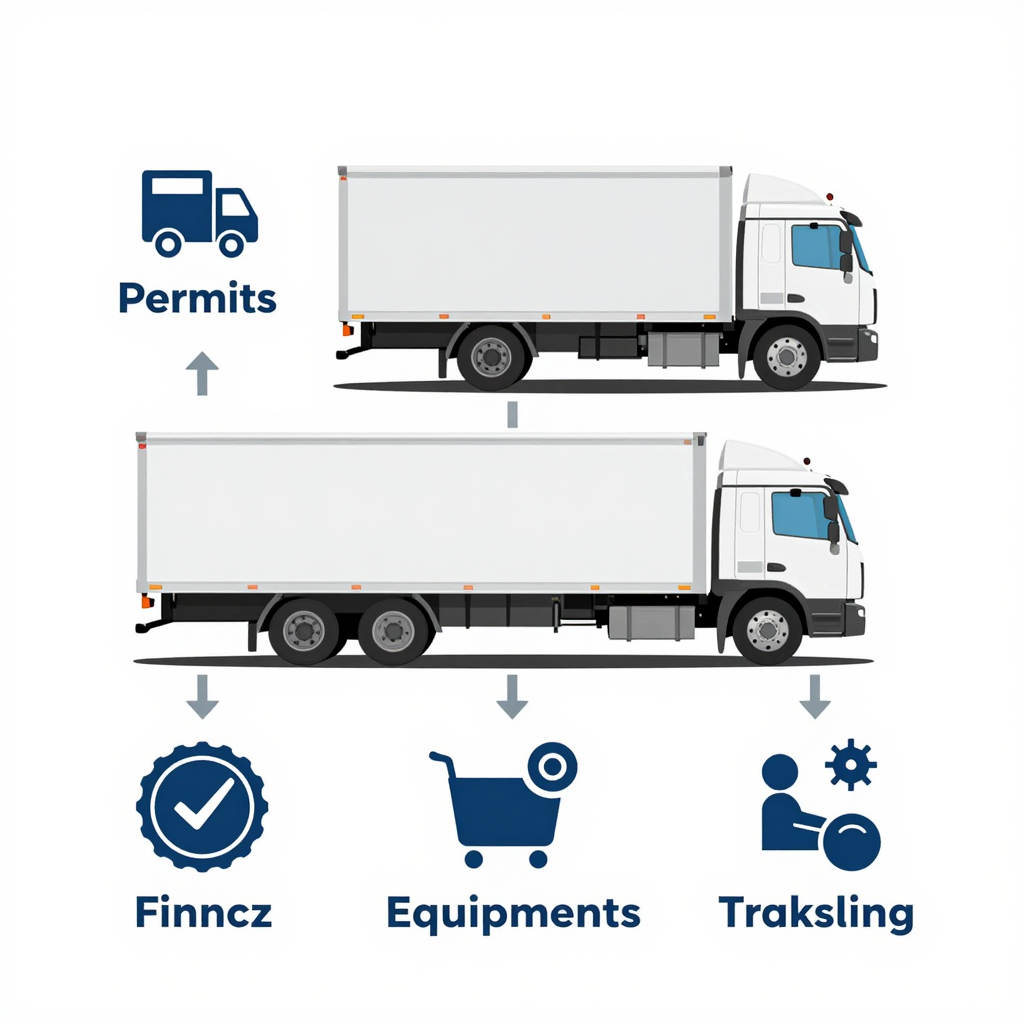
Starting a small trucking business can be a rewarding venture, but it requires careful planning and execution. Here are the essential steps you need to follow:
-
Develop a Business Plan
Define your niche (local delivery, long-haul, refrigerated), target market, services offered, pricing strategy, and financial projections. This plan should detail startup costs, revenue forecasts, and a break-even analysis. -
Choose a Legal Structure & Register Your Business
Select a business entity such as an LLC or corporation. Register your business with your state and obtain an Employer Identification Number (EIN) from the IRS. -
Obtain Required Permits and Licenses
- Apply for a Motor Carrier (MC) number and USDOT number through the FMCSA.
- Ensure compliance with state-specific permits and hazmat endorsements, if applicable.
-
Secure Financing
Explore financing options including SBA loans, traditional bank loans, and equipment financing. -
Purchase or Lease Trucks and Equipment
Invest in reliable trucks tailored to your business needs. Evaluate used or new trucks for crucial features like fuel efficiency and maintenance history. -
Acquire Insurance
Obtain necessary insurance such as primary liability and cargo insurance. Also, consider workers’ compensation if hiring employees. -
Hire Drivers (if needed) and Comply with Regulations
Conduct thorough background checks and ensure compliance with FMCSA hours-of-service rules. -
Market Your Business and Build Clientele
Create a professional online presence, network, and provide excellent service to attract and retain customers.
For more information on current trends and challenges in the trucking industry, read more here.
Also, check out insights on trucking financing options here.
Importance of Conducting Market Research for Small Trucking Businesses
Market research plays a crucial role in the growth and sustainability of small trucking businesses within the logistics and freight industry. It serves as a strategic tool that helps entrepreneurs identify opportunities and assess competition, enabling them to make informed decisions about their operations.
-
Identifying Market Opportunities
Conducting comprehensive market research allows small trucking businesses to identify unmet needs in the logistics sector. By analyzing customer preferences, businesses can tailor their services to meet specific demands, potentially leading to increased customer satisfaction and loyalty. For instance, understanding trends such as the shift toward sustainable transportation can help trucking companies innovate and capture new client bases in eco-conscious markets. Read more about industry trends. -
Competitive Analysis
In a highly competitive environment, knowing your competitors is essential. Market research provides insights into competing trucking companies’ strengths and weaknesses, as well as their pricing strategies. This information allows small trucking firms to strategically position themselves in the market, enhancing their service offerings while remaining competitive in pricing. According to recent findings, many firms in the sector struggle with effective pricing strategies; awareness of these aspects can drive successful marketing initiatives. For extensive insights on competitor analysis, consider this insightful resource on the importance of market research. -
Adapting to Trends
The logistics industry is constantly evolving, influenced by technology, regulatory changes, and consumer behavior shifts. Small trucking businesses that utilize market research are better equipped to adapt to these trends, ensuring they remain relevant and competitive. For example, the rise of e-commerce has profoundly affected freight demand; companies that understand these dynamics are more likely to succeed.
| State | Maximum Gross Vehicle Weight (GVW) Limit (lbs) | Hours of Service (HOS) Rules | Special Permits Required for Oversize/Overweight Loads | Additional Key Regulations |
|---|---|---|---|---|
| Alabama | 80,000 lbs (standard) | Complies with federal HOS regulations (FMCSA). | Yes. Requires permits for loads exceeding 80,000 lbs. | Permits issued by Alabama Department of Revenue. Requires advance notice for oversize/overweight shipments. |
| Alaska | 80,000 lbs (standard) | Complies with federal HOS regulations (FMCSA). | Yes. Requires permits for vehicles exceeding 80,000 lbs. | Additional restrictions on routes in remote areas. Permits may require environmental impact assessments. |
| Arizona | 80,000 lbs (standard) | Complies with federal HOS regulations (FMCSA). | Yes. Permits required for loads over 80,000 lbs. | Special permit process managed by ADOT; online application available. |
| Arkansas | 80,000 lbs (standard) | Complies with federal HOS regulations (FMCSA). | Yes. Permits needed for loads exceeding 80,000 lbs. | Arkansas State Police oversee permit issuance; some loads require escort vehicles. |
| California | 80,000 lbs (standard) | Complies with federal HOS regulations (FMCSA). | Yes. Permits required for loads over 80,000 lbs. | California DMV issues permits; additional requirements for hazardous materials. |
| … | … | … | … | … |
| Wyoming | 80,000 lbs (standard) | Complies with federal HOS regulations (FMCSA). | Yes. Permits needed for loads exceeding 80,000 lbs. | Wyoming Department of Transportation manages permits; winter road closures apply. |
Important Regulations and Compliance Information
As a prospective truck owner, understanding these regulations is crucial to ensure compliance and operational success. Learn more about the trucking industry and navigate your way through regional requirements.

Financing Options for Small Trucking Businesses
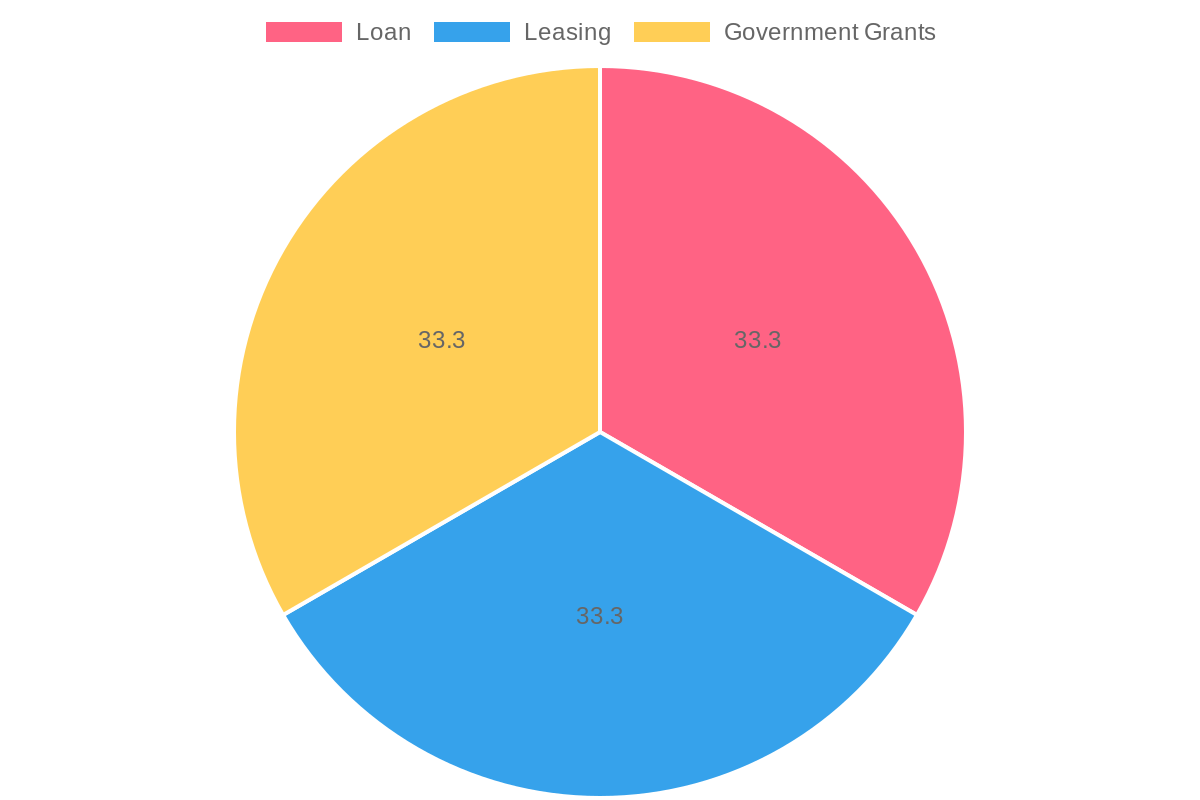
Starting a small trucking business often requires significant funding. Fortunately, there are several viable financing options tailored for this purpose. Below, we explore loans, leasing, and grants, along with their respective pros and cons.
1. Loans
Loans are a common means of financing for trucking companies. They come in various forms, including equipment loans and working capital loans.
Pros:
- Ownership: Obtaining a loan allows business owners to own their trucks outright, which can lead to lower long-term costs.
- High funding amounts: Loans can provide substantial amounts to purchase multiple trucks or other necessary equipment.
- Tax advantages: Interest payments on loans can often be deducted as business expenses.
Cons:
- Collateral requirement: Loans typically require some collateral, like the financed vehicle. This poses a risk if the business cannot make payments.
- Long approval times: Getting approved for a business loan can be time-consuming due to rigorous application processes.
2. Leasing
Leasing is another financing alternative, especially for those who may not want to commit to ownership right away. Truck leasing often includes maintenance packages as part of the agreement.
Pros:
- Lower initial payments: Leasing typically requires a smaller upfront investment compared to loan down payments.
- Flexibility: Many leases offer upgrades to newer trucks at the end of the term, providing access to the latest technology.
Cons:
- No ownership: At the end of the lease, the business does not own the vehicle, which may not be ideal for long-term planning.
- Ongoing expenses: Lease payments can aggregate higher costs over time compared to purchasing.
3. Grants
Various government and nonprofit organizations provide grants aimed at supporting small trucking businesses, particularly those investing in environmentally friendly practices.
Pros:
- No repayment: Grants do not need to be repaid, which makes them a favorable option for startups.
- Supportive initiatives: Many grants come with resources and support to help businesses succeed.
Cons:
- Competitive application processes: Securing a grant can involve a lengthy application process with no guaranteed success.
- Specific use restrictions: Grants often come with guidelines dictating how the funds can be used, which could limit flexibility.
By understanding the pros and cons of these financing options, small trucking businesses can make informed decisions based on their specific needs and financial situations. For more insights into trucking business grants, check out this guide on trucking business grants. Additionally, consider the latest developments in the trucking sector to better align your financing strategies with industry trends, as discussed in this article about trucking industry challenges and federal measures.
“The future of trucking presents numerous opportunities for small businesses, especially as technology evolves and market demands shift. However, success will depend on adaptation, leveraging emerging technologies, and maintaining operational efficiency to enhance profitability.”
- John Smith, Transportation Industry Expert.
For further insights, visit this analysis on trucking industry trends.
Operational Management Strategies for Small Trucking Businesses
Successfully managing a small trucking business involves a combination of strategic planning and effective operational management across several key areas, including route optimization, driver management, and logistics planning.
Route Optimization
Route optimization is vital for minimizing operational costs and improving delivery efficiency. Employing specialized route optimization software can help trucking businesses streamline their processes. According to a DispatchTrack article on route optimization, some effective strategies include:
- Leveraging AI to generate accurate Estimated Times of Arrival (ETAs).
- Considering variable service times and traffic conditions to dynamically adjust routes.
- Utilizing historical data to make informed routing decisions, which can lead to significant cost savings.
Driver Management
In the trucking industry, effective driver management is crucial for ensuring safety and reducing turnover. Tools such as vehicle tracking systems and delivery management software can help. A Track-POD article emphasizes the importance of:
- Open communication with drivers to foster a supportive work environment.
- Implementing incentive programs to motivate and retain employees.
- Continuous training on best safety practices to ensure a compliant and efficient operation.
Logistics Planning
Efficient logistics planning is instrumental in aligning fleet operations with demand. Businesses should focus on developing strong relationships with suppliers and customers, ensuring that logistical challenges are addressed proactively. Utilizing transportation management systems (TMS) can significantly enhance the overall effectiveness of logistics operations, allowing for better tracking of shipments and improved customer service.
By implementing these operational management strategies, small trucking businesses can increase their efficiency, reduce costs, and enhance their service quality.
User Adoption Data in Small Trucking Businesses
The small trucking sector is witnessing significant growth in user adoption, driven by several favorable trends and opportunities. Recent data show that the trucking industry in the U.S. employs around 3.5 million truck drivers, operating over 4 million trucks and transporting an astounding 10.5 billion tons of freight annually. This highlights not only the scale of operations but also the critical role that small trucking businesses play in logistics and the economy as a whole.
One prominent trend is the projected growth of the trucking industry, which is expected to expand at a rate of 5.4% annually, with the market value anticipated to reach $3.4 trillion by 2030. This growth reflects the recovering economy post-COVID-19, making small trucking businesses prime players in capturing market share as demand for freight transportation continues to rise. The emphasis on logistics efficiency and cost-effectiveness also favors small trucking enterprises, as they tend to be more flexible compared to larger players.
Additionally, the freight trucking market is estimated to be valued at $2.67 trillion in 2025, with a CAGR of 4.1% from 2026 to 2035. This growth is attributed to the increasing demand for shipment services, as more businesses require speedy and reliable delivery options for their goods. Such an environment presents ample opportunities for small trucking firms to increase profitability by diversifying their service offerings and integrating new technologies.
As small trucking businesses respond to these market dynamics, they can leverage advancements in logistics technology and customer service to enhance their competitive edge. Furthermore, focusing on sustainability and transitioning to electric vehicles can open new avenues for revenue and customer engagement. For instance, companies like Coca-Cola Canada are expanding their electric fleets in response to regulatory changes and customer preferences.
Understanding and adapting to these trends will be crucial for small trucking businesses aiming to thrive in an evolving market.
Trucking Industry Growth Trends (2024-2029)
The trucking industry is poised for significant growth over the next five years, reflecting overall increases in demand for freight transportation. Below is a visual representation of the growth trends in the trucking market:

Key Insights:
- In 2024, the market size is projected at $2.4 trillion.
- By 2025, it is expected to grow to $2.52 trillion, marking a 5% increase.
- Although an estimated decline to $2.30 trillion is expected in 2026 due to adjustments in the industry, strong rebounds are forecasted for subsequent years.
- Projections indicate growth to $2.75 trillion by 2027, $3.10 trillion by 2028, and reaching $3.79 trillion by 2029.
For businesses considering entering the trucking sector, these growth trends signal a healthy landscape of opportunity. Companies are encouraged to align their strategies with these market dynamics. If you’re interested in learning more about navigating the industry’s challenges, read about the economic challenges faced in trucking.
Overall, the trucking industry remains a critical component of the logistics and freight sectors, driving significant revenue through various service capabilities and infrastructure investments.