
In today’s dynamic logistics landscape, starting a trucking business presents lucrative opportunities for aspiring entrepreneurs. The trucking industry is experiencing significant growth, with projections estimating that the U.S. freight trucking market will reach approximately $1 trillion by the end of 2024, showcasing a remarkable annual growth rate. According to The Trucking Podcast’s 2023 Owner-Operator Income Report, independent trucking business owners earned an average net profit of $186,016, reflecting the substantial financial potential that this industry holds. However, starting a trucking business requires careful planning and execution, as various factors-from equipment costs to regulatory compliance-can influence profitability. With the demand for freight transportation steadily increasing, driven by the surge in e-commerce and global trade, now is the opportune moment to embark on this journey. Whether you aim to cater to logistics and freight companies, construction and engineering firms, or food and beverage distributors, understanding the fundamentals of launching a trucking business can set you on the path to success.
Steps to Create a Business Plan for a Trucking Company
Creating a solid business plan is crucial to launching and managing a successful trucking company. This plan serves not only as a roadmap for your business but also as a vital tool in attracting financing. Here’s a detailed guide to developing your business plan:
-
Define Your Business Model
Understand what type of trucking services you will provide-whether it’s freight hauling, specialized transport, or local delivery. Outline your fleet’s specifications, including the types of trucks you will utilize. Your business model should clearly articulate how you plan to generate revenue, covering pricing strategies and service offerings. -
Market Analysis
Conduct a thorough analysis of the trucking and transportation market. Identify your target markets, which might include logistics and freight companies, construction firms, or food distributors. Research competitors in your area to determine their strengths and weaknesses and establish your unique selling proposition (USP). -
Customer Segmentation
Define your ideal customers. Are you targeting large corporations, small businesses, or specific industries? Understanding your customer segments can tailor your marketing strategies effectively. -
Set Your Goals
Establish both short-term and long-term goals. Short-term goals might involve acquiring your first fleet or securing initial contracts, while long-term goals could include expanding your service areas or diversifying your fleet. -
Operations Plan
Detail your logistics and operations, including vehicle maintenance schedules, driver management, route planning, and safety protocols. An efficient operational plan supports your service reliability, which is critical for client retention. -
Financial Projections
Include projections for revenue, expenses, and profits. This section plays a significant role in securing financing; clear financial expectations can give investors confidence in your business.
A well-prepared business plan will serve as a vital foundation for your trucking company, guiding your strategies and helping attract necessary funding to fuel your growth. For more insights on the importance of financial planning in trucking, learn more here.
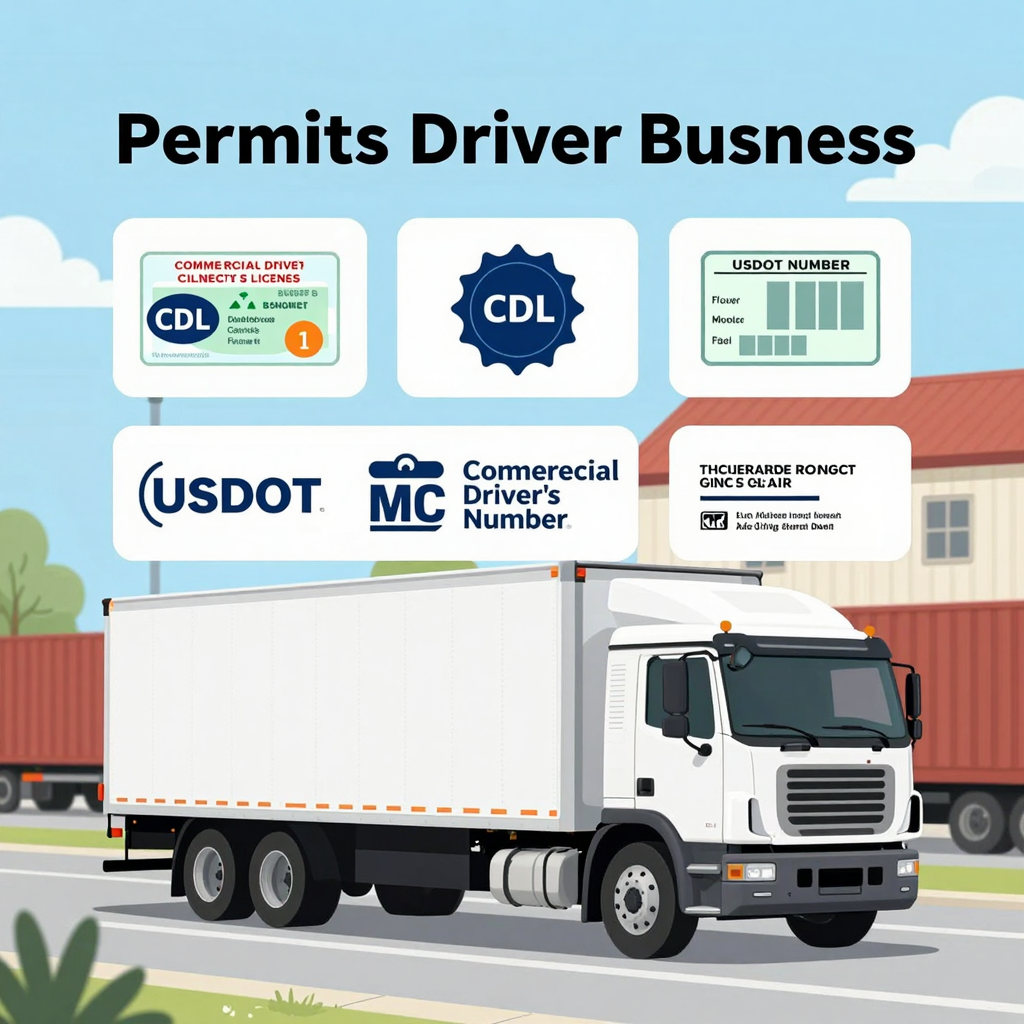
Starting a trucking business requires obtaining various essential permits and licenses to operate legally and efficiently. Here are the key permits and licenses you will need:
- Commercial Driver’s License (CDL): A valid CDL is mandatory for operating commercial motor vehicles. Drivers must pass knowledge and skills tests to qualify.
- USDOT Number: This unique identifier is needed for all commercial vehicles operating in interstate commerce.
- MC Number: Required for carriers involved in interstate transport of cargo. This number is issued by the FMCSA.
- State Operating Authority: Certain states require additional operating authority permits, often obtained through local transportation departments.
- Broker or Freight Forwarder Permit: If you plan to transport goods for others, this permit is essential.
- Commercial Liability Insurance: To protect against potential risks in the business.
These permits ensure compliance with transportation regulations and help in maintaining smooth operations in the trucking industry.

Financing Options for Starting a Trucking Business
When launching a trucking business, understanding the available financing options is crucial for making informed decisions. Here’s a look at some common financing avenues:
1. Traditional Loans
Traditional bank loans are a popular option for new trucking companies. These loans generally offer fixed or variable interest rates and long repayment terms.
Pros:
- Lower Interest Rates: Typically range from 6% to 20% depending on credit history and the lender’s terms. For instance, credible companies might secure rates as low as 6% (source).
- Larger Amounts Available: Banks can provide substantial funding, useful for purchasing multiple vehicles or equipment.
Cons:
- Strict Qualification Criteria: Requires proven creditworthiness and a detailed business plan.
- Long Processing Times: Approval can take longer than alternative financing methods.
2. Leasing Options
Leasing allows businesses to use trucks or equipment without the upfront costs associated with buying them outright.
Pros:
- Lower Upfront Costs: Businesses can save capital that can be used elsewhere, like operating expenses.
- Flexible Terms: Leases can vary in length and can sometimes include maintenance.
Cons:
- No Ownership: At the end of the lease term, the business must return the vehicle unless they opt to purchase it.
- Higher Long-Term Costs: Leasing can be more expensive over time compared to a traditional loan.
3. Alternative Financing
This includes options like online lenders or peer-to-peer lending. These methods have surged in popularity due to their accessibility.
Pros:
- Easier Access: Often have fewer eligibility requirements compared to banks and can approve loans quickly.
- Fast Funding: Businesses can receive financing within days, which is beneficial in emergencies.
Cons:
- Higher Interest Rates: Rates can be significantly higher, often exceeding 20%.
- Variable Terms: Loan terms may not be as favorable as traditional loans, including shorter repayment periods.
Choosing the right financing option involves weighing these pros and cons in relation to your specific business needs. For more insights on the economic landscape affecting the trucking industry, read more about the trucking industry’s economic challenges.
Truck Equipment Cost Comparison
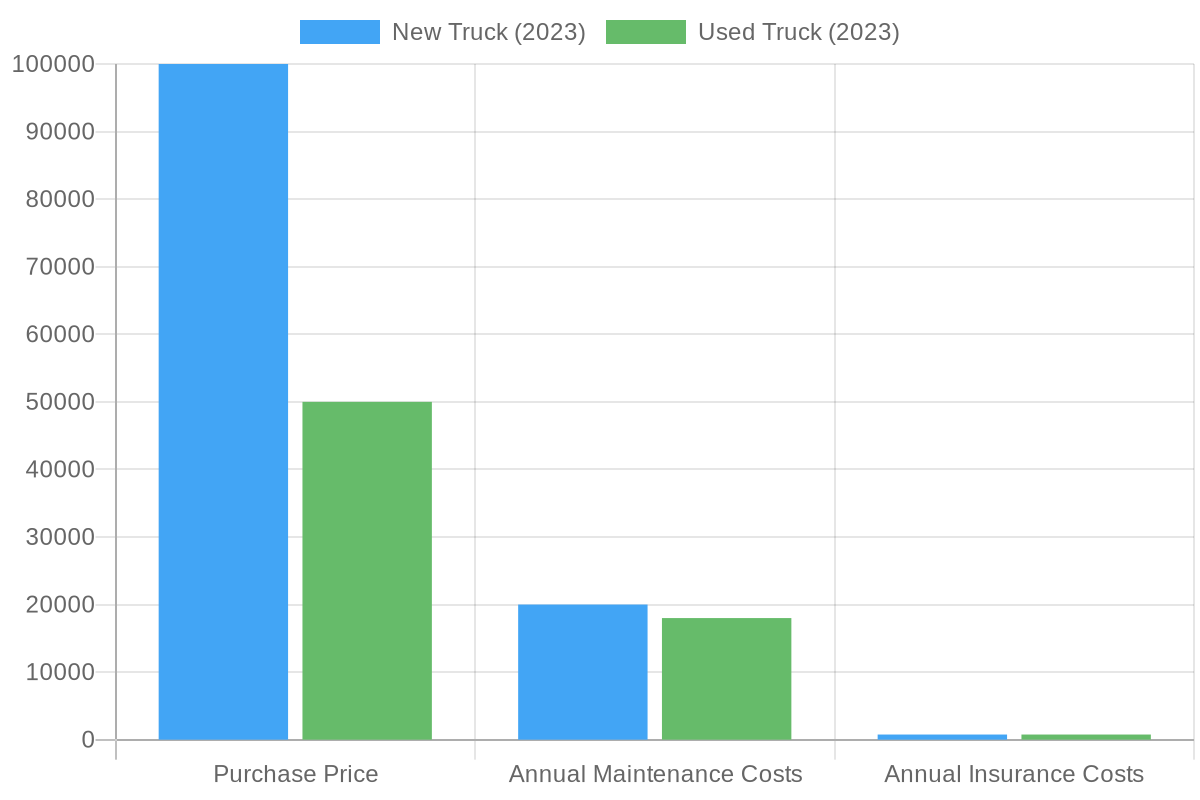
Getting into the trucking business requires careful financial planning, especially when it comes to budgeting for equipment costs. Below is a comparative table highlighting the costs associated with purchasing new versus used trucks, along with maintenance and insurance costs for the year 2023.
| Category | New Truck (2023) | Used Truck (2023) |
|---|---|---|
| Purchase Price | $100,000 | $50,000 |
| Annual Maintenance Costs | $20,000 | $18,000 |
| Annual Insurance Costs | $760.10 | $760.10 |
Cost Insights
- Purchase Price: New trucks often have a higher upfront cost but may come with warranties and the latest technology. Used trucks are significantly less expensive, making them more accessible for startups.
- Maintenance Costs: The annual maintenance for new trucks can be slightly higher but might offset due to lower breakdowns. Used trucks may require more frequent repairs depending on their condition and history.
- Insurance Costs: Interestingly, insurance costs remain relatively consistent across new and used trucks, averaging around $760.10 annually.
For a deeper understanding of the economic landscape related to trucking, you may want to learn more about industry challenges and funding opportunities to support startups in this field.
Additionally, the following graph visually represents the cost comparisons of new and used trucks, highlighting the differences in purchase price, maintenance expenses, and insurance costs.
This information should serve as a foundational step in planning your trucking business budget effectively.
Current Trends in the Trucking Industry
The trucking industry is currently experiencing significant shifts driven by demographics, technology, and sustainability practices.
Demographics
- Driver Shortage: A considerable challenge lies in the aging workforce, with average truck driver ages continuing to rise and a lack of younger talent entering the field. This demographic shift is prompting urgent calls for better recruitment strategies and incentives for younger drivers (learn more about the demographics issue).
- Diverse Workforce: The industry is becoming more diverse, with increasing efforts to include women and minorities, reshaping the workforce dynamics.
Technology Adoption
- Digital Transformation: Technologies such as real-time tracking, GPS routing, and advanced fleet management systems are increasingly adopted, allowing companies to streamline operations, enhance operational efficiency, and respond effectively to disruptions (learn more about technology in trucking).
- Emergence of Autonomous Vehicles: There is also growing interest in automating transportation through autonomous trucks, providing opportunities for efficiency gains in logistics.
Sustainability Practices
- Green Initiatives: The push for sustainability is growing, with many companies prioritizing carbon reduction through electric and alternative fuel solutions, despite various developmental hurdles. For instance, the growth in battery-electric truck usage remains low (around 1% global adoption), indicating a significant gap to close for wider acceptance (learn more about sustainability in trucking).
- Regulatory Compliance: The industry is facing increasing regulations aimed at reducing emissions and enhancing sustainability, making compliance and innovation essential for future success.
Overall, the trucking industry presents both challenges and opportunities, particularly for new entrants looking to navigate this evolving landscape.
Effective Marketing Strategies for a New Trucking Business
Launching a trucking business targeting logistics firms and construction companies requires a strategic approach to marketing that incorporates both traditional and modern methods. Here are some effective marketing strategies:
1. Digital Marketing
In today’s technology-driven market, digital marketing is crucial. This includes:
- SEO: Optimize your website for relevant keywords like “trucking services for construction” and create tailored content that showcases your expertise.
- Social Media Advertising: Utilize platforms such as LinkedIn and Facebook to target decision-makers in logistics and construction firms. Paid ads can boost visibility and lead to partnership inquiries.
- Content Marketing: Develop informative resources, such as whitepapers and case studies that highlight your operational excellence, safety standards, and successful deliveries for similar clients. Showcase your unique value to attract potential business clients.
2. Networking and Relationship Building
Building strong relationships is vital. Consider the following:
- Industry Events and Trade Shows: Attend conferences and exhibitions, such as the American Society of Civil Engineers (ASCE) conference, to meet potential clients and partners directly.
- Local Chamber of Commerce: Joining can facilitate introductions to businesses in your target sectors and provide networking opportunities within the community.
3. Offering Trials and Discounts
Entice first-time clients by offering no-obligation service trials or temporary discounted rates. This lowers the financial barrier and builds confidence in your capabilities.
4. Leveraging Social Proof
Collect testimonials and endorsements from your satisfied clients. Use these on your website and in marketing materials to build trust and credibility with new prospects.
5. Data and Analytics
Utilize data analytics to assess campaign performance continuously. By understanding which strategies yield the best leads, you can adjust your approach for optimal effectiveness.
Incorporating these strategies will not only enhance visibility but also establish your credibility as a dependable partner for logistics firms and construction companies. For more details on successful strategies in the industry, you can learn more about trucking and marketing trends and explore effective digital marketing tactics.
“The key to a successful trucking business lies in meticulous planning, compliance with regulations, and leveraging technology to optimize operations. Without a robust foundation, even the best intentions may lead to setbacks.”
- Expert from American Trucking Associations (ATA)
Starting your trucking business requires a deep understanding of the market and the necessary regulations. Ensure that you:
- Develop a detailed business plan
- Secure appropriate financing and permits
- Focus on compliance with FMCSA regulations, especially concerning electronic logging devices (ELD)
- Invest in insurance that covers cargo and general liability
- Leverage technology like fleet management software to improve efficiency and safety
Moreover, having a financial cushion is crucial as new truck companies often face profitability challenges during their initial years. For more insights on the industry, you can explore articles about trucking industry economic challenges.
Conclusion and Next Steps
Starting a trucking business may seem daunting, but by following the essential steps, you can pave the way for a successful venture. Key steps include:
- Determining your business structure and obtaining necessary licenses, such as a USDOT and MC number.
- Acquiring relevant insurance and ensuring compliance with federal and state regulations.
- Developing a robust business plan that outlines your financial forecasts and market niche.
- Investing in reliable equipment and hiring qualified drivers to ensure operational efficiency.
Each of these steps is crucial for establishing a solid foundation for your trucking business. To help you navigate this journey, consider partnering with Summit Fairings. They provide high-quality fairings and innovative solutions tailored to enhance your fleet’s efficiency and aesthetics. Don’t miss out on exclusive offers that can elevate your trucking business to the next level. Learn more about Summit Fairings here.
Incorporating these best practices will not only streamline your operations but also position you for sustainable growth in the competitive logistics landscape.