
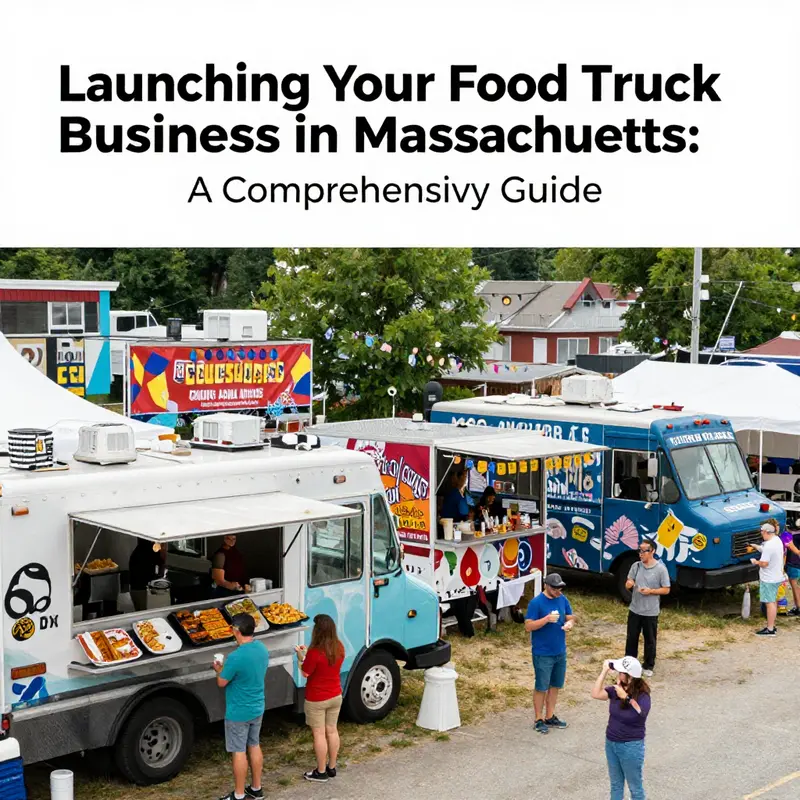
Starting a food truck business in Massachusetts requires meticulous preparation and understanding of various operational elements. From legal structures to permits, health regulations, and marketing, each aspect plays a critical role in the success of your mobile culinary venture. This guide provides a detailed roadmap tailored specifically for logistics, construction, fleet management, and food distributors, ensuring that every important factor is addressed as you embark on this exciting entrepreneurial journey. We will explore the implications of selecting the appropriate business structure, understanding permits and licenses, establishing effective location strategies, adhering to health and safety regulations, and implementing robust marketing and financial strategies for a successful launch.
Foundations First: Why the Right Business Structure Determines Your Massachusetts Food Truck’s Future
Choosing a business structure is more than a filing box to check. For a Massachusetts food truck, the structure you select shapes liability protection, tax responsibilities, and the ability to attract investment as you scale through events and street corners across the state. The four traditional paths—sole proprietorship, partnership, LLC, and corporation—each come with trade-offs. In practice, most first-time mobile food operators lean toward one option: the LLC. It offers a shield between personal assets and the business’s debts, while preserving flexibility in how profits are taxed and how the company is managed. Even if you start solo, an LLC makes it easier to bring on partners, lenders, or suppliers later without swapping legal forms. The question to ask yourself early is simple: how much risk do you want to shoulder personally, and how much growth do you envision in the first few years? The answer often points toward a structure that blends protection with adaptability, which Massachusetts residents can tailor through state filings and federal tax choices.
Starting as a sole proprietor may seem straightforward in the short term. You run your truck, you file taxes once, and you keep all the upside. But there is a downside few operators ignore. There is no legal separation between you and the business. If a customer slips, a slip-and-fall occurs at a catered event, or a dispute with a supplier arises, your personal assets could be at risk. In Massachusetts, this risk is not theoretical; it affects day-to-day decisions, from signing a rental space during a busy festival to purchasing expensive kitchen equipment on credit. A partnership amplifies those risks if you are joined by someone else without a formal agreement. General partners share liability as well as profits, but personal assets remain exposed. An LLC, by contrast, creates a buffer that can be crucial when a truck makes a hard turn into a crowded market or when a health inspection triggers a costly compliance fix. The choice influences insurance costs, contract terms, and even the speed with which you can open new locations across Massachusetts. The structure you choose will also shape how lenders view your business and how you document decisions for future ownership changes.
An LLC offers a balanced path for many Massachusetts food truck operators. It provides limited liability, meaning your personal assets are generally protected from business debts and claims arising from operations. It does not automatically fragment ownership, but it allows you to structure management in a way that suits a mobile business. You can choose single-member status if you start alone, or bring in members as your brand expands. Taxes become more flexible under an LLC. By default, profits pass through to owners, avoiding the double taxation of some corporations. If you want, you can elect to be taxed as a corporation, which can be beneficial in certain growth scenarios. For a food truck that moves between neighborhoods and events, this flexibility helps when balancing cash flow, payroll, and equipment upgrades. When you decide to form an LLC in Massachusetts, you follow a clear path: begin with reserving a unique business name, appointing a registered agent, and filing Articles of Organization with the Secretary of State, with a filing fee of $300. Ongoing annual reporting completes the legal framework. These steps may seem formal, but they lay a durable foundation for regulatory compliance, vendor contracts, and financing opportunities as you scale to more events or even a small fleet of trucks.
In practice, the Massachusetts process emphasizes both structure and compliance. You will want to verify that your chosen name is not already in use in the state, a simple but essential step to avoid later complications. After you reserve the name, you appoint a registered agent with a physical Massachusetts address who can receive legal documents on your behalf. This may be you or a trusted advisor, but the agent must reside in the state. Next comes the Articles of Organization—this formal document shapes your LLC’s existence and includes basic details such as the business name, its principal address, and the registered agent. Submitting online or by mail to the Secretary of State is standard, and the $300 filing fee is due at filing. Once your LLC is recognized, you will face ongoing obligations, including annual reporting that maintains your status. Many operators underestimate the benefits of staying ahead on these filings; they simplify later changes, such as adding a partner, shifting tax elections, or renaming the business as you expand to different metropolitan markets across Massachusetts. The legal landscape supports growth, but it rewards clarity and regular administration. The peace of mind from proper governance often translates into smoother supplier negotiations and a clearer path to financing.
For some ventures, a corporation structure remains appealing, especially if the plan includes raising substantial outside investment or exploring more ambitious expansion, possibly beyond a single food truck. Corporations offer robust liability protection and a formal framework for ownership and governance. However, they also bring more complex regulatory requirements, stricter formalities, and higher costs. In the context of a Massachusetts food truck that starts with a single vehicle and a tight budget, a corporation can feel heavy-handed. It is most suitable for entrepreneurs who anticipate multiple rounds of equity funding, a need for sophisticated stock compensation for hires, or a clear trajectory toward scaling into multiple cities. If you consider a corporate route, plan for additional steps beyond Articles of Organization: corporate bylaws, a board of directors, startup capital structuring, and perhaps a corporate tax election strategy. Given the realities of a mobile, cost-conscious business, most new operators find themselves anchoring to an LLC, then reassessing as revenue, operations, and legal obligations evolve.
In choosing the right structure, the most important compass is risk tolerance and growth horizon. An LLC offers protection and flexibility without the heavy weight of a corporation. It supports a lean startup approach: you can run the truck with limited staff, manage contracts with vendors and venues, and keep accounting manageable. Yet the structure should align with your long-term plan. If you intend to partner with others or gradually bring in investors, the LLC can be adapted to multi-member configurations or taxed as a partnership, preserving the pass-through taxation that keeps compliance straightforward. It is worth noting that some Massachusetts operators still operate as sole proprietors under local permits when they are starting small, but they should consider converting to an LLC once the business demonstrates consistency in revenue and a stable customer base. In all cases, you should discuss your choice with a CPA or an attorney who understands both state law and the local health and zoning environment, because the right structure touches every facet of the business—from insurance premiums to licensing, to worker classification and retirement plans. As an example of leadership and growth mindset within a regulated industry, consider the idea of investing in people as a foundational strategy for success. Invest in People: Key to Trucking’s Success. This kind of leadership matters as much as the legal form you select, since it impacts how you recruit, train, and retain staff who keep the truck rolling and the customers satisfied.
Finally, the choice should be part of a broader plan that includes risk assessment, insurance coverage, and capital strategy. Even with a solid LLC, you will need a spectrum of protections: General liability insurance and commercial auto coverage are standard for a mobile operation. You will want to map out contract templates, vendor agreements, and event permits in a way that aligns with your chosen structure. The Massachusetts market is dense with opportunities—food truck rodeos, university campuses, and corporate events—yet it also places demands on compliance, from food safety to parking and waste disposal. The structure you settle on affects how you file taxes, how you present yourself to lenders, and how you document decisions in case of ownership changes. The most effective path blends prudent protection with operational agility, two qualities that set successful mobile food businesses apart. For readers seeking a concrete regulatory reference as they finalize their LLC paperwork, consult the official state guidelines and professional advice to ensure all steps are completed correctly and timely.
External resource: Massachusetts Department of Public Health – Food Service Establishment Guidelines: https://www.mass.gov/files/documents/2024/09/18/food-truck-guidelines.pdf
Permits as the Cornerstone: Navigating Massachusetts Licenses to Launch a Lawful Food Truck
When you set out to launch a food truck in Massachusetts, permits and licenses aren’t just bureaucratic hurdles; they are the foundation that protects customers, workers, and your business. The journey from idea to rolling kitchen is paved with registrations, inspections, and approvals that ensure you operate safely, honestly, and within the law. In this chapter we’ll weave together the essential permits and licenses you’ll need, how they fit into the wider process of forming a compliant business, and how to align your timeline so there’s no last‑minute scrambling when the first customers line up. Think of permits as the backbone of your operation: they validate your food safety practices, define your legal boundaries, and give you a clear map for growth as you move from a single truck to a trusted mobile brand across communities in the Bay State.
First, your business structure and registration set the stage for all subsequent permits. If you plan to form an LLC or corporation, you’ll register with the Massachusetts Secretary of State. This step creates a formal business entity that separates you personally from your business liabilities, a distinction that pays off in liability protection and tax flexibility. While the filing itself is not a food‑safety requirement, it is the bedrock on which you can responsibly obtain permits, open a business bank account, and handle payroll if you hire staff. With your entity in place, you will also need an Employer Identification Number from the IRS. The EIN isn’t just a bureaucratic box to check; it’s the federal identifier you’ll use on tax returns and payroll if you hire cooks, drivers, or support staff.
As you prepare to handle food for the public, the Massachusetts Food Service Establishment Permit becomes your primary health safeguard. Issued by the Massachusetts Department of Public Health (MDPH), this permit certifies that you meet the state’s standards for food handling, storage, refrigeration, sanitation, and safe cooking practices. The permit is more than a stamp of compliance; it signals to regulators that your kitchen on wheels is designed to protect guests from contamination and illness. The application process typically involves submitting your plan for how food will be stored, prepared, and kept at safe temperatures, as well as demonstrating that you have a reliable cold chain, proper handwashing facilities, and waste disposal procedures. Regular inspections follow once you’re up and running, with assessors checking for clean equipment, accurate temperatures, and hygienic workflows.
Local permits form the second layer of authorization. Massachusetts towns and cities retain substantial authority over where a food truck can operate, when it can park, and what kinds of events it may participate in. A local business license demonstrates that your vehicle and its operations meet municipal requirements, including zoning constraints and parking rules. In practice, this means you’ll likely visit your city or town clerk’s office or health department to understand the specific rules that apply to your chosen operating places—downtown cores, university campuses, office parks, or festival grounds. Because rules vary, it is not uncommon for operators to need different permits for different neighborhoods or events. The Boston area, for example, often requires coordination with the Street Closures Office for event‑specific permissions and to ensure your vehicle has a compliant parking arrangement during street closures or markets.
Beyond the routine permits, you’ll often pursue a Special Event Permit for festivals, fairs, and pop‑ups where crowds gather and the city grants permission for temporary food service. The process can be straightforward if you apply early and provide details about your menu, cooking methods, location, and waste management. Festivals and markets are a lifeblood for many mobile operators, but they also come with higher standards of sanitation and crowd management. Having your procedures documented in advance makes the review smoother and reduces the risk of last‑minute cancellations.
A Sales Tax Permit from the Massachusetts Department of Revenue is another critical piece. If you’re selling taxable food and beverages, you’ll register to collect and remit sales tax. This not only keeps you compliant with state tax laws but also positions you to scale across multiple permits and locations without re‑registering each time you move to a new jurisdiction. In short, a strong grasp of sales tax collection helps you stay organized as you branch into new neighborhoods and events, and it supports clean financial records for potential investors or lenders.
While the core permits cover health, business formation, and taxes, some towns may require additional documentation that confirms the physical and safety readiness of your mobile unit. A Certificate of Occupancy, for instance, shows that your truck is properly equipped for operation and complies with local building or safety codes. In several towns, a CO is a prerequisite for certain parking spaces or for operating at particular venues. It’s the kind of credential that signals to inspectors and hosts that your mobile kitchen is a legitimate, safe platform for food service.
The path to compliance also includes ensuring you have a reliable framework for ongoing inspections and renewals. Health departments conduct periodic validations of your facility, and local authorities may revisit zoning and parking compliance as you expand to new areas or add more trucks. A proactive approach—keeping records tidy, maintaining equipment, and adhering to sanitation schedules—helps prevent interruptions to service and protects your brand’s reputation for reliability and safety.
Planning and timing are essential. Many operators underestimate how long it takes to secure multiple permits, especially when local rules require mail or in‑person submissions, or when you’re coordinating with event organizers and venue managers. Begin with the health permit window, as it often triggers related preparations—like establishing a formal food safety plan, proving proper refrigeration, and detailing waste disposal arrangements. Once you have the health permit in hand, you can advance with local licensing, which may require scheduling inspections, providing vehicle documents, and clarifying where you’ll park on a day‑to‑day basis. If you want to participate in a summer festival or a university event, start the Special Event Permit process well in advance, since organizers frequently expect confirmations several months ahead of go‑time.
Economics also comes into play. Each permit has associated fees, and some towns impose separate charges for every location you operate from or for each event you attend. Budgeting for these costs—and for potential renewals—ensures you don’t encounter cash flow shocks that derail your launch schedule. There’s value, too, in aligning permits with your business model. If you intend to keep a tight menu and a small footprint at first, you can keep your compliance footprint lean while you test operations and customer demand. As you grow, you can add more locations, obtain additional event licenses, and expand your sales channels—always anchored by robust health and safety practices.
To bring these threads together, you’ll want a practical, step‑by‑step approach. Start by securing your business entity and EIN, then apply for the Food Service Establishment Permit through the state health department. Simultaneously or soon after, identify your target localities and consult their licensing requirements, parking ordinances, and zoning codes. Prepare for the possible need to obtain a CO or similar occupancy approval, especially if your truck includes specialized equipment or a larger cooking setup. When opportunities arise for festivals or markets, file for Special Event Permits early and align your staffing and waste management plans with event expectations. Finally, register for the Sales Tax Permit so your tax duties are clear from day one.
Throughout this process, document everything. Keep copies of every application, inspection report, correspondence with the health department, and calendar reminders for renewals. Not only does this ease renewal cycles, it also demonstrates to lenders and partners that you operate in a disciplined, accountable way. And in the background, remember that the city and state are watching for public health compliance, fair labor practices, and responsible environmental stewardship. Your readiness in these areas will shape not just your first season, but your ability to scale and sustain growth in a crowded Massachusetts market.
For operators who want a concise gateway to permit applications and renewal processes, the official Massachusetts government portal provides a centralized starting point to apply for or renew a permit online. This resource helps you navigate the administrative steps with up-to-date forms and guidance. For current, official guidance, see the Massachusetts government site: https://www.mass.gov/services/apply-for-or-renew-a-permit-online.
Locating Mobility: Strategic Positioning and Smooth Operations for Massachusetts Food Trucks
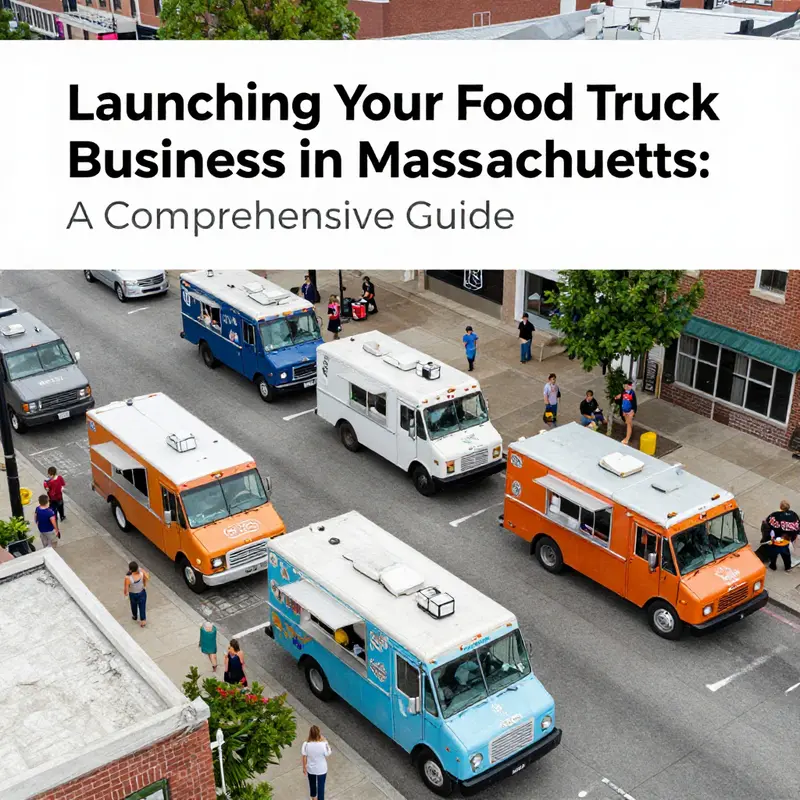
In Massachusetts, where the streets pulse with a mix of college energy, corporate commutes, and a steady stream of community events, a food truck’s location is more than a parking spot. It is the opening act of your business story, a first impression that blends accessibility, visibility, and a disciplined approach to compliance. The state’s patchwork of towns and cities means rules vary by jurisdiction, and success rests on marrying smart location choices with airtight health, safety, and regulatory practices. A thoughtful strategy starts with the simple truth that movement matters as much as menu. The truck that can glide from one high-traffic corridor to another, while meeting every permit and sanitation standard, stands a better chance of becoming a trusted local option rather than a fleeting lunch option on a busy weekday.
Successful operators in Massachusetts prioritize locations that are both high visibility and easy to reach. Think busy intersections with pedestrian volumes, corridors near business districts, university campuses, and public plazas where footfall remains resilient through seasonal changes. These spots don’t just deliver customers; they amplify your brand through constant encounters. Yet your choice is never arbitrary. Local regulation shapes where you can stand, how long you can stay, and when you must vacate. Zoning rules, parking restrictions, and sanitary standards enforced by the local board of health all play a decisive role. Before you pull into any avenue of activity, you map the regulatory terrain: which neighborhoods permit curbside service, which blocks require a special permit for mobile vendors, and what times you’re allowed to operate. In Massachusetts, this preparation is not a formality but a foundation for sustainable operations.
To harness a truck’s mobility, many operators blend a strategic mix of static high-visibility points and a rotating schedule that keeps the menu in front of different communities. The mobility itself becomes part of the marketing: a regular lunch pickup at a downtown business district, a late-afternoon pop-up near a hospital or university, and a weekend rendezvous at festivals or farmers’ markets. Each shift in location is a calculated move, designed to broaden reach while staying compliant. In practice, this means you’ll plan a weekly route that aligns with city calendars, campus events, and community gatherings. It is not merely about where the truck can legally stop, but where the truck can consistently win repeat customers through familiarity and reliable quality.
A data-informed approach strengthens this strategy. Real-time traffic flow, pedestrian counts, and a clear view of nearby competitors help you forecast demand, estimate wait times, and adjust staffing. You might discover that a corridor with high car traffic fails to convert passersby unless a quick, efficient service is in place, while a plaza with moderate foot traffic yields higher per-order margins when you time the service with peak breaks. By compiling a simple dashboard that tracks the day of the week, the hour, and the location, you create a living map of where to be and when. It’s not about chasing every trendy hotspot but about building a reliable rhythm that matches consumer behavior with your kitchen’s capacity. The broader market reality in Massachusetts is that people appreciate predictable hours, efficient service, and a menu that speaks to local tastes and seasonal availability.
Equally important is the operational backbone that supports movement. A high-performing truck is not just a culinary vehicle but a compact logistics hub. You’ll want dependable refrigeration and cooking equipment, a functional handwashing station, robust waste disposal systems, and the ability to meet sanitation standards with regular inspections from local health departments. Planning to avoid downtime means investing in backups—an extra cooler or a spare generator for off-grid events, for example. Efficient supply chain management ensures fresh ingredients arrive in time to preserve flavor and texture, while a well-designed layout inside the truck minimizes bottlenecks during peak service. A thoughtful setup reduces line length, speeds up service, and elevates the customer experience, turning a single visit into a reason to return.
The mobility of a food truck also creates marketing opportunities that extend beyond the physical footprint of the vehicle. A strong online presence, including social media updates and an online ordering option, can translate in real time to higher turnout at the right locations. Announcing a rotating schedule or pop-up events keeps the audience engaged and signals a commitment to accessibility. When coupled with simple but compelling menu updates—seasonal specials, unique flavor twists, or collaboration events with local producers—the truck becomes not just a place to eat but a moving, living brand. This blend of on-site efficiency and digital outreach is especially potent in Massachusetts, where many residents seek quick, flavorful options during workdays and are drawn to venues that offer both convenience and a sense of community.
Planning location strategy in this environment means thinking through the practicalities of permits and timing as key elements of your competitive edge. You will likely need a temporary vendor permit for events and venues that are not traditional storefronts. Early application is essential, as many municipalities treat these permits as scarce resources during peak seasons. Health and safety requirements demand that your operations are not only tasty but also compliant with state guidelines issued by authorities such as the Department of Public Health and local boards of health. Understanding these requirements upfront helps you adjust your business model rather than react to hurdles after you’re already on the road. In this way, your route planning becomes a disciplined blend of opportunity scouting and risk management.
The practical path to a thriving schedule also includes wise financial and operational decisions. Start with a lean menu that travels well and can be prepared quickly at different sites. A modest menu reduces the complexity of ingredient sourcing and minimizes waste, which in turn improves cash flow and profit margins. Many operators begin with used or refurbished kitchen equipment to lower initial capital requirements, then reinvest as the business proves itself. If access to capital is a concern, consider community-based funding options or micro-grants that support innovative or niche concepts. The willingness to experiment with flavors and formats—without overextending your lineup—often yields the most durable traction in crowded markets. An illustrative takeaway from the broader entrepreneurial landscape is that niche flavors or concept twists can differentiate a mobile venture even within a competitive culinary scene. A notable example in the broader food industry highlights how inventive, specialty offerings can attract devoted followings and sustain growth despite intense competition.
As you refine the location and operations plan, it helps to anchor your decisions in a regulatory compass. A lesson learned from the broader transportation and regulatory landscape is that mobility and compliance must evolve together. You can explore resources that discuss regulatory considerations and the ways operators navigate seasonal or extraordinary conditions, such as regulatory relief during winter storms for trucking. While the focus there is on motor carriers, the core principle—plan for contingencies and build regulatory resilience into your operating model—applies directly to a Massachusetts food truck. You should view permits, inspections, and safety protocols not as hurdles but as a framework that legitimizes your mobility and protects your customers. This mindset keeps your daily routines in harmony with town rules, event schedules, and the expectations of health inspectors who visit your sites.
The beauty of a well-executed location strategy in Massachusetts is its potential to become a powerful, repeatable cycle. You identify a handful of prime spots, establish a predictable rotation, and fine-tune your timing based on data and feedback. You supplement this with a reliable supply chain, a kitchen that travels well, and a customer experience that invites return visits. The end result is a business that moves with purpose—meeting people where they are, delivering consistently delicious food, and growing through a combination of operational excellence and community engagement. The narrative of mobility becomes the narrative of growth. It is not merely about selling meals; it is about building a recognizable, trustworthy presence in the very places where people live, work, and gather.
For a broader view on regulatory considerations in this mobility-driven context, you can explore regulatory relief during winter storms for trucking. This reference underscores the reality that legal and logistical readiness adds resilience to your day-to-day plans and helps you maintain service during challenging times. Remember, the roadmap to a thriving Massachusetts food truck is not about a single smart location or a clever recipe; it is about an integrated system that honors local rules, honors your customers, and honors the craft of serving good food on the move. With careful planning, you can turn a simple truck into a reliable community favorite, a flexible engine of entrepreneurship, and a model of compliant, sustainable operation that other aspiring vendors can study and emulate.
External resource: https://www.dinevate.com/blog/food-truck-location-strategies
On the Move with Safety: Navigating Health and Safety Regulations for Massachusetts Food Trucks
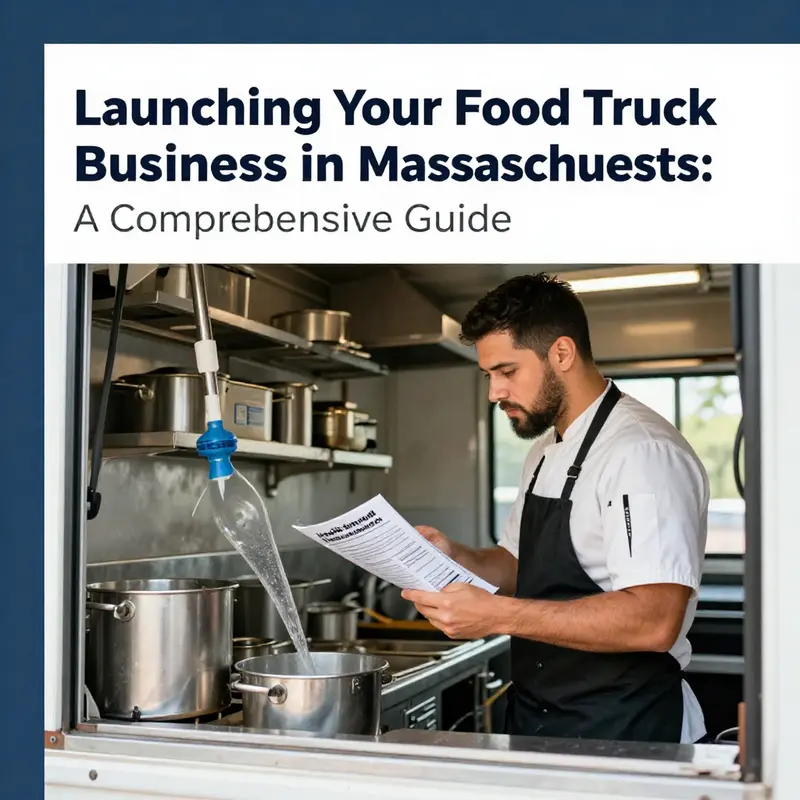
In Massachusetts, a food truck is more than a vehicle with a warm grill and a clever menu. It is a mobile kitchen that must meet the same high standards as a brick-and-mortar restaurant, plus the unique demands of operating in diverse streets, parks, and event spaces. The state’s health and safety framework exists to protect the traveling public, the people who prepare food, and the businesses that rely on consistent, compliant operations. For anyone dreaming of launching a Massachusetts food truck, understanding these requirements is not a hurdle to growth but a foundation for sustainable success. When you pair a thoughtful menu with a rigorous approach to safety, you build trust with customers who are choosing you not only for flavor but for consistency and care.
The first layer of compliance is the Food Service Establishment Permit, which is issued by the local board of health in the jurisdiction where you intend to operate. This permit is more than a ceremonial sticker; it formalizes your unit’s ability to handle, store, cook, and serve food in a manner that protects public health. To obtain it, you’ll typically submit detailed plans for the mobile unit’s design, equipment layout, and operational procedures. The permit process asks you to demonstrate that your truck’s physical setup supports safe food handling—from the materials used in construction to the placement of equipment that minimizes cross-contamination. You’ll outline how cold and hot holding will be maintained, how equipment will be cleaned and sanitized, and how waste will be managed without creating hazards for customers or other street users. In practice, this means engineers’ attention to cleanability and cooks’ attention to food safety are woven into your day-to-day realities on wheels.
A central element of ongoing safety is the training and certification of every person who touches food. In Massachusetts, food handlers are required to have a state-approved certification, often obtained through a management-focused program such as ServSafe or an equivalent course that covers hazards, sanitation, and preventive controls. This certification is not a one-and-done credential; it is a baseline for every shift. Your team should demonstrate an understanding of temperatures, cross-contamination risks, and proper hand hygiene. Regular refreshers help your crew stay current with evolving best practices and can be integrated into your onboarding process for new hires. When customers see a truck staffed by certified professionals, it signals that you take your responsibilities seriously and that you value their safety as much as their appetite.
The physical setup of a mobile unit is another focal point of safety. Massachusetts requirements specify that the truck’s interior and equipment be constructed from non-toxic, durable, and easy-to-clean materials. This choice extends beyond aesthetics; it directly affects your ability to sanitize surfaces between uses and after daily operations. Temperature control is non-negotiable. Cold foods must be kept at 41°F (5°C) or below, while hot foods must be held at 135°F (57°C) or above. These targets are not arbitrary numbers—they are guardrails that protect against the rapid growth of foodborne bacteria. Your refrigeration units, hot-holding appliances, and ice wells must be calibrated and monitored to maintain these limits, with regular checks documented for inspections.
A well-designed handwashing setup is equally essential. On-site handwashing stations with running water, soap, and single-use towels are required. No work-around will substitute for proper hand hygiene, because every sneeze, cough, or contaminated surface can threaten a batch of food. You’ll want to plan for this at the design stage, ensuring you have a reliable water source, an adequate supply of soap, and a feasible method for waste disposal that complies with local health department expectations. In practice, this translates into a clean, clearly organized workspace where each task—from thawing to plating—is performed with a focus on sanitation.
Cross-contamination is a relentless adversary in mobile food service. To keep raw and cooked foods separate, your unit must provide clearly labeled storage areas that prevent contact between vulnerable ingredients. This means color-coded or clearly labeled containers, separate cutting boards, and designated spaces for raw proteins away from ready-to-eat items. It also implies routine cleaning schedules and a culture that treats every cleaning step as a critical control point rather than a cosmetic chore. When these systems are in place, you reduce the likelihood of an incident that could halt operations, trigger recalls, or tarnish your reputation with customers who care about what they eat.
Inspections accompany this framework as a regular, non-negotiable process. Local boards of health conduct inspections to verify compliance with temperature controls, equipment cleanliness, sanitation practices, and overall operations. A pre-inspection mindset can ease this process: maintain a clean truck, keep a visible cleaning log, and ensure that all certifications are up to date. Many operators create a simple internal audit routine that mirrors the inspector’s checklist so you can address any gaps before a formal visit. Preparation isn’t just about passing an inspection; it’s about building a culture where safety is integrated into every service window, every lunch rush, and every festival appearance.
Beyond the core safety measures, mobility itself introduces unique considerations. You’ll need a plan for how to handle events, markets, and pop-ups where temporary vendor permits may be required. Event organizers and local authorities expect you to be ready for a few logistical realities: a specific location, set hours, and respect for neighboring spaces. A well-thought location strategy helps you align your health and safety practices with the operational tempo of each site. For instance, some venues require portable handwashing stations with a reliable water source, while others may have strict rules about waste receptacles and disposal. Your awareness of these nuances can prevent delays and keep your truck moving toward a steady schedule of appearances.
From a risk-management perspective, the chain of custody for food safety in a mobile setting is intricate but manageable. You’ll implement standard operating procedures that address receiving, storage, thawing, cooking, hot holding, cooling, and serving. A robust recall plan, simple labeling, and a method for tracking batches across different shifts help you respond quickly and transparently if a concern arises. Insurance, while not the core of health and safety, plays a supporting role. General liability and product liability policies provide additional protections as you navigate the risks inherent in a busy street environment. These components—permits, certified staff, safe design, proper temperature management, sanitation discipline, and proactive risk planning—together form a resilient backbone for a Massachusetts food truck business.
For operators who want a clear, official anchor, the Massachusetts Department of Public Health’s guidance and resources offer authoritative direction. The state’s Food Service Establishment Permit page outlines the criteria, processes, and expectations that shape day-to-day operations. It also points to practical details about equipment, layout, and sanitation practices that meet state standards. While the specifics can vary by municipality, the overarching commitment to protecting public health remains constant across communities. Engaging with these resources early in your planning can prevent missteps that cause costly delays and give you a practical blueprint for a compliant launch and sustained operation.
In the end, health and safety rules are not barriers to entrepreneurship. They are a framework that enables your business to grow confidently. A well-designed truck, a trained team, and a disciplined approach to cleanliness, temperature control, and proper storage translate into reliable service, repeat customers, and fewer disruptions. When a family-friendly crowd at a weekend market tastes your food and sees a clean, organized, and compliant operation, you earn more than a purchase—you earn trust. That trust compounds over time, turning what begins as regulatory compliance into a competitive advantage in a crowded market.
To ensure you have the most current and official guidance, refer to the state’s comprehensive resources on food service permits and related sanitation standards. The information provided by Massachusetts public health authorities is updated to reflect new findings and evolving best practices, and following it helps you operate with confidence rather than guesswork. As you prepare to take your truck onto the streets, your emphasis on safety becomes a powerful complement to your culinary ambition.
External resource: For official guidance on the Food Service Establishment Permit and related requirements, consult the Massachusetts Department of Public Health and mass.gov portal: https://www.mass.gov/info-details/food-service-establishment-permit
Flavor on the Move: A Marketing- and Money-Smart Playbook for Launching a Massachusetts Food Truck
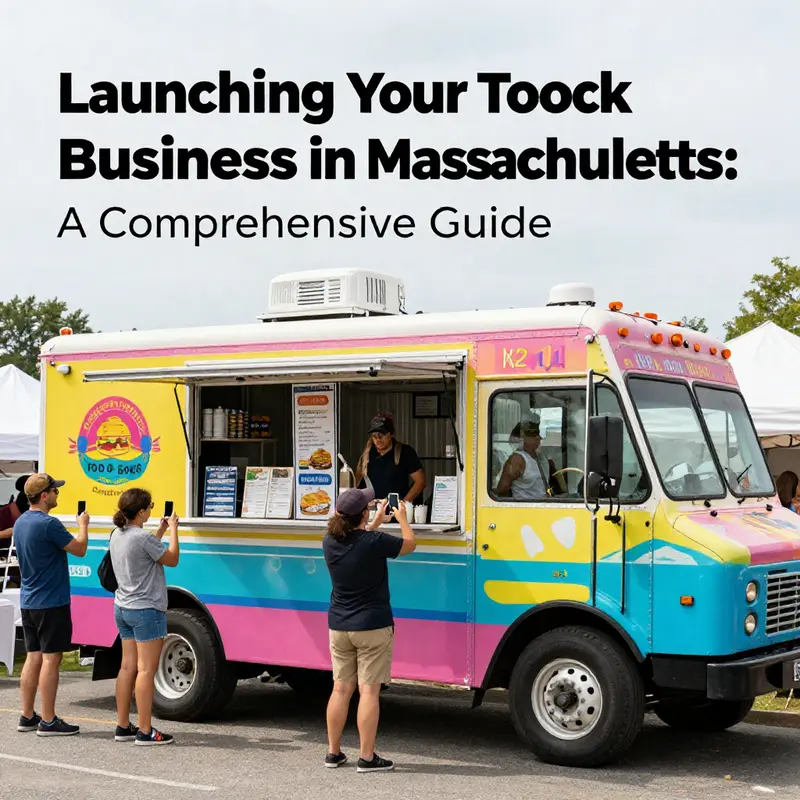
Massachusetts is a state that rewards both flavor and foresight. A food truck launch here demands more than a great recipe; it requires a polished blend of marketing savvy and disciplined financial planning that can bend with the calendar, the neighborhoods, and the regulatory map. The city centers hum with lunch crowds, college campuses pulse with energy, and coastal towns host weekend events that draw visitors from across the region. If you want a food truck to thrive rather than merely survive, you must craft a story people want to be a part of and sustain that story with reliable cash flow. The path is not a line, but a circle of feedback: understand who you serve, tell a clear story on every platform, test what sticks, and reinvest what you learn into growth.
Understanding the local market is the backbone of any successful marketing plan. Massachusetts cleansing the palate for a fresh concept means more than a clever name or a tempting photo; it means aligning your menu with the tastes and values of the communities you serve. The state’s food culture prizes freshness, regional identity, and a respect for sustainability. If your truck can highlight a local supplier or a harvest-forward dish, you’re speaking the language of your customers before you even open the window. Your marketing message should be simple, memorable, and repeatedly conveyed across touchpoints—on the street, on social feeds, and at events. A concise set of signature items, a range of prices that fits a fast-creshing lunch crowd, and a narrative about quality and community earn trust faster than flashier gimmicks.
Social media is less a billboard and more a storefront that never closes. The most effective feeds for a Massachusetts truck blend mouthwatering visuals with authentic storytelling. Behind-the-scenes glimpses of prep, stories about local ingredients, and honest updates about location shifts can build anticipation. Real-time location posts—especially at popular worksite clusters, campuses, or festival circuits—convert casual scrollers into planned visitors. The goal is to create a predictable rhythm customers can rely on: they know where you’ll be, when you’ll be there, and what they might taste when they arrive. A light but consistent content calendar keeps you visible without demanding endless creative energy. The strongest accounts feel human, not corporate; they respond to comments, feature customers, and celebrate the neighborhoods that show up week after week.
Community engagement is where a mobile kitchen becomes part of the city’s fabric. Farmers’ markets, street fairs, and seasonal festivals in Boston, Worcester, Springfield, and beyond offer reliable exposure that bricks-and-mortar operations often covet but can’t easily replicate. Thoughtful partnerships with nearby businesses or breweries extend reach and deepen the local footprint. A coordinated event with a nearby venue can turn a one-off appearance into a recurring destination, attracting new crowds while rewarding loyal patrons. Massachusetts communities respond to entrepreneurs who listen, participate, and contribute back—through sponsored tastings, charity events, or by sourcing from nearby producers. Building a brand through service, generosity, and consistency makes your truck a recognizable, welcome presence rather than a random stop along the curb.
Promotions and seasonal twists are less about selling a deal and more about inviting customers into a ritual. Limited-time menus or rotating flavors create anticipation while sparking social conversations that circulate online. Loyalty strategies—whether a simple punch card or a digital rewards loop—transform first-time visitors into repeat customers who seek you out during the week and on weekends. The state’s diverse culinary appetite rewards novelty, but it also punishes inconsistency. So, while you experiment with a few bold offerings, keep your core menu dependable and quick to prepare. Speed, reliability, and transparent ingredient sourcing win hearts in a fast-moving setting where lines form and dissolve with the day’s cadence. Your storytelling should emphasize sustainability, locality, and a clear value proposition: fast, delicious, and responsibly sourced.
On the financial side, the first big hurdle after obtaining permits and securing the vehicle is capital—enough to cover the truck, initial inventory, labor, and the ongoing costs that arrive with a mobile operation. The U.S. Small Business Administration offers loan programs crafted for small, community-oriented ventures. These programs often pair favorable terms with the flexibility a food truck needs to adapt to shifting demand. In Massachusetts, broader incentives and startup supports are also available for initiatives that emphasize innovation and regional impact. A robust business plan is the compass that guides every funding decision: it should lay out expected expenses, projected revenue, and a realistic path to profitability. It should also identify your target market, pricing logic, and a clear timeline for reaching break-even. The plan is not a dusty document; it’s a living tool that evolves as you learn from early sales, customer feedback, and daily operations.
Tight cost control is the daily discipline that sustains margins in a mobile kitchen. Track food costs, labor, fuel, and permits with diligence. Margins in the mobile segment often sit in a broad band, influenced by menu mix, vendor terms, and the volume you can push through your window. A lean setup—simplified equipment, efficient workflow, and a menu designed for rapid production—reduces waste and increases throughput. Pricing should reflect quality while staying competitive in a busy lunch market. Importantly, your ability to adjust prices in response to seasonality, supply shifts, or demand spikes is a strategic advantage, not a reaction. When costs are predictable and margins are solid, you can reinvest in better equipment, data-driven marketing, and a more capable team that can handle peak times without compromising service.
The business plan should also anticipate Massachusetts’ seasonal rhythms. Winters slow, but fall and spring bring a wave of outdoor events and campus activity that can drive high-volume days if you’re prepared. Diversifying your location strategy—across office corridors, campus clusters, and event calendars—reduces risk and smooths cash flow. In practice, this means maintaining a flexible route map and a compact menu capable of scaling for large events or keeping lean for ordinary days. The ability to pivot quickly—replacing a high-ticket item with several affordable crowd-pleasers during a slower stretch—can separate a thriving venture from a cash-strapped one.
Beyond money and menus, staffing remains a pivotal factor in customer experience. A small, well-trained crew that can deliver consistent quality under pressure makes every interaction count. Considering the importance of people, it is worth exploring approaches that acknowledge staff as a strategic asset. The linked discussion on investing in people in trucking services illustrates how leadership, training, and a supportive environment translate into reliability and performance—principles that apply with equal force to a food truck operation. Investing in People: Key to Trucking’s Success. The point is simple: skilled, empowered staff create smoother service, better upsell opportunities, and stronger morale that customers can sense as they walk up to the window.
When these elements align, the launch momentum can accelerate. A staged rollout—start with a focused core menu, proved location pairs, and reliable equipment—allows you to collect real-world data before scaling. Crowdfunding or local grants can supplement early-stage funding while validating community interest. In Massachusetts, communities often rally behind ventures that promise jobs, sustainability, or social value. A story that pairs delectable fare with measurable community impact resonates deeply and can unlock local support beyond traditional lenders. The aim is not to chase every opportunity at once but to build a portfolio of reliable channels—regular street locations, seasonal fairs, and durable partnerships—that deliver consistent foot traffic.
Metrics will tell you whether you’re building something durable. Track event attendance, average order value, and repeat customer rates to gauge brand resonance. Monitor inventory turnover and waste to ensure kitchen operations stay lean and predictable. A disciplined approach to financial records and compliance is as much a driver of strategy as any sales figure. You should know not only what you earned last month but why it moved. The most resilient plans treat finance as a strategic asset, guiding decisions about location, staffing, and future investment in equipment or marketing programs. In Massachusetts, where the market rewards authenticity and community alignment, a well-calibrated blend of marketing and money is the recipe for sustainable success.
Ultimately, the goal is to create a recognizable, trusted mobile dining option that locals will seek out and tourists will discover. Your marketing narrative should consistently reinforce what sets you apart—a focus on local ingredients, a short, direct flavor story, and a reliable customer experience. The financial spine—careful budgeting, disciplined cost management, and a funding plan aligned with growth goals—ensures you can weather weather, competition, and shifting tastes. When marketing and money work in concert, a Massachusetts food truck moves from a hopeful concept to a beloved, steady presence on the street, at events, and in the hearts of the communities you serve. It is a cycle you can repeat, refine, and expand as you learn from every shift, every bite, and every new location.
External resource: For more on SBA loan options and support resources tailored to Massachusetts entrepreneurs, visit https://www.sba.gov
Final thoughts
Successfully starting a food truck business in Massachusetts necessitates a well-articulated understanding of various operational dynamics including business structure, legal compliance, safety regulations, and effective marketing. By navigating these critical areas, logistics, construction, and food distribution professionals can secure a successful launch and sustainable growth. Each step taken lays a solid foundation for realizing your entrepreneurial vision in the vibrant food truck landscape of Massachusetts.