
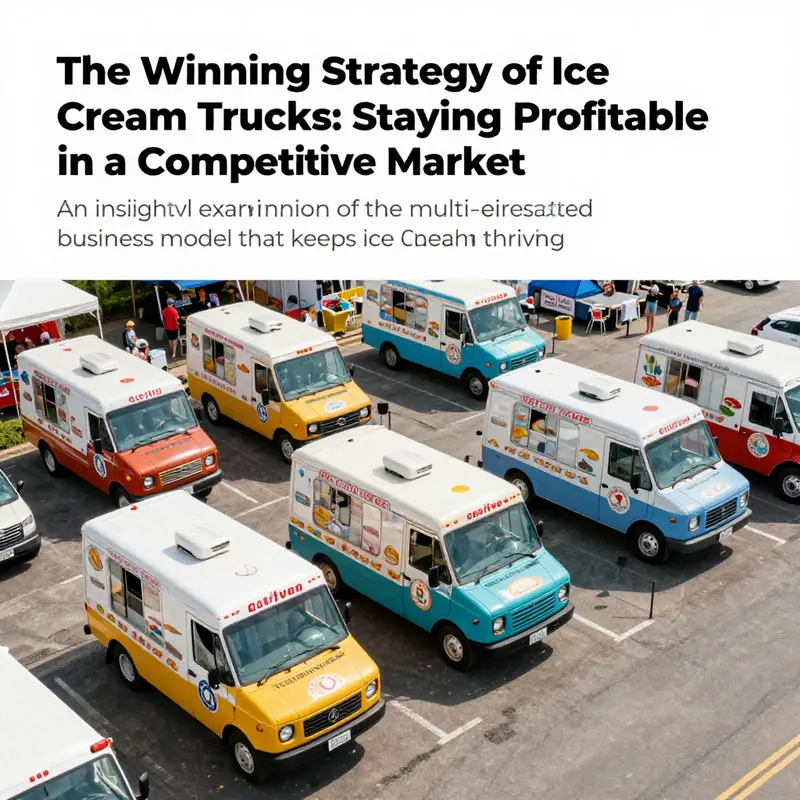
Ice cream trucks are more than just nostalgic vendors of frozen treats; they represent a sophisticated business model that expertly balances branding, product diversity, operational efficiency, and strategic market positioning. As industries worldwide seek innovative ways to engage consumers, logistics and fleet management sectors can draw invaluable lessons from the unique strategies employed by these mobile vendors. This article delves deep into four pivotal aspects: branding and nostalgia, diverse product offerings, operational efficiency, and strategic location, showcasing how each component interlinks to sustain profitable operations in a competitive landscape.
Branding on Wheels: Nostalgia as the Engine of Ice Cream Truck Longevity
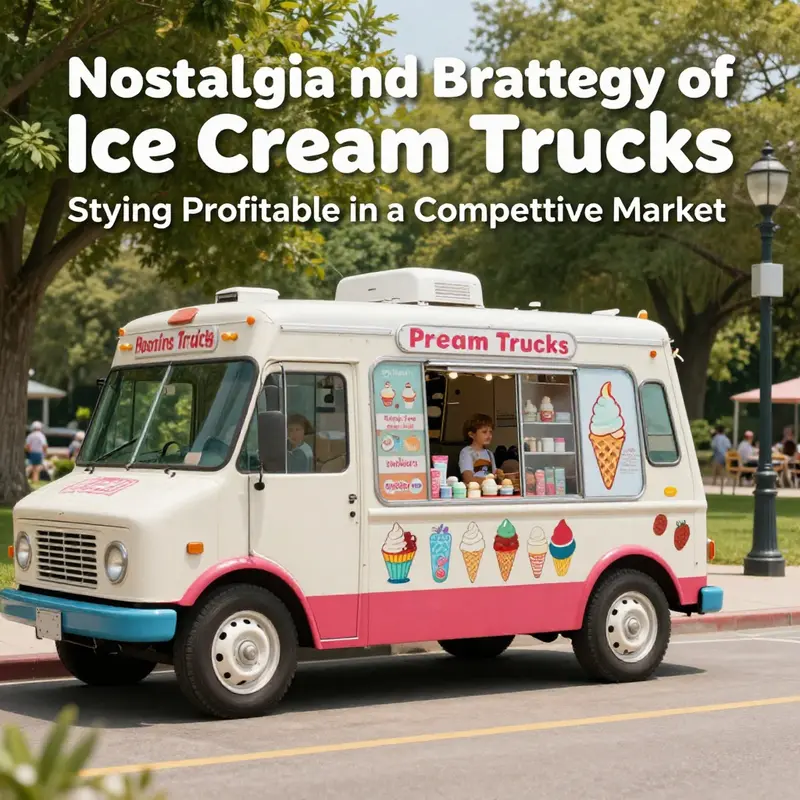
A bright color, a friendly window, and a signature tune create a moving storefront that sells more than frozen treats. Nostalgia anchors trust and recognition, turning a quick purchase into a memory. In crowded streets, a well-branded truck stands out, inviting families to slow down and choose your cone again.
Branding is a system, not a single element. The paint, logo, the service window, and even the crew’s demeanor work in concert to deliver consistency across visits. When customers expect a certain level of warmth and efficiency, they reward reliability with repeat business and word-of-mouth.
Successful ice cream trucks blend retro charm with modern reliability: compliant vehicles, energy-efficient refrigeration, clear menus, and inclusive options. The nostalgia draws attention, while operational excellence sustains growth. The result is a portable brand that travels from park to festival, becoming a trusted neighborhood fixture rather than a temporary novelty.
In sum, nostalgia is a potent engine when paired with discipline: a familiar, comforting promise backed by consistent service, fair pricing, and community engagement.
Flavor as Strategy on Wheels: How Diverse Offerings Keep Ice Cream Trucks Profitable
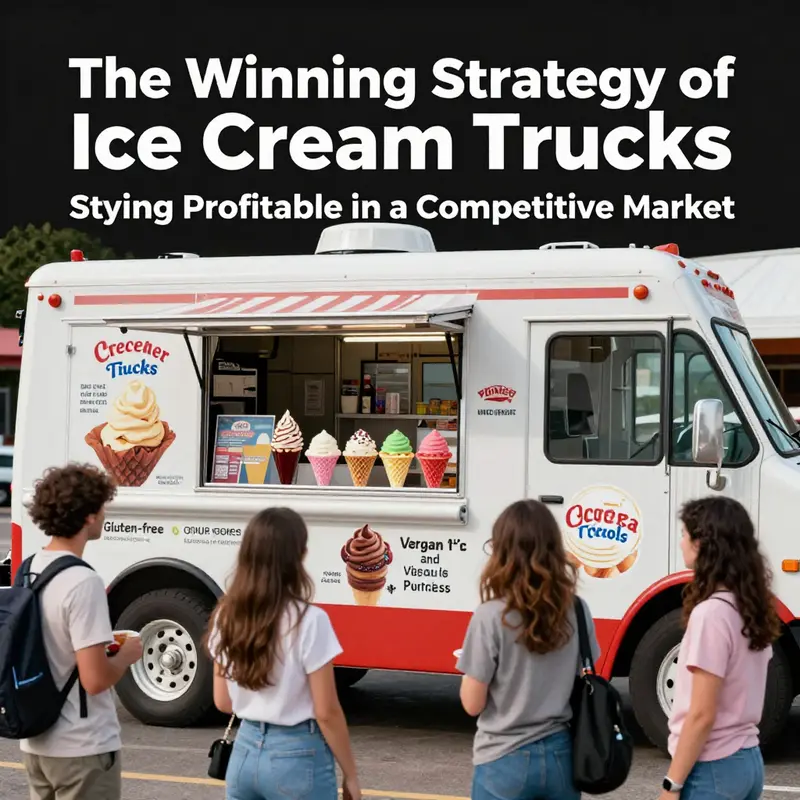
A rolling storefront, an ice cream truck is more than a freezer on wheels. It is a nimble, seasonal, consumer-responsive business that travels with the weather, the crowds, and the events that define a community’s rhythm. The most durable players in this field do not rely on a single product or a single menu. Instead, they cultivate a diverse offering that speaks to a wide range of tastes, dietary needs, and moments in the calendar. When one location loses foot traffic to a rain shower or a rival pops up with a flash crowd, the same truck can pivot toward parks, beaches, school events, or private celebrations, with a menu that feels tailored to the moment. The result is not merely variety for its own sake but a strategic expansion of appeal and resilience that keeps the business moving through changing conditions.
Diversity begins with understanding the audience that each stop attracts. Families with young children often crave familiar, comforting textures and colors, while teenagers may chase novelty and interactive experiences. Adults at events can be drawn to premium or customized options that offer a sense of indulgence without the guilt of overindulgence. The most successful operators design menus that are country-to-country in spirit but local in flavor: they mix classic dairy options with modern, health-conscious alternatives, and they present a spectrum of choices that can be enjoyed by people who keep kosher, gluten-free, vegan, or nut-safe diets. The aim is not to corner one niche but to invite as many people as possible to participate in the sensory and social ritual of dessert on the move.
This approach evolves from a simple premise: every person who walks up to the window should feel there is a product for them, even if they are in a setting as simple as a park or as special as a custom outdoor wedding. The trucks that survive and thrive rarely rely on a single hero item. Instead, they curate a menu with a core set of reliable, high-demand items and a rotating lineup that responds to seasonality and community preferences. The core items provide stability and speed of service, while the rotating elements inject novelty and encourage repeat visits. In practical terms, that means a vehicle outfitted with multi-temperature storage that can safely hold both dairy-based and non-dairy frozen products, plus toppings, sauces, and mix-ins. It also means keeping the service flow efficient enough to handle a queue while maintaining the flexibility to shift to a different combination of offerings mid-day if customer weather or demand shifts.
Beyond the dairy and non-dairy binary, modern mobile vendors diversify in ways that extend well beyond the classic cone or cup. A contemporary truck may feature frozen yogurt or soft serve as part of the repertoire, alongside plant-based ice creams and lighter, low-sugar alternatives. The trend toward dietary inclusivity is not merely about compliance; it is a practical strategy to broaden the potential customer base and to encourage trial among groups who might otherwise pass on a street dessert. The message to the community is clear: there is something for every appetite, every dietary need, and every moment of the day. When a family is planning a park day, when a high school band performs, or when a private party requests a customized dessert experience, the menu can be adapted to deliver satisfaction without forcing a one-size-fits-all choice.
A key consequence of this diversification is the ability to raise the average transaction value. When a truck can offer more than one base product and a range of add-ons, upselling becomes a natural extension of the service. A customer may start with a classic item and then choose a premium topping or a small batch of a complementary treat that coordinates with the base dessert. The connective tissue here is not just the toppings but the experiential elements—the ability to customize, the sense of personal attention, and the feeling that the cart is responding to the customer’s momentary mood. This is where the business logic of mobility intersects with product strategy: you do not sell just ice cream; you sell an adaptable experience that clients can steer according to their desires.
To operationalize this level of diversity, vendors invest in equipment and layout choices that support multiple lines of service without sacrificing efficiency. A compact, box-style truck may maximize storage and create a logical flow from base items to premium add-ons, while a larger, factory-built van can provide a more expansive display of options and a separate station for toppings or specialty ingredients. The modern fleet tends to emphasize reliability and efficiency, with engines and systems designed to keep operating costs predictable over the long term. Clean, up-to-date safety and emissions standards reduce maintenance surprises and help the business stay open in all but the harshest conditions.
The menu’s breadth also lends itself to strategic partnerships and event-based opportunities. In a festival or fair setting, mobile vendors can staff a temporary, pop-up-like station that complements other foods and activities, creating a multi-sensory dessert destination within a larger experience. For weddings and private events, diversification translates into a customizable dessert bar rather than a single scoop at a fixed price. Hosts can align the dessert offering with the event theme—perhaps a color-coordinated topping station or a curated set of signature flavors that echo the couple’s tastes—while maintaining the practical advantages of a mobile service: lower fixed costs, flexibility in location, and the capacity to scale up for larger crowds.
This adaptive approach is reinforced by real-world trends in the mobile food sector. The latest industry observations emphasize the growing appetite for eco-friendly, compact units that can meet demand in parks, beaches, and outdoor venues where space and logistics are at a premium. Electric-powered mini-trucks, for example, are becoming popular because they offer lower operating costs and a smaller environmental footprint, a factor increasingly valued by event organizers and communities seeking sustainable options. These units typically feature versatile cooling systems that can handle a mix of frozen and refrigerated products, enabling a broader menu without sacrificing reliability. The ability to switch between different product categories while maintaining consistent quality and service speed is what turns menu diversification from a nice-to-have into a core competitive advantage.
A further catalyzing factor is the infusion of technology and smart operations into the day-to-day work of the truck. Digital platforms enable real-time event promotion, weather-aware routing, and inventory management that helps operators anticipate demand and minimize waste. The modern dessert cart does not rely solely on street-level impulse; it can be integrated into a broader online presence, with pre-orders for events or coordinated local pop-ups that lock in customers ahead of time. The marriage of product variety with data-informed operations creates a virtuous cycle: more diverse offerings attract more customers, more customers generate more data, and more data enable finer, more efficient adjustments to the menu and route plans.
Within this framework, the idea that diversity is optional becomes untenable. The evidence across communities shows that diversity in offerings correlates with broader engagement and stronger loyalty. Customers who encounter a truck that can satisfy different tastes and dietary needs are more likely to return, not just for the same item but for the whole experience—the ability to revisit a familiar pattern of service, while still discovering new flavors and combinations. The perspective of a seasoned operator becomes clear: a menu that resonates with a diverse audience is not simply a matter of catering to preferences; it is a strategic stance that reduces risk and expands opportunity across seasons, events, and locations.
The practical takeaway for someone considering entering this space is straightforward: diversify thoughtfully, invest in adaptable equipment, and maintain a service rhythm that can absorb both planned promotions and spontaneous demand. You do not need to reinvent the wheel every day, but you do need to recognize that the wheel becomes more valuable when it can carry a broader payload. A well-designed base selection—reliable classics that travel well and move quickly—paired with an evolving lineup of inclusions and add-ons, builds a resilient platform. The more the menu can flex to meet the needs and moods of the community, the more likely it is that the truck will be invited back, day after day, season after season.
For those who want to explore the people and organizational side of this strategy, consider a resource that highlights the importance of workforce development and leadership in mobile fleets. Investing in People: A New Path for Trucking Fleets emphasizes how training, culture, and adaptability enable teams to execute complex, customer-facing offerings with consistency. The principle translates well to the ice cream truck world: a well-trained crew can execute a broad menu with speed and care, maintain safety and quality across shifts, and engage customers with the same warmth that drew them to the cart in the first place. The human element, then, is not ancillary but central to the business model of diversity in offerings.
The broader takeaway remains clear. The future of mobile dessert businesses rests on flexibility and innovation—offering something for everyone ensures you are always in demand. A diversified menu is not merely a way to sell more; it is a way to create a memorable, repeatable consumer experience that travels with a community through time and place.
External resource for broader context: https://www.statista.com/topics/1347/mobile-food-trucks/
Efficiency in Motion: The Hidden Engineering Behind Ice Cream Trucks That Stay in Business
Efficiency in Motion: The Hidden Engineering Behind Ice Cream Trucks That Stay in Business
In the world of mobile food, efficiency is the quiet engine that keeps a small enterprise moving long after the first bell rings. Ice cream trucks, often family-run or solo ventures, succeed not by sheer novelty alone but by a disciplined orchestration of people, trucks, routes, and inventories. The goal is simple to state and hard to achieve in practice: maximize selling hours while minimizing waste and downtime. This demands more than a tuned engine; it asks for a system that balances speed with reliability, flexibility with discipline, and immediate revenue with long term value. When a truck operates with this balance, each mile becomes a potential sale, each stop a data point, and every day a step toward sustainable profitability.
Fleet management forms the backbone of a well oiled operation. A well managed fleet reduces idle time, ensures timely maintenance, and keeps drivers consistent and accountable. Leasing arrangements can protect cash flow but invite ongoing platform or service fees. Smart operators negotiate terms that minimize these recurring costs while preserving flexibility to scale up or down with demand. In practice this means scheduling preventive maintenance, tracking refrigerant and tire health, and ensuring routes align with peak foot traffic. When downtime slips, so does margin. The modern ice cream truck relies on a calendar of service windows, preplanned restocks, and predictable maintenance cycles that keep the schedule intact even when weather shifts or events cancel.
Beyond the truck, recurring expenses nibble at margins. Labor at events is often the largest variable, followed by disposables, cups, napkins, spoons, and wrappers. Savvy operators negotiate bulk pricing or transition to recyclable or compostable options that balance cost with community expectations. They design menus that maximize high margin items without sacrificing customer delight. They track waste and adjust orders to avoid overstocking perishable toppings. Every cent saved on routine supplies compounds into the bottom line, especially in a business where the average ticket can swing with flavor popularity and seasonal demand.
Technology is not a gadget, but a toolkit that sharpens every decision. Route planning software can plot efficient sequences through neighborhoods, schools, parks, and event venues, reducing fuel burn and wait times. Real time inventory systems prevent stockouts and minimize over orders. Point of sale devices connected to cloud based systems simplify payment flows and reporting, enabling rapid adjustments across days or weeks. Customer engagement tools turn a simple ice cream run into a personalized experience, guiding customers to popular items or time saving bundles. Data analytics reveal patterns: which locations produce the strongest per hour sales, which toppings drift during heat waves, and how promotions alter purchase behavior. In short, efficiency becomes insight, not guesswork.
Urban environments reward or require energy efficiency. Electric mini trucks, or hybrids, can dramatically lower fuel use and maintenance costs, which translates into quieter streets and cleaner air. Governments increasingly offer incentives or streamlined permitting for low emission fleets, creating financial payoffs that extend beyond the obvious savings. Even when electric power is not the default, energy efficiency standards for refrigeration units and insulation help reduce the electricity draw from generators or shore power. A sustainability minded operation can market its lower carbon footprint as a selling point while also lowering operating risk in cities that restrict noise and emissions after certain hours.
Choosing the right vehicle type is a foundational decision. The best setups blend refrigerated storage, on board payment options, and branded exteriors that draw attention. A compact box style or a van configured for retail service offers different advantages, from storage density to ease of navigation through tight streets. Some operators pair durable chassis with modular interiors so shelves and freezers can be reconfigured by season. The emphasis is on reliability and service flow: a truck that can stock a full day and handle online orders, catering needs, and school stops without repeated trips to a central warehouse. The end result is a mobile shop that feels consistent, approachable, and professional in every neighborhood it visits.
Behind every efficient truck is a network of suppliers who understand the balance between cost, durability, and compliance. Reputable manufacturers and suppliers deliver high performance units that can be customized to data driven specifications, ensuring capacity aligns with demand. When sourcing from global suppliers, attention to durability, service support, and customization options becomes crucial. Regions with established manufacturing ecosystems offer cost effectiveness without sacrificing quality. For the operator, the payoff is not just a lower upfront price but the certainty that repairs, spare parts, and upgrades will be available when needed. A healthy supplier relationship is a quiet advantage that keeps a truck on the road rather than idling in a shop.
In discussions about fleet optimization, investing in people stands out as a force multiplier. Transforming Fleet Management: The Case for Investing in Human Capital highlights how training, leadership, and cross functional skills empower teams to operate more efficiently and respond to change with resilience.
Market moves and changing tastes also shape how efficiently a truck operates. The mobility of the business model is a strength, but it demands constant attention to where foot traffic gathers. Schools, parks, festival grounds, and market squares are not permanent fixtures; they are dynamic stages whose energy can surge or wane with weather, calendars, and competing events. The most successful operators read these rhythms and let mobility become a competitive advantage rather than a source of risk. They plan for adaptability without sacrificing consistency. A well thought out schedule might reserve certain days for recurring community events while reserving others for private parties or pop-up collaborations with local vendors. In this way, the truck becomes not just a vendor, but a familiar protagonist in the neighborhood rhythm, turning brief seasonal peaks into sustainable cash flow across the year.
Menu design and inventory planning are themselves acts of efficiency. Local tastes matter, but so does the discipline of stock control. A lean menu can control waste and speed service, while a curated set of seasonal flavors can spark curiosity and justify premium pricing during special occasions. Inventory discipline goes beyond simply knowing what to stock; it is about timing the replenishment to match demand curves. When the weather turns unexpectedly warm, the sauce station must be ready for a surge without overstocking the shelf that eats into freezer space. The most successful operators treat inventory as a live asset, monitored with care and adjusted in real time as events unfold and communities respond to new flavors and experiences.
Labor strategies are equally central to efficiency. Training is not a one off event but a process, often delivered through short, practical sessions that fit around cruising and serving. Cross training helps a single team member juggle stages of the operation, from restocking to cash handling, without sacrificing speed. Scheduling software or simple checklists can align shifts with anticipated demand, minimizing idle time and burnout. Seasonal adjustments, apprenticeship style onboarding for students, and clear performance metrics create a workforce that can scale up or scale down with little friction. In a business where every minute matters, the human element becomes the most important tool in the box, not merely a support function.
Digital platforms and data become the connective tissue that ties everything together. A modern ice cream truck benefits from a simple, integrated stack: route optimization, inventory tracking, and point of sale in a single ecosystem. With real time data, operators can reroute to capitalize on a sudden crowd, adjust supplies to prevent overstocking, and tailor promotions to the moment. Marketing becomes more a byproduct of reliable operations than a separate expense. When the foundation is solid, social media and community engagement amplify the effect, turning spontaneous lines into repeat visits and longer relationships with the neighborhoods they serve. The end result is a business that blends reliability with personality, a combination listeners and customers recognize across seasons and neighborhoods.
The gains from efficiency are not merely financial. They include reduced stress for operators, a cleaner street presence, and a reputation for dependable service that can outpace newer entrants who lack operational depth. When a truck can consistently attend popular locations, stock the right flavors, and handle a high demand period without breaking down or turning away customers, it earns both trust and loyalty. This is how a mobile ice cream venture moves from a seasonal novelty to a durable, community anchored business. The mechanics of efficiency—smart fleet management, careful cost control, strategic use of technology, sustainable practices, thoughtful vehicle selection, and strong supplier networks—combine to create a resilient model that can weather competition and changing consumer tastes.
External resource: https://www.foodserviceequipment.net/ice-cream-truck-market-insights-sustainability-efficiency/
Strategic Location in Motion: How Ice Cream Trucks Sustain Business Through Smart Parking and Timing
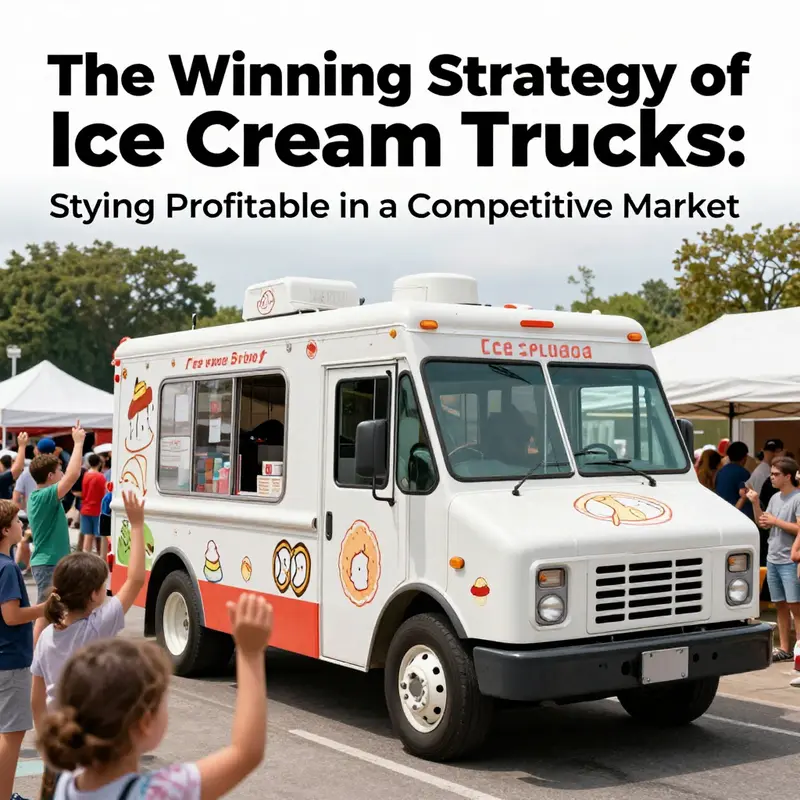
A mobile storefront thrives not only on the quality of what it serves but on where and when it appears. In the world of ice cream trucks, location is a living, breathing strategy embedded in daily operations. The truck becomes a moving beacon that follows crowds, weather, and community rhythms. When a driver treats location as a core asset, sales rise not from a single great flavor but from a steady, data informed presence that blends brand charm with practical efficiency. This is where nostalgia and mobility converge to create reliable demand, and where the business model shows its true resilience: by identifying, predicting, and occupying the right spots at the right times with the right equipment and people behind the wheel.
A robust location strategy starts with understanding where a family or a group is most likely to act on impulse. Parks, playgrounds, and school zones during recess and dismissal times are natural magnets for families with children. Residential neighborhoods, especially those with dense family housing and limited access to frequent dessert outings, become repeat destinations on warm afternoons or after extracurriculars. Nearby festivals, farmers markets, outdoor concerts, and sports events create temporary but highly lucrative nodes in a truck’s map. The key is consistency: show up where foot traffic is predictable enough to build a routine, while staying flexible enough to chase opportunity when the weather or calendar shifts. This combination is what turns a familiar jingle into a trusted signal that customers monitor as part of their weekly routines.
Seasonality complicates but also amplifies the value of strategic placement. In summer, the simplest play is to increase presence where kids, families, and heat converge—suburban cul-de-sacs, public pools, and city-center plazas on weekends. In shoulder seasons, the same trucks can stretch into school event nights, after-work strolls through downtown districts, or near shopping centers with extended hours. Weather becomes a co-star in the plan: a bright, breezy weekend invites broad exploration, while a rainy afternoon may shrink the pool of possible sites to busy indoor venues or covered markets. The best operators treat the weather calendar like a living exhibit board, updating it daily with notes on where demand showed up last year at similar conditions and where it’s likely to appear again this year. It’s not magic; it’s pattern recognition.
Technology quietly reshapes where a truck parks and how long it stays. GPS tracking, real-time traffic feeds, and historical sales data enable a level of route discipline that previously belonged to larger, more centralized food services. A truck can be guided to high-traffic corridors just before the lunch rush ends, then pivot to a park or campus as the school bell rings. The most sophisticated teams layer predictive analytics onto the day’s map, predicting which blocks will retain heat (literally and figuratively) as the sun travels, which events are most likely to draw crowds, and which routes minimize idle time between stops. In practical terms, this means less fuel wasted on aimless cruising and more time collecting dollars at the curb.
Vehicle design and adaptability reinforce location strategy. In dense urban cores or historic districts with narrow streets, a compact, maneuverable vehicle is a tangible asset. Such a unit can park in tight spaces, slip into a loading zone, or thread through a festival crowd with the engine barely audible and the refrigeration system humming at peak efficiency. Electric mini ice cream trucks respond especially well to city-oriented constraints: zero emissions reduce exposure to exhaust regulations in green zones, and quiet operation allows early-morning setup or late-evening service without drawing complaints from nearby residents or organizers. The choice of vehicle thus becomes not merely a logistic decision but a strategic lever that expands the set of viable locations and times. A fleet that can swap between a box-style truck for maximum storage and a smaller electric city unit for downtown operations remains agile, able to capitalize on sudden opportunities—an unplanned school carnival, a last-minute corporate picnic, or a pop-up street fair.
Location intelligence also demands attention to permits, restrictions, and safety. Part of being in business is staying out of trouble as much as it is driving sales. That means understanding parking rules, event permits, and the hours within which a truck can operate in asphalt-dense neighborhoods or near campuses. Proactive compliance reduces downtime and the risk of last-minute displacements that disrupt a day’s momentum. When operators weave the legal requirements into the core planning process, they avoid the costly delays that erode margins and undermine reliability. The most successful teams treat compliance not as a burden but as a capability that frees them to focus on guest experience and throughput at peak moments.
Beyond the practicalities, location strategy is intimately tied to branding and customer expectations. A truck’s visual identity—a gleaming color scheme, a vintage charm, a distinctive jingle—works best when it is paired with a predictable cadence of appearances. People begin to anticipate the truck in a particular park or at a community event, and the brand becomes a familiar ritual rather than a chance encounter. In this sense, strategic location acts as a living advertisement, reinforcing the story the truck tells through its music, its signage, and its menu. A strong brand presence at popular sites makes it easier to upsell, introduce new offerings, or advertise limited-time flavors aligned with the season. The synergy of branding and location compounds over time, converting casual passersby into regulars who plan their routines around the truck’s appearances.
The interaction between menu flexibility and site selection is another engine of profitability. When a truck knows its environment, it can tailor its offerings to local tastes and events without sacrificing core identity. A park focusing on families with younger children might call for classic, familiar flavors and smaller portion sizes, while a festival or university setting could support bolder, gourmet twists that command premium prices. The most successful operators view menu development as a companion to location: the right flavors at the right moments make the queue move faster, the line more photogenic, and the trade-off between premium items and staples a calculated, repeatable decision rather than an afterthought. In this sense, strategic location and adaptive menu design form a feedback loop that strengthens both product appeal and sales velocity.
The question of where to park becomes a question of where people gather and linger. If the truck objective is not simply to sell but to create a moment of delight, then the location has to create a sense of arrival and a reason to stay. This is where community awareness matters. Operators who cultivate relationships with schools, parks departments, event organizers, and neighborhood associations unlock preferred access, early notification of events, and the opportunity to stage pre-sale activities or pre-arranged service windows. When a truck is welcomed into a calendar instead of chasing a one-off opportunity, it turns sporadic revenue into a steady flow. The long-term effect is a network of reliable touchpoints, each reinforcing the next, and a brand that travels not just across streets but across the social map of a community.
To bring it all together, a successful location strategy blends three core disciplines: data-informed deployment, environmental adaptability, and a disciplined approach to brand presence. The data informs where to be and when, the environment dictates how to operate once there, and the brand elevates the experience, turning a simple purchase into a ritual that families seek out. It is this triad that converts mobility from a logistical feature into a competitive advantage. A truck that can shift its position with the weather, align its schedule with school and festival calendars, and adjust its menu to reflect local tastes does not just survive; it thrives by turning every curb into an opportunity and every block into a potential landing pad for a loyal following.
In practice, the day begins with a map of probable demand and ends with a review of what actually happened. The operator looks at which sites produced the most sales, which times of day yielded the greatest impulse buys, and which locations underperformed and why. The insights are simple yet powerful: growth comes from moving toward the places where people gather, adjusting to the rhythms of the community, and keeping the vehicle ready to serve with minimal downtime. This is not a matter of luck but of deliberate, repeatable practice. The truck route is not a wandering path but a purposefully choreographed sequence designed to maximize exposure, minimize travel time, and elevate guest experience. The better the execution, the less effort is required to achieve the same or greater returns on a given day, a week, or a season.
That discipline intertwines with a broader ethos of operations. Operators who treat location as a strategic asset invest in the little details that keep the system running smoothly. They plan parking permissions in advance, rotate locations to reduce neighborhood fatigue, and build a calendar that balances repeat visits with new opportunities. They track weather forecasts, school calendars, and major community events to anticipate demand swings rather than react to them. They coordinate with event organizers to secure prime spots and, when possible, arrange pre-orders for large groups, ensuring a steady flow of customers even in crowded periods. This operational sophistication, while invisible to many customers, is exactly what sustains a business through seasonal fluctuations and the inevitable ebbs and flows of a mobile food economy.
The chapter’s deeper takeaway lies in recognizing that strategic location is a form of adaptive resilience. It echoes the broader arc of mobile food enterprises that succeed by marrying timeless appeal with data-driven logistics. The nostalgia that draws families to the truck is reinforced by the precision of its movements and the reliability of its presence. In this sense, the truck’s location history becomes a narrative of trust: a pattern of predictable appearances that customers come to expect, a sign that the business is not merely surviving but actively cultivating a relationship with the community. When a driver pulls into a familiar park on a sunny afternoon, the little decision to park there is a much larger decision about the company’s health, its brand equity, and its capacity to adapt to changing tastes and regulations. The mobile operator who treats location with this seriousness does not simply ride the waves of demand; they shape those waves through thoughtful placement, intelligent routing, and a brand experience that turns every stop into a moment of shared delight.
Internal linking note describes a related piece about transforming fleet management and investing in human capital. It also mentions a broader fleet management context used to support decision making. External resources in this domain include articles that discuss data analytics in location strategy and the mobility of food on the go sector.
Final thoughts
The sustainable success of ice cream trucks in a competitive marketplace hinges on their ability to engage consumers through nostalgia and branding, offer diverse products to meet diverse dietary needs, optimize operational effectiveness, and strategically position themselves in high-traffic areas. By examining these factors, businesses in logistics, fleet management, and food distribution sectors can glean insights applicable to their operations. The adaptability and customer-centric focus evident in ice cream trucks not only ensure their continued profitability but also serve as a model for resilience in the ever-evolving food service industry.