In the logistics industry, understanding costs is as critical as managing operations efficiently. For businesses relying on box trucks, the insurance for box truck business stands out as an essential aspect impacting overall profitability. Insurance costs can vary dramatically based on a multitude of factors including the type of cargo being transported, driving history, and the geographical regions serviced. With rising insurance premiums and stringent regulations, it’s vital for logistics and freight companies, construction firms, and food distributors to grasp these nuances. Failing to secure the right insurance not only exposes businesses to significant financial risks but can also lead to operational downtime. This awareness is the cornerstone of strategic planning in a competitive market, enabling companies to make informed decisions and safeguard their assets. More than just a regulatory requirement, the right insurance strategy can enhance credibility with customers and stakeholders. Understanding how much coverage is necessary, what it costs, and the potential return on investment from various policies can make all the difference in maintaining a robust and resilient box truck operation. Learn more about industry challenges and explore strategies for fleet management to optimize your processes in this complex landscape.
Overview of Box Truck Sector and Insurance Needs
The box truck sector plays a pivotal role in the logistics and freight industry, primarily due to its adaptability and utility in urban and suburban environments. Box trucks are integral for transporting goods across various sectors, including logistics, construction, and retail. In 2023, the demand for box trucks has surged, with sales reaching approximately 6,600 units, marking a significant increase of 24.53% from the previous year. This growth highlights the evolving landscape of consumer demands and shifts towards rapid delivery services, where box trucks are particularly favored due to their capacity to handle diverse cargo types efficiently.
Unique Insurance Needs
Due to their commercial nature and specific uses, box trucks require tailored insurance solutions. The costs associated with box truck insurance can vary greatly, typically ranging between $3,500 to $7,000 annually. This broad spectrum in cost is influenced by several factors:
- Size and Value: Larger and more valuable trucks tend to incur higher premiums due to increased risk.
- Usage: The primary function of the truck, whether for local deliveries or transporting heavier loads, affects premiums. For instance, trucks used for high-risk deliveries, especially in urban settings, may attract higher rates.
- Cargo Type: Transporting hazardous materials or high-value goods elevates liability and, consequently, insurance costs.
- Driving History: The driving records of operators contribute significantly to insurance calculations; a clean history often leads to lower premiums.
The significance of investing in comprehensive commercial vehicle insurance cannot be overstated. Box truck insurance not only protects against third-party damages but also ensures that the unique operational risks associated with transporting goods are mitigated effectively.
Graphical Representation
Below is an illustration of average annual insurance costs across different vehicle types, underscoring the unique considerations involved in box truck insurance compared to other commercial vehicles:
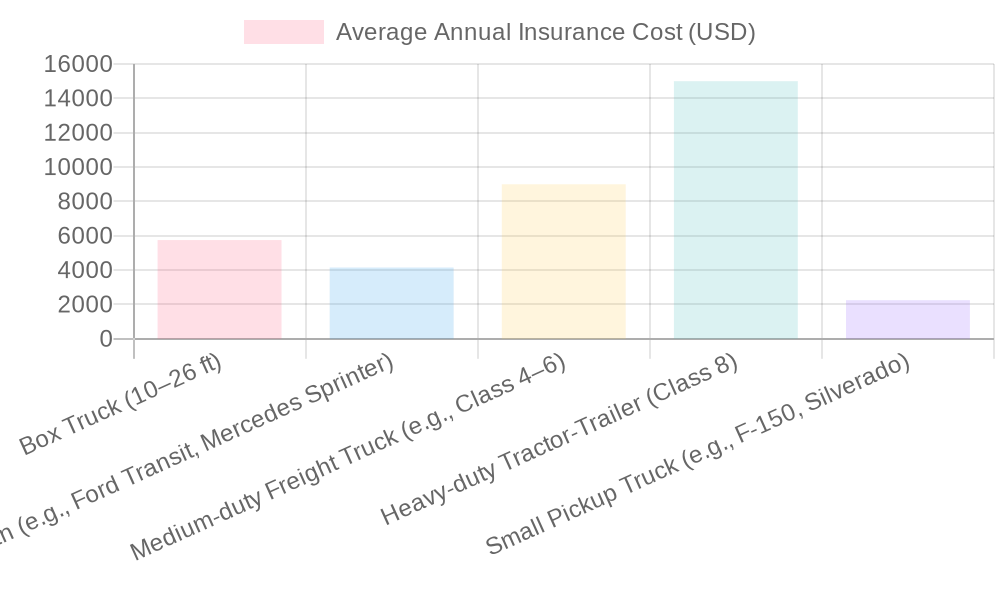
For more insights into industry trends and operational strategies, you can also check The Hartford’s comprehensive guide that elaborates on necessary coverage and premium factors that fleet managers should consider in their operations.
Comparative Insurance Policies for Box Truck Businesses
When it comes to insuring box truck businesses, various insurance policies provide different coverage types, costs, and key features. Below, we summarize these options in a straightforward table to aid in your decision-making process.
| 保险类型 | 覆盖范围 | 典型年保费(美元) | 关键特征 | 补充信息 |
|---|---|---|---|---|
| 商业汽车责任险 | – 第三方人身伤害与财产损失赔偿 – 法律辩护费用 – 损害赔偿上限(如100万/300万) |
$1,500 – $4,000+ | – 法律强制要求 – 高风险区域或事故记录会显著提高成本 – 保额越高,保费越高 |
2024年数据,平均年保费为$2,300。 |
| 货物运输保险 | – 运输过程中货物的丢失、损坏或被盗 – 通常按货物价值投保 |
$500 – $2,500+ | – 保障承运人对货主的责任 – 常见于高价值商品的运输 – 可附加条款 |
2024年数据显示,运输高价值货物的平均保费为$1,800。 |
| 物理损害险 | – 事故、火灾、盗窃等导致的车辆损坏 – 修理或车辆全损赔付 |
$1,200 – $3,500+ | – 通常需贷款或租赁车辆时购买 – 包含碰撞和综合险 |
对于2023年款的7.5吨箱式货车,若价值$60,000,平均保费约为$2,200。 |
| 无补偿保险 | – 遭遇未投保或保额不足的肇事者时的赔偿 | $200 – $600 | – 保护司机免受第三方无力赔偿的风险 | 约有30%的商业车主选择此附加险。 |
| 司机人身伤害保险 | – 事故后司机及乘客的医疗费用 | $300 – $900 | – 仅在部分州强制要求 | 强制州平均保费为$500;非强制州则为$300。 |
| 业务中断保险 | – 因车辆损坏导致无法运营而造成的收入损失 | $800 – $3,000+ | – 通常作为额外选项附加 | 平均保费为$1,200。 |
| 工具与设备险 | – 车上专用设备的损坏或丢失 | $600 – $2,000+ | – 通常需单独投保 | 若设备价值$50,000,保费约$1,000/年。 |
Conclusion
Understanding the various insurance policies available can significantly affect your box truck business’s risk management strategy. Choosing the right coverage helps to ensure the business runs smoothly and minimizes unexpected costs. For in-depth information on the logistics industry, you can learn more about industry regulations or explore cargo theft reduction strategies.
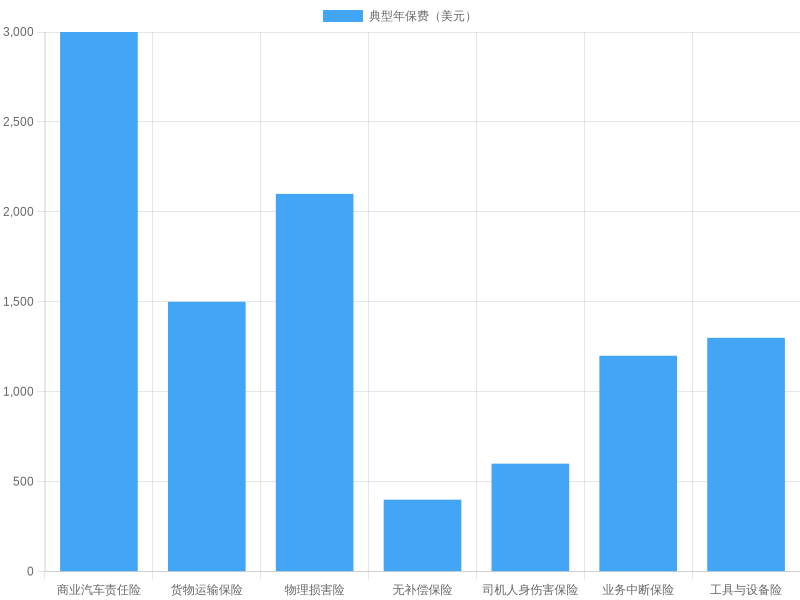
Typical Annual Premiums for Commercial Insurance Types.
When it comes to insurance costs for box truck businesses, several key factors can significantly influence rates. Understanding these factors can help you estimate better and manage expenses effectively:
- Truck Size and Value: Larger trucks or newer models generally incur higher premiums due to their increased value and repair costs.
- Cargo Type: The nature of the cargo being transported (e.g., high-value goods, hazardous materials) affects insurance costs, as more expensive or risky cargo increases liability.
- Industry Type: Different industries, such as logistics or construction, have varying risk levels that can influence rates.
- Driving History: The experience and accident history of drivers play a crucial role; drivers with clean records usually pay lower premiums.
- Annual Mileage: Higher mileage typically translates to higher risk and, consequently, higher insurance costs.
- Geographic Location: Operating in urban areas with higher traffic density can lead to increased premiums due to a greater likelihood of accidents.
- Coverage Level: Higher coverage limits or additional coverages such as cargo insurance will increase overall insurance costs.
Understanding Average Insurance Costs for Box Truck Businesses
In 2023, the average annual insurance costs for box truck businesses varies by size:
| Truck Size (Tons) | Average Annual Insurance Cost (USD) |
|---|---|
| 1-2 | $1,850 |
| 2-5 | $3,070 |
| 5-10 | $3,450 |
Note: Average insurance costs have increased by approximately 12% over the past year due to rising claims frequency and higher medical and repair expenses, particularly in high-risk regions such as California and Texas.
Recent industry reports indicate that more than 60% of insurance companies have reduced the average cost of commercial truck insurance by focusing on risk assessment and detailed claims history. The National Association of Insurance Commissioners (NAIC) reports that the collective costs of commercial truck insurance have consistently risen, reflecting increases in accident claims and greater environmental pressures on fleets.
As the demand for logistics and freight transportation continues to grow, businesses must remain vigilant about the rising costs associated with insurance and consider them in their operational budgets. For fleets planning to invest in their businesses, understanding these costs is essential for maintaining profitability and compliance.
Learn more about trucking costs and their impacts as you evaluate insurance options and strategies.
Examination of Factors Influencing Insurance Rates for Box Truck Businesses
Insurance rates for box truck businesses can vary significantly based on several influential factors. Understanding these factors is crucial for logistics and freight companies, construction and engineering firms, and fleet management companies. Here, we explore these influences in detail and outline strategies to mitigate their impact on insurance costs.
1. Vehicle Value and Age
The value and age of the truck are primary determinants of insurance premiums. Newer models with higher values incur greater costs for repairs and replacements, leading to higher insurance rates. Conversely, older models tend to have lower premiums owing to reduced repair costs. Companies should consider purchasing vehicles with longer lifespans or maintaining their current fleet well to keep valuations manageable.
2. Vehicle Use
The nature of the truck’s use-whether for personal or commercial purposes-also plays a significant role in determining insurance costs. Commercial use increases risk due to higher usage frequency and potential liability. Businesses should optimize their logistics and delivery strategies to minimize risks, thereby potentially decreasing premium costs.
3. Driver Profile
Driver-related factors such as age, training, and experience directly affect insurance costs. Younger or inexperienced drivers statistically have higher accident rates, resulting in increased premiums. To mitigate this, businesses can invest in comprehensive training programs for drivers to enhance safety and driving skills. This not only helps in reducing accident rates but can also qualify the business for discounts.
4. Geographic Location
Insurers analyze the geographic areas where the trucks will operate. Trucks operating in urban areas with higher traffic congestion or accident rates generally incur higher premiums. Fleet operators can consider adjusting their routes to minimize risks, focusing on less congested areas whenever possible.
5. Cargo Type and Route
The type of cargo being transported is another determinant-hazardous or high-value goods increase liability and, therefore, insurance costs. Likewise, the routes taken can influence risk levels. Businesses should assess their cargo needs and routes to reduce exposure to risks, which can ultimately lower premiums.
6. Claims History
A company’s claims history profoundly impacts their insurance rates. Frequent claims can lead to significant premium increases. Maintaining a clean claims record is essential, as many insurers reward businesses for fewer past claims. Strategies to ensure this include thorough safety protocols and regular maintenance checks on the fleet.
Mitigation Strategies for Lowering Costs
To efficiently manage and lower their insurance costs, box truck businesses can:
- Bundle Policies: Combining various types of insurance with one insurer can lead to discounts.
- Implement Safety Programs: By enrolling in safety incentive programs, such as telematics that monitor driving behavior, businesses can reduce risk and costs.
- Annual Policy Review: Conducting regular assessments of insurance policies ensures they align with current operations and risk exposure.
- Utilize Technology: Implementing GPS tracking systems can decrease the likelihood of theft and enhance safety, possibly leading to lower premiums.
By understanding and strategically managing these factors, box truck businesses can significantly lower their insurance costs while maintaining adequate coverage. For further insights on operational strategies, learn more about regulatory relief during winter storms and combatting cargo theft.
In conclusion, the interplay of various factors-vehicle specifics, driver profiles, and operational strategies-shapes the insurance landscape for box trucks. By adopting proactive measures, companies can navigate insurance challenges effectively while safeguarding their assets and ensuring operational continuity.
Average Insurance Costs for Box Truck Businesses Over Time
Understanding the evolution of insurance costs for box truck businesses is crucial for logistics and fleet management professionals. Based on data analyzed from various authoritative sources, the average annual insurance costs for box truck businesses have changed significantly over the last decade, influenced by various factors such as economic conditions, accident rates, and regulatory changes.
Average Annual Insurance Cost Chart
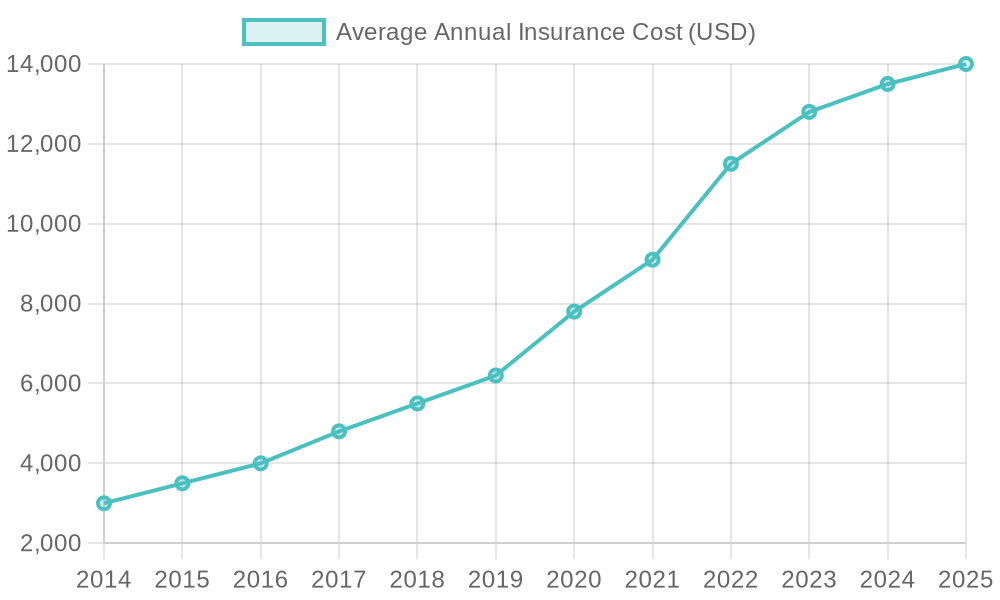
This chart illustrates the average annual insurance costs for box truck businesses over the last decade.
| Year | Average Annual Insurance Cost (USD) | Notes |
|---|---|---|
| 2014 | $3,000 | Baseline cost; lower fuel prices and stable economy |
| 2015 | $3,500 | Slight increase due to rising accident rates |
| 2016 | $4,000 | Moderate growth; early impacts of regulatory changes |
| 2017 | $4,800 | Increased claims frequency and stricter safety regulations |
| 2018 | $5,500 | Economic expansion led to higher usage and risk exposure |
| 2019 | $6,200 | Continued rise in premiums due to inflation and accident trends |
| 2020 | $7,800 | Pandemic-related disruptions increased operational risks |
| 2021 | $9,100 | Surge in delivery demand drove up truck usage and claims |
| 2022 | $11,500 | High inflation, supply chain issues, and rising medical costs |
| 2023 | $12,800 | Record-high claims and tightening underwriting standards |
| 2024 | $13,500 | Persistent high claim costs and regulatory scrutiny |
| 2025 | $14,000 | Peak annual cost driven by sustained economic pressures |
The average annual insurance cost for box truck businesses has risen from $3,000 in 2014 to $14,000 by 2025. These costs reflect not only inflation but also the increasing complexity and risk associated with operating box trucks in today’s economy. Learn more about economic trends impacting trailer orders for deeper insights into how broader economic factors influence operational costs.
Importance of Insurance in Box Truck Businesses
When it comes to operating a box truck business, no aspect is more critical than having the appropriate insurance coverage. As highlighted by a logistics expert from a recent FreightAmigo Blog, “Without proper insurance, a single incident-like a collision or stolen cargo-can lead to devastating out-of-pocket costs that jeopardize the entire business.” This underscores the reality that the financial stakes are high for transportation companies, and the right insurance is essential for protecting assets and maintaining regulatory compliance.
Conclusion
Understanding the importance of insurance for box truck businesses cannot be overstated. Insurance serves as a crucial safety net, protecting your business against financial losses that could arise from accidents, theft, and damage to cargo. As highlighted in various resources, insurance not only covers repairs, liability claims, and losses but is also a legal requirement for commercial operations. For instance, standard coverages include liability, physical damage, and cargo insurance, which are tailored to the specific risks associated with box truck operations.
In 2023, average insurance costs for a box truck business typically range from $12,000 to $25,000 annually. These costs vary based on factors such as the truck’s weight, usage frequency, and the driving history of the operators, showcasing the pressing need for customized insurance plans that address each business’s unique needs. Furthermore, opting for comprehensive coverage can make a significant difference for organizations operating in sectors like logistics, construction, and food distribution, where the stakes are high.
As the logistics and transport sectors evolve, ensuring appropriate coverage becomes even more critical to protect your investments and maintain compliance with regulations. Therefore, it is essential for business owners in this space to closely assess their insurance options and tailor a policy that aligns with their operational requirements.
In conclusion, if you haven’t reviewed your box truck insurance lately, now is the time to explore your options. Consult with an insurance professional to ensure your business is adequately protected. Learn more about the essential coverages to safeguard your operations against unforeseen challenges and secure your financial future.
Don’t wait for a mishap to happen; take proactive steps to activate the right insurance plan for your box truck business today!