
A full trucking business rests on a deliberate blend of strategy, capital planning, regulatory compliance, fleet readiness, and disciplined execution. For Logistics & Freight Companies, Construction & Engineering Firms, Fleet Management Companies, and Food & Beverage Distributors, a standardized trucking model must adapt to different service requirements—general freight, refrigerated (cold chain), hazardous materials, and specialized cargo—while maintaining safety, reliability, and cost efficiency. This guide distills the end-to-end process into five interconnected chapters, each building on the previous to deliver a coherent path from concept to sustained operation. Chapter 1 defines the business model and strategy—clarifying the market, service lines, geographic reach, and customer value proposition. Chapter 2 translates vision into financial viability—estimating startup costs, securing funding, and building robust cash flow. Chapter 3 ensures legal registration and tax readiness—choosing the optimal corporate structure, compliance posture, and tax planning. Chapter 4 focuses on permits, licenses, and fleet readiness—obtaining required authorizations, aligning with safety standards, and equipping the fleet with the right technology. Chapter 5 guides launch, ongoing compliance, and scalable growth—operational discipline, client acquisition, performance measurement, and strategic expansion. Across chapters, the target audience gains a practical playbook for turning a trucking idea into a compliant, profitable, and resilient enterprise that serves complex logistical needs—from nationwide freight networks to time-sensitive construction materials and chilled product distribution. The framework emphasizes proactive risk management, technology enablement, and continuous improvement to compete effectively in today’s evolving transport landscape.
null
null
Securing Fuel for Growth: Strategic Funding and Financial Planning for a Full Trucking Operation
Money is the lifeblood of a trucking venture, yet it is never merely about borrowing more or cutting costs. It is about translating a clear, credible plan into a financing package that aligns with growth goals, risk tolerance, and the realities of daily operations. In this chapter, you move from the spark of an idea to a structured, bankable plan that can attract the right capital at the right terms. The journey begins with a precise assessment of needs and ends with a disciplined approach to cash flow that sustains expansion, weathering cycles of demand, fuel volatility, and driver availability. Throughout, you will weave a practical funding framework with a robust financial model, a persuasive funding package, and a governance mindset that keeps risk in check as you scale your fleet and service footprint.
First, determine the funding needs with disciplined clarity. Startup costs for a full trucking operation extend beyond the initial purchase or lease of tractors and trailers. You must plan for working capital to cover fuel, maintenance reserves, tires, lubricants, and driver wages during ramp-up. Insurance—the comprehensive mix of liability, cargo, and physical damage—constitutes a steady monthly obligation with insurance costs that vary by vehicle type, routes, and safety records. Permits, regulatory compliance programs, dispatch software, telematics, and cybersecurity measures add to the initial outlay, sometimes in one-time bursts when you license a new platform or integrate a load-booking network. In parallel, anticipate ongoing monthly costs: debt service if you finance assets, insurance renewals, fuel, maintenance, driver compensation, and software subscriptions. The aim is to forecast a cash flow that remains stable even as load volumes swing with seasons and macro trends.
A practical step is to build a simple, transparent funding narrative that covers both capital expenditure and working capital needs. The narrative should identify ownership structure, the size and mix of the fleet (own vs. lease), and a plan for asset replacement and depreciation. It should also map how cash will flow from operations to debt service and reserve accounts. In parallel, consider strategic options for funding. Debt remains the most common path for asset-heavy businesses, preserving ownership while providing predictable payments. Equipment financing or loans can align with asset lifecycles, while leases—operating or capital—offer flexibility and a lower upfront cash footprint. A revolving line of credit can cushion daily working capital swings, particularly in a business with fuel spikes, maintenance spikes, or seasonal demand. If speed-to-cash is critical, accounts receivable financing or factoring can accelerate cash conversion, though at a cost that must be weighed against the benefit of smoother operations. For growth that stretches ownership boundaries, equity arrangements or strategic partnerships may be suitable, especially if they bring lane expertise or customer networks that reduce marketing and onboarding time.
With funding options in view, craft a compelling business plan that speaks directly to lenders and potential investors. The executive summary should present a crisp mission, service area, and fleet strategy. The market analysis should quantify demand along your chosen lanes, seasonality, and the competitive landscape, while the fleet plan should outline the number of tractors and trailers, ownership versus lease mix, and replacement cycles. Your operations plan must describe dispatch models, driver management, and safety programs, with a pricing strategy that reflects lane economics, utilization, and surcharges. The management section should highlight the team’s track record and governance structure. Most importantly, the financial plan must show credible revenue projections, a disciplined cost model, and a clear path to debt service coverage and profitability. Early on, use scenarios to illustrate resilience to fuel volatility, regulatory changes, or a sudden downturn in freight demand. Acknowledge risks openly and outline concrete mitigations—fuel hedges, diversified lanes, and maintenance reserves, for example. For an eye-catching edge, consider linking to industry analyses on how macro trends affect equipment demand and trailer orders, such as a focused resource on economic trends impacting trailer orders. economic trends impacting trailer orders.
Next comes financing options and when they fit. Debt financing is the backbone for most fleets, with term loans for asset purchases and leases for balance-sheet flexibility. If you anticipate rapid growth or want to preserve capital, operating leases can be attractive, while finance leases may transfer ownership at term end. A revolving credit facility provides liquidity to manage fuel costs, driver payroll, and maintenance gaps. For immediate cash flow needs tied to freight bills, factoring can bridge payment cycles, though it adds ongoing cost and sometimes strains customer relationships. Equity-based funding—private investors or strategic partners—can reduce debt load and bring operational expertise, but it requires sharing control. What lenders look for is a credible combination of credit history, a robust business plan with realistic assumptions, demonstrable cash flow, asset quality, and a contingency plan that shows you can weather fuel spikes, downtime, or market shifts.
As you craft the money plan, develop credible financial projections that a lender can trust. Build a core model with a revenue engine driven by lane mix, utilization, and rate per mile, while the cost side distinguishes fixed costs (insurance, debt service, licenses, office) from variable costs (fuel, maintenance, tires, tolls, driver pay). Include a capital expenditure schedule for fleet replacement and a monthly cash flow forecast that captures seasonality and cyclicality. A critical metric is the debt service coverage ratio (DSCR), defined as net operating income divided by total debt service. A DSCR above lender thresholds—often around 1.25 to 1.35 for new fleets—signals resilience. Document all assumptions: miles per year per truck, rate per mile, fuel costs, driver headcount, maintenance intervals, insurance, and depreciation. Where you lack exact figures, present ranges and a plan for updating them as quotes arrive. The core objective is to deliver a transparent, defendable money plan that can be revisited as market realities evolve.
With robust projections in hand, assemble the funding package. This package goes beyond a spreadsheet; it is a narrative complemented by supporting documents. Include the business plan, the executive summary, 12–36 months of financial projections with explicit assumptions, personal and business credit reports, historical financial statements if available, ownership and governance documents, asset lists with collateral appraisal, and current lease or purchase agreements. Present a clean, professional executive summary tailored to lenders, followed by a detailed financial model and a well-argued use-of-funds section. A risk mitigation plan should outline contingencies for fuel volatility, regulatory shifts, or driver shortages. The goal is to make the funding request clear, credible, and backed by evidence of disciplined management and growth potential.
Applying for funding and negotiating terms is as much about preparation as it is about timing. Target lenders and sources that understand trucking or SME fleets, including commercial banks with SME portfolios and equipment financiers. When negotiating, seek clarity on interest rates, repayment schedules, down payments, covenants, reporting requirements, and potential prepayment penalties. Maintain a balance between ambition and prudence; avoid over-leveraging and ensure that your projections remain plausible under stress scenarios. Build in reserve quotes and alternative funding options so you can pivot if a lender’s terms fall short of your needs.
Cash flow management and working capital form the heartbeat of daily operations and long-term growth. Establish a cash reserve to cover several months of operating expenses, use fuel surcharges or hedging to stabilize fuel costs, and optimize driver scheduling to manage payroll efficiently. Maintain strict accounts receivable discipline and timely invoicing, and set maintenance schedules to prevent costly breakdowns. Track metrics such as gross margin, EBITDA, maintenance cost per mile, and fuel cost per mile. A disciplined approach to working capital—keeping a buffer, aligning payables with receivables, and ensuring predictable cash inflows—creates a stronger buffer against shocks and enables steadier expansion.
Beyond numbers, governance, risk management, and compliance anchor sustainable growth. Ensure regulatory readiness—ELDs, hours-of-service compliance, insurance coverage, and safety programs. Build a safety culture with incident response plans and driver monitoring. Establish a governance framework with a clear ownership structure, decision rights, and a regular performance dashboard. The combination of sound financial planning and rigorous governance reduces risk and increases the odds of achieving the fleet size, service levels, and profitability you envision.
Finally, think in phased milestones aligned with your funding strategy. In the first 30 days, finalize the business plan and initial cash-flow forecast, begin outreach to lenders, and secure pre-approvals or soft commitments if possible. In 30–90 days, secure funding or lines of credit, place equipment orders or sign leases, and set up the operating infrastructure. In 90–180 days, deploy the fleet, onboard drivers, and implement dispatch and maintenance schedules. By 6–12 months, compare actual performance with projections, adjust pricing and routes as needed, and plan for expansion if targets are met. In 12–24 months, scale the fleet further and explore additional funding for growth.
If you want, I can tailor this guidance to your region, fleet size, and target customers, turning the money plan into a region-focused, numbers-informed framework. For broader guidance on regulatory and one-stop service opportunities in starting freight operations, see official resources like the one-stop service portal used in various provinces. External resource: https://www.hubei.gov.cn/zwgk/zfxxgkml/ztzl/ylzj/202601/t20260128_3972382.shtml
Laying Legal Groundwork: Registering Your Trucking Company and Mastering Tax Compliance
Registration is the doorway to legitimacy, access to permits, and the foundation for scalable growth in a trucking business. It is not merely a bureaucratic hurdle; it is a strategic decision that defines how you will protect your assets, manage risk, and optimize profitability over years of operation. In this chapter, we explore how to choose a formal structure, secure essential licenses, set up a compliant financial backbone, and position your company to compete in a tightly regulated, price-sensitive industry. The purpose is to paint a clear, cohesive path from day one to a sustainable enterprise, where legal standing and tax planning align with operational goals and customer expectations.
First comes the choice of business structure. The trucking sector rewards entities that separate personal risk from business risk. An LLC (or a corporation) typically offers personal liability protection and simplifies certain regulatory processes, which is crucial when you own and operate vehicles carrying third-party cargo. Sole proprietorships, while easy to start, usually fail to meet the requirements of many road transport licenses and can leave you exposed to personal financial risk if accidents or disputes arise. The trade-off is administrative complexity and higher compliance expectations with a formal entity. When you select LLC or corporate status, you set the tone for how you will manage finances, insurance, and capital raising as your fleet grows. This decision also informs how you file taxes and how you appoint officers or managers, which in turn affects the speed and efficiency with which you can scale operations.
Next, you must confirm your business name and reserve it if possible. A name that communicates your focus—freight, logistics, transportation, or a regional service area—helps establish credibility with customers and lenders. A thorough name check should ensure there are no conflicts with existing entities or trademark concerns. This step, though seemingly administrative, has long-lasting implications for branding, marketing, and legal protection. With a reserved name, you are ready to file the foundational documents that officially form the company. For an LLC, that means Articles of Organization; for a corporation, Articles of Incorporation. These filings outline who owns the company, who manages it, the principal business address, and the intended duration of the entity. In some jurisdictions, you may also designate a registered agent and specify initial members or directors. The act of filing solidifies your status as a formal entity and opens the door to a broader ecosystem of licenses, insurance programs, and financing options.
A critical follow-through step is obtaining an Employer Identification Number (EIN). This federal identifier is essential for opening a business bank account, hiring employees, and filing payroll and income taxes. It signals to lenders and suppliers that you are a legitimate business, separate from your personal finances. The process to obtain an EIN is straightforward and free; you can complete it online on the IRS website. Your EIN is the anchor for your accounting structure, tax reporting, and financial transparency. Speaking of taxes, the next major milestone is registering for federal and, if applicable, state regulatory numbers that authorize your operation across borders and within your state’s boundaries.
If you anticipate operating across state lines, you will register with the federal motor carrier safety system and obtain a USDOT number. The USDOT number, along with a unique operating authority, confirms that you meet safety, insurance, and fleet maintenance standards required for interstate commerce. In parallel, you may need an MC number, which authorizes you to engage in for-hire transportation across state lines. Some operators only run intrastate routes and thus bypass interstate registration; however, most mainstream trucking ventures aspire to scale to regional or cross-border operations, making these registrations indispensable. The process is typically centralized through the federal unified registration system, which guides you through background checks, safety audits, and insurance verifications. You will need to provide your legal business name, physical address, EIN, and details about your fleet, including vehicle counts and types. While the USDOT and MC numbers are federal, many states require additional operating permits or permits of public convenience to operate legally within their borders, so you must coordinate with your state Department of Transportation or equivalent agency.
In addition to registrations, you must secure appropriate insurance. Commercial liability, cargo insurance, and workers’ compensation are foundational protections for a trucking business. Your insurance choices will influence your ability to win contracts, as customers often require evidence of robust coverage. Insurers will evaluate your risk profile based on your fleet size, vehicle age, driver qualifications, maintenance practices, and safety record. A well-structured insurance plan not only reduces potential exposure but also signals reliability to clients and lenders, which is essential when negotiating payment terms, credit lines, or larger contracts.
As you assemble the legal and regulatory framework, you must also consider state-level permits and inspections. State operating permits routinely require proof of insurance, a valid business license, and evidence that your fleet meets safety and environmental standards. In some jurisdictions, facilities inspections may be part of the process, but more often you will present documentation such as lease agreements for parking or maintenance facilities and a robust safety management system. The administration of these permits is becoming more streamlined through online government portals that support parallel processing, real-time progress tracking, and fewer in-person visits. This “one-stop service” approach can dramatically shorten the time from inception to active operation, letting you begin revenue-generating work sooner while maintaining compliance.
All these regulatory steps feed directly into the financial architecture of the business. Open a dedicated business bank account separate from personal funds, and establish a reliable bookkeeping system from day one. Accurate record-keeping will support tax reporting, fleet depreciation schedules, insurance premium tracking, and cash-flow management. Tax planning should be integrated into the business model early. Understand the different tax obligations you may face, including federal income tax on profits, self-employment taxes if you are a pass-through entity, state and local taxes, and any industry-specific levies or permits. A disciplined approach to record-keeping makes it easier to maximize legitimate deductions, such as fuel, maintenance, insurance, depreciation (or lease payments), interest on fleet financing, and technology investments that keep operations compliant and efficient.
The strategic value of tax planning goes beyond avoidance of penalties. It includes the possibility of electing S-Corporation status if your profits reach a threshold where potential savings on self-employment tax become meaningful. This election requires careful analysis with a qualified CPA or tax advisor, as it changes how you pay yourself, how profits are treated for payroll taxes, and how distributions are taxed. The potential savings must be weighed against administrative costs and formalities, including reasonable compensation requirements and payroll processing. A compliant setup will also support smoother audits and clearer financial statements, which in turn improves your ability to attract investors or secure credit for fleet expansion.
As your operation comes to life, internal governance becomes increasingly important. Documented safety policies, driver qualification standards, vehicle maintenance regimes, and incident reporting procedures are not only regulatory desiderata but also performance enablers. A clear safety management system reduces risk, lowers insurance costs over time, and creates a predictable service level for customers. It also helps with onboarding new drivers and competing for contracts that require rigorous safety standards. Your governance framework should be designed to scale with your growth. As you add trucks, drivers, and dispatchers, your compliance program should remain nimble, offering consistent training, ongoing assessments, and a culture that prioritizes safety and reliability.
In practice, many operators today benefit from a coordinated, phased approach. The initial phase focuses on formation and licensing: choose the structure, reserve the name, file formation documents, obtain the EIN, and secure interstate registrations if growth is planned. The next phase concentrates on risk transfer and compliance: acquire appropriate insurance, obtain state permits, and implement a safety management system. The final phase centers on financial discipline: establish a robust accounting setup, implement mileage tracking and expense categorization, explore deductions, and evaluate advanced tax planning strategies. Throughout, leverage digital platforms that consolidate applications and allow you to monitor progress in real time. A growing body of regional initiatives supports one-stop registrations, enabling parallel processing and faster approvals, which can dramatically reduce the time from founding to first revenue.
To ground these concepts in practical steps you can begin today, start with selecting your business structure, then advance to name verification and formation filings. Secure your EIN, explore USDOT and MC registrations if you intend interstate work, and prepare for state-level permits. Simultaneously, initiate a dialogue with an insurance broker to tailor a coverage package aligned with your fleet plan and risk tolerance. As operations begin, set up a proper accounting system and cultivate a relationship with a CPA who can guide you through S-Corp elections and other strategic tax moves. Finally, remember that regulatory landscapes evolve. Establish a cadence for compliance reviews, and use the evolving online portals to monitor progress and stay abreast of changes that affect permits, insurance, and tax obligations. For a deeper dive into people-focused growth, see the related discussion on investing in people as a cornerstone of trucking success. https://titanbusinesstrucks.com/investing-in-people-key-to-truckings-success/.
External resource for ongoing regulatory guidance: https://urs.fmcsa.dot.gov/
Chapter 4: Permits, Licenses, and Fleet Readiness—The Critical Roadmap to a Legally Driven Trucking Enterprise
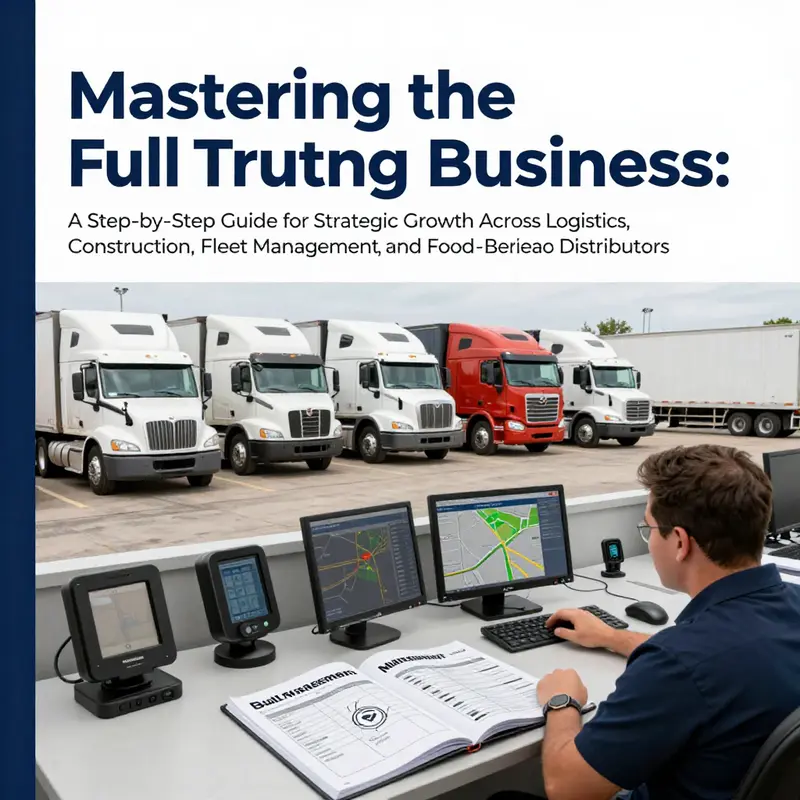
A trucking business cannot truly begin until it rides on solid legal ground and a ready, compliant fleet. This chapter follows the arc from paperwork to practicality: securing the right permits and licenses, registering vehicles, and building a fleet that meets rigorous safety and regulatory standards. It is the phase that translates a business plan into a legally operable operation, and it lays the groundwork for dependable service, predictable timelines, and sustainable growth. The path is both precise and practical, demanding disciplined documentation, timely submissions, and a steady rhythm of maintenance and records. When these elements come together, a startup transitions from ambition to reliability, and that reliability becomes the foundation for customer trust and margin stability.\n\nIn many jurisdictions, compliance starts with a clearly defined operating model and a transparent safety culture. Even before you purchase a truck, you should understand the regulatory environment that will govern your operations. In the context of this chapter, the emphasis is on permits and licenses that allow you to move goods lawfully and safely. That means formal permissions for the vehicles you will operate, the drivers you will employ, and the systems you will deploy to monitor and maintain performance. In the Chinese framework, a Road Transport Operation Permit is typically required for most trucking businesses, with a notable caveat for small operators under a weight threshold. Vehicles below a certain total mass can operate without a road transport license, reflecting a policy intent to reduce barriers for micro-operations while preserving safety through other controls. Beyond this, a Vehicle Operating Permit or its equivalent is issued per vehicle, ensuring that each asset used in commerce is evaluated for roadworthiness and suitability to the business’s declared use.\n\nEqually important is the driver side of the equation. Regulators require that drivers hold valid licenses and, in many cases, professional qualification certificates specific to freight operations. A robust safety management system is not cosmetic jargon; it is the spine of ongoing compliance. It anchors maintenance schedules, incident reporting, driver training, and performance reviews. The safety discipline must permeate daily actions—from pre-trip inspections to post-trip notes and corrective actions. This is not a one-time checklist but a living program that evolves with fleet usage, route patterns, and regulatory updates. The fleet, too, must be prepared to meet standards beyond the vehicle itself. For heavier vehicles, telematics, GPS tracking, and data reporting are not optional add-ons; they are regulatory expectations in many regions and essential tools to optimize safety and efficiency.\n\nThe practical sequence is straightforward but exacting. Start with vehicle readiness: confirm that each asset is registered to the business name and that its declared use aligns with the permitted duties. Vehicles must pass technical inspections and meet the applicable road transport vehicle standards. If the fleet includes heavy units—those above a threshold weight—installation of GPS tracking devices becomes a requirement and the data streams must feed into the monitoring platform used by the regulatory authority or the company’s own safety program. This linkage between hardware, software, and policy creates a closed loop in which performance data informs maintenance schedules, driver coaching, and route planning. The goal is simple on paper and demanding in practice: minimize risk, maximize uptime, and prove compliance through traceable records.\n\nDocumentation is the currency of this phase. Gather the business license, vehicle purchase or lease agreements, vehicle registration certificates, and inspection reports. Compile driver qualifications, including licenses and any professional qualification certificates required for freight operations. Put in place the safety management system documentation that demonstrates your approach to accident prevention, risk assessment, and emergency response. When you submit these documents through the appropriate online platform or government service center, you are not merely filing forms; you are endorsing a system that will be audited, reviewed, and continually refined. In many places, processing timelines for road transport permits extend over several weeks. A typical window—twenty working days after submission—reflects a balance between thorough verification and a reasonable pace for business planning. This is a moment to be deliberate: rushing can lead to gaps in documentation that trigger delays or denial.\n\nFor operators planning cross-border or interstate engagement, there is another layer of consideration. In many jurisdictions with open or hybrid markets, a national registration system exists that assigns universal identifiers to carriers, including a USDOT-like number and an operator identification number. The logic is consistent across borders: a centralized registration framework enables safety authorities to track safety performance, hours of service, and compliance history. In the United States, for example, the Unified Registration System streamlines the process of obtaining a USDOT number, MC numbers for interstate carriers, and state-specific operating licenses. The URS is designed to consolidate registrations, reduce duplication, and provide a single gateway for compliance evidence. While your primary focus may be a domestic Chinese operation, understanding this cross-border framework clarifies how regulators think about risk, data, and accountability. A registered fleet becomes not only a legal entity but a portfolio of verified records that auditors and customers can trust.\n\nThe fleet’s readiness extends beyond permits into ongoing operational discipline. The road transport permit mentioned earlier is not a one-and-done achievement; it marks the beginning of a continuous cycle of inspection, maintenance, and documentation. Vehicles require periodic registration renewals and annual or prescribed inspections to maintain compliance status. For heavier or more complex fleets, the regulations may require the installation of telematics to monitor vehicle health, location, and driver behavior in real time. The driver’s professional qualification certificate must be kept current, with renewals aligned to regulatory intervals and training refreshers. The aim is not only to comply but to demonstrate exemplary safety performance. This mindset translates into lower risk, fewer incidents, and smoother inspections, all of which contribute to a reliable service offering that customers can count on.\n\nThere is value in recognizing how technology supports this phase. Fleet management software, dispatch platforms, and electronic logging devices (ELDs) become essential for maintaining accurate records, proving hours of service compliance, and delivering transparent information to clients. The integration of a robust safety management system with real-time data creates a virtuous cycle: better insights lead to better maintenance and safer driving, which in turn supports more predictable schedules and improved customer satisfaction. The emphasis on data is not merely regulatory; it is a strategic advantage that helps you optimize routes, reduce idle time, and manage fatigue risk proactively. A well-prepared operator uses these tools not as surveillance but as a means to protect drivers, vehicles, cargo, and reputations.\n\nFor those who anticipate the need to court larger customers or engage in more complex logistics solutions, the permitting and licensing phase also signals your readiness to scale. A documented safety culture, together with a vetted fleet, opens doors to contracts that require higher service levels, insurance coverage, and regulatory assurances. It becomes easier to negotiate terms, establish service-level agreements, and participate in partnerships with warehouses, manufacturers, and e-commerce platforms when regulators have confidence in your systems. The one-stop service mindset mentioned in recent government initiatives—where multiple applications can be submitted through integrated portals and progress tracked in real time—helps this scaling effort. It reduces friction and accelerates the transition from startup to capable operator, allowing you to move from planning to execution with fewer administrative bottlenecks.\n\nFrom a practical standpoint, the critical moment comes when you finally launch the fleet—after permits are in place, insurance is secured, and drivers are qualified. Even then, the effort does not end. You must maintain a cadence of inspections, policy updates, and performance reviews. The daily rhythm of compliance—pre-trip checks, timely maintenance, incident reporting, and driver requalification where applicable—must become as routine as loading and unloading. In effect, your permit and license portfolio becomes the backbone of your operating discipline, while fleet readiness translates that discipline into reliability and trust. A single lapse can ripple through your operations, affecting scheduling, insurance premiums, and even the willingness of customers to engage with your services. Conversely, a well-managed compliance posture supports price stability, predictable cash flow, and sustainable growth.\n\nTo keep the narrative grounded, consider a practical note about continuous improvement. Maintain a regular audit cycle that reviews document validity, equipment condition, and driver competency. Build an add-on program that addresses emerging regulatory changes, new safety standards, or environmental requirements. The more proactive you are in anticipating changes, the less disruptive any regulatory evolution will be to your operations. When you align permits, licenses, and fleet readiness with ongoing safety management and data-driven optimization, you create a durable platform for expansion—whether you grow your regional network, add new service lines, or pursue cross-border opportunities. The result is a trucking enterprise that not only meets the letter of the law but embodies a disciplined, professional, and trustworthy operator capable of delivering consistent value to customers.\n\nFor further reflection on regulatory resilience in trucking operations, you can explore practical insights related to regulatory relief and compliance strategies within the industry discussions. This kind of resource can offer perspectives on how external shocks—such as weather-related disruptions or policy shifts—can be absorbed without compromising safety or service quality. Regulatory relief during winter storms in trucking provides a lens into how operators navigate temporary changes while preserving core compliance practices. External resources like the Federal Motor Carrier Safety Administration’s Unified Registration System (URS) consolidate registration steps and provide authoritative guidance for carriers pursuing cross-border or interstate operations. To engage with the URS directly, visit the official portal for the most current instructions and filings: https://urs.fmcsa.dot.gov.
Chapter 5: Launching Operations, Compliance, and Growth in a Full Trucking Business
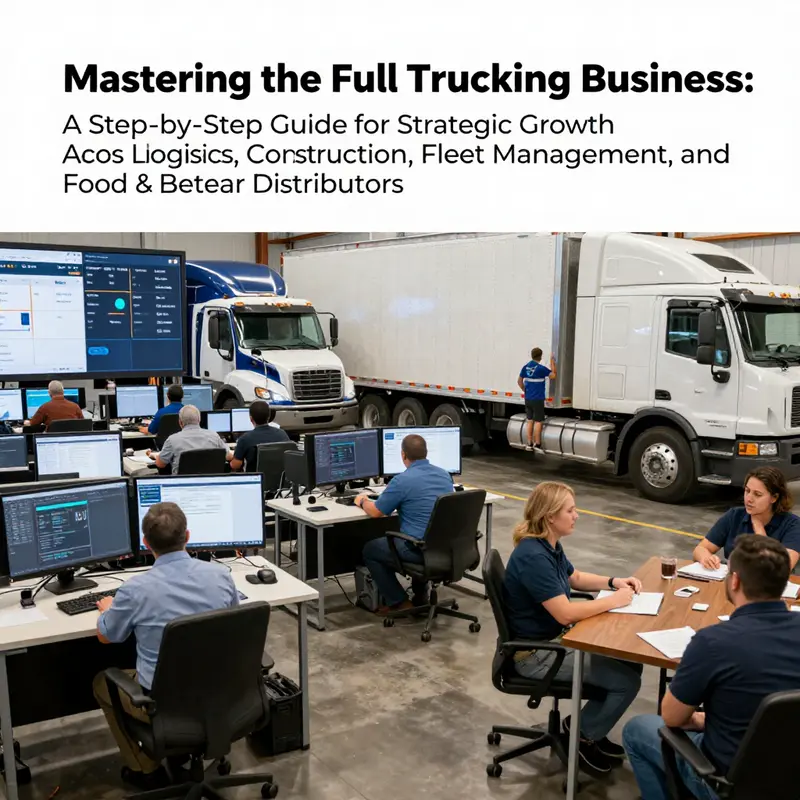
Launching a trucking operation after laying the groundwork is less about novelty and more about discipline: turning plans into reliable, lawful service that can scale with demand. This chapter traces the continuum from the moment your permits are in place and your fleet is ready to roll through the early days of active service, weaving in the regulatory threads that bind a modern carrier. The aim is a cohesive, resilient operation where safety, efficiency, and growth are not afterthoughts but the fabric of daily practice.
At the core of a successful launch is clarity about authority and scope. In many major markets, interstate trucking requires formal operating authority, insurance, and well-documented driver qualifications. In the United States, for example, carriers pursue an authority framework that culminates in a USDOT number and a registration profile with the Federal Motor Carrier Safety Administration (FMCSA). Those steps translate into a concrete footprint: you can operate across state lines with defined safety, insurance, and maintenance standards. In other regions, similar principles apply—your regulatory bodies issue the licenses, perform periodic checks, and expect routine reporting. A practical takeaway is to view compliance not as a hurdle but as the foundation that legitimizes every shipment, every route, and every customer relationship. As you deploy your fleet, ensure each vehicle is registered to your business, each driver holds the required licenses and health certifications, and your safety management system is alive with procedures, drills, and continuous improvement loops.
From day one, a robust safety culture is your most valuable asset. It starts with a well-documented safety program that defines performance standards, incident reporting, and corrective actions. Regular driver training should cover traffic laws, defensive driving, load securement, and emergency response. Maintenance cannot be treated as reactive; it must be preventive and data-driven. Schedule routine inspections, monitor tire wear, brake health, and steering components, and use fleet analytics to forecast potential failures before they disrupt service. When a vehicle falls out of service, the impact is not only mechanical; it ripples through dispatch, customer promises, and cash flow. Therefore, integrate maintenance data with your dispatch and telematics so you can preempt breakdowns, minimize unplanned downtime, and keep drivers on predictable schedules.
Insurance is another non-negotiable pillar. Beyond general liability, cargo coverage and physical damage protection are essential, especially when expanding into specialized or high-value freight. The financial resilience of your operation depends on premiums that reflect actual risk, which means adopting rigorous driver screening, compliant operations, and demonstrable safety records. These elements also influence your ability to win new contracts. Shrewd customers and brokers look for carriers with transparent risk management, reliable on-time performance, and a track record of incident-free operations. Your insurance posture, therefore, should be a narrative you can communicate in bids and proposals as clearly as you can in a driver’s log.
Technology underpins every successful launch and ongoing growth. Dispatch and fleet-management software transform how you plan routes, assign loads, and respond to disruptions. Telematics provide real-time visibility into location, fuel usage, and maintenance needs. Electronic Logging Devices (ELDs) ensure compliance with hours-of-service rules, reducing the risk of violations and the administrative burden of paper logs. A customer portal adds another layer of trust, letting clients track shipments in real time and receive proactive updates. If you aim to operate a digital freight platform, prepare for enhanced requirements: on-site regulatory verification, cybersecurity protocols, platform resilience, and robust user support. The objective is seamless information flow that translates into predictable delivery windows and happier customers.
People are the heartbeat of a sustainable operation. You’ll need professional drivers who bring not only a CDL and medical certification but also a demonstrated commitment to safety and customer service. Dispatch and operations managers translate strategic plans into daily schedules, balancing capacity with demand while preserving service quality. Maintenance technicians keep the fleet in peak condition, and administrative staff handle compliance, billing, and customer care. Training should be ongoing, reinforcing policy updates, regulatory changes, and the specifics of your safety framework. As you hire, you may discover that investing in people—training, career progression, and supportive work environments—delivers a double dividend: lower turnover and higher reliability on the road. For a broader perspective on people-focused growth in trucking, consider exploring Investing in people—a new path for trucking fleets.
Operational systems must be integrated and resilient. Your dispatch center should anticipate peak periods, adjust to weather or traffic disturbances, and keep customers informed with accurate ETA updates. Route optimization, when paired with real-time fuel management data and predictive maintenance insights, reduces costs and extends asset life. A disciplined approach to data not only improves efficiency but also strengthens your negotiating position with customers who value transparency and reliability. Remember to align performance metrics with your business goals: miles per gallon, on-time delivery rate, fuel variance, maintenance costs per mile, and customer satisfaction scores become the language through which leadership communicates progress to stakeholders.
Launching also means expanding your service in a controlled, scalable way. Start with a core service line you can execute flawlessly, then broaden into adjacent offerings as your capabilities mature. This could mean adding refrigerated or flatbed capacity, expanding to new routes, or piloting cross-docking and intermodal arrangements with trusted partners. Growth should be deliberate, not accidental. Maintain tight control over onboarding processes for new customers and drivers, ensuring all new operations integrate with your safety system, IT stack, and compliance cadence. As you grow, you will inevitably encounter more complex regulatory landscapes, requiring ongoing education and governance. The objective is to preserve the quality of service you established at launch while expanding the network and capacity you can responsibly support.
To sustain momentum, cultivate a strong external network. Build relationships with warehouses, manufacturers, and e-commerce platforms that value dependable transport partners. Engage with industry associations and regulators to stay informed about changes in safety standards, emissions requirements, and digital compliance expectations. These connections help you anticipate policy shifts, leverage best practices, and co-create solutions that reduce friction for customers and drivers alike.
The regulatory dimension of growth cannot be overstated. Compliance isn’t a one-time filing; it is an ongoing discipline that governs every decision. Keep licenses, registrations, and insurance up to date. Establish a cadence for driver requalification, vehicle inspections, and incident reporting. When you introduce new services or enter new markets, perform a regulatory risk assessment to identify gaps and mitigate them before they affect operations. If you ever need a definitive reference on interstate regulation and safety requirements, consult official sources such as the FMCSA framework. For a broad, practical sense of regulatory expectations, local government service portals and national transportation authorities offer structured guides and checklists.
A final note on growth emphasizes value over volume. Rather than chasing rapid expansion for its own sake, align growth with customer demand, capital availability, and your safety and service benchmarks. A measured, data-informed expansion protects your safety record and preserves cash flow while enabling you to reinvest in drivers, maintenance, and tech that elevate reliability. The result is a scalable, compliant operation that can weather regulatory shifts and market cycles. If you are curious to explore progressive, people-centered growth strategies in trucking, consider reading about investing in people—a new path for trucking fleets. Investing in people—a new path for trucking fleets.
As you close the loop from launch to growth, remember that the operational discipline you establish early determines long-term success more than any single contract or market. A disciplined approach to safety, maintenance, compliance, and customer service creates a competitive moat. It makes your pricing credible, your reliability verifiable, and your brand trustworthy. In turn, this trust attracts better loads, steadier cash flow, and more resilient margins even when external conditions shift. For readers seeking a broader regulatory reference as they navigate cross-border or interstate considerations, the FMCSA framework and its public guidance serve as a foundational touchstone: https://www.fmcsa.dot.gov.
Final thoughts
A successful full trucking business emerges from disciplined strategy, disciplined capital management, rigorous regulatory compliance, and relentless execution. The five chapters form an integrated lifecycle: define a customer-centric model that serves logistics, construction, fleet management, and food distribution; translate ambition into capital plans and risk-adjusted financing; establish a compliant legal and tax footing; secure the necessary permits and build a technically ready fleet; and finally launch with a service-first mindset, leveraging technology, analytics, and continuous improvement to capture new routes, optimize utilization, and protect margins. As operators scale, the emphasis shifts to governance, safety culture, and strategic partnerships that extend reach without compromising reliability or safety. The overarching takeaway is clear: in a market that rewards speed, accuracy, and accountability, a well-orchestrated trucking business thrives when every component—from legal compliance to fleet optimization and customer collaboration—is aligned with a clear value proposition and measurable performance.