
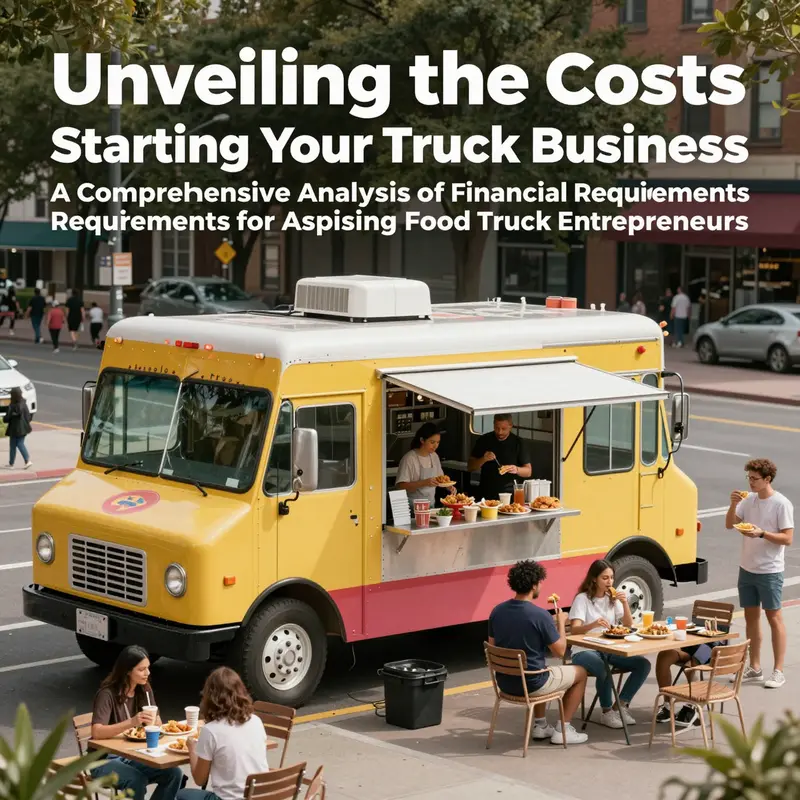
Starting a food truck business presents a unique opportunity for entrepreneurs looking to tap into the mobile food industry. However, the financial landscape is multifaceted, often involving extensive startup costs that can range from $50,000 to upwards of $150,000. This article provides a detailed breakdown of these expenses, tailored specifically for logistics, construction, fleet management, and food distribution companies. Each chapter explores essential financial components—from vehicle investments and kitchen equipment budgets to legal requirements, inventory expenses, and strategic marketing—all aimed at equipping prospective food truck owners with the knowledge needed to succeed in a competitive market.
From Blueprint to Back-of-Truck Budget: A Realistic Guide to Vehicle and Equipment Costs for Starting a Food Truck
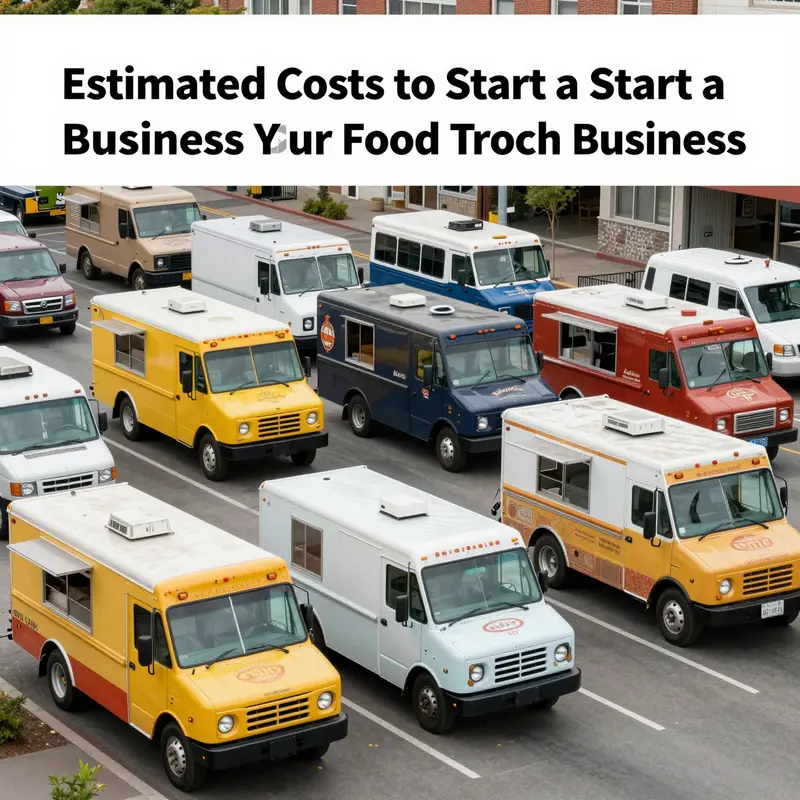
Launching a food truck business is often celebrated for its mobility, creativity, and the promise of lower overhead than a traditional restaurant. Yet the romance fades quickly when you face the numbers behind a fully functional mobile kitchen. This chapter digs into the core price tag that turns a culinary concept into a street-side, revenue-generating operation: the vehicle and the essential equipment that must travel with it. When founders grasp the spectrum of costs—from the chassis to the last pan of mise en place—they can translate appetite into a solid cash plan and avoid the all-too-common missteps that derail promising concepts before they even hit the first event.
At the heart of the budget is the vehicle itself, and here the choice sets a ceiling and a floor for everything that follows. A used food truck, with a proven track record and lower upfront costs, typically lands in the range of roughly twenty-five thousand to seventy-five thousand dollars. A pre-owned unit offers a quick entry, but it can come with immediate maintenance or modernization needs that push the total higher. On the other end of the spectrum lies the fully customized, new food truck. In many cases, a brand-new vehicle equipped with a purpose-built kitchen and branded interior can exceed one hundred thousand dollars and climb toward the upper end of the three-figure range, depending on the level of customization, sophistication of the appliances, and the branding finish you require. Some operators also choose to lease a truck as a means to control upfront expenditure, typically paying between fifteen hundred and four thousand dollars per month. Leasing reduces the initial capital outlay but tends to increase long-term costs and can complicate resale value or equity if you decide to pivot or exit the business.
The vehicle cost doesn’t stand alone. It acts as a foundation for a kitchen that must perform reliably in crowded lines, outdoor fiestas, or shifting weather. The essential kitchen equipment that accompanies the truck—grills, fryers, ovens, refrigerators, sinks, and efficient storage—adds a substantial chunk to the startup bill. A practical range for this gear sits roughly between ten thousand and thirty thousand dollars, depending on the size of the operation, the menu, and the level of automation or specialty appliances you require. If you plan a menu that leans on high-volume, high-heat cooking, you’ll likely push toward the upper end of that range. For leaner menus or more compact setups, the lower end is feasible while still delivering solid throughput. When operators demand higher-end configurations or more expansive cold storage, the incremental costs can push the equipment portion well beyond the base estimate.
Beyond the core vehicle and the starting firepower of the kitchen, there are several ancillary yet unavoidable line items that accumulate into the overall cost picture. Permits and licenses are non-negotiable, and their price tags vary widely by location. A typical mobile vendor license, health department clearance, and city business permits can together fall in a broad band—from about one thousand five hundred dollars to five thousand dollars in many jurisdictions. The exact figures hinge on city rules, the scope of your operation, the number of staff, and the type of meals you intend to serve. In some high-demand markets, permit queues, lotteries, or caps on licenses can complicate the timeline and push costs up further. It’s not unusual to see individuals paying additional sums for expedited processing or to secure a license in a competitive market.
Insurance, an often overlooked but crucial safeguard, sits in a similar range, typically eight hundred to two thousand dollars annually, depending on coverage, the vehicle type, and whether you carry extra protections for propane, high-voltage equipment, or outdoor power sources. The insurance premium reflects both the physical risk of operating on streets and the reputational risk of handling perishable goods in public spaces. Health and safety standards drive another layer of cost, with health permits and food-handler certifications often amounting to a few hundred dollars in total, but sometimes more if training requirements are more rigorous in your locality. A business license may also be required, commonly a few dozen dollars to a couple hundred, depending on the jurisdiction.
Then there is the initial inventory and ongoing supplies. Stocking up on ingredients, seasonings, packaging that meets local environmental rules, cleaning supplies, and disposable items is a daily expense that compounds quickly in the early weeks. A practical starting fund for inventory and supplies tends to sit in the two- to five-thousand-dollar range. The environmental requirements affecting packaging have tightened the purse strings in many areas. Compliance means choosing compostable or biodegradable containers and cutlery, which can be pricier than traditional alternatives but is often a legal or community standard for events and venues. The exact mix of packaging materials—cups, clamshells, napkins, and utensils—depends on your menu and your target events, but planning for sustainable options up front helps avoid last-minute premium buys.
Marketing and branding form a modest but meaningful investment. A coherent brand presence—name development, logo design, a simple website, active social media, signage, and the uniform look of your crew—can run roughly between one thousand and three thousand dollars. The aim is not to overspend but to establish enough visibility to attract events, markets, or high-traffic spots where your truck can gain consistent traction. A polished appearance often correlates with trust and perceived quality, both of which matter when customers are choosing between multiple trucks in a row at a festival or street corner.
Finally, operating capital in the early months is essential. Most founders set aside a cushion in the five- to ten-thousand-dollar range to cover the inevitable cash-flow gaps: rental fees for commissaries or prep spaces, fuel, utilities, staff wages, and unanticipated maintenance. This liquidity is the heartbeat of the startup phase, allowing you to respond to weather shifts, event cancellations, or a sudden surge in demand without jeopardizing the day-to-day operations of the business.
Taken together, the numbers paint a clear picture: the initial investment required to launch a food truck can range from roughly fifty thousand dollars on the low end to well above one hundred thousand dollars for a more elaborate, fully equipped setup. A straightforward way to perceive this is to split the crest into two broad camps. The first camp is the lean, speed-to-market approach. It prioritizes a dependable used vehicle, essential equipment, and minimal but solid branding and permitting—an entry price that might hover around fifty to seventy-five thousand dollars. The second camp is a more ambitious model that leans into a new, highly customized vehicle, higher-grade equipment, and a broader footprint for branding and events. In that scenario, the total can easily surpass one hundred thousand, with costs climbing depending on the menu breadth, the sophistication of the kitchen, and the level of on-site service you intend to offer.
One practical way to manage these numbers is to approach the budget as a living document rather than a single fork-in-the-road sum. Start with a conservative baseline: a used vehicle near the lower end, essential kitchen gear, and a modest permit and insurance package. Then model what it would take to upgrade any single component—perhaps a larger refrigeration system or more expansive prep space—and note how each upgrade shifts cash flow. A well-structured cost model also lets you test different business models: a compact menu with a high-velocity location strategy, or a broader menu aimed at curated events with higher ticket prices. Either path can be profitable if the math stays honest and the plan accounts for seasonality, location density, and the ability to scale responsibly.
The value of a front-loaded, disciplined budgeting process cannot be overstated. It keeps founders from discovering, after months of hard work, that their cash runway evaporates just when the business needs a boost the most. It also clarifies where to invest first. For many, the smartest initial investments are a reliable vehicle and a kitchen that can maintain consistent safety and quality, followed by permits, insurance, and a modest—but real—marketing push. The cost of entry becomes less about chasing the trend and more about building a stable platform from which a business can grow.
To bring this to life in a concrete, actionable way, consider the practical guidance that seasoned operators use when they are building the budget. Start with the vehicle as the anchor; you want dependable power, efficient layouts, and a vehicle that can operate in your target environments, whether urban streets, fairs, or festivals. Then tee up the kitchen equipment in alignment with your menu. If you plan fried foods, ensure ventilation and fire suppression compliance are non-negotiable priorities. If you lean toward fresh, daily-prepared dishes, a robust refrigeration and prep area becomes the keystone. The licenses and insurance are not mere hoops; they are guardrails that protect customer safety and business viability, which in turn sustains your ability to serve customers consistently. The initial inventory and packaging align with the promised customer experience; it’s not merely sustenance but the first impression—eco-conscious packaging, clean presentation, and reliable supply chains create trust at the first bite.
While the numbers may seem daunting, the path to profitability is navigable with a disciplined approach. Remember the pro tips: start small when possible, especially if you can access a shared kitchen or commissary to reduce overhead in the early weeks. Delve into local regulations so you understand the licensing landscape, permit caps, and any potential price variations that might arise. Finally, adopt a budget template or a structured spreadsheet to project cash flow month by month, including the effect of seasonality and event-based revenue. A precise forecast will help you know when you can upgrade equipment, expand the menu, or invest more in marketing without risking what you’ve already built.
For those seeking a practical tool to turn these ideas into numbers, a dedicated startup cost calculator can be enormously helpful. It can break down each category—vehicle, kitchen equipment, permits, insurance, inventory, marketing, and operating capital—and deliver a tailored forecast based on your location and business model. Such a tool guides you beyond rough estimates and brings clarity to the timing of investments and expected break-even points. As you build your plan, keep this resource in view as a way to calibrate your numbers and refine your strategy.
External resource: https://www.foodtruckbusiness.com/startup-cost-calculator
Powering a Profitable Mobile Kitchen: A Lean, Efficient Equipment Budget for Launching a Food Truck
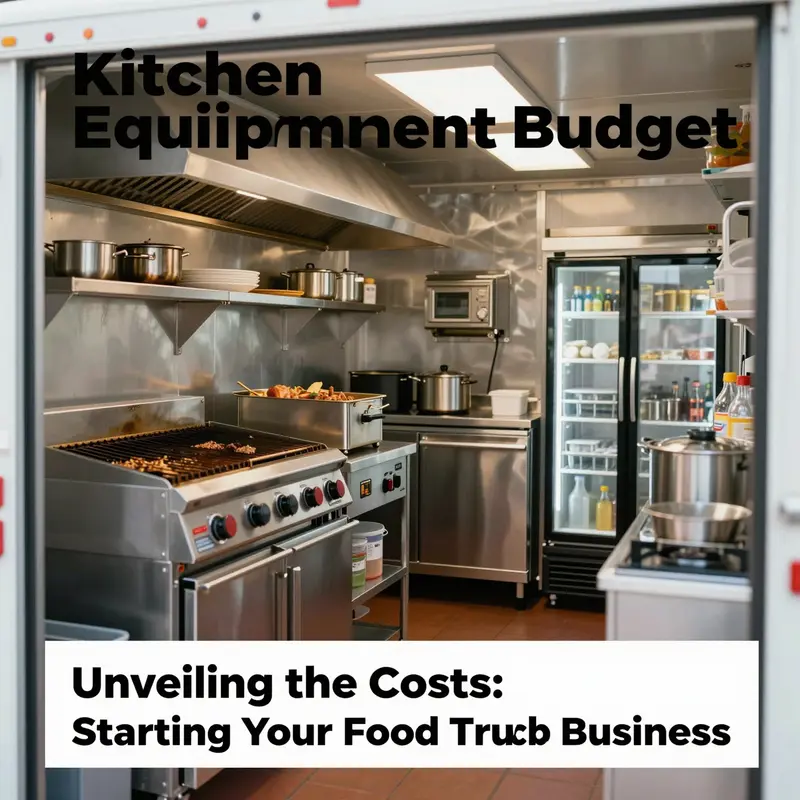
The heartbeat of any successful food truck is the kitchen that moves with it. In a compact, three-to-six-figure enterprise, the equipment that goes into the mobile galley determines what you can cook, how quickly you can serve, and how reliably you can keep customers coming back. Because the food you serve travels with you, so does every appliance that makes it safe, tasty, and consistent. The kitchen becomes more than a place to cook; it is a system that must be carefully planned to fit both the truck and the menu. That is why the budgeting conversation around equipment matters as much as the design of your business model. Get the numbers right, and you set the stage for quality, speed, and profit in the first season rather than facing costly reconfigurations later on.
At the core, there are a handful of non-negotiable appliances that anchor a mobile kitchen. You need a commercial-grade refrigerator and freezer to keep perishables at safe temperatures, a reliable heat source such as a griddle or grill, a fryer if you plan fried items, and an oven or convection unit for versatility. A proper sink with running water is essential for sanitation and efficient workflow, while sturdy storage units keep ingredients, tools, and packaging organized in a limited footprint. These components are not just conveniences; they are the core infrastructure that makes day-to-day operations feasible and compliant with health regulations. The exact configuration will shift with your cuisine—think a taco truck versus a bakery-on-wheels—but the basic toolkit remains remarkably constant. In most setups, the aim is to maximize throughput without overcrowding the workspace, preserving a smooth line from order to plate. The design of the kitchen, the proximity of stations, and the ease of cleaning all influence productivity as much as the raw capabilities of each appliance.
The cost landscape for this equipment is a question of balance between reliability, efficiency, and total upfront outlay. New, purpose-built kitchen gear will typically sit in the range of the mid to upper five figures, with total equipment budgets often landing well above the entry threshold if every unit is brand-new and tailored. In many cases, owners report a starting equipment bill around $20,000 to $50,000 or more to establish a robust, fully functional mobile kitchen. Those numbers reflect quality commercial-grade builds that are built to endure constant use, endure frequent transport, and resist the rigors of the road and the foodservice environment. It’s a price tag that emphasizes long-term durability and safety, two factors that pay off through fewer repairs and smoother operations in the first year.
A smart way to manage this initial spend is to consider used or refurbished equipment from reputable suppliers. Recycled gear can cut costs by roughly 30% to 50% compared with buying new, while still delivering solid performance if chosen carefully. The caveat is clear: used gear may require more immediate maintenance, and reliability must be vetted through inspection and service history. When you blend used with selective new pieces—prioritizing critical components with higher wear or safety implications—you can stretch the budget without compromising essential functionality. This approach is especially prudent for first-time operators who want to accelerate launch timelines while preserving cash reserves. A phased replacement strategy can also help; you buy core workhorses upfront and add specialty tools later as the business grows and the menu expands.
Space constraints of a mobile kitchen drive another important consideration: modular, space-saving designs. Rather than committing to a single, fixed layout, many operators prefer modular modules that can be reconfigured or expanded as the business evolves. This flexibility is particularly valuable when a truck has limited square footage or when seasonality or event types drive menu changes. Modular systems can also simplify maintenance, since individual components can be swapped or upgraded with minimal disruption. In this light, your equipment budget becomes not just a list of appliances, but a blueprint for agile operations that can scale with demand and still fit within a compact footprint.
Beyond the initial purchase, ongoing costs must inform your budgeting discipline. Fuel, maintenance, and repairs are part of the daily reality, and you should plan for them with the same care you apply to purchase prices. Energy efficiency is not a marginal consideration; it translates into meaningful savings on utilities and extends the life of critical equipment. When selecting refrigeration units, for example, prioritize efficiency ratings, insulation quality, and sealed doors that minimize cold loss during busy service periods. Similarly, choosing high-efficiency grills, fryers, and ovens can cut energy use and reduce heat load inside the vehicle, contributing to a more comfortable kitchen environment for staff and a cooler exterior for customers.
With an eye toward long-term viability, it’s wise to start with a lean menu that matches the equipment you can reliably fund and support in the early months. A streamlined offering reduces the number of specialized tools required and simplifies inventory management. It also lowers the risk of spoilage, waste, and misordered supplies—common drains on cash flow when a truck is learning its rhythm. For operators who anticipate growth or menu diversification, a staged equipment plan makes sense: begin with essential, robust items and gradually add specialty tools as volumes rise and customer feedback points to expanded needs. In some instances, partnerships with commissary kitchens can provide access to infrastructure—such as walk-in refrigeration or blast chillers—without bearing the full cost of outfitting a truck. This approach can dramatically reduce both upfront capital expenditure and maintenance responsibilities, at least during early launch phases.
A well-constructed budgeting framework for equipment also involves allocating funds with discipline and foresight. Industry data from 2026 suggests dedicating roughly 15% to 20% of the total startup budget to equipment. This range reflects a balance between affordability and the practical necessity of safety, reliability, and compliance. It recognizes that skimping on essential gear to save money upfront often leads to higher costs later in the form of repairs, downtime, and suboptimal service quality. At the same time, it acknowledges that overshooting on high-end gear can divert cash from other critical areas, such as licensing, insurance, or initial inventory. The nuance lies in prioritizing core, mission-critical equipment first, and treating every additional purchase as a calculated upgrade rather than an impulse add-on. A careful budgeting approach also factors in contingency funds to cover unforeseen repairs, delivery delays, or sudden menu changes. In practice, this could mean building a cushion within the equipment budget so that a necessary replacement part or a service call doesn’t derail cash flow during a peak period.
To translate these ideas into a practical plan, many operators begin with a detailed equipment list embedded in a simple, repeatable budgeting process. Start by enumerating non-negotiable items—the refrigerator/freezer, the primary cooking appliance (griddle, grill, or oven), the fryer if required, the primary sink setup, and essential storage and shelving. Attach a thoughtful range to each item based on new versus used purchases: for example, plan $8,000 to $15,000 for a new refrigeration system, or $4,000 to $9,000 if purchasing a used unit after a thorough inspection. For cooking appliances, a new, high-quality griddle or grill might run from $3,000 to $8,000, while a used equivalent could be $1,500 to $4,000 with reputable warranty opportunities. Sinks, plumbing work, and water systems add another layer, typically $3,000 to $7,000 depending on complexity and whether a cold-water line runs through the vehicle or is sourced via portable systems. Storage units and workstations, while less dramatic, are essential for efficiency, often totaling $2,000 to $6,000 for a robust, modular setup. The sum of these core components typically anchors your equipment budget within the broader 15%–20% target, while still leaving headroom for contingency and optional upgrades as initial sales dictate.
In drafting a purchasing plan, it helps to pair your budget with a clear purchase timeline. Some operators opt for a staggered rollout: acquire the most critical equipment first to begin operations, then add secondary items as sales stabilize and cash flow solidifies. This method also affords more time to evaluate the reliability of each piece in real-world service, rather than making all decisions before the truck hits the road. If you anticipate seasonal peaks or high-volume events, you might budget a small reserve for temporary rentals of additional equipment or for quick replacements during peak periods. A lean operational philosophy—buy what you need now, by priority, and defer optional upgrades until cash flow supports them—often yields smoother liquidity and reduces the risk of overinvesting in gear that sits idle during the initial months.
Budgeting for equipment is more than a single number; it is a plan that aligns with your menu, service model, and growth expectations. It involves evaluating the trade-offs between new versus used gear, embracing modular designs, and leveraging alternative arrangements such as commissary support when appropriate. It also requires ongoing vigilance about energy efficiency, maintenance planning, and the operational realities of a mobile kitchen. When you approach the equipment budget with a disciplined, phased mindset, you create room for quality, reliability, and customer experience—the triumvirate that sustains a food truck through its first season and beyond.
External resource: For a detailed budgeting framework and deeper guidance on equipment costs, see the Food Trucks Startup Guide and its insights into the equipment budget for 2026 at https://www.foodtrucks.com/startup-guide/food-truck-equipment-budget-2026
null
null
Stock, Sanitation, and Sustainable Startups: How Inventory and Supplies Define the Roadmap of a Food Truck
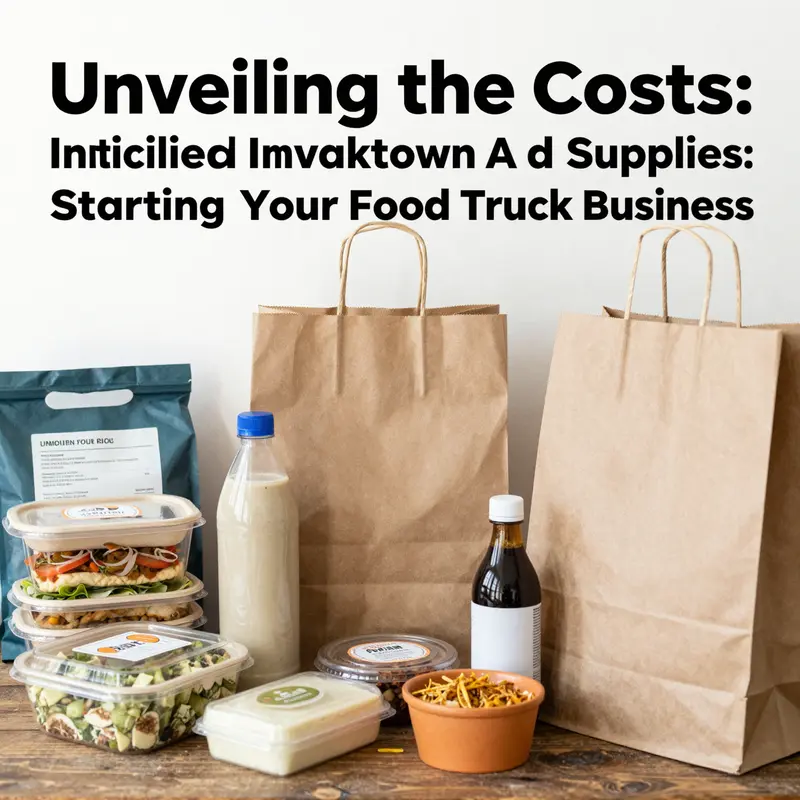
Every ambitious plan to launch a food truck begins with flavor and ambition, but the steady heartbeat of a successful operation is inventory and supplies. In practice, these upfront costs are not a one-time expense so much as a rhythm you must learn to manage: the ingredients that keep your menu alive, the packaging that ensures your food arrives in prime condition, the cleaning and sanitation supplies that keep every service safe and compliant, and the small but essential tools that turn a bare truck into a functioning kitchen on wheels. In many real-world scenarios, the initial outlay for inventory and operational supplies sits squarely in the middle of the budget, and it can swing widely depending on your cuisine, your scale, and your approach to procurement. A common starting point for many first-time operators is a range around $2,000 to $5,000 for the core inventory and supplies. That baseline covers the essentials: staple ingredients for your first menus, basic packaging, disposable utensils, napkins, cleaning agents, and the basic consumables that keep a serviceable workflow going. Yet this is only a starting point. Menu breadth, the use of perishables versus shelf-stable items, and the level of branding and customer experience you aspire to deliver can push that figure higher—and it often does, because the nature of a mobile kitchen is unforgiving about stockouts and last-minute restocks. In fact, some operators choose more expansive inventories, especially those whose business models hinge on seasonal specials, high-frequency events, or complex sauces and proteins that require tighter quality control. The upper end of the spectrum can easily climb to $10,000 to $30,000 or more, particularly when the menu demands premium ingredients, more sophisticated kitchen equipment, or a longer initial run before cash flow stabilizes. These figures are not arbitrary. They reflect the reality that your pantry and supply chain must align with your service standards and the pace of your launch. The cost of goods and the pace of replenishment will begin to shape cash flow from day one, so thoughtful budgeting here pays dividends later by reducing stockouts, lowering waste, and keeping your customers satisfied with consistent quality.
The categories of inventory and supplies form a continuum rather than a checklist. You start with ingredients—your menu’s core elements, from proteins and vegetables to spices and pantry staples. The cost of these ingredients is driven by your culinary concept, the expected volume of sales, and your sourcing strategy. If you aim for distinctive, chef-driven dishes, you may need higher-cost ingredients or specialty components that elevate upfront spending but could also command higher menu prices and margins. Packaging materials, too, have become a more prominent line item in recent years. Many jurisdictions require packaging that is compostable or biodegradable, and this environmental compliance often comes with a premium. The price per unit for containers, lids, utensils, napkins, and serving trays can accumulate quickly, especially when you serve in a high-volume context or participate in events with strict sustainability standards. In turn, this elevates the initial outlay while setting the tone for your brand and customer expectations. Cleaning supplies and sanitation equipment form another continuous investment. A mobile kitchen must meet health and safety standards, which means reliable dishwashing capabilities, proper hand-washing stations, and cleaning regimens that prevent cross-contamination. These costs include sanitizing solutions, brushes, mops, buckets, gloves, and waste disposal necessities. They also blend with the more formal compliance line items—permits, licenses, and inspections—because a well-stocked, compliant operation minimizes the risk of disruptions that can erode profits during the fragile early months.
The tale of a modern startup, as glimpsed in a widely shared anecdote from March 2025, reminds us that inventory costs sit within a larger canvas. A real-world example described a food truck launch where the total startup cost hovered just under the six-figure mark. The build-out, permits, and the truck itself formed a substantial portion of that number, yet the foundational inventory and supplies represented a meaningful chunk as well. The takeaway is clear: even when savings come from family involvement or other cost-reducing strategies, the inventory category remains a substantial lever of cash flow. The exact split within that total isn’t always publicly disclosed, but the implication for planners is consistent: you must plan for a robust initial stock that supports at least a few weeks of regular operation, with enough flexibility to accommodate unexpected demand or supply delays.
To forecast inventory costs with prudence, begin with a menu-driven approach. Estimate the core items for your first wave of offerings, then translate those items into weekly usage. Multiply by an initial lead time for replenishment to ensure you never run out on a busy day. A practical method is to build a rolling forecast that accounts for the variability of a food truck schedule: events, lunch crowds, dinner service, and off-peak days. Your forecast should also include a buffer for waste, spoilage, and yield variations, which are especially relevant for fresh perishables. The buffer might be modest for shelf-stable goods but substantial for produce and seafood, where shrinkage and spoilage can erode margins quickly if not managed. Some operators pair their forecast with a simple inventory management approach—counting stock weekly, tracking waste, and adjusting orders based on sales velocity. The discipline of stock control starts small but pays compound dividends as you scale, reducing unplanned purchases and the premium you pay for expedited restocks.
Another dimension that shapes the inventory cost is the procurement strategy. Buying in bulk, signing short-term supplier agreements, and leveraging relationships with distributors can yield better unit prices and more reliable deliveries. On the flip side, the convenience and flexibility of smaller, more frequent orders can reduce waste and keep cash tied up less, but often at a higher per-unit cost. Either path works, but you need a plan that aligns with your service model. A key consideration is the balance between high-service demand and seasonality. If you plan to anchor your business around regular weekend events or markets, you may forecast higher initial stock to cover the surge, then stagger purchases as volumes stabilize. If your business model emphasizes daily pop-ups with varying menus, you may lean toward a leaner core inventory, supplemented by rapid-turnover items sourced close to each event. In either scenario, the packaging is inseparable from the inventory. The cost of containers, lids, and utensils must be baked into your pricing and cash flow assumptions, as these items are consumed in each service and will not sit on shelves for long.
The role of packaging deserves particular attention. Regulations have tightened, and many events require materials that are eco-friendly. This trend not only elevates the price point but also influences your branding and customer perception. Consumers increasingly equate sustainable packaging with responsible business practices, which can be a competitive advantage when promoted authentically. But branding comes with a cost: a logo on a wrap or a distinctive color scheme on your packaging may elevate both the upfront design expense and the ongoing supply costs. When you plan your inventory, allocate a dedicated line for packaging innovations and compliance costs. This line helps you shelter your overall budget from last-minute surprises and supports consistent service quality, even as you experiment with different materials or suppliers.
There is a spiritual element to inventory that often emerges in conversations with operators who have learned the hard way that people run the shop as much as the shop runs the people. The human dimension matters just as much as the raw numbers. You can empower your crew to manage stock efficiently, reduce waste, and maintain cleanliness by investing in training and standardized procedures. In fact, a forward-looking approach connects inventory management with people strategy. For instance, you might read about the broader workforce investments in a resource focused on people development in trucking, which has direct implications for food trucks too. This isn’t just about keeping the shelves full; it’s about building a culture of discipline, responsibility, and smart decision-making. See how this idea frames the bigger picture by exploring Investing in People: a New Path for Trucking Fleets. Investing in People: a New Path for Trucking Fleets.
External considerations also shape the financial picture. If your region requires license fees or inspections tied to your inventory and operations, these costs begin the moment you place orders and begin to stock your truck. While some permits are fixed, others scale with the level of activity or the volume of goods you handle. In planning, you should separate the permanent fixtures of your startup (such as core equipment and a baseline inventory) from the variable costs that fluctuate with sales, demand, and seasonality. This separation helps you build a more resilient cash-flow model, ensuring that you have enough liquidity to cover both the steady costs of running a kitchen and the pulsating costs of growth.
To ground these plans in a trusted framework, consult a credible, well-known reference that details startup costs with a focus on inventory and operational supplies. The U.S. Small Business Administration provides a comprehensive guide to startup costs, including a dedicated section on inventory and routine supplies. This resource serves as a reliable baseline for budgeting, helping you calibrate expectations against industry norms, local market realities, and regulatory requirements. For more information, explore the SBA resource at https://www.sba.gov. This guidance complements the practical, experience-based insights you gain from conversations with other operators, mentors, and suppliers as you tailor your inventory strategy to your unique concept and market.
In the end, inventory and supplies are not merely a line item but a central thread in your startup narrative. They determine not only the flavor and presentation of your food but the speed, consistency, and cleanliness of service. They influence how you price dishes, how often you restock, how you manage waste, and how you communicate with customers about your brand values. They shape the cash-flow trajectory in those critical first months when every dollar counts and margins are still being proven. A carefully considered inventory plan helps protect you from stockouts that frustrate customers and from overstock that ties up capital. It aligns with your broader goals of delivering reliable, high-quality meals on the move while staying compliant with health and packaging regulations. And it connects to the people and processes you will cultivate as you grow—because a well-managed stockroom is a reflection of disciplined teams and clear standards. By embracing a thoughtful inventory strategy, you turn a potentially daunting upfront cost into a foundation for sustainable growth, even as you adapt to evolving menus, fluctuating event calendars, and changing customer expectations.
For readers who want a practical, external anchor in their budgeting process, the SBA guide offers a trusted baseline to cross-check these numbers and assumptions against broader national norms. Incorporating that resource alongside the local realities of your market will help you craft a startup plan that remains flexible yet robust enough to withstand inevitable surprises as you roll out your food truck venture.
Brand on Wheels: Crafting a Compelling Food Truck Brand Within Your Startup Budget
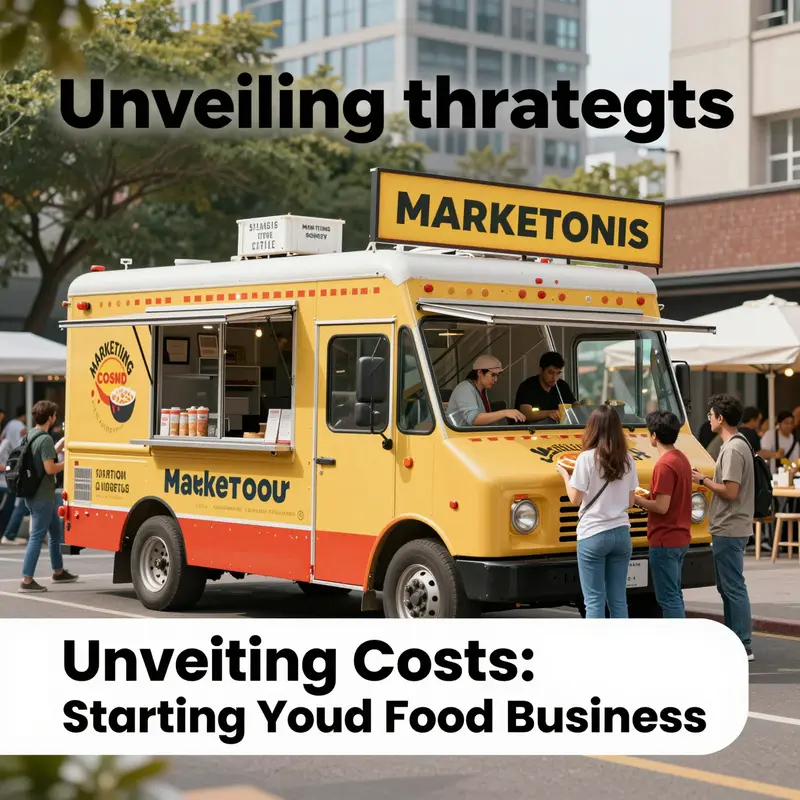
The branding you build for a food truck is more than aesthetics; it is the first handshake with customers, the memory that travels with them after a meal, and the differentiator that can turn a casual passerby into a loyal fan. In the context of starting a mobile dining business, branding is an investment that pays back in consistency, trust, and repeat visits. The great news is that you can shape a powerful, recognizable brand without draining your startup capital, provided you approach branding as a deliberate, coherent system rather than a batch of isolated design decisions.
A strong brand starts with a clear story. Define your core purpose: why does your truck exist beyond turning a profit? Is it to celebrate a regional recipe, to bring comfort food with a culinary twist, or to spotlight sustainable, locally sourced ingredients? Once you articulate this core purpose, you can refine your unique selling proposition. What makes your truck distinct in a crowded market? It might be a signature cooking method, an unusual fusion, or a commitment to absolute freshness sourced from nearby farmers. Even if your menu evolves with seasons and neighborhoods, your underlying value to customers remains constant. This narrative—your brand story—becomes the compass for every marketing choice you make, from menu design to social media voice to the way you greet customers at street fairs.
Visual branding is the most immediate of branding elements, yet it benefits from being tethered to the story you tell. A consistent color palette, font family, and logo placement across the truck wrap, menu boards, packaging, and uniforms create instant recognition. When a passerby sees your colors at a pop-up, recognizes your logo in a photograph on Instagram, and later spots the same branding on a community event banner, the chain of recognition solidifies. This consistency is not merely cosmetic; it reinforces trust and signals professionalism. The cost of achieving this consistency is modest if planned early. A single, well-defined brand system can be applied across all touchpoints without repeated design work, which means you can maintain a polished look while keeping marketing expenditures in check.
A thoughtful packaging strategy is another facet of branding that directly links to customer perception and cost. In many jurisdictions, eco-friendly packaging is not just preferred but required by regulators and event organizers. This trend can increase per-unit costs, but it also offers a branding advantage. Compostable or biodegradable packaging can become a tangible expression of your brand values—clean, responsible, and modern. Communicate these values through small but meaningful branding details: a consistent wrap design, a simple QR code linking to your story, or a brief note about sourcing on the menu. The payoff is a positive impression that travels with every bite and every unboxing photo shared online. If your initial branding budget is tight, prioritize a durable wrap or sign that can be reused in different locations, paired with refillable or recyclable packaging options. This approach preserves your brand narrative without overextending your cash flow.
Storytelling guides not just visuals but the entire customer experience. The voice you use in captions, the way you respond to comments, the tone of your staff interactions, and even the way you handle a sudden line at a busy event—all of this builds a cohesive brand experience. The goal is authenticity: customers should feel they know you, your truck, and what they can expect every time they order. Authenticity reduces the pressure to oversell and helps you budget more efficiently. It also supports word-of-mouth marketing, which often provides higher trust signals than paid ads in the early stages of a food truck’s life.
Building a brand on a budget requires smart, incremental investments and a focus on high-leverage activities. Budgeting for branding typically falls in the range of a few hundred to a few thousand dollars, depending on how much you outsource versus how much you DIY. Even with modest resources, you can achieve a strong, recognizable presence by investing in core elements that scale with your business. Start with a crisp logo and consistent color system, then extend that system to your truck wrap, napkins, and signage. If you can afford a basic website and social media templates, you can sustain momentum without constantly creating new materials. The idea is to set up a scalable branding framework you can grow as revenue allows.
Beyond the visuals, your brand’s credibility rests on the service experience you deliver. A brand is not only what you present to the world; it is how you respond when the menu runs out, how quickly you adapt to a crowded line, and how you treat your customers after a misstep. Great branding is reinforced by great service. A friendly team, consistent courtesy, and transparent communication reinforce your narrative and create durable goodwill. It is here that investing in people intersects with branding. Staff who embody the brand voice, who understand the menu story, and who engage customers with genuine enthusiasm become your most effective marketing channel. This connection between people and brand is not an afterthought; it is a core strategic asset. See how investing in people supports branding in broader fleet and operations contexts here: Investing in people, key to trucking’s success.
In practical terms, how should you allocate a reasonable branding budget? Start with the essentials: a solid logo and brand guidelines, a durable truck wrap or sign, and a set of packaging and display materials that reflect your brand personality. If cash is tight, you can prioritize a simple, bold wrap that communicates your USP and core colors, then layer in smaller items like business cards, menus, and social media templates as funds become available. It is worth dedicating a modest portion of your initial costs to a simple, compelling website and a small but steady social media presence. Social content can be produced in-house with a good camera and thoughtful storytelling. Plans that rely on high-frequency, low-cost content—behind-the-scenes looks at cooking processes, sourcing choices, and customer interactions—tend to yield steady engagement without a heavy price tag.
A notable leverage point for branding energy is local community involvement. Participating in neighborhood events, collaborating with nearby businesses, and hosting pop-ups allow you to showcase your brand in authentic settings. These engagements not only raise awareness but also provide real-time feedback about how your brand lands with potential customers. You can use these moments to refine your narrative and visuals, reinforcing consistency across all future touchpoints. A grassroots approach to marketing often yields higher engagement per dollar than broad, impersonal advertising, especially in the early stages when your footprint is still growing.
Another practical consideration concerns the broader ecosystem in which your truck operates. Local regulations, permit cycles, and event schedules influence how often you can present your brand in public spaces. Aligning your branding with seasonal menus or limited-time offerings can create a sense of urgency and novelty, prompting people to seek you out again. While these tactics may seem simple, they can be highly effective when your branding framework is already in place. The aim is to produce a cohesive, repeatable experience that travels with your truck—from the moment someone sees your wrap to the moment they leave the event with a full stomach and a positive impression.
The budgeting mindset matters as much as the branding tactics. A practical approach is to treat branding as a staged investment that grows with the business. In the earliest days, you may spend toward a bold logo, a durable wrap, and essential signage, alongside a lean suite of digital assets: a basic website and template-driven social media posts. As revenue expands, you can upgrade materials, deepen your packaging strategy, and scale your community outreach. Throughout, maintain a clear brand narrative that guides every decision—from menu changes to the way you respond to customer inquiries online. The result is a brand that feels inevitable, familiar, and trustworthy, even as you experiment with new recipes and new markets.
The philosophy behind a successful food truck brand is straightforward: consistency plus authenticity equals trust, and trust translates into preference and growth. This is not about chasing every new marketing channel but about choosing a handful of channels and touchpoints that consistently reflect your story. If a budget allows, consider pairing a professional yet affordable design approach with in-house content creation. Your truck becomes a moving billboard for your values, while your team embodies the warmth and reliability customers come to expect. The branding you build today should enable you to weather the unpredictable rhythms of street cuisine while giving you a framework to scale in the months and years ahead.
To support your branding decisions, look for guidance that links branding to structured business planning. A broader discussion on how to integrate a strong brand into your business plan can provide practical steps for aligning budget, operations, and marketing goals. For additional perspectives on branding strategy in the food truck space, a well-regarded external resource offers deeper insights into creating a standout brand that resonates with customers.
As you move forward, remember that the most enduring brands in mobile food are those that people can recognize, relate to, and feel compelled to share with friends. The truck becomes not just a place to eat but a memorable experience carried in conversations, photos, and recommendations. Your branding choices—your story, your visuals, your voice, and your people—work in concert to create that experience. The value of this alignment extends beyond the initial launch; it shapes pricing perceptions, partners’ willingness to collaborate, and the repeat business that ultimately sustains a thriving food truck operation.
Internal link reference: investing in people, key to trucking’s success.
External resource for deeper branding guidance: https://www.foodbusinessnews.net/articles/2023-10-18-how-to-build-a-food-truck-brand-that-stands-out.
Final thoughts
Navigating the financial landscape of starting a food truck business is undeniably challenging but also offers significant rewards for those who engage in thorough planning and research. By understanding the associated costs—from vehicles and kitchen equipment to legal requirements, initial inventory, and marketing—it becomes easy to formulate a viable strategy for entering this vibrant sector. Entrepreneurs in logistics, construction, fleet management, and food distribution stand to gain invaluable insights that will prepare them to embark on this exciting venture successfully.