
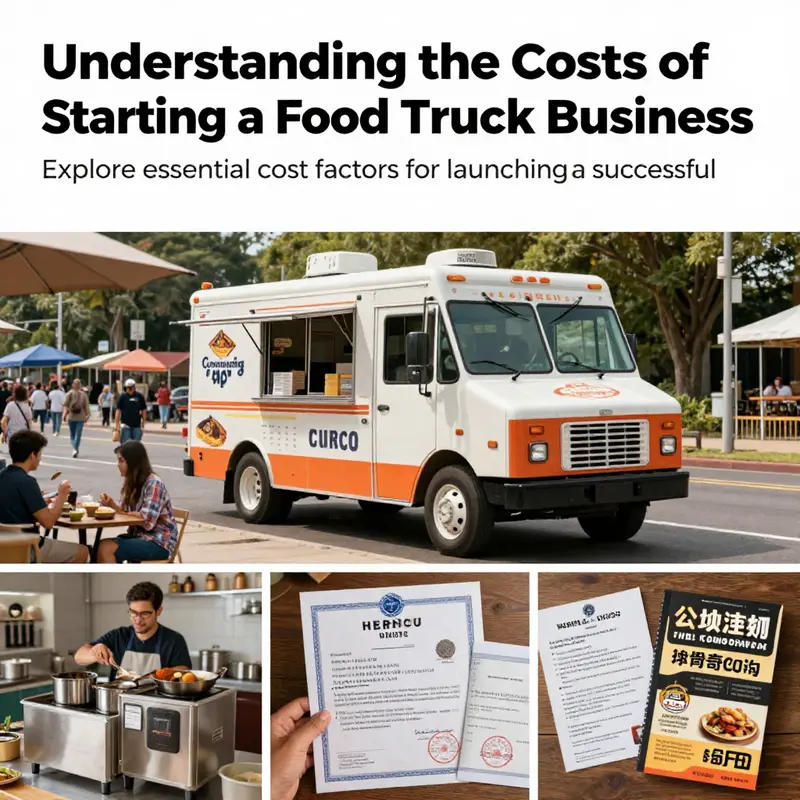
Starting a food truck business can be a lucrative venture, yet it necessitates a comprehensive understanding of the associated costs. Between the purchase or lease of the truck and the equipment needed, potential owners face a wide range of financial considerations. With an initial cost that can range from $50,000 to over $200,000, navigating through the complexities of set-up expenses is crucial. Each chapter of this article delves into specific cost elements including equipment, licenses, insurance, and marketing, ultimately guiding logistics and freight companies, construction firms, and food distributors to make informed investment decisions.
The Real Price Tag of a Rolling Kitchen: A Deep Dive into Food Truck Startup Costs
External resources and ongoing research illuminate gaps and refine estimates. The cost landscape shifts with local rules, supplier prices, and consumer demand. By anchoring decisions to a budget and a clear growth plan, entrepreneurs can move forward with confidence. The rolling kitchen remains a viable venture when funding, planning, and execution stay aligned. External resource: https://www.nolo.com/legal-encyclopedia/food-truck-business-licenses-permits-34956.html
The Backbone of a Mobile Kitchen: Decoding Equipment Costs in a Food Truck Startup
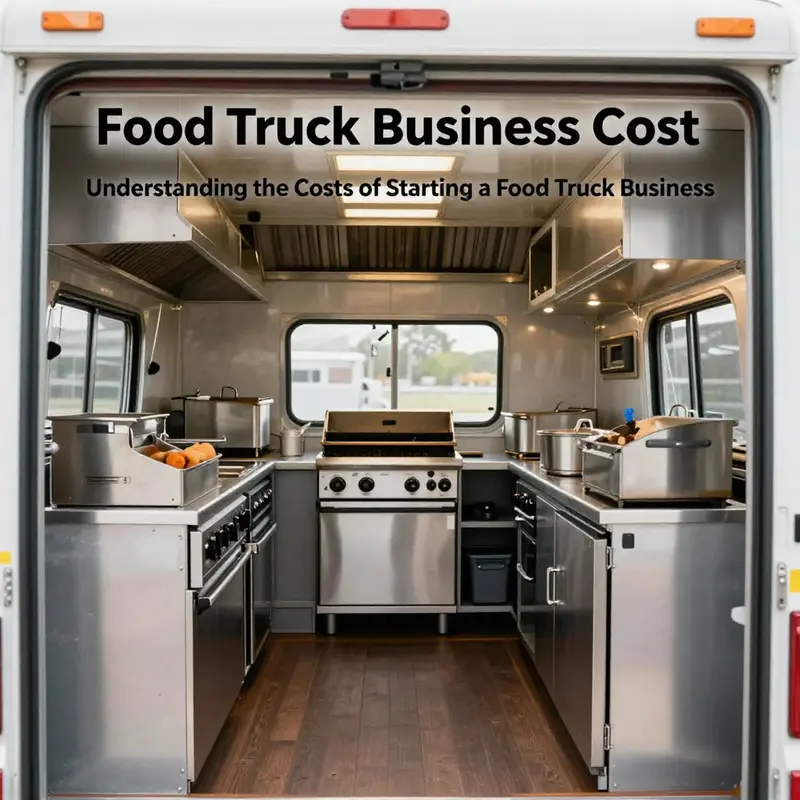
The equipment that fills a food truck forms the backbone of a mobile kitchen. It is the quiet workhorse behind every sizzle, every plated dish, and every smooth service. When budgets are drawn, equipment costs often crowd the center of the page because they set the stage for both capability and throughput. In a business that moves as quickly as a crowded lunch rush, the quality and reliability of the equipment you install can determine not only what you serve but how profitably you serve it. For many operators, the first math is simple: save money on the upfront hardware and you risk bottlenecks, slower service, and higher ongoing costs. Invest wisely, and you create a competent platform that can scale with demand, adapt to a changing menu, and survive through busy seasons in any city.
Initial purchase or lease costs sit at the heart of equipment budgeting. A typical food truck needs a suite of commercial-grade cooking appliances—grills, fryers, and reach-in refrigerators that can withstand constant use in a tight space. You also need robust food prep stations that keep the kitchen organized during peak hours, reliable storage units that protect ingredients, a dependable point-of-sale system to handle orders and payments, and the right utensils and servingware that match your menu. Taken together, these essentials form the core stack of any mobile kitchen. The total cost for this equipment can range from about $25,000 to well over $100,000. The exact figure hinges on the size of the operation, the type of cuisine, and the level of quality you demand. A modest, efficient setup might land near the lower end, while a fully customized, high-end mobile kitchen with premium appliances and ergonomic workflows can push into the upper range.
The choice between new equipment, refurbished units, or a combination of both has a lasting impact on cash flow and maintenance. A newer lineup offers energy efficiency, better temperature control, and longer warranties. It also tends to reduce downtime and repair costs in the early years. On the other hand, refurbished or used equipment can dramatically lower the startup hurdle, particularly for the commissary or prep areas that do not directly affect guest-facing performance. Smart buyers often stage purchases: start with a solid used truck and a lean core of essential, dependable appliances, then add specialty equipment or upgrades as sales grow and the menu expands. Leasing or financing can spread the cost over time, improving monthly cash flow, though it may add interest and total expenditure in the long run. Each path has trade-offs, and the best route depends on the operator’s risk tolerance, growth plan, and local market conditions.
Beyond the upfront ticket price, ongoing equipment-related expenses shape profitability in meaningful ways. Monthly fixed costs associated with equipment use are a steady rhythm in the operating budget. In many benchmark environments, owners report around $6,000 per month for truck lease and roughly $4,000 per month for commissary rent. These figures are not universal; they reflect particular business models and locations, and they can swing with leasing terms, space rents, and how a kitchen is configured. The practical implication is that a business plan should explicitly account for these recurring payments, not just a single purchase price. A more capacious kitchen, with larger prep areas and high-output appliances, may command higher rents or leases but can also deliver faster service and greater daily throughput—benefits that can justify those ongoing costs when demand is strong.
Maintenance and repair costs deserve careful attention as well. Equipment in a high-velocity food truck endures constant vibration, temperature swings, and frequent cleaning. Routine maintenance, component replacements, and occasional overhauls are a natural part of operating a mobile kitchen. In benchmarks drawn from broader small-business data, ongoing maintenance can be categorized under motor vehicle expenses and is typically estimated at about 1% to 3% of annual turnover. This range captures the reality that some years demand little beyond routine service, while other years require more substantial replacements due to wear, age, or regulatory changes. The important point is consistency: treat maintenance as a predictable line item rather than an afterthought. A disciplined maintenance schedule can extend equipment life, improve food safety, and safeguard uptime during busy periods.
Equipment choices also shape the menu and service model in subtler ways. Larger, more powerful setups can support a broader range of cooking techniques, reduce wait times, and accommodate peak-hour volumes with fewer bottlenecks. Conversely, compact, simplified kitchens encourage efficiency and discipline, especially where space constraints are acute. In practice, many operators seek a balance: a durable core capable of core menu items, with modular add-ons that can be swapped or upgraded as demand shifts. This approach helps manage risk, because the upfront cost remains aligned with anticipated sales rather than with a fantasy scenario. Designers and operators often emphasize versatility—multi-function appliances, modular prep surfaces, and compact storage systems that maximize usable space without sacrificing safety. The right mix enables a truck to respond to a changing market, whether it’s a weekend festival, a weekday lunch crowd, or a pop-up event that tests a new cuisine concept.
As you weigh equipment decisions, it’s valuable to consider how technology might evolve alongside your cart. While the core needs are practical—reliable cooking capability, smooth workflow, hygienic storage—future-proofing can matter. For operators considering long-term resilience and gradual modernization, exploring advancements in automation and smart kitchen gear can pay off. For example, the latest developments in autonomous solutions offer a glimpse into how backend systems might evolve to reduce downtime and optimize fleet operations, even as the kitchen itself remains the beating heart of the business. See how technology leaders are envisioning these paths in advancements in autonomous kitchen systems. It’s not a promise of immediate change, but it’s a strategic reminder that equipment costs can be part of a broader technology roadmap rather than a one-off investment.
Licenses and Permits: Budgeting for Regulatory Compliance in a Food Truck Startup
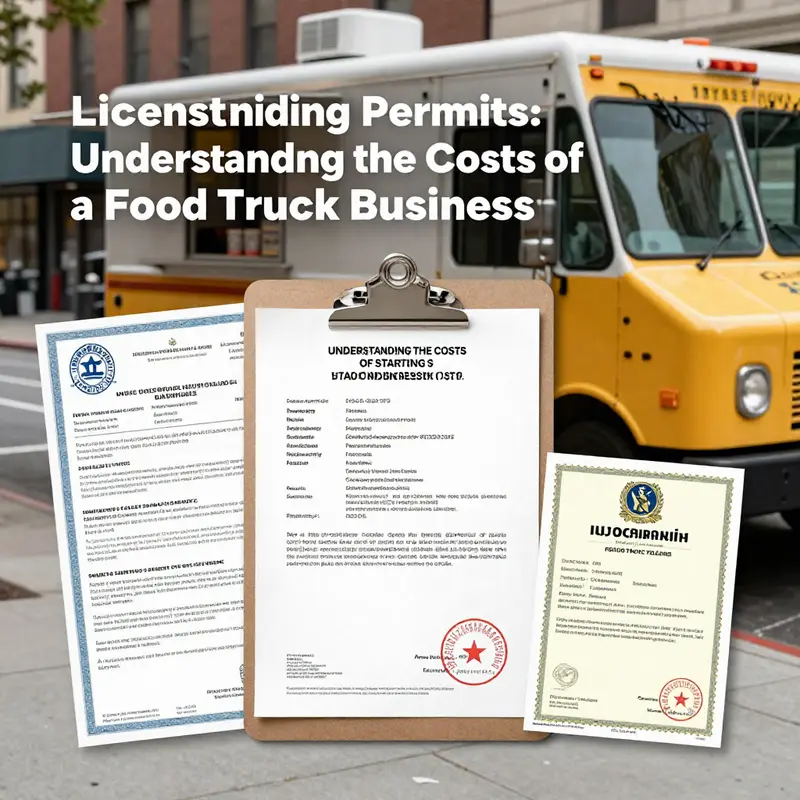
Licenses and permits function as the quiet engine behind a food truck’s launch. They are not merely legal formalities; they are a practical line item that can stretch the budget and influence the opening timetable. When things go smoothly, permits glide through; when something is missing or delayed, inspections or paperwork can stall service and erode early revenue. Mapping the cost of licenses and permits places them at the center of the startup budget and ongoing operating cadence.
Location is the single biggest driver of these costs. Each city, county, and state may require a different mix of licenses: a general business license to operate, a health department permit for proper food handling, a mobile vendor permit for the vehicle, and various parking or operating permits tied to where you park and serve. Some jurisdictions add requirements for specific activities, such as serving alcohol, operating near schools or parks, or participating in events. Because the regulatory landscape is fragmented, there is no one size fits all. What costs a few hundred dollars in one city could be a thousand or more in another, and renewal cycles add ongoing line items to cash flow.
The numbers the industry typically cites for licenses and permits reflect breadth and administrative overhead. In many markets, anticipate a total initial outlay in the hundreds to a few thousand dollars for core licenses and permits, with additional annual renewal fees. The renewal layer matters because compliance costs recur, not just a one time hurdle. If you plan renewals on a regular cadence, you can fold this into monthly cash flow and break-even analyses.
Beyond the dollar figures, the administrative burden is real. You will likely assemble a package including proof of business registration, vehicle registration and inspection records, a menu overview, sanitation plans, and proof of insurance. Some jurisdictions require inspections by fire or health officials before you can begin operations. Others may require proof of a commissary facility or a signoff from code enforcement. Each item adds time to the startup timeline and, in some cases, additional fees. The cadence of inspections and updates to the menu or operating hours can create incremental costs that are easy to miss during planning.
The practical approach is to treat licenses and permits as a project with a defined lifecycle. Start with a comprehensive checklist of required credentials, then attach a realistic timetable to each item. Build a cushion into your launch budget for delays, since permits can take weeks and meetings can extend lead times. Proactive scheduling reduces the risk of emergency expenditures or a postponed opening date. It also discourages rushed expedients that may seem faster but cost more later.
Local resources can help. Local small business development centers, city clerks, and health departments can provide current, jurisdiction-specific guidance. They can help you assemble the exact documents agencies expect, reducing back-and-forth that slows approvals. With a clear list of requirements, you can price each item with confidence and avoid surprises that derail your build-out or opening weekend. For practical guidance, see the SBA’s licensing resources and obtain licenses and permits as a framework for understanding typical credentials and how to approach the process.
As you finalize pricing and timelines, remember that licenses and permits shape what you can sell, where you can park, and how reliably you can serve customers. Treat them as a core component of your business model and integrate their costs into pricing. If you approach permits with a plan, you are less likely to be blindsided by delays or fees and more likely to build a truck business that can endure ongoing compliance requirements.
null
null
Branding on the Move: How Marketing Costs Shape the True Cost of Running a Food Truck

Branding on the move is more than a flashy logo or a catchy tagline. For a food truck, where competition comes from a dozen carts on a single corner and dozens more within a few miles, your identity travels with you just as surely as your kitchen does. The up-front costs for branding and marketing are real line items, but their value is measured not only in how they decorate the truck, but in how they attract and retain customers, convert curious passersby into repeat visitors, and ultimately influence your break-even point. When you assemble a food truck business, you are not only paying to carry a grill, a fryer, a refrigerator, and the license to operate. You are investing in a brand that people recognize, trust, and want to follow from week to week. The numbers are clear enough: foundational branding typically starts in the low four figures, with the price of a robust, cohesive identity often landing somewhere in the $1,000 to $5,000 range. That figure covers the essentials—the logo, the visual identity system, and the initial round of marketing collateral that ensures the first impression is intentional rather than accidental. Yet branding does not end there. It expands into a vehicle wrap, which can be a powerful, mobile billboard. A full or partial wrap can push costs into the $3,000 to $8,000 range, depending on the complexity of the design and the materials used. A wrap, unlike a one-time sign, travels with you to festivals, farmers’ markets, and street corners, reinforcing the name and the look every time you roll up to a new crowd. The decision to wrap is not merely cosmetic; it is a strategic choice about visibility and consistency. If you skip the wrap in favor of simple signage or a smaller logo decal, you might save money upfront but miss the opportunity to create a cohesive, eye-catching presence that people can spot from across the street or from a mobile photo posted online. The branding you choose must align with the cuisine, the personality of the truck, and the neighborhoods you serve. A cohesive visual identity is not a luxury; it is a cue that helps customers recognize you in a busy market. A well-chosen color palette, consistent typography, and a recognizable logo signal reliability and taste. They tell customers what to expect before they even try the food. The cost of developing this identity often includes professional branding services—graphic design, brand strategy, and the creation of marketing collateral such as menus, signage, and packaging. Industry standards for professional branding for small businesses usually fall between $1,000 and $5,000, a range that acknowledges both the value of expert input and the realities of budgeting in a new venture. These early dollars are an investment in clarity: a brand guide that explains how your colors, fonts, and voice should be used across every channel. Without this, you risk a scattered appearance that makes your menu hard to read, your signage inconsistent, and your social outreach unfocused. What follows, then, is a look at how this identity translates into ongoing, sometimes recurring costs that shape the total cost of entry and the day-to-day rhythm of a growing mobile kitchen. Digital marketing, for instance, is both necessary and scalable. Maintaining an active presence on social platforms—especially those with strong local reach like Instagram and Facebook—can drive dramatic improvements in visibility and community engagement. Typical monthly allocations for digital marketing range from roughly $200 to $1,500, depending on how much you want to invest in content creation, ads, and community management. The most effective food trucks treat social media not as a bolt-on tactic but as a core channel for storytelling. Behind-the-scenes videos of the prep, day-to-day menu updates, and timely posts about pop-up events can build a loyal following that doesn’t just sample once but returns again and again. The data backing this approach is compelling. A 2023 industry report from a national association highlighted that trucks with an active social media presence enjoyed notably higher customer retention than those that did not engage online. Such retention translates into steadier revenue, less need for constant discounting, and a better platform for announcing new menu items or events. A portion of the branding budget should therefore be earmarked for ongoing digital activity—photography, captions, and a steady publishing cadence that keeps the brand in customers’ feeds and minds. More tangibly, branding also flows into the physical realities of the truck itself. The vehicle wrap is, for many patrons, the most visible reminder of the brand. It should be designed as a portable canvas that communicates the cuisine, the mood, and the personality of the business at a glance. The wrap’s durability and appearance matter; a well-executed wrap can last several years and remain legible as you drive through sun, rain, and the long hours of service. The decision to invest in a wrap must be weighed against the value of alternative signage and decals, but most operators find that a professionally done wrap yields superior market impact and a more cohesive brand story across every location you serve. Packaging and merchandise also enter the branding equation. Branded packaging—cups, bags, utensils, napkins—may seem like a small line item, but it reinforces the brand with every order and every customer photo posted online. If you are building a local community around your cuisine, branded merchandise such as tote bags or hats can become walking advertisements that extend your reach beyond the line at the window. This merchandise, while optional, can become an important long-term marketing asset if it resonates with the audience and supports the truck’s overall narrative. The cumulative effect of these choices—logo, color, typography, voice, wrap, signage, packaging, photography, and ongoing digital marketing—extends beyond aesthetics. It shapes expectations, fuels word-of-mouth, and influences pricing power. A strong brand can justify premium pricing for a cuisine that delivers on its promise, or conversely, a weak or inconsistent brand can erode perceived value even when the food itself is strong. Consequently, an operator’s approach to branding is a strategic lever, not a cosmetic add-on. It determines how easily the business can scale, how receptive the market is to new menu items, and how effectively the enterprise can compete in festivals, markets, and street bazaars that reward clear, memorable identities. For readers planning a budget, the message is pragmatic: reserve a meaningful portion of the startup funds for branding, but design the plan so branding is scalable. Begin with a clear, affordable logo and a tight color system, then decide how far you want to go with a wrap and with annual campaigns. As you grow, allocate additional dollars to higher-quality photography, more ambitious digital campaigns, and seasonal branding refreshes that keep the truck feeling fresh and relevant to the evolving local palate. The goal is continuity and recognition that travels with you. In a crowded field, the first impression is as critical as the last bite, and the branding strategy you choose will echo long after the order is served. For broader context on industry trends and how marketers in this space adapt to changing consumer tastes, see the external reference: https://www.foodtruckassociation.org/reports/2023-industry-trends
Final thoughts
In conclusion, establishing a food truck business involves careful financial planning across multiple expense categories. Each factor—from equipment to marketing—plays a crucial role in the overall setup and operational strategy. By understanding these costs, companies in logistics, construction, and food distribution can make strategic decisions that will support sustainable growth and profitability in the food truck industry.