

As fleet management evolves, the debate over technology versus human investment is intensifying.
While digital tool adoption has increased significantly, many fleets still face a crucial question: are we investing enough in our people? Automation and advanced software promise efficiency, but the human element remains essential.
Balanced Approach
Industry leaders emphasize a balanced approach. They believe that developing a skilled workforce is as vital as leveraging technology. This article examines the intricate balance between utilizing cutting-edge tools and nurturing talent. It explores how effective communication, training, and a supportive culture are key to success in an increasingly automated landscape.
Strategies for Innovation
Join us as we explore strategies that can drive innovation while keeping people investment at the forefront of fleet management.
Investing in workforce skills and cultivating a supportive culture within fleet management is essential to adapt effectively to technological advancements. As industry leaders emphasize, the relationship between workforce investment and technology adoption can significantly impact operational efficiency, employee satisfaction, and overall fleet performance.
David Kelly, Executive Director of the Fleet Management Association, underscores this point by stating,
“Technology is only as good as the people who use it. Investing in your team isn’t an expense; it’s the foundation of modernization.”
This highlights the critical nature of equipping employees with the skills necessary to leverage new tools successfully.
Similarly, Jason Belgrave, VP of Fleet Operations, reinforces the need for workforce engagement by noting,
“If you don’t invest in your drivers and technicians—training them, engaging them, listening to them—your technology investments will underdeliver. Employee buy-in is everything.”
His insights reflect the importance of creating an environment where employees feel valued and connected to the organization’s goals.
Fostering a culture focused on continuous improvement not only encourages collaboration but also prepares the workforce for future challenges. Investing in training and development inevitably leads to higher employee satisfaction and retention, aligning with the demands of a rapidly evolving industry.

Generational Shifts in Workforce Expectations
As the workforce continues to evolve, significant generational shifts are influencing how organizations approach employee engagement and workplace design. Younger generations, particularly Millennials and Gen Z, prioritize work-life balance and flexibility to a greater extent than their older counterparts. A recent report by McKinsey highlights that 72% of Gen Z and 71% of Millennials view work-life balance as a top priority when job hunting, contrasting with 62% of Gen X and 54% of Baby Boomers who share similar sentiments. This growing emphasis on balance reflects a fundamental shift in expectations towards more flexible working arrangements, such as hybrid and remote work.
Moreover, studies by Pew Research Center reveal that communication preferences also differ significantly by generation. Approximately 67% of Gen Z employees prefer digital communication methods, such as instant messaging and emails, while 58% of Baby Boomers still favor face-to-face interactions. Younger generations value efficiency and sometimes prioritize asynchronous communication, underscoring their comfort with technology as a medium for connection.
Additionally, research from Deloitte indicates that younger workers are not dismissing human interaction, but reframing how it occurs, emphasizing the need for a ‘digital-first’ workplace. Their findings articulate that 64% of Gen Z and 59% of Millennials would consider leaving a job if it requires full-time on-site work.
In line with this, the LinkedIn Workforce Confidence Index reveals that 78% of Gen Z workers prioritize mental health support and flexible schedules, favoring digital training over traditional in-person methods. This underscores a broader generational trend where technology is viewed as an enabler, fostering both personal and professional well-being in today’s work environment. Investing in these emerging expectations will be crucial for organizations aiming to cultivate a motivated and engaged workforce.
User Adoption of Digital Tools vs. Human Workforce in Fleet Management
In recent studies, the fleet industry’s adaptation to digital tools has been significant, yet the human element remains a critical focus for fleet companies. According to the 2024 Fleet Technology Survey conducted by Automotive Fleet, 78% of fleet managers now utilize digital tools for route optimization and maintenance tracking. However, this shift hasn’t been free of challenges, as 62% of fleet managers report difficulties in workforce adaptation to these technologies. Interestingly, despite advancements, 45% of drivers still prefer making phone calls for urgent communications, exemplifying a preference for personal interaction that persists alongside digital advancements.
A report by McKinsey & Company highlights that while 85% of fleet companies have integrated digital tools to improve operational efficiency, there is a notable resistance from 70% of staff who favor more traditional methods. Moreover, a significant 58% of drivers and dispatchers express a preference for voice communication (phone calls) over digital messaging when handling complex problems. This points to the ongoing challenge of blending technology with the necessary human oversight that ensures effective communication and problem-solving.
Furthermore, Transportation Weekly recently noted that digital tool adoption has surged by 40% since 2022, yet 55% of companies continue to hire or retain human workforce in critical roles. A notable finding from the article indicates that 67% of fleet managers believe that phone calls remain irreplaceable for managing emergencies and sensitive matters, even in an era where digital systems are dominant. This sentiment is particularly true among veteran drivers aged 45 and above, with 73% confirming their preference for voice communication over digital messaging apps.
In conclusion, while fleet companies are increasingly adopting digital tools to enhance efficiency, the preference for personal communication—especially via phone calls—remains strong among many professionals in the industry. Research highlights the importance of striking a balance between advanced technology adoption and maintaining the personal touch that fosters communication and trust within fleets.
Visual Representations of User Adoption
To better illustrate the user adoption trends of digital tools versus the preference for traditional communication methods in fleet management, the following images provide visual insights:
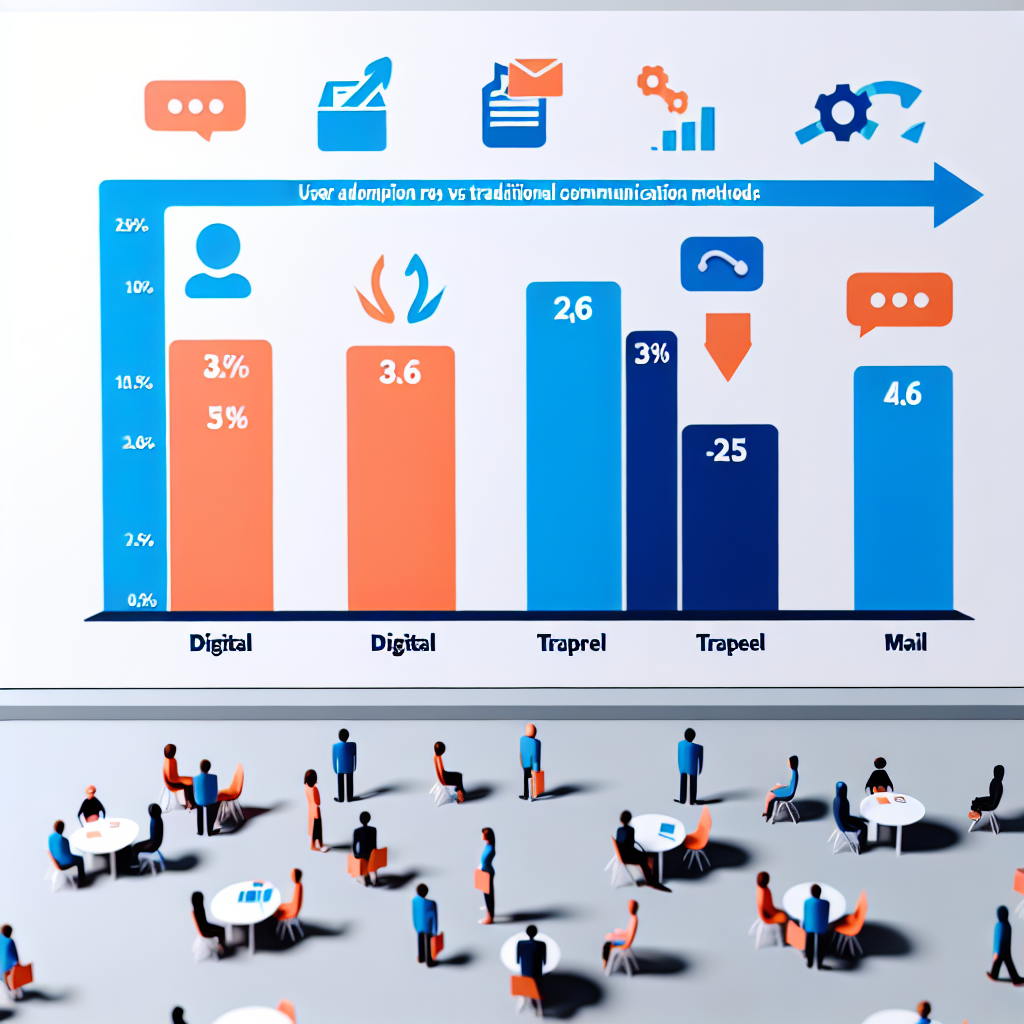
An infographic showing the comparison of user adoption trends among fleet operators across various digital tools and traditional methods.
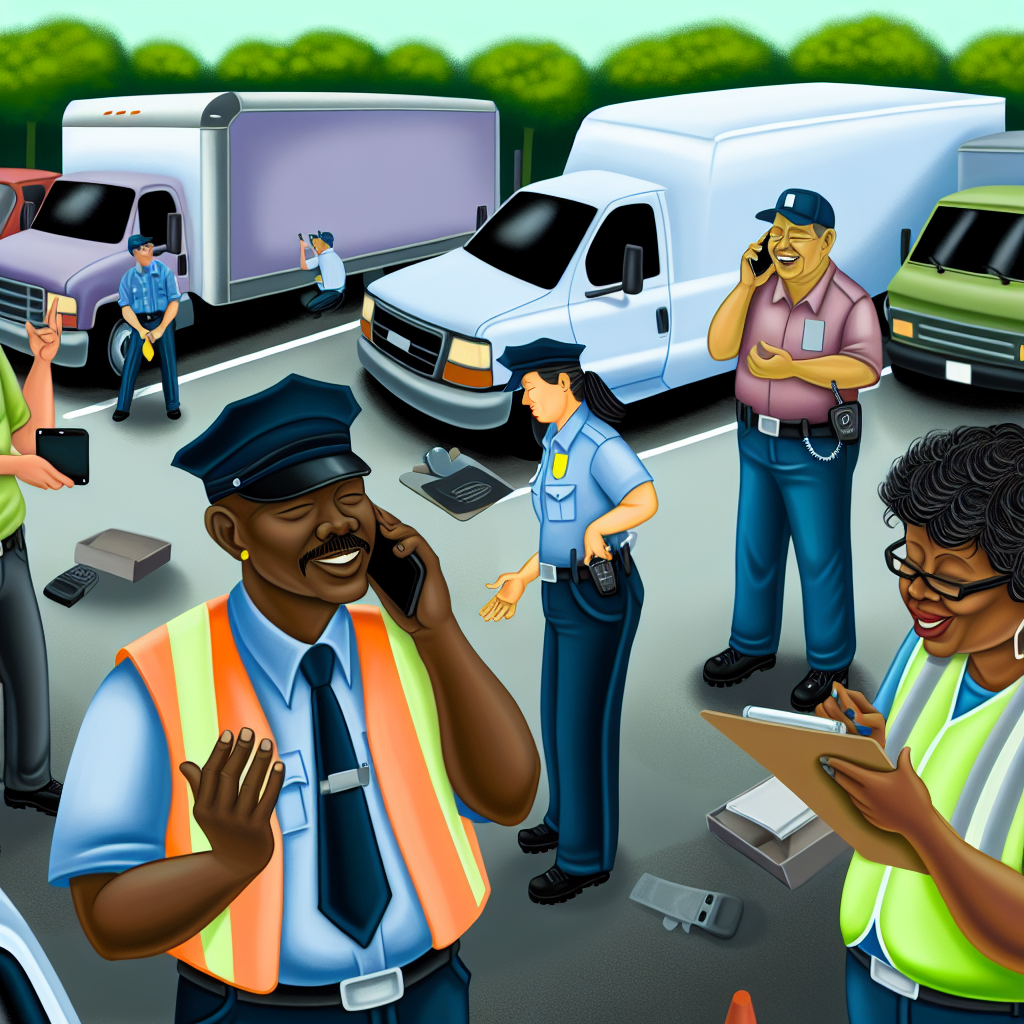
An illustration depicting the strong preference for voice communication (phone calls) over digital messaging among fleet drivers, reflecting the human element in fleet management communication.
These visual aids complement the data presented in the User Adoption section, providing clarity on the ongoing challenges and preferences among fleet managers and drivers.
| Investment Area | Technology Investment | People Investment |
|---|---|---|
| Focus | Automation and efficiency through tools | Skill development and employee engagement |
| Benefits | Increased efficiency, reduced operational costs | Improved morale, better customer service, higher retention |
| Risks | Over-reliance on technology, potential for cyber threats | High turnover without proper training and development |
| Timeframe | Short-term gains in productivity | Long-term benefits through sustained workforce growth |
| Employee Involvement | Minimal; technology driven by IT teams | High; employees are essential for success |
| Return on Investment | Measurable in reduced costs and faster processes | Measurable in employee satisfaction and team productivity |
| Adaptability | Requires ongoing updates and training | Requires ongoing support and a strong organizational culture |
| Examples | Investing in fleet management software | Cross-training programs and leadership development |
A Balanced Approach: Technology and People
Achieving a balance between technology investments and workforce development is essential for fleet management success. Gary Vandenheuvel and Kristen Fess, industry leaders, both emphasize the long-term strategic need for a well-trained workforce that can actively leverage technological advancements. Vandenheuvel states, “The most successful fleets don’t just invest in technology; they invest in their people. You need both to stay competitive. Technology enables efficiency, but your drivers, technicians, and managers are the ones who implement and optimize those tools.” This sentiment underscores the reality that sophisticated telematics and automation cannot compensate for a workforce lacking the skills to utilize these tools effectively.
Kristen Fess adds, “Technology investments must be paired with workforce development to maximize ROI. You can have the best telematics system in the world, but if your team doesn’t understand how to use the data to make decisions, you’re leaving value on the table.” She advocates for continuous training programs that evolve alongside technological innovations, emphasizing the need for a culture of learning within fleet operations.
Along the same lines, Vandenheuvel mentions that overspending on technology without adequate training leads to wasted resources, while neglecting either aspect results in diminishing returns. In a recent discussion, Fess highlighted the disconnect between leadership and frontline realities, noting, “It’s like buying a Ferrari and not teaching anyone to drive it.” This analogy succinctly encapsulates the importance of a balanced approach where technology serves as a facilitator rather than a replacement for human expertise.
By aligning workforce training with technological upgrades, fleets can ensure that they not only implement cutting-edge solutions but also empower their employees to utilize them effectively, thereby enhancing overall operational efficiency and employee engagement.
Ultimately, a long-term strategic perspective is vital in adapting the workforce to changing demands while fostering a culture of innovation and collaboration. By investing equally in technology and people, fleets position themselves for sustained success in an evolving industry.
For further insights, see Fleet Management Weekly and Commercial Fleet Magazine.
Conclusion: The Necessity of Balanced Investment
In the rapidly evolving world of fleet management, achieving success hinges on a careful balance between investing in technology and the workforce. The insights from industry leaders highlight that organizations must not solely focus on acquiring cutting-edge digital tools while neglecting their most valuable asset—the people who operate them.
Investments in technology undoubtedly bring notable gains, such as enhanced operational efficiency and streamlined processes. However, as Gary Vandenheuvel aptly notes, these advancements only yield their full potential when coupled with a well-trained workforce. The risk of over-reliance on technology without adequate employee training can lead to wasted resources and diminished returns. This sentiment is echoed by Kristen Fess, who emphasizes that financial resources invested in technology are maximized only through corresponding investments in workforce development and engagement.
By fostering an environment that values both technology and people, companies position themselves for long-term success. A skilled and empowered workforce not only adapts swiftly to technological changes but also drives a culture of innovation, collaboration, and resilience—a vital component in today’s competitive landscape.
Moreover, the generational shifts within the workforce further underscore the necessity of this balance. Younger employees value flexibility and continuous learning opportunities, and organizations that support these aspects through comprehensive training programs can attract and retain top talent.
Ultimately, adapting to the complexities of modern fleet management requires a dual focus on sophisticated tools and nurturing the human element. By investing equally in both areas, fleets can thrive, ensuring operational efficiency while fostering a motivated and engaged workforce that embraces change and innovation for years to come.
Focus on Employee Development
Ensure that your fleet management strategy includes a robust plan for developing your workforce. Regular training and development sessions can enhance skills and prepare employees for higher-value tasks within your organization.
Prioritize a Balanced Investment
Acknowledge the importance of investing in both technology and people. A dual investment strategy not only improves operational efficiency but also fosters a motivated workforce that can navigate the complexities of modern fleet management effectively.
Foster a Culture of Engagement
Cultivating an environment where employees feel valued and engaged is critical. Encourage open communication and feedback to understand their needs and aspirations better, which can lead to increased employee satisfaction and retention.
Adapt to Change Together
As technology continues to evolve, ensure that your workforce is ready to adapt. Providing support and resources for employees will facilitate smoother transitions and help the organization thrive in the face of technological advancements.
- Work-Life Balance Expectations: 72% of Gen Z and 71% of Millennials prioritize work-life balance in job searches, compared to 62% of Gen X and 54% of Baby Boomers.
- Communication Preferences by Generation: 67% of Gen Z prefer digital communication methods, such as instant messaging, while 58% of Baby Boomers favor face-to-face interactions.
- Digital Tool Adoption: 78% of fleet managers now use digital tools for operations, yet 62% encounter challenges in workforce adaptation to these technologies.
- Preference for Voice Communication: 58% of drivers and dispatchers prefer phone calls for complex communications, highlighting a strong preference for personal interaction over digital messaging.
- Resistance to Change: 70% of staff at fleet companies favor traditional methods despite 85% having integrated digital tools, illustrating a continuing reliance on established practices.
- Emergency Communication: 67% of fleet managers believe that phone calls remain irreplaceable for urgent matters, especially among veteran drivers aged 45 and above, where 73% prefer voice communication.