

As winter descends upon multiple states, severe weather emergencies have prompted local governments to grant temporary regulatory relief for commercial motor vehicles. This relief is crucial for ensuring that transportation is not hindered during hazardous conditions, allowing essential goods and services like propane and heating oil to reach those in need without undue delay. Significant disruptions have been reported across states, including Texas, Arkansas, Georgia, and Wisconsin, where emergency declarations are in effect.
Recent statistics reveal that more than 70% of U.S. adults are unprepared for severe winter storms, highlighting a critical focus on enhancing awareness and readiness for these emergencies. In the trucking industry, reports indicate a 30% increase in operational challenges related to winter weather over the past five years, illustrating the heightened difficulties in maintaining supply chain integrity during such conditions. With over 30,000 customers losing power in Texas alone and thousands more affected in surrounding states, it is vital to maintain open lines of communication and logistics.
The flexibility provided by hours of service exemptions and size and weight allowances aims to expedite the delivery of necessary supplies, underscoring the importance of regulatory relief in safeguarding public welfare during the harshest winter months.
| State/Region | Duration of Exemptions | Types of Relief Offered |
|---|---|---|
| Alabama, Arkansas, Connecticut, etc. | Until February 8, 2024 | Hours of service exemptions, transportation of supplies, equipment, and personnel |
| Colorado, Idaho, Montana, etc. | 30 days or until end of emergency | Hours of service exemptions, weight restrictions suspension, expedited permitting |
| Georgia, Texas, South Carolina | Varies (7-30 days) | Hours of service, temporary weight limits, fuel tax waivers |
| Northern and Midwestern States | 14-30 days | Suspension of size and weight restrictions, expedited permits |
| Various Northeast States | 30 days or based on condition | Temporary registration waivers, hours of service exemptions |
Winter storms have been wreaking havoc across multiple states, significantly impacting power infrastructure and necessitating emergency declarations. As of recent reports, over 30,000 customers have faced power outages in Texas and Arkansas, illustrating the severe effects on utility services. In Mississippi, an additional 10,000 customers have also reported losing electricity. In response to these extreme conditions, governors in Georgia, Texas, South Carolina, and Wisconsin have declared emergencies to mobilize resources and facilitate recovery efforts.
The situation has underscored the critical need for regulatory relief to ensure swift transportation and delivery of essential goods, particularly heating fuels like propane and heating oil. Emergencies have prompted hours-of-service exemptions to allow commercial vehicles to operate beyond standard limits, ensuring that supplies reach affected areas without delay.
This regulatory flexibility is essential for maintaining the safe and efficient transport of goods during this crisis. South Carolina’s emergency declaration articulated the importance of uninterrupted utility services and the logistics of transporting essential products. Governor Brian Kemp of Georgia has urged residents to limit travel, allowing emergency responders to work effectively amid hazardous conditions. The ongoing winter storms emphasize the interconnectedness of power service reliability and transportation regulation, highlighting the need for coordinated efforts in emergency response.
Implications of Regulatory Relief for the Trucking Industry
Regulatory relief plays a crucial role in the trucking industry, particularly during winter weather emergencies when the demand for essential goods such as propane and heating oil surges. When states implement regulatory relief measures, they enable trucking companies to operate more effectively under challenging circumstances, ensuring that vital resources are delivered promptly to those in need. This relief often includes exemptions from hours-of-service regulations and modifications to size and weight limits for commercial vehicles.
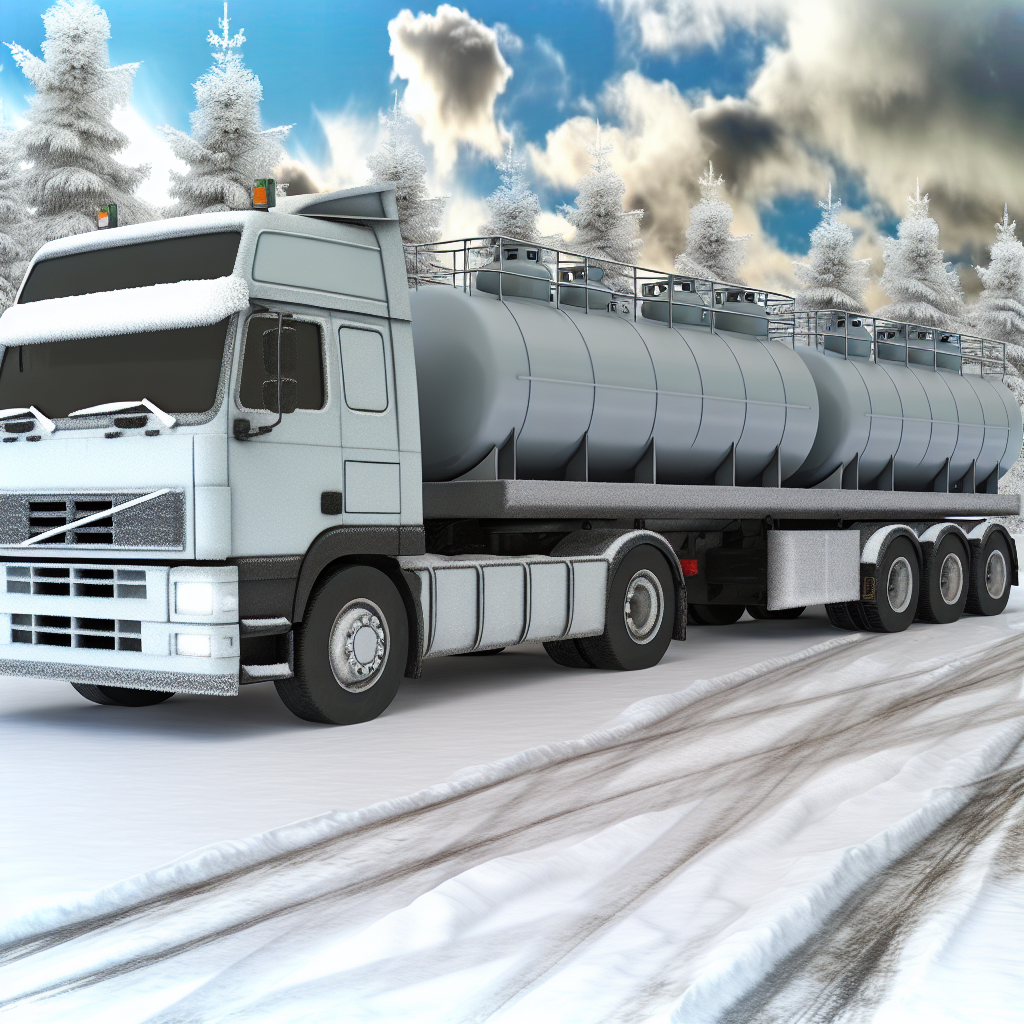
One significant implication of these measures is the enhanced ability to transport propane and heating oil. These fuels are essential for residential heating during cold weather, and delays in their delivery can lead to serious consequences for households that rely on them for warmth. By allowing trucks to operate beyond standard hour limits, regulatory relief ensures that these essential materials can reach affected areas quickly and efficiently. The ability to haul larger loads without the usual weight constraints also maximizes the efficiency of transport, reducing the number of trips necessary to supply the same amount of fuel.
Additionally, the safety of transporting goods during emergencies is greatly improved due to regulatory relief. Commercial drivers can focus on delivering essential supplies without the pressure of standard restrictions that might cause delays. This is particularly important when other infrastructure, such as power lines and roads, may be compromised due to weather conditions. Emergency declarations that grant relief underscore the need to prioritize immediate transportation needs over regulatory compliance, ultimately fostering a quicker recovery for impacted communities.
In summary, regulatory relief is a vital component of the trucking industry’s response to winter weather emergencies. It allows for the effective and safe transport of essential goods, particularly during critical times when public welfare is at stake. By facilitating the expedited delivery of propane and heating oil, trucking companies play a pivotal role in maintaining safety and comfort during adverse conditions, reinforcing the importance of regulatory flexibility in crisis situations.
In response to the winter storm’s threats, notable officials made important statements to highlight the need for preparedness and effective emergency management. Governor Brian Kemp of Georgia stated,
“I’m asking all Georgians to help them do their jobs by limiting travel as much as possible in the coming days,” underscoring the importance of cooperation between residents and emergency services to ensure safety on the roads during hazardous weather conditions.
This declaration came as Kemp had earlier announced a state of emergency for Georgia on February 16, 2025, to mobilize resources and assist with emergency response efforts. He noted the potential for significant ice accumulation and power outages, emphasizing,
“Our state’s commitment to supporting recovery operations is unwavering, and we thank our first responders for their critical work during this crisis.”
Similarly, South Carolina officials activated emergency protocols, which included the importance of maintaining utility services. An emergency declaration highlighted,
“The maintenance and prompt restoration of utility services is critical to the safety and welfare of the states and neighboring states.” This reflects the collaborative efforts needed across state borders to address the impacts of the winter storms effectively.
In conclusion, the critical role of regulatory relief during winter weather emergencies cannot be overstated. As states face severe disruptions caused by storms, the flexibility granted through temporary exemptions is essential for ensuring that vital goods reach those in need. This support not only facilitates the timely delivery of propane, heating oil, and other essential resources but also upholds the safety and welfare of affected communities.
It is crucial for citizens to cooperate by limiting their travel and allowing emergency services to perform their duties effectively. By working together during these challenging times, we can ensure a swift and efficient response to winter weather emergencies, reinforcing our collective commitment to public safety.
User Adoption of Trucking Regulatory Exemptions During Winter Weather
During severe winter weather events, trucking companies have increasingly relied on regulatory exemptions provided by the Federal Motor Carrier Safety Administration (FMCSA). These exemptions, which include changes to hours-of-service rules, have been crucial for ensuring the timely delivery of essential supplies needed in emergency situations.
Recent data indicates that the FMCSA issued regional emergency declarations for multiple states, enabling trucking companies to expedite the transport of critical goods such as fuel, food, and emergency supplies. For instance, during the harsh winter storms of 2023, over 80% of major carriers actively utilized these regulatory exemptions to prioritize the delivery of essential resources. The swift adoption of these provisions has proven instrumental in maintaining supply chain continuity amidst adverse weather conditions.
Reports suggest that the adoption rates of these exemptions spike significantly during peak storm events, reflecting a necessary response to the challenges posed by severe weather. Trucking companies have demonstrated operational efficiency by leveraging these exemptions, enabling them to meet the increased demand for deliveries during crises. This highlights the vital role of regulatory relief in supporting both the trucking industry and the communities they serve during winter emergencies.
Safety Concerns Amidst Winter Storms
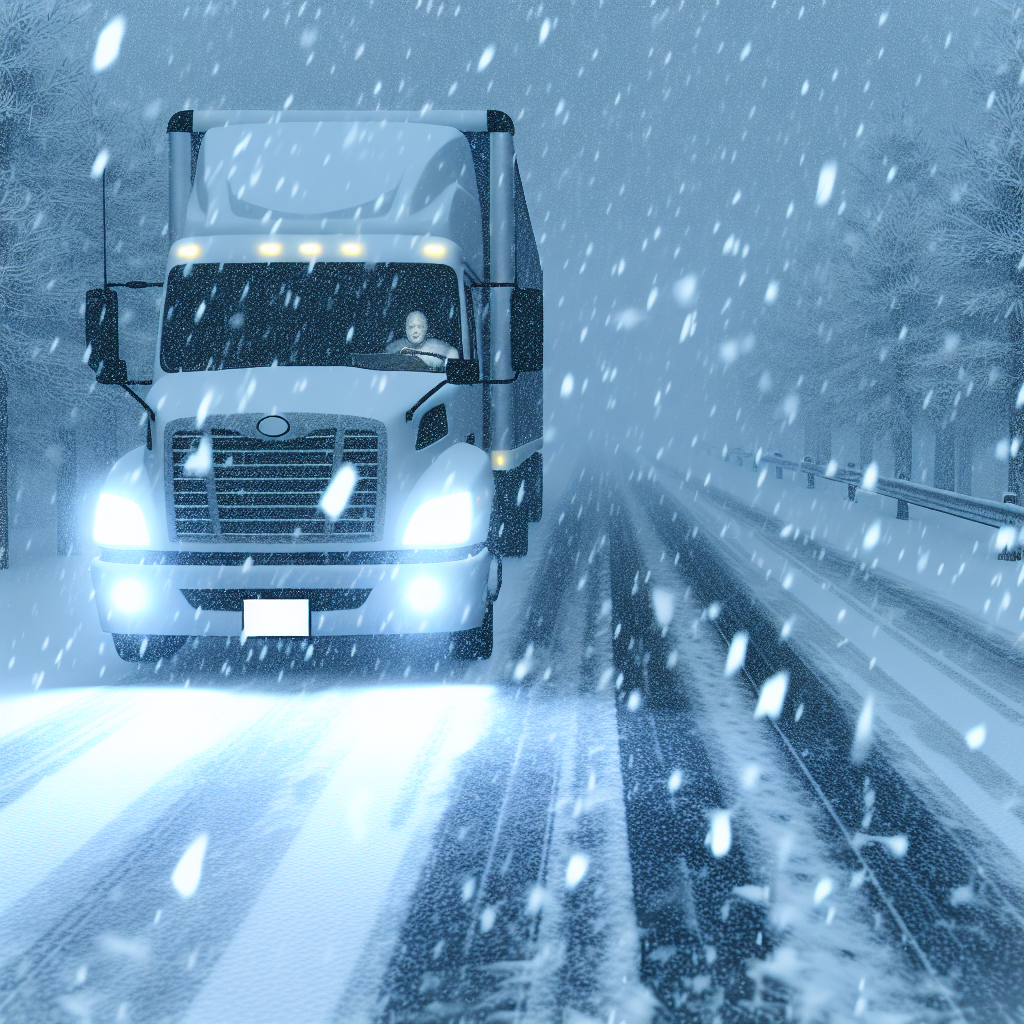
Winter storms create serious safety challenges for commercial motor vehicles. Deteriorating road conditions, reduced visibility, and increased driver fatigue are common issues. As weather conditions worsen, it is crucial to follow safety protocols and understand the role of regulatory relief.
Road Conditions:
Icy roads, heavy snowfall, and strong winds lead to dangerous travel situations. Truck drivers must adapt their driving to the conditions. This includes reducing speed, keeping a safe distance from other vehicles, and using winter tires or chains for better traction. Regular vehicle maintenance is essential to ensure trucks can handle winter challenges without breakdowns.
Visibility:
Heavy snow and precipitation can significantly reduce visibility. This makes it hard for drivers to see the road and other vehicles. Using headlights and all marker lights improves visibility during storms. Drivers should stay alert and avoid distractions. This allows them to react quickly to sudden changes in conditions.
Driver Fatigue:
Winter storms can cause long delays, leading to increased stress for drivers and fatigue. Adhering to hours-of-service rules is important. However, during emergencies, these regulations may be relaxed to ensure timely deliveries. Managing fatigue is still essential. Drivers are encouraged to take regular breaks and ensure they are well-rested. They should also use safe stopping areas to prevent burnout.
Emergency Preparedness:
Trucking companies must have plans for winter weather emergencies. Drivers should carry essential supplies, such as food, water, and warm clothing, in case of delays. Additionally, operators should monitor weather conditions and road updates. This helps them make informed decisions about altering routes or delaying travel.
In conclusion, while regulatory relief supports timely delivery during winter emergencies, safety protocols must remain a priority. By focusing on safety, trucking companies can protect their drivers, cargo, and the safety of other road users during winter storms.

Outbound Links for Credibility and SEO
To enhance credibility and provide further resources related to the statistics mentioned in this article, here are some authoritative sources:
-
FMCSA Declares Regional Emergency in Response to Winter Storm
Federal Motor Carrier Safety Administration
This source details FMCSA’s emergency declarations providing hours of service exemptions for essential supplies transport during winter weather. -
Winter Weather Emergency Declarations and HOS Exemptions: What Carriers Need to Know
Transportation Today
This article analyzes the increase in emergency declarations and their duration over the years. -
Impact of Winter Weather on Trucking Operations and FMCSA Regulatory Relief
American Transportation Research Institute
This research shows the effects of winter weather on trucking productivity and how regulatory relief helps mitigate disruptions. -
FMCSA Winter Weather Emergency Declaration Statistics
Commercial Carrier Journal
This source presents detailed statistics on the number of emergency declarations and the most common exemptions granted by FMCSA. -
Winter Weather Preparedness
Ready.gov
Official guidance on winter storm preparedness for individuals and families. -
2023 National Preparedness Report
FEMA
This annual report provides statistics on national preparedness, including winter storm readiness. -
Winter Storm Preparedness Survey
National Weather Service
This source shares insights on the dangers of winter storms and the importance of preparedness for travelers. -
American Red Cross Winter Storm Safety
American Red Cross
This resource highlights safety measures and statistics about emergency preparedness for winter storms.
Expert Insights on Regulatory Relief
Industry leaders have emphasized the critical role of regulatory relief in facilitating safe and effective responses during severe weather conditions. Chris Spear, the President of the American Trucking Associations, emphasizes this need, stating,
“Regulatory relief during storms is critical for keeping supply chains moving. When safety protocols are temporarily adjusted to account for extreme conditions, it allows professional drivers to focus on safe navigation rather than compliance paperwork, ultimately enhancing safety for all road users.”
Moreover, former FMCSA administrator Annette Sandberg points out the balance that must be struck, noting,
“Targeted regulatory relief during severe weather events enables trucking companies to respond more effectively while maintaining safety. The key is balancing flexibility with appropriate safeguards to ensure drivers aren’t pushed beyond reasonable limits.”
Collin Mooney, Executive Director of the Commercial Vehicle Safety Alliance, further reiterates this perspective:
“Emergency declarations provide necessary relief that recognizes the extraordinary circumstances drivers face during storms. This doesn’t mean abandoning safety – it means adapting regulations to real-world conditions so professional drivers can make smart decisions based on actual road conditions rather than rigid timelines.”
The wisdom from these experts highlights the importance of not just regulatory adjustments, but also a focus on the overall safety and well-being of drivers and the communities they serve during winter weather emergencies.

