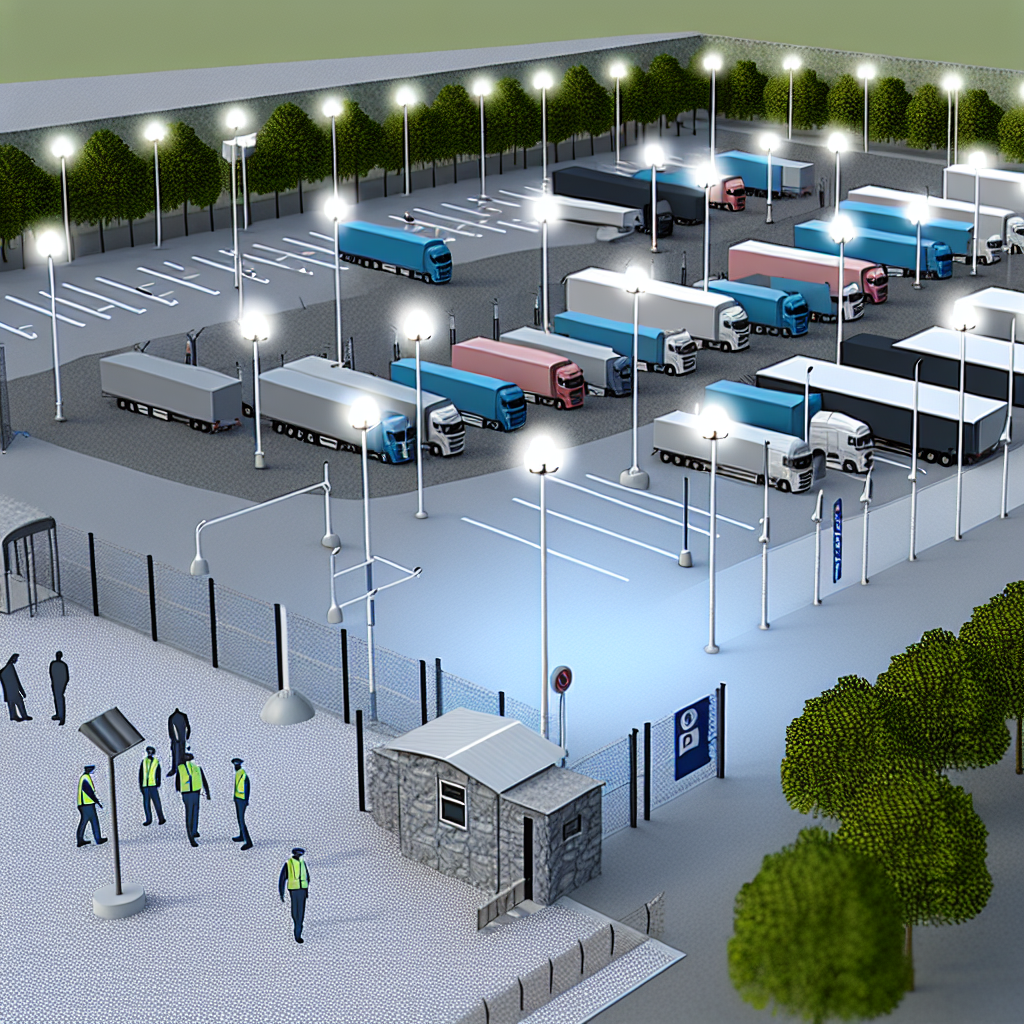

Introduction to Starting a Truck Hauling Business
The logistics industry, a crucial backbone of the global economy, has been valued at approximately $8.3 trillion in 2023, with projections suggesting it will exceed $12 trillion by 2030, driven by trends such as e-commerce expansion and supply chain resilience initiatives (Statista). Amidst this burgeoning market, starting a truck hauling business represents a compelling opportunity for entrepreneurs and established entities alike. In fact, the increasing demand for efficient transportation solutions, combined with substantial investments in logistics infrastructure, has reinforced the potential for new entrants in the truck hauling sector.
In 2023, the total freight volume in the U.S. reached 547 billion tons, reflecting a year-on-year growth of 8.1%, predominantly in road transport, where trucks accounted for about 73.7% of all freight movement (交通运输部). This clear upward trend represents an opportune moment for those considering a venture into truck hauling. The growing emphasis on logistics and sustainability aligns perfectly with emerging business models that leverage innovative approaches, including automation and the adoption of electric fleets. Moreover, insights from driver demographics suggest that approximately 60% of trucking operations are run by independent owners, highlighting a substantial market for new operators entering the freight sector.
This article aims to provide a structured guide on how to initiate a truck hauling business successfully, exploring key considerations, strategies for operational efficiency, and the importance of staying abreast of industry regulations and market dynamics. Whether you are a logistics firm, construction company, or food distributor, understanding the intricacies of starting a truck hauling business will empower you to capitalize on this lucrative market.
Steps to Starting a Truck Hauling Business
Starting a truck hauling business involves a series of important steps that lay the foundation for accountability, compliance, and profitability. Below is an ordered list of fundamental steps to guide aspiring entrepreneurs in this industry.
-
Conduct Market Research
Understand your target market, including logistics and freight companies, construction firms, and other industries that require hauling services. Identify potential clients and analyze competition to establish a unique selling proposition. -
Create a Comprehensive Business Plan
Draft a detailed business plan that outlines startup costs, revenue projections, target market segments, and marketing strategies. This document will be key if you seek financing and will serve as a roadmap for your business. -
Understand Regulatory Requirements
Familiarize yourself with federal and state regulations, including obtaining a USDOT number and an MC Number for interstate operations. Compliance with the Motor Carrier Safety Act and maintaining adequate insurance coverage is also crucial. For more information on regulatory details, visit the U.S. Department of Transportation (USDOT) website. -
Secure Proper Financing
Determine how you will finance your truck and business operations. Explore options such as loans, grants, or investors to gather the necessary capital to acquire equipment and cover operational expenses. -
Acquire Trucks and Equipment
Purchase or lease trucks that are suitable for your specific hauling needs. Ensure they are compliant with all regulatory requirements and are reliable for the demands of your operational plan. -
Obtain Required Licenses and Insurance
Ensure that you have the appropriate licenses and insurances to operate legally. This includes liability insurance, cargo insurance, and any other coverage mandated by law. -
Develop Client Contracts
Establish agreements with clients that clearly outline the scope of work, terms of service, and pricing structures. Having solid contracts in place is essential to maintain professional relationships and ensure clarity in service delivery. -
Implement Technology Solutions
Utilize fleet management software to monitor operations, manage dispatch, and optimize routes. Technical tools improve efficiency and service quality, setting your business apart from competitors. -
Hire and Train Qualified Drivers
Recruit experienced drivers who can represent your business professionally. Provide training that covers safety protocols, operational standards, and customer service to ensure high-quality delivery. -
Market Your Business
Develop a strong marketing strategy to reach potential clients. Utilize social media, digital marketing, and industry connections to promote your truck hauling services effectively. -
Assess and Adapt
Regularly review your operations, marketing strategies, and financial performance. Being adaptable will allow you to respond to changes in the market and client demands, ensuring long-term success.
Starting a truck hauling business can be a lucrative venture when approached with careful planning and a clear understanding of the industry. By following these steps, you can position your business for growth and sustainability.
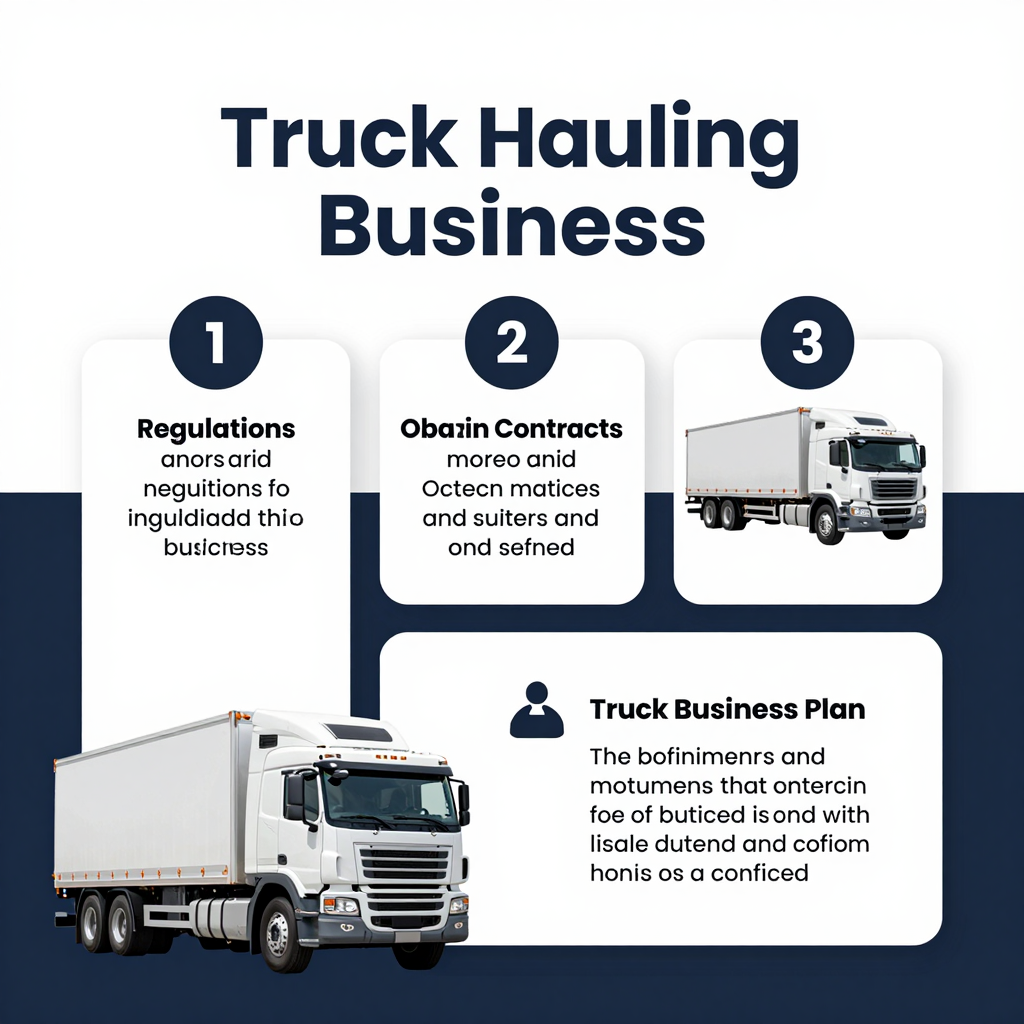
Infographic depicting the steps to starting a truck hauling business.
Legal Considerations and Permits for a Truck Hauling Business
Starting a truck hauling business involves navigating a variety of legal requirements and obtaining the pertinent permits. Here’s a comprehensive overview of the essential steps necessary to ensure compliance with federal and state regulations.
Key Legal Requirements
-
USDOT Number: All commercial vehicles that operate in interstate commerce must obtain a USDOT Number from the Federal Motor Carrier Safety Administration (FMCSA). This unique identifier is used to monitor the company’s safety record and compliance.
-
MC Number (Motor Carrier Number): If your business will be transporting goods across state lines, an MC Number is required, which also comes from FMCSA. This number indicates that you are authorized to operate as a for-hire carrier.
-
EIN (Employer Identification Number): This number is necessary for tax purposes and is required if your business will have employees. You can obtain an EIN from the Internal Revenue Service (IRS).
-
SCAC Code: For those in the logistics sector, having a Standard Carrier Alpha Code (SCAC) helps facilitate a unified system for communication between transporters, shippers, and brokers.
-
BOC-3 Filing: This requirement mandates that you designate an agent to receive legal documents in each state where you operate and file this form with the FMCSA.
-
CDL (Commercial Driver’s License): Drivers must hold a valid CDL appropriate for the type of vehicle they will drive, ensuring they are qualified for their responsibilities.
Insurance Requirements
- Cargo Insurance: This insurance protects the cargo being transported and is often required by shippers, with minimum coverage starting around $100,000.
- General Liability Insurance: Covers third-party claims for bodily injury and property damage.
- Commercial Auto Liability Insurance: Necessary for vehicle-related incidents.
- Workers’ Compensation Insurance: Mandatory in most states to cover employees in case of workplace injuries.
Special Permits
Depending on the nature of the freight, you may need specialized permits:
- Hazardous Materials Endorsement: Required to transport hazardous materials, which needs additional training and certification.
- Oversize/Overweight Permits: These permits are crucial for transporting loads that exceed normal size or weight limits established by state regulations.
Compliance and Ongoing Obligations
Business owners must also maintain compliance with safety regulations, which includes regular vehicle inspections, driver records, and adherence to federal and state law changes.
For a deeper dive into federal regulations and compliance, visit the U.S. Department of Transportation.
To visualize the necessary steps and requirements, refer to the infographic below, which aggregates all this crucial information.
The trucking industry stands as a critical component of the U.S. economy, with its growth trajectory significantly bolstered by advancements in technology and an increasing demand for logistics services. As of 2023, reports indicate a robust expansion of user interest and adoption in the haulage business, representing a vital opportunity for prospective entrepreneurs in this sector.
Recent Industry Growth
According to the American Transportation Research Institute (ATRI), approximately 89% of fleet operators are utilizing Electronic Logging Devices (ELDs) to enhance operational efficiency, reflecting a shift towards modernized trucking practices. Furthermore, 76% have incorporated telematics systems, aiding in real-time tracking and fleet management, vital for competitors aiming to establish themselves in the haulage business.
In line with these technological advancements, the U.S. Department of Transportation’s Federal Motor Carrier Safety Administration (FMCSA) reports that over 90% of motor carriers comply with regulatory mandates, indicating a healthy adaptation of safer and more efficient practices across the industry.
Increasing User Adoption
User interest in starting haulage businesses is further evidenced by a study from McKinsey & Company, which surveyed over 2,000 truck drivers and fleet managers, revealing that 72% favor mobile applications for route planning and communication. This preference underscores an inclination towards integrating innovative solutions to streamline operations in the trucking realm.
Moreover, recent trends suggest a growing awareness and readiness to adopt sustainable practices. Notably, major manufacturers are promoting electric truck models, aligning with a global push towards eco-friendly logistics. These advancements position the trucking sector as not only an essential service but also as a frontrunner in driving change towards greener economic practices.
Conclusion
The trucking industry is witnessing significant growth, both in terms of operational advancements and user interest in establishing haulage businesses. For companies in logistics and freight, the current landscape presents a unique opportunity to innovate, embrace technology, and potentially capitalize on the increasing demand for efficient and sustainable transport solutions. This evolving environment necessitates staying informed, agile, and prepared to meet the emerging challenges and opportunities within the sector. For additional insights on industry trends, you can explore more about autonomous technologies in trucking.
With such foundational data, prospective business owners can construct a robust strategy designed to succeed within this dynamic industry.
Comparing Different Types of Trucks for Hauling
When starting a truck hauling business, it’s essential to choose the right type of truck that fits your operational needs. Below is a comparative table showcasing three main types of trucks:
| Feature | Ford F-150 (Light-duty) | Freightliner M2 106 (Medium-duty) | SHACMAN X5000 (Heavy-duty) |
|---|---|---|---|
| GVWR (Gross Vehicle Weight Rating) | 2,619 kg (5,774 lbs) | ~8,000 kg (17,637 lbs) | ~25,000 kg (55,116 lbs) |
| Payload Capacity | ~1,200 kg (2,646 lbs) | ~4,500 kg (9,921 lbs) | ~10,000 kg (22,046 lbs) |
| Engine Power | 416 hp (306 kW) | Not specified | 480-500 hp (Cummins diesel or CNG) |
| Transmission | 10-speed automatic | Not specified | Eaton transmission |
| Fuel Type | Gasoline (92 octane) | Not specified | Diesel or CNG |
| Cost (Approximate) | $55,000 – $82,880 USD | Not available | Not available |
| Key Benefits | High fuel efficiency for light hauling, strong low-end torque, excellent tech. | Robust chassis, commercial freight suitable, durable components. | High payload capacity, designed for heavy hauling, powerful engines suitable for long-haul operations. |
Note: Specific data for the Freightliner M2 106 and SHACMAN X5000 was limited in the retrieved results. For precise figures, consult official manufacturer specifications.
For further insights on the trucking industry, learn more about UPS’s revenue expansion and Coke Canada’s electric fleet expansion.
Sourcing and Maintenance of Trucks
Starting a truck hauling business involves careful consideration of how to source your vehicles and maintain them effectively to ensure operational success.
Buying vs. Leasing Trucks
When it comes to acquiring trucks, businesses typically have two main options: buying or leasing. Each approach has its advantages and drawbacks that cater to different operational needs.
Buying
- Ownership: A major advantage of buying is that the business owns the asset outright, allowing for full control over modifications and usage.
- Long-term Cost: Over time, purchasing can often be more economical, especially if the truck is used for many years. Ownership also allows for depreciation, which can provide tax benefits.
- High Upfront Costs: The downsides include a significant initial investment, particularly if financing is involved, and the inherent depreciation of the vehicle.
Leasing
- Lower Initial Investment: Leasing requires less capital upfront, making it easier for startups or those with tight cash flow to acquire trucks.
- Access to Newer Trucks: Leasing contracts typically allow businesses to access the latest models with lower maintenance costs due to warranties.
- Flexibility: Businesses can refresh their fleets more frequently, which is beneficial in keeping up with innovations in fuel efficiency and technology.
- Limited Customization: The downside is that leased vehicles often come with mileage limits and restrictions on modifications, and you do not build equity in the vehicle.
Considering these factors, companies should evaluate their long-term goals and financial capabilities when deciding between these two options.
Maintenance Practices
To keep trucks in optimal condition, adhering to the best maintenance practices is essential. Here’s a breakdown of effective strategies:
| Category | Best Practice |
|---|---|
| Routine Inspections | Conduct daily pre-trip and post-trip inspections to check tires, brakes, lights, and fluid levels. |
| Fluid Management | Regularly check and change engine oil and other crucial fluids according to the manufacturer’s schedule. |
| Tire Maintenance | Keep tires properly inflated, inspect for wear, and rotate them regularly. |
| Brake System Care | Frequently inspect brakes to ensure safety and efficiency. |
| Battery and Electrical Systems | Clean and inspect the battery, ensuring that connections are corrosion-free. |
| Air Filter and Intake System | Replace air filters as required to maintain engine cleanliness and performance. |
| Lubrication Points | Grease all important chassis and suspension points as per maintenance schedules. |
| Fleet Management Software | Use technology to track maintenance schedules and vehicle performance in real-time. |
| Operator Training | Train drivers on safe operational practices and how to properly care for their vehicles. |
| Record Keeping | Keep detailed logs of all maintenance activities for compliance and tracking. |
Implementing these maintenance practices will help minimize downtime and repair costs, ensuring that your trucks remain productive and reliable for the business.
For more insights on best practices in trucking, check out this comprehensive guide on maintenance strategies and discover how successful companies manage their fleets effectively.
Finding Clients and Securing Contracts in the Logistics and Freight Industry
Establishing a successful truck hauling business involves not only optimizing operations but also effectively finding clients and securing contracts. Here are some proven strategies for navigating the logistics and freight industry to cultivate a robust client base:
1. Develop a Strong Online Presence
Having a well-optimized website that showcases your services, capabilities, and customer testimonials is essential. Invest in SEO methods to enhance your visibility on search engines. This helps attract organic traffic from potential clients who are searching for logistics services.
2. Utilize B2B Platforms and Digital Marketing
Leverage B2B platforms like Alibaba and Global Sources. Marketing through social media, such as LinkedIn and WeChat, allows you to engage with industry professionals. Content marketing via blogs and articles can establish you as a thought leader and attract clients seeking expertise in logistics. Learn more about client acquisition in freight forwarding.
3. Attend Trade Shows and Networking Events
Participating in industry expos, trade shows, and networking events, such as those hosted for logistics professionals, provides opportunities to meet potential clients face-to-face. Building relationships in person can often lead to contracts and long-term partnerships.
4. Implement Referral Programs
Encourage existing clients to refer new customers by establishing a referral program that offers discounts or other incentives. This simple strategy can leverage your satisfied clients’ networks, expanding your reach and credibility in the industry.
5. Foster Relationships Through Outstanding Service
Providing exceptional service reinforces client loyalty. Consistent communication, responsiveness, and following up on completed jobs demonstrate your commitment to clients. Satisfied clients are likely to return and recommend your services to others, creating a reliable pipeline for future contracts.
6. Embrace Technology and Innovation
Invest in advanced technology and tools that can improve your efficiency and service quality. Clients are increasingly looking for partners who can provide real-time data visibility and flexibility in service. As noted in recent trends, the logistics market is moving towards more strategic procurement focused on value rather than just price, emphasizing the need for companies to showcase their technological capabilities and innovative approaches to logistics solutions (Asia-Pacific Contract Logistics Market Size & Share Analysis).
By integrating these strategies into your business model, you can effectively attract and secure contracts in the competitive logistics and freight industry. Consistency and dedication to service quality will further bolster your business reputation, leading to sustained growth in this dynamic field.
Conclusion
In summary, starting a truck hauling business presents an array of opportunities, particularly in light of the post-pandemic recovery in logistics and freight services. The trucking industry continues to grow robustly, driven by the increasing demand for efficient and reliable transportation services across various sectors such as construction, food and beverage distribution, and logistics companies. Key trends indicate that the shift towards electrification and automation is not just a fad; it is becoming an essential component of business strategies to reduce costs and enhance service reliability. To gain a competitive edge, new entrants can focus on niches such as last-mile delivery, utilizing technology to optimize routes, and adopting greener practices that align with evolving regulations and consumer preferences.
Moreover, as the market faces a supply-demand imbalance, new businesses have the chance to fill gaps, adopting innovative solutions that integrate digital platforms for better resource management and customer engagement. This encourages aspiring entrepreneurs to harness digital transformation and sustainability within their operations. For those looking to enter the industry, thorough market research, alongside understanding regulations and fostering relationships with suppliers and clients, will be vital in navigating the complexities of the trucking landscape.
Consider leveraging industry insights and supportive government policies aimed at promoting greener trucking solutions, such as electric vehicle incentives, which can substantially lower initial investment costs. By taking actionable steps now, you can position yourself for success in this thriving sector. The continuously evolving landscape of trucking offers significant potential for those willing to adapt and innovate. If you’re ready to start your journey, explore more on trucking industry economic challenges and opportunities or discover strategies to reduce GHG emissions in trucking.
Insights from Industry Experts
“In 2024, the logistics industry will benefit immensely from technological innovations and policy support. Digital freight platforms will drive the industry towards automation, scale, and sustainability, significantly reducing operating costs and enhancing overall transportation efficiency.”
- Tao Ran, Vice President of Manbang Group, speaking on the future direction of trucking in 2024.
As the trucking sector evolves, experts emphasize the need for businesses to adapt to data-driven operations and smart scheduling systems. Companies that integrate these innovations will thrive in an increasingly competitive landscape.
Image Alt Text: A modern trucking fleet embracing technology and sustainability in logistics.
For those looking to start a truck hauling business, understanding these trends and insights can help shape a successful strategy in this dynamic industry.