The Rising Popularity of Food Trucks
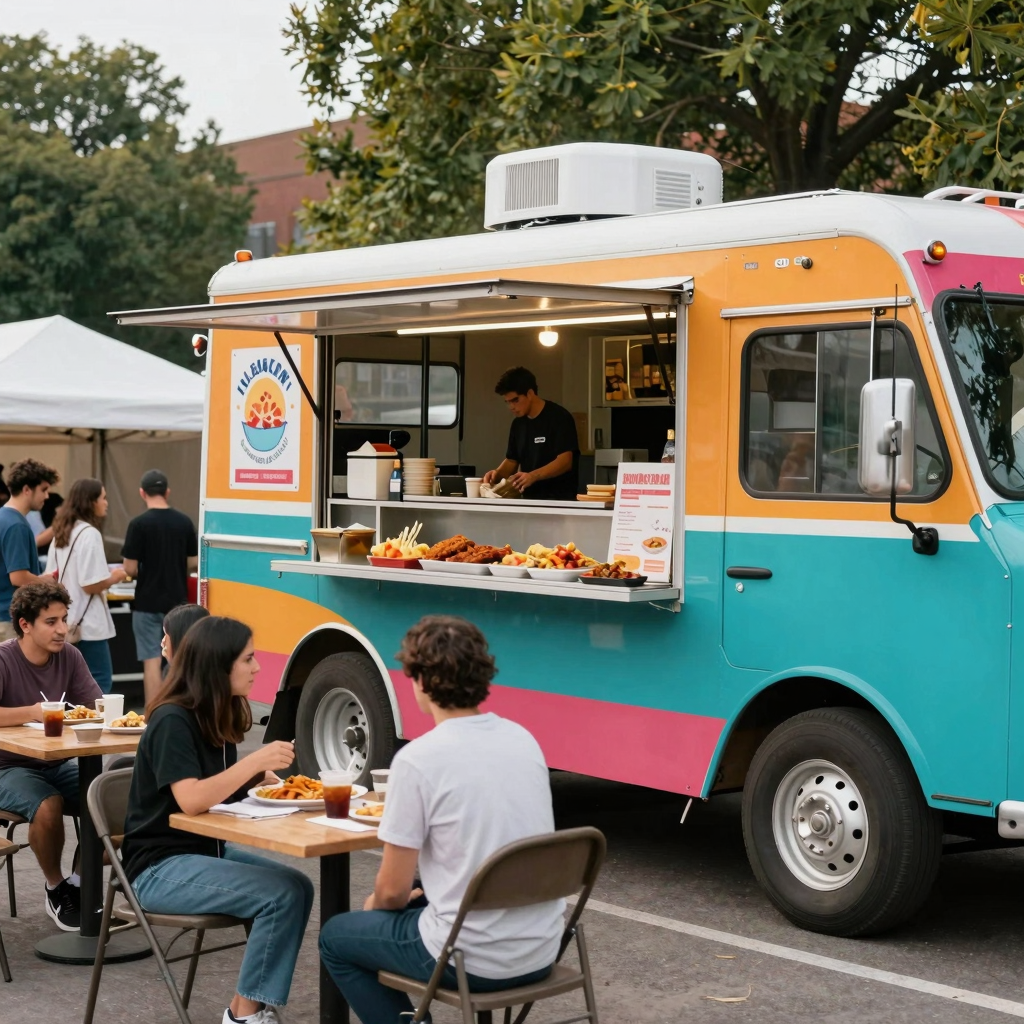
In recent years, food trucks have surged in popularity, becoming iconic symbols of culinary innovation and convenience. These mobile kitchens offer a diverse range of cuisines, transforming ordinary street corners into vibrant food festivals. According to Statista, the food truck industry is projected to reach nearly $1 billion in revenue by 2024, underscoring its significance within the food service sector.
However, while the allure of owning a food truck-accessible startup costs, low overhead, and creative freedom-attracts many aspiring entrepreneurs, the reality is fraught with challenges. From navigating local regulations and managing supply chains to ensuring food safety and marketing effectively, the rewards of running a food truck come hand-in-hand with considerable obstacles. Understanding these dynamics is essential for success in this competitive market. By delving into best practices and industry insights, we can unlock the secrets to thriving in the food truck business.
Essential Equipment for Food Trucks
Starting a food truck business requires careful planning and a significant investment in various equipment to ensure the efficient operation and quality of your offerings. Here is a list of essential equipment you need to consider:
- Cooking Equipment
- Grills (Gas or Electric)
- Fryers
- Ovens
- Stoves
- Refrigeration
- Commercial Refrigerators
- Freezers
- Reach-in Coolers
- Storage Units
- Shelving for Ingredients
- Dry Storage Bins
- Point of Sale Systems
- Mobile POS Systems
- Cash Registers
- Preparation Equipment
- Food Processors
- Mixing Bowls
- Knives and Cutting Boards
- Health and Safety Equipment
- Fire Extinguisher
- First Aid Kit
- Safety Gear
- Cleaning Supplies
- Dishwashers
- Cleaning Chemicals
This equipment list serves as a quick reference for setting up a food truck business successfully. Proper investments in these essential items can enhance operational efficiency and contribute to a rewarding culinary experience. For more insights on operational strategies, understand the future of trucking and reduce losses through effective cargo management.
By equipping your truck with the necessary tools, you’ll set the stage for success in the competitive food truck industry.
Legal Requirements for Food Truck Businesses
Starting a food truck business involves navigating a complex landscape of legal and licensing requirements aimed at ensuring food safety and compliance with health regulations. Below are the key areas food truck operators need to focus on:
1. Business Licensing
To legally operate a food truck, a business must obtain a federal Employer Identification Number (EIN) and secure local business licenses. These licenses are typically issued by city or county authorities and are essential for taxation and compliance.
2. Food Safety Regulations
Food truck operators must follow the FDA Food Code, which outlines essential food safety measures such as:
- Proper food handling and temperature control
- Prevention of cross-contamination
- Regular sanitation and cleanliness standards
Compliance with the Food Safety Modernization Act (FSMA) also requires food trucks to maintain a Hazard Analysis and Critical Control Points (HACCP) plan, ensuring ongoing safe food handling practices.
3. Health Permits and Inspections
Every food truck must acquire a mobile food vendor permit from local health departments, which typically involves passing health inspections. During these inspections, health inspectors will assess food storage temperatures, sanitation practices, and overall food safety compliance.
The lack of compliance can result in hefty fines or the revocation of operational permits.
4. Additional Requirements
In many jurisdictions, food truck operators must also carry liability insurance and adhere to specific zoning laws. It is essential to stay informed about varying state regulations, which can impact where and how food trucks can operate.
For more detailed guidance, visit the National Restaurant Association’s overview of state and local food truck regulations.
Food Truck Business Model Comparison
The food truck industry offers a variety of business models, each leveraging unique strategies to target diverse consumer segments. Below is a comparison of several prominent food truck business models, including factors like startup costs, target markets, and profitability.
| Business Model | Startup Cost (USD) | Target Market | Profitability (Annual Gross Revenue Estimate) | Key Differentiators & Notes |
|---|---|---|---|---|
| Gourmet Food Truck | $75,000 – $120,000 | Urban professionals, foodies | $180,000 – $300,000 | Focuses on high-quality ingredients and unique menu offerings; premium pricing with strong branding at events and urban hotspots. (Source: Gourmet Food Truck Business Insights, 2026) |
| Mobile Vending Truck (Standard) | $50,000 – $90,000 | Commuters, office workers, students | $120,000 – $220,000 | Offers fast meals like sandwiches and snacks; ideal for busy areas. Lower costs but faces higher competition. (Source: Mobile Food Truck For Sale Malaysia Guide, 2026) |
| Niche Market Food Truck | $60,000 – $110,000 | Culturally specific food enthusiasts | $150,000 – $280,000 | Strong brand identity targeting niche audiences; often performs well at cultural events. (Source: Exploring Mobile Chef Food Truck, 2026) |
| Foldable/Bicycle-Powered Food Truck | $3,000 – $8,000 | Pedestrian-heavy areas, local residents | $30,000 – $60,000 | Ultra-portable, ideal for small products; high flexibility with lower overhead. (Source: Understanding Foldable Food Truck, 2026) |
Sources:
- Gourmet Food Truck Business Insights (2026)
- Mobile Food Truck For Sale Malaysia Guide (2026)
- Exploring Mobile Chef Food Truck (2026)
- Understanding Foldable Food Truck (2026)
This comparison serves as a practical guide for potential food truck entrepreneurs evaluating which model aligns best with their objectives and market conditions.
Marketing Strategies for Food Trucks
Operating a successful food truck business requires effective marketing strategies to attract a loyal customer base. Here are some essential tactics that food truck operators can implement:
1. Social Media Marketing
Leveraging social media is crucial for food trucks to showcase their culinary offerings and engage with customers. Platforms like Instagram and TikTok allow food trucks to post vibrant images and videos of their food, share daily location updates, and connect with their audience through stories and live posts. Strategies include:
- Creating visually appealing content to attract followers.
- Utilizing location tags and relevant hashtags to increase visibility.
- Running targeted ads on platforms like Facebook and Google to reach specific demographics.
For further reading on the latest social media tactics, refer to this comprehensive guide.
2. Community Engagement
Building a strong community presence is vital for food trucks. Engaging with local events, festivals, and markets not only increases visibility but fosters a sense of belonging among customers. Effective community engagement strategies include:
- Participating in local farmers’ markets or food festivals, which can attract foot traffic and enhance brand recognition.
- Collaborating with local businesses for cross-promotions, such as offering discounts to customers who show receipts from partnering shops.
- Using loyalty programs and community events to build relationships with customers. As noted in a recent article, successful food trucks often immerse themselves in their local communities to strengthen brand loyalty (National Restaurant Association insights).
3. Promotions and Loyalty Programs
Effective promotional campaigns can drive immediate interest and sales. These can take various forms:
- Offering special discounts or promotions on specific days to encourage repeat business.
- Creating loyalty cards that reward frequent customers with free items or discounts.
- Utilizing holiday-themed promotions to attract crowds during peak seasons.
By combining social media marketing, community engagement, and strategic promotions, food truck operators can effectively attract customers and encourage brand loyalty, positioning themselves for success in a competitive food industry. For more on building long-term customer relationships, check out this article on community engagement.
This section provides an overview of the marketing strategies food truck operators can adopt to enhance their visibility and attract more customers, demonstrating the importance of community and digital engagement in the food truck industry.
Case Studies of Successful Food Trucks
1. Portland Food Truck Digital Success
A Portland-based food truck significantly boosted its sales through strategic digital marketing. According to a case study by Buildora Infotech, the food truck achieved a 60% increase in monthly revenue within six months. This success was attributed to:
- Optimized Social Media Presence: The food truck enhanced its visibility and engagement on platforms like Instagram and Facebook.
- User-Friendly Website: Implementation of online ordering facilitated customer convenience.
- Google Business Profile: Utilizing location-based advertising campaigns helped attract local customers.
The focus on consistent branding and responsiveness to customer engagement proved vital for sustained growth.
2. Edmonton’s Cultural Culinary Connection
An ethnographic study from the University of Alberta highlights how Edmonton food trucks thrive by connecting local culture and cuisine. One specific example included a Middle-Eastern truck that:
- Grew from a single event vendor to a multi-location operation.
- Found success through cultural storytelling, emphasizing traditional recipes and quality ingredients.
This approach fortified its customer base and cultivated community connections, demonstrating that authenticity can be a driver of long-term success.
3. The Egg Food Truck
A breakfast burrito-focused food truck examined in the Urban Food Innovation Journal showcased its unique offerings of customizable, fresh egg burritos. Its success stems from several key elements:
- Open Concept Kitchen: Promoting transparency and boosting customer trust.
- Strong Branding: Vibrant packaging and a consistent theme enhanced recognition.
- Targeted Marketing: By focusing on office workers during lunch hours and participating in local festivals, the truck achieved rapid growth. Efficient inventory management also played a role in sustainability.
Marketing Strategies for Food Trucks
According to an article on Forbes, effective marketing for food trucks includes:
- Predictable Scheduling: Posting a consistent schedule on social media.
- Community Engagement: Leveraging local events helps build loyal customer bases.
- Loyalty Programs: Utilizing digital punch card systems through apps like Square can substantially boost customer retention.
Implementing these strategies can significantly impact a food truck’s success, emphasizing the importance of a well-thought-out marketing approach.
In conclusion, successful food truck operations illustrate diverse paths to growth through innovative marketing, community connection, and authenticity in offerings. Observing these case studies can provide valuable insights for businesses looking to thrive in this competitive sector.
Food Truck Industry Trends Overview
The food truck industry has seen remarkable growth in recent years, projected to continue expanding significantly through 2030. Key factors contributing to this growth include convenience, a shift towards diverse street foods, and increased digital engagement through social media platforms.
Market Growth
According to recent analysis, the global food truck market is projected to grow from USD 2.4 billion in 2024 to USD 3.6 billion by 2030, representing a compound annual growth rate (CAGR) of 6.8%.
Popular Cuisines
As of 2023, the top cuisines in food trucks include:
- Korean fried chicken
- Mexican tacos
- Hawaiian BBQ
- American burgers
- Thai tom yum soup
- Indian curry
- Mediterranean salads
Customer Demographics
Recent studies show that 62% of food truck customers are aged 18-34, with higher spending correlated with income levels; notably, individuals earning over $75,000 are more likely to patronize food trucks, especially those offering innovative menus.
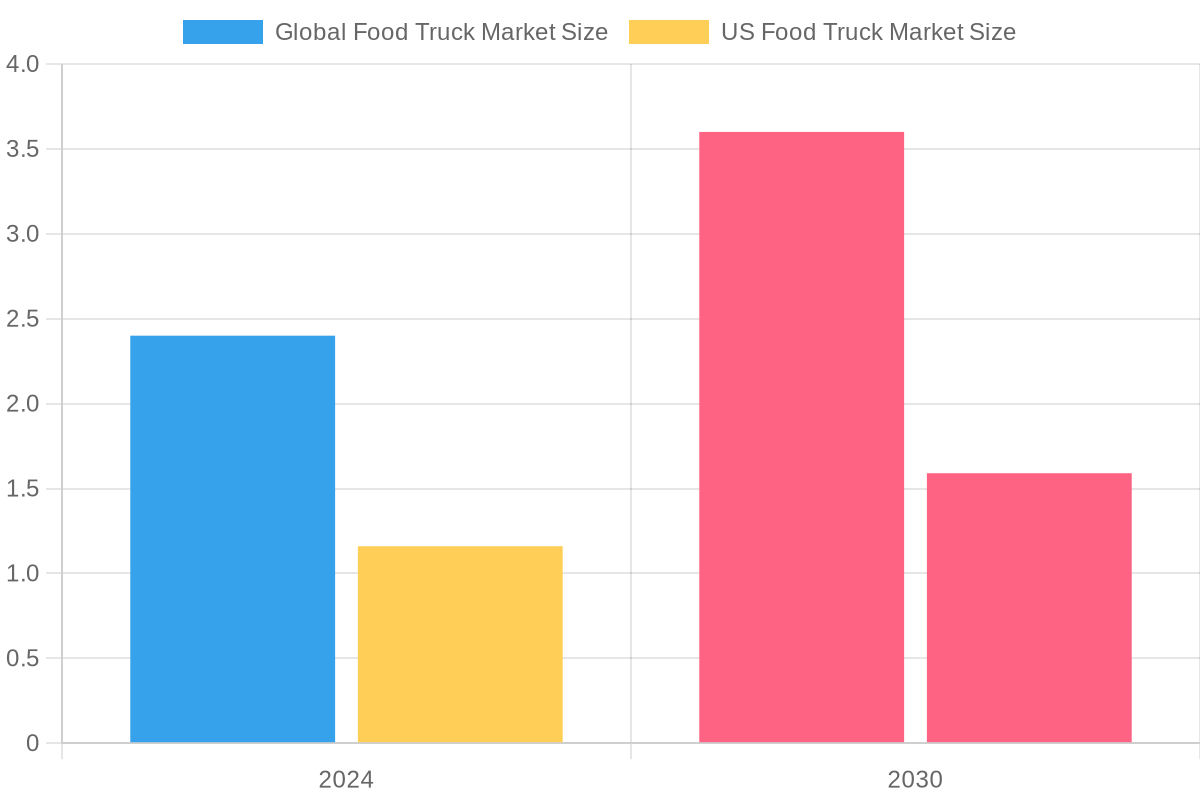
This chart visually represents the growth of the food truck industry and the popular cuisines that are shaping its future. For deeper insights on the food truck market, explore the emerging trends and how to effectively leverage these insights for a successful food truck business.
Start Your Food Truck Journey Today!
As you explore the possibilities within the food truck industry, it’s important to recognize the potential for lucrative business ventures that await you. The food truck market has experienced significant growth in recent years, and with the right strategy, you can carve out your niche alongside many successful entrepreneurs. Whether you are considering a gourmet cuisine concept or localized comfort food, the opportunities are vast and varied.
Imagine serving mouthwatering dishes while operating a flexible business model that adapts to the demands of your customers and the marketplace. With mobile food service, your reach extends beyond traditional brick-and-mortar establishments, allowing you to maximize profits in high-traffic areas.
Let Summit Fairings be your partner on this journey! Providing essential food truck equipment and support, Summit Fairings specializes in innovations that enhance your business operations-from temperature control to efficient storage. Their expert advice and superior products will ensure that you are well-equipped to handle the challenges and opportunities that come your way.
Ready to take the leap into your culinary adventure? Discover how Summit Fairings can empower your food truck business and equip you with the tools you need for a successful launch. Don’t just dream-start planning your food truck journey today!
In conclusion, succeeding in the food truck business requires a blend of thorough preparation, strategic planning, and flexibility in operations. As highlighted, establishing a well-structured business plan is essential; it serves as the backbone for securing funding and guiding daily decisions. Effective marketing strategies, particularly through social media, can drive visibility and customer engagement, while selecting a prime location significantly impacts sales performance. Moreover, adaptability is vital; responding to feedback and modifying the menu based on seasonal trends can enhance customer satisfaction and retention. Notably, statistics indicate that approximately 60% of food trucks achieve profitability in their first year, with a sustained success rate of around 70% by the third year for those who embrace these principles. Therefore, navigating the evolving landscape of the food truck market necessitates an unwavering commitment to innovation and responsiveness to consumer preferences. For further insights, consider exploring our article on business strategy and potential regulatory impacts on your operations.
“The biggest reward isn’t the profit-it’s knowing your food brings joy to strangers.”
- Maria Lopez, Successful Food Truck Owner
Running a food truck business is far from easy. Owners like Maria Lopez know that the challenges can be daunting, from navigating complex permit requirements to dealing with unpredictable weather. However, these obstacles also come with immense rewards. The essence of a food truck business lies in the connection made with customers, the creative freedom it offers, and the joy it brings to the community. Whether it’s through the satisfaction of serving a delicious meal or the excitement of meeting new people, the rewards can outweigh the challenges in meaningful ways.