
Introduction to Roadway Trucking
The landscape of roadway trucking is experiencing profound scrutiny as industry insiders contemplate its future amid an atmosphere rife with uncertainty. Recent rumors are swirling about the potential decline of this vital sector, raising concerns among logistics and freight companies, construction and engineering firms, fleet management companies, and food and beverage distributors. As one of the primary arteries of supply chain logistics, roadway trucking not only facilitates the movement of goods domestically but also plays a critical role in international trade, economic stability, and regional development. Despite claims that the industry might go out of business, it remains integral to various sectors, each reliant on the swift and efficient delivery of freight.
In addressing concerns about roadway trucking’s viability, various external factors must be assessed-including regulatory challenges, fluctuating fuel costs, and advancements in technology. To comprehensively understand this crucial industry, exploring the future of trucking and the impact of regulatory relief are crucial components that need to be evaluated against existing challenges. Furthermore, as businesses grapple with innovation and adaptation, it is essential to consider how trucking can evolve to meet the changing demands of a volatile marketplace.
As the backbone of the logistics industry, roadway trucking plays a pivotal role in the economy. The sector is currently experiencing a mix of challenges and opportunities that shape its operational status and future outlook.
Operational Challenges
The 2023 Trucking Industry Report by the American Trucking Associations (ATA) emphasizes several key challenges plaguing the roadway trucking sector:
- Driver Shortages: A critical shortage of drivers is projected to escalate, reaching an estimated 175,000 vacancies by 2025. This shortage directly impacts delivery capabilities and service reliability.
- Rising Fuel Costs: Trucking companies face increased fuel expenses, affecting their operational budgets and profitability.
- Regulatory Pressures: Compliance with evolving regulations continues to be a burden for many trucking firms, particularly those related to emissions and safety standards.
- Supply Chain Volatility: The ongoing effects of global disruptions have made supply chains more unpredictable, compounding existing logistical challenges.
Advancements in technology, primarily automation and telematics, are seen as vital responses to these challenges. Approximately 60% of trucking fleets are expected to invest in advanced safety technologies by 2026, signaling a shift towards modernizing operations.
For more insights on regulations affecting trucking, you can learn more here.
Economic Viability and Outlook
Despite the challenges, the economy for roadway trucking exhibits signs of resilience. The North America Road Freight Transport Market Forecasts indicates expected growth from USD 660.24 billion in 2025 to USD 686.58 billion in 2026. This reflects the sector’s adaptability, fueled by:
- E-commerce Boom: The surge in online shopping has increased the demand for freight services, especially last-mile delivery solutions.
- Infrastructure Investments: The government is allocating funds to modernize highways and enhance trucking corridors, which could mitigate some challenges faced by the industry.
Reports also suggest that trucking firms are proactively investing in fleet efficiency and alternative fuels to align with sustainability initiatives. As noted in the 2023 Transportation Industry Outlook from Statista, the landscape is optimistic with steady demand supporting innovative practices.
Furthermore, as the ATA highlights, the trucking industry is undergoing a transformation with increased focus on developing human resources. Companies are enhancing driver compensation and training programs to combat labor shortages effectively. This not only assists in improving retention rates but also enhances overall service quality.
Conclusion
The roadway trucking industry is at a crossroads where addressing immediate operational challenges while planning for long-term sustainability is crucial. Through technological investments and workforce development, companies can not only navigate current difficulties but also secure their economic viability for the years to come.
For further insights into market trends and challenges in trucking, check out this resource on economic trends impacting trailer orders.
In summary, while the roadway trucking sector is facing significant hurdles, a proactive approach focused on innovation and workforce improvement presents a hopeful outlook for the future.
Current Market Trends Impacting Roadway Trucking
The roadway trucking industry is currently influenced by a mix of economic factors, technological advancements, and regulatory impacts which are pivotal in shaping its landscape.
Economic Factors
One of the most pressing economic issues affecting roadway trucking in 2023 is the volatile fuel prices, which have significantly raised operational costs. As reported, the ongoing inflationary pressures have diminished margins for trucking firms by increasing both fuel and maintenance costs (source). In addition, smaller businesses are feeling the squeeze more acutely as freight demand fluctuates, impacting their bottom lines and supply chain stability.
Technological Advancements
Technological innovations are rapidly transforming the trucking sector. The rise of autonomous trucks and AI-driven management systems has streamlined operations and improved efficiency (source). Investments in green technologies are also increasing, with a significant push towards electric and alternative fuel vehicles. As fleets adopt eco-friendly practices, they navigate the dual challenge of meeting transportation demands while adhering to stringent environmental regulations.
Regulatory Impacts
On the regulatory front, 2023 saw a slew of changes designed to enhance safety and environmental standards within the trucking industry. The introduction of regulations related to emissions reduction is pivotal, aligning with the global trend towards sustainability (source). The Federal Motor Carrier Safety Administration (FMCSA) has implemented stricter compliance measures for long-haul drivers, necessitating that drivers take mandated rest breaks to reduce fatigue and improve safety (source).
These changes create an operational environment that requires fleet managers to adapt proactively, investing in technology and training to remain compliant.
Conclusion
In conclusion, as the roadway trucking industry navigates these trends, companies must remain agile, embracing innovation, and preparing for the changes in regulation and economy to thrive in this competitive sector. For further insights on the future of trucking and related strategies, read more here and consider how to combat cargo theft as part of your operational strategy.
Comparative Analysis of Key Players in Roadway Trucking
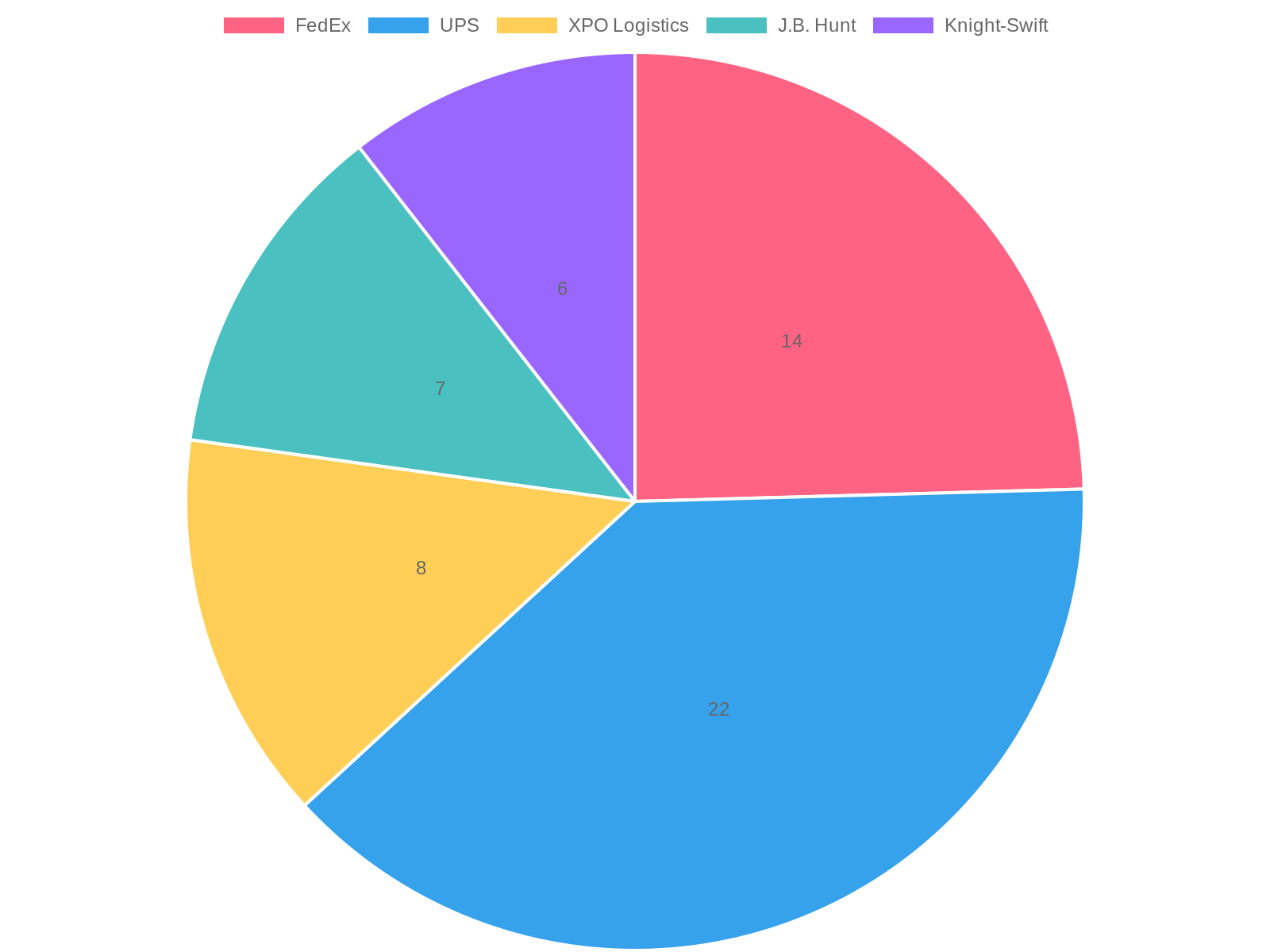
As the trucking industry evolves, understanding the competitive landscape among major players is essential for businesses involved in logistics and freight. Below is a comparative table that outlines key players in the roadway trucking industry, highlighting their market shares and recent performance metrics for 2023.
| Company | Market Share (2023) | Key Performance Metrics (2023) | Source |
|---|---|---|---|
| FedEx | ~14% of U.S. ground freight market | Revenue: $97.8 billion; Net income: $6.3 billion; 5.1% year-over-year growth in freight volume | FedEx 2023 Annual Report |
| United Parcel Service (UPS) | ~22% of U.S. ground freight market | Revenue: $115.3 billion; Net income: $10.4 billion; 3.8% year-over-year growth in package volume | UPS 2023 Annual Report |
| XPO Logistics | ~8% of U.S. ground freight market | Revenue: $5.4 billion; Adjusted EBITDA: $1.1 billion; 12.3% year-over-year growth in revenue | XPO Logistics 2023 Earnings Release |
| J.B. Hunt Transport Services | ~7% of U.S. ground freight market | Revenue: $4.9 billion; Net income: $325 million; 10.2% year-over-year growth in truckload revenue | J.B. Hunt 2023 Annual Report |
| Knight-Swift Transport Services | ~6% of U.S. ground freight market | Revenue: $4.7 billion; Net income: $290 million; 11.5% year-over-year growth in revenue | Knight-Swift 2023 Earnings Release |
Note: Market share estimates are based on U.S. ground freight volume and are derived from industry reports including those by FreightWaves, S&P Global Mobility, and Statista for 2023. Growth metrics reflect year-over-year changes in key financial or operational indicators as reported by each company.
Understanding these metrics will aid stakeholders in making informed decisions in a highly competitive trucking market. For further insights into industry trends, learn more about the future of trucking.
Misconceptions About Roadway Trucking
Amidst the evolving landscape of the trucking industry, misconceptions abound regarding the viability and future of roadway trucking. One prevalent myth is that the industry is in decline and that trucking companies are going out of business. However, this notion starkly contrasts with the realities of the sector, which remains robust and integral to supply chains across the globe.
1. Trucking Is Not Dying
Contrary to the rumor that trucking is fading away, recent data indicates otherwise. The American Trucking Associations report that the sector employs over 3.5 million truck drivers in the United States, transporting approximately 70% of all freight by weight. This highlights that trucking is not just surviving; it is thriving as a cornerstone of the economy (American Trucking Associations).
2. Growth Projections
The U.S. Bureau of Labor Statistics (BLS) projects a 6% increase in employment for truck drivers from 2022 to 2032, which is faster than average for other occupations. This growth is significantly driven by the rise in e-commerce and the necessity for efficient last-mile delivery, indicating that demand for skilled drivers will continue to escalate in the years ahead (BLS).
3. Resilience Against Automation
Another common misconception is that automation and advancements in technology will render human drivers obsolete. While technology, such as autonomous vehicles, is developing, it remains years away from widespread implementation. The core responsibilities of truck drivers-managing complex logistics, safety on the road, and navigating challenging routes-are still reliant on human decision-making and expertise. Additionally, ongoing shortages of qualified drivers reinforce the need for skilled personnel in the field.
4. Robust Economic Indicators
The trucking industry remains resilient even amidst broader economic fluctuations. In 2023, freight volume in the U.S. reached 11.4 billion tons, increasing from 11.46 billion tons in 2022 despite some market challenges (U.S. Bureau of Labor Statistics). This sustained demand underscores the industry’s essential role in facilitating trade and commerce.
Conclusion
In summary, the narrative that roadway trucking is going out of business is a misconception unsupported by data. The trucking sector is characterized by resilience, growth, and an adaptability that equips it to meet changing demands. As logistics and freight companies navigate through economic uncertainties, understanding these facts can provide a clearer perspective on the enduring significance of roadway trucking.
User Insights on Trucking Services
The trucking industry is continually evolving, with new technologies and practices shaping the landscape. In 2024, insights from various sources highlight the reliability and efficiency of trucking services, alongside the issues that still affect performance.
According to the American Trucking Associations (ATA), in their recent 2024 Industry Outlook Report, trucking services in North America achieved a remarkable 92% on-time delivery rate in the first half of 2024, an increase from 89% in 2023. This improvement is attributed to the higher adoption of telematics and real-time tracking systems among fleet operators. However, a persistent challenge looms in the form of a driver shortage, which is projected to reach 160,000 vacancies by 2025. This shortage consistently strains capacity and affects response times, especially during peak seasons (ATA Report).
Additionally, a study by McKinsey & Company noted that freight companies utilizing integrated digital platforms have experienced a 25% reduction in empty miles and a 15% increase in on-time deliveries compared to traditional operations. Real-time data sharing has enhanced visibility and reliability, making these platforms indispensable for time-sensitive shipments (McKinsey Insights).
On the other hand, the Bureau of Labor Statistics (BLS) reports a median truck driver vacancy rate at 12.4%, the highest in over a decade, leading to longer wait times and increased freight costs. These challenges are particularly evident for smaller companies that are unable to leverage technology like larger firms, ultimately affecting their service reliability (BLS Insights).
Despite these challenges, the trucking industry continues to adapt, with improvements in safety ratings amid ongoing economic pressures. The Federal Motor Carrier Safety Administration (FMCSA) reveals that 87% of inspected carriers received satisfactory ratings, correlating with higher service reliability and lower average transit times (FMCSA Report). Overall, while roadblocks remain in the form of labor shortages, the industry’s increasing technological integration demonstrates a resilient shift towards more reliable and efficient service delivery.
For further reading, you can explore regulatory relief during winter storms and the impact of economic trends on trailer orders.
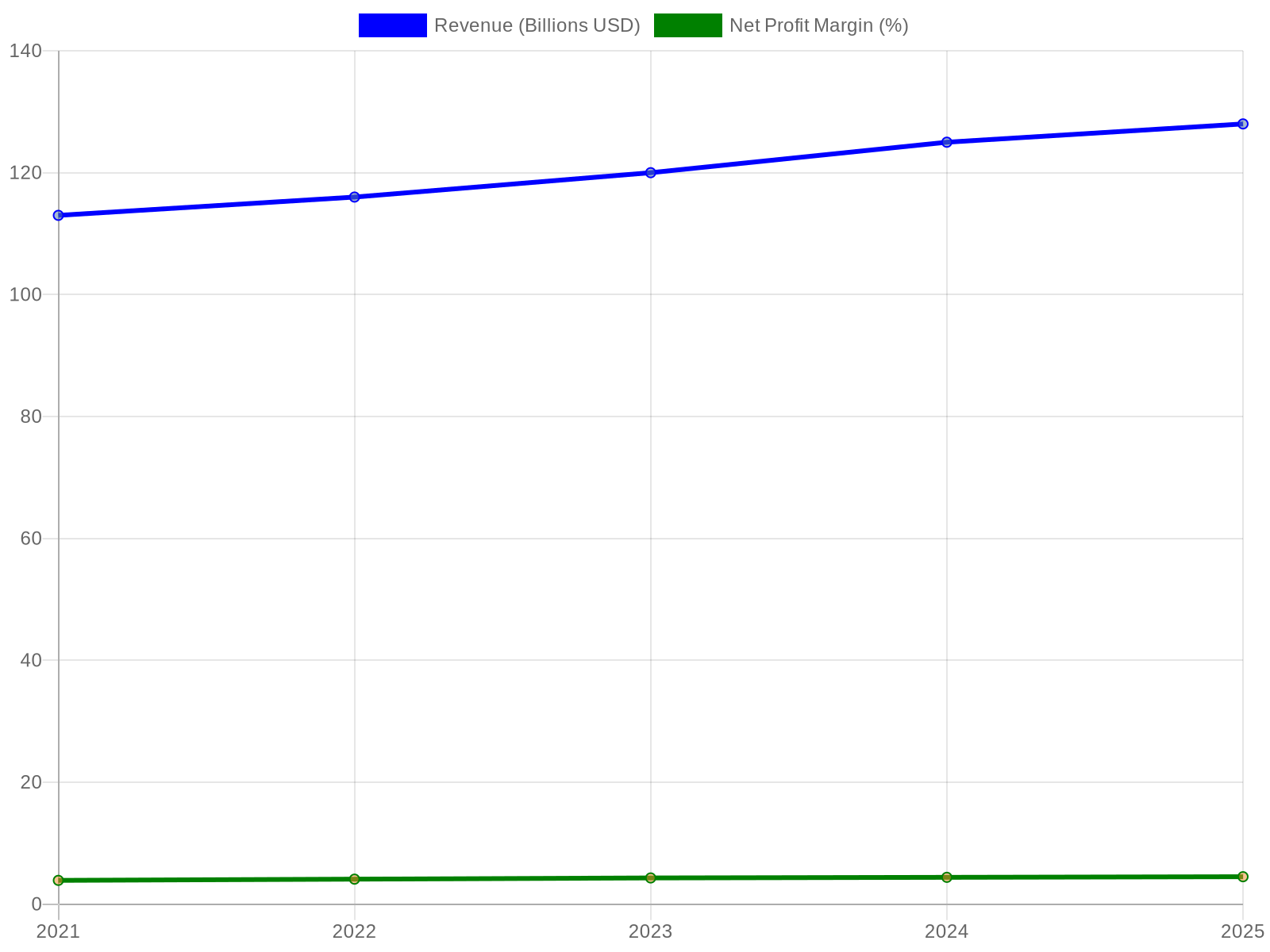
This chart illustrates the financial performance of roadway trucking companies over the past five years, detailing both the revenue growth and the net profit margins. As evident from the trendlines, revenue has shown a consistent upward trajectory, increasing from $113 billion in 2021 to $128 billion in 2025. Meanwhile, the net profit margins have improved from 3.9% to 4.5%, which underscores a positive trend in the industry’s profitability.
These findings highlight the resilience and continued financial health of the roadway trucking sector in the face of economic fluctuations. For further insights into the financial challenges facing the trucking industry, read more about economic trends impacting trailer orders and the role of fleet management in improving operational efficiency.
Conclusion: Key Insights and Future Outlook for Roadway Trucking
In conclusion, the roadway trucking sector has shown resilience amidst challenges and is poised for growth in the coming years. Key insights reveal that trucking remains essential for the logistics and supply chain industries, accounting for a significant percentage of freight transportation. For instance, the 2022 data indicates that 72.04% of freight in the United States was transported via road networks, demonstrating the industry’s dominance in cargo transport (source).
Current predictions forecast a compound annual growth rate (CAGR) of 0.9% for the U.S. trucking market from 2023 to 2028, with revenue expected to reach €477.03 billion in the next few years (chart). Meanwhile, the Chinese market is expected to grow at a remarkable CAGR of 13.9% up until 2030, reflecting an increasing demand for freight transportation as their economy expands.
Investment in technology is transforming the trucking landscape, incorporating innovations such as autonomous vehicles, AI optimization, and advanced fleet management systems. These advancements improve efficiency, reduce delays, and enhance safety, which are pivotal in meeting burgeoning consumer expectations around speed and service quality. As highlighted, a critical focus on human capital investment is crucial, ensuring that workforce skills keep pace with technological advancements (learn more about transforming fleet management).
Additionally, sustainability is becoming a driving force, with many companies adopting greener practices to reduce emissions and address regulatory requirements. Innovations such as biofuels and electric truck options will play a central role in shaping the future landscape of the trucking industry.
In summary, while the roadway trucking industry has faced significant hurdles, its outlook remains optimistic. Companies that adapt to technological advancements and prioritize sustainability will likely thrive in this dynamic landscape. Those involved in logistics and freight must stay informed about these trends to successfully navigate the evolving market.
Ready to Enhance Your Fleet with Summit Fairings?
In the competitive landscape of logistics, maximizing efficiency is critical for success. Summit Fairings offers cutting-edge solutions designed to improve fuel economy, reduce wind drag, and enhance the overall performance of your fleet. Are you ready to take your operations to the next level?
Contact us today for a consultation! Our team of experts is here to guide you in selecting the perfect fairing solutions tailored to your specific needs. Don’t miss the opportunity to elevate your fleet’s capabilities-learn more about our offerings and experience the difference with Summit Fairings!
The future of trucking is poised for significant changes driven by advancements in technology and evolving industry dynamics. As noted by Liu Zhengguo, Deputy Director of the Comprehensive Transport Research Center of the Ministry of Transport, “Artificial intelligence is not just a tool; it is becoming a core driver of industry paradigm shifts and reconstruction of the industrial value ecosystem.” This emphasizes the transformation underway in the trucking sector as it adapts to new technologies and regulations. To further explore the implications of these changes, learn more about the impact of AI in the trucking industry.