
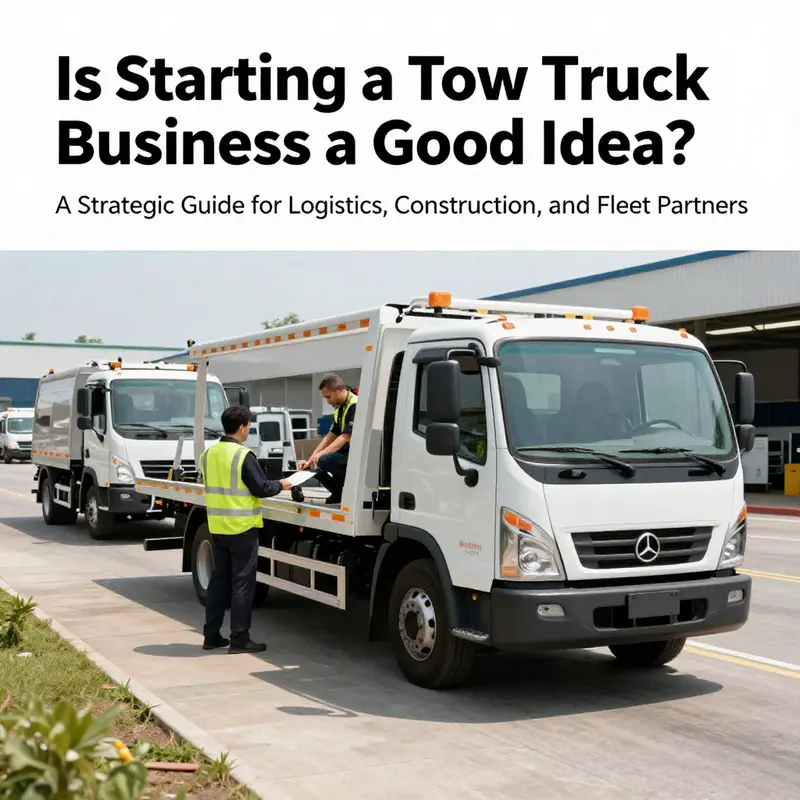
Choosing to start a tow truck business offers a pragmatic entry point into essential transport and roadside assistance services. For logistics and freight companies, construction and engineering firms, fleet managers, and food and beverage distributors, reliable tow and recovery capabilities are a critical support function. Vehicles fail; accidents occur; and fleets require immediate turnaround to protect schedules and safety. A well-structured tow operation can serve as a cost-effective extension of a partner’s logistics chain, delivering emergency recovery, fleet support, and on-call vehicle repositioning. Yet success demands more than quick response times; it requires disciplined market understanding, risk management, and scalable operations. The analysis below investigates whether launching a tow operation is a prudent decision for these audiences and outlines a practical path forward. Readers will learn how to identify demand in a service area, pursue niche partnerships, balance startup costs with realistic profitability, navigate licensing and insurance requirements, invest in dependable equipment and technology, and pursue strategic growth through collaboration. The market remains resilient because downtime affects fleets daily, regulatory expectations persist, and reliability is a core competitive differentiator. The aim is to outline a viable, compliant, and scalable operation that becomes a trusted extension of a partner network. Five core dimensions guide the exploration: market demand and niches; startup costs and profitability; licensing and risk management; operations and technology; and strategic growth and competitive positioning. By translating general tow industry dynamics into concrete actions, operators can make informed decisions about entering the market, differentiating their service, and delivering measurable value to target customers.
Tow Truck Startup Realities: Market Demand, Niches, and a Practical Path to Profit
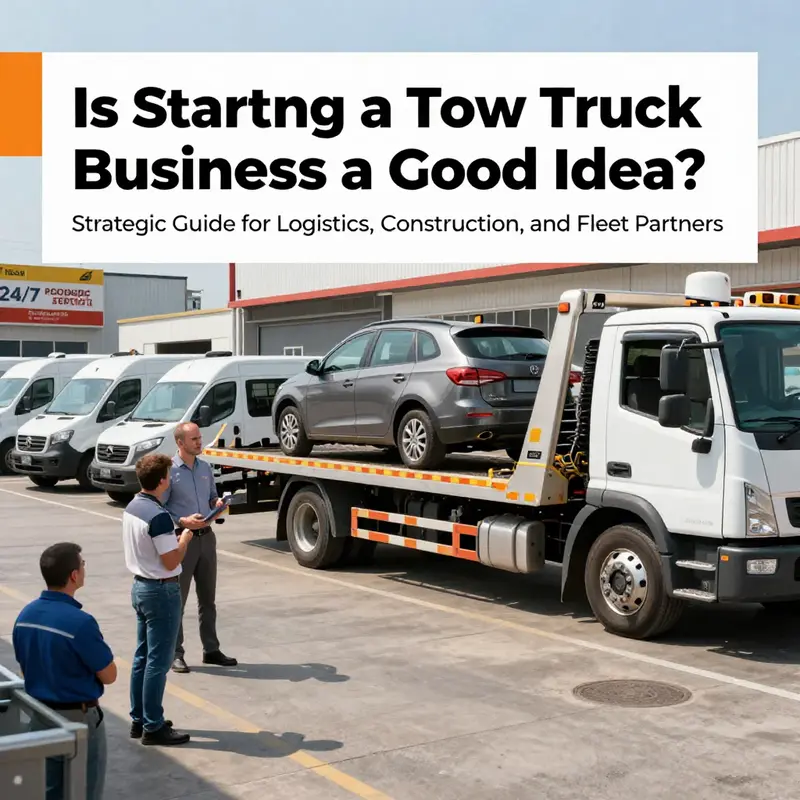
Towing is a service built on reliability and timing. The market can be steady in places with high traffic and dense fleets, but margins hinge on disciplined operations and smart pricing. A new tow business should begin with a clear niche, a reliable process, and a plan to scale without letting the fleet sit idle. In practice, success comes from a combination of dependable dispatch, preventive maintenance, fair pricing, and strong relationships with repair shops, insurance providers, and fleet managers. Growth tends to be steadier in urban cores and corridors with frequent incidents, while rural markets may require broader service offerings or partnerships to maintain utilization.\n\nNiche opportunities help a new entrant differentiate. Specialized towing for luxury or vintage vehicles, eco friendly routing and fuel management, and high-volume coordination for dealerships or event logistics can provide durable margins when paired with professional service. For operators willing to invest in the right equipment, there is room to serve commercial fleets and construction sites that require careful handling and rapid deployment. These capabilities are symbolic of a business that can command premiums for risk management, chain of custody, and speed of response.\n\nThe financial picture demands upfront planning: equipment costs, insurance, licenses, and a cash reserve to weather lulls. Profitability grows when recurring business from shops and fleets becomes the core pipeline, rather than a string of one-off dispatches. Pricing should reflect expenses while delivering value through reliability and transparent communication. Building a business is as much about people and process as it is about trucks; recruiting, training, and a strong dispatch culture translate into higher utilization and better customer outcomes.\n\nFinally, start with a lean, replicable model and validate assumptions with real customers. Use pilot relationships to test pricing, response times, and service quality before expanding. The route from idea to open for business is navigable for the disciplined operator who treats this venture as a lasting service alliance with drivers, shops, and fleets who depend on timely, professional help on the road.
Tow Truck Ventures: Navigating Startup Costs, Pricing, and Realistic Profit Paths
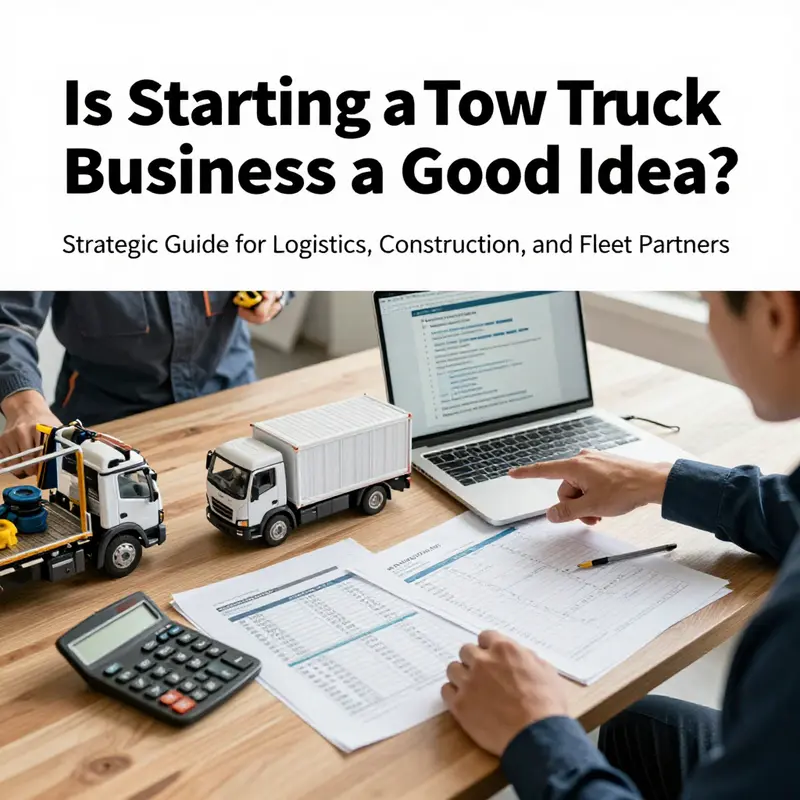
Deciding to start a tow truck business begins with recognizing a simple truth: people break down, drivers encounter mishaps, and vehicles must be moved. That inevitability translates into a steady demand, especially in dense urban corridors, near busy highways, and regions with high traffic volumes. But realism matters as much as resilience. A successful tow operation isn’t born from wishful thinking; it grows from a clear understanding of startup costs, disciplined pricing, and tight operational discipline. The market can be forgiving in some places, yet it doesn’t forgive mispriced services, underinvested insurance coverage, or sloppy maintenance. The balance between demand and profitability rests on choices you make at the outset—what you buy, how you price, and how efficiently you operate.
Startup costs form the first major hurdle. Most newcomers face a choice between buying and leasing, and the difference can determine whether you survive the first year. Purchasing a tow truck outright can demand a substantial cash commitment, often in the tens of thousands for a basic used rig and well beyond for newer, higher-capacity equipment. Leasing, by contrast, can lower upfront barriers and keep cash flowing for other essentials such as insurance, licensing, and marketing. Beyond the truck itself, you’ll need winches, straps, lighting, tow hooks, and safety gear, all of which add to the initial bill. Insurance is not optional but is a critical line item that protects you from lawsuits and medical costs should an incident occur while you’re moving a vehicle. Licenses and permits vary by state, but most jurisdictions require business registration, commercial vehicle endorsements, and appropriate operating credentials. Then there are ongoing costs: fuel, maintenance, periodic inspections, vehicle registration, and a marketing budget to build your local reputation. In this crowded field, every dollar you don’t invest in value-add equipment or efficient processes is a dollar that could become downtime and lost income.
To temper the cash strain, many operators tilt toward leasing high-end equipment or partnering with a trusted rental program that keeps your fleet modern without tying up capital. This approach matters not only for your cash flow but also for reliability and response times. A late-night call to a balky recovery rig or a breakdown on a busy highway can tarnish your reputation quickly; a well-maintained truck stands as a tangible sign of reliability. In addition, you should anticipate the variable costs that accompany long hours, steep hills of insurance premiums in high-risk markets, and the wear and tear on tires and hydraulics. The business thesis behind leasing is straightforward: you trade some ownership upside for more predictable monthly costs and access to newer equipment that reduces downtime and maintenance surprises. The decision should align with your local market’s volume expectations and your plan for growth, whether that means expanding to multiple trucks, branching into fleet services, or offering bundled roadside assistance.
Pricing is the other half of the profitability equation. A practical approach in tow operations hinges on a triad: base fees, mileage or distance charges, and value-added services. The right mix allows you to cover fixed costs—like insurance, licensing, and depreciation—while still remaining competitive. Across many markets, the first mile often carries a substantial portion of the fee, followed by incremental charges for each additional mile, and premiums for specialized tasks such as recovery from off-road terrain, winching heavy vehicles, or transporting to preferred destinations. Competitive pricing is essential, but it must be sustainable. Rates that ignore fuel costs, labor time, and vehicle wear create a drag on margins. In more competitive or high-demand zones, operators successfully differentiate themselves through factors customers value beyond price: rapid response times, 24/7 availability, and the promise of careful, professional handling of a potentially stressful situation.
Industry benchmarks suggest the average tow service fee can range from roughly seventy-five to one hundred fifty dollars for the first mile, with incremental charges thereafter. These figures are guideposts, not absolutes; your local competition, the density of service providers, and whether you offer niche capabilities will push your pricing up or down. More telling than a single quote is the recurring revenue stream you create through repeat customers and cross-selling. Ancillary offerings—such as auto locksmith services, battery jump-starts, or on-site minor repairs—can turn a one-off tow into an ongoing relationship with a repair shop, a dealership, or a commercial fleet. The more you can bundle, the better you can smooth out demand fluctuations that accompany weather events or holiday weekends.
Profitability hinges on volume, efficiency, and prudent cost management. In markets with steady demand and disciplined operations, a well-run tow truck business can achieve net profit margins in the mid-teens to the low thirties. The variance is substantial: location, competition, and the ability to optimize routes and reduce downtime all play a central role. A key lever is operational efficiency. Streamlining dispatch with a responsive system, confirming appointments, and minimizing the time from call to arrival boosts the number of calls you can handle without sacrificing service quality. Digital invoicing and mobile payment acceptance not only shorten cash cycles but also improve transparency for customers and repair partners, fostering repeat business. Diversification helps too. Providing complementary services—like fleet support for local repair shops or emergency roadside assistance for commercial clients—adds predictable revenue and strengthens your bargaining position when negotiating contracts.
A realistic business foundation also means acknowledging the earning potential for owners is not uniform. The U.S. Bureau of Labor Statistics notes a median annual wage around the mid-forties in thousands for tow truck drivers in recent years, but those figures reflect employees, not business owners. Business profitability for operators varies by city, traffic patterns, and efficiency. Location matters: a dense urban core with frequent call volume can sustain a lean, fast, highly organized operation, while rural settings may require longer travel times between calls and more effort to maintain a steady stream of work. The planning horizon matters too. Early profitability often accrues when you lock in recurring business with auto repair shops, municipal contracts for snow or accident response, and fleet servicing agreements with local logistics providers. You don’t have to chase every possible job; you can shape a niche that leverages your strengths, whether that is rapid response, heavy extraction, or a specialty like function-specific recoveries.
This topic naturally intersects with the broader discipline of building a resilient service business. Starting correctly—choosing a legal structure that protects personal assets, setting up simple but solid financial systems, and establishing clear workflows—can save you from costly mistakes later. A robust plan may appear conservative, but it creates the stability needed to scale. The U.S. Small Business Administration offers a detailed roadmap for planning and launching a business, outlining steps that align with the realities of a tow operation: licensing, insurance, equipment strategies, and financial discipline. Reading and reflecting on that guidance can help you convert an idea into a structured, executable plan rather than an uncertain venture.
The human element should not be overlooked. Driving safety, customer service, and professional conduct are recurring determinants of repeat business in a field where trust matters as much as timeliness. This is why many forward-thinking operators treat people as a strategic asset. The link between staffing quality and profitability is not incidental; it’s a lever you can pull to shorten response times, improve the customer experience, and build referrals. For those who are thinking ahead about talent and culture, there is value in exploring a resource that frames people as a core pathway to trucking success. Investing in People: A New Path for Trucking Fleets Echoing this, you’ll want to recruit, train, and empower drivers who can perform under pressure, communicate clearly with customers, and maintain meticulous safety standards. A well-led crew reduces costly errors and elevates your brand in a market where reputation travels fast.
All of these considerations—costs, pricing, and people—combine to determine whether a tow truck startup is a good idea for you. The honest answer is yes, but with a caveat: it works best when you enter with a realistic plan, intentional capital allocation, and a commitment to continuous improvement. If you lean into leasing to manage upfront risk, price strategically without sacrificing service quality, and invest in people and technology to drive efficiency, you can build a sustainable business that grows with demand rather than chasing it. The pathway is clear, but it requires discipline: plan, execute, monitor, and adjust. The chapter you’re reading now is not a victory lap; it’s a map for navigating the terrain where every mile and every call counts. External knowledge confirms what the day-to-day experience of operators suggests—that a tow business can be a solid venture when anchored in thoughtful cost management, disciplined pricing, and a culture of reliability.
External resource: https://www.towtruckbusiness.com/startup-costs-guide
Steering Toward Viability: Licensing, Insurance, and Regulatory Risk in Launching a Tow Truck Venture
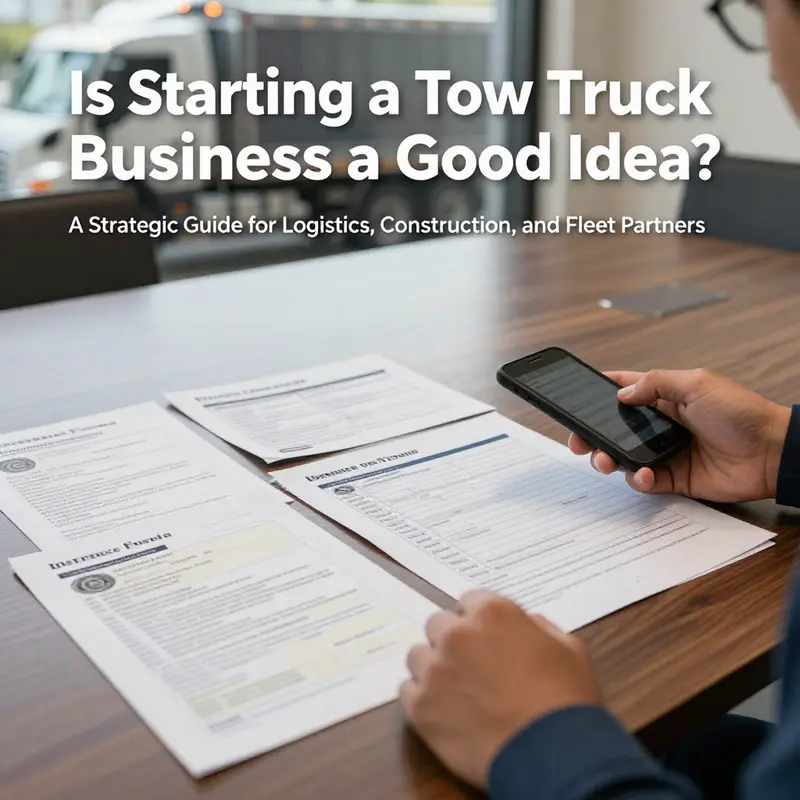
Launching a tow truck business sits at the intersection of opportunity and obligation. The market tends to respond to the basic human needs of aid in breakdowns, accidents, or vehicle relocation, and that predictable demand can be a foundation for a new enterprise. Yet the pathway from an idea to a sustainable operation is paved with regulatory checkpoints, funding decisions, and carefully managed risks. In many regions, including Western Australia, the regulatory framework is actively evolving to balance public safety with business viability. Understanding how licensing, insurance, and compliance fit into a practical plan is not a tedious add-on; it is the compass that keeps a venture from veering into costly noncompliance, insurance gaps, or operational delays that can erode profitability before you punch your first invoice.
One of the earliest considerations for a prospective tow business is licensing. There is ongoing government work to formalize accident towing licensing, a move aimed at increasing accountability and safety in high-stakes operations. The implication is more than a nominal credential; it signals an operator’s ability to meet minimum standards of conduct, financial responsibility, and professional accountability. In some discussions, stakeholders estimate a three-year licensing cycle with renewal costs set around a specific fiscal figure. While the precise fee schedule can shift with policy, the principle remains clear: licensing isn’t merely bureaucratic overhead—it is a benchmark that shapes who can compete, under what conditions, and with what trust from customers and partners.
Beyond the licensing frame, the actual vehicle used to perform towing must be licensed as a tow truck under the prevailing regulations. In WA, the Towing Services Regulations 2025 formalized the obligation for towing vehicles to carry appropriate licensing, effective from the start of 2025. This provision serves multiple purposes: it standardizes safety expectations, clarifies the technical baseline for equipment and operation, and streamlines enforcement by creating common definitions. For a new entrant, this means confirming upfront that every truck in the fleet meets the regulatory bar, not only in capability but in documentation and ongoing compliance status. It also foregrounds a disciplined approach to fleet management, where inspections, maintenance, and licensing become part of daily operations rather than a quarterly checkbox.
In tandem with licensing, the regulatory environment has progressively tightened vehicle standards. As of a 2022 update, WA introduced more stringent technical standards for tow trucks, designed to ensure modern safety features and robust mechanical integrity. Compliance with these standards is a prerequisite for obtaining or renewing a towing vehicle licence. This shift underscores a broader truth for new businesses: capability is not enough. A fleet that performs well in the field must also demonstrate consistent conformity with evolving technical expectations. For owners, that means budgeting for regular inspections, staying ahead of regulatory changes, and cultivating a maintenance discipline that protects both customers and the business’s reputation.
Insurance, meanwhile, is not a standalone precaution but a core structural element of the business model. The WA context emphasizes that risk management should begin with a clear map of coverage aligned to the specific risks of towing work. Public liability and property damage insurance are essential to cover third-party injuries and property damage arising from operations. Employers’ or workers’ compensation insurance is critical for any employed drivers and staff, ensuring that on-the-job injuries do not derail the business financially. If the operation includes in-house repairs or storage services, garage liability or vehicle repair/shop insurance becomes relevant. Motor vehicle insurance follows the fleet, with choices ranging from comprehensive to third-party, depending on how the vehicles are used. For those who relocate or transport customer vehicles, cargo or vehicle transport insurance is prudent. Finally, for any advisory or professional services offered to clients, professional indemnity or errors-and-omissions coverage can protect against claims of negligent advice or misjudgment.
To a new entrant, this matrix can feel dense. Yet the practical takeaway is straightforward: map your risk profile to a layered insurance program that can adapt as the business grows. A broker who understands towing operations can translate unique risks—roadside exposure, on-scene safety, vehicle damage, and customer property risks—into a tailored policy package. In addition, regulatory expectations may require evidence of insurance coverage as part of licensing or renewal processes. Treat insurance not as a cost to minimize but as a strategic risk-control tool that preserves cash flow when incidents occur and supports client confidence when bids and contracts are on the line.
With licensing and insurance in place, the broader discipline of regulatory risk management becomes essential. Practical steps begin with staying current on regulatory developments. The WA framework is living—consultation documents, amendments to the Towing Services Regulations, and new guidance can shift what is required for licencing, vehicle certification, or driver training. Establishing a regulatory watch—whether through formal newsletters, official portals, or regular liaison with industry bodies—helps prevent a late surprise that could halt operations or require expensive retrofits.
Record-keeping is another cornerstone. Maintaining comprehensive licenses, vehicle inspection logs, maintenance records, incident reports, driver training certificates, and insurance policies creates a transparent operational backbone. In the event of an audit or inquiry, a well-organized file can shorten timelines and demonstrate good faith. A formal risk assessment process should be embedded in the business model, with clearly defined incident reporting procedures, corrective action protocols, and post-incident reviews that drive continuous improvement.
Driver and operator training ties directly to safety outcomes and customer experience. Regulated operations depend on staff who understand not only how to handle equipment but how to manage scenes safely, interact with customers under stress, and communicate plainly about timelines and costs. Training investments pay off in fewer on-site incidents, higher on-time service, and better customer trust—an essential early differentiator in a competitive market.
All of this can be distilled into a practical, forward-looking action plan. Start by gaining clarity on the accident towing licensing framework and any associated fee structures. Confirm that the intended fleet is licensed as tow vehicles and that every unit meets current technical standards. Obtain a robust suite of insurance protections aligned to the risk profile and regulatory expectations. Build a regulatory risk management framework that keeps pace with changes, maintains documentation, and trains staff accordingly. Create repeatable compliance processes, including license renewals, vehicle inspections, record-keeping, incident reporting, and periodic internal audits. These steps are not merely compliance tasks; they are the foundation for reliable operations, predictable costs, and durable customer relationships.
To deepen understanding of how regulatory changes are evolving in practice, readers may review up-to-date guidance on the latest regulations—for instance, the resource outlining new regulations for the tow truck industry. This material offers practical context on how shifting standards translate into day-to-day requirements for fleet maintenance, licensing, and safety processes. new regulations for the tow truck industry
For those seeking broader regulatory context beyond state boundaries, the formal consultation on accident towing industry regulation provides a window into the policy considerations shaping licensing frameworks and the potential implications for small operators. The consultation document and related materials discuss how regulators balance safety, accountability, and market accessibility, with a lens toward ensuring operators can meet financial and operational responsibilities. This external resource can help a prospective owner anticipate regulatory shifts and build resilience into the business model. https://www.dpc.wa.gov.au/consultations/accident-towing-industry-regulation
The journey to launch a tow truck business is not a leap into uncertainty if the structure is built around disciplined licensing, comprehensive insurance, and proactive regulatory risk management. When these elements are integrated into the business fabric from day one, the venture becomes better positioned to weather licensing renewals, fleet upgrades, and evolving safety standards. The lessons from WA—where regulation directly intersects with vehicle standards, licensing, and risk—illustrate a broader truth applicable in many markets: success hinges less on chance and more on deliberate preparation that aligns operation with expectations, protects customers and workers, and preserves the enterprise’s financial health over time. That alignment—the ability to deliver reliable service within a defensible regulatory frame—is what ultimately turns an idea into a resilient tow truck business rather than a short-lived venture.
The Road to a Profitable Tow Truck Venture: Mastering Operations, Equipment, Maintenance, and Technology
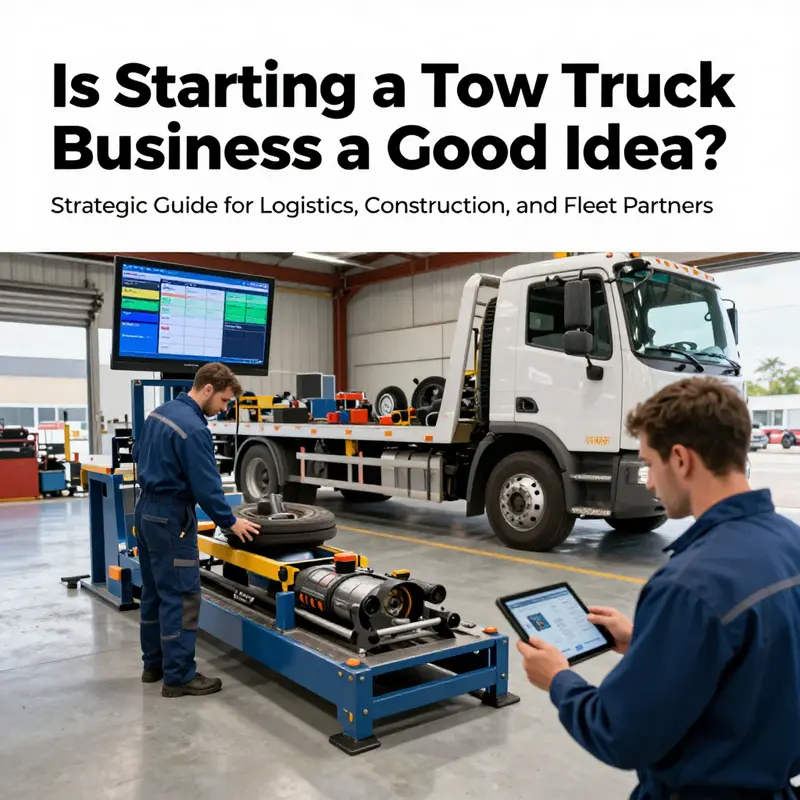
Starting a tow truck business is more than buying a truck and answering calls. It is a small, tightly choreographed system where every decision about who drives, what equipment travels, and how quickly you respond ripples through your costs, your revenue, and your reputation. When you ask whether starting a tow truck business is a good idea, the best answer lies in the execution of day-to-day operations, the strength of your fleet, and the way technology keeps everything moving. The heart of this chapter is not glamour or rapid growth alone; it is the steady, disciplined capability to deliver safe, timely service at predictable costs, even as demand ebbs and flows with weather, holidays, or traffic patterns. A practical vision of operations begins with a clear sense of service scope and ends with a robust, data-informed rhythm that lets you scale without losing control.
Think of operations as the backbone that links every other element of the business. The dispatch model determines how fast you respond and how you allocate your limited fleet across a broad service area. In-house dispatch preserves control and enables tight coordination between drivers and customers, but it requires reliable staffing and strong scheduling processes. Outsourcing dispatch can lower fixed costs, yet it creates a bridge you must manage through clear service level agreements and consistent information sharing. Either approach benefits from a 24/7 mindset, with shift staggering and on-call rosters designed to match peak periods and known liminal times—like Friday evenings or after major storms—when demand spikes. The most effective operations define service areas with travel-time as a guiding metric, set tangible response targets, and maintain a continuous loop between dispatch, field crews, and invoicing so miscommunications never linger.
Service types in towing span light-duty to heavy-duty work, roadside assistance, winching, and sometimes salvage or accident recovery. The more clearly you map these offerings, the better you can align your fleet, pricing, and partner networks. A thoughtful mix helps you manage risk and profitability: light-duty for quick turnarounds and city calls, medium-duty for larger vehicles or more involved recoveries, and heavy-duty for commercial fleets or complex recoveries. Then there is the spectrum of on-site capabilities—lockouts, fuel delivery, jump-starts, winching, and off-road service—that you may offer in bundled packages to auto shops, fleets, or insurer networks. The trick is to stage service lines in a way that you can train staff quickly and measure profitability by job type, not just by the number of tows completed.
Scheduling and routing become most visible where dispatch intersects with real-time road conditions. A queue-based approach helps you distinguish urgent incidents from routine calls, but you must blend this with practical rules for VIP accounts, insured vehicles, and incidents with higher risk. Real-time routing adjustments, driven by traffic and truck availability, keep the fleet efficient without sacrificing safety. A well-integrated back office ensures smooth handoffs between dispatch, operations, and billing. The customer experience hinges on transparent ETA communications, steady status updates, and courteous, professional interactions at the scene. In this book’s framework, you want drivers who represent your brand as much as your equipment, with uniforms or identifiable gear, and with clear guidelines on customer interaction and scene safety.
Safety, risk, and compliance are inseparable from daily operations. Drivers should receive safety onboarding and ongoing refreshers on proper tow techniques, hazard recognition, and PPE use. Documentation trails for each tow—the condition of the vehicle, any damages, photos, and customer signatures—are essential for claims and disputes. Insurance requirements are not optional extras; they are the practical floor that lets you operate with confidence. In practice, a small business owner builds a culture of safety by focusing on fatigue management, reasonable shift lengths, and predictable workloads. This reduces the chances of injuries and expensive downtime, which can otherwise erode margins quickly.
The fleet itself is the engine of your profitability, and the right mix depends on your service area and target customers. Light-duty units, with wheel-lift or hook-and-chain configurations, are ideal for inner-city calls and small cars. Medium-duty trucks with integrated equipment support larger SUVs and small pickups, while heavy-duty configurations handle commercial fleets and larger payloads. Beyond the truck chassis, the gear you carry—winches (electric or hydraulic), stabilizers, dollies, ramps, chains, binders, and extra tie-downs—defines what you can safely recover and how quickly you can complete jobs. On-vehicle equipment like LED scene lighting, power inverters, and onboard diagnostics helps crews diagnose issues on the fly and improve first-attempt success rates. Environmental protection tools—spill kits and absorbents—are not just good practice; they’re increasingly required in many regions and essential for protecting your reputation with clients and communities.
Technology is the force multiplier that turns good intentions into reliable performance. Dispatch and routing software that features real-time GPS, dynamic routing, and integrated invoicing reduces idle time and speeds up collections. Driver apps that enable status updates, photos, signatures, and offline operation keep you resilient even in poor coverage areas. Telematics give you visibility into fuel usage, idling, engine performance, and maintenance needs, enabling proactive maintenance and better budgeting. Onboard technology should extend to customer-facing capabilities: online bookings, ETA updates, and itemized, digital invoices that are easy to share with insurers or fleet clients. Compliance tech, including electronic logging devices where required, helps you stay on the right side of regulations while dashboards keep you honest about hours, workloads, and safety metrics.
A robust maintenance discipline is inseparable from safety and reliability. A formal preventive maintenance schedule—daily checks, weekly or biweekly quick checks, and longer monthly or quarterly inspections—keeps hydraulics, brakes, tires, lights, and winches in good shape. Pre-trip inspections minimize on-scene failures, while post-use and post-incident inspections capture wear and tear that could herald larger problems. Maintenance records become a living history of your fleet, ideally in a CMMS or at least a detailed log, with next-due dates and parts inventories tracked so you never scramble to source a critical component. Building relationships with reliable parts vendors and service shops reduces lead times and downtime, a practical advantage when responding to emergencies. Redundancy planning—backup winches or a secondary recovery kit—ensures you have prepared options if a key asset fails. In the field, having a plan for major failures, including loaner units or mutual aid, can prevent a single breakdown from spiraling into missed commitments.
Technology again shapes how you measure progress and what you do with the data. A fleet management approach that combines ERP-like features with discrete transport tasks lets you watch utilization, maintenance costs per mile, and downtime rates. KPIs should include not just speed of response but the efficiency of your fleet during a shift, customer satisfaction, and financial health indicators such as gross margin by service line and maintenance cost per tow. Clear SOPs and practical templates for dispatch, safety checks, incident reporting, and post-service handoffs anchor this system. Training materials, onboarding for new drivers, and regular refreshers on safety and equipment operation reinforce your standards. As you scale, you will appreciate how the right technology stack reduces manual workload, improves data accuracy, and supports better decision-making without sacrificing human judgment at the scene.
If you’re planning a tow-truck startup, this approach matters as much as the trucks you buy. Map your service area with attention to where you can establish partnerships—auto shops, insurers, fleets, and roadside networks—and start with a lean fleet that matches your expected demand. Invest in a core dispatch/CRM/maintenance platform with mobile capabilities and offline access. Develop SOPs that cover dispatch, safety, and maintenance, and train drivers thoroughly before they operate in the field. Build relationships with insurers and fleet operators so you can access reliable referral streams and predictable work. Create a simple KPI dashboard from day one so you can see response times, utilization, and maintenance status in one place. In the long run, the sustainability of your tow-truck venture rests on the steady discipline of operations, the reliability of your equipment, and the clever application of technology to keep your promises at the scene.
For a deeper, structured path to planning and starting a business, you can consult a well-regarded external resource that outlines step-by-step considerations, including licensing, insurance, and financial systems: https://www.sba.gov/business-guide/plan-your-business/start-a-business. And if you want to explore how leadership and people strategy affect fleet performance, you can read about the case for investing in human capital in fleet management: Transforming Fleet Management: The Case for Investing in Human Capital. This chapter’s emphasis on disciplined operations, careful equipment selection, and purposeful use of technology provides a grounded lens for assessing whether a tow-truck venture is a good idea in your market, not as a speculative leap, but as a calculated, repeatable business model.
null
null
Final thoughts
A tow truck business can be a prudent and resilient choice for enterprise customers when pursued with disciplined planning and scalable systems. Market demand exists across logistics, construction, fleet management, and distribution networks, especially where rapid recovery, on-site support, and reliable fleet repositioning are valued. The most durable paths to profitability combine niche partnerships with careful cost management, robust licensing and insurance protections, and a technology-enabled operational framework. Start by validating demand in your target service area, then align equipment and personnel to serve high-value clients—shippers, construction fleets, and distributor networks—under clear service level commitments. With disciplined execution and continuous improvement, a tow operation can evolve into a trusted extension of partners’ supply chains, delivering measurable value and sustainable growth.