
Mobile ice cream service intersects with logistics and fleet operations in ways traditional storefronts do not. For fleet managers, distribution networks, and food-and-beverage distributors, a profitable ice cream truck venture hinges on asset utilization, route optimization, and agile risk management in a seasonal market. Industry analyses describe a robust growth trajectory for mobile cold-chain retail, with operators expanding through seasonal offerings, premium flavors, and event-based deployments. For construction sites, manufacturing campuses, and urban distribution hubs, mobile vending can monetize idle vehicle capacity and create branded, on-site experiences that boost morale and engagement. This integrated view explores profitability from four interconnected angles: economic viability, day-to-day operations, regulatory and geopolitical considerations, and consumer-driven marketing. Each chapter builds on the last to deliver a holistic framework: begin with economics and margins, advance to routes and scalability, address rules and geopolitics, and finish with marketing, risk controls, and customer insights. The aim is to equip logistics, fleet, and distribution leaders with practical, enterprise-ready guidance for evaluating, launching, or optimizing a mobile ice cream program within a larger fleet strategy.
Profit on Wheels: Navigating Economic Viability, Startup Costs, and Margins in the Ice Cream Truck Business
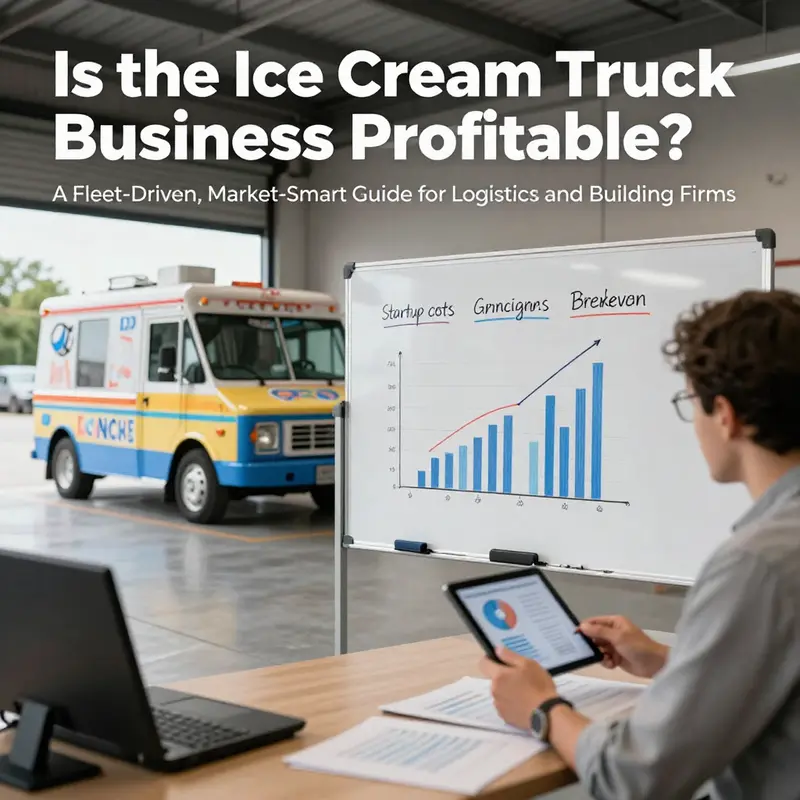
The rise of mobile food services has transformed how people think about dessert, especially in warm seasons when neighborhoods crave a cool, comforting treat. The ice cream truck business sits at the intersection of nostalgia and modern demand for experiential shopping. Market signals point to a robust future: industry estimates describe a growing global ice cream truck segment with revenue measured in the RMB range for 2023 and a projected compound annual growth rate that suggests sustained expansion through the late 2020s. Beyond the regional numbers, the broader ice cream market itself is expected to reach into the tens of billions of dollars in the coming decade, driven by flavor innovation, texture variety, and dietary options that appeal to a wide audience. This chapter examines not just whether the venture can be profitable, but how to structure it for durable margins in a volatile, seasonally influenced marketplace. It is a story of leverage—leveraging low overhead, high throughput, and agile product and location strategies to turn small daily wins into reliable weekly revenue.
Starting small is a common entry point, and the numbers give a practical frame for decision making. Basic mobility can begin with a modest investment, such as a small cart or a handheld unit, often in the low five figures. Yet many operators opt for a more capable electric van or trailer, investing in refrigeration, soft serve capabilities, and a branded presence. The premium equipment frequently costs in the range of twenty thousand to thirty thousand dollars or more, a figure that reflects not only inventory capacity but superior energy efficiency, longer product shelf life, and operational reliability in busy environments. Those costs must be weighed against potential advantages: faster service, larger menus, and the ability to serve at major events with higher per-customer spend. In sum, starting capital matters, but it is the thoughtful blend of equipment, branding, and daily operations that ultimately determines profitability.
Despite the higher upfront, the case for electric or refrigerated mobility is compelling on multiple fronts. First, the ongoing overhead is typically far lower than that of a brick-and-mortar shop. There is no rent in a fixed storefront, no property taxes for a location, and minimal utility overhead when the unit is self-contained. Second, the margins on ice cream products tend to be favorable. Ingredient and production costs often account for a minority share of revenue, leaving a sizable gross margin when sales price is calibrated to the local market. Experience across various operators suggests gross margins in the range of sixty to seventy percent per sale, a healthy band given efficient operations and high-volume throughput. Of course, this hinges on controlled waste, precise portioning, and disciplined inventory management, but the math tends to favor a well-run mobile model where the price point can be adjusted to reflect demand, weather, and event-driven opportunities.
A practical model appears when one runs the numbers on a single serving: if the cost to prepare a treat is modest and the selling price is well above cost, the gross profit can be substantial. For example, a single serving that costs roughly one dollar to produce and sells for around five dollars yields a four-dollar gross profit. If a cart can handle dozens of such transactions in a peak-hour window, the daily gross can add up quickly. The real challenge becomes converting high per-item margins into a steady stream of customers across the day and across the week, with careful attention to weather patterns, location dynamics, and the availability of complementary items such as beverages or light snacks. Diversification often plays a crucial role in sustaining ticket size and profitability. A small assortment of beverages, seasonal specials, or vegan and dairy-free options can attract new customers and encourage repeat visits, especially among households with dietary preferences. Electric models also reduce fuel and maintenance costs over time, creating a favorable long-run cost structure compared with gas-powered configurations.
The profitability equation grows stronger when operators approach their routes and schedules with discipline. A well-planned route minimizes downtime and maximizes exposure to high-traffic segments. Schools, parks, waterfront promenades, festival grounds, and nightlife districts offer predictable upticks in demand during certain hours. Smart planning includes aligning peak service times with when families are most likely to purchase and when weather is favorable. It also means using events as catalysts for growth; local fairs or community gatherings can deliver hundreds of transactions in a single day, delivering a disproportionately large payoff for the hours worked. In this context, marketing becomes a force multiplier. A light-footprint digital presence, supported by socially driven, low-cost campaigns, can drive foot traffic and encourage impulse purchases. A common pattern is to pair a visually compelling truck with approachable, interactive branding that invites people to photograph the setup and share their experience. In such a scenario, viral reach can translate into tangible sales without a correspondingly large ad spend.
The human dimension matters as well. Service quality, speed, and a friendly interaction are not secondary to the product itself in the mobile setting. The best operators view staff training and customer experience as central investments, not afterthoughts. Recognizing that service excellence often translates into repeat business, many leaders place emphasis on training, clear roles during busy periods, and consistent engagement with customers. As an example of the broader industry wisdom, one can find a strong emphasis on people-centric operations in related sectors where mobile service is the core deliverable. For those who want to ground this idea in a practical pattern, consider the philosophy of investing in people as a strategic asset—Investing in people key to trucking’s success. This linkage, while drawn from a different mobile service niche, captures a universal truth: capable, motivated staff elevate the customer experience and shorten the time to profitability.
From a financial planning perspective, the economic viability of the ice cream truck hinges on the balance between fixed investment, variable costs, and revenue generation. Fixed costs are not negligible, particularly when investing in a professional electric van or trailer with robust refrigeration, branding elements, and inventory capacity. However, once the unit is on the road, the incremental cost of serving a customer is relatively small, especially if inventory planning minimizes waste. The variability of seasonal demand requires a plan that leverages peak periods while maintaining a predictable base of revenue during the off-season. In many markets, late spring through early fall constitutes the core selling window, but savvy operators broaden their appeal by offering lighter seasonal items during shoulder months or by aligning with year-round events that occur indoors or in climate-controlled settings.
Another key driver of profitability is the ability to expand beyond a single vehicle. With a second or third unit, operators can cover multiple high-footfall locations, or shift from one event to another, maximizing utilization of staff and equipment. Scaling up creates economies of scale in procurement, maintenance, and branding, but it also increases the importance of standardized processes, disciplined routing, and centralized inventory management. A diversified product mix further supports the bottom line; when a business can pair traditional frozen desserts with beverages, light snacks, or seasonal specialties, the average ticket rises and the risk of slow days declines. The specialized equipment that supports rapid freezing and consistent texture—often a feature of modern electric setups—contributes to reliability, which in turn reinforces customer trust and repeat purchases.
Market dynamics also interact with regulatory and safety considerations. Health and safety requirements, licensing, and insurance are necessary costs that can influence profitability, particularly in new jurisdictions or for operators moving into larger venues. While these costs can be burdensome, they are part of the price of doing business in a field where quality and safety are visible to customers, especially families with children. The more diligently operators comply with local health codes, the more sustainable their revenue becomes over time, since consistent compliance reduces disruption from inspections and closures. Understanding weather contingencies, permit windows, and local event schedules allows operators to pre-book high-potential days and adjust staffing levels accordingly. A well-built calendar, coupled with flexible staff scheduling and inventory plans, helps convert occasional spikes into steady weekly revenue and moves the business closer to break-even in a shorter period.
The economics become even more favorable when one looks at the broader market trajectory. Although the exact RMB revenue figures for 2023 and the precise CAGR through 2029 are placeholders in some reports, the underlying trend is clear: mobile, experiential dessert options are increasingly part of urban food ecosystems. Analysts highlight the ballooning interest in innovative flavors, texture experiences, and dietary-adapted choices, including low-sugar and dairy-free variants, which expand the potential customer base. In addition, a shift toward electric street food carts aligns with sustainability goals that many communities favor, a development that can bolster consumer goodwill and reduce long-run operating costs. All of these factors feed into a more favorable profitability outlook for operators who plan thoughtfully and execute consistently. The combination of low overhead, strong margins, and scalable opportunities explains why many entrepreneurs consider the ice cream truck model an economically viable startup, not merely a nostalgic whim.
There is, of course, risk to manage. Seasonality remains a central reality in many markets, and weather can dramatically alter daily sales. Permitting processes and health regulations can introduce friction that affects planning, especially for first-time operators. Insurance costs rise with fleet size and geographic dispersion. Maintenance per vehicle can accumulate with use, particularly in harsh climates. Yet the prudent operator designs contingency plans: a mix of core revenue days, a portfolio of locations that includes protected venues or indoor settings when feasible, and a product lineup that remains appealing even during less predictable weather. A thoughtful operator also integrates feedback loops, monitoring what items travel best, which locations consistently outperform expectations, and how customer preferences shift with the season. The data from early trials can inform smarter purchasing, more effective marketing, and sharper routing strategies, all of which contribute to shorter payback periods and upgraded profitability.
In pursuing profitability, many operators aim for a brisk early break-even period—often within the first six to twelve months—without sacrificing long-term growth. Achieving this requires meticulous control of initial costs, a robust marketing plan, and disciplined pricing that reflects local demand. The high-margin nature of the core product provides a solid cushion, but it is the combination of quick service, high throughput, and strategic diversification that converts a seasonal spike into a durable revenue stream. As a practical takeaway, operators should view the business as a confluence of three core capabilities: efficient operations that minimize downtime, compelling customer experiences that foster word-of-mouth growth, and adaptable product strategy that remains relevant across seasons and events. When these elements align, the ice cream truck business can be both socially engaging and financially rewarding, offering a scalable path for those who approach it with clear planning, disciplined execution, and a readiness to seize opportunities as they arise.
External resource: https://www.aliexpress.com/w/wholesale-ice-cream-truck.html
Profitable on the Move: Mastering Routes, Seasons, and Scale in the Ice Cream Truck Business
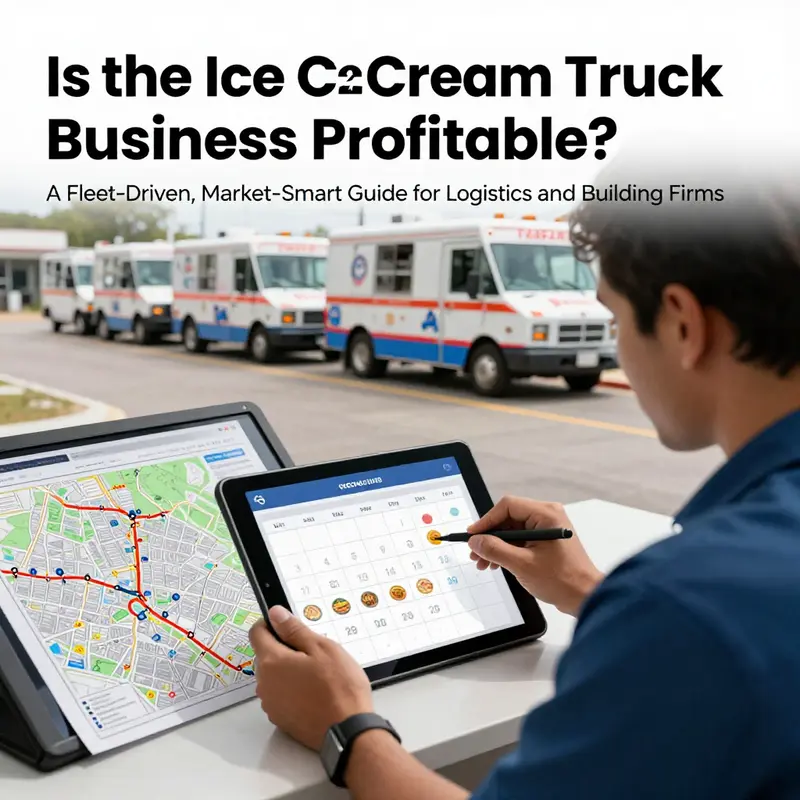
The ice cream truck is more than a nostalgic image on a sunlit street; it is a lean, mobile business that can convert weather, location, and timing into real revenue. When you look at profitability beyond the scoop, you see a model that combines low fixed costs with high product margins, the agility to move to where customers are, and the potential to grow without the overhead of a stationary storefront. The revenue story is compelling: gross margins in this space frequently land in a range that allows a disciplined operator to reinvest quickly in better equipment, better routes, and better menus. In many markets, the combination of affordable startup costs, minimal staffing needs, and the premium pricing power that comes from convenience and novelty translates into a tangible path to profitability. Industry observations point to a mobile dessert niche that not only holds steady demand but is enlarging with new flavors, dietary options, and experiences that make a late-afternoon treat feel like a small celebration. This growth, paired with a strategy that leans into localization and branding, helps explain why some operators can reach meaningful monthly profits during peak season while maintaining leverage during slower months through smart planning and diversification.
Profitability rests on several intersecting forces. First is the cost side. A mobile model avoids the heavy lease and utility burdens of a brick-and-mortar store. You invest in a reliable, well-insulated vehicle and a solid refrigeration system, but you don’t pay a fixed rent every month. In practice, this translates into a higher contribution margin per sale, especially when you can turn over more customers per hour through quick service and efficient lines. Second is the revenue architecture. Ice cream remains high in perceived value, and consumers often respond to a blend of quality, novelty, and convenience. The result is a healthy ability to price premium items for special occasions, neighborhood events, or seasons when demand spikes. Third is the operational discipline that keeps profits intact. Efficient inventory, waste control, and a predictable service cadence enable you to maintain a strong gross margin even as costs rise. In aggregate, early-stage operators commonly see gross margins in the 60% to 75% range after ingredients and packaging, with net margins that can fall in the 20% to 40% band as you scale or temper seasonality.
Even those headline figures need grounding in practical planning. The upfront investment can vary widely, typically from roughly 20,000 to 35,000 for a basic setup, with higher-end or multi-product configurations pushing beyond that. The choice of vehicle matters as well. A traditional ice cream truck or van is cheaper upfront but may incur higher fuel and maintenance costs over time, whereas an electric or hybrid model often carries a larger initial price tag yet delivers lower operating costs and greater appeal in markets with sustainability ambitions. For many operators, the most critical early decision is to design a compact, reliable system that can be scaled. A single truck can prove the concept, establish a routine, and demonstrate demand in a defined area before a broader rollout. As you prove a concept, you unlock opportunities to diversify offerings, from soft serve to frozen yogurt, dairy-free options, or seasonal specials that reflect local preferences. This diversification strengthens revenue resilience and helps smooth cash flow across a year that is never uniformly busy.
Operational excellence forms the backbone of profitability. The daily rhythm centers on dependable equipment, consistent quality, and strict hygiene. Equipment selection should emphasize reliability and efficiency; modern street carts and vans that use energy-efficient refrigeration help reduce both fuel and maintenance costs over the vehicle’s life. Inventory management must balance variety with predictability. A FIFO system minimizes waste, and a well-curated menu with a few standout items reduces spoilage and simplifies staff training. Speaking of staff, even a modest operation benefits from clear roles and a predictable service script. Training in hygiene, food handling, and customer service sustains repeat business, and a lean staffing model keeps labor costs in check while preserving the personal touch customers expect from a neighborhood ice cream vendor.
Permits and compliance occupy a steady share of administrative energy. Most cities require a combination of mobile food vendor permits, health department certifications, and business registrations. Digital tracking for food safety is increasingly common, and staying ahead of regulatory changes reduces the risk of disruptions that can erode margins. Technology, too, plays a decisive role. A dependable POS system enables real-time sales tracking, inventory visibility, and customer data collection that informs promotions and route adjustments. Those data-driven capabilities are not merely administrative luxuries; they are strategic tools that reveal which products resonate in which venues, how price points shift with crowd size, and when to pivot if a route stops performing.
Route planning is the craft that elevates profitability from a good idea to a reliable business. The core goal is to position the truck where demand is highest with minimal competition and easy access. Schools, parks, festivals, and farmers markets are obvious anchors, but the best routes also consider the subtle flow of foot traffic—lunch breaks near office clusters, weekend activity around recreation centers, or the after-hours momentum at apartment complexes. A thoughtful route plan uses a combination of mapping tools, local event calendars, and a willingness to adjust on the fly. Data-backed route optimization yields tangible results. In dense neighborhoods, a table turn that sustains a dozen satisfied customers per hour is a direct contributor to daily revenue during peak windows. A practical discipline emerges: align arrival times with school dismissal, festival schedules, and park peak hours; then adapt to weather shifts that push people outdoors or indoors. Weather is a powerful but fickle factor; a light shower can plunge foot traffic, while a sunny stretch can unleash spontaneous lines. Understanding this dance between climate and crowd is a real source of profitability if managed with flexibility rather than rigid adherence to a preplanned route.
The human element in route optimization cannot be overstated. A well-trained operator who understands the local rhythm can read a neighborhood’s mood and adjust the plan without sacrificing efficiency. This is where investing in people pays dividends. It is not enough to hire good servers; you need a team that can handle peak demand, adapt to unexpected events, and maintain presentation and hygiene standards. For operators looking to scale, this is also where a broader talent strategy matters. Hiring practices that emphasize reliability, customer engagement, and safety create a foundation for growth. If you are considering long-term scalability, you should think about how to replicate that success across multiple routes. A scalable system means more than simply adding trucks; it means standardizing training, menus, and service rituals so that a new truck can hit the ground running with the same level of performance.
To link these ideas to a broader strategic mindset, consider the value of an integrated people strategy alongside fleet and route management. The human element is not a cost to be minimized but an asset to be grown. When you treat your team like partners and invest in their development, you gain reliability, better service, and more consistent revenue. This perspective aligns with the idea that mobility and service quality are the primary levers of profit in a mobile dessert business. It also dovetails with the concept that scaling is not merely about more trucks, but about more efficient operations, more repeat customers, and more compelling offerings.
Seasonality is the other side of the profitability equation. In warm climates or peak northern summers, the business can thrive on a steady rhythm of high-volume days. In shoulder seasons or colder months, the same business can struggle if the menu and the schedule stay static. A prudent operator builds a winter-ready game plan that reduces the risk of cash flow gaps. Diversification of offerings is a practical hedge against seasonality. Consider adding hot beverages, seasonal flavors, or dairy-free options that broaden appeal and extend the selling window. Some operators also introduce subscription-like arrangements or seasonal loyalty programs that reward repeat visits, smoothing revenue across the year. Even a modest customer base, when nurtured through loyalty, can produce meaningful lift in off-peak months because it converts occasional buyers into predictable revenue streams.
In truth, the path to profitability is a balancing act. It requires disciplined cost control, a steady stream of high-demand locations, and a menu that resonates with local tastes and preferences. It also asks for a willingness to innovate—the kind of innovation that blends flavor, presentation, and convenience into a memorable experience. A well-executed seasonal strategy might feature pumpkin spice soft serve in fall, mint chip in spring, or a dairy-free option that appeals to dietary restrictions without diluting the core brand. Each new item is not just a potential upsell but a signal to customers that the truck is an evolving, responsive venture rather than a fixed routine. In this way, seasonality becomes not a constraint but a creative engine for profitability.
As you contemplate growth, the scalability question comes into sharper focus. A single truck can be a proving ground, but scaling is where profitability becomes a sustainable trajectory. Fleet expansion, brand licensing, and product line extensions are all viable routes, and they share a common thread: a repeatable, high-quality customer experience. When you replicate the core operational model—efficient service, consistent quality, clear hygiene standards, and well-planned routes—you create a framework that other operators can follow. The result is a predictable, scalable business that can extend its reach into new neighborhoods, campuses, and events. In this light, the ice cream truck business is less a single venture than a platform for a small ecosystem of mobile dessert experiences, each reinforcing the others and contributing to a larger, durable revenue stream.
The narrative of profitability in this space is not just about price per scoop or the number of events you can attend. It is about combining the right vehicle, the right routes, the right seasonal approach, and the right people into a cohesive operation. When those elements align, the ice cream truck becomes a deliberate business choice rather than a spontaneous whim. The concept is simple in essence: deliver joy, efficiently, where demand meets opportunity. The execution, however, demands attention to cost discipline, route intelligence, and a willingness to adapt as markets and tastes evolve. In that sense, profitability is less about chasing a singular boom and more about orchestrating a reliable cadence of sales, backed by a logistics mindset and a customer-centric approach.
For operators seeking a practical nudge toward the next stage of growth, consider how your human capital strategy can parallel your fleet strategy. The value of people—in training, engagement, and retention—can amplify the impact of every mile you drive, every route you optimize, and every flavor you launch. If you want a concise articulation of this approach, you can explore deeper discussions on investing in people as a critical driver of trucking and mobile service success, including considerations that apply across mobile food concepts. Investing in People: Key to Trucking’s Success
In sum, ice cream trucks can be profitable when profitability is pursued as a system rather than as a series of isolated decisions. The margin is not a lucky outcome; it is the fruit of disciplined cost management, strategic routing, seasonally attuned offerings, and scalable frameworks that can be replicated across neighborhoods and events. The future of this business line looks bright, especially as communities continue to seek flexible, experience-driven food options and as electric and energy-efficient vehicles reduce operating expenses over time. The sweet spot lies in balancing a compelling product with streamlined operations, and in recognizing that each successful route is a small, repeatable victory on the path to a larger, sustainable business.
External reference: for a broader industry context on margins and profitability in mobile and delivery-focused food businesses, see https://www.foodserviceequipment.com/articles/mobile-food-vendors-profit-margins-2025
Profit in Motion: Navigating Regulations, Markets, and Margins in the Ice Cream Truck Venture
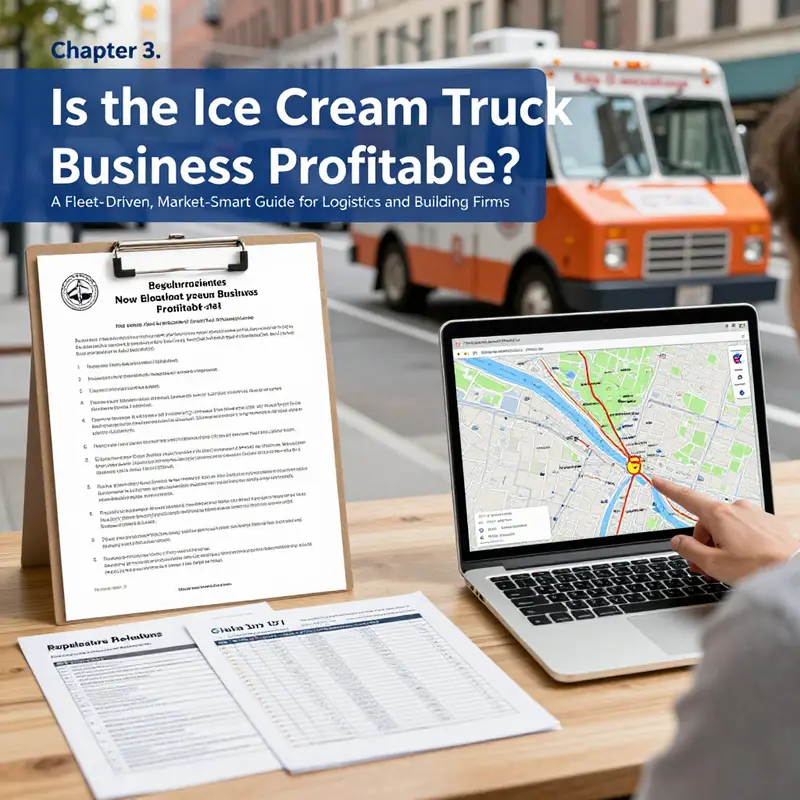
A moving ice cream shop has a rhythm all its own. It rides the pulse of neighborhoods, parks, festivals, and uneventful summer Saturdays alike. In that rhythm lies both opportunity and risk. The business model plays to its strengths when execution is tight, when the operator understands that profitability comes not only from price and volume but from disciplined compliance, smart location strategy, and an adaptive product lineup. This chapter treats profitability as a composite scorecard rather than a single number. It asks not just, Can an ice cream truck make money? but How can a mobile unit consistently generate cash flow while navigating licenses, health rules, and geopolitical shifts that shape costs and demand? The throughline is straightforward: with careful planning, an ice cream truck can be profitable, yet success depends on balancing operational efficiency with rigorous regulatory adherence, using market signals to steer location and product decisions, and building a brand that thrives on flexibility rather than rigidity.
Profitability begins with the fundamentals of cost discipline and revenue management. The truck format offers a leaner starting line than a brick-and-mortar shop. There is no rent to pay for a storefront, and the vehicle itself is both asset and platform. The cost structure tends to be lower on the front end, especially if the operator sources equipment smartly, leverages seasonal or rotating menus, and keeps maintenance costs predictable. Ingredient costs remain a constant thread in the margin story. Ice cream, by design, typically enjoys a favorable gross margin because ingredients are inexpensive relative to retail price. Yet margins are not guaranteed. They hinge on controlling spoilage, reducing waste, and pricing offerings to reflect quality, novelty, and perceived value. A flexible menu helps preserve margins during slower days and in cooler weather, while premium options—artisan flavors, dairy-free or vegan varieties, or seasonal specialties—can command higher prices when the audience is receptive. In many markets, a well-run truck can convert a steady stream of customers into repeat business through social proof, loyalty programs, and quick, friendly service. The operating tempo matters as much as the flavor profile.
Regulatory and legal considerations form the backbone of any profitability assessment. The truck must wear a compliance shield that protects versus fines, shutdowns, and reputational harm. Licensing and permits often come in layers: a general business license, a food handler’s permit, a mobile food vendor permit, and possibly a health department approval for the specific truck and its equipment. The rules vary from city to city and county to county, so successful operators treat the regulatory map as a living document. The compliance equation extends to health and safety: refrigeration maintenance, clean storage, temperature logs, and sanitation practices must satisfy local health departments. Regular inspections are common, and failing to pass them can interrupt operations just when demand spikes. These checks are not merely bureaucratic hurdles; they are protections against incidents that could undermine consumer trust and, by extension, future profitability.
Zoning and operating restrictions present another layer of complexity. Some municipalities restrict where a mobile vendor may park, how long it may stay, and whether it can operate near certain venues such as schools during peak hours. In residential zones, special permits may be required, or there may be outright prohibitions. The practical consequence is that location strategy must be informed by the regulatory landscape as much as by foot traffic data. Operators who neglect this often face costly relocations, fines, or gear removal—factors that can erase weeks of revenue. Insurance is not optional; it is a cornerstone of risk management. A robust policy helps cover potential accidents, foodborne illness claims, or property damage involving the vehicle or equipment. Given the potential exposure in a crowded market—crowds, weather, and the unpredictability of events—adequate coverage translates directly into more assured cash flow and better financing terms for expansion.
Geopolitical and market considerations, while less direct than local codes, still shape profitability in meaningful ways. Global supply chains can influence the price and availability of ingredients, packaging, and even refrigeration equipment. Inflation can press on operating costs, particularly energy prices needed to run freezers and generators. For operators who run their trucks in areas with ambitious climate or energy policies, incentives for electric powertrains or energy-efficient equipment may tilt the cost of ownership in a favorable direction. In addition, consumer preferences can shift quickly. The growing demand for sustainable, ethically produced foods, and for dietary options such as dairy-free or low-sugar products, pushes operators to diversify while maintaining margins. The trend toward experiential, personalized service favors operators who can deliver quick, customized options—often at premium price points—that still respect a disciplined cost structure.
Seasonality is another geopolitical and market factor that must be tracked with care. In temperate climates, summer peaks can generate strong cash flow, but winter months demand resilience. One practical strategy is to balance core, high-margin staples with seasonal or location-specific specials. A pumpkin-spice blend in autumn, a tangy sorbet for hot days, or a vegan option that aligns with dietary trends can help maintain steady sales across seasons. The ability to adapt quickly—adding or removing flavors, adjusting portion sizes, or offering mini-toppings and combos—preserves the velocity of sales and protects margins when demand softens. The digital dimension becomes critical here. Mobile vendors who deploy simple loyalty programs, photo-worthy presentations, and social media updates can cultivate repeat customers and extend the life cycle of each location, each event, and each route. In the best cases, social media acts as a cost-effective marketing engine that multiplies foot traffic by turning satisfied customers into ambassadors. A growing body of practitioners demonstrates that the most successful operators are not the ones who sell the most ice cream, but the ones who manage the flow of customers most efficiently while keeping costs in check.
From a profitability standpoint, the 2025 landscape shows that pilots in dense urban and suburban hubs can produce meaningful after-expense profits. Real-world operators report a range of monthly profits that reflects location, event mix, and discipline in cost control. Where traffic is abundant and operational routines tight, profits after expenses may land in the several-thousand-dollar zone. The exact numbers vary, but the trend is clear: the mobile format can deliver consistent cash flow when the driver treats the truck as a nimble retail platform rather than a passive vending operation. Profitability scales with capability. Operators who diversify by offering seasonal items or specialty options—such as vegan alternatives that attract a broad segment of health-conscious consumers—tend to sustain revenue when weather or school calendars slow ordinary sales.
One practical pathway to profitability lies in location strategy married to event-based opportunities. Parks, marinas, stadiums, farmer’s markets, music festivals, and street fairs are not just revenue sources; they are risk-mitigation mechanisms. By pursuing a mix of high-foot-traffic venues and a schedule that aligns with local calendars, an operator can smooth revenue swings. The more predictable the revenue profile, the easier it is to forecast cash flow, scale operations, and plan for peak seasons. Yet this approach demands disciplined logistics: reliable scheduling, timely vehicle upkeep, an efficient service line, and a menu that can be rotated without losing brand identity.
To translate these operating principles into a coherent practice, consider a framework that links compliance, cost discipline, and market responsiveness. Start with a fixed regulatory baseline—lists of required permits, health standards, and insurance coverage. Then layer in a cost map: vehicle maintenance, refrigeration energy, ingredients, packaging, labor, and permit fees. The next layer is a demand map: the most profitable locations, the propensity for seasonal flavors, and the readiness of customers to pay premium for unique offerings. The capstone is an adaptive menu: core classics that guarantee steady cash flow, supplemented by limited-time flavors and dietary options that command higher margins. When this framework is in place, profitability becomes less a matter of luck and more a function of disciplined operations and strategic choices.
In this context, a single, simple fact helps anchor expectations: the business can be highly profitable, but only if the owner commits to compliance as a core value, not as a perfunctory obligation. The risk of noncompliance is not merely a fine or a shutdown; it is the erosion of trust, which is the currency of repeat business in a market that prizes personal connection and social proof. The best operators treat health and safety as a competitive advantage. Clean trucks attract customers; reliable service earns loyalty; and consistent adherence to rules creates a stable operating environment that can sustain growth into future seasons and even into expansion. A credible regulatory posture also supports financing and investment activity. Lenders and insurers are more likely to support a business that demonstrates proactive risk management and transparent operational practices.
To connect these threads to practical action, consider a brief roadmap that can help validate profitability in new markets. First, map local licensing requirements and insurance needs meticulously, recognizing that a city’s code may be stricter than neighboring jurisdictions. Second, build a cost control regimen that tracks waste, spoilage, and energy use. Third, design a flexible menu with a core set of budget-friendly items and a rotating selection of premium options to test demand without committing to expensive inventory. Fourth, curate a marketing approach that blends word-of-mouth with digital channels, scheduling posts around events and seasonal promotions. Fifth, maintain a strong compliance culture by keeping records of maintenance, temperature logs, and cleaning schedules. Each element reinforces profitability by reducing the probability of disruptive events and by sustaining consistent customer experiences.
As a practical point of reference, many operators looking for deeper insights into how large, regulated mobile enterprises manage similar compliance complexities turn to cross-industry studies of mobile services, which illuminate best practices for licensing, inspections, and risk management in high-traffic, time-sensitive environments. A pragmatic window into how regulators shape mobile service operations can be found at regulatory-relief-winter-storms-trucking. This cross-pollination underscores a broader lesson: the core discipline of mobile commerce is transferable. The more a venture treats restrictions as a solvable puzzle rather than a barrier, the more resilient its profitability becomes.
Finally, the profitability story of the ice cream truck is not solely about dollars and cents. It is about the creativity to offer experiences that align with consumer values, the flexibility to move toward high-traffic venues, and the discipline to operate safely, legally, and sustainably. The sector’s growth dynamic—driven by flavor innovation, dietary adaptability, and the social allure of a friendly, mobile treat—creates an ecosystem where well-run trucks can thrive. But the path to that thriving state is paved with careful planning and strict compliance. It requires the operator to see the truck not as a stand-alone business but as a mobile storefront whose success rests on the seamless integration of three things: regulatory clarity, cost discipline, and market responsiveness. When those elements converge, profitability does not emerge by chance; it grows through deliberate, consistent execution.
External resource: Grace Holden’s in-depth examination of mobile soft serve truck standards offers a comprehensive set of hygiene, equipment, and operational guidelines that illuminate the practical side of mobile food service in regulated environments. https://www.graceholden.com/insights/mobile-soft-serve-ice-cream-truck-standards
Riding the Sweet Margin: Profitability, Mobility, and the Modern Ice-Cream Truck Opportunity
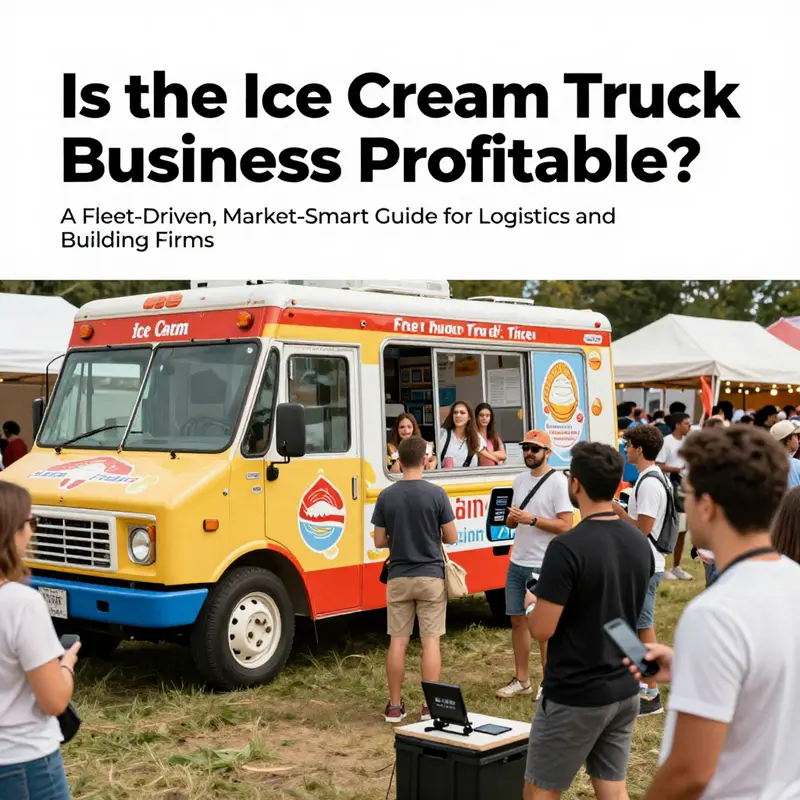
Profitability in the ice-cream truck arena is less about a single recipe and more about a well-woven business model that blends mobility, experiential charm, and disciplined operations. In today’s marketplace, where consumers increasingly seek quick, joyful bursts of flavor paired with convenience and personalization, the mobile dessert concept has transformed from a nostalgic novelty into a resilient, scalable enterprise. The core logic is straightforward: low overhead, flexible location strategy, and the ability to capture high-value moments with a product that can be both premium and accessible. When these elements align with thoughtful marketing and risk management, the mobile unit can deliver meaningful margins and steady growth, even as weather and seasonal cycles rearrange the daily rhythm of sales.
The market backdrop reinforces the case for profitability. Global appetite for ice cream remains robust, driven by taste innovation, dietary diversification, and a preference for premium experiences that feel artisanal yet convenient. In many analyses, the overall ice cream market is projected to grow significantly through the decade, aided by new textures, flavors, and formats that appeal to younger adults, families, and health-conscious shoppers seeking indulgence with responsible ingredients. This macro trend dovetails with a micro-trend in the truck niche: the ability to pivot quickly, respond to local demand, and curate a flavor lineup that reflects nearby events, schools, workplaces, and parks. The ice-cream truck model is not frozen in time; it is alive with seasonal and urban rhythms that, when mapped thoughtfully, translate into durable revenue streams.
From a cost perspective, the contrast with traditional storefronts is striking. A truck or cart demands far less upfront investment than a fixed retail space tempered by rent, property taxes, and long leases. The equipment itself—soft-serve or blast-freeze systems, mixers, freezers, utensils, and branding assets—constitutes the main capital outlay, followed by licensing, inspections, and initial inventory. Operational costs then scale with volume: ingredients, packaging, fuel or energy, maintenance, and, if applicable, staff. The key is to optimize cost of goods sold while preserving product quality. Ice-cream, by its nature, often carries a favorable gross margin because the ingredient cost per unit remains modest relative to the retail price. When a vendor pairs quality ingredients, distinctive flavor profiles, and precise portioning with efficient service, the margin lift is more pronounced than in many other quick-service sectors.
Flexibility is not a mere convenience; it is the business’s strategic differentiator. An operator can chase high-footfall opportunities by aligning routes with school bell schedules, festival calendars, major sporting events, and family-oriented venues. The ability to relocate in response to weather patterns, crowd density, or special events reduces the risk of long, unproductive days tied to a single fixed location. This fluidity also enables the exploration of new revenue streams beyond standard cones and cups. Seasonal or specialty items—seasonal flavors, limited-run vegan options, or dessert pairings—can sustain interest across the year and justify premium pricing for those seeking novelty. In practical terms, the most successful trucks treat the season not as a constraint but as a canvas for creativity. A fall lineup might feature pumpkin-spice and cinnamon-inspired offerings, while warmer months invite fruit-forward sorbets or dairy-free creations that appeal to lactose-intolerant guests and vegan diners. The result is a menu that remains fresh and relevant, reinforcing both customer satisfaction and repeat visits.
Marketing, then, becomes the amplifier of this operational base. The mobile unit’s strongest asset is its ability to create micro-experiences. A well-marketed truck becomes a moving brand—a focal point of community identity rather than a passive commodity. Social media, with its visual payoffs, is not a add-on but a central channel. Real-time location updates, visually striking menu boards, and a consistent posting cadence turn passing traffic into foot traffic. Stories from events, shout-outs to schools and local teams, and user-generated content from customers enjoying a colorful bar of gelato or a whimsical vegan option can turn a simple snack into a shareable moment. Across markets, vendors are learning that promotion is less about broad advertisements and more about relationship-building: a recurring “flash sale” at a park, a themed day tied to a local festival, or a collaboration with community organizations. In this sense, the mobile ice-cream unit is less a storefront and more a community-centered experience, anchored by a dependable routine and a flexible schedule.
Even as the appeal of speed and novelty drives growth, profitability hinges on a disciplined approach to people and process. One practical resource highlights the importance of investing in people as a cornerstone of any mobile food venture. For leadership and team development insights, see Investing in People: Key to Trucking’s Success. The underlying lesson translates well to a street-level dessert operation: skilled employees or partners who understand quality, hygiene, customer care, and efficient service can magnify margins by elevating the customer experience and reducing waste. In a one- or two-person operation, the owner often wears multiple hats—crafting recipes, managing inventory, engaging with customers, and handling the day’s logistics. As the business grows, outsourcing or delegating non-core tasks—inventory management, scheduling, event coordination—becomes a leverage point that preserves time for strategic work and brand-building. This people-centric lens is not about extracting more hours from the day; it is about creating reliable processes that deliver consistency, which in turn sustains pricing power and loyalty.
Pricing strategy, while seemingly straightforward, deserves careful attention in the mobile context. The ability to command premium pricing hinges on perceived value, which is shaped by product quality, flavor innovation, and the overall experience. A well-curated menu that includes premium flavors, allergy-conscious options, and visually appealing presentations can support higher price points without sacrificing volume. Additionally, bundling and up-selling—such as a signature flavor paired with a snack or a “family pack” for events—can raise average order value. The dynamic nature of mobile sales means pricing must reflect not only the product cost but also the costs of operations in different locales and at varying times of day. A successful operator builds a pricing ladder that accommodates impulse purchases at high-traffic venues and more deliberate, value-focused options at school campuses or community gatherings.
The marketplace’s health is also buttressed by the broader trajectory of the ice-cream category. The narrative around dessert has evolved from a simple indulgence to a lifestyle choice that embraces flavor exploration, dietary inclusivity, and sustainability. Consumers increasingly seek brands that offer diverse textures and dietary options, including low-sugar formulations, dairy-free alternatives, and ethically sourced ingredients. In practice, this translates into menu diversification that aligns with customer values and expands the addressable market. A truck that can pivot toward dairy-free or low-sugar offerings while maintaining a signature line of classic favorites has an expanded field of play. The result is not only higher sales potential but also the ability to differentiate in a crowded landscape where several trucks may vie for the same park or festival slots.
In terms of risk management, profitability is inseparable from resilience. Weather remains the most unpredictable driver of daily sales for mobile vendors. A sudden drop in temperature or a downpour can erase a day’s revenue, underscoring the value of contingency planning. Operators mitigate weather risk by building a diverse event calendar, cultivating relationships with event organizers, and maintaining a lightweight, scalable setup that can be deployed quickly or taken indoors when feasible. Regulatory compliance—permits, health inspections, and food-safety standards—also shapes profitability. The administrative load is real, but it is also a protective moat: a well-documented system reduces the likelihood of shutdowns and penalties, which can be far more costly than the compliance itself. Insurance coverage, proper food-handling training, and rigorous inventory controls help stabilize margins by minimizing losses and unpredictable waste.
An emerging operational advantage is the adoption of electric or energy-efficient carts. In many markets, leveraging electric propulsion or low-energy refrigeration can reduce ongoing costs and align with consumer preferences for sustainable practices. This not only lowers the expense of fuel and maintenance but also enhances brand perception among environmentally conscious customers. Sustainability, in turn, becomes part of the value proposition—an ethical stance that can be leveraged in marketing and community outreach to cultivate loyalty and justify a premium for certain offerings. The broader point is clear: profitability in the mobile dessert space is not primarily about cutting price; it is about delivering consistent, quality experiences at the right times and places while controlling costs through smarter equipment choices and streamlined operations.
All of this points to a practical path for aspiring operators: start lean, test in multiple micro-markets, and scale through a blend of flavor innovation, reliable service, and disciplined risk management. By pairing a portable, easy-to-maintain product with a thoughtful route strategy, a strong online presence, and a people-first approach to operations, a single truck can evolve into a small fleet that serves a wide range of venues. The market’s optimism is not merely sentiment; it is backed by growth in the broader ice-cream sector and the mobility-enabled shift in how consumers desire to experience food. For the entrepreneur, the challenge is to translate that enthusiasm into a repeatable system—a system that delivers a memorable moment for customers today and yields sustainable profits tomorrow.
To place this discussion in a broader arc, consider the growth dynamic of the market. Industry analyses suggest a substantial market expansion in the coming years, driven by flavor innovation and demand for premium, personalized experiences. A mobile approach enables a business to grow without the heavy fixed costs that encumber traditional storefronts, while still capturing premium pricing through differentiation. The profitability equation, then, rests on four pillars: precise cost control, differentiation through flavor and service, flexible location strategy, and disciplined risk management. When these pillars are in place, the ice-cream truck model becomes a robust vehicle for small-business equity, family-run enterprises, and aspiring restaurateurs seeking a lower-risk entry into the consumer-food space.
External industry insights can add further texture to this strategy. For broader perspectives on how mobile and service-oriented operations adapt to regulatory landscapes, labor considerations, and market dynamics, see external industry resources: https://www.aliexpress.com/wholesale?catId=0&initiativeid=AS20251020073829&SearchText=ice+cream+truck+business.
Final thoughts
A well-structured ice cream truck program can become a disciplined, asset-light revenue stream within a broader fleet and distribution framework. The profitability hinges on disciplined route optimization, prudent capitalization of idle capacity, and a product mix tuned to seasonality and client needs. Organizations should integrate mobile vending into existing procurement, maintenance, and safety protocols to stabilize cash flows and maximize asset productivity. The four chapters collectively provide a practical roadmap: validate economic viability and margins; design repeatable, scalable routes; navigate regulatory and geopolitical constraints; and leverage societal trends through targeted marketing and robust risk management. For logistics and fleet operators, success requires data-driven decisions, clear ownership, and a flexible product strategy aligned with customer engagement goals. When treated as an extension of fleet excellence rather than a novelty, the ice cream truck model offers a profitable, scalable avenue for mobile retail within a modern distribution ecosystem.