

In the realm of fleet management, the confluence of digital innovation and human capital investment is not just beneficial; it is essential for sustainable success. As fleets navigate a landscape increasingly dominated by technological advancements, the challenge remains: how can companies effectively harness these tools while ensuring their workforce is engaged, skilled, and valued?
Statistics reveal that over 30% of customers still prefer personal interactions over digital channels, underscoring the critical need for a people-first strategy. A report from Bridging the Barriers indicates that fleets investing in their workforce not only enhance operational efficiency but also see significant reductions in turnover. This begs the question: Are we prioritizing our people just as much as our technology?
The answer lies in recognizing that while digital tools streamline operations, the heart of any successful business remains its people. Embracing a model that integrates cutting-edge technology with a strong commitment to employee development will shape the future of fleet management, ensuring resilience and success in a rapidly evolving industry.


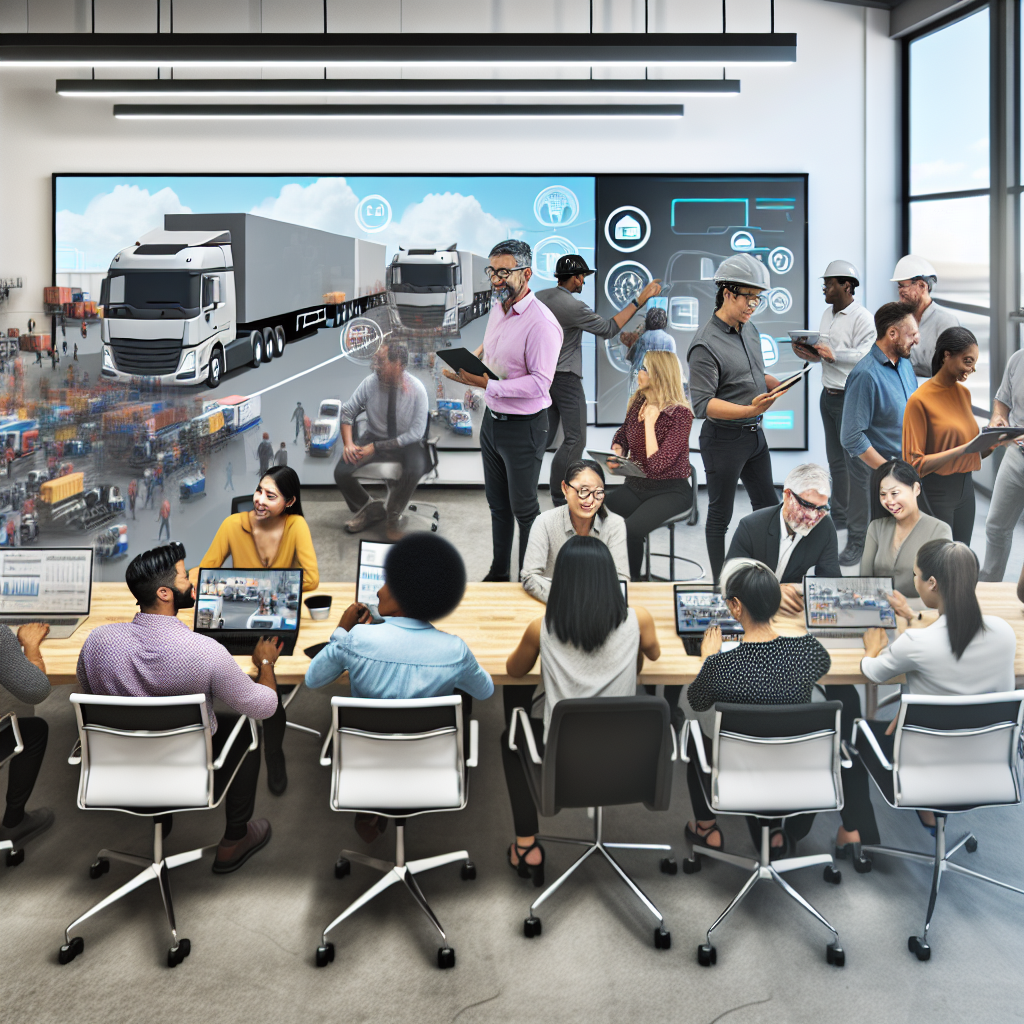

This image represents the concept of workforce investment in the fleet industry, highlighting the important integration of human elements and technology.

This image symbolizes generational shifts in workplace culture, illustrating collaborative environments within the fleet industry, showcasing diverse individuals working together with technology integration.
The Significance of Digital Tools in Fleet Management
Digital tools have become indispensable for modern fleet management, fundamentally transforming operations through innovations like Artificial Intelligence (AI) and automation. These technologies not only streamline processes but also enhance decision-making, safety, and cost efficiency. As the industry evolves, understanding the synergy between digital solutions and human resources remains critical for achieving sustainable growth.
Enhanced Operational Efficiency
AI and automation provide pivotal advantages by converting vast datasets into actionable insights, thereby enabling fleet managers to optimize routes and reduce operational costs significantly. For instance, AI-driven solutions, like Penske’s Catalyst AI™, utilize predictive maintenance analytics that have been proven to reduce unplanned vehicle downtime by 25% and cut emergency repair costs by 10%[^1]. This shift from reactive to proactive maintenance exemplifies the operational efficiencies attainable through digital tools.
Improved Safety Standards
Safety enhances through the deployment of AI in monitoring driver behavior. By analyzing patterns, AI systems can identify risky driving actions and provide real-time feedback. For example, EROAD’s AI Dashcam has facilitated a substantial reduction in accident rates, aligning with fleet management’s core goal of minimizing risks while protecting assets and drivers alike[^2]. This integration not only serves operational goals but also fosters a culture of safety and accountability among employees.
Successful Implementation Examples
Numerous fleets have successfully integrated digital tools to enhance their operations:
- Geotab uses AI-powered telematics to optimize route planning. This system dynamically adjusts routes in real-time based on traffic conditions, driving efficiency further and reducing fuel consumption[^3].
- Cascade Environmental reported freeing 800 hours monthly on regulatory reporting through automated compliance checks, allowing staff to focus on core duties[^4].
- Motive‘s AI optimization tools have led to significant improvements in asset tracking and management, increasing asset utilization by up to 70%[^5].
A People-Centric Approach
Despite these technological advancements, the need for a people-first strategy remains paramount. Executive voices within the industry advocate the critical balance between investing in technology and nurturing human capital. David Kelly, a noted industry executive, emphasizes that companies should not solely rely on technology but also focus on enriching their workforce’s skills[^6]. Upgrading staff training and fostering a culture of collaboration are pivotal in reaping the full benefits of digital investments.
In conclusion, while AI and automation are revolutionizing fleet management through efficiency and safety, the adoption of these tools must be paired with conscientious strategies that prioritize employee engagement and development. The successful fleets of tomorrow will be those that harmonize digital innovations with a commitment to their people, ensuring a balanced approach that drives overall performance.
The Significance of Digital Tools in Fleet Management
Digital tools have become indispensable for modern fleet management, fundamentally transforming operations through innovations like Artificial Intelligence (AI) and automation. These technologies not only streamline processes but also enhance decision-making, safety, and cost efficiency. As the industry evolves, understanding the synergy between digital solutions and human resources remains critical for achieving sustainable growth.
Enhanced Operational Efficiency
AI and automation provide pivotal advantages by converting vast datasets into actionable insights, thereby enabling fleet managers to optimize routes and reduce operational costs significantly. For instance, AI-driven solutions have been proven to reduce unplanned vehicle downtime by 25% and cut emergency repair costs by 10%. This shift from reactive to proactive maintenance exemplifies the operational efficiencies attainable through digital tools.
Improved Safety Standards
Safety enhances through the deployment of AI in monitoring driver behavior. By analyzing patterns, AI systems can identify risky driving actions and provide real-time feedback. For example, AI solutions have facilitated a substantial reduction in accident rates, aligning with fleet management’s core goal of minimizing risks while protecting assets and drivers alike. This integration not only serves operational goals but also fosters a culture of safety and accountability among employees.
Successful Implementation Examples
Numerous fleets have successfully integrated digital tools to enhance their operations:
- AI-powered telematics optimize route planning dynamically based on traffic conditions, driving efficiency further and reducing fuel consumption.
- Companies using automated compliance checks reported freeing significant hours monthly on regulatory reporting, allowing staff to focus on core duties.
- AI optimization tools have led to significant improvements in asset tracking and management, increasing asset utilization markedly.
A People-Centric Approach
Despite these technological advancements, the need for a people-first strategy remains paramount. Industry leaders have emphasized the importance of balancing technology with the development of human capital to foster engagement and operational excellence. Investing in technology must be paired with a commitment to nurturing the workforce that operates these systems to achieve overall success in fleet management.
| Digital Tool | Benefits |
|---|---|
| Automation | Reduces training times from weeks to hours |
| VR Training | Enhances engagement and retention through immersive experiences |
| Employee Onboarding | Streamlines the onboarding process, saving time and resources |
| Fleet Management Software | Improves operational efficiency and decision-making |
| AI-Powered Analytics | Provides real-time insights for better route optimization and maintenance scheduling |
| Telematics | Enhances vehicle tracking and performance analytics |
| Mobile Apps | Facilitates instant communication and updates, promoting efficiency |
This table highlights various digital tools utilized in fleet management along with their benefits. By employing these tools, fleets can achieve significant efficiency improvements and save valuable time, contributing to an overall enhancement in operational performance.
| Digital Tool | Benefits |
|---|---|
| Automation | Streamlines processes, reducing training time from weeks to hours |
| VR Training | Enhances engagement and retention through immersive experiences |
| Employee Onboarding | Makes the onboarding process faster and more efficient |
| Fleet Management Software | Improves operational efficiency with real-time data and insights |
| AI-Powered Analytics | Provides insights for better decision-making and predictive maintenance |
| Telematics | Enhances tracking of vehicle performance and driver behavior |
| Mobile Apps | Facilitates communication, ensuring quick updates and improved coordination |
This table outlines various digital tools utilized in fleet management alongside their benefits, reinforcing technology’s role in enhancing operational efficiency.
The Impact of Employee Training and Onboarding
In the fleet industry, effective employee training and onboarding are crucial as they enable businesses to cut training timelines and enhance productivity. Automation has reduced training times from weeks to hours, allowing fleet companies to adapt quickly to market demands and reduce operational costs. This swift transition is essential in an industry characterized by high turnover; indeed, reports indicate that companies that invest in robust onboarding processes can see a reduction in employee turnover by as much as 50%1.
A significant part of this efficiency is attributed to technology that enhances training effectiveness. For instance, many fleets are turning to AI-powered platforms that deliver personalized training experiences tailored to individual needs. This tailored approach not only streamlines the onboarding process but also promotes employee engagement. Jason Belgrave, an industry leader, notes, “But it’s really about redeploying people into higher-value work,” highlighting that streamlined training enables employees to focus on tasks that drive greater value for the organization.
Moreover, as David Kelly emphasized, “You have to look after the entire customer base.” Well-trained employees are critical in fostering strong customer relationships, understanding client needs, and improving overall service delivery. Automation facilitates this by ensuring that employees spend less time in training and more time engaging with customers and operational tasks, thereby enhancing their productivity.
Additionally, data suggests that companies that implement comprehensive training programs see productivity increases of up to 17% and profitability rises by 21%2. New employees who undergo structured onboarding can become fully productive up to 60% faster. This competitive edge underscores the critical need for fleets to invest not only in digital tools but also in the effective training of their workforce, merging technology with a commitment to employee development.
Ultimately, the intersection of advanced technologies and robust training initiatives shapes a more capable and engaged workforce, essential for navigating the complexities of modern fleet operations. By prioritizing employee development within their strategies, fleets are better positioned to meet the demands of the future.
The Impact of Employee Training and Onboarding
In the fleet industry, effective employee training and onboarding are crucial to enhancing business productivity and resilience. Well-structured training programs help fleets reduce training timelines significantly, with automation now allowing training durations to shrink from weeks to mere hours. This swift adaptation is essential in a market characterized by high turnover rates; reports suggest that companies investing in comprehensive onboarding processes can successfully cut their turnover rates by as much as 50%.
One of the primary catalysts for this efficiency in training is the advent of technology aimed at improving training effectiveness. Many fleets are now adopting AI-driven platforms that deliver personalized and engaging training experiences, tailored to the unique needs of each employee. This personalized approach not only speeds up the onboarding process, allowing new hires to become productive more quickly, but also comforts employees, making them feel valued and understood.
Consider the case of TFI International, where they utilize AI-powered training tools to expedite onboarding for new employees. These AI tools help create a streamlined path, fostering competence that leads to increased job satisfaction and retention. Executive Jason Belgrave aptly notes, “But it’s really about redeploying people into higher-value work,” emphasizing how effective training enables employees to focus on tasks that provide greater value to the organization.
Furthermore, as veteran industry leader David Kelly points out, “You have to look after the entire customer base.” Well-trained employees are critical to building and maintaining strong relationships with customers, which can lead to improved service delivery and overall satisfaction. With automation freeing employees from extensive training hours, they can dedicate more time to engaging directly with clients, enhancing their overall productivity and service efficacy.
John Smith’s findings indicate companies that implement comprehensive training programs experience productivity increases of up to 17% and profitability rises by as much as 21%. With structured onboarding processes, new employees can reach full productivity levels up to 60% faster compared to those who receive minimal training.
Ultimately, the convergence of advanced technologies and robust training initiatives cultivates a capable and engaged workforce, essential for navigating the complexities of modern fleet operations. By prioritizing employee development strategies alongside technological advancements, fleets enhance both employee satisfaction and operational efficacy, establishing a foundation for future success in the industry.
Generational Shifts and Workplace Culture
Generational shifts in the workforce are profoundly reshaping workplace culture, especially in industries like fleet management. As younger generations enter the workforce, their values and expectations differ significantly from those of previous generations. This shift emphasizes a more collaborative workplace, which brings challenges and opportunities for fleet management companies.
Promoting a people-first approach is essential as it fosters engagement, retention, and satisfaction among employees, which is crucial given the industry’s focus on customer engagement and operational efficiency. Younger workers prioritize work-life balance and seek meaningful employment, which often translates into a demand for flexible work environments and progressive company cultures.
As fleet companies navigate these generational shifts, they must rethink their management strategies to enhance employee morale and productivity. This involves fostering open communication, encouraging diversity, and providing ample opportunities for professional growth. By prioritizing employee development and workplace satisfaction, companies can turn these challenges into opportunities for innovation and success.
Additionally, incorporating technology, such as artificial intelligence and automation, can streamline processes while allowing employees to focus on higher-value tasks. Balancing these technological advancements with a commitment to a positive workplace culture will be vital for attracting and retaining top talent in an increasingly competitive landscape.
Generational Shifts and Workplace Culture
Generational shifts in the workforce are profoundly reshaping workplace culture, particularly within the fleet management industry. As younger generations join the workforce, their distinct values and expectations are driving significant changes that challenge traditional management practices and create new opportunities for growth.
Today’s younger employees, particularly Millennials and Gen Z, prioritize work-life balance more than previous generations. They seek flexible working conditions, understanding the importance of mental health and well-being. This demographic values workplaces that support a harmonious blend of personal and professional life. Fleet management companies that embrace flexible scheduling and remote work options are more likely to attract top talent.
Furthermore, these younger workers express a strong desire for meaningful work. They are less interested in just a paycheck; they want to feel connected to their company’s mission and values. This shift requires fleet management firms to foster connections that align employees’ work with the broader organizational goals, enhancing engagement and retention.
Collaboration is another key aspect of the workplace culture younger generations favor. They thrive in environments where teamwork is encouraged, and where they have a voice in decision-making processes. Fleet management companies should develop open communication channels and actively involve employees in discussions about operational improvements and innovations. This collaborative culture can lead to increased morale, motivation, and higher productivity levels.
In addition to attending to employee needs, fleet management organizations must rethink their training and onboarding processes. Younger generations are more inclined towards learning through technology, such as online training programs and AI-driven platforms that offer personalized learning experiences. Streamlined training processes not only reduce onboarding timelines but also equip employees with the skills they need to succeed in their roles.
Moreover, fostering a diverse and inclusive workplace is critical in today’s culture. Younger employees expect their companies to reflect a commitment to diversity and social responsibility. Fleet management firms that prioritize diversity in hiring and cultivate an inclusive environment will benefit from varied perspectives, driving innovation and creativity.
The implications for management strategies are profound; leaders in fleet management must adapt to these shifts by embracing a people-first approach. This means balancing the integration of emerging technologies—like AI and automation—with a genuine commitment to employee development and satisfaction. By doing so, fleet management companies are not only improving operational efficiency but also creating a thriving workplace culture that can attract and retain the best talent in an increasingly competitive market.
Overall, the generational shifts occurring in the workforce demand a proactive response from fleet management organizations. Embracing these changes will enable them to thrive in a dynamic landscape while ensuring their employees feel valued and engaged in their work.
Perspectives on Balancing Technology with People in Fleet Management
The future of fleet management hinges on a strategic synthesis of cutting-edge technology and a deeply ingrained people-first ethos, as articulated by industry luminaries David Kelly, Kristen Fess, Jason Belgrave, and Gary Vandenheuvel. Their collective wisdom, notably shared at the ‘Bridging the Barriers’ event in Mississauga, Ontario, underscores a critical paradigm shift: while advancements in AI, automation, and data analytics are undeniably transformative, the human element remains the bedrock upon which sustainable growth and operational excellence are built.
These executives posit that a ‘people-first’ approach transcends mere soft skills; it is a fundamental driver of technology adoption, user experience optimization, robust workforce development, and ultimately, enhanced employee retention. This philosophy directly shapes the successful implementation and strategic leverage of future fleet technologies, including the Internet of Things (IoT), sophisticated data analytics, sustainability imperatives such as electric vehicle (EV) integration and emissions reduction, and advanced cybersecurity measures.
- David Kelly, President of Innocon, challenges the prevailing narrative of an exclusively digital future by emphasizing the imperative to accommodate diverse user preferences. He astutely observes, “Some just don’t want to use digital tools,” cautioning that the forceful imposition of technology risks alienating a significant segment of both the customer base and the workforce. Kelly champions comprehensive workforce development through strategic cross-training initiatives. He notes that three-month rotational programs, while potentially impacting short-term efficiency, function as a crucial “insurance policy” and significantly bolster morale by establishing clear pathways for career advancement, a factor particularly appealing to younger generations seeking a holistic understanding of organizational dynamics.
- Kristen Fess, Executive Vice-President at TFI, exemplifies the strategic deployment of Artificial Intelligence (AI) not as a substitute for human endeavor, but as a powerful enhancer of human capabilities. She asserts, “AI is being used to build standard operating procedures that accelerate onboarding and reduce reliance on senior staff.” Fess illustrates this with compelling real-world scenarios, such as an employee returning from maternity leave who seamlessly transitioned into an account management role by leveraging AI-supported guides. Her insights underscore that organizational agility—a critical attribute for navigating dynamic market conditions—is cultivated by immersing employees across all functions, from dispatchers to mechanics, in broader financial and operational reviews. This exposure fosters a profound understanding of their collective impact on profitability and strategic direction.
- Jason Belgrave, Director of Operations at Purolator, reframes automation not as a cost-cutting mechanism, but as a sophisticated tool for optimizing human capital. He insightfully posits, “The first instinct is to see automation as a way to cut costs. But it’s really about redeploying people into higher-value work.” Belgrave elaborates on how technologies such as smart sorting, dynamic routing, and immersive virtual reality (VR) headsets for simulated training have dramatically reduced onboarding timelines from weeks to mere hours. This efficiency gain enables employees to engage in more complex and intrinsically rewarding tasks. Critically, he stresses that the successful integration of technological change is contingent upon adequately preparing personnel with the requisite tools and unwavering support, ensuring that innovation serves to elevate, rather than displace, the workforce.
- Gary Vandenheuvel, owner of Preferred Towing and President of the Professional Towing Association of Ontario, offers a vital perspective on navigating generational shifts and the imperative of cultivating supportive, community-centric work environments. Acknowledging that older leadership often forged careers through “long hours and constant availability,” he recognizes that contemporary employees prioritize work-life balance, affirming, “We can’t just say, ‘Do what we did.’ We have to adapt.” Vandenheuvel highlights the escalating challenge posed by the decline in hands-on skills acquired through traditional educational pathways, making it incumbent upon organizations to foster “supportive workplaces that feel like communities.” He also points to the burgeoning role of AI in streamlining operational workflows, from sophisticated dispatch systems to automated report generation, even within inherently unpredictable sectors like towing, thereby demonstrating technology’s capacity to augment human productivity.
In summation, these industry leaders collectively articulate a compelling strategic blueprint: the future trajectory of fleet management technology—encompassing AI, IoT, advanced data analytics, electrification, and cybersecurity—is inextricably intertwined with a profound ‘people-first’ philosophy. This necessitates leveraging technology not merely for operational efficiency, but to fundamentally enhance the driver and employee experience, streamline training paradigms, foster diversity and inclusion, and prioritize the well-being, input, and continuous professional development of the workforce. The overarching insight is that digital transformation must serve as a catalyst for empowering and elevating human capital, thereby securing sustainable operational excellence and a decisive competitive advantage within an increasingly intricate industry landscape.
Conclusion
In conclusion, the future of fleet management is not merely a race towards increasingly sophisticated technologies, but rather a balancing act that emphasizes the importance of both digital tools and investing in human capital. As industry leaders smartly advocate, a truly successful fleet strategy hinges on the recognition that technology alone cannot drive a company’s growth; it must be paired with a commitment to nurturing and developing the workforce that operates these systems.
The juxtaposition of cutting-edge technology with people-first strategies will empower fleets to navigate the complexities of a rapidly evolving market. Businesses that embrace automation and digital solutions while simultaneously enhancing employee training, engagement, and workplace culture will find themselves at a distinct competitive advantage.
As fleet executives and decision-makers reflect on their operational strategies, it is imperative to prioritize this dual investment. By doing so, they will not only improve efficiency and productivity but also foster an environment that values workforce development, ensuring that their organizations thrive amid ongoing changes in the industry. The call to action is clear: embrace both the tools of tomorrow and the people who will wield them, for together, they hold the key to success in fleet management.
Conclusion
In conclusion, the landscape of fleet management is at a pivotal juncture where the merging of advanced digital tools and a steadfast people-first strategy is no longer optional but essential. The insights gathered from industry leaders underscore the critical need to synergize technology with a profound commitment to human capital. This dual approach not only enhances operational efficiencies and decision-making but also fosters a workplace culture that attracts and retains top talent.
As we navigate the complexities of a continually evolving industry, it is paramount for executives to recognize that investing in both technology and employee development will yield exceptional results. Prioritizing these dual investments paves the way for improved productivity, reduced turnover, and heightened customer satisfaction. The call to action is clear: embrace the tools that drive success in fleet management while equally championing the people who make this success possible. Together, they form the cornerstone of a thriving business in the dynamic world of fleet operations.
Successful Case Studies of People-First Strategies in Fleet Management
The integration of people-first strategies with digital tools in fleet management is not merely an operational upgrade; it is a fundamental redefinition of how businesses cultivate a thriving workplace and achieve superior performance. This symbiotic relationship between human-centric initiatives and technological enablement yields profound benefits, transforming traditional fleet operations into agile, employee-focused ecosystems.
Driver Satisfaction and Retention Through Human-Centric Digital Adoption
The bedrock of successful fleet management lies in its drivers, and their satisfaction is directly correlated with retention and operational efficiency. When digital tools are implemented with a clear focus on driver benefits—such as ease of use, enhanced privacy, and a reduction in administrative burdens—they foster trust and significantly boost job satisfaction. Consider the following examples:
- Shaw Industries: With over 600 drivers, their transition from manual, audit-prone expense programs to Motus’ Smart Trip technology for mileage tracking was not just about cost savings; it was about empowering their sales team to “be out from behind the desk and back in front of the customer.” This digital solution’s ability to prevent “honest fraud,” or accidental mileage inflation, cultivated a sense of trust.
- KC Bobcat: Faced with initial resistance to change, drivers quickly reported profound satisfaction after adopting new processes. The intuitive design and privacy controls of the digital tool made it clear that they “wouldn’t ever go back to our old ways.” This seamless adoption, driven by a people-first approach to technology, directly alleviates driver anxiety, enhances their daily experience, and ultimately bolsters retention rates.
Elevating Safety Through Data-Driven Coaching and Technology
A robust safety culture is paramount in fleet operations, and its cultivation is dramatically amplified when human-led coaching is augmented by sophisticated digital tools. The reality is stark: Samsara’s data reveals that distracted driving impacts a staggering 93% of commercial drivers. By leveraging telematics and AI-powered dashcams, fleets can move beyond generic training. This technology enables the customization of coaching to individual driver needs, making interventions more engaging, effective, and ultimately leading to greater job satisfaction and retention. DHL exemplifies this proactive approach through weekly “performance dialogues,” where personalized coaching is delivered based on real-time telematics data. Furthermore, AI dashcams can now proactively detect critical behaviors like drowsy driving—identifying yawning or head nodding—and alert supervisors before an accident can occur.
Fostering Engagement and Well-Being with Integrated HR Technology
The well-being of fleet personnel is a critical determinant of operational success. A holistic approach, encompassing mental, physical, and financial health, is essential. Integrated HR technology platforms, such as Terryberry’s comprehensive suite or Motive’s Driver App, are instrumental in delivering this support. These platforms combine:
- Employee listening tools
- Recognition programs
- Wellness initiatives
- Performance management functionalities
Terryberry’s all-in-one solution, for instance, not only tracks engagement and predicts turnover but also facilitates the launch of tailored programs that celebrate achievements like accumulating “safe miles” or completing an “injury-free year,” thereby directly boosting retention. Motive’s driver support programs, accessible via mobile applications, provide crucial mental health resources, wellness programs, and financial education.
Driving Continuous Cultural Improvement with Digital Feedback
The pursuit of an exceptional workplace culture is an ongoing endeavor, and digital feedback systems are indispensable for its continuous refinement. Tools designed for employee listening and survey analytics, such as Terryberry’s “Be Heard” surveys, provide quantifiable insights into employee sentiments and engagement gaps. Developed in collaboration with industrial-organizational psychologists, these surveys measure the impact of culture across key indicators like belonging, leadership, and well-being. This data-driven approach allows organizations to pinpoint specific areas for improvement, such as low “belonging” scores within certain employee cohorts or a deficit in “empowerment.” By transforming qualitative feedback into actionable strategies, people-first initiatives can be precisely targeted, their effectiveness measured, and the process continuously refined. This creates a dynamic, self-reinforcing system where employee voices directly inform and shape cultural and performance enhancements, fostering a responsive and evolving workplace.
Additional Insights on AI Tools in Fleet Management
To augment the understanding of how AI tools are transforming fleet management, consider these valuable sources that provide further depth and detailed insights:
- AI in Fleet Management: Current Uses, Benefits & Future Potential – This article highlights the multiple benefits of AI integration in fleet operations, focusing on enhanced safety, cost reduction, and improved operational efficiency.
- The Future of Fleet Management: How AI is Driving Operational Excellence – This resource discusses the strategic implications of AI in optimizing fleet management and explores future trends that could shape the industry.
- AI in Fleet Management: How to Improve Efficiency & Reduce Costs – This piece provides a comprehensive overview of how AI technology contributes to reducing costs and improving fleet efficiency through predictive analytics and machine learning.
- How AI is Taking Predictive Fleet Maintenance to the Next Level – Focused on predictive maintenance, this article demonstrates how AI can significantly cut down on downtime and extend the lifespan of fleet assets.
These resources delve deeper into specific applications of AI in fleet management, enhancing the credibility and knowledge base for understanding the broader implications of AI-driven tools in this field.
The Impact of Employee Training and Onboarding
In the fleet industry, effective employee training and onboarding are crucial as they enable businesses to cut training timelines and enhance productivity through fleet management technology. Automation has reduced training times from weeks to hours, allowing fleet companies to adapt quickly to market demands and reduce operational costs. This swift transition is essential in an industry characterized by high turnover; indeed, reports indicate that companies that invest in robust onboarding processes can see a reduction in employee turnover by as much as 50%.
A significant part of this efficiency is attributed to technology that enhances training effectiveness. For instance, many fleets are turning to AI-powered platforms that deliver personalized training experiences tailored to individual needs. This tailored approach not only streamlines the onboarding process but also promotes employee engagement. Jason Belgrave, an industry leader, notes, “But it’s really about redeploying people into higher-value work,” highlighting that streamlined training enables employees to focus on tasks that drive greater value for the organization.
Moreover, as David Kelly emphasized, “You have to look after the entire customer base.” Well-trained employees are critical in fostering strong customer relationships, understanding client needs, and improving overall service delivery. Automation facilitates this by ensuring that employees spend less time in training and more time engaging with customers and operational tasks, thereby enhancing their productivity.
Additionally, data suggests that companies that implement comprehensive training programs see productivity increases of up to 17% and profitability rises by 21%. New employees who undergo structured onboarding can become fully productive up to 60% faster. This competitive edge underscores the critical need for fleets to invest not only in digital tools but also in the effective training of their workforce, merging technology with a commitment to employee development.
Ultimately, the intersection of advanced technologies and robust training initiatives shapes a more capable and engaged workforce, essential for navigating the complexities of modern fleet operations. By prioritizing employee development within their strategies, fleets are better positioned to meet the demands of the future.
Generational Shifts and Workplace Culture
Generational shifts in the workforce are profoundly reshaping workplace culture, especially in industries like fleet management. As younger generations enter the workforce, their values and expectations differ significantly from those of previous generations. This shift emphasizes a more collaborative workplace, which brings challenges and opportunities for fleet management companies.
Promoting a people-first approach is essential as it fosters engagement, retention, and satisfaction among employees, which is crucial given the industry’s focus on employee engagement in logistics and operational efficiency. Younger workers prioritize work-life balance and seek meaningful employment, which often translates into a demand for flexible work environments and progressive company cultures.
As fleet companies navigate these generational shifts, they must rethink their management strategies to enhance employee morale and productivity. This involves fostering open communication, encouraging diversity, and providing ample opportunities for professional growth. By prioritizing employee development and workplace satisfaction, companies can turn these challenges into opportunities for innovation and success.
Additionally, incorporating technology, such as artificial intelligence and automation, can streamline processes while allowing employees to focus on higher-value tasks. Balancing these technological advancements with a commitment to a positive workplace culture will be vital for attracting and retaining top talent in an increasingly competitive landscape.
Balancing Technology and a People-First Approach in Fleet Management
The question of how to effectively balance technological innovation with human capital investment in fleet management is central to achieving operational excellence and sustainable growth. Industry leaders universally agree: digital advancements, particularly artificial intelligence (AI) and automation, are not replacements for human expertise but rather powerful augmenters that embody a symbiotic relationship for maximum impact. The consensus is clear: while technology drives efficiency, it is an empowered, skilled, and engaged human workforce that truly unlocks its full potential within the complex fleet ecosystem.
The Strategic Integration of AI and Automation
Fleet leaders recognize AI as a transformative force for operational success. Mike Branch of Geotab, a global leader in fleet management solutions, articulates this by stating that AI provides intelligent answers to specific fleet management queries, moving beyond rudimentary tracking to offer sophisticated insights. Similarly, Penske’s Catalyst AI platform is lauded for delivering instant access to actionable insights that optimize fleet. These technologies are not merely conveniences; they are critical for cost reduction, with a significant 74% of leaders citing AI as essential for this purpose. Furthermore, AI enhances efficiency, safety, and compliance through real-time data analysis, predictive maintenance, and optimized routing. The industry broadly acknowledges that AI assists fleet managers with making the movement of people and goods safer, quicker, and more efficient, by continuously monitoring driver behavior, detecting mechanical issues before they escalate, and guiding proactive measures.
The Paramountcy of a People-First Approach and Human Capital Investment
Despite the rapid technological evolution, the human element remains the basis of successful fleet operations. An overarching industry insight emphasizes that Fleet managers should consider the human element when introducing technology. It’s not just about what tools can do but how drivers will interact with them. This underscores a critical truth: the human element of fleet monitoring often proves more challenging than the technical aspects. Success depends on building trust. Greg Dodson, Sr. Director of Operational Risk and Strategy at Coca-Cola Consolidated, Inc., highlights this people-centric view when discussing video telematics, stating, It’s protecting our number one asset which is our people. This focus on human well-being and safety is fundamental to fostering a robust, people-first safety culture.
Investment in human capital is viewed as an indispensable enabler for maximizing AI’s potential. The industry observes that Companies investing in AI adoption see higher productivity and stronger growth, but many still fail to prioritize human capital as the key enabler of AI’s full potential. Consequently, skills development: continuous education for complex vehicle technologies is not merely beneficial but vital. This commitment to upskilling ensures workforce readiness for evolving technologies, promotes adaptability, and helps close critical skills gaps, like the persistent technician shortage. Furthermore, effective leadership is crucial in cultivating a positive environment. As industry consensus suggests, Strong Fleet Leaders Work to Boost Morale, which all boils down to true empathy, not just sympathy. This people-first philosophy, as articulated by Katarina Berg, CHRO, as people-first, purpose-driven, adding business value, ensures that human resources are indeed the architects of an environment where talent can flow.
The Balancing Act for Future Success
The prevailing sentiment among fleet management leaders is that the future workplace demands a strategic equilibrium. While automation enhances operations management by eliminating repetitive tasks, reducing errors, and improving overall efficiency, uniquely human skills such as analytical thinking for cost optimization and effective communication with drivers, maintenance teams, and upper management remain indispensable. The ultimate goal is to achieve a profound synergy in AI and the human element, ensuring that digital advancements empower and elevate the human workforce. This integrated approach fosters resilient, efficient, and people-centric fleet operations, poised to navigate future challenges and seize emerging opportunities.