

In the rapidly evolving landscape of the trucking industry, the need for a balanced approach to fleet management has never been more critical. With technological advancements reshaping operations, executives are urging fleets to embrace digital tools while also prioritizing people-first strategies in trucking. The latest trends indicate a growing recognition that investment in human capital can enhance resilience and adaptability amidst automation and AI. Companies are beginning to understand that technology, while essential, cannot substitute the value of skilled and motivated personnel.
As we explore how combining digital innovations with people-first approaches can foster a more sustainable and productive fleet environment, it is vital to consider the evolving expectations of both customers and employees. This article will delve into strategies that marry high-tech solutions with a commitment to workforce engagement, ultimately leading to improved operational efficiency and enhanced employee morale.
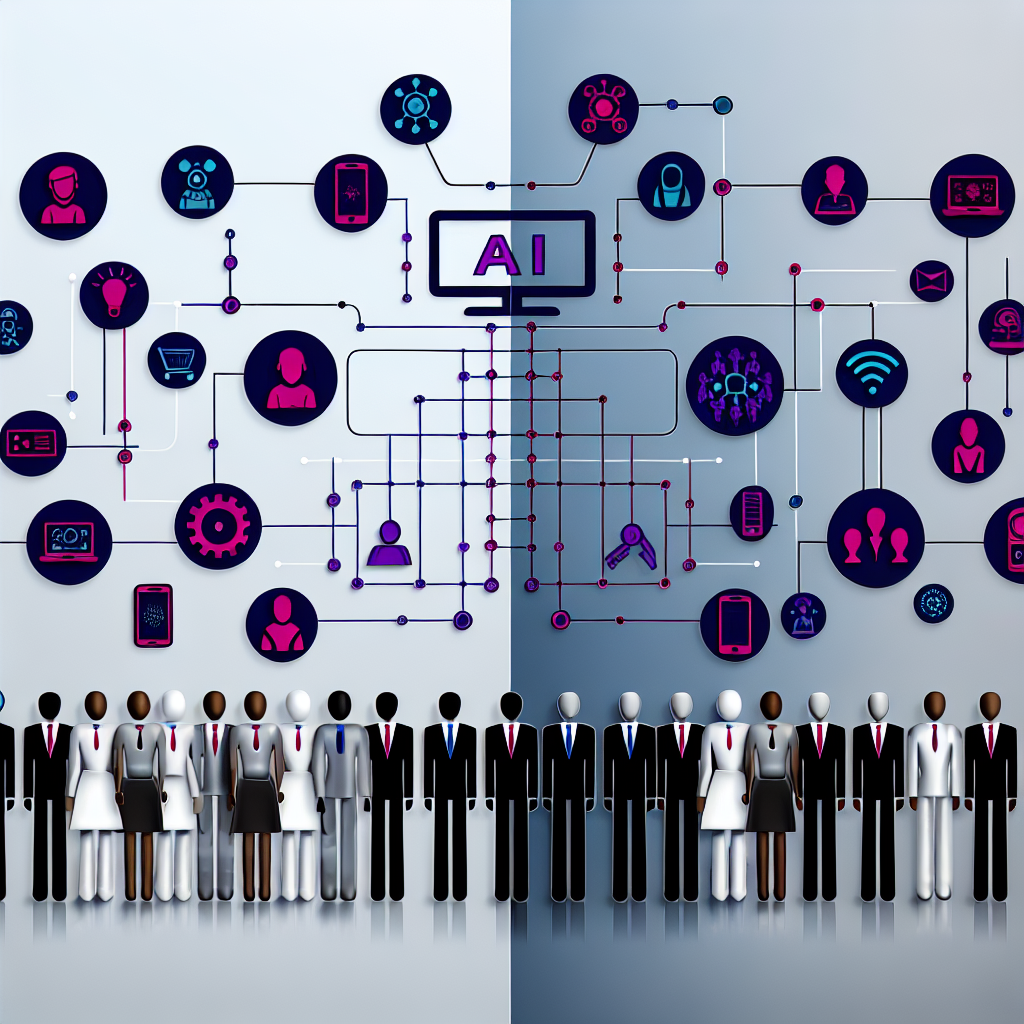
Summary of Insights from Executives
Insights from executives during the “Bridging the Barriers” event emphasize the importance of balancing technology and human investment in fleet management. Here are the key takeaways from each executive:
-
David Kelly:
Highlights that many clients still prefer traditional communication methods.
Quoted: “Some just don’t want to use digital tools.” -
Kristen Fess:
Discusses the integration of AI and its long-term benefits for workforce development.
Quoted: “It’s a long game.” -
Jason Belgrave:
Advocates for a strategic approach to automation, focusing on redeploying staff rather than reducing numbers.
Quoted: “The first instinct is to see automation as a way to cut costs, but it’s really about redeploying people into higher-value work.” -
Gary Vandenheuvel:
Stresses the need to adapt to generational shifts in employee expectations regarding work-life balance and training.
Quoted: “We have to adapt.”
These insights collectively illustrate that while technology is essential, human capital remains invaluable. The trucking industry can thrive by focusing on both employee development and embracing technological advancements.
| Digital Tool Usage | Employee Engagement |
|---|---|
| 69% of fleet managers view technology adoption as a means to enhance customer experience | 44% of truck drivers feel that digital tools improve job satisfaction and safety |
| 87% of fleet management firms have increased investment in customer support technology | 42% of fleet drivers feel more engaged with flexible working hours enabled by digital tools |
| 69% consider mobile notifications crucial for timely communication | 40% of fleet managers report higher employee productivity post-digitalization |
| 73% have increased use of customer analytics tools | 48% report increased productivity with remote work arrangements enabled by digital tools |
| 65% plan to invest more in AI-driven customer insights | 20% decrease in driver turnover in companies implementing reskilling initiatives |
| 85% of fleet companies engage customers through mobile apps | 45% lack adequate digital skills, hampering tech adoption |
| 77% offer digital payment options | |
| 62% utilize AI chatbots for customer support | |
| 63% incorporate automated status updates for customers | |
| 69% view mobile-first strategies as essential |
These statistics highlight the importance of balancing digital tool implementation with investments in employee engagement to drive success in fleet management.
In the trucking industry, the adoption of automated training systems has proven to be a game changer, particularly in reducing onboarding times from weeks to hours. This significant reduction in time simplifies the onboarding process, enabling new hires to quickly acclimate to their roles and responsibilities. The streamlined approach offers not only time savings but also cost efficiency by lowering the expenses associated with prolonged training schedules.
Moreover, automated training programs typically incorporate cross-training initiatives that play a crucial role in preparing employees for leadership positions. By engaging in cross-training, team members can expand their skill sets and gain a comprehensive understanding of various operational aspects, thus fostering a more adaptable workforce. This strategic approach helps in succession planning, paving the way for employees to transition into managerial roles while also boosting job satisfaction.
Additionally, automation ensures that training content is consistently delivered and remains current with industry standards. This ongoing relevance means that employees are continuously updated on the latest safety protocols and operational procedures, enhancing their competence and confidence in their roles.
Overall, the benefits of automated training in the trucking sector translate into improved employee engagement and operational efficiency, ultimately promoting a robust pipeline of future leaders. By harnessing the power of automation, trucking companies can not only fulfill immediate training needs but also cultivate a skilled workforce ready to meet future challenges.

Generational Shifts in the Workforce and Their Impact on Fleet Management
Generational shifts significantly influence employee engagement and customer preferences in the fleet management industry. Understanding these differences is crucial for managers aiming to adapt effectively.
Communication Preferences Across Age Groups:
- Younger Employees (Ages 18-26): Prefer digital communication methods such as instant messaging and texting. Approximately 90% of workers agree that Gen Z employees favor these channels over phone calls. However, about 47% of Gen Z workers feel confident using the phone at work. Source
- Middle-Aged Employees (Ages 27-42): Show a balanced preference between digital and traditional communication methods. Only 16% prefer in-person conversations, indicating a shift towards digital communication. Source
- Older Employees (Ages 59-77): Tend to favor in-person conversations, with 40% expressing this preference. This suggests a continued reliance on traditional communication methods. Source
Impact on Employee Engagement:
The diversity in communication preferences necessitates that managers adopt a flexible approach to maintain high levels of employee engagement. Implementing a mix of communication tools—such as emails, instant messaging, and face-to-face meetings—can cater to the varied preferences across generations. Regular training sessions on new communication technologies can also bridge the gap between different age groups, fostering a more inclusive work environment.
Customer Preferences in Fleet Management:
Generational differences also affect customer interactions. Younger customers may prefer digital platforms for inquiries and service requests, while older customers might favor direct phone calls or in-person meetings. Fleet management companies should offer multiple channels of communication to accommodate these preferences, ensuring customer satisfaction across all age groups.
Managerial Adaptations:
- Implementing Diverse Communication Channels: Utilizing a combination of emails, instant messaging apps, video calls, and in-person meetings to address the varied preferences of their workforce.
- Providing Training and Support: Offering training programs to familiarize employees with different communication tools, ensuring that all team members can effectively engage regardless of their preferred methods.
- Encouraging Cross-Generational Mentorship: Facilitating mentorship programs where employees from different generations can share knowledge and communication strategies, promoting mutual understanding and collaboration.
By recognizing and adapting to these generational shifts, fleet management companies can enhance both employee engagement and customer satisfaction, leading to improved overall performance.
The evidence supporting a balanced investment approach between technology and human capital in fleet management is compelling and multifaceted. Research shows that focusing solely on technological advancements without corresponding investments in employee development can lead to detrimental effects on morale and operational efficacy.
Implications of Investing in Technology
- Operational Efficiency: Technological investment, particularly in automation and cloud-based fleet management systems, boosts operational efficiency significantly. These systems provide real-time data access, allowing companies to gain insights into vehicle performance and optimize routes. Firms that employ smart technologies can streamline their processes and encourage performance incentives, which enhances productivity.
- Mixed Employee Response: While technology can improve working conditions, it may also generate anxiety among employees concerning job security, often leading to decreased morale. Automated systems, while streamlining operations, can create stress related to job displacement, suggesting that emotional support for employees during transitions is crucial.
- Customer Preferences: Increasingly, data suggests that while many customers appreciate efficiency brought on by technology, a significant portion still favors traditional communication styles, emphasizing the need for a nuanced approach that incorporates human elements alongside digital tools.
Benefits of Investing in Human Capital
- Enhanced Operational Efficacy: Training initiatives focused on employee skill development not only prepare individuals for leadership roles but also significantly improve overall operational efficiency through reduced errors and enhanced productivity. When employees feel valued and supported through training, they tend to exhibit higher productivity.
- Morale and Engagement: Organizations prioritizing investments in people witness particularly high rates of employee engagement and lower absenteeism. Engaged employees often display stronger loyalty to their organization, leading to reduced turnover rates and fostering a stable work environment. A commitment to employee development can also offset feelings of insecurity brought on by technological changes and improve driver retention strategies that keep skilled personnel in their roles.
- Talent Development: Companies that cultivate a supportive environment conducive to development and mentorship see pronounced improvements in employee morale, which translates to more positive environmental engagement and significantly reduces absenteeism.
Ultimately, incorporating cloud-based fleet management with effective driver retention strategies leads to better operational outcomes. By leveraging technological advancements while ensuring a commitment to human capital, organizations can navigate the transition smoothly and improve overall employee engagement.
In conclusion, a hybrid approach to fleet management is not just a strategic option but a necessity for future success. Investing in both people and digital tools ensures organizations can leverage the best of both worlds, creating a resilient and dynamic operational framework.
As highlighted by industry leaders, a people-first strategy, complemented by technological advancements, fosters a culture of engagement, adaptability, and innovation. This dual commitment not only enhances workforce morale but also drives efficiency and customer satisfaction.
It is time for fleet management organizations to rethink their strategies, embracing the insights shared by executives in the field. By prioritizing human capital alongside digital tools, companies can navigate the complexities of today’s business landscape, positioning themselves for sustainable growth and success.
Share Your Insights and Experiences
As we reflect on the vital balance between technology and human investment in fleet management, we invite you to join the discussion. What strategies have you found effective in integrating digital tools while also prioritizing people in your fleet operations? Have you encountered challenges or successes worth sharing? Your experiences can help foster a deeper understanding of this critical approach.
Please share your thoughts in the comments below or reach out on social media. Let’s work together to find innovative solutions and enhance our industry’s people-first strategy!
Understanding generational shifts is not only essential for enhancing employee engagement but also forms the foundation for a balanced investment approach in fleet management. As different age groups bring varying preferences and expectations, it becomes increasingly clear that a strategy catering to these distinctions can synergize advancements in technology with robust human capital investment.
This alignment between employee needs and organizational goals is crucial in fostering an environment where both technological and human resources can thrive collaboratively.