
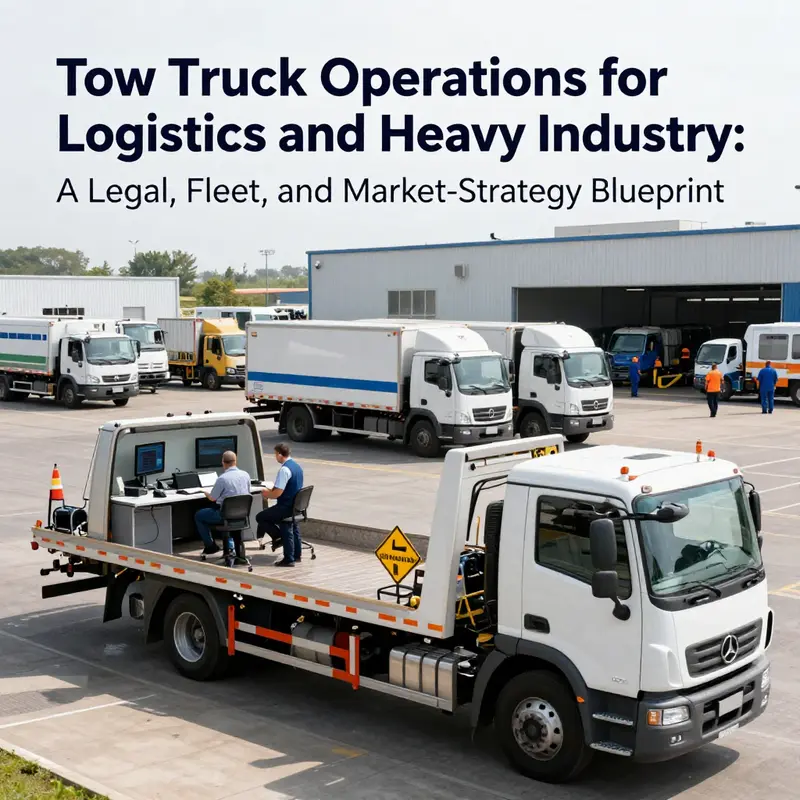
Efficient, compliant tow truck operations are a critical enabler for logistics and heavy industry partners. For Logistics & Freight Companies, Construction & Engineering Firms, Fleet Management Providers, and Food & Beverage Distributors, a trusted tow partner reduces downtime, protects asset value, and sustains supply chain performance. This guide integrates three core domains—legal foundations and licensing, fleet, equipment, and technology management, and operations, dispatch, and market strategy—to deliver a holistic playbook. Chapter 1 establishes the regulatory baseline and licensing controls that shield operations from risk; Chapter 2 translates fleet composition and technology into reliable service delivery; Chapter 3 aligns day-to-day execution with market strategy and partner expectations. Together, these elements create a scalable, compliant, and customer-centric tow truck program designed to support large-scale fleets, on-site constructions, and distribution networks with predictable response times, transparent pricing, and measurable safety outcomes.
Grounded for the Road: Building Legal Foundations and Licensing That Power a Tow Truck Business
When you set out to run a tow truck business, the road you travel is paved as much by law as by engine and steel. The legal foundations you establish at the start aren’t just a box to check; they shape every dispatch, every customer interaction, and every opportunity to grow. In the end, a company that documents its purpose, secures the right licenses, and maintains disciplined compliance becomes a reliable partner for drivers, shops, insurers, and the communities it serves. To begin, you must decide how your business will exist in the eyes of the law. The choice of structure—sole proprietorship, partnership, limited liability company, or corporation—affects taxes, liability, and operational flexibility. A sole proprietorship might offer simplicity, but it exposes you personally to every claim and debt the business bears. An LLC or corporation, by contrast, creates a shield between personal assets and business liabilities, which is particularly valuable in a field where vehicles carry customers, property, and emotions in moments of stress. The decision should be guided by a careful weighing of risk, potential growth, and administrative appetite. Whatever you choose, securing a state registration under your business name and obtaining an Employer Identification Number from the IRS are essential administrative steps that lay the groundwork for everything that follows. You will need to present your legal name, a distinct operating name if you use one, and a plan for how the business will be taxed. The EIN is the gateway to payroll, banking, and formal compliance procedures; it also lends credibility when you engage with lenders, insurers, and regulators. The next step is to align your licensing with both state and local expectations. Tow trucks operate in a tightly regulated space because they directly affect safety, property, and public flow. In most states, you will need a towing operator license issued by the state’s DMV or an equivalent agency. The application process often blends background checks with a review of your financial responsibility, and it may probe your business’ ability to cover potential losses or claims. A background check is not merely about personal history; it is a signal to the community that the company will act professionally, uphold safety standards, and abide by consumer protections when someone is vulnerable and in a tough spot. For operators who intend to run heavy-duty tows or operate oversized vehicles, a Commercial Driver’s License (CDL) with the correct endorsements becomes non-negotiable. The weight thresholds that trigger CDL requirements vary by state, but the rule is straightforward: you should not assume a tow driver can legally operate a large tow truck without the proper credential. The licensing path often includes more than a single exam. Some jurisdictions require a combination of training certificates, proof of insurance, and a bond to certify your financial reliability and your commitment to consumer protection standards. In certain places, a bond acts as a guarantee that the business will comply with regulations and compensate customers for violations like improper handling or unlawful towing charges. The cumulative effect of these licensing steps is to create a predictable operating environment in which consumers and businesses can trust that the tow firm will show up on time, tow properly, and bill fairly. Insurance sits at the heart of this ecosystem. General liability coverage protects your business from claims arising from accidents, injuries, or damage that occur during a tow or roadside interaction. Physical damage coverage keeps your fleet protected against wear, tear, and the unpredictable hazards of the road. Cargo and property damage liability covers the belongings associated with a vehicle in tow or in the yard, while workers’ compensation ensures your employees are cared for if they are hurt during a job. In practice, insurance is not a one-time purchase but a program of risk management. It requires ongoing reviews as your fleet grows, as routes change, and as new regulatory requirements emerge. The cost of coverage should be weighed against the potential cost of a single incident, and most operators find that layer upon layer of protection is not optional but a prudent standard. As you move through licensing, you will encounter a suite of ongoing compliance obligations. Many states require annual license renewals, vehicle inspections, and updated records of insurance and employee qualifications. You should also expect to maintain a meticulous set of documentation—photos from each tow, incident reports when something goes awry, and a log of service records, repairs, and maintenance for each vehicle in the fleet. The discipline of record-keeping is not merely bureaucratic; it is a powerful safeguard against disputes and a cornerstone for reliable dispatch and customer service. In practice, a compliant tow operation is not created by a single act of paperwork but by a culture of safety and responsibility that threads through every decision. That culture begins with who you hire and how you train them. A strong team includes licensed tow operators, dispatchers who can translate urgency into accurate action, customer service professionals who calm anxious customers, and mechanics who anticipate failures before they bite into profitability. The hiring process should reflect the licensing landscape: operators will need a CDL if required by your fleet size and weight class, and state-specific towing licenses or endorsements may also be mandatory. Training is not a one-off event but an ongoing investment. It should cover safety protocols, proper towing techniques that minimize vehicle damage, and clear communication skills so customers understand what to expect. Even practical, day-to-day moments—like how to document a tow with photos or how to record the exact mileage and route taken—become part of a larger system of accountability that protects customers and your business alike. A well-structured operation will also think about the legal environment beyond licenses. Consumer protection laws guard against overcharging or towing without consent, and many jurisdictions require clear disclosures about pricing, services rendered, and the rights of the vehicle owner. The consequences of noncompliance can be severe, ranging from fines and license suspensions to civil claims and reputational damage. In this sense, licensing is not merely a threshold to cross; it is a promise you make to every motorist and business partner who depends on you in a moment of adversity. The practical implications of this promise extend to how you present yourself online and offline. Your business name should be consistent across all filings, your address should reflect a legitimate place of business, and your communications should be transparent about pricing and service standards. When customers search for help in a moment of need, they should encounter a brand that conveys credibility through every touchpoint: a professional license number if required, a valid tax ID, a clean insurance certificate, and a roster of qualified staff ready to assist. As you balance licensing with operations, consider the broader regulatory landscape that governs the trucking and towing ecosystem. Federal guidance sets a framework that states adapt; the right federal resources help ensure your local practices align with nationwide safety standards, economic protections, and fair competition. For those who want a reliable, up-to-date map of federal requirements and how they relate to state licenses and endorsements, a key entry point is the U.S. Department of Transportation. This resource offers authoritative, current information about the regulatory environment that governs trucking and, by extension, towing operations. By anchoring your model in these foundations, you create a business capable of weathering regulatory changes and market ups and downs alike. The licensing journey is not a solitary path but a collaborative one. Your attorney or a seasoned business advisor can help you translate general requirements into a practical compliance checklist tailored to your state and city. They can also help you anticipate changes—such as updates to background-check standards, insurance minimums, or new endorsements—that could affect growth plans or the pace at which you hire. There is real value in preemptive planning. If you know your target markets—whether commercial fleets, repair shops, police departments, or emergency responders—you can map out the licensing steps that unlock access to those customers. In some jurisdictions, this means showcasing your ability to guarantee timely responses to emergency calls, your track record on safe tow operations, and your capacity to maintain thorough documentation that insurance adjusters and attorneys respect. When you consider the cadence of licensing, it is natural to connect the dots with equipment and dispatch operations discussed elsewhere in this guide. Licensed operators require correctly registered vehicles, and a compliant license team coordinates every dispatch with the necessary documentation and approvals. The result is a synchronized machine: your people, your paperwork, your fleet, and your customer promise all aligned under the rule of law. If you want to dig deeper into the practical realities of staying compliant in a volatile regulatory environment, consider this related discussion on regulatory relief and trucking constraints presented in one of our industry perspectives: Regualtory relief for winter storms trucking. Regulatory relief for winter storms trucking. Though the specifics differ by state, the underlying principle remains universal: anticipation, documentation, and ethical practice reduce risk and improve outcomes for everyone involved. In closing, the legal foundations and licensing framework are not the final destination but the road on which every tow business travels. A disciplined, forward-looking approach to structure, registration, licensing, and insurance creates a platform from which you can scale responsibly. It protects your people, supports your customers in their moments of need, and provides a defensible base for growth—whether you add trucks, expand services, or partner with broader networks. If you keep compliance front and center, you also unlock credibility with regulators, lenders, insurance providers, and clients who rely on consistent performance. And when the regulatory environment shifts—as it inevitably will—you will already have a robust system in place to adapt without sacrificing service or safety. For readers seeking formal, federal guidance to complement state-specific requirements, the U.S. Department of Transportation site is a dependable reference, and it helps keep your licensing strategy aligned with nationwide standards of safety and accountability. You can learn more at https://www.transportation.gov. For practical, state-level considerations and ongoing compliance best practices, you may also explore broader industry perspectives and community resources that discuss how to navigate regulatory changes effectively. Finally, remember that licensing is a statement of trust as much as a legal obligation. By combining careful structure with diligent compliance and a culture that prizes safety, transparency, and service, you build a tow operation that not only meets the letter of the law but earns the confidence of every motorist who looks to you in a moment of need.
Orchestrating Fleet, Gear, and Digital Systems: A Practical Guide to Running a Tow Truck Business
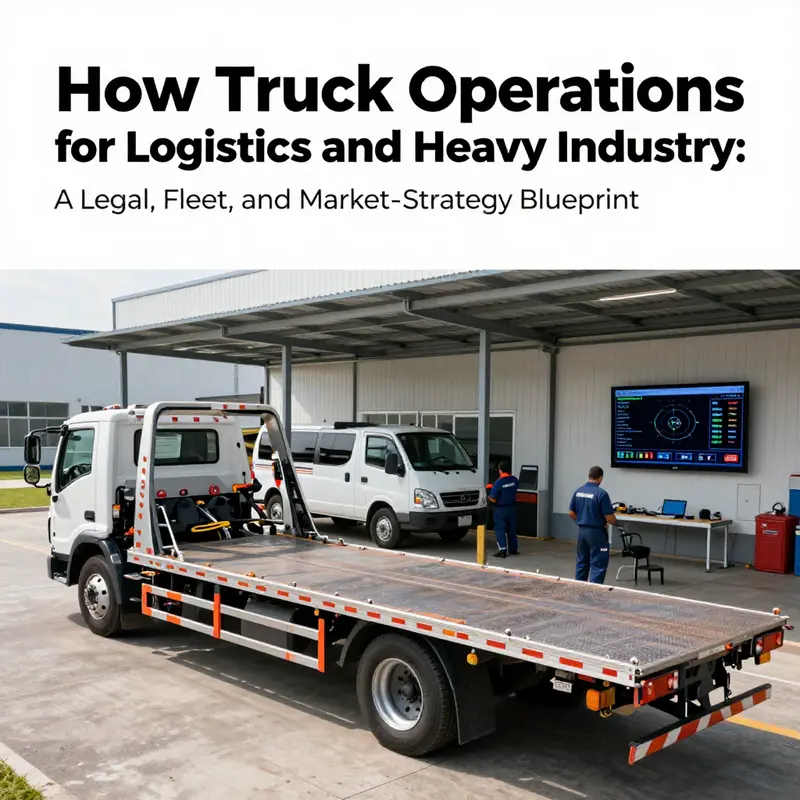
A tow truck business operates at the intersection of rapid response, careful handling, and disciplined economics. The way you assemble your fleet, the equipment you stock, and the digital systems that coordinate every move shape not only how fast you arrive at a scene but how safely you operate and how reliably you get paid. This chapter focuses on the core three pillars that determine day-to-day success: the fleet strategy that matches demand with capability, the equipment management that keeps crews ready and safe, and the technology framework that enables precise dispatch, robust data, and durable profitability. Taken together, these elements form a cohesive system rather than a collection of separate tasks, and they demand steady alignment with your local market conditions, regulatory constraints, and long-term growth goals.
A practical starting point is to view the fleet, equipment, and technology as a single operating model rather than three independent areas. Each decision in one area reverberates through the others. A lean, well-balanced fleet that can cover core corridors but remains adaptable to surge conditions is more than a cost; it is a foundation for faster response, higher utilization, and better customer outcomes. The most successful operators translate this integrated mindset into daily routines, from the moment an emergency call comes in to the moment a customer signs a receipt for service and a bill is generated. In this spirit, the following considerations outline how to design and operate a tow truck business that remains resilient in a changing landscape while staying focused on service, safety, and sustainable margins.
The fleet strategy begins with a clear view of demand. In many markets, a mix of vehicle types is essential to handle the broad spectrum of incidents you will encounter. Flatbed tow trucks provide the gentlest solution for high-value or heavily damaged vehicles and reduce the risk of secondary damage during loading. Wheel-lift or rollback units excel in speed and versatility, especially for lighter vehicles or when space is tight. Recovery units or heavier-duty configurations become necessary for off-road recoveries, accidents with complex access, or vehicles with substantial damage. The key is to align this mix with the typical vehicle types in your service area, the common incident scenarios you face, and the geographic coverage you must maintain. Fleet sizing then becomes a balancing act between peak demand, geographic reach, and the practical realities of maintenance and staffing. You want enough coverage to meet target response times, but not so much capital that downtime becomes a drag on profitability. Planning for 24/7 operations and seasonal or event-driven surges helps prevent over- or under-capitalization, and it invites you to build a flexible response model that scales up during storms or major incidents.
Maintenance discipline sits at the heart of any effective fleet strategy. Preventive maintenance schedules for each vehicle—covering engine health, hydraulics, winch integrity, tires, brakes, lights, and safety systems—are not optional but essential. A structured pre- and post-shift check routine catches issues before they degrade response times or compromise safety. Tracking downtime and parts consumption informs stocking decisions and helps reduce unexpected outages. When you design your fleet around reliability, you enable faster turnarounds, more predictable scheduling, and a stronger reputation among customers and partners who rely on you during critical moments.
Equipment management moves beyond the trucks themselves to the tools, spare parts, and safety gear that crews depend on. Core equipment includes winches, heavy-duty straps and chains, wheel lifts, dollies, and reliable communication devices. Safety gear—gloves, hard hats, high-visibility clothing, and fall-protection where required—protects workers and reduces risk for your business. Recovery and scene safety gear such as traffic cones, flares, lighting, and weather-appropriate gear can decisively impact outcomes in challenging conditions. A standardized equipment kit per truck ensures crews have what they need for common scenarios, and stocking critical spare parts and consumables reduces downtime when components fail or wear out. A well-planned maintenance buffer—spare tires, a tested spare winch, and redundant electrical components—helps your teams stay in the field longer and respond faster.
Rigging, load securement, and proper recovery techniques demand formal training and clear SOPs. Your teams should practice rigging procedures, load distribution, and securing methods that minimize movement and damage during transit. Documented SOPs for routine tasks—such as collision recovery, vehicle loading, roadside assistance, and securement practices—create consistency, reduce errors, and improve safety records. While equipment is important, the people using it are the decisive factor in safety and reliability. Training should emphasize not only technique but also communication, situational awareness, and customer service during stressful roadside interactions. In this broader view, the narrative of a well-run tow operation embraces both technical proficiency and a culture of accountability.
Technology management then knits everything together. Real-time GPS tracking provides visibility into fleet location, enabling route optimization and accurate ETA communication to customers. Telematics can reveal vehicle health signals, fuel consumption, idle time, and driving patterns, offering actionable insights to reduce wear and waste. The dispatch workflow must allow real-time job assignment, status updates, and clear customer communication, with capabilities for logging job history, linking invoices, collecting digital signatures, and storing photos or incident reports. Field mobility is critical; field crews should have rugged devices or mobile apps that enable quick logging of job details, before-and-after photos, and customer confirmations. On-the-fly pricing adjustments and mobile invoicing can accelerate cash flow and reduce the complexity of later billing cycles. Data analytics then becomes the management tool that translates raw numbers into practical decisions. Monitoring KPIs such as response times, on-time arrival rates, utilization, maintenance downtime, fuel efficiency, and profitability per job turns data into a lever for pricing, fleet mix, and maintenance scheduling.
Financial integration links dispatch, billing, and accounting into a seamless process. A unified system reduces delay between service completion and revenue recognition, helping stabilize cash flow. For operators who introduce service contracts or fleet maintenance offerings, recurring revenue tools can provide predictability and scale. Security and compliance sit on top of the stack; access controls, data encryption, regular backups, and rollback plans protect sensitive information and minimize exposure to cyber risk. The pathways from fleet decisions to technology choices are not linear; they are iterative. If you adjust your fleet mix, you should reassess maintenance capacities and the corresponding field tooling. If you deploy more advanced dispatch features or field apps, you should re-evaluate training programs and SOPs. A cycle of measurement and adjustment turns a set of investments into a living operating model rather than a static capital plan.
The practical path forward starts with a needs assessment that maps typical incident types, response targets, and geographic coverage. By defining service-level targets—such as an average 30 to 45-minute response in core areas—you create a concrete baseline for fleet sizing, routing, and staffing. Build the core tech stack first: a scalable dispatch platform that integrates GPS, field mobility, and billing features. Implement standardized SOPs and robust pre- and post-trip inspection checklists, then empower your teams with the training and tools needed to execute them consistently. As you collect data, you will begin to identify patterns that justify the next steps: refining pricing models, optimizing your mix of vehicle types, and expanding maintenance capabilities or parts inventories to reduce downtime. Once you reach a mature stage, you can explore more advanced analytics, dynamic pricing where appropriate, and deeper integration between field operations and back-office processes. A phased roadmap helps you scale without sacrificing reliability, safety, or customer trust. A practical timeline might begin with establishing coverage in core zones, deploying essential dispatch and GPS tools, and introducing field apps; move toward standardized SOPs and KPI tracking within a few months; and then optimize pricing, analytics, and maintenance capacity within six to twelve months.
In parallel with these operational considerations, the chapter keeps a steady focus on measurement. Operational metrics like average response time, on-time arrival rate, and dispatch-to-service time quantify responsiveness. Utilization rates and idle time reveal how effectively the fleet is employed, while maintenance downtime measures reliability and predictability. Financial metrics, including revenue per job, gross margin per job, and maintenance cost per mile, tether the fleet and equipment choices to profitability. Safety metrics—incident rates, near-miss reports, and training completion—ensure that growth does not come at the cost of people. Customer experience remains a central compass: satisfaction scores, repeat business, and qualitative feedback guide adjustments to both service delivery and pricing transparency. Technology performance metrics—system uptime, data completeness, and integration reliability—ensure that the digital backbone remains robust as the business scales.
Of course, every strategic path carries risk. Capital intensity and depreciation loom large when you consider expanding a fleet, while maintenance downtime can erode responsiveness if not anticipated. Data and security concerns grow as digital systems become more central; robust access controls and backups are essential. Safety and regulatory compliance require ongoing attention to evolving local rules and documentation practices. The strongest operators treat these risks as active elements of the plan: they pace investments, maintain flexible financing options, and cultivate a culture of safety, compliance, and continuous improvement.
The cohesive result of this integrated approach is a tow truck business that can respond quickly and safely, service a broad mix of customer needs, and sustain healthy margins through disciplined asset management and smart use of technology. The emphasis on fleet strategy, equipment readiness, and digital coordination creates a reliable engine that can grow with demand while maintaining a high standard of service. For operators seeking a practical path forward, a targeted example is to lean on a disciplined people strategy in tandem with technology upgrades; the idea is to balance capital investments with investments in people who can extract full value from the new tools and processes. See the linked discussion on investing in people as a key driver of fleet performance for further context: https://titanbusinesstrucks.com/investing-in-people-key-to-truckings-success/ .
As you move from planning to action, remember that the goal is not to chase the latest gadget but to create an operating model that consistently delivers fast, safe, and fair service. The chapter’s trajectory—from measuring demand and sizing a versatile fleet to equipping crews for safe handling and embedding field data in a transparent workflow—creates a cycle of improvement that is hard to disrupt. The discipline of aligning fleet, equipment, and technology around real-world needs helps you stay responsive to customers, compliant with regulations, and profitable in a competitive market. And while the details of software, tools, and spare parts will evolve, the capability to coordinate people, machines, and information with clarity will remain the heart of a successful tow truck operation.
For readers seeking deeper guidance, industry guidelines and advocacy resources offer practical frameworks and ongoing updates on best practices, safety standards, and regulatory considerations. One authoritative source that provides a broad view of the towing industry is the National Association of Towing Companies (NATC), which offers guidelines, advocacy, and resources to help operators remain compliant and competitive in a changing environment: https://www.natc.org/.
Tow Truck Operations in Motion: Dispatch, Reliability, and Growth
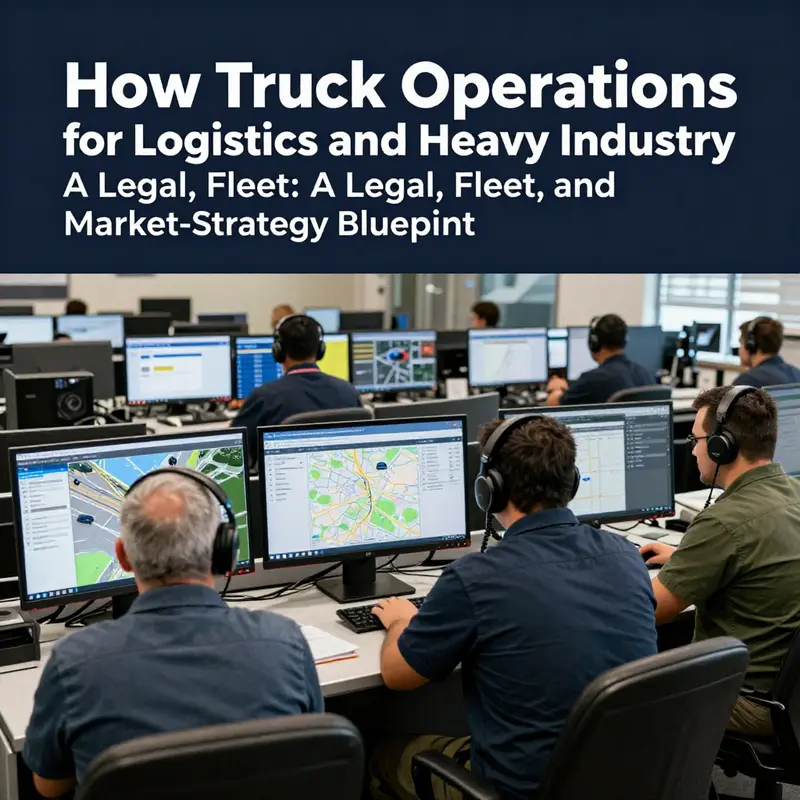
Running a tow truck operation is about more than a single rescue. It is a continuous system of maintenance, dispatch discipline, and customer trust. The goal is to minimize downtime, protect people, and deliver consistent service across shifts.
At the core is reliable maintenance: daily checks, preventive servicing, and safe equipment. A fleet that starts every morning with a checklist reduces unexpected failures and keeps operators confident on the road. Regular inspections catch tire wear, hydraulic leaks, lights, and safety gear needs before they derail a shift.
Safety is not a slogan but a working discipline that guides every decision. Drivers should be proficient in towing techniques, scene safety, hazard assessment, and clear communication with dispatch and customers. Living safety guidelines evolve with training and real experience, and they help manage risk, insurance costs, and reputation.
Dispatch acts as the nerve center. Real-time location, automated updates, and proximity-based assignments improve speed and accuracy. A well-tuned dispatch system prioritizes emergencies, while routine requests are handled efficiently. Transparent customer updates reduce anxiety during stressful moments.
Data turns dispatch into a learning loop. Tracking metrics such as response time and job duration reveals where to improve, whether through staffing changes, tools, or training. This is the backbone of a tech-enabled operation that connects drivers with back-office planning and customer expectations.
Market strategy should align with service capabilities. Core markets might include local roadside assistance, fleet maintenance for businesses, and partnerships with repair shops and insurers. Clear pricing, written estimates, and predictable service windows build trust and smooth payments.
Growth comes from deliberate expansion, not rapid scaling. Verify licensing, permits, and regulatory requirements in new areas, then replicate a proven model with local adjustments. Build a partner network of repair shops, dealerships, and fleet managers to create a steady workflow.
All of these elements—maintenance, safety, dispatch, market fit, and partnerships—combine into a sustainable operating rhythm. Regular reviews of performance data help you see the story behind the numbers and guide thoughtful investments in people, equipment, and processes. The result is a tow truck business that customers value, employees are proud to work for, and communities rely on in times of need. For additional guidance on licensing, insurance, and launching with confidence, refer to government and small-business resources such as the SBA’s free advisory network at https://www.sba.gov/advice.
Final thoughts
A successful tow truck operation for today’s logistics and industrial ecosystems requires disciplined compliance, a purpose-built fleet, and a proactive market posture. By integrating legal foundations with robust fleet management and disciplined operational execution, providers can deliver dependable response times, transparent pricing, and safety-first service. The result is a trusted partner that supports the continuity of your supply chain, reduces downtime, and elevates overall logistics performance.