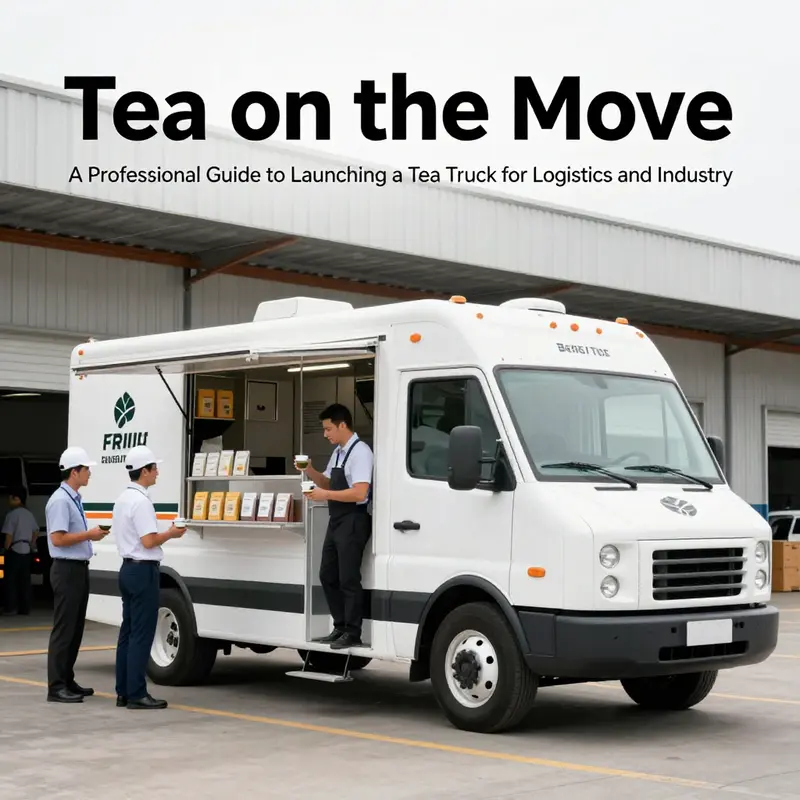
Mobile beverage concepts are increasingly integrated into industrial and logistics ecosystems, where on-site refreshment can boost productivity, morale, and employee satisfaction. A tea truck offers a low-overhead entry into the compelling world of specialty beverages while aligning with the needs of logistics fleets, construction sites, and beverage distributors that serve dispersed crews or contractor teams. For executives and site managers, a reliable tea program can reduce downtime, support wellness initiatives, and provide a predictable, quality service during tight schedules. This article presents a structured, business-focused roadmap to launching a tea truck that resonates with enterprise customers: Chapter 1 helps you define a precise niche and build a brand that speaks to professional buyers; Chapter 2 covers planning, funding, equipment selection, and rigorous compliance; Chapter 3 outlines route optimization, marketing, and sustainability practices. Across these sections, you’ll learn how to translate a mobile tea concept into a repeatable B2B operation that scales alongside your clients’ operations while maintaining product integrity and service reliability.
Crafting a Unique Identity: Defining Your Tea Truck’s Niche and Brand for Lasting Success
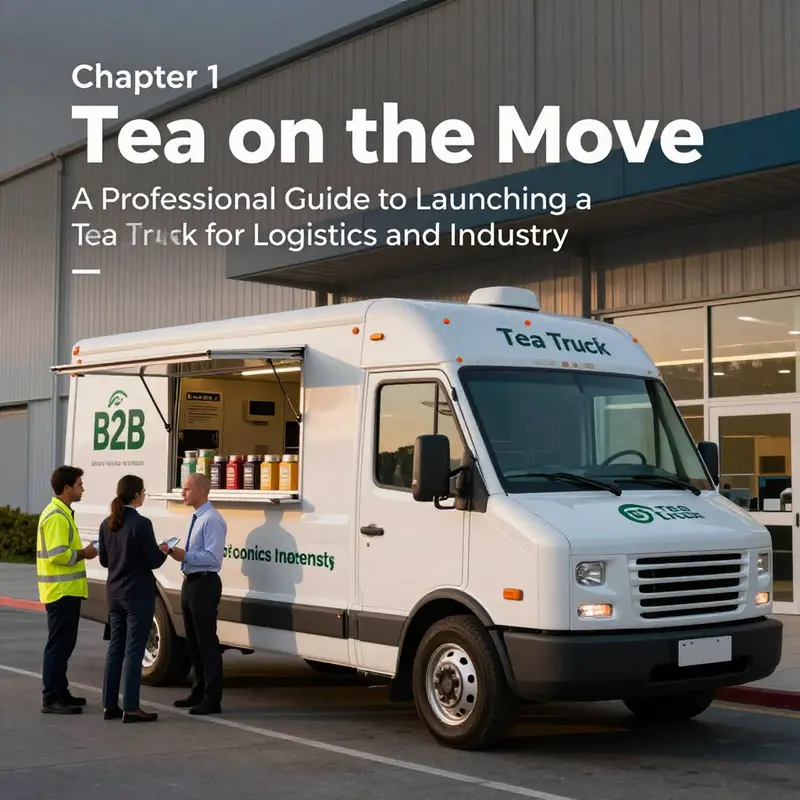
Starting a tea truck business demands far more than a simple vehicle and quality tea; success hinges on the power of a clear, well-defined brand identity rooted in a thoughtfully chosen niche. This foundational step not only positions your tea truck distinctively in a bustling market but also creates a vivid connection with your target customers, transforming casual buyers into loyal patrons. Capturing this essence requires weaving together your niche selection, brand story, visual identity, and experience into one seamless offering.
At its core, defining a niche means identifying a specific segment of the tea market that your truck will passionately serve. Unlike broad-spectrum competitors who attempt to please everyone, niche-focused brands thrive by meeting the unique desires of smaller, well-understood communities. This focused approach enables deeper relationships, clearer messaging, and more inventive product development. For a tea truck, potential niches might embrace health-conscious consumers craving functional, low-sugar blends; aficionados drawn to artisanal, high-end loose-leaf teas; younger crowds eager for playful fusion drinks like bubble tea; or environmentally minded buyers prioritizing sustainable sourcing and packaging. Each choice directs every ensuing decision—from menu design and ingredient sourcing to marketing style and even the personality your truck projects on the street.
To define your niche effectively, begin from two intertwined perspectives: first, the product and experience you want to offer, and second, the specific customers whose needs and values align with that offering. For example, committing to health and wellness as a guiding principle suggests developing a menu featuring organic, adaptogenic teas that support energy, relaxation, or immunity. Such a direction naturally attracts urban professionals and fitness enthusiasts who prioritize mindful consumption and demand transparency in ingredients. Alternatively, embracing tea’s cultural heritage—celebrating traditional brewing rituals and origin stories—draws in customers fascinated by authenticity, craftsmanship, and storytelling, who seek to escape the noise of fast food culture into moments of calm and ritual.
Within these broad categories, it’s crucial to sharpen your profile further. Consider who your ideal customer is: What are their daily routines? Where do they spend their time? What values influence their purchasing decisions? This persona development shapes not only product development but also the way your brand speaks and visually presents itself. For instance, a tea truck targeting busy office workers might emphasize quick service, energizing blends, and sleek, minimalistic packaging with colors that evoke freshness and calm—shades of green or soft earth tones that psychologically signal health and sustainability. In contrast, a brand aimed at vibrant social event crowds could opt for bold, playful names and eye-catching visuals featuring bright pastels or dynamic graphic elements to convey a festive, Instagrammable atmosphere.
With the niche and target customers outlined, the next evolution is crafting your brand identity. This identity embodies the essence of your tea truck in a tangible, recognizable form. It consists of three aligned pillars: a compelling brand story, a carefully curated visual language, and a consistent customer experience.
A compelling brand story is your opportunity to emotionally engage customers beyond the product itself. Why did you start this tea truck? Perhaps inspired by your family’s tea farming heritage, a passion for sustainable agriculture, or a desire to bring innovative tea flavors to underserved urban areas. Sharing this story humanizes your business, adding depth and authenticity. Utilize narrative to connect cultural values, origin stories of your ingredients, and the lifestyle benefits your teas provide. A brand story isn’t static: it should be woven into your menu descriptions, social media posts, promotional events, and in-person conversations.
Parallel to your narrative is the visual identity, which includes your logo, color palette, typography, packaging design, and exterior truck graphics. These elements must function cohesively to reflect your brand’s personality and niche clearly to a passerby. The colors you select carry immense subconscious weight; for example, deep greens and browns symbolize natural, organic qualities and tradition, while pastel pinks and mint greens evoke a youthful, playful energy. Typography choices—whether elegant cursive to express sophistication or bold sans-serif fonts for modernity and approachability—also tell a story. Your logo should be simple yet distinctive, scalable from large truck wraps to small social media icons, ensuring immediate recognition. Packaging offers another crucial touchpoint; cups, sleeves, and carry bags should echo the brand’s look and feel while incorporating sustainable materials if that aligns with your niche’s values.
But branding is more than just visuals and storytelling—it thrives in the customer’s holistic experience. Every interaction—from spotting your truck’s bold design in a busy street corner, ordering their drink, to the presentation of the tea itself—must reinforce your identity. Thoughtful experience design considers queue management, friendly staff knowledgeable about tea origins and health benefits, and even small rituals like adding a branded stir stick or a themed loyalty card. These details deepen emotional connections and foster repeat visits.
Pricing strategy also matters and should reflect your brand’s positioning. High-end, artisanal offerings justify premium prices if supported by superior ingredients, unique preparation methods, or exclusive blends. Conversely, a fusion tea truck targeting younger demographics might attract volume with approachable prices and trendy seasonal specials. Profitability depends on balancing perceived value with cost control, especially given the operational constraints of a mobile business.
Legal and operational baseline requirements also intersect with branding. Registering a business name that embodies your niche and is trademark-safe protects your identity. Displaying proper licensing and permits overtly on your truck reassures customers. Maintaining compliance with health codes and sustainability promises adds credibility, supporting your narrative of quality and responsible business practice.
To solidify these concepts, consider some illustrative examples from the tea industry’s leading brands. One embodies Eastern tea elegance through restrained earth tones and cultural storytelling, establishing a serene, premium experience. Another embraces vibrant, pastel colors and street art influences to energize urban youth with playful drinks. These contrasting identities highlight how color psychology and narrative craft can distinguish brands within the same category. Applying these insights to your tea truck, your choice of palette, story, and niche will be your most powerful tool to stand out amidst a crowded market.
Ultimately, your tea truck’s brand identity will become its greatest asset—cultivating emotional loyalty, capturing attention, and inspiring customer advocacy. By investing early and deliberately in defining your niche and crafting a cohesive, evocative brand, you lay the groundwork for sustainable growth and lasting presence on the streets.
For further professional guidance on developing your tea truck’s visual and narrative identity, resources like East Road Branding Group’s detailed insights on designing tea restaurant logos offer invaluable direction. They provide practical steps to translate your niche into visual markers that resonate memorably with your audience.
For expert design advice, see How to Design an Attractive Tea Restaurant Logo.
In addition, navigating regulatory and legal complexities effectively complements your branding—ensuring your identity is not only compelling but also secure and compliant. Aligning your brand with such operational rigor builds trust and confidence both for customers and local authorities.
By harmonizing your niche with a strong, authentic brand identity, your tea truck business will no longer be just another mobile vending point, but a vibrant, recognized experience that customers seek out and talk about long after their last sip.
For insights on aligning your branding strategy with efficient routing and operational planning, explore strategies for adapting to evolving trucking regulations and fleet management innovations. This can help future-proof your tea truck’s operational backbone as you grow.
Sipping on Wheels: Planning, Funding, Equipment, and Compliance for a Successful Tea Truck
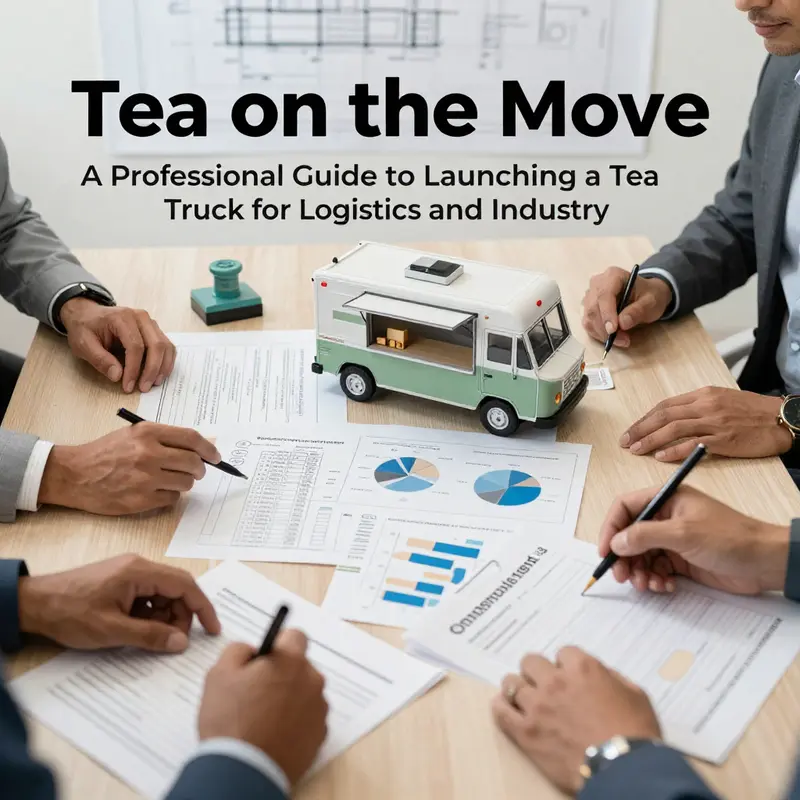
The idea of a tea truck sits at the intersection of mobility, hospitality, and craft. It promises the flexibility of a pop-up with the steadiness of a brand on wheels. Yet turning that promise into steady daily revenue requires more than a great menu and a charming chiller. It demands a coherent plan that threads a niche, a brand, and a route through a landscape of licenses, equipment choices, and cost controls. The road to a thriving tea truck begins with a clear concept and ends in a well-tuned operation that can weather weather, budgets, and the inevitable busy days when the line seems endless. In this sense, the journey shares much with any mobile food venture, but the tea truck carries its own flavor profiles, sourcing questions, and customer expectations that deserve gentle, deliberate planning from the start. The core idea is simple: define your niche, build a brand that communicates quality at a glance, and design both the vehicle and the daily workflow around delivering a consistently excellent cup, hot or cold, to people where they work, study, or play. The plan is the map, and the map must cover not just where you’ll go, but how you’ll operate, how you’ll finance it, and how you’ll stay compliant while growing your audience. The practical chapters that follow in many guides nod to these elements, but the real power comes when they’re woven into a single narrative of action, measurement, and adaptation. That is how a tea truck becomes not just a novelty, but a reliable, scalable small business set to ride the demand for premium brews, inventive blends, and mindful, sustainable service.
To begin, the choice of niche matters as much as any recipe. The market research you conduct should illuminate where your city’s tea lovers gather, what styles are missing, and which moments you can own. You might choose to emphasize premium loose-leaf experiences with a lean, elegant presentation, or you might chase a fusion moment—matcha-based drinks, refreshing tea lattes with plant-based milks, or cold-brewed teas that rival iced coffees for convenience and flavor. A strong brand identity emerges from a name, a color palette, and a logo that convey not just what you sell, but how you sell it: with care, craftsmanship, and a sense of place. This identity—reflected in menu cards, cups, signage, and the truck’s exterior—creates trust and recognition as you move from event to event, campus to office park, and farmers’ market to neighborhood festival. The brand is not merely decorative; it becomes a signal that invites repeat visits and word-of-mouth referrals, which are the lifeblood of a mobile beverage concept.
Beyond the aesthetic, the business plan must translate concept into viable economics. The target audience is not amorphous; it’s specific. Are you courting busy office workers seeking a quick, quality break, or students looking for a late-mession reward between lectures? Are you serving health-conscious customers who crave transparent sourcing and clean labels, or wellness enthusiasts seeking functional blends? The answer shapes your product line and pricing strategy, but it also frames your costs and your break-even calculations. A carefully crafted lineup might include hot teas for warmth and focus, iced teas for refreshment, occasional flights to showcase a spectrum of flavors, and perhaps tea-infused snacks that complement the drinks without complicating the kitchen workflow. Your SWOT analysis—your strengths, weaknesses, opportunities, and threats—will help you anticipate where weather, seasonal demand, or local competition could bite or bolster your plans. This stage is not theoretical; it informs the vehicle layout, the staffing model, and the daily routines that keep service smooth, even on a crowded street corner.
Once the concept and the numbers are in place, the financial scaffolding follows. The consensus across many first-hand guides to mobile beverage ventures is that lean, well-equipped setups can start with modest capital, while more polished, feature-rich trucks require larger investments. A lean, mobile unit can begin around the mid-teens in thousands of dollars, but the costs grow quickly as you add refrigeration, filtration, brewing equipment, and reliable serving surfaces. A practical range to plan for is roughly $15,000–$25,000 for a compact unit, with interior modifications and essential equipment running another $7,000–$12,000. Licenses, permits, and inspections generally come in a few hundred to a couple thousand dollars, depending on city requirements, while initial inventory and cleaning supplies might add another $1,000–$3,000. These figures reflect a lean start that prioritizes reliability, hygiene, and speed, while still offering room to scale as you prove demand.
Funding a tea truck, then, follows familiar paths for small businesses, with options that suit different timelines and risk appetites. Personal savings can cover a portion of the upfront, while a small business loan, a local credit union arrangement, or a microloan can bridge gaps for equipment and contingencies. If you want to validate demand while raising capital, crowdfunding can be a smart option, especially if you offer early tasting events or exclusive first-sips to early supporters. The financial model you develop should not only forecast revenue and expenses, but also test different scenarios: what happens if foot traffic dips for a week, or if a seasonal event draws crowds in large numbers? A simple, transparent model helps you understand the break-even point and the path to profitability, while also guiding your decisions about menu pricing, waste management, and base labor costs. In a typical projection, assuming an average sale around six dollars and 100 customers per day, you would generate about six hundred dollars in daily revenue, translating to roughly eighteen thousand dollars per month. If you can achieve a gross margin around sixty percent, your gross profit would approach ten thousand eight hundred dollars per month. After fixed costs like vehicle lease or debt service, utilities, insurance, and staff wages, the target becomes a net profit margin in the range of twenty-five to thirty percent. These numbers are not guarantees, but they provide a framework for disciplined budgeting and forecasting as you begin to test routes and refine your product.
Alongside the numbers, the vehicle itself deserves careful attention. Essential equipment includes a reliable commercial refrigerator or chiller to store dairy, syrups, and perishables; a sturdy water filtration system to ensure consistent flavor; a central brews station with integrated kettles and hot water spigots; a compact ice machine if you anticipate iced beverages; and a mobile-friendly POS system that handles payments, receipts, and basic inventory. The layout should prioritize hygiene and efficiency. A clear separation between prep, brewing, serving, and waste areas reduces cross-contamination and speeds up service on hectic days. Safety features—fire suppression, non-slip flooring, and proper ventilation—are not optional extras but core requirements that protect your team and reassure your customers. The exterior design must be durable and weather-resistant, with branding that makes your truck instantly recognizable, even from a distance. The goal is to create a workflow that minimizes motion, keeps everything within easy reach, and reduces the risk of spills or delays during peak hours.
The legal and regulatory layer is where many new operators stumble, but when approached with calm attention, compliance can become a source of confidence and reliability. At minimum, you will need a business license to operate legally, a mobile or food service permit issued by the local health department, and a seller’s permit for sales tax collection. Depending on your location, you may also face supplementary licenses or restrictions, such as a sidewalk vending permit or specific restrictions on mobile food units near schools or hospitals. Insurance is a multi-layered safeguard: general liability covers accidents on-site, product liability protects against issues stemming from the beverages you serve, and commercial auto insurance guards the vehicle itself. If your setup involves propane tanks for heating or brewing, inform insurers early, as this can affect premiums and coverage requirements. A pre-operational health inspection is a common hurdle that validates your truck’s sanitation and safety practices, including proper handwashing facilities, clean surfaces, and correct hot and cold food storage separation. Training staff in food safety, with certifications such as ServSafe or equivalent programs, sets a baseline for ongoing compliance and gives you a reusable credential to show during inspections.
Quality sourcing is another pillar that underpins your brand’s credibility. Build relationships with reliable suppliers who can deliver consistent tea quality and stable supply. You might explore direct sourcing from tea estates or trusted distributors who can offer bulk options with predictable lead times. Emphasize organic, fair-trade, or single-origin teas when possible, not only to support sustainable practices but also to appeal to a customer base that values traceability and flavor nuance. A robust supply chain includes backup vendors and contingency plans to weather disruptions—whether a supplier experiences a hiccup or a shipment arrives later than expected. This not only protects your menu but also protects your reputation when you’re working in busy outdoor spaces where even small delays can ripple through a day’s schedule.
Location strategy is the heartbeat of a tea truck’s success. High-traffic areas remain the most reliable engines of daily sales: office districts during lunch, college campuses, farmers’ markets that combine activity with discovery, and festival sites where a well-branded stall can become a social moment. Data tools—from simple maps to local event calendars—can help you forecast foot traffic and optimize routes. The magic is not simply choosing one hot spot but curating a route that allows for consistent, predictable appearances. Partnering with local businesses or events can turn a one-off appearance into regular slotting, creating a reliable revenue cadence rather than chasing random crowds. The planning phase should also consider weather risk, crowd management, and queuing dynamics. In practice, that means a flexible schedule, a portable canopy for sun or rain, and a set of backups for power or water if an event’s infrastructure fails. The aim is to create a mini ecosystem where your team can operate smoothly, even when conditions become challenging.
Marketing and customer engagement are the connective tissue between a well-planned operation and a thriving business. Launching on social media with compelling visuals—shots of pour veins, steam art, and colorful flavor profiles—can generate interest before you even park for your first shift. Visual storytelling matters because a tea truck’s value proposition often hinges on authenticity: the care you put into sourcing, the precision of your brew, and the thoughtfulness of your packaging. Loyalty programs create repeat visits, with simple incentives such as a stamp card, a digital rewards scheme, or a seasonal promotion that invites customers to try a limited-edition blend. Pop-up collaborations—such as tea tastings in wellness studios or co-hosted events with local fitness centers—extend reach beyond your regular route and place your brand into new communities. The more you weave community connections into your calendar, the more your truck becomes a familiar, welcome presence rather than a moving billboard.
Operational excellence and sustainability complete the circle. Training staff in not just the mechanics of making tea but in the art of customer service ensures that every interaction feels personal and efficient. A clean and modern packaging strategy—compostable cups, lids, and straws wherever possible—aligns with growing consumer expectations around environmental responsibility and reduces waste, which in turn lowers disposal costs and improves margins. Inventory discipline matters as much as artful brewing. Daily tracking of stock, with a digital tool that flags low items and suggests reorder orders, helps minimize waste and control costs while keeping the menu intact. This discipline creates a virtuous cycle: better planning reduces surprises, which makes service faster, which in turn strengthens customer satisfaction and repeat business.
As you refine the plan and begin testing routes, a broader awareness of technology’s evolving role in logistics adds a prudent layer of future-proofing. A growing body of work shows how automation and AI-driven route optimization can significantly enhance mobile operations, even if today those tools are more commonly deployed in larger fleets or industrial contexts. For a tea truck, the practical takeaway is less about chasing autonomous vehicles than about adopting smart logistics thinking: analyzing weather patterns and foot traffic, forecasting demand at different times of day, and aligning staffing and inventory with a data-informed schedule. The Port of Felixstowe example of autonomous Q-Trucks hints at what could be possible in the future: systems that optimize routes, reduce idle time, and coordinate with loading docks, all of which can inspire a tea truck operator to design more efficient daily routines and to consider software-enabled forecasting as part of an expansion plan. The overarching message is simple: stay tech-aware, not tech-chasing. The right tools, chosen thoughtfully, can streamline operations, improve service reliability, and protect margins as you scale.
Throughout this journey, the human element remains essential. The business’s ability to recruit and retain capable front-line staff, to train them in both product knowledge and hospitality, and to cultivate a culture of attentiveness will determine how customers feel after they sip and walk away. That is precisely why investing in people should be part of your core strategy from day one. A well-trained team can maintain the quality you’ve built in your blends, handle peak traffic with calm, and represent your brand with consistency. For readers who want to explore this dimension more deeply, consider a broader look at people-first strategies in trucking as a parallel to managing a mobile beverage team. investing-in-people-a-new-path-for-trucking-fleets offers a framework for how organizations can prioritize skill development, culture, and leadership in dispersed, customer-facing operations. While the industry context differs, the underlying principle—people make the system work—applies equally to a tea truck that moves through neighborhoods, campuses, and markets.
With all these elements aligned, you still need a practical end-to-end mindset as you launch. Start small with a single route, a few core teas, and a clear plan for how you’ll measure success. Track daily sales, peak times, and popular flavors, then iterate. If a location underperforms, adjust the timing, hone the menu, or swap the route. If a blend resonates, consider adding a limited-edition release tied to seasonal events. The goal is continuous learning, not perfection at launch. You will likely refine your brand voice, adjust your packaging, and fine-tune your staff training as you understand what your customers appreciate most and what your city allows you to do on the go. This is the living nature of a mobile business: the plan is a guide, not a script, and your ability to respond to real-world feedback will determine your long-term viability.
In closing, this chapter emphasizes a structured, holistic approach to building a tea truck venture that endures. It requires thoughtful strategic planning, disciplined budgeting, careful equipment selection, and steadfast regulatory compliance. The ideal outcome is a cohesive system in which a distinctive brand, dependable operations, and a compelling customer experience come together to create a reliable revenue stream. The planning stage feeds the funding and equipment decisions, which in turn shape the day-to-day routines that keep customers coming back. The compliance layer protects growth, ensuring you can scale without sacrificing quality or safety. And throughout, a commitment to people—your customers, your staff, and your partners—grounds the enterprise in a human-centered value that resonates with every cup you serve. If you’re ready to move forward, take the next step with a concrete road map, a realistic budget, and a schedule that translates your ideal vision into a daily grind that feels less like work and more like a craft in motion. The tea truck dream is not merely a venture; it is a moving invitation to share something comforting, well-made, and thoughtfully sourced with the people you meet along the way.
External resource: For a foundational framework on launching a mobile food business and navigating licensing, permits, and operations, see How To Start a Food Truck Business – Shopify Hong Kong SAR. https://www.shopify.com.hk/blog/food-truck-business-startup-guide
Route by Rhythm: Designing Movement, Marketing, and Sustainability for a Tea Truck
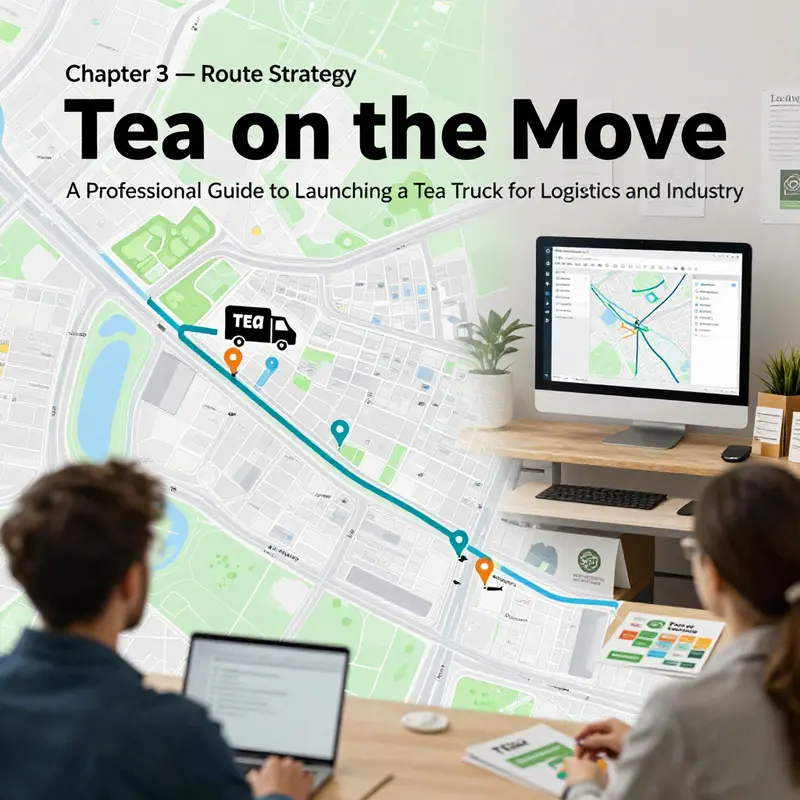
A tea truck moves through a city like a wandering cafe, carrying aroma, story, and a promise of refreshment. The success of a mobile tea business hinges on a thoughtful choreography of where you go, when you show up, and how you serve once you arrive. Route strategy, marketing, and sustainability are three movements of the same dance. When you design your route with data, you invite visibility; when you market with intention, you invite trust; when you operate with sustainability at the core, you invite longevity. This chapter outlines practical steps to turn movement into opportunity, storytelling into loyalty, and responsibility into growth. Route strategy starts with a map of your city’s rhythms: who buys tea at what times, where people gather during lunch breaks or after work, and which events draw crowds. Create anchor stops and rotating spots, keep a consistent service style, and use a portable POS to speed transactions and support a loyalty program. Marketing extends your reach beyond the truck through visuals, packaging, and authentic storytelling, sharing sourcing stories, brewing insights, and local collaborations. Sustainability is embedded in packaging, energy use, water stewardship, and ethical sourcing, with a focus on minimizing waste and maximizing flavor and community value. The future of mobility brings smarter routing and data-informed decisions, but the human touch remains central: hospitality, quality, and care for the neighborhoods you serve.
Final thoughts
Integrated planning across niche definition, financing, compliance, routes, and sustainable marketing provides a repeatable model for launching a tea truck that serves logistics and industry clients. By centering B2B needs—efficiency, reliability, and quality—you can build a mobile beverage platform that scales with fleet operations and industrial partnerships. The path is clear: define your niche, secure funding, comply with regulations, optimize routes, and present a compelling value proposition to enterprise customers.