
The corporate appetite for on-site, morale-boosting refreshments presents a scalable opportunity for a disciplined ice cream truck business. When targeting Logistics & Freight Companies, Construction & Engineering Firms, Fleet Management Providers, and Food & Beverage Distributors, success hinges on delivering predictable, compliant service that aligns with procurement cycles and site constraints. This approach blends food service excellence with the rigor of fleet operations: defined routes, scheduled deployments, transparent invoicing, and rigorous health and safety practices. The four chapters that follow map a practical path from market validation to fleet-scale execution, ensuring every decision—from vehicle choice to marketing—speaks the language of corporate customers. You will learn how to translate a traditional ice cream truck into a dependable partner for large campuses, distribution hubs, and site-based teams by integrating market insight, regulatory discipline, operational readiness, and financially sound management. Each section builds toward a scalable program that can seed a multi-truck fleet, generate recurring revenue, and maintain high standards of safety and customer experience.
Charting a Sweet Path: Market Research and the Roadmap to a Thriving Ice Cream Truck
Launching a mobile ice cream venture is less about choosing a flavor and more about reading the street like a vintner reads a vineyard. It begins with listening to people, places, and patterns, then translating that understanding into a plan that can scale from a few summer weeks to a full-season schedule and, potentially, a small fleet. In this chapter, the emphasis rests on market research and a pragmatic business plan that becomes a living instrument, guiding decisions about location, menu, pricing, and growth while keeping the business compliant, sustainable, and customer-centered. The goal is not merely to sell ice cream but to build a trusted, repeatable experience that thrives wherever the truck stops, whether it’s a sunlit park after school, a beachside boardwalk, or a crowded festival corner. To begin, you need a clear map of demand, competition, and your own capabilities, and you must translate that map into an operational rhythm that can adapt as conditions shift with weather, seasons, and community calendars.
Market research in this context starts with listening more than assuming. You want to understand who is most likely to buy from a mobile ice cream unit and where they tend to congregate when the sun is high. Demographics matter, but so do lifestyle patterns. In many communities, families with young children are a natural audience for classic cones and kid-friendly toppings, while health-conscious crowds crave dairy-free or organic options. Yet in today’s market, the win often goes to those who can blend nostalgia with novelty: premium textures, seasonal flavors that reflect local harvests, or themed offerings that fit a community event or school spirit. The nuance is that you don’t need to chase every trend at once, but you should map a product mix that can balance consistency with occasional, impactful experiments. The first question to answer is: what is the niche that aligns with your capabilities and with genuine demand in your target area? The answer might be broader than you expect—or tightly focused. Either path can work if it is anchored by credible data, a thoughtful cost structure, and a believable delivery story.
To collect that data, start with the places where your truck will likely operate. Parks, playgrounds, and sports fields are obvious anchors because they generate predictable foot traffic during certain hours and seasons. Beaches and waterfronts offer broader exposure but can require licensing or specific permits tied to the jurisdiction. Campuses and festival grounds present concentrated demand during events and peak days, but they also demand a plan for mobility and queue management. The research process also includes a careful audit of nearby competitors. How many other ice cream vendors are in the area, what products do they offer, and at what price points do they operate? Are they mobile or stationed, and how do customers perceive service speed and quality? Such observations help you identify gaps you can responsibly fill—perhaps a niche like plant-based gelato or allergen-friendly toppings that are not readily available in neighboring carts. The objective is not to imitate competitors but to identify a conspicuous, defensible position that resonates with the local palate and price tolerance.
A well-defined niche feeds directly into your menu strategy and pricing architecture. The market research should produce a product mix that is both executable and scalable. Your base menu might include classic flavors that travel well and serve as anchors for premium or limited-time offerings. If your locale leans toward organic or artisan products, consider sourcing ingredients that reinforce the story of quality. If your area has a large vegan population or dietary restrictions, a thoughtfully curated dairy-free line can command a premium while expanding your reach. The point is to design a menu that is coherent with your brand narrative, while also delivering on operational realities—how long each scoop takes, how many servings you can store safely, and how you manage inventory during peak times. A practical takeaway is that your menu should be engineered for speed and reliability at the window, with optional add-ons that entice impulse purchases without complicating operations.
The business plan that grows from this market foundation should read as a living document rather than a ceremonial one. Start with your vision and a concise mission statement that captures why your truck exists beyond selling ice cream. Translate that into a pricing strategy that covers ingredient costs, overhead, and the realities of mobile retail. Pricing should be informed by your market data but also calibrated to your costs and service model. You may choose a value-forward approach with affordable staples for mass events, complemented by premium flavors for specific locations or events where customers expect a higher price point. The plan should also outline a promotional approach that recognizes the value of social channels in a mobile business. Regular updates to your messaging, location reminders, and flavor announcements create anticipation and a sense of community around your truck. Thoughtful promotions—like loyalty punches, first-visit incentives, or limited-time collaborations—can build a durable customer base while keeping marketing costs predictable.
The marketing component of the plan is often the most visible to prospective customers, yet it works best when it aligns with brand identity and service design. Think of branding as the spine of your chapter, with the truck’s appearance, the wrap design, the packaging, and the tone of your social posts all telling one coherent story. A memorable brand identity helps customers recognize you across neighborhoods and events, which is especially important for a mobile business where visibility and recall are crucial. Your brand should be reinforced by consistency in packaging and display inside and outside the vehicle. Merchandising plays a key role here: attractive cones and cups, tiered displays, and a few capable toppings that merchandise well in photos can make a strong first impression. The display should invite curiosity without overwhelming customers with too many choices, a common pitfall for new operators. The experience at the window must be efficient, friendly, and consistent, so staff can deliver a smile and a clean scoop even at the height of a line.
From a routes and operations perspective, your plan must account for daily routes, service hours, and contingency routes. Start with a base schedule anchored to predictable events—after-school hours at certain parks, weekend shifts near busy neighborhoods, and longer slots at festivals. Use local knowledge of foot traffic patterns to refine these decisions, and be prepared to adjust for weather, school calendars, and competing events. The ability to pivot—by adding a second route on a busy Saturday or shifting a location after a rainstorm—often differentiates a successful startup from a one-season effort. Inventory management and supplier relationships are a big part of this. Establish reliable sources for your ice cream base, toppings, and packaging, and build a system to track stock levels in real time. When a peak is approaching, your planning should ensure you do not run out of favorite flavors or essential toppings, which can erode trust quickly.
Your plan should also address the financial backbone of the business. A first-principles approach to startup costs will save you later headaches: the vehicle, its refrigeration system, interior outfitting, initial inventory, license fees, insurance, and a basic point-of-sale setup. Monthly expenses will include fuel, maintenance, insurance renewals, permits, and ongoing ingredient purchases. A break-even analysis helps you see how many sales you need to cover costs and where you must land to start generating profit. This analysis is not a dry calculation but a compass—if you are not approaching break-even by a target number of days in a given month, you know you must either raise prices, increase volume, or optimize costs. A growth roadmap should then map out potential expansion scenarios, such as launching a second truck, experimenting with seasonal operations, or offering catering services for events. Such a roadmap should be conservative in its early years but with clear milestones that demonstrate progress to lenders or investors, should you pursue external financing.
Incorporating lessons from seasoned operators can accelerate your path to viability. Look for patterns in how successful mobile ice cream brands balance flavors, branding, and speed. One practical way to enrich your plan is to engage in a simple, structured validation process: test your concept in a few neighborhoods, collect feedback, and adjust the menu and routes accordingly. Customer feedback—both praise and critique—provides a nuanced map of preferences, and when combined with sales data, it guides both menu and location decisions. Data should inform decisions but never reduce creativity. A successful truck thrives on the chemistry of product quality, service energy, and a sense that every visit feels like a small celebration.
Compliance and risk management weave through every decision. The plan should anticipate regulatory requirements that vary by jurisdiction, from health department inspections to mobile vendor permits and tax obligations. Documentation is not a burden but a shield that protects your business in inspections or audits. Keep a centralized file of permits, inspection reports, and renewal dates, and ensure staff training aligns with local health codes. Insurance coverage—General liability, vehicle, and workers’ compensation if you hire staff—provides a safety net against unforeseen events. Building a culture of cleanliness, proper food handling, and routine equipment sanitization is as essential as the flavors you serve.
To ground all this in practical steps, consider the value of professional resources that help you framework your plan and stay compliant. The U.S. Small Business Administration offers a robust starting point for mobile food businesses, including templates, budgets, and checklists that translate the theory of market research into a concrete action plan. As you grow, you may also discover that your community or city hosts local programs to support small food vendors, from permitting guidance to networking opportunities. A credible, well-paced plan that reflects reality will stand up to scrutiny, attract potential lenders or partners, and, most importantly, guide you through the season with confidence.
No discussion of staffing and operations would be complete without acknowledging the people who make the business work. You will likely need a small team to handle scooping, cashiering, and basic prep, especially during peak hours. A people-first approach—investing in training, fair scheduling, and a supportive work culture—can dramatically affect service quality and employee retention. For a broader perspective on staffing and organizational culture in trucking and related sectors, see guidance on People-first strategies in trucking. People-first strategies in trucking.
As you finalize your market research and draft your plan, let the data guide you without paralyzing creativity. The smart move is to build a flexible framework: a core menu and core locations that you can deliver reliably, plus a handful of adaptable offerings and routes that let you respond to weather, events, and neighborhood appetite. The sweetest part of this path is that a well-researched plan creates a narrative you can share with partners, suppliers, and customers. It explains why a particular flavor exists, why a certain location makes sense, and why your pricing reflects both value and sustainability. It also positions you to grow—whether that means a second truck that covers a new territory or a seasonal schedule that keeps you relevant when school bells ring again after summer.
The road ahead is rarely linear, but a solid foundation—the research, the plan, and the disciplined execution of day-to-day operations—can turn a seasonal curiosity into a resilient, year-round endeavor. The chapter you now carry serves as the compass for what comes next: the legal and regulatory entry points that will keep the wheels turning, the vehicle and equipment choices that ensure safety and consistency, and the branding and marketing discipline that turns customers into fans who seek you out by name, not just by flavor. The journey from curiosity to sustainable enterprise is marked by careful questions, rigorous testing, and a commitment to learning from every operational shift—whether it’s a new topping you trial for a local festival or a revised route that cuts through a busier corridor at dusk. You will know you are on the right track when customers start asking for your truck by sight, when the queue forms with the same friendly efficiency every time, and when your revenue aligns with your plans for reinvestment—upgrading equipment, expanding fleet capacity, or curating more seasonal flavors that reflect your community’s evolving tastes.
External resource: https://www.sba.gov/business-guide/plan-your-business/start-a-food-truck
Chapter 2: Mapping the Legal Roadmap—Licenses, Permits, and Compliance for a Mobile Ice Cream Venture
Chapter 2: Mapping the Legal Roadmap—Licenses, Permits, and Compliance for a Mobile Ice Cream Venture
Launching a mobile ice cream venture begins long before the first cone is handed to a customer. It begins with the legal and regulatory foundations that shield your business, your staff, and your future customers. The path is not glamorous in the moment, but it is fundamental. A clear, orderly approach to registration, structure, permits, and ongoing compliance creates a stable platform from which you can design a reliable route, a compelling brand, and a service that wows with consistency rather than improvisation. In practice, the work is sequential yet interconnected: you choose a business structure, obtain an Employer Identification Number, register with the right authorities, secure the permits that authorize a mobile food operation, and establish a system for ongoing health, safety, and record-keeping. When you align these steps with your brand and your operating plan, compliance becomes a competitive advantage rather than a box to check.
The first decision many skaters on this ice cream road make—often before they ever roll a truck out of the driveway—is how to structure the business. The choice between a sole proprietorship, a limited liability company, or a corporation matters far beyond tax forms. It affects personal liability, the ease of raising capital, owner responsibilities, and how profits flow back to you. A sole proprietorship is simple and inexpensive but leaves the owner personally exposed to liabilities. An LLC, by contrast, creates a legal shield while maintaining flexibility for small businesses; it typically requires a filing with the state and ongoing, relatively modest administrative work. A corporation introduces potential for growth and ownership transfer but demands more formalities and compliance. Your decision should reflect not only how you want to operate today but how you want to grow, partner with others, and protect yourself if the venture scales.
Once you settle on a structure, you formalize the business with the appropriate authorities. This often starts with registering the name of the enterprise if it differs from your own legal name, then obtaining an Employer Identification Number from the IRS. An EIN is not just a tax form; it is a foundational identifier that enables you to hire staff, open a business bank account, and handle payroll if you choose to expand. You’ll also want to confirm whether your state requires you to register with the Secretary of State for your chosen business entity. The exact sequence varies by location, but the goal is to create a distinct, legally recognized entity that can own vehicles, hold licenses, contract with suppliers, and protect you from personal liability in ordinary business operations.
Beyond registration and the EIN, a crucial layer consists of licenses and permits that authorize a mobile food operation. The core permit you will encounter is typically a mobile food vendor permit. This authorization is not merely a sticker; it is a recognition that your vehicle is a compliant food service location on public streets or in designated zones. The permit often comes with requirements for health inspections, food handling practices, and regular vehicle or equipment inspections. In many places, you will also need a general business license to operate legally within a city or county, a seller’s permit to collect and remit sales tax, and a resale certificate if you plan to purchase ingredients wholesale without paying tax upfront. Some areas impose a dedicated permit for operating a mobile vending unit, particularly in parks, festival zones, or other high-traffic venues. The landscape is uneven, and the rules can shift with local regulations, seasonal policies, or changes in park administration. The net effect is that your permitting journey is not a one-time hurdle but a recurring obligation that scales with your growth.
Health and safety sit alongside licensing as the practical backbone of a mobile ice cream operation. The health department’s approval often hinges on how you handle, store, and serve dairy products or dairy-free alternatives, how you clean and sanitize equipment, and how you manage cold-chain integrity during transport and service. routine inspections may be scheduled or unannounced, and they will appraise the sanitation systems inside the vehicle, the cleanliness of display and scooping stations, and the training provided to staff. Training is not merely a box to check; it is a core capability that protects guests and reduces liability. You should document your food safety training, establish standard operating procedures for cleaning and sanitizing, and maintain records of any recalls, inspection results, and corrective actions. The more organized and transparent your records, the more smoothly inspections will proceed and the more your customers will trust your operation.
Insurance is the other critical pillar that supports your legal stance. General liability insurance protects against accidents and property damage that could occur during service or while the truck is on the road. Vehicle insurance tailored to a mobile food unit covers the specific risks of operating a food service vehicle. If you intend to hire staff, workers’ compensation insurance is not optional in many jurisdictions. Insurance costs should be anticipated early and integrated into your pricing and financial planning. While it is easy to underestimate the premium, the protection it provides is integral to sustaining your business when a mishap occurs or when a claim arises from a customer reaction or a minor incident at an event.
Record-keeping and documentation are the quiet work that keeps a business honest and audit-ready. Permit renewals, inspection reports, training certificates, and vendor contracts accumulate over time. Establish a central repository, whether digital or paper-based, and implement a schedule to review licenses and certifications before they lapse. The goal is to avoid the sudden shock of a failed inspection or a permit hold that could interrupt service at a peak moment. A practical approach is to create a calendar that flags renewal dates, testing intervals, and vendor contract expirations. In parallel, maintain a ledger of compliance costs and a file of correspondence with regulatory bodies. It is not a glamorous task, but it is the scaffold that supports consistent operations, reliable legal standing, and confidence from partners, venues, and customers.
The regulatory environment is inherently place-based. A thriving ice cream truck in one district may shuttle between parks, schools, and markets under a predictable permit regime, while another district may permit multiple mobile vendors only during special events or require park-specific permissions. That variability makes a strategic approach essential. Start by mapping the jurisdictions where you plan to operate and identify the central licensing authorities for each location. The goal is not to overwhelm yourself with every possible permit but to create a targeted checklist that covers your core routes and peak seasons. As you plan, remember that changes in policy can occur with city council decisions, changes in health department leadership, or updates to park occupancy rules. The best operators keep a pulse on these changes through newsletters, official dashboards, or relationships with local business associations. Their readiness translates into smoother launches, faster renewals, and fewer last-minute hurdles during busy periods.
Operational readiness and branding intertwine with the legal framework. Your vehicle, your equipment, and your service model must align with permits and safety standards. A small but telling example is the need to maintain proof of insurance and permit documentation within the truck itself, accessible to inspectors or event organizers upon request. This visibility reduces friction during events and enhances your professional image. It also reinforces your brand’s credibility with venues where a reliable, compliant partner is a prerequisite for an ongoing relationship. When you design the customer experience, you are not just shaping flavors and display aesthetics; you are shaping the context in which compliance feels natural rather than burdensome. Your staff should understand not only how to scoop a perfect cone but how to handle a health concern, how to respond to a regulatory question, and how to document a minor incident promptly and accurately.
Practical steps help translate theory into action. Begin with a quiet, thorough registration session: choose a business structure, file the necessary state and local registrations, and obtain an EIN. Then build a permits and licenses package tailored to your initial operating footprint. Prioritize the mobile food vendor permit, followed by health department clearance, and then the sales tax and resale certificates. Establish a baseline insurance package, with a plan to scale coverage as you grow. Develop a simple, repeatable record-keeping process that anyone who joins your team can sustain. Finally, integrate compliance into your daily practices—post-setup checklists, water and sanitizer logs, and routine vehicle inspections—so that your operations live up to the standards your customers expect and the regulators demand.
In navigating this terrain, it can help to reference practical perspectives from broader transportation and regulatory communities, because many core compliance principles cross sectors. For example, one widely cited resource highlights how firms navigate complex regulatory landscapes while maintaining operational resilience—an orientation that can inform a mobile food business too. You can explore a related discussion on regulatory considerations in a broader transport context at regulatory-relief-winter-storms-trucking. This contextual awareness can sharpen your eye for how local policies, safety standards, and permit processes interact with business strategy, even when your vehicle serves sweets rather than goods.
The journey doesn’t end with getting a permit packet signed and sealed. A mobile ice cream enterprise thrives when compliance becomes a living practice rather than a seasonable chore. Your internal policies should support continuous improvement: how you train staff, how you audit sanitation practices, how you verify supplier quality, and how you document any corrective actions. A well-documented, proactive approach reduces risk, speeds up renewals, and demonstrates an operating mindset that values safety and trust as much as taste. If you frame compliance as a competitive differentiator—an assurance that every scoop is produced and served within a robust safety net—you create a durable foundation for brand reputation and customer loyalty. After all, customers notice when a vendor shows up with clean equipment, named staff, and transparent practices. That impression, built over time, compounds into repeat business and word-of-mouth referrals, which are often the most powerful drivers of growth for a mobile operation.
As you advance, it is useful to keep this in sync with your broader business plan. A solid legal and regulatory footing supports smoother financing, better vendor terms, and more confident collaborations with parks, schools, and events. Your growth roadmap can include scenarios for expanded fleets or seasonal operations, but each scenario should be anchored in compliant practices that scale with volume. This alignment between legal foundation and operational execution is what separates a hopeful startup from a resilient enterprise. In short, your permits and licenses are not merely hurdles; they are a framework that shapes your route, your customer experience, and your ability to grow responsibly.
For foundational structure and permit guidance, see the U.S. Small Business Administration’s overview on choosing a business structure, which remains a critical starting point for any aspiring food-venture owner: https://www.sba.gov/business-guide/plan-your-business/choose-your-business-structure. This resource helps translate the legal language into practical steps that match the realities of a mobile service, aligning your legal footprint with your operational ambitions and your market approach.
If you are reading this as part of a broader journey through how to start a mobile ice cream operation, keep in mind that the regulatory framework is not a barrier to entry but a safety net that protects everyone who participates in your service—from your team to your customers and your community. Approached with method and consistency, licensing, permits, and compliance become not a ledger of restrictions but a compass that points toward dependable service, sustainable growth, and enduring delight for every guest who lines up for a thoughtfully prepared cone on wheels.
Chapter 3 — From Wheels to Warm Delights: Vehicle, Equipment, and Operational Readiness for Launching an Ice Cream Truck
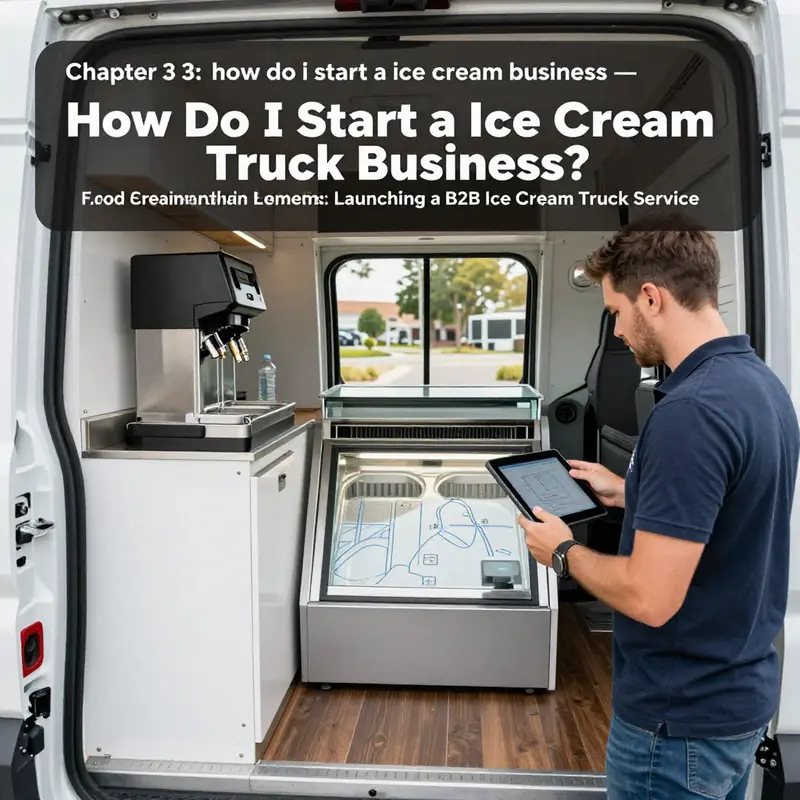
Launching an ice cream truck is an exercise in turning a mobile storefront into a reliable, delightful experience people can count on. It is a venture where every mile, every frozen scoop, and every customer interaction hinges on a foundation of careful planning and meticulous readiness. The vehicle you choose is not just transportation; it is the first impression you make. The refrigeration that keeps your ice cream safe is the beating heart of your operation. The way you display products, handle payments, and manage inventory becomes a choreography that should feel effortless to your customers while hiding a disciplined system behind the scenes. When you view readiness as a holistic discipline rather than a checklist, your startup phase becomes an investment in consistency, compliance, and long term growth.
Selecting and preparing the vehicle sits at the core of this approach. The right vehicle is a blend of durability, space, serviceability, and efficiency. A reliable van or small truck with a generous interior footprint is ideal, especially if it accommodates both a high-performing refrigeration unit and a visible display area. Insulation must be thick enough to mitigate the heat of the day while the refrigeration system holds temperatures well below the freezing point. In practical terms, many operators aim for a stable temperature around 0°F, which translates to about minus 18°C. This target keeps ice cream in its optimal state and minimizes the risk of structure and texture changes that customers notice. The refrigeration unit should be designed for continuous operation in a mobile environment and capable of maintaining consistent temperatures even as outside conditions swing from sun-flashed afternoons to cool coastal evenings. The exterior of the vehicle is more than a canvas for branding; it is a signaling device. Eye-catching branding and graphics that reflect your brand identity should be applied with durability in mind. A vehicle wrap that withstands outdoor exposure, informed color choices, and clear display of your menu and contact information help you monetize visibility while the truck is parked or rolling between events. Lighting matters too. Subtle LED lighting around the display and signage ensures visibility for evening events and festivals, extending your peak selling hours without sacrificing safety or aesthetics.
Inside the space, the layout should enable a natural flow from customer engagement to fulfillment. Refrigerated display units set the stage by presenting products in an organized, inviting manner. A compact yet efficient arrangement keeps scooping stations within easy reach, with a dedicated area for toppings and utensils that is both clean and intuitive. A reliable, mobile payment system is essential, allowing the line to move smoothly and customers to pay with confidence. Just as important as the hardware is the discipline behind it all. A centralized cleaning and sanitation schedule is not an optional extra but a daily operating rhythm. Regular sanitization of display surfaces, scooping areas, and touchpoints helps protect both the business and its customers and supports compliance with health regulations.
Equipment choices extend beyond display and payment. Stocking up on high-quality utensils and packaging material is a quiet but crucial decision. Scoops, spoons, napkins, and eco-friendly cups must be readily accessible to staff, with designated storage that minimizes cross-contamination and keeps the workspace uncluttered. A backup power source is equally prudent. Power outages or scenarios where the truck parks in locations without ready access to electricity can disrupt operations without a contingency. A generator or portable battery system provides a safety net that keeps your refrigeration running and your service uninterrupted, preserving the integrity of your product and customer trust.
Beyond the physical setup, the legal and regulatory backdrop frames everything you do. Licensing and permits are the gatekeepers that enable you to operate with confidence in public spaces. The journey starts with registration and tax identification, followed by the permits that authorize your mobile food service. A health department permit is a non-negotiable baseline, and depending on your jurisdiction, a mobile vendor permit and local zoning approvals may also be required. Insurance is not optional; it is the shield that protects your business, your employees, and your customers against the unpredictable. General liability coverage, commercial auto insurance, and workers’ compensation if you hire staff, form the core of a sound risk management strategy. Documentation matters as well. Maintaining organized records of permits, inspections, and compliance activities keeps you prepared for routine health checks and audits and helps you respond quickly to any regulatory inquiry.
As you map the path from permit to performance, you begin to see the practicalities of the business plan. Your startup costs will include the vehicle acquisition or lease, refrigeration and electrical upgrades, interior outfitting, inventory, and branding. Ongoing costs cover fuel, maintenance, insurance, and license renewals. A clear pricing strategy aligned with your cost of goods, target margins, and local competition will anchor profitability. A well-constructed forecast shows not just sales but break-even points and growth milestones. The plan should also articulate your USP in a way that harmonizes with your branding, menu, and service model. A single, coherent narrative—from the way your truck looks to the flavors on your menu and the way customers are greeted—will guide decisions across all touchpoints and help your business scale when the time comes to expand your fleet or to add seasonal operations.
Operational readiness is the daily practice of turning that plan into reliable performance. Route planning and scheduling emerge from a blend of data and intuition. High-traffic locations such as parks, beaches, school campuses, and festival grounds become anchors for your schedule, while seasonal patterns influence when you press for growth or scale back. The goal is to find a sustainable rhythm that maximizes exposure while managing fuel and maintenance costs. Inventory management complements this rhythm. Establish reliable supplier relationships for ice cream bases, mix-ins, and toppings, and implement a tracking system that flags when stock is running low. Inventory discipline helps prevent stockouts during peak times, protecting both revenue and brand impression. A simple but meaningful rule of thumb is to portion your stock according to demand signals—peak times require lean but ready access to top sellers, while slower times can feature a leaner assortment that keeps your kitchen efficient and your margins intact.
Branding and customer experience are the threads that weave your day-to-day operations into a memorable journey for your customers. A memorable brand identity lives on the truck, on packaging, and across social channels. Consistency in visuals and messaging creates recognition, trust, and loyalty. Engaging customers online helps them plan their visits, while offline engagement—from school events to community fundraisers—builds goodwill and word-of-mouth momentum. A well-executed branding strategy also informs your flavor decisions and menu design. A simple, well-curated menu with high-margin items—perhaps specialty sundaes, seasonal offerings, or themed treats—can accelerate both purchase decisions and service speed. The human side of readiness matters as well. Customer service training emphasizes clarity, warmth, and efficiency, and basic cash handling procedures protect both staff and business. In a mobile context, the customer experience begins the moment a passerby notices your truck, and the impression you leave with the first bite is often what determines return visits and referrals.
From a financial perspective, readiness means building a framework that makes growth possible without sacrificing control. Startup costs should be tracked against a realistic plan for debt or equity, and ongoing metrics should illuminate the health of the venture. A simple profitability lens focuses on a core set of items, aiming for a healthy margin while maintaining competitive prices. Regular pricing analysis helps you stay aligned with ingredient costs and consumer willingness to pay, and reinvestment plans should reflect ambitions to upgrade equipment, expand to additional trucks, or broaden the distribution network through events and catering. Solid financial management also means keeping records organized and accessible. A disciplined approach to documenting purchases, sales, and incidentals reduces the friction that often accompanies seasonal transitions or regulatory audits and provides a reliable basis for tax planning.
Within this tapestry, the vehicle’s readiness continues to be a guiding thread. The right combination of durable mobility, efficient refrigeration, and a customer-friendly layout ensures you can deliver consistent quality anywhere you operate. When the truck is on the move, it carries your brand to new neighborhoods, and when it stops, it converts passersby into customers who feel welcomed, informed, and satisfied. The balance is delicate—too many moving parts can create confusion, while too few safeguards leave you exposed to risk. The best operators treat readiness as a dynamic practice, always auditing themselves, learning from each event, and adapting to new locations, seasons, and community needs. That adaptability is what ultimately turns a mobile ice cream venture into a trusted local favorite.
To connect the dots between vehicle technology and practical readiness, consider how evolving truck systems can inform your planning. For example, advances in vehicle electronics and energy management influence not just reliability but also the feasibility of longer routes and more ambitious schedules. A resource that keeps pace with these developments can offer strategies for maximizing uptime and reducing downtime during peak seasons. You can explore one such perspective on advancements in autonomous LT-series trucks, which provides a window into how modern truck technology is evolving and what that could mean for a mobile food operation. Advancements in autonomous LT-series trucks.
As you absorb these threads, remember that readiness is not a static checklist but a living system. It requires ongoing attention to regulatory updates, supplier reliability, and customer expectations. It demands a safe, clean, efficient workspace, and it rewards those who invest in a brand experience people remember. Your first truck should feel like a well-designed, fully functional stage where every part—from the refrigeration unit to the last napkin dispenser—works in harmony. The result is not just a successful launch; it is a durable foundation for growth, resilience in the face of change, and a reputation for delivering joy in every scoop.
External guidance from established resources can help you accelerate the early stages of this journey. For a broader, in-depth guide to starting and running a mobile ice cream operation, you can consult authoritative guidance that outlines the full spectrum of considerations—from legal steps to branding and operations. This resource anchors your planning in a framework that aligns with best practices across jurisdictions and markets.
Chapter 4: Crafting a Sweet Launch: Branding, Marketing, Operations, and Financial Strategy for an Ice Cream Truck Business
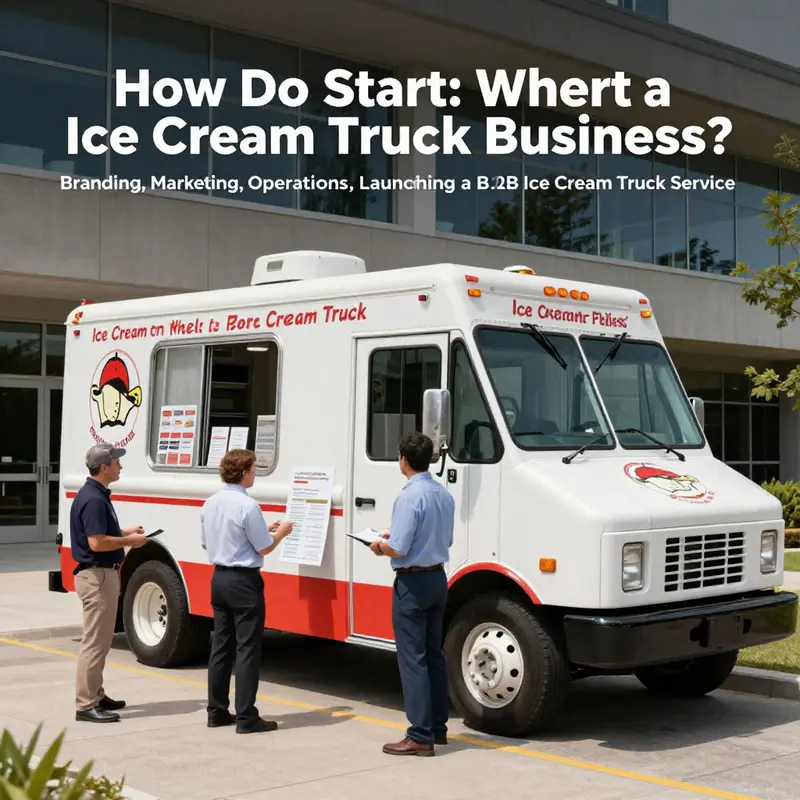
Launching an ice cream truck is more than mounting a freezer and pulling away. It begins with a coherent vision that unites branding, customer experience, operations, and finances into a single road map. The path from idea to street-ready vehicle blends creative storytelling with practical discipline. You will need to listen to your market, design a brand that speaks to it, build an operational engine that can actually deliver, and manage money with clarity. When these elements align, your truck becomes more than a mobile shop; it becomes a moving invitation for communities to gather, share a smile, and return for more. The chapter that follows threads these threads together, showing how branding, marketing, operations, and financial management reinforce one another long before the first customer ever tastes your product.
Branding is the compass that points your venture toward a distinct audience and a memorable experience. It starts with a name that sticks and a logo that communicates the vibe you want to project—whether that vibe is cheerful nostalgia, bold whimsy, or a clean, modern flavor profile. The branding should extend to the vehicle design, which serves as a walking billboard. A bright color palette, legible typography, and cohesive illustrations on the sides of the truck help you stand out in a crowded environment. The goal is immediate recognition from a distance so that families, students, and office workers remember your truck when they see it again a block away or down the street at a festival. Consistency matters. The same colors, the same tone of voice in your social captions, and the same quality in your packaging reinforce trust with every interaction.
Beyond visuals, your brand should promise an experience. This is where a carefully crafted customer journey comes into play. From the moment a passerby spots your truck, every touchpoint should feel intentional and efficient. A simple, friendly greeting, a clear menu, and a quick, intuitive payment flow reduce friction and boost satisfaction. The packaging, including napkins, cones, and cups, should carry your branding and be designed for easy disposal or reuse. A small but meaningful detail—such as a distinctive flavor label or a short backstory on seasonal offerings—gives customers something to share on the next interaction and on social media. A compelling UVP, or unique value proposition, is your Tinder for attention: it could be signature flavors crafted with locally sourced ingredients, a commitment to sustainable packaging, or the option for customers to customize toppings at the scooping station. The more authentic and specific your UVP, the easier it becomes to train staff, market to your target audience, and price your offerings with confidence.
Strategic marketing turns branding into momentum. In the world of a mobile ice cream operation, visibility is both opportunity and constraint. Social media becomes your daily storefront. A well-timed post about your daily location, a teaser of flavor of the day, or a behind-the-scenes look at a batch emerging from the freezer can create anticipation and drive foot traffic. Platforms with strong visual appeal are particularly effective for ice cream concepts, so think in terms of shareable visuals and short video clips. The essence of marketing here is to combine consistency with experimentation. Maintain a regular cadence of location updates and flavor announcements, but also test new approaches—polls to let followers vote on a flavor, giveaways tied to school events, or limited-time collaborations with local bakers and coffee shops. Loyalty programs matter; even a simple punch-card or a digital rewards system can convert casual tasters into repeat customers. The beauty of mobile operations is the ability to respond quickly to neighborhood dynamics: park gatherings, weekend markets, sports events, and school functions all create natural windows for deployment.
Community engagement helps translate local visibility into lasting trust. Being present at parks, festivals, and school events positions your truck as a neighborhood staple rather than a temporary novelty. Partnering with parks, playgrounds, and community associations gives you recurring venues and predictable revenue streams while embedding your brand in local culture. You can tie in seasonal campaigns—spiced flavors for autumn, fruit-forward offerings in the heat of summer, or a “flavor of the day” that ties into a local event or holiday. Clear, proactive communication about where you will be and when makes you a reliable part of the community calendar. You can extend your reach through email and SMS updates, especially to families who want to know when you’ll be near their favorite parks after school or on weekends. The more you invest in consistent, positive interactions, the more your customers will become ambassadors who share your story with friends and neighbors.
From branding and marketing, the thread returns to operations—the backbone that makes every promise tangible. A mobile business rests on a solid foundation of permits, licenses, and compliance. You will need to navigate a landscape of local regulations that may include a food service license, a mobile vendor permit, health department approval, and a sales tax permit. Understanding these requirements early helps you avoid delays and avoidable headaches. Health and safety cannot be overstated: routine equipment sanitization, proper food handling training, and ongoing inspections are not mere formalities but the core of protecting your customers and your livelihood. Insurance is another essential layer—general liability and vehicle coverage guard you against the unexpected, and workers’ compensation becomes relevant if you hire staff. Documentation of all permits, inspection reports, and training records should be organized and accessible. The aim is to create a culture of compliance so that when a health inspector visits or a city official asks for records, you respond with clarity, not excuses. Your vehicle is both equipment and brand ambassador, so its reliability matters as much as its aesthetics. A refrigerated platform that maintains safe temperatures, a dependable freezer system, and a well-designed interior for display, scooping, and payment are critical. A practical layout considers the flow of the line, minimizes backtracking, and positions the most popular items at eye level for quick selection.
A well-planned operations model also encompasses inventory and supplier management. Keeping a balanced stock of high-demand flavors, seasonal items, cones, cups, and toppings prevents missed sales during peak windows. Establish solid relationships with ice cream suppliers and local topping vendors who can deliver fresh items on predictable schedules. Local or premium ingredients may reinforce your brand promise, but they require disciplined inventory tracking to reduce waste and ensure consistency. A streamlined POS system and payment processor are not optional luxuries but essential tools for speed and accuracy. In the heat of a busy day, the ability to accept multiple payment methods quickly speeds service and reduces lost sales. Training your staff on customer service, food safety, and cash handling creates a uniform service standard and helps ensure that every customer experience matches your brand promise.
Pricing and financial management complete the loop from promise to profitability. Pricing should cover cost per serving and contribute to fixed and variable costs, with a clear plan for achieving a break-even point. A simple rule of thumb can be cost-plus pricing that factors in ingredient costs, labor, fuel, insurance, and permits, plus a desired margin. However, rigid formulas rarely capture the realities of a mobile business. You should continuously analyze sales data, observe which flavors perform best in which locations, and adjust prices or menus accordingly. Regular menu analysis helps you optimize revenue and adapt to seasonal demand. Financial management is more than collecting receipts; it requires disciplined record-keeping, monthly reviews, and forward-looking cash flow planning. A reliable accounting setup tracks revenue, expenses, and profitability and helps you forecast seasonal slow periods, maintenance costs, and potential fleet upgrades. A reserve fund for emergencies and repairs protects you from sudden shocks when equipment fails or road conditions push maintenance needs upward.
A cohesive approach to branding, marketing, operations, and finance is even more powerful when you frame it around a practical deployment plan. Start by validating the market with a few test routes and pop-up appearances at local events. Use the data from these initial runs to calibrate your branding palette, menu mix, and location strategy. Consider your route planning as a living document: you may begin with a few neighborhoods, parks, and school campuses and then expand to festivals and seasonal markets as you gain experience. A lean launch, grounded in clear financial expectations, reduces risk while enabling you to reinvest in the truck, equipment, or staff as opportunities arise. The transition from concept to street presence is not a one-time event but a continuous loop of feedback, adjustment, and growth.
A final element—often underestimated but essential to long-term viability—is the culture you cultivate among your team. If you hire employees, invest in their training, not only in food safety but in hospitality, problem-solving, and genuine customer care. Staff who feel valued tend to deliver memorable service, which in turn reinforces your branding and marketing efforts. People-first practices, as discussed in fleet and operations literature, translate directly to happier customers and lower turnover. The philosophy underpinning your brand should permeate every decision from the flavor lineup to the way you greet a line of new customers. When this culture aligns with your branding and your operational discipline, your ice cream truck becomes a resilient entity capable of weathering the inevitable challenges of seasonal business, shifting weather, and fluctuating demand.
As you refine your plan, there is value in looking beyond your own boundaries to proven approaches in related fields. In the broader world of mobile fleets and service-oriented operations, leaders advocate for a holistic view of fleet management and human capital as essential drivers of success. This perspective emphasizes not only the mechanical aspects of moving goods but the social and organizational dynamics that make those movements reliable and scalable. You can explore this mindset in more depth through discussions centered on transforming fleet management and investing in people as a foundational strategy. Transforming Fleet Management: Investing in Human Capital offers insights that, while framed for a different industry, illuminate transferable practices for ice cream ventures—from how you structure roles and training to how you measure performance and sustain morale over the long arc of growth. Transforming Fleet Management: Investing in Human Capital
The practical takeaway is straightforward: your ice cream truck is a portable business tool that carries a brand, a story, and a promise of delight. Making that promise credible requires a deliberate, integrated approach. Start with branding as a unifying thread, then design marketing activities that feed the brand while generating data you can analyze. Build an operational model that is scalable yet grounded in everyday reliability. Finally, manage money with discipline and foresight, treating every new flavor or new route as an investment in the future of your truck. When these elements are synchronized, your journey from concept to a beloved local fixture becomes not just possible but probable.
External resource for broader guidance and practical tools continues to be the work of the U.S. Small Business Administration, which offers templates, funding options, and licensing guidance for entrepreneurs seeking to launch small ventures with confidence: https://www.sba.gov
Final thoughts
Launching an ice cream truck business that serves Logistics & Freight Companies, Construction & Engineering Firms, Fleet Management Providers, and Food & Beverage Distributors demands a disciplined, holistic approach. Begin with rigorous market research and a lean business plan that translates client needs into a repeatable service model, pricing, and service levels. Secure all regulatory requirements early—permits, health inspections, and proper licensing—so you can operate with confidence across sites and districts. Invest in a vehicle and interior layout designed for reliability, safety, and hygiene, ensuring temperatures remain stable and maintenance is routine. Build a brand and marketing plan that communicates dependability, safety, and value to procurement teams, while establishing invoicing, contract terms, and loyalty incentives that fit corporate purchasing cycles. Create standardized operations, from staff training to route optimization and inventory management, so service remains consistent as you scale. With a proven framework, you can move from a pilot site to a multi-truck fleet, delivering steady revenue, elevated morale for on-site teams, and enduring client partnerships.