The dump trucking industry has witnessed remarkable growth in recent years, showing no signs of slowing down. With increasing demands from logistics and construction sectors, starting a dump trucking business presents an exceptional opportunity for entrepreneurs ready to tap into a booming market. As a solution-oriented venture, this industry caters not only to construction and engineering firms but also to logistics companies seeking efficient freight solutions. Furthermore, with evolving technologies and regulatory landscapes, businesses in this sector can leverage innovations to enhance operational efficiency and achieve sustainable growth. If you’re considering entering this lucrative field, understanding the intricacies of establishing and managing a successful dump trucking business is essential. In this guide, we’ll explore the critical steps and opportunities awaiting you in this vibrant industry, highlighting best practices and strategies for success. To learn more about the future of trucking, read about the evolving regulations.
Essential Requirements to Start a Dump Trucking Business
Starting a dump trucking business involves careful planning and adherence to various legal, financial, and operational requirements. Below is a comprehensive outline of these essential requirements categorized accordingly.
Legal Requirements
- Business Registration: Register your business with the appropriate local, state, or federal authorities to obtain necessary licenses.
- Commercial Driver’s License (CDL): Ensure all primary drivers possess a valid CDL as required for operating heavy-duty trucks. Learn more about trucking regulations.
- Insurance: Obtain liability insurance that covers your trucks and cargo to protect against accidents and damages.
- DOT Number: Acquire a DOT number from the Federal Motor Carrier Safety Administration (FMCSA) for interstate operation.
- Operating Authority: Depending on your hauling routes, you might need freight transport authority or other certifications to legally operate your trucks.
Financial Requirements
- Startup Capital: Initial investment can range from $10,000 to $150,000 covering truck purchases or leases, equipment, and operating costs. Explore funding options for trucking businesses.
- Operating Expenditures: Budget for fuel, maintenance, insurance premiums, and payroll costs for any employees or drivers.
- Accounting Setup: Implement an accounting system to manage expenses, revenues, and tax obligations.
Operational Requirements
- Fleet Maintenance: Establish a regular maintenance schedule for your dump trucks to ensure compliance with safety regulations and reliability for your operations.
- Staff Training: Provide training for your drivers on safety protocols, vehicle operation, and regulatory compliance. This ensures efficient and safe business operations. Learn about safety training.
- Routing and Logistics Management: Develop an effective logistics system for managing routes, loads, and customer communications. Use software solutions for streamlining these processes wherever feasible.
- Compliance Monitoring: Keep track of local and federal regulations affecting trucking operations to remain compliant and avoid penalties.
Starting a dump trucking business requires a multifaceted approach that incorporates these legal, financial, and operational aspects. By ensuring that every category is thoroughly addressed, new business owners can set a solid foundation for success in the trucking industry.
Market Analysis of the Dump Trucking Industry
The dump trucking market is poised for significant growth, driven by various factors including increased construction activities, infrastructure investments, and demand from the logistics sector. According to a report by Allied Market Research, the market size for dump trucks was approximately $19.5 billion in 2023, with projections indicating it could reach $39.3 billion by 2033, representing a robust CAGR of 7.1% during this period. This surge is largely attributed to the acceleration of urbanization, enhancing the need for heavy-duty transportation of construction materials and earth-moving tasks in urban development projects.

Further examining the geographic landscape, regions such as North America and Asia-Pacific are expected to witness substantial growth. In particular, the U.S. is benefiting from government initiatives aimed at infrastructure modernization. With an increase in public and private sector investments, the demand for dump trucks to support these initiatives is at an all-time high. Additionally, the ongoing rehabilitation of roads and the development of railways are projected to bolster the market further.
Several trends are shaping the dump trucking industry:
- Electrification: The emergence of electric dump trucks is a game-changer, aligning with global sustainability efforts and the push toward electrified transportation solutions.
- Technological Advancements: Innovations such as telematics and autonomous driving technology are redefining fleet management efficiencies, attracting logistics and construction companies looking to optimize costs.
- Environmental Regulations: Stricter emissions regulations are prompting operators to invest in more environmentally-friendly, fuel-efficient models, which enhances demand for modernized fleets.
In conclusion, opportunities abound in the dump trucking sector, particularly within logistics and construction. Companies that embrace technological innovations and sustainable practices will likely position themselves favorably in this rapidly evolving market landscape. To further explore the logistics and freight implications of upcoming regulations, you can learn more about future developments in the trucking sector and strategies to combat cargo theft that may affect operational efficiencies.
Initial Investment Costs for Starting a Dump Trucking Business
When considering starting a dump trucking business, it’s essential to understand the various initial investment costs. Below is a breakdown of typical expenses:
| Expense Category | Estimated Cost (USD) |
|---|---|
| Dump Truck (New) | $120,000 – $200,000 |
| Dump Truck (Used) | $70,000 – $100,000 |
| Permits & Licensing | $300 – $1,000 |
| Insurance (Annual) | $8,000 – $12,000 |
| Maintenance Equipment | $5,000 – $10,000 |
| Driver Salaries (if applicable) | $40,000 – $60,000 annually |
| Administrative Software | $1,000 – $5,000 |
| Total Initial Investment | $150,000 – $300,000 |
Summary
The total initial investment for launching a dump trucking business typically ranges from $150,000 to $300,000, depending on factors like the scale of operations and choice of vehicles. This overview provides insight into the financial commitment necessary to establish a successful operation. If you’re interested in the regulatory aspects affecting trucking, learn more about regulatory relief during winter storms or other challenges in the industry.
Starting a dump trucking business requires navigating a complex web of federal, state, and local regulations. Each jurisdiction has its own specific licensing requirements essential for legal and compliant operations. Understanding these requirements is crucial for logistics companies, construction firms, and other potential stakeholders in the trucking industry.
Federal Requirements
At the federal level, the Federal Motor Carrier Safety Administration (FMCSA) governs the operation of commercial trucking companies. Here are the primary requirements:
-
Commercial Driver’s License (CDL): All drivers must obtain a valid CDL that corresponds to the type of vehicle they will operate. For dump truck operations, a Class B CDL is typically necessary if the truck has a gross combination weight rating (GCWR) of 26,001 pounds or more. Drivers must also pass written and skills tests, as well as a medical examination. Learn more about CDL requirements at FMCSA.
-
USDOT Number: Businesses must register with the FMCSA and obtain a USDOT number, mandatory for all motor carriers engaged in interstate commerce. This registration includes proof of liability insurance and adherence to safety standards. More details can be found on the USDOT website.
State and Local Requirements
Each state has its own set of regulations concerning the operation of dump trucks, which may include:
-
State Registration: Most states require independent registrations and may issue additional permits depending on local laws. This could include a state-level commercial vehicle license or operating authority. The National Association of State Motor Vehicle Administrators (NASMVA) provides information on these specific requirements (NASMVA).
-
Local Permits: Local jurisdictions may require specific permits to operate a dump truck within city limits, especially if the operation involves construction sites. It’s advisable to consult local ordinances to determine any zoning permits or environmental compliance certifications necessary.
Compliance and Safety Considerations
Beyond obtaining initial licenses, maintaining compliance with federal safety regulations is essential. The FMCSA’s Compliance, Safety, Accountability (CSA) program monitors carriers through various metrics that can significantly affect operational eligibility and contract opportunities. Companies that score poorly on safety metrics may face penalties, making adherence to safety protocols and regulations indispensable.
In summary, embarking on a dump trucking business involves meticulous attention to legal requirements, from federal to local levels. Identifying the necessary licenses, permits, and compliance measures not only ensures legal operation but also fosters trust and reliability in your services. For an extensive guide on starting a small business, including obligations and registrations, please visit the SBA official site.
This comprehensive understanding of licensing and permitting is pivotal for logistics and freight companies, construction and engineering firms, fleet management companies, and food and beverage distributors aiming to start or expand their operations in the dump trucking industry. By adhering to these requirements, businesses can thrive in a competitive market while ensuring lawful and efficient operations.
Fleet Management Best Practices for Dump Truck Companies
Effective fleet management is crucial for dump trucking businesses striving to maintain efficiency, reduce costs, and ensure safety. Implementing strategic practices in maintenance, scheduling, and operational efficiency can significantly enhance productivity.
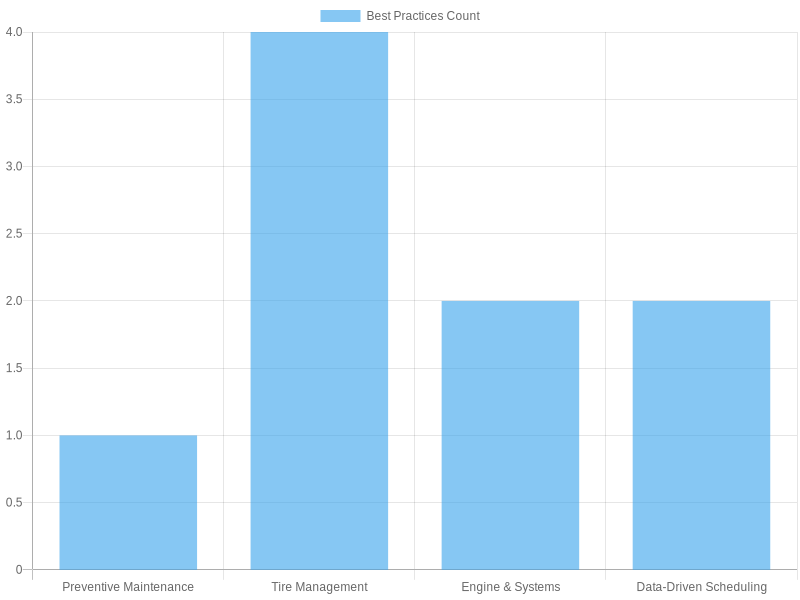
Maintenance Best Practices
- Adhere to Preventive Maintenance: Following the manufacturer’s maintenance schedule is essential. This includes regular inspections, timely fluid changes, and component checks to prevent breakdowns. According to Fleetio, establishing a routine maintenance regime can extend the lifespan of dump trucks and enhance operational reliability (Fleetio Blog).
- Tire Management: Monitoring tire conditions can mitigate risks associated with tire failure. Regularly inspect tire tread depth, pressure, and overall integrity to enhance safety and fuel efficiency. All tires should be suited to the specific operating conditions of the dump trucks, such as in heavy-duty construction environments.
Scheduling Strategies
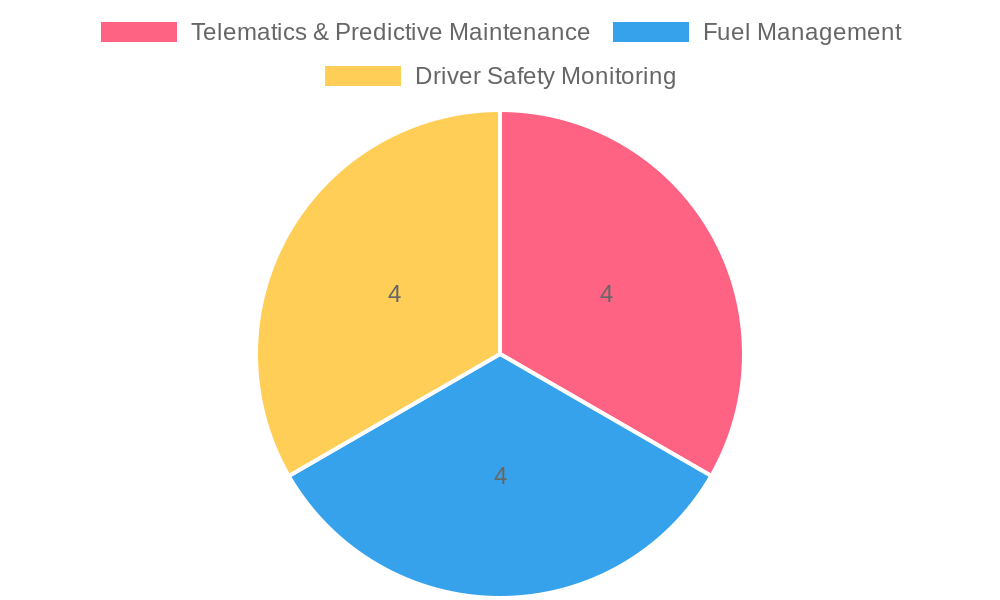
- Data-Driven Scheduling: Using telematics to analyze operational data can optimize maintenance schedules. Instead of fixed intervals, condition-based maintenance relies on real-time data from vehicle sensors to schedule services only when needed, significantly reducing downtime and costs while improving reliability.
- Utilize Technology for Routing and Scheduling: Advanced routing software helps in planning efficient delivery routes, optimizing fuel consumption, and improving driver productivity.
Operational Efficiency
- Telematics Systems: These innovative tools provide real-time data, allowing fleet managers to track vehicle positions, check engine diagnostics, and monitor fuel consumption. This technology leads to informed decision-making that can enhance the overall management of dump truck fleets (Transport Topics).
- Driver Performance Monitoring: Implementing systems to track driver behavior can reduce accident rates and lower insurance costs. Training drivers to minimize behavior such as harsh braking and rapid acceleration contributes to improved safety and efficiency.
Conclusion
By integrating these fleet management best practices, dump trucking businesses can not only enhance operational efficiency but also create a safer and more cost-effective working environment. The consistent application of these strategies will result in optimized fleet performance and increased profitability in today’s competitive logistics market.
Sources:
- Best Practices for Heavy Equipment Maintenance: Dump Trucks
- The Role of Telematics in Modern Dump Truck Fleet Management
“Efficient trucking operations are no longer just about cost savings-they are a cornerstone of supply chain resilience. In today’s fast-moving markets, even minor delays in delivery can trigger cascading disruptions across manufacturing, retail, and consumer sectors. Companies that invest in real-time tracking, optimized routing, and reliable carrier partnerships see up to 30% improvements in on-time delivery rates and significantly reduced fuel and labor costs.”
- Sarah Lin, Director of Logistics Strategy at McKinsey & Company
This quote highlights essential aspects for logistics and freight companies considering a dump trucking venture. Efficiency not only enhances operational performance but also strengthens customer relationships and overall business success.

Financial Trends from 2024 to 2028
Below is a chart illustrating growth projections for the dump trucking industry over the next five years, including factors such as demand, revenue, and operational costs.
| Year | Demand ($ Billion) | Revenue ($ Billion) | Operational Costs ($ Billion) |
|---|---|---|---|
| 2024 | 290 | 320 | 150 |
| 2025 | 300 | 325 | 155 |
| 2026 | 310 | 330 | 160 |
| 2027 | 320 | 335 | 165 |
| 2028 | 330 | 340 | 170 |
Note: The data reflects industry trends projected for the coming years and can guide logistics and construction companies in their planning.
Conclusion and Call to Action
Starting your own dump trucking business is a promising venture for those in the logistics, construction, and engineering sectors. As outlined throughout the article, key steps include obtaining a commercial driver’s license (CDL), securing the necessary permits, ensuring robust insurance coverage, and acquiring reliable equipment. The importance of market research and maintaining good relationships with clients cannot be understated. Additionally, focusing on operational efficiency through technology can set you apart in this competitive industry.
To further enhance your trucking operations, consider integrating Summit Fairings into your fleet. These innovative solutions improve aerodynamics, reduce fuel costs, and promote better handling, ultimately leading to enhanced efficiencies and increased profitability.
Now is the time to act! Equip your dump trucking business with the best tools and strategies to thrive. Visit our website for more insights and resources to support your journey in this exciting industry.