As more entrepreneurs seek flexible and rewarding business opportunities, the ice cream truck business stands out as a quintessential small business model. Its relatively low barriers to entry, distinct operational framework, and adaptability to various markets contribute to its growing allure. This model not only encourages personal engagement and community interaction but also represents a scalable pathway for many business owners, especially in the food and beverage sector. Throughout this article, we will explore the ice cream truck business as a small business model by delving into its foundational structure, financial strategies, regulatory requirements, and evolving market trends. Each chapter will provide insights that reinforce the viability of this unique venture within the broader business landscape.
Sweet Mobility, Small-Scale Enterprise: How Ice Cream Trucks Redefine the Small-Business Playbook
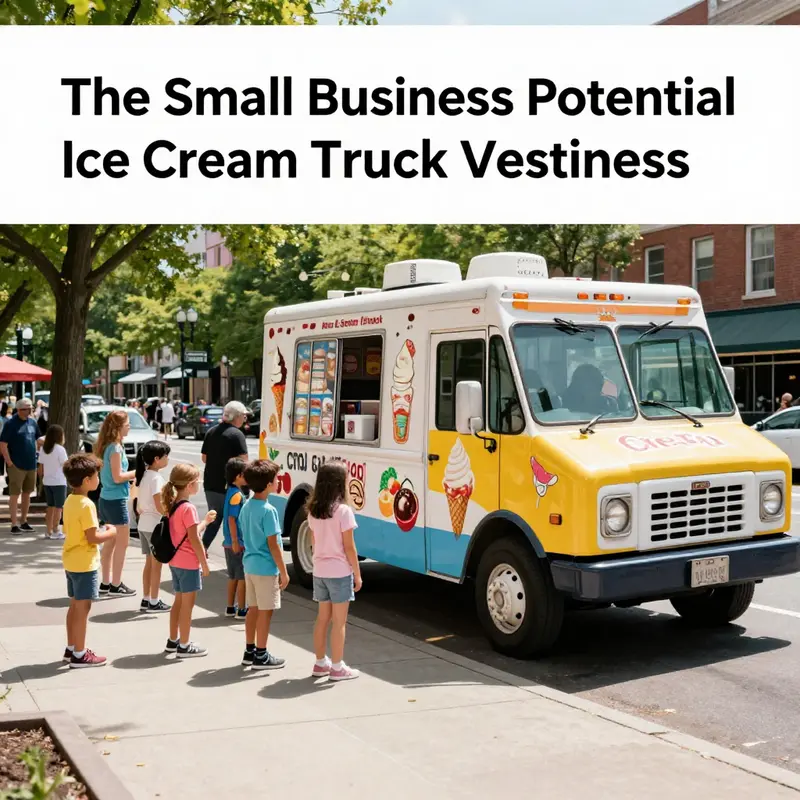
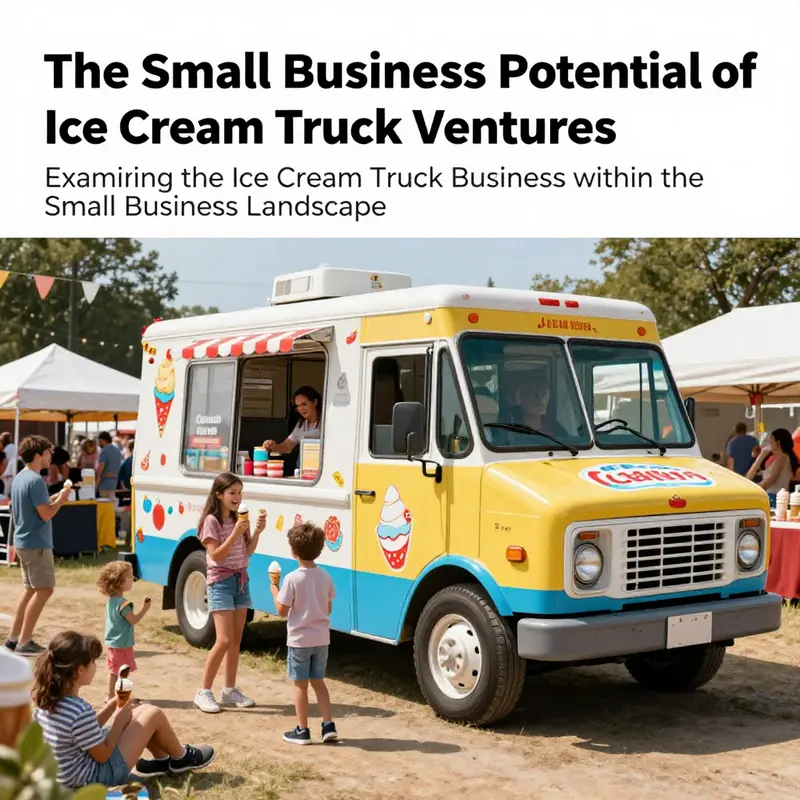
The ice cream truck, once a nostalgic symbol of summer thrills and neighborhood delight, sits at a curious intersection of mobility, commerce, and entrepreneurship. It is a small business in the truest sense: light on fixed assets, heavy on flexibility, and deeply rooted in direct customer connection. When a single refrigerated vehicle rolls into a park, a schoolyard, or a festival, it embodies a model that blends mobile retail with seasonal demand and creative product expression. What looks like a simple van selling cones and jars of goodness is, in reality, a carefully tuned micro-enterprise crafted to navigate the rhythms of location, weather, and community needs. The core advantage is not merely the absence of a brick-and-mortar storefront but the ability to meet customers where they are, exactly when they want a cool treat, and with a experience that can be uniquely branded and sold with efficiency and warmth.
From the outset, the ice cream truck model signals a low-overhead entry point into small business ownership. The typical startup requires far less capital than a fixed-location restaurant or specialty shop. A single truck, a basic refrigeration system, a display unit, a modest inventory, and the necessary permits can yield a viable business in many communities. This is not a niche venture opening into a mountain of debt; it is a practical path for a startup-minded individual or a couple of partners who want to pilot an idea with minimal fixed risk. The lack of a traditional storefront reduces certain fixed costs and grants the operator the freedom to move, test markets, and adapt quickly to shifting demand. Over time, a savvy operator can scale by adding more vehicles or by forming partnerships, but the essence of the opportunity remains grounded in the small, nimble, and customer-centric core.
The professional appeal of the ice cream truck is not only its low entry barrier. It lies in its ability to operate in a wide range of settings—parks, school campuses, sports events, office complexes, neighborhoods, and seasonal fairs. This mobility translates into a flexible schedule, a trait prized by many aspiring small business owners who want control over when they work and where they go. Seasonal demand drives a natural cadence: peak heat, holiday celebrations, and community gatherings provide concentrated pockets of foot traffic, while slower months invite introspection, route optimization, and product experimentation. The model thrives on adaptability. Operators can shift flavors, introduce limited-edition offerings, or pair with other local vendors for cross-promotions, all without the heavy overhead that constrains many fixed-location ventures.
What distinguishes a successful ice cream truck from a one-shot popcorn venture is the deliberate orchestration of location, product strategy, and customer experience. Location choice becomes a strategic discipline. A truck that routinely parks near busy playgrounds, sports complexes, or near office clusters can build consistent daily revenue streams. Yet, the model rewards the operator who embraces variability: pausing at a community festival to capture a surge of impulse purchases, then moving to a residential neighborhood for a two-hour block when parents are strolling after dinnertime. The blend of high-traffic sites with carefully timed appearances turns randomness into predictable demand.
Product differentiation also plays a central role. The classic cone and cup still hold enduring appeal, but modern operators expand the menu to meet evolving tastes and dietary preferences. Frozen yogurts, yogurt-based swirls, or sorbets offer lighter options; DIY mix-and-match stations enable customers to craft flavors, textures, and toppings that feel personal. Seasonal or holiday-inspired flavors can mirror local culture or events, creating a sense of novelty that draws both children and adults. Some trucks broaden the spectrum further by offering non-ice-cream items such as smoothies or baked goods, adding revenue streams and reducing the risk of a single-product dependency. This flexibility helps sustain growth beyond a single peak season and invites a broader customer base.
Operational efficiency emerges as the quiet engine behind profitability. A well-planned route, an optimized inventory, and a streamlined point-of-sale experience can reduce wait times and waste. Digital tools—mobile payment options, order apps, and social media promotions—help the operator manage pre-orders, communicate location schedules, and nurture a loyal following. The operator who leverages data from past sales can spot patterns: which locations yield the highest average order value, which flavors move fastest, and how weather conditions shift demand. Routine data review supports smarter decisions about inventory replenishment, pricing during special events, and even which neighborhood routes to prioritize on particular days of the week.
Branding matters as much in a truck as it does in a storefront, perhaps more because the vehicle itself becomes a moving billboard and a live-stage for customer experience. Bright, cohesive design, a friendly temperament from the vendor, and a dependable sense of timing contribute to repeat business. The truck can serve as a vibrant extension of the local community, participating in school events, street fairs, and charity fundraisers, which not only broadens exposure but also cements a reputation as a welcoming neighbor. In this respect, the ice cream truck is less about selling a single product and more about delivering a small, reliable ritual—a brief moment of delight—that reinforces social ties within the community.
The financial picture, while favorable in many cases, deserves careful attention. Start-up costs vary widely but typically sit in a modest range, reflecting the model’s low fixed asset requirements. Vehicle conversion, refrigeration, and display equipment constitute the backbone of the initial spend, while ongoing expenses cover fuel, maintenance, ingredient sourcing, and routine licensing. Industry observations place setup costs generally between five thousand and twenty thousand dollars, though the exact figure hinges on the scale of customization and the sophistication of the cart’s presentation. These numbers are not just numbers; they shape risk tolerance, credit needs, and the pace at which an operator can pursue growth.
The profitability equation hinges on a handful of interlocking factors. Location and timing determine customer flow; product differentiation sustains interest; operational efficiency reduces costs and improves service speed; and branding elevates the perceived value of the experience. A savvy operator also treats marketing as an ongoing investment rather than a one-off activity. Social media can become a living calendar of appearances, highlighting upcoming events, special flavors, and pre-order opportunities. A well-timed post can convert a casual passerby into a customer and then into a follower who anticipates the next stop.
Growth for an ice cream truck operator usually starts with deeper market penetration rather than expensive expansion. Some owners grow by adding more trucks—each operating as a small satellite unit under a shared brand—while others opt for partnerships and co-branding arrangements with schools, sports leagues, or community organizations. Franchising, if pursued, tends to be more nuanced, requiring quality control, training procedures, and standardized branding to ensure that each new vehicle preserves the customer experience that anchored the original venture. Yet even without scaling into multiple trucks, sustained growth can come from disciplined experimentation: rotating menus, seasonal collaborations, and cross-promotions that align the truck with local culture and merchants. The key is to maintain the core promise of speed, quality, and a personalized connection to customers.
A thread running through these considerations is the importance of people. The human element—handling customer questions, managing a small team, and maintaining a friendly demeanor—often determines whether a venture remains small but steady or graduates into something more expansive. Investors and operators alike increasingly recognize that investing in people is not optional but foundational. In contexts like trucking and mobile retail, a skilled, motivated team can elevate a simple service into a trusted neighborhood habit. This idea is explored in broader industry conversations about workforce development and organizational culture, which emphasize the enduring value of people as the most critical asset a small business can own. Investing in people—a new path for trucking fleets is a resonant reminder that growth and resilience come from the teams that staff the operation, not merely from the number of vehicles on the road.
Alongside human capital, regulatory and safety considerations shape the day-to-day reality of running an ice cream truck. Operators must secure the proper licenses, meet health and safety standards, and keep records of inventory and temperatures. The regulatory framework ensures quality and protects consumers but can also influence the timing of expansions or the practicality of certain routes. A thoughtful operator treats compliance as an opportunity to build trust with customers and communities rather than as a hurdle to be endured. In practice, that means clear labeling of allergens, consistent maintenance of refrigeration, and transparent communication about where the truck will be and when it will appear. The transparency itself can become a part of the brand’s appeal, reinforcing reliability and care in every interaction.
The seasonal cadence of the business presents both risk and resilience. A hot summer can yield robust daily sales, yet inclement weather or a cool stretch can compress demand. Successful operators respond with flexibility: shifting to nearby events, extending operating hours in peak periods, or bundling offerings in ways that provide perceived value during shoulder seasons. Beyond weather, social calendars—back-to-school periods, town-wide festivals, and neighborhood block parties—offer predictable bursts of activity. The capacity to pivot, to reallocate resources quickly, and to leverage digital communication tools becomes a defining strength. In this sense, the ice cream truck embodies a modern small-business toolkit: low fixed costs, high mobility, and a readiness to embrace what the market asks for, whether that means frozen yogurt in the spring or indulgent, dessert-forward creations after a local parade.
The extended horizon for this model is not simply about more routes or more flavors; it is about building an enduring local footprint. A truck that becomes known for dependable service, a distinct sensory signature, and an ability to tailor offerings to community preferences creates a durable relationship with customers. When a household knows they can count on a certain truck for a reliable treat during a school event or a weekend park visit, the business becomes part of the social fabric. This community resonance is precisely what lends longevity to small businesses, especially those anchored in mobile retail where the relationship with customers is often built in a few minutes of interaction rather than in a long, formal sales process. The narrative of the brand, as much as the product itself, fuels loyalty and repeated visits.
For operators contemplating the path from solo venture to a small fleet, the decision frequently rests on readiness and appetite for structured growth. Hiring, training, and governance become more pronounced as the operation scales, but the same principles—clear goals, consistent quality, and faithful customer service—apply. A gradual approach that adds one truck at a time can preserve the culture and standards that defined the original business. It also allows the operator to experiment with new markets, adjust pricing strategies, and refine logistics without risking the entire enterprise. The result is a resilient small-business model that honors the simplicity of the original idea while embracing the potential for broader impact. The ice cream truck becomes not merely a vehicle for sweets but a vehicle for entrepreneurship—proof that small can be powerful when guided by a thoughtful blend of mobility, customer focus, and disciplined execution.
Even as the model evolves, the essence remains remarkably portable. A well-run ice cream truck demonstrates how a small business can be both highly personal and broadly scalable. It shows that a single vehicle, with the right routines and relationships, can carve out a sustainable niche in a competitive marketplace. It illustrates that the core competencies of any small business—market understanding, product relevance, operational discipline, and customer experience—translate across industries when delivered with care and consistency. The chapter of this narrative is not about one business alone; it is about a philosophy of small-business success that centers human connection, mobility, and adaptive thinking as the engine of value. In that sense, the ice cream truck is more than a summer pastime. It is a practical blueprint for a small business that can endure, adapt, and delight communities—season after season.
External resource: For more on starting a small business, see the U.S. Small Business Administration guide: https://www.sba.gov/business-guide/plan-your-business/start-a-small-business
Rolling Profit: Financial Foundations for a Small Ice Cream Truck Venture
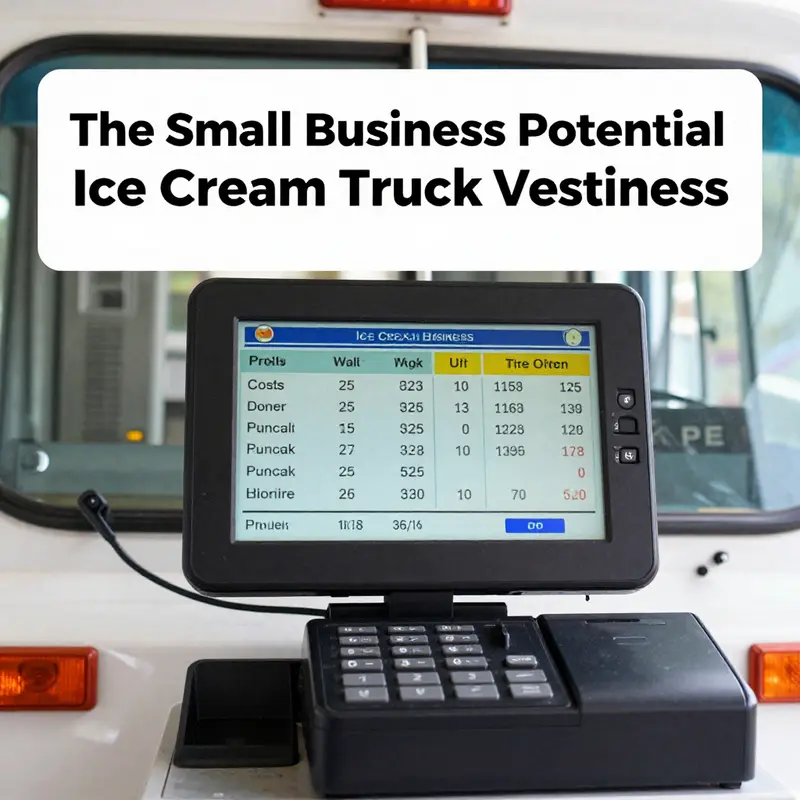
A small ice cream truck business sits at an unusual crossroads of mobility and entrepreneurship. It is portable, personal, and intensely local, which makes it a textbook example of a small business in motion. The vehicle itself is not just a machine for selling frozen treats; it is a leveraged platform through which an entrepreneur translates a simple product into daily cash flow, community engagement, and a growing reputation. When viewed through the lens of small-business economics, the ice cream truck model clarifies how a venture with modest capital can still achieve meaningful scale with careful financial design. The core question—whether this qualifies as a small business—begins to answer itself once we map the financial vocabulary that governs everyday decisions: what to buy, where to operate, how to price, and how to stay solvent through seasons of feast and famine.
From the outset, the financial profile of an ice cream truck is anchored in the initial investment. The entry point depends heavily on the vehicle choice and the level of on-board capability. A compact, affordable setup—think a small freezer, a merchandizing display, and a simple power source—offers a lower barrier to entry. This is the kind of option that appeals to solo operators or couples testing a market, because it minimizes risk while preserving the opportunity for daily revenue. In contrast, larger box-style trucks with built-in soft-serve machines, multi-temperature storage, and integrated POS systems command significantly higher upfront costs. These bigger units can unlock higher sales volumes and more efficient service in peak locations, but they require disciplined financial planning, estimated cash flow, and a longer horizon to break even. The spectrum—from entry-level tuk tuk configurations to fully equipped mobile units—literally frames the small-business reality: do you bootstrap, or do you scale with financing and a plan?
The ongoing operating costs are where the day-to-day discipline of a small business becomes most evident. Fuel is a constant factor, and its impact is magnified by urban geography. A flexible operating strategy can mitigate fuel burn by prioritizing routes and sites with high foot traffic during peak hours, while avoiding long, empty straightaways that erode margins. Maintenance and repairs rise with vehicle complexity and age. A light, well-maintained unit tends to be cheaper to keep on the road, reducing the risk of breakdowns that interrupt sales during critical periods. Insurance costs, particularly when a commercial vehicle license is necessary, can be substantial. The precise burden varies by location, but smart operators budget for coverage as a fixed monthly expense rather than a surprise at renewal time. Permits and licensing fees add another layer of recurring cost, varying widely by municipality, park system, and festival calendar. These are not optional add-ons; they are part of the price of doing business in public spaces and at organized events.
Revenue generation for an ice cream truck hinges on location strategy and customer engagement. The most successful operators treat each site as a potential micro-market with its own rhythm. Parks, beaches, school campuses, and summer festivals offer high foot traffic but often come with site fees, permit requirements, and reservation windows. This is where the art of pricing and packaging comes into play. A well-designed truck can attract attention with a distinctive sound system, eye-catching signage, and a friendly staff presence, turning a casual passerby into a loyal customer. Yet attention must be paid to the cost of that attention—advertising, signage, and the marketing workflow necessary to keep customers coming back. The optimal mix balances per-unit margins with volume, ensuring that a busy day does not slip into thin margins because of unmonitored inventory or ineffective cash handling.
Seasonality is not merely a backdrop; it is a defining feature of the ice cream truck business. Summer often delivers the highest sales, while shoulder seasons require resilience and adaptation. A small operator’s cash flow must be robust enough to weather off-peak periods, which can be managed through a few strategic moves. Diversifying offerings beyond standard scoops—perhaps including warm beverages on cooler days, or seasonal specialties—helps smooth revenue. The ability to pivot from one menu to another based on weather, events, and local tastes is a core strength of a mobile model. Cash reserves built during peak months become the lifeblood of the off-season, a reminder that the small business discipline is as much about liquidity management as about gross revenue.
Financial management for a small ice cream venture is less about large-scale accounting and more about disciplined, daily practices. A practical approach involves a combination of budgeting, real-time tracking, and periodic review. A lean profit-and-loss framework, coupled with a simple cash-flow model, enables the owner to monitor daily sales, inventory consumption, and fixed or variable costs with clarity. Mobile accounting tools tailored for small businesses can be especially valuable, letting an operator reconcile money in the truck with inventory on hand, while flags alert when margins shrink or when a season’s sales velocity drops unexpectedly. Such tools also support scenario planning—what if fuel costs rise by 10 percent? What if a permit fee increases?—so the business can anticipate sensitivities and adjust quickly.
Financing the initial investment is one of the most consequential decisions a new operator makes. When a vehicle is financed rather than purchased outright, the ongoing amortization and interest expense must be carefully weighed against potential revenue gains. Leasing arrangements for equipment and POS systems can preserve capital and provide tax benefits, though they also compress long-term profitability if misaligned with the actual sales timeline. An operator may explore grants or micro-loans aimed at small or seasonal businesses, especially in communities where mobile vendors are encouraged to stimulate local commerce. The key is to align financing with an operational plan that includes a conservative estimate of sales, a realistic timeline for profitability, and a strategy for managing working capital during transitions between peak and off-peak seasons.
From a brand and customer experience perspective, the financial story of a small ice cream truck increasingly intersects with marketing and reputation. Authenticity matters; a well-chosen vehicle and a consistent service style can reduce marketing expenses by generating word-of-mouth and repeat visits. For instance, a 1950s-inspired or custom-designed truck can become a recognizable fixture in the neighborhood, lowering the cost of customer acquisition over time. Yet this branding power must be matched with reliability and fair pricing. A misalignment between brand promise and service quality can erode trust more quickly than a temporary dip in sales. The financial discipline, in this sense, is not only about crunching numbers; it is about sustaining a trusted local presence that draws people back, season after season.
One practical lever for small operators is the strategic choice of vehicle type. The decision hinges on scale, location, and the local regulatory environment. A tuk tuk or small, fuel-efficient unit can operate in dense urban neighborhoods with modest upfront costs and lower running expenses. For operators willing to take on higher capital intensity, a larger, more capable truck can service larger events, multiple sites in a single day, and longer routes. The trade-off is built into the numbers: more capacity can translate into more sales, but it also entails higher loan payments, insurance premiums, and maintenance commitments. A careful financial model will compare expected daily revenue against all fixed and variable costs, and then account for the probability of securing prime sites and the likelihood of weather-related slowdowns. The result is a probability-weighted forecast that informs how much risk the operator is willing to take on in exchange for greater growth potential.
The broader ecosystem for small ice cream ventures also matters. Local regulations, park district policies, and festival schedules shape where and when a truck can operate. A well-structured plan will include a toolkit of permits and licenses, a timetable for renewals, and a registry of preferred locations. This administrative layer, though often overlooked, has real financial implications: permit fees, penalties for noncompliance, and the administrative costs of staying current with rules can eat into margins if not managed proactively. In many communities, a professional, well-organized approach to compliance yields timing advantages—earlier entry into popular sites and fewer disruptions during peak selling seasons—which in turn supports steadier revenue and more predictable cash flow.
The industry insight around small mobile food operations increasingly emphasizes the alignment between brand authenticity and operational reliability. Operators who cultivate a clear, consistent customer experience tend to earn stronger loyalty and resilience in the face of fluctuating demand. A modern ice cream truck that couples a nostalgic aesthetic with dependable service can command premium pricing in some markets while maintaining accessible options in others. The combination of a distinctive, trustworthy brand and disciplined financial practices helps a small operation survive the inevitable cycles of a seasonal business and gradually build a more robust, repeatable revenue stream. In practice, that means investing in training for staff, maintaining a clean and efficient workstation, and implementing cash-handling protocols that protect margins and reduce shrinkage. These are the human and procedural investments that complement the capital spent on equipment.
To bring these threads together, consider the rhythm of a typical season as a financial instrument in itself. The summer surge brings in the bulk of annual revenue, but it is followed by slower months that test liquidity. A savvy operator uses the summer windfall to build reserves, fund maintenance, and perhaps upgrade equipment in a phased, financially prudent manner. The ability to adapt pricing, manage inventory tightly, and prioritize high-margin offerings during peak periods helps ensure that even in a lean month, the business remains solvent and capable of reinvesting in growth. This is where the essence of the small business model shows itself: a lean core, a nimble execution, and a plan that leverages local demand to create steady, sustainable value over time.
Within this broader narrative, the financial decisions around vehicle type, site strategy, and staffing are not isolated choices; they are integrated parts of a single enterprise design. A small operator who begins with a modest, reliable truck and expands through disciplined cash flow management, prudent financing, and selective growth can transform an on-the-go confectionery into a durable local institution. The numbers knead together with the story—per-site revenue potential, seasonality buffers, and cost controls—to produce a living model of small-business success on wheels. And because the model is inherently mobile, it offers a flexibility that many brick-and-mortar concepts cannot easily replicate. The ice cream truck becomes not merely a business, but a portable platform for community engagement, seasonal resilience, and gradual, prudent scale.
For operators seeking practical guidance beyond generalities, the U.S. Small Business Administration’s framework offers a clear path for starting and managing a small business, including the essential steps of planning, funding, and staying compliant. This framework reinforces the core idea that a small ice cream truck, supported by a thoughtful financial plan, is a legitimate and viable small business. It helps the entrepreneur to move from concept to reality with a road map that accounts for costs, revenue, and growth potential while keeping the emphasis on the local, personal nature of the enterprise. The narrative of a mobile dessert business thus aligns with the broader understanding of small business as a flexible, community-centered, and financially disciplined venture that can start modestly and mature over time. The beauty of this model lies in its accessibility—an enterprising individual can begin with a single truck, a curated flavor lineup, and a vision for daily service, and gradually build a sustainable enterprise through careful money management, disciplined growth, and unwavering attention to the customer experience.
To keep this thread coherent with the larger article, remember that the question of whether an ice cream truck business is a small business is answered not simply by vehicle size or revenue alone, but by the way the entire operation is designed, funded, and managed. A lean setup with disciplined cash flow, smart location choices, and a clear plan for seasonal swings embodies the essence of small-business entrepreneurship on wheels. It is the combination of low entry costs, operational flexibility, and manageable growth that makes an ice cream truck a textbook small business—a venture that can be owned and operated by a single person or a small team, and that can evolve in response to market conditions without losing its core identity as a neighborhood staple. In this sense, the ice cream truck stands as a compelling example of how small businesses can leverage mobility, resourcefulness, and local connection to create enduring value.
As a final note, remember that selecting the right vehicle strategy is part of the financial equation. The choice should reflect the operator’s appetite for risk, the target neighborhoods, and the regulatory environment. A careful alignment between capital outlay, operating expenses, and projected sales is essential. With disciplined budgeting, proactive management of permits, and a focus on customer experience, a small ice cream truck can achieve profitability and sustainability while staying true to the mobile, intimate nature of a small business that thrives on community connections. This is the core insight: a portable dessert shop can be a small business precisely because its financial structure embraces flexibility, prudent risk, and consistent daily operating discipline—a combination that keeps wheels turning and profits rising over time.
Internal link note: For a deeper look at the people-first approach behind scaling service-oriented fleets—which can be relevant to hiring and training staff for a mobile food operation—see this discussion on investing in people—a new path for trucking fleets. Investing in people—a new path for trucking fleets.
External resource: For foundational guidance on starting and planning a small business, consult the U.S. Small Business Administration resource: https://www.sba.gov/business-guide/plan-your-business/start-a-small-business
On the Road to Compliance: Regulatory and Legal Essentials for Small Ice Cream Truck Ventures
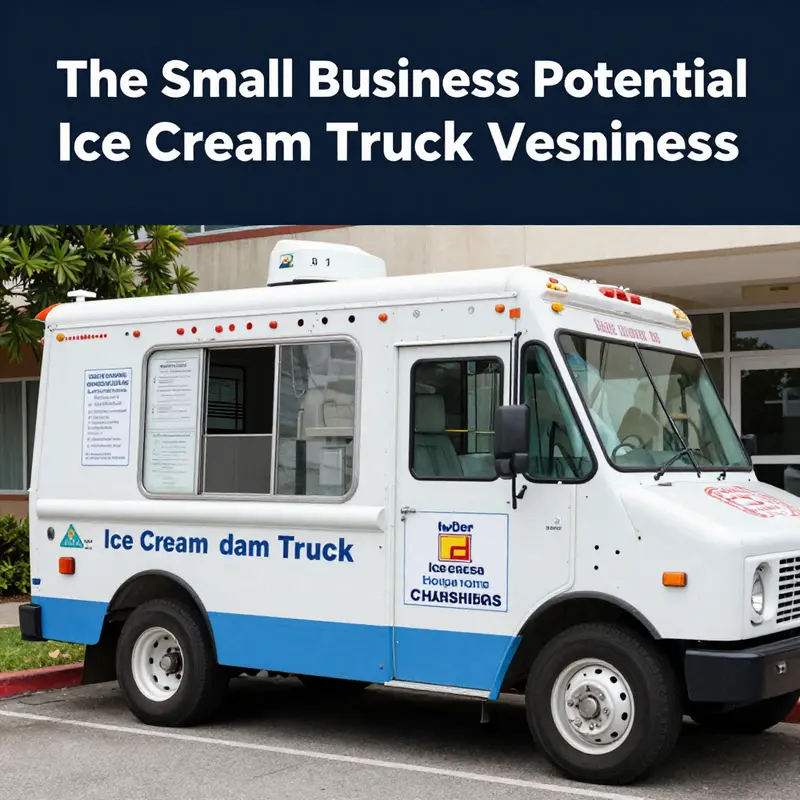
A small ice cream truck business travels to where people gather—parks, schools, festivals, neighborhoods, and events—making mobility a feature of the brand. This chapter outlines the regulatory landscape mobile vendors face, including licensing and registration, food safety, employment rules, insurance, tax obligations, and location-based restrictions. The aim is not to burden the operation with red tape, but to build a predictable framework that protects customers and helps the business plan for growth. Practical steps include securing necessary licenses and permits, maintaining proper temperature-controlled storage, implementing standard operating procedures for sanitation, staying compliant with wage and labor laws when hiring, obtaining appropriate insurance coverage, keeping accurate tax records, and maintaining a system to track permit renewals and inspections. Zoning and curbside rules vary by city, so proactive outreach to officials and a seasonal calendar of permitted locations can prevent disruptions. A simple compliance routine—a central repository for documents, regular reviews of requirements, and clear roles for staff—turns regulatory obligations into a competitive advantage by enabling reliable service and trust with customers, venues, and regulators.
Rolling Delights on the Move: Market Trends and Customer Engagement that Define the Ice Cream Truck as a Small Business
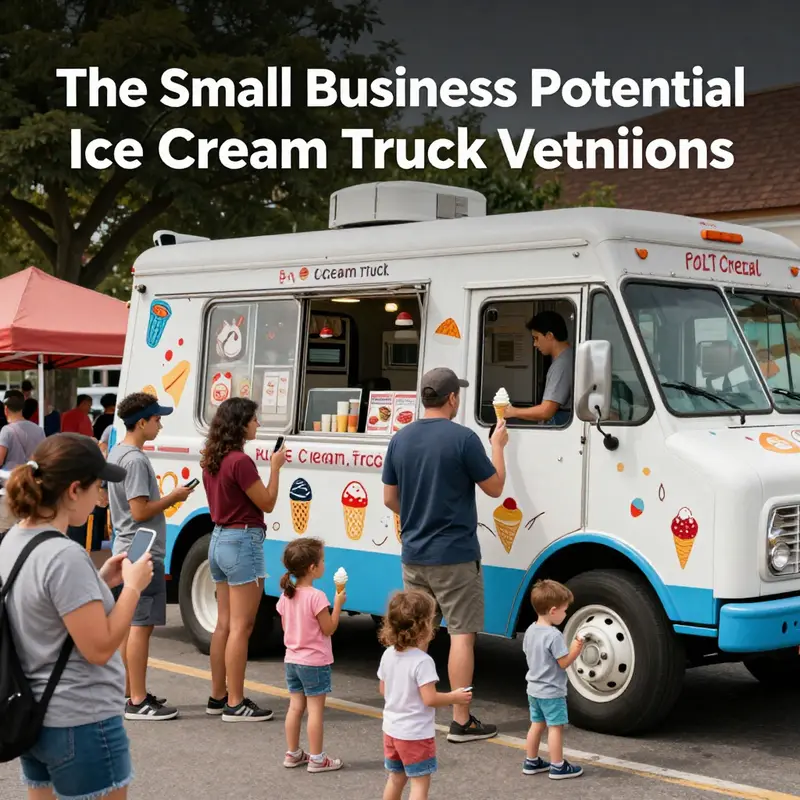
A rolling business has a particular charm, and the ice cream truck embodies it with a quiet confidence. It moves where people gather, turning sidewalks, parks, and schoolyards into temporary storefronts. This mobility is not just a gimmick; it is the essence of why this venture fits the small-business model so well. It requires less upfront capital than a fixed-location operation, and its success hinges less on a brick-and-mortar footprint and more on the ability to connect with communities in real time. For someone starting with a single truck and a modest slate of flavors, the barriers to entry are relatively low. The business is intimate in scale, intimate in customer relations, and intimate in the way it learns—by watching where the lines form, what the kids beg for, and which days yield the largest crowds. The market dynamic supports a small-business startup spirit: lean resources, nimble decision-making, and the opportunity to grow gradually through repeat customers and carefully timed events.
Market forces, however, have elevated the ice cream truck from a nostalgic novelty to a vibrant micro‑enterprise within a larger, expanding category. The global market for ice cream trucks is valued in the tens of billions and is projected to grow at a robust pace over the next several years. By 2025, the market crossed a notable threshold, and analysts project a double‑digit compound annual growth rate well into the 2030s. The core drivers are clear: rising disposable incomes, a preference for convenient, on‑the‑go treats, and the enduring appeal of the mobile, experiential shopping moment. People want to buy sweetness on their terms, when and where they choose, not when a fixed store calendar dictates. That combination—convenience plus nostalgia—creates a durable demand for mobile vendors who can meet customers where they are.
For the small-business owner, that trend translates into tangible opportunities and practical strategies. A single truck can, with careful planning, access high‑traffic environments—parks after school, neighborhood festivals, community events, and residential zones during warm evenings. The lack of a brick-and-mortar lease immediately reduces overhead and risk, making a modest business loan or personal investment more plausible. Even in markets with seasonal swings, the right approach can yield a reliable revenue stream by concentrating operations on peak periods and high-footfall locations. The flexibility of a mobile model means you can calibrate your business around community calendars and weather patterns, which is a distinctly entrepreneurial advantage. You learn the rhythm of a city or town slowly, noting when families are most likely to attend gatherings, when school events end in the late afternoon, and which routes turn into short, profitable, momentary queues.
A modern ice cream truck is not just a vehicle; it is a compact, brand‑rich platform designed to maximize visibility and customer interaction. Insulation and temperature control have improved, storage capacity has expanded, and the display setup has become more visually engaging. These practical upgrades support a broader range of products and toppings, allowing operators to customize offerings for different audiences. Yet the core remains simple: customers come for the treat, stay for the experience, and return because the interaction feels personal. The small-business owner leans into this dynamic by curating a selection that is broad enough to be exciting yet organized enough to prevent waste. In practice, that means balancing classics—vanilla, chocolate, and more—against seasonal favorites or locally inspired twists. The goal is not just to sell but to create a moment of joy that customers remember and seek again as the seasons change.
If there is a strategic thread that weaves through successful small ice cream operations, it is the alignment of inventory, route planning, and timing with customer behavior. The modern operator uses a data‑driven lens to inform decisions. Tracking which flavors perform best at certain times or in certain neighborhoods turns intuition into a repeatable process. Some operators begin with a simple notebook or a basic spreadsheet, then migrate to lightweight digital tools that log sales by location, hour, and product category. Over time, this data becomes a guide for where to park, how much of each flavor to stock, and which promotional ideas to test in specific communities. In addition to flavor preferences, demographic insights such as age distribution, family composition, and school calendars can influence where and when a truck is most effective. The result is a more predictable revenue stream, a more satisfied customer base, and less waste—each a practical payoff for a small business with limited resources.
One of the most striking ways modern ice cream trucks engage customers is through sensory branding and live interaction. The truck becomes a moving billboard—a mobile stage that uses sound, lighting, and design to create a recognizable, family-friendly identity. A catchy chime, a bright color palette, and a friendly operator behind the window invite trust and anticipation. Children, in particular, respond to these signals, and families tend to build rituals around familiar trucks that appear in their neighborhoods year after year. This experiential layer is not a distraction from operations; it is a core driver of loyalty. When customers feel seen and connected, they are more likely to return and to tell friends about the truck. The effect compounds as events and locations become known as reliable sources of consistent, joyful experiences.
To capitalize on this, small operators are increasingly pairing experiential elements with precise marketing and customer engagement strategies. The right sound design and visual branding draw attention in a crowded environment, while a well-timed social follow-up or a neighborhood invitation can convert a one‑time encounter into a planned outing. The most successful operators treat each day as a living experiment: they test a new flavor, test a route, measure crowd flow, and adjust. A 2025 case study highlights how operators who blend engaging customer experiences with targeted marketing achieved measurable sales growth. These businesses did not rely solely on price or product alone; they won customers through memory—through the feeling of a shared moment that families want to repeat.
From a logistics standpoint, the lean, mobile model also means paying close attention to the mechanics of day-to-day operations. A truck with expanded storage and reliable insulation can hold a broader range of offerings, but space is finite, and fuel is a cost to manage. Route design matters as much as menu design. Operators map routes to maximize exposure during the most profitable times, avoiding traffic bottlenecks and prioritizing locations with established demand. They also handle maintenance and safety with the same discipline expected of any service business: routine checks, preventive maintenance, and compliance with local regulations. The tradeoffs are real, but so are the rewards. The operational complexity is manageable for a small team, which makes it an attractive option for single-operator startups or small groups seeking a controllable, scalable venture. In this sense, the ice cream truck becomes a practical laboratory for small-business experimentation—where lessons learned in one neighborhood can be replicated or refined in another.
The human element remains central. A single operator can manage the day-to-day tasks, including sales, cash handling, and customer engagement, or a small team can share responsibilities across peak periods and special events. This flexibility is part of what makes the model so accessible to aspiring owners. Successful operators often pair a simple but effective training approach with a culture of hospitality. They emphasize friendly service, clean presentation, and consistency in product quality. The customer experience matters as much as the product itself, and in the compact world of an ice cream truck, small gestures—a warm hello, a quick recommendation, a courtesy sample—can be the deciding factor between a one-off purchase and a lasting memory that brings the family back next week.
From a financial perspective, the small-business economics of an ice cream truck are approachable. The initial investment covers a vehicle, basic refrigeration, display equipment, and enough inventory to establish a reliable operating cycle. Ongoing costs include fuel, maintenance, insurance, licenses, and replenishment of product. Because the business sits in a space between service and retail, it does not carry the heavy overhead of a storefront, but it does carry a responsibility to manage cash flow, pricing, and seasonal demand carefully. Profitability hinges on keeping variable costs in check while maintaining high service standards. A well-handled season can yield strong returns, while a lean off-season may require creative adjustments—perhaps focusing on private events, catering for parties, or forming partnerships with local organizations to stabilize revenue flow.
The future of the ice cream truck market points toward a blend of nostalgia and innovation. Operators who succeed are those who recognize that mobility itself is a product feature—the ability to bring the store to the customer rather than the other way around. This mindset invites experimentation with digital tools to support the in-person experience: mobile ordering, delayed pickup for large groups, and simple loyalty programs that reward repeat visits. Even as the experience remains rooted in local, face‑to‑face interactions, the integration of technology can help small businesses refine their approach. A critical factor is maintaining authenticity and approachability. Customers are drawn to the character of small operators who can adapt quickly, respond to feedback, and treat each encounter as a moment of connection rather than a transaction.
Importantly, the small-business path for ice cream trucks aligns with established definitions of small business used by major economic agencies. In most cases, a single truck or a small fleet with limited personnel meets the criteria for a small enterprise. This classification matters because it shapes access to resources, mentorship, and finance. The SBA-style planning mindset—start lean, test assumptions, and grow deliberately—fits the mobile ice cream model well. Operators who begin with a focused mission, a clear understanding of their community, and a simple plan for expansion can scale responsibly, whether that expansion takes the form of additional trucks, a more ambitious service offering, or a broader geographic footprint.
In thinking about future growth, operators are increasingly conscious of the balance between speed and sustainability. The mobile nature of the business invites efficient routing and energy-conscious practices, including fuel management and vehicle upkeep. As with any service business, branding, customer service, and reliability become essential assets. The ice cream truck stands as a living example of how a small business can be at once intimate and scalable: a personal touch that travels from one neighborhood to the next, carrying with it a sense of community, celebration, and shared delight. For someone who wants to pursue entrepreneurship with a manageable, cost-aware approach, the ice cream truck offers a compelling combination of flexibility, market demand, and the potential for meaningful, repeat customer relationships.
If you are considering this path, remember that the opportunity is not simply about selling ice cream. It is about creating a space—albeit a moving one—where people pause, smile, and connect. The truck becomes a catalyst for social interaction, a mobile stage for community rituals, and a tangible demonstration of how small businesses can thrive by combining mobility, care, and innovation. The engagement strategy matters as much as the flavor profile. The better you understand your customers—their routines, their favorites, and their expectations—the more effectively you can tailor your routes, your schedule, and your menu. And with that, the ice cream truck remains a robust model for small business success: approachable in scale, dynamic in operation, and deeply rooted in the everyday joy that a well-timed scoop can evoke.
For further exploration and practical guidance on starting a small business and maintaining a people-centered, growth-oriented model, you can explore the broader framework offered by the Small Business Administration. The adaptability of the ice cream truck, combined with disciplined planning and customer-centric engagement, makes this mobile venture a compelling example of a small business at work. Investing in People: A New Path for Trucking Fleets is a reminder that the same principle applies across industries: success grows where leadership prioritizes workforce development, customer experience, and responsible expansion.
External context reinforces these insights. The ice cream truck market, as reported by market researchers, shows strong growth supported by consumer demand for convenient, joyful experiences. For broader market context and trends, see the external research at https://www.marketresearchfuture.com/reports/ice-cream-truck-market-2978.
Final thoughts
In summary, the ice cream truck business embodies the essence of a small business through its unique operational model, meeting local demand while providing entrepreneurs with an efficient platform to engage with their community. Financial prudence, adherence to regulations, and responsiveness to market trends are paramount for success in this venture. As the landscape evolves, the enduring appeal of ice cream continues to offer a promising path for those looking to enter or expand within the food and beverage sector, reinforcing its place as a viable small business opportunity.