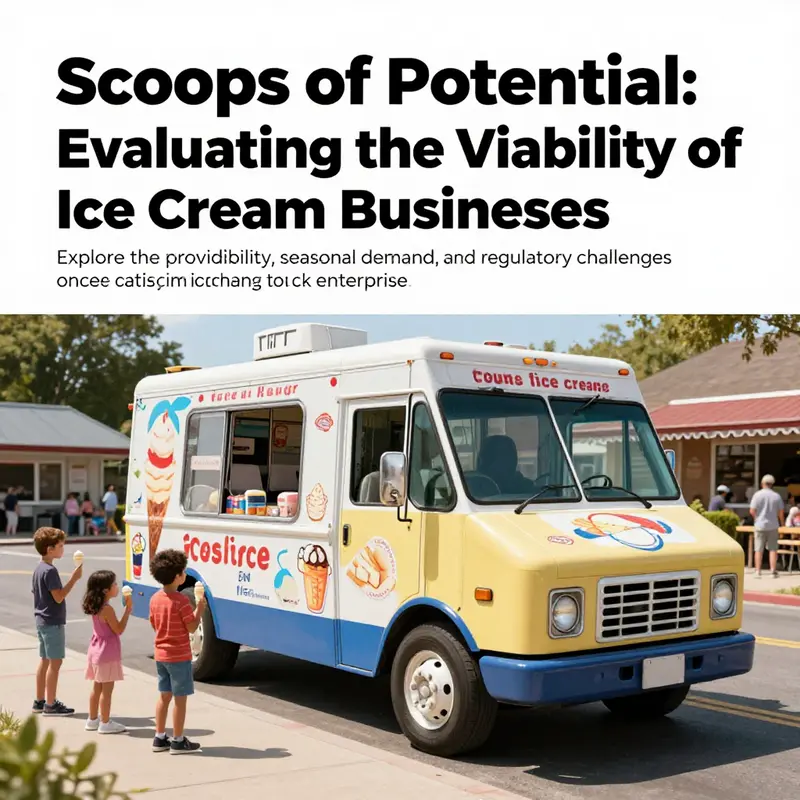
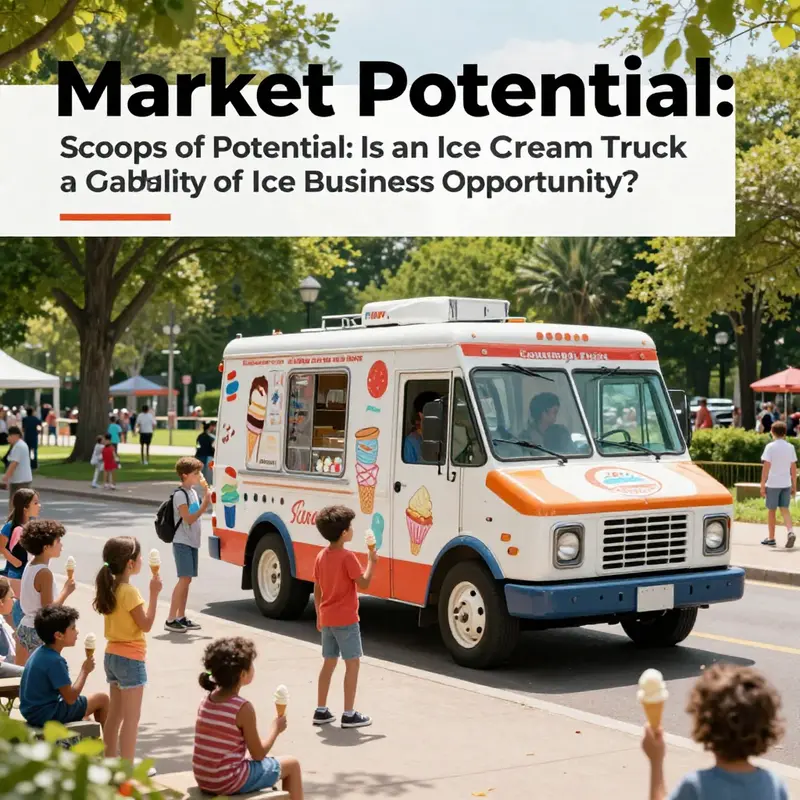
The ice cream truck business has long captured the hearts of consumers, but beyond its nostalgic charm lies a strategic opportunity for entrepreneurs. Catering not only to summer cravings, but also to community events, parks, and festivals, ice cream trucks generate healthy profit margins while embodying flexibility and charm. To grasp the full landscape of this business, this article delves into five core areas: the market potential for ice cream trucks, the initial investment and operational costs, how seasonality influences demand, the diverse revenue streams available to operators, and the regulatory framework surrounding the industry. Understanding these aspects will paint a comprehensive picture of whether an ice cream truck is, indeed, a viable business opportunity.
null
null
Sweet Wheels, Stern Numbers: An Investment Analysis of Starting an Ice Cream Truck
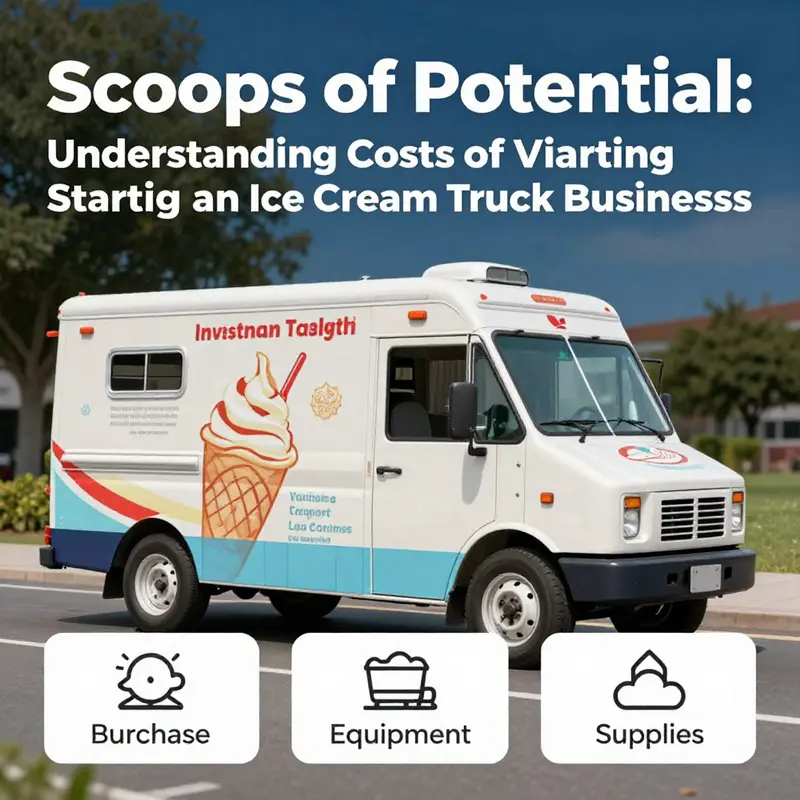
Launching an ice cream truck business sits at the intersection of romance and rigor. The bright canvases, the nostalgic siren song of a 1950s-style float, and the promise of revisiting childhood summers are powerful motivators. Yet the sustainability of such a venture rides on a clear, disciplined understanding of costs, cash flow, and the kinds of revenue that can be generated across seasons and settings. The investment analysis, in other words, begins with the vehicle and the kitchen on wheels, but it must widen to include equipment, ingredients, labor, legal compliance, and the ongoing costs of maintenance and operation. This chapter follows that broader lens, painting a pragmatic map of what it takes to transform a mobile ice cream idea into a profitable, repeatable business model. The total upfront investment varies widely, shaped by the choice of mobile unit, the quality and capacity of equipment, and the scale at which you plan to operate. A custom-built, purpose-designed mobile unit offers plenty of flexibility for branding and workflow but commands a premium price. A trailer can deliver lower upfront costs and easier maintenance, especially if you already own a suitable tow vehicle. A basic portable setup—handy for pop-ups and small events—limits storage and requires careful logistics to avoid product degradation. Each path has a different tipping point for profitability, so the decision rests on a careful appraisal of what you expect to sell, where you will operate, and how you will manage peak demand during hot afternoons and festival weekends. The core costs then cascade into several essential categories that shape the business case. First, equipment costs form the backbone of product quality and service speed. Essential items include a refrigeration system capable of maintaining consistency across multiple flavors and toppings, a griddle or churn setup for specialty offerings, and reliable point-of-sale technology that supports modern payments and simple inventory tracking. How you configure these systems affects throughput and waste, which in turn influence profit margins. A high-quality, energy-efficient refrigeration unit—not merely the cheapest option—often pays for itself over time through reduced energy use and fewer breakdowns. The second major area is ingredients. Sourcing base ice cream, mix-ins, and toppings at a reliable quality level is not just a matter of flavor; it influences repeat business and perceived value. Quality ingredients can justify premium pricing in crowds at parks or festivals and can also support a broader branding strategy. However, premium ingredients carry premium costs, so a thoughtful procurement plan, including supplier relationships and batch planning, is essential to avoid cash flow crunches during the busy season. The third category involves legal and regulatory fees. Local health permits, business licenses, routine inspections, and insurance are mandatory safeguards that protect customers and operators alike. Costs here vary by jurisdiction, sometimes reflecting the seasonality of operation and the specific setup (truck versus trailer versus cart). It is prudent to budget for annual renewals, potential inspection fees, and specialized insurance that covers food handling, vehicle liability, and workers’ compensation if staff are employed. Long-range considerations also deserve attention. The choice of mobile unit and equipment influences not just startup costs but ongoing operating costs such as fuel or electricity, maintenance, and parts replacement. Electric or hybrid solutions promise lower long-term operating costs and align with sustainability goals, but they can entail higher upfront prices and charging infrastructure needs. Maintenance costs accumulate with use, and a plan for routine servicing reduces the risk of mid-season breakdowns that disrupt revenue. The investment calculus must also account for labor. Even a small operation benefits from staffing for peak times, coordinating with schools, community events, and weekend markets. Wages, payroll taxes, uniforms, and training accumulate, but labor quality is a vital driver of customer satisfaction and repeat visits. The return on investment is inseparable from how you price, package, and present your offerings. Pricing strategies should reflect both cost recovery and local market expectations, with a careful eye toward seasonality. Summer peaks, school-year events, and weekend gatherings can sustain higher price points, while shoulder seasons require leaner menus or promotional offers to maintain cash flow. A diversified revenue stream helps stabilize profitability: in addition to core ice cream sales, you can explore higher-margin experiences such as custom frozen yogurts, specialty toppings, and private events like weddings or corporate gatherings. These opportunities require careful capacity planning to avoid interfering with daily operations, but they can substantially raise average order value and overall margins when executed with precision. The narrative of cost and revenue is inseparable from the technology that supports it. A well-designed POS system streamlines transactions, keeps track of inventory, and collects data that informs purchasing and marketing decisions. LED menu displays improve impulse purchases by clearly presenting flavors and prices, while digital receipts and loyalty programs incentivize repeat business. The financial truth of the venture emerges through disciplined forecasting: a realistic projection of monthly revenue, seasonality curves, and cost volatility guides decisions about when to invest in a second vehicle, expand to additional routes, or pause operations for weather-related downtime. Route optimization and scheduling are not optional addenda but core skills that convert fixed costs into flexible capacity. A well-planned route network ensures high-volume stops in high-foot-traffic locations—parks at opening hours, near beaches on sunny afternoons, school campuses during event weeks—while still preserving the ability to pivot when weather or events shift. Inventory management, too, becomes a cornerstone of profitability. Freshness matters for taste and safety, but so does minimizing waste. Effective inventory practices—tracking batch sizes, monitoring freezer temperatures, and coordinating supplier deliveries—protect margins and safeguard brand integrity. The ownership story also hinges on capital planning and financing strategy. You can source funds through personal savings, loans, or leasing arrangements; each path has tax and balance-sheet implications. Depreciation schedules for vehicle and equipment can provide meaningful tax relief and clearer performance metrics for lenders. A rigorous break-even analysis helps you decide whether the venture should start small with a single truck or bite into a larger footprint with multiple units. This is not just a math exercise; it is a storytelling tool that translates a plan into tangible milestones. For a service business like this, people matter. Investing in people—a new path for trucking fleets —is not just about wage costs; it is about customer experience, reliability, and the consistency of service that builds trust in a brand. The approach to training, scheduling, and staff retention becomes part of the cost structure and, more importantly, part of the competitive advantage. A team that understands food safety, customer service, and rush-hour choreography can transform a simple dessert into a memorable event, and that, in turn, drives repeat business and referrals. As you weigh these considerations, keep one eye on the external landscape—the seasonal ebbs and flows, the regulatory environment, and the evolving expectations of customers who crave speed, consistency, and a touch of nostalgia. A thoughtful investment analysis does not pretend that every day will be sunny; it anticipates the gray days with contingency plans that protect margins. The most robust plans include a clear route map, a realistic forecast, and a governance framework that tracks costs versus actuals with monthly discipline. In sum, starting an ice cream truck business can be a strong profitable venture when you approach it with a clear financial model, disciplined cost control, and an emphasis on quality and service. The vehicle you choose, the equipment you buy, and the way you structure your operations all shape the path from dream to dependable income. It is possible to build a sustainable, enjoyable enterprise that sells not just dessert but a small but meaningful slice of community joy—an investment that can sweeten both your books and your days. For those exploring the people side of trucking-inspired ventures, consider the broader conversation about investing in people as a strategic lever for growth. Investing in people—a new path for trucking fleets. And for a practical look at equipment and market data that inform these decisions, see the external resource linked at the end of this chapter. External resource: AliExpress – How to Start an Ice Cream Truck Business (https://www.aliexpress.com/wholesale?catId=0&SearchText=ice+cream+truck+equipment).
Seasonal Currents: Weather, Windows, and the Business Rhythm of Ice Cream Trucks
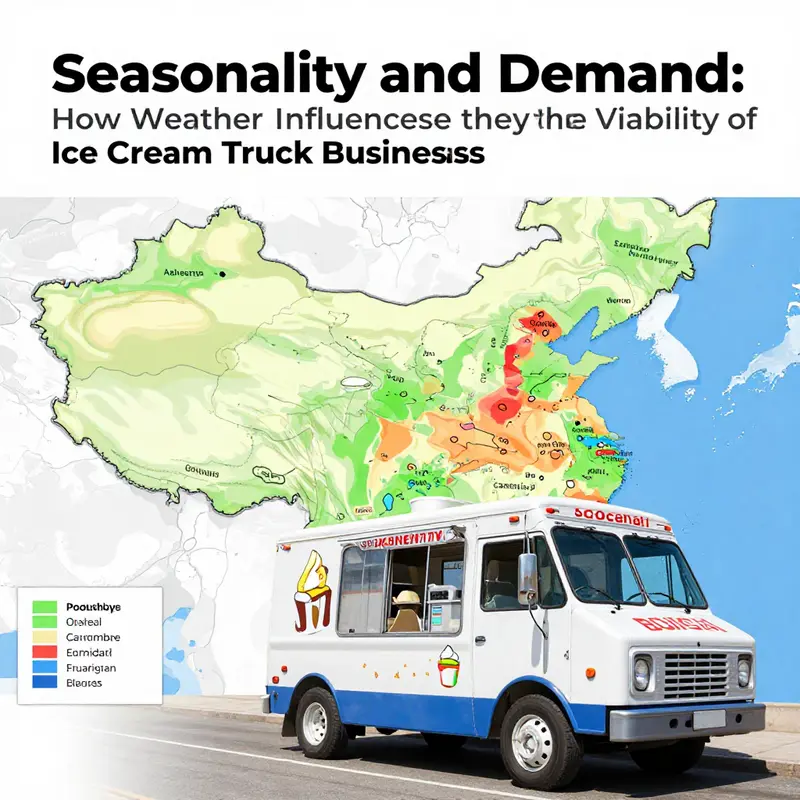
The bright hum of a classic ice cream truck is hard to resist, especially when the sun climbs higher and the streets grow crowded with families, cyclists, and eager neighbors. Yet beneath the nostalgic appeal lies a plain but powerful truth: seasonality governs the pace, the profitability, and the very viability of the mobile ice cream business. Weather doesn’t just influence how many cones you sell; it shapes where you go, what you stock, how you staff, and how you communicate with customers who may be deciding in the moment whether a cold treat is worth a dip into their pocket. In many places, including temperate regions, warm days act as a magnet. Heat invites impulse purchases and longer stops at parks, playgrounds, and event sites. But when clouds gather, or rain sweeps in, foot traffic thins and the same routes grow quieter. The result is a business that must live with the weather as a co-owner, balancing the romance of a summer hustle with the discipline of seasonal planning.
This is not unique to a single country or city. The seasonal arc is evident in varied climates, and the Poland example in the research results underscores a universal pattern: ice cream demand peaks in the sunlit months and recedes with the first cool breeze. Operators who recognize this rhythm can design a workflow that capitalizes on the brighter days while preserving margin and quality when the weather won’t cooperate. The lesson is not to pretend that summer lasts forever, but to map summer’s intensity and the edges of spring and autumn into a practical operating calendar. The broader lesson is equally important: a successful ice cream truck isn’t a year-round version of itself; it is a deliberately seasonal business that adapts its routes, its inventory, and its customer touchpoints as the forecast evolves.
Forecasting becomes less a magical forecast and more a disciplined forecast, built from historical weather data, local event calendars, and a clear understanding of how long a particular neighborhood or park stay can sustain a crowd on a given afternoon. Operators often treat the venture as a seasonal enterprise, turning revenue engines on during the peaks and retooling or even pausing during the off months. This is where the choice of vehicle and storage capacity matters. To preserve product quality and control costs, many rely on refrigerated delivery vehicles—a reefer truck or refrigerated van—that can keep sub-zero temperatures steady even as the truck inches through a hot summer day. The upside is straightforward: reliable cold storage reduces waste, preserves texture and flavor, and supports a broader menu. The downside is not trivial. The smaller the storage, the more carefully you must plan purchases, stocking, and rotation, particularly when your aim is to serve a range of flavors, including seasonal additions that can drive interest yet complicate inventory.
Brand and experience play a crucial role in weather-driven decisions. The nostalgia factor and visual appeal of a retro-style truck work best when the weather invites lingering. A sunny afternoon turns a simple stop into a mini-event; children linger to watch the scooping, families photograph the truck, and the brand earns a memory that may travel further than a single cone. On rainier days, the same truck must pivot toward a different sort of customer: perhaps a school event, an indoor market, or a private party where the van can be parked under shelter and the sales process shortened but still efficient. Flexibility in where and how you operate becomes a core capability. This is why some operators diversify beyond traditional scoops to include cold beverages, seasonal flavors, and quick-service add-ons like cotton candy. These options can extend the period of relevance just outside the core summer window and offer a buffer against weather volatility.
Beyond product mix, the business model benefits from a disciplined approach to location and timing. Seasonal forecasting informs where to position the truck and when to run longer routes. Setting up near parks, beaches, or community events during heatwaves can maximize visibility and sales, while cooler days may demand tighter schedules or a shift to private bookings and school events. In this sense, the truck becomes less a fixed storefront and more a mobile, weather-aware platform capable of moving to where demand is hottest. The use of LED menu displays, digital payments, and real-time inventory tracking can sharpen this responsiveness, allowing operators to adjust offerings at a moment’s notice and to manage queues during peak periods without sacrificing speed or service quality. The ability to accept cashless payments, update menus on the fly, and monitor stock levels from a mobile device adds a layer of operational resilience that is especially valuable when the weather is fickle.
Seasonality also touches staffing. In peak months, a small crew trained to multi-task—serve, sanitize, manage payments, and update digital displays—can handle larger crowds. In slower periods, a leaner staff may suffice, paired with a calendar that concentrates marketing efforts around events and popular days. The seasonal rhythm invites a flexible hiring approach, with a focus on reliable, friendly service that can scale up or down as demand dictates. The operational discipline—forecasting, scheduling, and route optimization—helps ensure the business remains profitable even when weather trims the daily footprint. It also supports the long-term brand value by delivering consistent customer experiences, whether a family meets the truck on a sunny weekend or during a late-summer school festival.
Regulatory considerations are a steady companion to the seasonal journey. Licensing, permits for street vending, health and safety standards, and insurance requirements shape how and when a truck can operate in different locales and at different times of the year. Seasonal operations often intersect with permitting cycles, which means some markets are more forgiving in the height of summer while others impose stricter controls during quieter periods. A structured compliance approach—keeping up-to-date with local rules, maintaining clean facilities, and carrying appropriate insurance—reduces the risk that weather-driven opportunism is undercut by a regulatory hiccup. Expertise here matters as much as flavor and branding, because a well-timed run can quickly become a costly misstep if permits aren’t lined up.
All of this points to a practical conclusion: a successful ice cream truck business in a seasonal market hinges on thoughtful design rather than sheer luck. Operators who combine a data-informed operating calendar with a flexible vehicle setup, an adaptable menu, and a customer-centric sales approach realize the most durable returns. They position the truck not as a stranded summer novelty but as a portable dessert destination that can pivot to meet weather, events, and consumer moods. The seasonal rhythm becomes not a vulnerability but a leadership trait—an attribute that guides location choices, inventory planning, staffing, and service delivery with precision rather than guesswork. In this sense, seasonality is a diagnostic tool as much as a market reality: it reveals where the strongest demand sits, when it will most likely peak, and how to align every operational decision to capture that opportunity while safeguarding quality and margins.
For operators navigating these realities, the seasonal cycle is less a constraint and more a framework for resilience. It invites thoughtful partnerships with event organizers, parks, and schools; it encourages investment in reliable refrigeration and flexible point-of-sale technology; and it rewards those who can translate weather signals into precise routes, stock levels, and service pacing. In the end, the question isn’t simply whether an ice cream truck is a good business; it’s how well a operator can dance with the seasons, turning each forecast into a set of actionable moves that keep the business thriving when the sun shines and steady when clouds roll in.
For further exploration of how weather shapes flavor preferences and sensory experiences, see the external resource on seasonal changes and consumer expectations: Seasonal Changes Influence Consumer Preferences for Sensory Profiles of Ice Cream. https://www.sciencedirect.com/science/article/pii/S096399692300145X
To connect with practical regulatory considerations during seasonal operations, you can review the internal guidance on winter-storm regulations and trucking, which highlights strategies for maintaining compliance when the calendar tilts toward colder months. regulatory relief for winter storms trucking
Rolling Diversification: How an Ice Cream Truck Becomes a Mobility-Driven Portfolio for Revenue
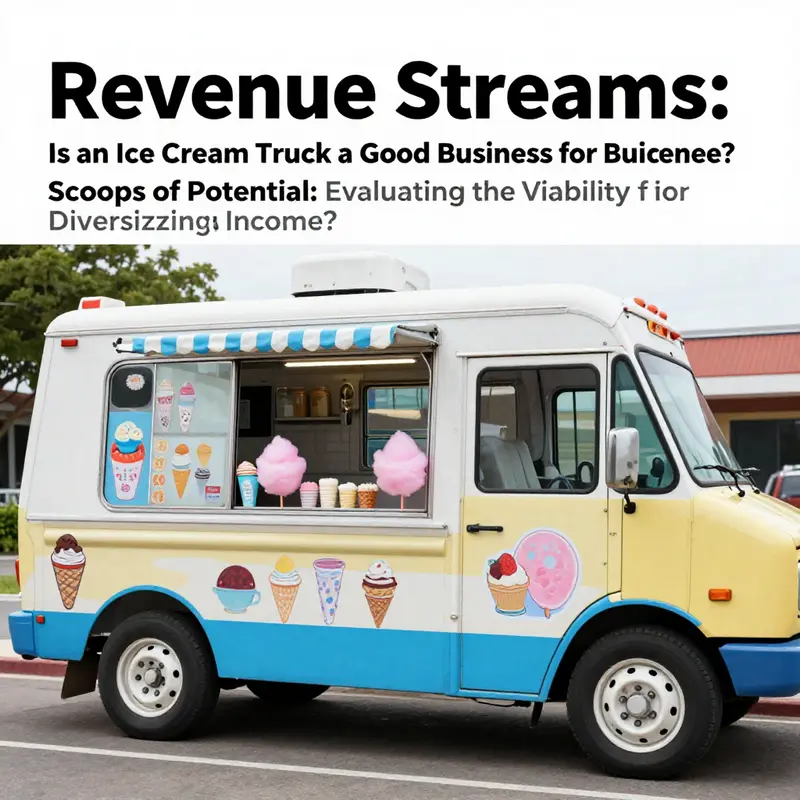
An ice cream truck is more than a nostalgic symbol of summer lanes and cheerful tunes. When viewed through a strategic lens, it operates as a mobile, flexible business platform capable of delivering a portfolio of revenue streams that extend far beyond simple cone sales. The core appeal lies in mobility: a vehicle that can reposition itself to exploit peaks in foot traffic, align with seasonal rhythms, and pivot between public gatherings and private events with a minimum of friction. This dynamic nature makes the business inherently scalable, since the same chassis can support different offerings and experiences without the heavy commitments of a fixed storefront. The result is not merely a product on wheels but a rehearsed choreography of locations, moments, and consumer preferences that, when executed well, converts movement into sustained earnings.
At the heart of profitability is the traditional revenue stream—ice cream and frozen treats sold directly to customers. Yet the true upside emerges when operators think in terms of a diversified revenue mix. Event-based revenue is a prime example; private parties, birthdays, weddings, and corporate gatherings can carry premium pricing and higher margins compared with street sales. The ability to customize experiences, from exclusive flavor flights to themed presentations, adds perceived value that customers are willing to pay for, especially when the service adds a touch of experiential novelty. Seasonal and themed offerings further deepen engagement. Limited-time flavors or holiday-inspired cones create urgency and encourage repeat visits, helping to smooth out the peaks and troughs of seasonality while keeping the brand fresh in local memory.
Ancillary sales are another lever for increasing the average transaction value. Cotton candy, popsicles, novelty snacks, or branded merchandise can complement the core product, turning a single purchase into a mini-destinations experience for families and communities. Merchandise—even simple branded cups or hats—introduces a secondary income stream that reinforces recognition and loyalty without demanding a separate storefront presence. The most successful operators weave these elements into a cohesive brand narrative, where visuals, music, and service style converge to create a recognizable, repeatable experience that customers seek out across different events and neighborhoods.
The trend toward sustainability adds a meaningful layer to this equation. Electric-powered ice cream trucks, with their quiet operation and zero emissions, appeal to environmentally conscious consumers and can qualify for government incentives in some regions. While upfront cost differences can be a concern, the longer-term savings on fuel and maintenance can tilt the economics in favor of electric models, especially in markets with high fuel prices or strict environmental standards. In addition to cost savings, electric fleets often benefit from favorable public perception and eligibility for grant programs or tax incentives, which can reduce the effective price of entry and accelerate payback periods. These advantages are not merely environmental; they translate directly into more predictable operating costs and improved margins over time.
A contemporary study of mobile food operations identified five key levers for success that are particularly relevant to ice cream trucks. First, optimizing fleet leasing and platform fees can materially affect profitability, as smaller adjustments in financing terms or marketplace commissions compound over time. Second, efficient event labor—smart scheduling, standardized service procedures, and cross-trained staff—reduces payroll waste and improves service speed during peak moments. Third, controlling disposable costs—cups, napkins, utensils—through bulk purchasing and waste-reduction initiatives protects margins in high-volume periods. Fourth, maximizing customer retention via loyalty programs incentivizes repeat visits and higher lifetime value, turning casual customers into regulars. Fifth, leveraging social media marketing amplifies reach, builds community, and drives demand without expensive traditional advertising.
All of these levers become more potent when paired with an adaptive business model. A truck can rotate through a rhythm of high-traffic venues during the summer—parks, beaches, school events, community festivals—while shifting to indoors or private settings during off-peak times or inclement weather. This flexibility helps stabilize cash flow and smooth seasonality, turning a seasonal venture into a more consistent contributor to income. Yet this adaptability does not come without challenges. Initial investment costs run higher for vintage restorations or fully customized exteriors that aim for premium branding. Waiting for optimal weather can also be a constraint, and regulatory requirements—licensing, insurance, and food safety standards—demand careful attention and ongoing compliance. Encountering these realities early, with a thoughtful plan, improves the odds of a sustainable outcome.
In practice, the path to diversification hinges on thoughtful operational design. Route optimization becomes a strategic discipline, not a mere convenience. By mapping routes that align with school calendars, park schedules, and major local events, operators can predict demand pockets and minimize wasted travel. Equally important is a clean, efficient payment ecosystem. Modern customers increasingly expect fast, contactless payments and transparent pricing displayed clearly on LED menus or digital screens. A visually compelling interface enhances perceived value and reduces hesitancy at the point of purchase. The most successful operators marry these hardware conveniences with a refined service cadence—the friendly greeting, the crisp presentation of flavors, and the quick, accurate dispensing of treats—that creates a memorable experience that families want to repeat.
Branding matters just as much as flavor. A cohesive look—whether it leans into a nostalgic 1950s vibe or a modern retro aesthetic—helps the truck stand out in crowded spaces and makes it easier to command premium pricing at events. It also opens opportunities for merchandising and cross-promotions with local partners. The potential for cross-pollination with other mobile or event-focused ventures is noteworthy; a well-branded truck becomes a mobile ambassador that can leverage community events, sponsor partnerships, and collaborations with local schools or teams. In this sense, the vehicle is not merely a sales point but a portable platform for relationship-building and localized growth.
For those who view the truck as more than a vendor—who see it as a legitimate component of a broader business portfolio—the implications are clear. The vehicle’s mobility allows it to shift between revenue streams with minimal capital exposure compared to expanding a fixed location. This makes it an attractive option for entrepreneurs seeking diversification without overextending their footprint. It also invites a strategic emphasis on people—the operators who design the service, manage the events, and cultivate customer relationships. A cited perspective in the field emphasizes investing in people as a core driver of fleet success, a notion that resonates with ice cream operations that rely on friendly, reliable, and well-coordinated staff. For readers curious about translating that philosophy into practice, see Investing in People: A New Path for Trucking Fleets.
Ultimately, whether a mobile ice cream operation can be considered a good business for diversification hinges on deliberate planning, disciplined execution, and an openness to evolving revenue streams. It offers a compelling blend of low overhead compared to traditional storefronts, high-margin product opportunities, and the ability to serve multiple customer segments across seasons and events. The shift toward electric operation adds a further competitive edge by reducing long-term costs and expanding the range of venues that welcome the truck. While challenges exist—initial costs for specialized equipment or branding, regulatory hurdles, and the tempo of seasonal demand—these are not insurmountable with a thoughtful framework. The chapter’s synthesis suggests a simple truth: the ice cream truck, when positioned as a flexible, experience-driven platform rather than a fixed vendor, can be a resilient and creative vehicle for revenue diversification.
For readers seeking a broader sense of how related mobile ventures perform in the wider economy, an external reference on the evolving landscape of mobile and seasonal operations offers additional context. https://www.aliexpress.com/item/1005003798433475.html
Regulation as a Roadmap: Turning Compliance into Competitive Advantage for the Ice Cream Truck Business
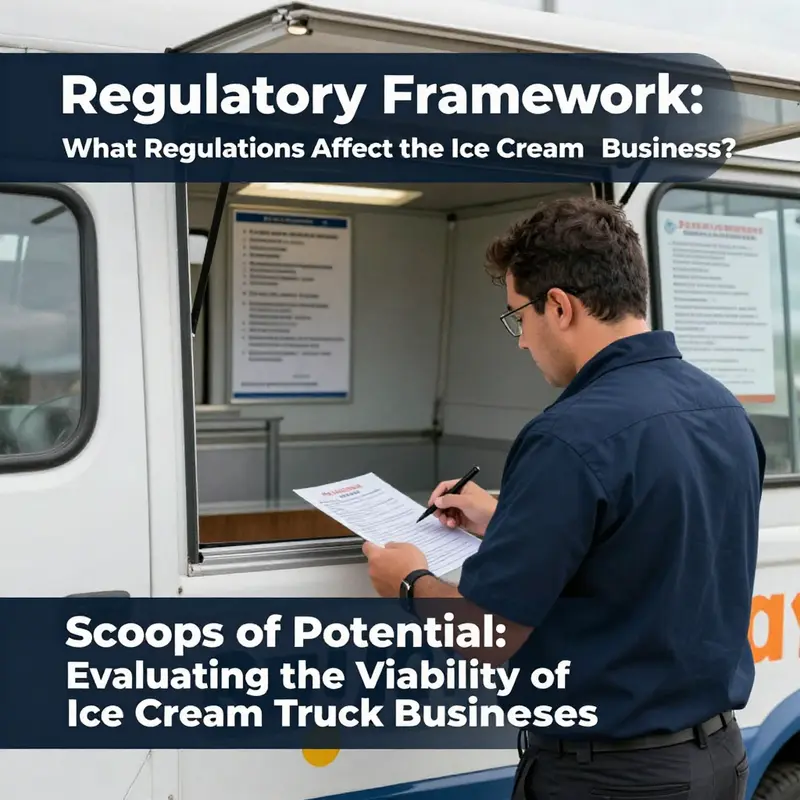
Regulatory frameworks can feel like a maze to the eager entrepreneur who sees the ice cream truck as a canvas for community cheer and seasonal profit. Yet these rules are not merely obstacles; they are a map that can guide growth, protect customers, and carve out a stable niche in a market that thrives on trust, reliability, and consistent quality. The ice cream truck business sits at the intersection of mobility and food service, which means it must satisfy a blend of transportation safety, public health, and local governance. When navigated thoughtfully, regulations transform from a constraint into a strategic advantage. The most consequential reality is that success depends as much on how well you comply as on how good your flavors are. In the short arc of a busy summer, a truck that runs afoul of a health inspection or a neighborhood noise ordinance risks not just fines but a tarnished reputation that spreads faster than a social media post about a favorite cone.\n\nVehicle operation and safety standards anchor the entire enterprise. Operators must ensure their vehicle is roadworthy and compliant with lighting, braking, and other critical safety components. Regular inspections are not decorative; they certify that the equipment is safe for daily street operation, and in many jurisdictions a current certification is a prerequisite to selling anywhere at all. One corollary is the growing sensitivity to noise and emissions, particularly for motorized carts and end-of-life powertrains in urban settings. The regulatory impulse here is clear: reduce disruption and risk in crowded spaces while preserving mobility so communities can enjoy quick, accessible treats. These rules are not just bureaucratic hurdles; they set the baseline for reliability. If a truck fails to meet inspection standards, the entire operation can be halted, not just delayed, which makes preparation and preventive maintenance a nonnegotiable part of the business model. As such, smart operators insulate themselves with a thorough maintenance routine, keep meticulous records, and plan for annual re-certifications well in advance of expiration dates. The discipline of maintenance becomes both safety and customer confidence, a combination that compounds value with every transaction.\n\nFood safety and health regulations sit at the heart of the mobile vendor promise. Mobile food services are required to follow sanitation protocols established by state and local health authorities. This includes maintaining refrigeration temperatures within safe ranges to prevent bacterial growth, preventing cross-contamination, and ensuring that ingredients are stored and handled properly from source to serving. Health permits, routine inspections, and documentation of supplier standards and temperature logs become the invisible backbone of daily operations. For families and school events, parents and organizers entrust the vendor with a predictable standard of cleanliness and food safety. The practical implications are clear: invest in reliable cold storage, train staff in basic food-handling practices, and implement standard operating procedures that make health compliance second nature. The payoff is a smoother permit process, fewer surprises during surprise inspections, and the freedom to focus on service quality rather than firefighting issues. In turn, customers feel secure buying from a truck that can demonstrate a transparent chain of custody for its most perishable products, which translates into repeat business and higher lifetime value per customer.\n\nLicensing and permitting form the financial and geographic skeleton of the venture. A mobile vending license is typically required, often accompanied by route-based permissions, time-of-day restrictions, or zone limitations that control where a truck can operate. Some cities deliberately regulate the number of mobile vendors within a given area to reduce competition or ensure orderly operation among neighbors and schools. The historical texture of these rules can be seen in older data where authorities set caps on fleet counts and delineate zones to minimize conflicts with residents and schools. In practice, this means a deliberate approach to market entry: map favorable routes that balance foot traffic, parental supervision, and event calendars while ensuring you can secure the necessary permits and renewals on schedule. When a business treats licensing as a living document—tracking renewal dates, adjusting to changes in local policy, and maintaining good relationships with licensing offices—it reduces downtime and creates predictability in cash flow, an essential factor for a lean operation that hinges on seasonal demand.\n\nZoning and noise considerations further shape the everyday rhythm of the ice cream truck. Urban cores may offer high foot traffic but come with tighter restrictions on hours, proximity to sensitive locations like schools, and limits on amplified sound. Electric vehicles offer tangible advantages here, producing less noise and permitting more flexible hours in some jurisdictions. Yet even quiet trucks must respect curfews and placement rules designed to prevent congestion and nuisance. The practical effect for a would-be operator is that location scouting becomes a regulatory exercise as well as a marketing exercise. Your brand presence—your vehicle’s design, LED menu displays, and even the seating or standing experience—must harmonize with local expectations to avoid friction with residents, property managers, and municipal authorities. An operator who anticipates these constraints can still pursue vibrant pop-up moments at parks or festivals, but with a clear calendar that aligns with permitted zones and hours rather than chasing impossible, unregulated opportunities.\n\nRegulatory complexity, however, need not derail a profitable plan. Instead, it invites a disciplined business model that integrates compliance into every decision. From choosing an electric mini-truck for lower emissions and quieter operation to investing in a robust point-of-sale system that can generate compliant receipts and maintain health logs, smart choices reinforce both safety and profitability. The best operators treat permits as assets rather than obstacles—investing time to understand the fine print, cultivating relationships with health departments and licensing agencies, and documenting procedures that make audits routine rather than disruptive. When compliance becomes a selling point, it strengthens trust with parents, event organizers, and venue managers who seek reliable, safe, and predictable service. In this sense, regulation informs not only the legal standing of the business but its reputation and scalability. It helps shape a brand that communities perceive as responsible and dependable, a factor that matters as much as flavor and price in a saturated market. As you plan the next season, the regulatory framework should be treated as a strategic asset—one that helps you serve more communities, with greater confidence and a stronger bottom line. For further historical context on the standards that shape modern mobile ice cream operations, see the external reference below.\n\nA more technical understanding of historical standards can be found at the provided external resource: https://www.example.com/1950s-ice-cream-truck
Final thoughts
In exploring the multifaceted landscape of the ice cream truck business, it becomes evident that, with the right strategies in place, this venture has significant potential. The combination of a robust market, diversified income avenues, and a nostalgic charm positions ice cream trucks as a compelling choice for entrepreneurs. However, success hinges on thorough preparation—understanding costs, planning for seasonal fluctuations, navigating regulatory hurdles, and appealing to local preferences. By addressing these factors thoughtfully, the ice cream truck can indeed emerge as a profitable and fulfilling business.