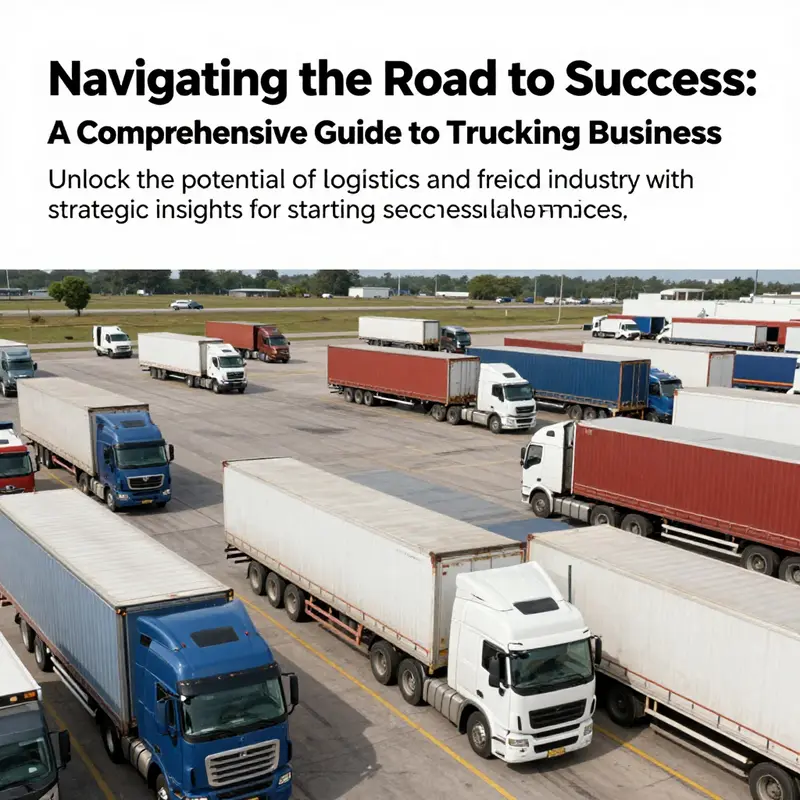
Starting a trucking business is a significant undertaking that requires industry-specific knowledge, strategic planning, and careful execution. For logistics and freight companies, construction firms, and food distributors, understanding how to navigate the competitive landscape is crucial. This comprehensive guide explores the essential steps for establishing a trucking business. Each chapter focuses on a vital aspect: defining your niche and conducting market research, creating a detailed business plan, securing necessary funding and licenses, and hiring and managing personnel effectively. These insights will equip you with the tools to succeed in this dynamic industry.
Finding Your Lane on the Open Road: Defining a Niche and Mastering Market Research for a Trucking Startup

Choosing to launch a trucking business is, at its core, a decision to trade uncertainty for a plan that can scale. The road to profitability runs best when you understand not just how to move goods, but what goods you should move, where you will operate, and how your service will stand out in a crowded field. Defining a niche and conducting thorough market research aren’t merely first steps; they are the compass that orients every other decision—from fleet composition to driver recruiting, from pricing to customer service standards. If you want a business that endures, you start by identifying the lane you intend to own and then map the terrain that makes that lane viable. This chapter will guide you through that process in a way that blends strategic thinking with grounded, data-driven insight, so your trucking enterprise begins with clarity and momentum rather than guesswork.
A trucking niche is more than a label. It is a deliberate alignment of services, capabilities, and markets that yields a defensible value proposition. To define your niche, you first look at the freight landscape in the region or regions you aim to serve. What kinds of goods represent the most stable, recurring demand? Do you see a concentration of manufacturers, retailers, or distributors with predictable shipping needs, or are there underserved segments with frequent delivery windows and service gaps? The answers to these questions help you decide which freight types you will specialize in, such as temperature-controlled shipments, specialized flatbed work, or general freight with a focus on reliability and on-time performance. Each specialization has distinct implications for equipment, driver training, safety requirements, and regulatory permits. For instance, a niche centered on temperature-controlled transport will necessitate trailers designed to maintain strict climate conditions and drivers trained in handling sensitive products; a local urban delivery focus, by contrast, will favor nimble, maneuverable vehicles and a logistics approach that emphasizes turnaround speed and last-mile reliability. The key is to translate a broad interest in moving goods into a concrete service profile that customers recognize as reliably meeting their needs.
Beyond the freight type, the geographic footprint shapes your niche’s viability. Will you operate regionally, building deep relationships with a concentrated set of shippers across a compact area? Or will you pursue a national network that requires longer routes, standardized operating procedures, and a scalable dispatch engine? International operations, while possible, add layers of complexity in regulatory compliance, cross-border documentation, and currency risk. Your service area should align with your fleet strategy, fuel and maintenance planning, and the rhythms of demand in your market. A well-chosen service area also informs your marketing approach and helps you avoid overextending in the early months when cash flow is tight. The choice of footprint feeds directly into how you recruit and manage drivers, how you structure contracts, and how you price services to reflect risk, real costs, and the value you deliver.
Operational models offer another axis for niche definition. Some owners begin with an owner-operator framework, gradually scaling to a mixed fleet, while others start with full-time drivers for tighter control and consistency. A mixed model, which combines owner-operators with company drivers, offers flexibility and can reduce capital intensity, but it demands rigorous safety programs, robust dispatch systems, and transparent incentive structures. A niche built around reliable regional service might rely more on dedicated fleets with stable routes and scheduled pickups, whereas a niche focused on peak-season surges or specialized equipment may require scalable capacity that can ramp up quickly. The decisions about who drives for you and how you manage those relationships are not secondary; they shape your cost structure, service reliability, and your ability to respond to market shifts.
Market research anchors niche decisions in reality. It is less about forecasting a perfect future and more about identifying durable patterns that support a credible business case. Start with an honest assessment of local and regional logistics needs. Which industries are growing, and what kinds of goods do they move most frequently? Your research should extend beyond your own neighborhood; it should examine the supply chains that connect manufacturers to retailers and end customers, because trucking profitability is as much about the consistency of demand as it is about the price you can command for a given service. Customer targeting emerges from this picture: who are the likely buyers of your services, and what do they value most—on-time delivery, damage-free handling, transparent status updates, or flexible capacity during peak periods? A niche that offers predictable demand and a clear service differentiator is more likely to survive cycles of economic softness.
Competitor analysis completes the picture. It isn’t about copying someone else’s model; it is about understanding what customers already have and where those offerings fall short. Look at pricing patterns, service portfolios, reliability records, and the kinds of constraints your competitors expose themselves to—scheduling rigidity, maintenance gaps, or liability concerns that create opportunities for a more resilient operator. Gaps often surface in areas like same-day or next-day delivery in regional markets, consistent cold-chain performance, or the ability to handle special loads with precise handling requirements. These gaps become the building blocks of your value proposition. A strong niche emerges when you can articulate a benefit that matters to a defined customer segment and you can consistently deliver it better than alternatives.
The market signals you monitor will come from multiple sources. Local government and chamber of commerce reports reveal industry growth trends, while state and federal data shed light on freight volumes, seasonality, and infrastructure constraints that translate into maintenance costs and route planning. Industry associations, even when they are not endorsing particular suppliers, provide benchmarks for performance standards and safety requirements that shape what customers expect and how you price services. The data you collect should be integrated into a practical model: how much demand is likely to exist, what capacity you need to meet it, and what the margin looks like after you account for fuel, maintenance, insurance, and driver costs. Your niche should stand up to scrutiny under a few simple tests: is there sustained demand for this service in my chosen area? can I deliver a level of reliability that differentiates me from incumbents? can I achieve a healthy margin after all essential costs are covered?
As you gather evidence, you will also begin to sketch a value proposition that resonates with your target customers. This proposition is more than a promise of timely deliveries; it is a clear articulation of the operational discipline and the experience you provide. It might emphasize a commitment to visibility—real-time tracking and proactive communication—so shippers can plan with confidence. It could highlight safety and compliance as a differentiator, with robust training programs for drivers, rigorous maintenance schedules, and transparent incident reporting. Or it may focus on flexibility and responsiveness, offering scalable capacity during peak periods or unusual demand spikes. Whatever you choose, the proposition should align with the market realities you uncover and be feasible given your starting resources and planned growth path.
The niche you select will also determine the fleet and equipment you acquire, the regulatory permits you pursue, and the kinds of insurance coverage you arrange. A niche centered on temperature-controlled transport, for example, will require specialized trailers, humidity control capabilities, and staff trained in handling sensitive goods. A local urban delivery niche may prioritize smaller, more maneuverable trucks and a dispatch framework that supports rapid turnaround. These practical implications reinforce the idea that niche definition is not a cosmetic exercise; it is the framework that guides capital decisions, staffing plans, and the design of your safety and compliance program. The aim is coherence: every facet of the business—fleet, personnel, processes, and customer interactions—should reinforce the niche you have chosen.
In building this coherent model, you will inevitably rely on a blend of qualitative insight and quantitative data. You will interview potential customers, observe the operations of nearby service providers, and comb through publicly available data about freight flows and infrastructure needs. You may test assumptions through small-scale pilots—short contracts or trial runs that let you confirm capacity, reliability, and cost structure without committing to large commitments. The insights you gain from these pilots feed back into your business plan, sharpening your financial projections and refining your marketing approach. A well-defined niche is not a static label; it is a dynamic plan that adapts to changing market conditions while preserving the core strengths you bring to your customers.
Finally, this process—defining niche and conducting market research—should be integrated with broader strategic planning. It informs your broader go-to-market strategy, your anticipated pricing model, and your expected timeline for fleet expansion. It also helps you assess regulatory readiness early. Different niches carry different permit and insurance implications, so you want to align your niche with your anticipated regulatory requirements from day one. In practice, this means mapping out how your chosen niche translates into fleet needs, driver qualifications, maintenance regimes, and safety programs. If you articulate these connections clearly, you will have a compelling story for lenders or investors who want to know not just that you can move freight, but that you understand the markets you serve and you’re prepared to grow responsibly.
As you catalog findings and refine your plan, keep in mind a frame that many successful trucking ventures share: the most sustainable niches are those that address real, persistent needs, can be delivered with a clear and repeatable process, and are scalable without sacrificing safety and service quality. Your niche is the anchor; market research is the compass; and your operations are the vessel that turns insight into consistent performance on the road. When these elements align, your trucking startup is positioned not merely to enter the market, but to endure and expand as industries evolve.
For a concise pointer on current market dynamics that influence equipment demand and capacity, consider this resource: Economic trends impacting trailer orders.
To keep exploring the broader context of industry forecasts and logistics market dynamics, you can refer to external industry analyses such as the Freight and Logistics Market Outlook from Fortune Business Insights. This broader perspective helps you test the resilience of your niche against longer-term shifts in global trade and transportation demand: https://www.fortunebusinessinsights.com/freight-and-logistics-market-136849
Blueprint on the Open Road: Writing a Detailed Trucking Business Plan That Drives Growth
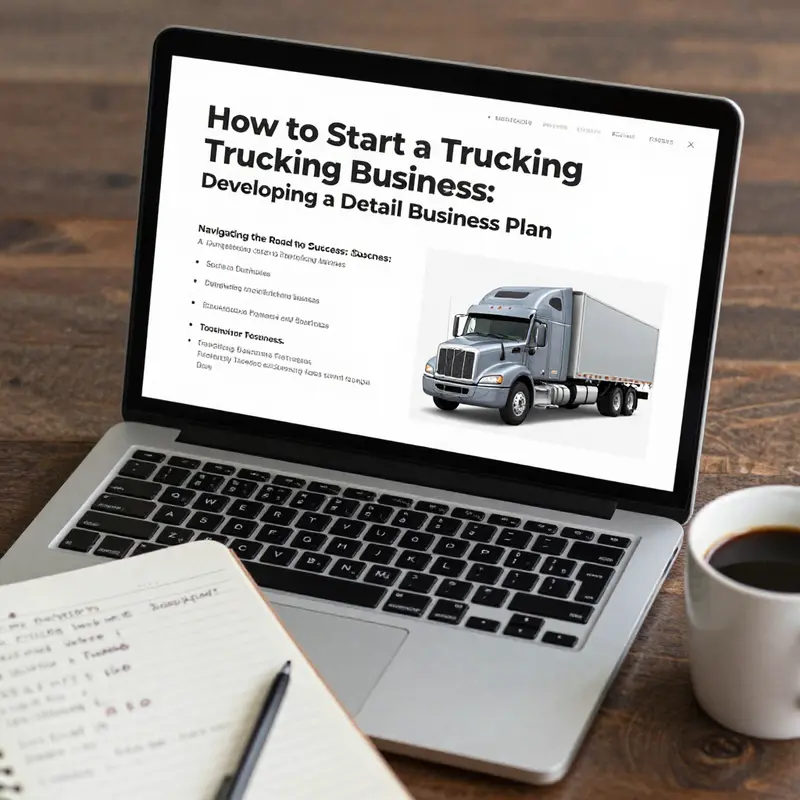
A trucking startup begins with a clear map drawn long before the first mile is logged. A detailed business plan does more than spell out numbers; it codifies a vision into a practical strategy that can guide hiring, purchasing, pricing, and daily operations. In an industry where compliance, capacity, and utilization shape every decision, a robust plan acts as both blueprint and benchmark. Without it, a venture risks chasing short-term wins while losing sight of long-term viability. With it, the road ahead becomes navigable, even when the weather turns adverse. The plan you craft becomes a living document, a reference point for lenders, partners, and your own team as you scale the business from a single truck to a durable, resilient operation.
A high-quality trucking business plan starts by defining your niche and the value you bring. The market looks different in every city and every corridor. Some operators gravitate toward general freight, moving loads across regional boundaries, while others specialize in high-value goods that require special handling. The choice of niche shapes everything else in the plan—from the type of equipment you acquire to the caliber of drivers you hire and the service standards you promise customers. Specialization can yield higher margins but also entails more stringent regulatory needs and tighter service standards. The task for the plan is to translate those strategic choices into concrete, testable numbers.
Once the niche is defined, market research becomes the backbone of credibility. A plan should examine local and regional demand, competitors, and the availability of shippers who need reliable transportation partners. It should identify gaps in service quality, timing, or capacity and explain how your operation can fill them. For example, if the market is saturated with general freight, the plan should quantify how a refrigerated service or a dedicated last-mile offering could capture demand while commanding higher rates. It should also consider the needs of potential clients: just-in-time delivery for manufacturers, steady daily routes for retailers, or temperature-controlled logistics for perishables. The market section should present a clear portrait of demand, measure the size of addressable markets, and outline how you will win customers through reliability, pricing discipline, and service innovations.
With niche and market validated, the plan moves into a comprehensive outline of the business itself. The executive summary should distill the purpose of the venture, its mission, and its scope into a concise narrative. It should be precise about what you will deliver, for whom, and how you will stand apart. The company description follows, identifying the legal structure, location, and registration status, while clarifying how your organizational design supports scalable growth. This is not a heroic tale of a lone driver; it is a roadmap showing how leadership, governance, and staffing will evolve as the fleet grows. The narrative should address organizational roles—drivers, dispatchers, mechanics, and administrative staff—and explain how responsibilities are distributed to sustain efficiency and quality.
The service line is the core of the plan. It should describe not just what you transport but how you deliver it. If you offer general freight, specify whether you will align with regional hubs, contract lanes, or flexible capacity agreements. If you pursue specialized segments such as temperature-controlled goods, hazardous materials, or time-sensitive urban deliveries, outline the equipment needs, maintenance cycles, and compliance requirements that differentiate your service. The plan should also discuss service standards—on-time delivery rates, cargo safety protocols, and customer communication practices. This is the section where the plan becomes a commitment to customers: you will meet agreed timelines, safeguard goods, and respond quickly when disruptions occur.
Pricing, marketing, and sales strategy are the levers that translate capability into revenue. A thoughtful pricing model balances market competitiveness with profitability, taking into account fuel, driver wages, insurance, maintenance, and overhead. The plan should describe how you price different service lines, the terms you will offer, and how you will negotiate favorable contracts with shippers without eroding margins. Marketing and sales take the form of a disciplined outreach plan that blends relationship-building with measurable channels. The plan should identify key partnerships with manufacturers, retailers, and logistics providers, and explain how digital marketing, a professional website, and targeted outreach can generate steady leads. It should also address how you will manage customer relationships once you win them—through reliable service, transparent communication, and a clear escalation path for issues. As you map out the revenue model, the plan should incorporate a financial forecast that demonstrates how the business will reach profitability within a defined horizon, typically three years. The forecast should include income statements, cash flow projections, and balance sheets, with explicit assumptions about load volumes, utilization, pricing, fuel costs, and capital expenditures. A credible financial plan shows not only what you expect to earn but when you expect to break even and how long your cash runway must be to weather initial volatility.
Equally important is the section on funding and capital needs. A trucking startup often requires substantial upfront investment in equipment, insurance, licensing, and working capital to cover the first cycles of fuel, maintenance, and payroll. The plan should spell out startup costs, sources of funding, and a rigorous path to breakeven. Financing options might include personal savings, loans, equipment financing, or strategic partnerships. The document should include a realistic timeline for acquisitions and a plan for scaling the fleet in response to demand and operational performance. When it comes to equipment, the plan explains how you will choose between new and used assets, how you will evaluate resale value, and how maintenance planning will protect uptime and reduce unexpected repairs.
A robust plan does not stop at the doors of the office. It extends into operations and compliance, because nothing in trucking exists in a vacuum. An operations management framework is essential to sustain service levels and efficiency as volumes grow. A plan should describe the technology backbone you will deploy to coordinate routes, monitor shipments, and manage maintenance. A Transportation Management System or fleet management software becomes the nerve center that tracks real-time location, optimizes routes to minimize empty miles, and handles billing and invoicing with accuracy. It also supports regulatory compliance, including Hours-of-Service rules and electronic logging device mandates, reducing the risk of audits and penalties. The plan should also articulate a disciplined maintenance regime. Vehicles require routine inspections, preventive maintenance, and a clear procedure for addressing issues that threaten uptime. The objective is to keep the fleet dependable while avoiding costly breakdowns that disrupt schedules and erode trust with customers.
The plan must extend to people—the heart of any trucking operation. Hiring qualified drivers and competent support staff is a decisive factor in success. The narrative should describe the criteria for recruiting CDL holders with clean records and the ongoing training required to sustain safety, efficiency, and customer service. It should outline a training program that covers defensive driving, safety protocols, and the specifics of cargo handling for different service lines. The plan also recognizes that a strong team is built not only through recruitment but through development. It should describe a framework for performance management, coaching, and career progression that aligns with fleet growth. In this regard, the plan can include a callout to investing in people as a foundation for long-term success. Investing in People: A New Path for Trucking Fleets serves as a helpful reminder that human capital is not an afterthought but a strategic asset that directly influences safety, reliability, and customer satisfaction.
As the plan unfolds, risk management becomes a thread that ties every element together. You will need protection against the inevitable uncertainties that come with operating a fleet, accidents, mechanical failures, regulatory changes, and market shocks. The plan should specify the insurance framework, including cargo liability and general liability, and explain how you will build an emergency fund to cover three to six months of operating expenses. A formal safety program should be described, featuring regular vehicle inspections, driver wellness checks, accident reporting procedures, and a clear emergency response plan. One of the advantages of a well-constructed plan is that it anticipates crises and prescribes steps to mitigate them before a single mile is driven under questionable conditions. The narrative should emphasize compliance as a living standard, not a one-off checkbox. It should discuss how you will maintain accurate records for audits, how you will ensure that every driver holds valid credentials and medical exams, and how you will stay current with evolving regulations. This focus on compliance helps reduce risk while building a reputation for dependability that attracts risk-averse partners.
In short, the business plan is not merely a document to secure funds; it is the operating manual for your enterprise. It should be written with clarity and realism, balancing ambition with disciplined pragmatism. It should tell the story of how a small fleet with a clear niche can deliver reliable, predictable service in a market driven by logistics complexity. It should provide a framework for decisions about capital expenditures, route selection, and personnel development. It should be structured so that a new manager can review it and immediately understand where the company is headed, what milestones to hit, and how progress will be measured. And because the industry evolves quickly, the plan must be treated as a living instrument. Regular updates, often quarterly, should reflect performance results, changes in market conditions, and shifts in regulatory expectations. A living plan keeps you honest about assumptions, reveals early warning signs, and preserves the flexibility necessary to adapt without losing focus.
As you finalize the document, you will see how every component, niche selection, market validation, service design, pricing realism, capital strategy, operations discipline, and people development interlock to form a coherent, scalable enterprise. The plan becomes your negotiation tool with lenders and investors, but more importantly, it becomes a guide for the team that will keep your trucks moving safely and efficiently. When it is done well, the plan makes the road ahead legible: routes are optimized, maintenance is proactive, customer commitments are honored, and growth is measured in durable, repeatable performance rather than heroic, one-off gains. This is the core value of a detailed trucking business plan: it converts a bold idea into a structured program that yields dependable service and sustainable profitability, even as external forces, fuel prices, regulatory shifts, or demand cycles, continue to change the landscape. A strong plan does more than order your steps; it sets your standards and makes accountability possible across every level of the organization.
For readers seeking a broader perspective on real-world implementation and the human side of scaling trucking operations, a contemporary case study highlights how a disciplined, people-centered approach can translate into tangible results. It is a reminder that, beyond the spreadsheets, the daily discipline of safety, reliability, and partnership quality remains the true engine of growth in any trucking venture. This alignment between plan and practice, between strategy and execution, helps ensure that the business you build on paper can survive and thrive on the road. The result is not merely a startup with a set of numbers; it is a durable enterprise that earns the trust of customers, lenders, and employees alike, day after day, mile after mile.
External resource for further reading: https://www.entrepreneur.com/article/471897
Financing and Licensing the Trucking Startup: A Practical Roadmap
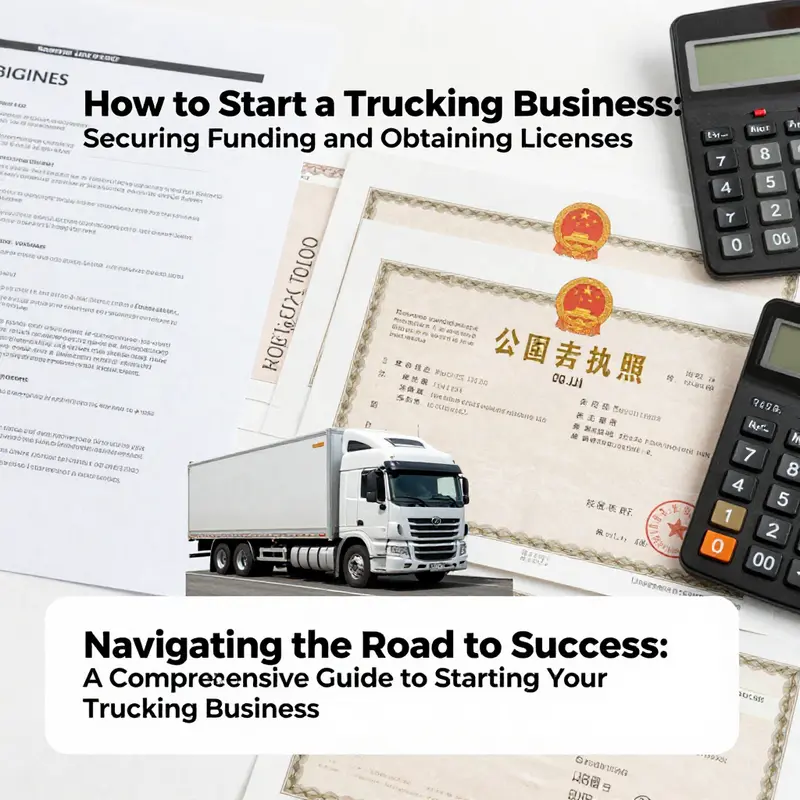
Financing a trucking startup starts long before the first load hits the road. It begins with money in the bank and a clear map of the regulatory landscape. Without adequate funding, even the best market idea can stall at the curb. Without a proper license package, the same idea cannot legally operate. The onboarding of money and licenses is a paired discipline that dictates how you acquire equipment, hire staff, manage fuel and insurance costs, and meet regulatory requirements.
In practice, funding often starts with personal savings and assets, which can shorten the initial path to operations and demonstrate to lenders that you are invested. Yet personal funds rarely cover the scale of a trucking startup. Trucks are expensive, and permits, insurance, maintenance, and fuel create a cash crunch in the first months. Traditional financing—well-crafted business plans, clear revenue projections, and a credible strategy for repayment—becomes essential. SBA-backed loans and lines of credit can be viable options for capital-intensive ventures.
Leasing is another common route. Leasing lowers upfront cash outlay, preserves working capital, and allows gradual fleet growth as demand solidifies. It also mitigates rapid depreciation by enabling periodic upgrades. Partnerships or investors can accelerate growth by injecting capital and expertise, but equity sharing requires a solid operating agreement and aligned incentives.
On the licensing side, interstate trucking requires FMCSA Operating Authority (MC number), a state operating license, and a USDOT number. Insurance must meet minimum liability requirements and cover cargo, physical damage, and workers’ compensation as appropriate. Depending on the business model, you may also need specialized permits for hazardous materials or oversized loads. Compliance with Hours of Service, electronic logging devices, record-keeping, and driver qualifications is essential from day one and informs both budgeting and fleet planning.
Technology, especially a Transportation Management System or fleet management software, helps manage compliance, routing, maintenance logs, and risk monitoring. It can provide early warnings about gaps in insurance, license renewals, or driver qualifications, enabling proactive remediation rather than reactive scrambling.
Finally, people and process matter as much as capital. Skilled CDL drivers, dispatchers, mechanics, and administrative staff create the backbone of reliable service. Ongoing training in safety, defensive driving, and customer service drives uptime, lowers risk, and sustains cash flow. A disciplined approach to funding, licensing, and governance lays the groundwork for scalable growth and long-term value.
People, Process, and Performance: Launching a Trucking Business Through Hiring, Training, and Operations
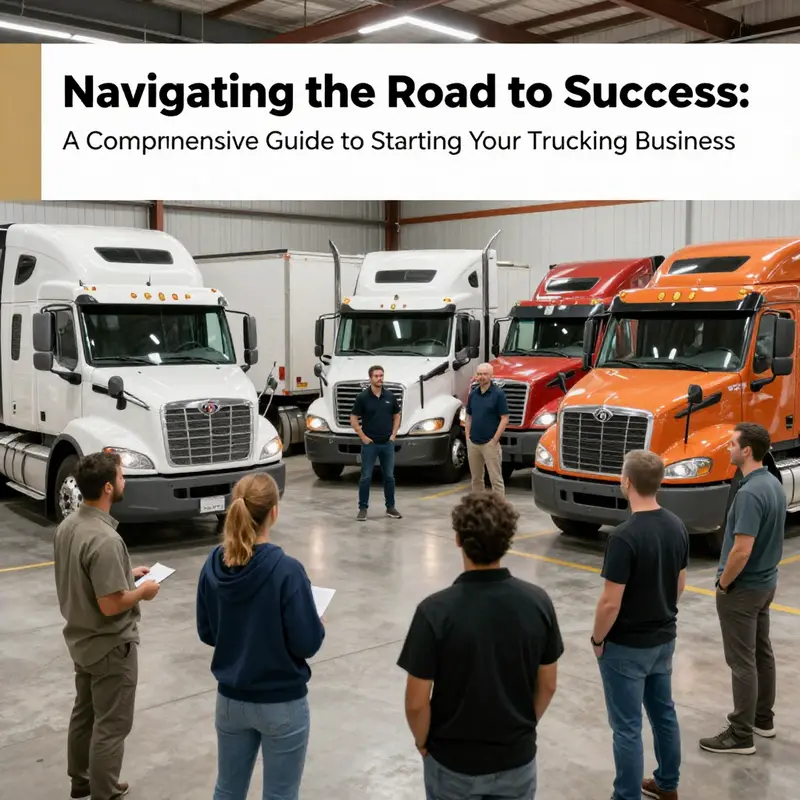
A trucking startup is more than a fleet of trucks. It is an organization whose rhythm and reliability hinge on three core pillars: people, process, and performance. When you’re shaping a new trucking venture, the human element is not peripheral; it is the engine that drives everything else. The choices you make about who you hire, how you train them, and how you manage daily operations determine whether your plan stays on track, grows, and endures through market shifts. This chapter invites you to see hiring, onboarding, and operational management as integrated disciplines. They are not chores to check off but strategic investments that set expectations, shape culture, and align every mile driven with profit, safety, and service.
Hiring the right drivers is the first cornerstone. In a service where dependability translates into on-time deliveries and intact cargo, a driver’s record is more than a credential; it is a signal of how they will perform under pressure. The aim is to assemble a team with valid Commercial Driver’s Licenses, clean driving histories, and the kind of judgment that keeps risk in check while preserving customer trust. This means building criteria that are rigorous yet fair, and deploying screening that looks beyond a resume to real-world behavior. A well-crafted hiring process begins with clear job requirements, then extends into structured assessments, thorough background checks, and interviews that probe decision making under typical highway stress. For owner-operators, credit checks may also play a role in understanding financial responsibility. In practice, the emphasis is on reliability, accountability, and a demonstrated commitment to safety.
Recruitment must be strategic. It is not enough to post a job and wait for resumes to roll in. You need to reach the kind of drivers who will align with your service standards and your operating ethos. This means tapping professional networks and industry-focused job boards, and designing outreach that communicates a compelling value proposition. The aim is to attract applicants who view trucking not just as a job but as a career path in a business you intend to grow and sustain. In doing so, you create the foundation for a stable workforce whose experience and consistency become a competitive advantage as you scale.
Once you have your drivers in the door, the next critical phase is onboarding and training. A comprehensive onboarding program should go far beyond vehicle operation. It should establish your company’s safety culture from day one and lay out the precise procedures that keep drivers and cargo secure. This includes familiarization with your fueling protocols, pre-trip and post-trip inspection checklists, and strict adherence to Hours of Service regulations. The goal is not simply compliance but confidence. When drivers know exactly what is expected, they perform with fewer delays, fewer deviations, and more focus on the job at hand. It is equally important to integrate customer service into training. Professionalism in interactions with customers during pickups and deliveries sets the tone for every subsequent stage of the supply chain. Technical fluency matters too. Your drivers must be comfortable using your fleet management software, GPS systems, and electronic logging devices. An effective onboarding approach often includes a mentorship component, pairing experienced drivers with newcomers during their initial trips. This hands-on guidance accelerates learning and builds a culture of teamwork.
A 2025 study by the American Trucking Associations shows what good onboarding can accomplish. Companies that implement structured onboarding programs see a 35% reduction in driver turnover within the first year. That statistic matters because turnover is expensive. It disrupts schedules, increases training costs, and undermines reliability. A robust onboarding framework also supports safety outcomes. New drivers who receive thorough safety orientation are more likely to internalize your risk controls, which translates into fewer incidents, less downtime, and improved roadside performance. The impact of training on safety is not purely punitive; it is preventive, shaping drivers’ instincts so they can anticipate hazards before they become emergencies. The mentorship program, in particular, creates a practical, real-time transfer of tacit knowledge. It makes safety and service feel tangible rather than abstract through concrete examples and seasoned guidance.
Operational management is the other half of the equation. The promise of a trucking startup rests on the ability to translate people and training into reliable, measurable performance. Route optimization is the starting point. Modern logistics rely on data-driven routing that reduces drive time, fuel consumption, and missed windows. When you have access to real-time data and predictive analytics, you can plan the most efficient routes, account for traffic, weather, and cargo windows, and thus minimize fuel usage and tardiness. The payoff is not a single efficiency spike but a sustained reduction in wasted miles. Some operators report reductions in empty miles by up to a quarter when real-time data analytics inform decision-making. This is a strategic advantage that compounds across the week, month, and quarter, translating into lower operating costs and a more predictable service.
A disciplined approach to fleet maintenance is equally essential. Preventative maintenance programs—scheduled inspections of brakes, tires, lights, and fluids—prevent breakdowns that derail schedules and inflate costs. A well-maintained fleet not only reduces downtime but also enhances safety and extends asset life. The maintenance discipline must be embedded in daily operations, with clear logs, reminders, and accountability. Telematics platforms help here by providing real-time visibility into vehicle health and by linking maintenance events to the driver’s performance and routing decisions. Real-time tracking and robust communication between dispatchers and drivers enable rapid responses to delays, reroutes, and exceptions. This transparency also strengthens customer service; clients appreciate visibility into the status of their shipments, and reliable communication reduces the friction associated with delays.
Financial management underpins the entire operation. It is one thing to move freight; it is another to do so profitably. An integrated approach to finance and operations helps you manage cash flow, control costs, and prepare for tax obligations. Keeping meticulous records of fuel, repairs, insurance, payroll, and other expenses, while pairing them with revenue data, allows you to monitor margins in real time. The U.S. Department of Transportation’s 2024 findings underscore this point: companies that deploy integrated financial and operational software report higher profitability, with a notable rise in net profit margins. The takeaway is straightforward. Technology should weave together your operational data and financial data so you can answer practical questions in minutes rather than weeks. That capability empowers better pricing decisions, more accurate budgeting, and a clearer path to break-even points.
Safety and risk management form an unbroken thread through hiring, training, and operations. A formal safety program should anchor all activities, from the route planning room to the cab. Regular vehicle inspections, driver wellness checks, and a clearly defined accident reporting and emergency response protocol are not merely compliance tasks; they are the foundation of trust with customers and insurers. Telematics and electronic logging devices become not just compliance tools but safety accelerators, helping you identify and correct risky driving patterns before they escalate. A focus on risk mitigation also informs insurance coverage decisions, incident response planning, and training updates. The safety culture you cultivate becomes a differentiator. When drivers feel protected, supported, and empowered to make sound decisions on the road, reliability follows.
All these threads come together through a deliberate emphasis on people as the primary asset of a trucking business. When you invest in capable drivers, you’re investing in predictable service. When you train them comprehensively and continually reinforce safety and customer service, you yield consistency that rivals larger networks while maintaining the nimbleness of a startup. The operational systems you implement—routing engines, telematics, maintenance dashboards, and integrated financial platforms—convert that human capital into measurable performance. You gain not only a cost advantage but also a competitive edge in service quality, on-time delivery, and cargo integrity. In practice, this means designing hiring criteria and onboarding with an explicit plan for safety, service, and scalability, and then linking that plan to everyday routing, maintenance, and financial controls.
As you evolve, you may want to explore further perspectives that connect people to practical outcomes. For a deeper dive into investing in people as a strategic asset for trucking fleets, see Investing in People: A New Path for Trucking Fleets. This resource expands on how structured leadership development, mentorship, and ongoing training translate into lower turnover, higher morale, and stronger performance. The link below provides a focused exploration of those ideas and how they map onto real-world fleet growth. Investing in People: A New Path for Trucking Fleets.
With this integrated approach, you create a durable platform for growth. The people you hire and the training you provide become the backbone of operational excellence. The systems you implement translate that excellence into reliability, safety, and financial health. The chapter you are writing is not merely about getting a business off the ground; it is about building a durable engine that can accelerate with the market. When hiring, training, and operational management are aligned, you can face fluctuations in demand, regulatory changes, and technology shifts with confidence. You are building a trucking business that can adapt, endure, and thrive.
For readers who want a broader regulatory context as they design hiring and training programs, regulatory guidance from federal and state authorities remains essential. The Federal Motor Carrier Safety Administration (FMCSA) offers official resources on starting and operating a compliant trucking business, including licensing, insurance, and hours-of-service requirements. While implementing your people and operations strategy, keeping pace with regulatory expectations will help you avoid costly gaps and maintain a sustainable trajectory. For a starting point on regulatory frameworks, you can consult the FMCSA’s official site.
External resource: For broader regulatory guidance, visit FMCSA’s official site at https://www.fmcsa.dot.gov/ .
Final thoughts
Launching a trucking business requires a well-rounded approach that encompasses niche selection, solid business planning, regulatory compliance, and effective team management. By understanding these foundational elements, logistics providers, construction firms, and food distributors can position themselves for success in a competitive market. As the trucking industry continues to evolve, staying informed and adaptable will be essential for long-term growth and profitability in this vital sector.