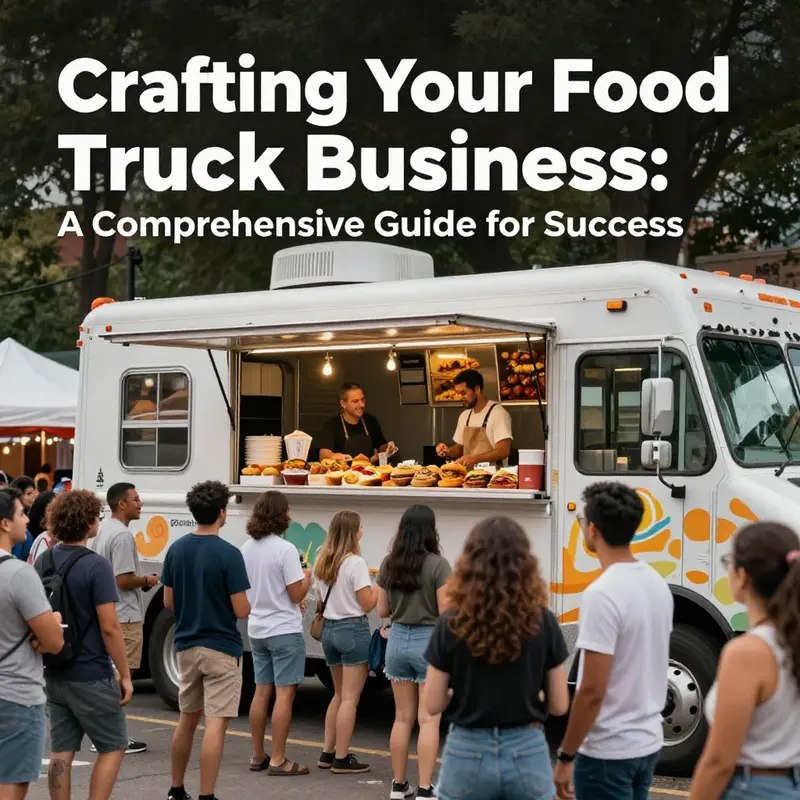
Starting a food truck business in the USA presents exciting opportunities for both seasoned entrepreneurs and newcomers alike. Understanding the logistics of this mobile food venture is critical, especially for stakeholders in logistics, construction, fleet management, and food distribution sectors. The food truck industry is not only facing increasing demand, but it also encompasses a diverse range of operational challenges and regulatory considerations. This guide breaks down the essential facets of launching a food truck, focusing on developing a business plan, navigating permits and licenses, and selecting the right equipment and location. Each chapter provides actionable insights designed to facilitate successful entry into this lucrative market.
null
null
The Regulatory Compass: Securing Permits and Licenses on the Road to a USA Food Truck
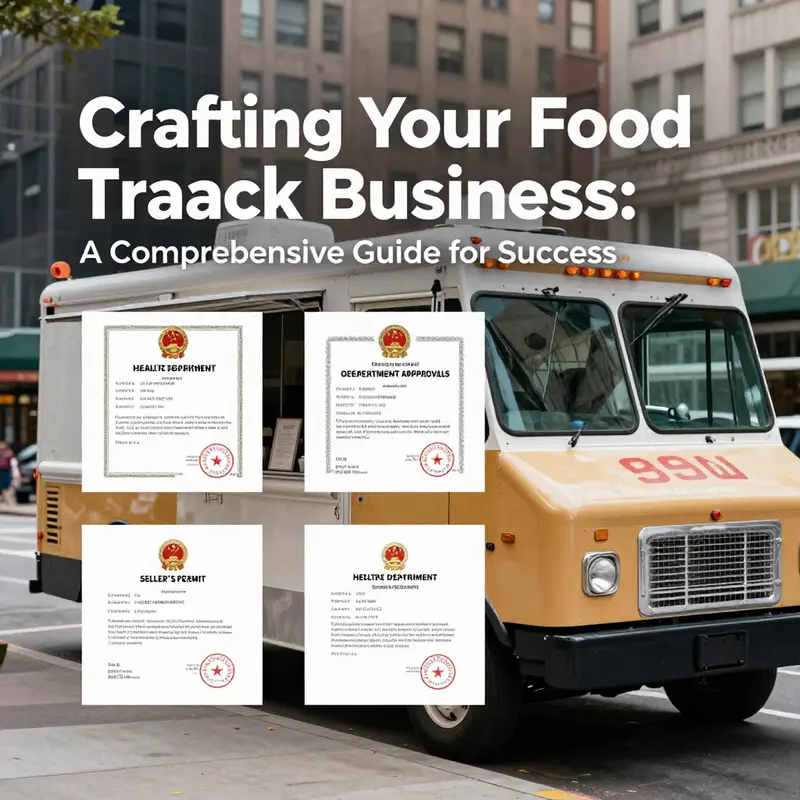
A food truck is more than a kitchen on wheels; it is a business that travels through a dense forest of rules and requirements. The permits and licenses you obtain are not mere formalities but the legal coordinates that keep you on course, prevent costly detours, and shield you from surprises on busy streets. In the United States, the process unfolds across layers of authority—federal, state, and local—and the specifics shift from city to city, county to county. Yet there is a coherent logic beneath the maze: establish your legal identity, prove your kitchen meets safety standards, demonstrate that you can protect customers and employees, and secure authorization to operate in public spaces. When you approach licensing with a clear plan and a steady rhythm, the pathway from concept to rolling operation becomes navigable rather than daunting.
First comes establishing the legal entity and the basics of your business. A business license is the baseline credential every operation needs to exist in the eyes of local government. It marks your organization as a legitimate actor in the local economy and provides the first framework within which all subsequent permits will be issued. Alongside this, you’ll typically pursue a Seller’s Permit or Sales Tax Permit. This permit is not a badge of honor; it is the mechanism through which you collect and remit sales tax. Your city or county may require it even if you plan occasional pop-up events or seasonal routes. The goal is straightforward: align with tax collection obligations from day one so you aren’t revisiting finances in the middle of a lunch rush with liability in the air.
Next, the health and safety architecture of your truck comes into sharp focus. A Health Department Permit is the core credential that validates your kitchen’s cleanliness, equipment, and food-handling practices. This permit is earned after an inspection, a careful review of your truck’s layout, ventilation, cold-holding capabilities, handwashing facilities, temperatures, cross-contamination controls, and general readiness to serve meals safely. It is common for the health inspector to walk through your mobile kitchen, examine your sanitation plan, and verify that your sinks, drain plumbing, and waste handling are compliant with local codes. The importance of this step cannot be overstated: without a passing health inspection, your truck cannot legally operate, even in the most favorable location.
But a health permit does not stand alone. Food handlers’ permits or certifications for staff, depending on state and local requirements, are another pillar of compliance. These credentials reflect basic food safety knowledge—how to store and handle raw ingredients, how to prevent cross-contamination, and how to respond to potential foodborne illness scenarios. If your team is small, an individual with a food handler’s certification can sometimes be the difference between a smooth shift and a violation citation. If you plan to hire others, you’ll need to track these certifications and ensure ongoing compliance through periodic refreshers, which may be mandated by your jurisdiction.
The regulatory map also includes a suite of vehicle-related permits. A Mobile Food Vendor Permit, specifically designed for operations like yours, is frequently issued by the city or county health department or an equivalent agency. This permit acknowledges the mobility of your service model while enforcing the same safety expectations as a stationary restaurant. In some places, you may encounter additional requirements tied to parking, routing, and permitted zones. Zoning regulations matter, too. Local zoning offices may restrict where a mobile kitchen can park, the distance from sensitive sites like schools, or the maximum duration you can linger at a given location. These rules shape your day-to-day planning as surely as any recipe book shapes your menu.
Another essential credential, the Employer Identification Number (EIN), acts as your tax identification for the federal government. It is not a license to operate, but it is a critical piece of your corporate identity. With an EIN, you separate personal and business finances, enable proper payroll if you hire staff, and satisfy federal tax obligations. In many jurisdictions, you will need to present the EIN during the permit application process or soon after when you register for local taxes.
As you compile your permits, you’ll learn that some requirements arise from fire safety concerns. Fire Department permits or inspections may be relevant if your cooking equipment presents a significant fire risk. These checks assess extinguishing systems, clearances around heat sources, proper ventilation, and escape routes. Even if your jurisdiction does not require a formal fire permit for every mobile operator, you may encounter a fire-safety validation as part of the health inspection or a standalone fire code review. It is essential to anticipate this possibility and ensure your kitchen’s design includes robust fire prevention measures, including a suitable Class K or ABC extinguisher, appropriate clearances, and a documented suppression plan.
Beyond the technical checks, there is a reality of timing and persistence. The application process for each permit can take weeks to months, especially in larger cities or during busy permitting cycles. Officials may request additional documents, clarify specific operational details, or schedule re-inspections. Your best strategy is to begin early, build a realistic timeline, and treat the permitting journey as a core project you manage with the same discipline you apply to your menu development. Gather the standard documents up front—business formation details, proof of identity, vehicle information, proposed location strategy, and a clear day-by-day operation plan—so you can respond quickly to requests and keep momentum.
To navigate this terrain with confidence, it helps to adopt a holistic, pro-planning mindset. Create a master checklist that aligns with your city’s and state’s requirements, and annotate it with anticipated timelines and renewal dates. Your plan should include not just the initial permits but also annual or biannual renewals, which are common for health permits and vendor licenses. A perpetual license-to-operate mindset offers a practical advantage: you’re not reinventing the wheel with each season. Instead, you are maintaining a living document that reflects any regulatory updates, changes in your menu or equipment, and shifts in your operating plan.
One practical approach is to map your regulatory journey to your kitchen design and your daily route. Your truck layout should accommodate the permit requirements you anticipate. For example, your plumbing and handwashing stations must meet health standards, which in turn guides the placement of sinks and water storage. Your waste management plan should align with local environmental rules, ensuring adequate grease disposal and proper containment of wastewater. The more you integrate compliance into the design phase, the fewer noncompliance surprises you encounter after you have already invested time and capital into equipment and branding.
From a business perspective, many operators find it worthwhile to engage a regulatory consultant or a seasoned mentor who has navigated city halls and health departments. A consultant can help interpret the code language, prepare inspection-ready drawings of your kitchen layout, and anticipate questions inspectors may ask. While a consultant is an expense, the payoff can be substantial in the form of smoother inspections, fewer delays, and a clearer path to a successful opening. Even if you don’t hire a full-time expert, dedicate time to speaking with a few local operators who have already earned their permits. Their lived experience can illuminate the practical expectations behind the documents and the inspections, reducing guesswork as you move forward.
A consistent thread through this process is the importance of accurate documentation and recordkeeping. Keep digital and hard copies of every permit application, inspection report, license, and renewal notice. Maintain a log of inspection dates, corrective actions, and any correspondence with regulatory agencies. When questions arise—whether about a particular restriction on operating hours, or the need for a specific type of certificate—you can reference your organized files rather than reconstructing a memory from a late-night conversation. In the long run, strong records become a form of risk management: they protect you from inadvertent violations and help you demonstrate compliance if a customer complaint or a regulatory inquiry surfaces.
The journey toward permits and licenses is not just about ticking boxes. It is about building a foundation that supports reliable operations and sustainable growth. Your permits are a declaration that you understand the responsibilities that come with serving food to the public, especially in a mobile format where the stakes—food safety, consumer trust, and community safety—are heightened by movement and exposure to diverse environments. When you treat the permitting process as an ongoing, proactive discipline rather than a one-off hurdle, you position your business to adapt as regulations evolve, accommodating new locations, expanding menus, or increasing service hours with confidence.
As you move through this landscape, it is valuable to anchor your planning in credible, universally applicable guidance. While many details are local, the broader framework remains consistent: register your entity, obtain a health permit following a compliant kitchen inspection, secure a sales tax permit if required, and ensure staff credentials where mandated. If you keep these core pillars in view, you can navigate the variability with purpose and clarity. If you want a synthesized reference that aligns with the general contours of starting a food truck in the U.S., you can consult official guidance from a national small-business resource that offers templates, checklists, and state-by-state links. The practical payoff is not only compliance but a smoother launch, a more professional image, and a resilient operating model that can weather regulatory shifts across markets.
The broader arc of starting a food truck in the USA—planning, permitting, financing, and branding—ties back to the fundamental idea that mobility is an asset only when it is properly supported by a compliant, safe, and well-documented operation. While the permits act as a barrier to entry, they also act as a screen that filters for quality and responsibility. In the sections that follow, you will see how a strong permit strategy interacts with other core elements of your business: the concept and menu that attract customers, the efficient truck design that enables consistent service, and the marketing and community engagement that turn a single lunch crowd into a loyal following. Together, these strands form a cohesive path from inspiration to daily service, where the wheels of your truck carry not only food but also trust and credibility. For anyone who intends to operate a food truck in the United States, the permits and licenses are the benchmarks against which every plan is measured, and the discipline you bring to securing and maintaining them will pay dividends in smooth operations, safety, and long-term growth.
For those who want a structured, field-tested overview of the practical steps involved, the U.S. Small Business Administration provides accessible resources, templates, and state-by-state guidance to help you locate permits, licenses, and funding options tailored to food truck operators. This official resource can serve as a reliable companion as you translate the general principles discussed here into concrete action in your city or town.
External resource: https://www.wise.com/us/blog/food-truck-business-startup-guide/
From Kitchen Blueprint to Street Corner: Equipment Design and Location Strategy for a Winning U.S. Food Truck
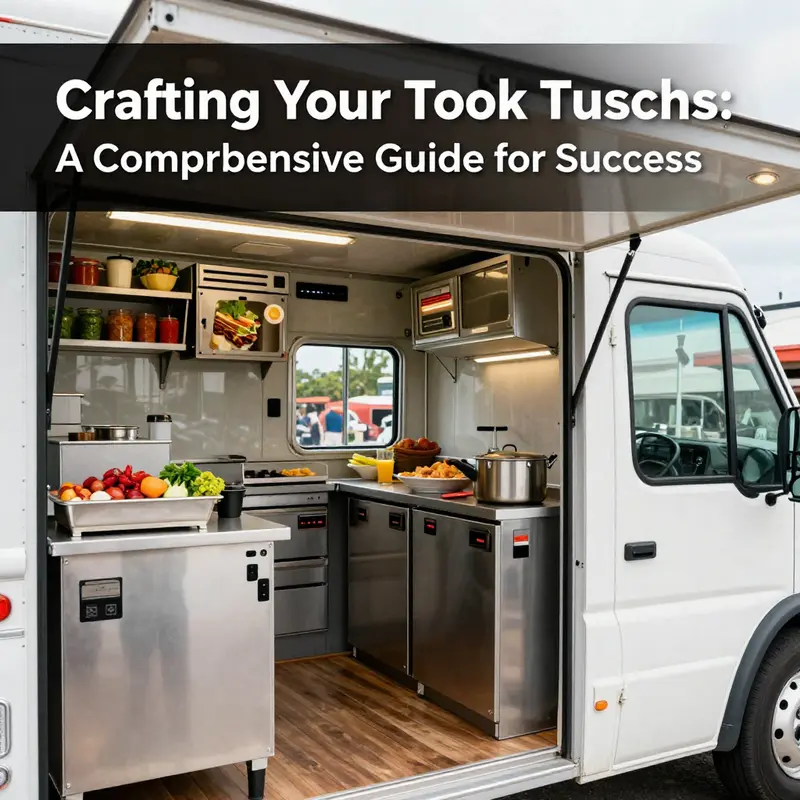
A food truck is a moving restaurant, a compact blueprint of your culinary concept that travels to where customers gather. The equipment you choose and the locations you chase are not separate decisions; they are two sides of the same coin that determine your capacity to turn a concept into consistent, delicious meals and predictable revenue. In the United States, the journey from idea to opening day hinges on aligning a practical, safety-minded kitchen with a street-level appetite for fast, flavorful food. The arc begins with your menu and the pace at which you want to serve, then tightens into a precise layout that fits within the constraints of a mobile kitchen. Only then does it extend outward to the locations that will carry your business forward. This integrated approach—how you engineer your truck’s heart and how you pick its stages—defines the odds of long-term success in a competitive landscape where diners judge you by speed, quality, and the energy you bring to the curbside moment.
The menu you envision shapes almost every equipment choice. If your concept centers on grilled proteins and quick sauces, you will need a reliable commercial grill that holds steady temperatures under a high-volume lunch rush. If your food is primarily fried, you’ll want efficient deep fryers with robust oil management and a grease-removal system that keeps the kitchen compliant with health codes. A plant-forward bowl concept might demand a combination of refrigeration that preserves greens and delicate toppings, plus a compact steam or induction setup that can handle a quick assembly line. The core pieces of equipment—an exhaust system, a commercial stove, a refrigerator, a sink, storage, and a point-of-sale setup—form a skeleton that must be clothed in a layout designed for safety, speed, and sanitation. The health department will tour your truck as a mobile kitchen, and every inch of space must demonstrate that food is prepared and served under controlled temperatures, with clean utensils, clean hands, and a clean environment.
Space is the critical constraint that magnifies every decision. A typical truck is a small, efficient theater where each appliance demands a dedicated footprint. The layout must support a logical workflow: storage for dry goods out of the heat, cold storage near the prep zone but away from raw product contact, a handwashing station with hot water, a work counter that accommodates prep and plating, and a dish or cleaning area that never blocks the path between the serving window and the customer. When you sketch the plan, think in terms of zones—the cold zone for perishables, the hot zone where grilling or frying happens, the prep zone where sauces are measured and assembled, and the sanitation zone where cleanup and waste management live. A careful balance between these zones allows one or two cooks to move efficiently without stepping on each other’s heels, which means faster service and higher ticket averages.
Electrical, fuel, and water systems become the invisible rails that support this kitchen theater. A reliable power source is essential for lighting, refrigeration, and a POS system, especially in all-day or multi-stop operations. Generators are common, but they must be sized to meet peak load and must be quiet enough to comply with local ordinances in many neighborhoods. Propane remains a common fuel for cooking equipment in mobility, but it adds risk and requires careful installation and leak detection. Some operators opt for electric or induction setups to minimize fumes and simplify venting, yet these choices demand a robust electrical system and excellent backup plans for outdoor weather. Water supply and waste disposal are more physical constraints than a political one: you’ll need a fresh-water tank, a wastewater tank, a handwashing sink with a drain, and a grease management system that prevents blockages and adheres to local sanitation codes. The choice of equipment interacts with these utility decisions. A larger menu with multiple fryers, grills, and refrigeration units will push you toward a bigger truck with a more expensive power and plumbing package, while a lean, focused menu can be serviced by a simpler, lighter setup that still meets health and fire safety standards.
Vehicle selection plays a pivotal role in cost, reliability, and branding. Used trucks offer a lower entry point but require due diligence to assess condition, line up necessary repairs, and gauge upcoming maintenance costs. New trucks deliver reliability and the option to customize the interior layout, but they come with a higher upfront price tag. Custom-built configurations provide maximum control over the flow, the branding, and compliance with equipment standards, but they demand significant capital and longer lead times. The budget you set at the outset will influence your menu ambition, your ability to source quality equipment, and your chance to scale. When you negotiate, treat the truck as a living space that must be tailored to your concept and your numbers. A well-priced layout aligns equipment footprint with your predicted daily throughput and the type of service you offer—whether you’re chasing lunch crowds in a financial district, evenings near a university campus, or weekends at markets and festivals.
Beyond the basic stove, grill, fryer, refrigerator, and sink, the sanitation and safety equipment deserve equal attention. An effective hood and fire suppression system are non-negotiable for high-heat cooking. Ventilation protects both cooks and customers by keeping smoke and steam at bay and by helping your truck meet fire codes. A durable exhaust system reduces the risk of grease buildup and odors that could deter nearby customers. The grease management setup is not simply a cleanliness issue; it is a compliance feature that prevents clogs, reduces fire risk, and demonstrates professionalism to health inspectors and partners alike. Storage solutions should be modular and easily cleanable, with non-slip surfaces in the prep and service areas. A robust cleaning schedule, including sanitizing steps for cutting boards, utensils, and contact surfaces, reinforces your reputation for quality and safety. In a mobile kitchen, where the line between artistry and accident is thin, such attention becomes a core brand promise rather than a mere regulatory checkbox.
Equally important is the location strategy that complements your equipment choices. The right spot turns your kitchen into a magnet. High-traffic downtown cores, business districts during lunch hours, and campuses with a steady stream of students offer not just foot traffic but reliable rhythm. Festivals, farmers’ markets, and special events package a one-time surge in customers that can translate into meaningful revenue, especially when your equipment is optimized for quick turnover and your menu is designed for crowd appeal. Operating near schools or hospitals may require additional compliance considerations or distance rules, so you must study zoning and proximity rules for each potential site. The practical reality is that you must balance visibility with permit costs and operating restrictions. Some cities have designated food truck parks, which provide built-in foot traffic and a community that already understands the mobile dining concept. Others require you to secure a permit for each location and to respect local limits on how long you can stay at a given curbside spot. The most successful operators treat location as a function of daypart dynamics and weather patterns. A typical weekday lunch crowd in a business district can be a reliable anchor, while after-work hours may require a shift to a different neighborhood or the lure of a weekend market. A smart operator builds a schedule around predictable demand and adapts on the fly to festival calendars, school breaks, and seasonal shifts.
The decision lattice between equipment and location is not a sequence but a feedback loop. Your equipment dictates how fast you can produce meals, which in turn informs the types of sites you can efficiently service. A compact menu with a few high-margin items can travel to more spots and keep service times brisk, while a broader menu may require larger power and water capacity, limiting you to fewer but higher-traffic locations that justify the extra complexity. The brand you cultivate then becomes a beacon that travels with the truck—the colors, the signage, the texture of the food, and the rhythm of the service window all sending a message to customers: this is where I get the best version of the dish I crave, and it arrives with speed and consistency.
When you begin to test spots, approach location scouting with data and dialogue. Talk to festival organizers, shopping centers, and the managers of office campuses about preferred windows and the cadence of traffic. Visit prospective locations at different times of day and in different weather conditions to gauge how many customers you realistically can capture and how long you can stay without drawing complaints or triggering permit limits. In many cities, local rules require that you obtain consent from the property owner or the site administrator before you set up, and some neighborhoods impose stricter rules on street-facing service, parking, or idle times. You will also encounter costs beyond rent or permit fees: some spots charge a daily location fee, a percentage of sales, or a flat rate for the privilege of drawing crowds there. If you can connect with a network of nearby trucks and vendors, you will obtain insights about best practices for rotating through similar zones, avoiding conflicts with other operators, and leveraging shifts in peak demand.
One practical way to integrate equipment and location is to design a modular, adaptable truck that can reconfigure for different service lines and street sides. A layout that accommodates a rotating menu—seasonal specials, daily hit items, or festival exclusives—requires flexible workstations, mobile refrigeration for off-site prep, and detachable equipment modules that can be swapped when you move to a new site or season. This flexibility reduces downtime and keeps your business resilient as you test markets, adjust menus, and refine your standard operating procedures. It also supports branding and storytelling: the truck becomes a character that can be reinterpreted with each location, carrying your concept into new neighborhoods with a consistent promise of quality.
To stay on track with health and safety, you will want to adopt a formal food-safety plan that covers procurement, storage, preparation, cooking, cooling, and service. Your plan should specify safe temperature ranges, cross-contamination controls, cleaning schedules, and routine equipment maintenance. Sanitation is not merely compliance; it is a competitive advantage because customers are naturally drawn to places that communicate cleanliness and care through every bite and interaction. The equipment you choose and the way you layout your kitchen influence your ability to maintain these standards. An efficient cold chain reduces waste, preserves flavor, and ensures that your most popular items stay consistent from day to day. A well-organized prep area minimizes the risk of cross-contact for allergen-conscious diners, and a clean, well-lit service window reinforces trust as your customers watch their food being prepared.
The brand narrative you weave through equipment, location, and service speed matters as much as the recipes themselves. A truck that speaks with a coherent aesthetic—through color, logo placement, and the ergonomics of the service window—creates a recognizable identity that makes a difference in crowded markets. A memorable brand helps customers seek you out, not just once but again at the next event or the next lunch hour. The most successful operators combine strong equipment choices with deliberate location strategy and a relentless focus on the customer experience. They understand that the truck’s heart—the kitchen—must be reliable enough to support consistent flavor and fast service, while the street presence—the location and timing—must be responsive to demand and opportunity. This synthesis is what transforms a mobile kitchen from a hopeful startup into a repeatable model for growth across neighborhoods, campuses, and cities.
Finally, while the practical mechanics are crucial, you should stay mindful of the broader regulatory environment that frames every decision you make. Permits, licenses, and inspections punctuate the path from concept to operation. The process often demands patience, careful record-keeping, and early engagement with local officials. Building good relationships with health departments, fire marshals, and zoning authorities is as important as choosing a stove. Your proactive approach—documenting clean practices, maintaining equipment, and planning for contingencies—will pay dividends when you scale, extend your route to new locales, or seek financing for expansion. In many jurisdictions, the steps are still straightforward but time-consuming; the earlier you begin, the more likely you are to launch on schedule and to avoid delays that can stall momentum in a busy market.
As you move from concept to kitchen, you should continuously test and refine your assumptions about what customers want, how fast you can deliver, and where your truck will perform best. The iterative process—adjusting menus to reflect what your equipment can do, selecting locations that maximize throughput, and aligning your branding with the daily rhythm of street life—creates a virtuous loop. Each successful lunch hour or festival appearance becomes a data point that informs the next decision about whether to invest in a larger generator, add a second refrigeration unit, or reserve a prime weekend slot at a popular market. In this way, choosing equipment and location is not a one-time task but a continuous optimization that links your culinary ambitions to real-world opportunities. And when the loop works, the truck becomes not simply a vehicle for selling food but a moving platform for a brand that travels with confidence from one curb to the next, delivering consistent quality and a memorable experience wherever the day takes you.
For operators who want practical stepping stones, the essential takeaway is to plan with both craft and commerce in mind. Your equipment should be chosen to deliver your menu with speed, safety, and reliability, while your location strategy should be designed to maximize visibility, accessibility, and profitability. In the end, the street’s tempo must harmonize with the kitchen’s rhythm, and your concept must feel natural in the places where people expect to find you. When those elements align, the footprint you leave on a city block—the aroma, the line, and the satisfaction in a single bite—becomes your strongest proof of a successful food truck venture in the USA.
External resource for further guidance on food safety and mobile unit standards can be found here: https://www.fda.gov/food
Final thoughts
Launching a food truck in the USA involves intricate planning and execution, but with a well-developed business plan, thorough understanding of permits, and strategic choices for equipment and locations, success is attainable. By addressing operational logistics effectively, companies in logistics, distribution, and construction can leverage food trucks to enhance community engagement and customer satisfaction.