
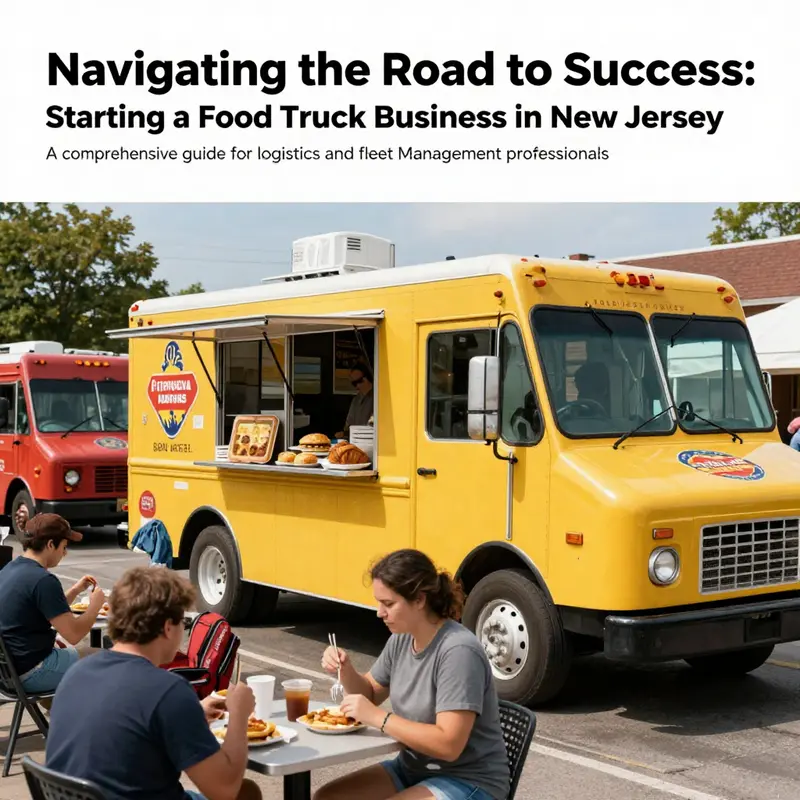
Starting a food truck business in New Jersey opens up opportunities for culinary entrepreneurs and food enthusiasts alike. As this market continues to grow, understanding the critical steps to launch a mobile food service is essential, especially for logistics and freight companies, construction firms, and fleet management specialists. This guide will delve into the core chapters—detailing the essential steps for establishing your food truck business, clarifying the licenses and permits necessary for lawful operation, and outlining the health and safety regulations you must adhere to in New Jersey. Each chapter aims to equip you with actionable insights to ensure a successful venture into the bustling food truck industry.
From Permits to Plates: Navigating the New Jersey Food Truck Startup Roadmap
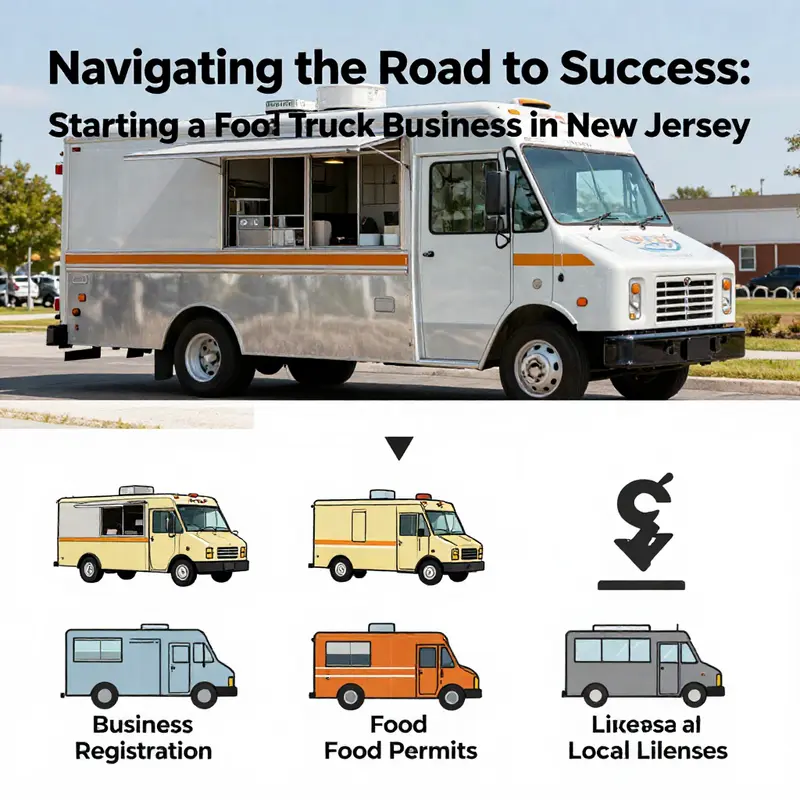
Launching a food truck in New Jersey requires navigating a complex landscape of regulations, permits, and local rules that shape where, when, and how you operate. Choosing the right business structure, such as a limited liability company, offers liability protection and tax flexibility, but requires clear agreements on ownership and operations. Registering a business name through a DBA filing signals professionalism and readiness to operate under a recognized brand. Obtaining an Employer Identification Number (EIN) is essential for bank accounts, hiring, and tax purposes. Securing permits is the next critical step. The New Jersey Department of Health issues Food Service Permits based on detailed layout plans demonstrating compliance with food safety standards. Local municipalities add additional layers like business licenses and mobile vendor permits, each with unique rules based on neighborhood and event type. Compliance with health and safety standards, including equipment, sanitation, and employee hygiene, is mandatory, with regular inspections ensuring ongoing adherence. Insurance — covering the vehicle, general liability, workers’ compensation, and possibly employer’s liability — protects your business against risks. Financially, a Sales Tax Permit is necessary for collecting and remitting taxes on prepared foods. Effective budgeting and cash flow management help maintain stability amidst seasonal fluctuations and unexpected expenses. Concept and menu development must consider the constraints of a mobile kitchen. Equipment selection should optimize space and efficiency to meet food preparation and safety guidelines. A focused menu that emphasizes authentic, high-quality items which travel well and align with your brand is more successful than a crowded offering. Marketing should start early with a strong digital presence to build awareness, facilitate pre-orders, and expand reach beyond street sales. Launch strategies often follow a timeline from concept testing and permit applications to equipment purchase and staff training, with each municipality’s timeline potentially varying. Maintaining a comprehensive startup checklist and clear documentation streamlines approvals and compliance. Engaging with local health departments and municipal offices helps clarify specific permit requirements and processes. The New Jersey Business One Stop portal can also guide you through centralized applications and connections. Building a successful food truck business means more than compliance—it requires managing expectations, cultivating resilience, and delivering consistent quality and customer experience. Differentiation through concept, execution, and service fosters loyal customers and repeat business in a competitive market fueled by urban and coastal food lovers. Sustainability involves scalable staffing, menu planning, and growth strategies like adding trucks or fixed locations at markets and events. Ultimately, your truck becomes a mobile microbusiness, blending regulatory discipline with operational flexibility. Emphasizing a people-first culture and team cohesion supports long-term success and customer delight, highlighting that even in a kitchen on wheels, people are the core asset driving your venture’s performance and reputation.
Permits, Paperwork, and Passing Inspections: Essential Licenses for Starting a Food Truck in New Jersey
Running a successful food truck in New Jersey depends as much on paperwork as on great recipes. The permits you secure and the inspections you pass define where you can park, what you can serve, and how long you can operate without interruption. This chapter walks through the legal permits and licenses you will need, explains how they fit together, and offers practical steps to move from application to approval with fewer surprises.
At the center of the regulatory picture is the New Jersey Food Service Establishment Permit. Issued by the New Jersey Department of Health, this permit confirms your truck meets state health and safety standards. Expect to submit a formal application and a detailed layout plan showing the truck’s equipment and workflow. The Department will schedule a facility inspection to verify food handling, storage, temperature control, sanitation, and waste management meet the code. The inspection looks for clear handwashing stations, adequate refrigeration, safe hot-holding equipment, and procedures for preventing cross-contamination. Because this permit is foundational, start your design and equipment choices with the state code in mind. A truck built to pass the inspection from day one eliminates costly retrofits later.
Parallel to the food service permit, you’ll need to register your business properly. Most operators obtain a Federal Employer Identification Number (EIN) from the IRS. The EIN is required for tax filings, hiring employees, and opening a business bank account. Registering with the New Jersey Division of Taxation is also mandatory. This registration establishes your Sales Tax ID so you can collect and remit sales tax on prepared food, beverages, and other taxable items. New Jersey sales tax rules can be nuanced; classify your menu items correctly and track tax-exempt versus taxable sales from the start. A clean sales tax account reduces audit risk and avoids penalties.
Local municipal rules are the next layer of requirements. Towns and cities in New Jersey apply their own controls on mobile vendors. Many municipalities require a local business license and may also demand a specific mobile food vendor permit. These local permits typically address zoning, approved vending locations, hours of operation, and parking rules. Some towns ban vending in certain commercial districts or in close proximity to brick-and-mortar restaurants. Others restrict truck operation near schools or require a permit to operate during special hours. Contact the township clerk or municipal business office early to learn about ordinances, application timelines, and fees. Cities sometimes limit the number of food truck permits they issue, making early engagement essential.
If you plan to vend on public property or at organized events, anticipate additional permissions. Operating at a farmers’ market, street fair, or civic event can require event-specific permits or temporary use agreements. These can include parking permits, short-term occupancy permissions, and approvals from multiple agencies when the site is publicly owned. Some events require proof of your food service permit and a certificate of insurance before you can set up. Organizers often coordinate with municipal authorities, but you remain responsible for securing the correct paperwork. When a municipality allows truck operation at a public park or plaza, you may also need a special permit that addresses traffic flow, waste removal, and electrical hookups.
A recurring requirement in many jurisdictions is a commissary or permitted base of operations. While details vary by town and by how you prepare food, local health departments often require trucks to operate from an inspected facility for food storage, prep, and waste disposal. A commissary provides potable water hookups, gray water disposal, refrigeration, and sometimes frozen storage. If you plan to prepare food off-truck or store large quantities of ingredients, confirm whether your local health code mandates a commissary agreement. A signed agreement listing the commissary’s address and available services may be part of your state or municipal permit application.
Insurance and vehicle registration are tied closely to licensing. New Jersey requires commercial auto insurance for a vehicle classified as a food truck. Insurance must cover liability for accidents and incidents that occur while the truck is in operation. Beyond auto insurance, consider general liability coverage to protect against claims arising from foodborne illness, slips, or property damage. Event organizers and some municipalities will require proof of both forms of insurance before issuing temporary permits or allowing you to operate at their events. Maintain current insurance certificates and keep them ready for rapid submission with permit applications.
Health and safety compliance extends beyond initial inspections. The state and local health departments check for ongoing adherence to sanitation practices, employee hygiene, pest control, and equipment maintenance. Establish a standard operating procedure for daily cleaning, temperature logs for refrigeration and hot-holding units, and protocols for receiving and storing deliveries safely. Employee food safety training is essential. While certifications such as manager-level food safety credentials are not always mandated by law, they are commonly required by municipalities or event organizers. Investing in staff training reduces the chance of health violations and helps ensure smooth inspections.
Timing matters when you apply for permits. Permit review cycles can vary from a few weeks to several months. Plan for multiple steps: document preparation, application submission, plan review, and inspection scheduling. Submit your food truck layout, equipment specifications, and waste disposal plans early. If you will serve modified or seasonal menus, note those on your application. Changes in menu or equipment after the permit is issued can trigger re-inspection or require a permit amendment.
Expect fees and potential renewal requirements. Licensing fees include state application charges, municipal permit fees, event fees, and occasional inspection fees. Many permits renew annually, and missing a renewal date can result in fines or a forced closure. Maintain a calendar of permit expirations and a file with renewal forms. Some municipalities allow online renewals; others require in-person visits. Staying proactive keeps your operation steady.
Common pitfalls are straightforward but costly. First, underestimating local rules is the top mistake. A permit issued by the state does not override a local ordinance. Second, operating without a mobile vendor permit or on private property without the owner’s temporary use agreement can result in immediate shutdowns. Third, neglecting sales tax registration or failing to file tax returns can lead to fines and back taxes. Fourth, inadequate waste disposal planning—especially for gray water and cooking grease—draws health inspectors’ attention and can lead to citations. Lastly, forgetting to carry requested documents to events—permits, insurance certificates, and food handler cards—can disqualify your truck from vending.
To streamline approvals, follow this practical sequence. First, decide your business structure and obtain an EIN. Second, design the truck layout and choose equipment with the food service permit code in mind. Third, register with the New Jersey Division of Taxation and secure your Sales Tax ID. Fourth, submit the state food service permit application with the layout and equipment list. Fifth, contact your municipality to learn local rules and apply for local business and mobile vendor permits. Sixth, secure a commissary agreement if required. Seventh, obtain commercial auto and general liability insurance and collect your certificates. Eighth, prepare for inspections with staff training and documentation protocols.
When preparing your application materials, include clear and accurate documentation. A scaled floor plan helps inspectors visualize flow and sanitation points. Equipment specifications and brand/model information give inspectors confidence in temperature control and cleaning capabilities. Written procedures for food handling, cleaning, and waste management demonstrate your commitment to safe operations. A commissary agreement should define which services the commissary will provide. Keep copies of supplier invoices and product specifications for any specialty equipment.
While the focus here is compliance, think strategically about how licensing interacts with your business model. Choose vending locations that align with municipal rules, and build relationships with event organizers. Some event organizers and community groups support vendors who demonstrate consistent compliance and reliability. Being on the right lists often depends on a track record of clean inspections and timely permit renewals. Community involvement and local partnerships can open doors to premium vending spots and repeat business. For ideas on community-focused initiatives and the broader role trucks play, review local efforts that connect trucks with social causes and events, such as the trucks-for-change community programs described on sites like https://titanbusinesstrucks.com/trucks-for-change-supporting-vulnerable-communities/.
Recordkeeping is a final, indispensable habit. Maintain copies of every permit, insurance certificate, inspection report, and renewal notice. Keep a file for temperature logs, cleaning checklists, employee training certificates, and supplier invoices. Good records simplify renewal applications and provide a rapid response in case of complaints or inspections. A digital folder with scanned documents makes sharing paperwork with event organizers and municipal officials fast.
Securing the right permits and licenses is not a one-time hurdle. It is an ongoing practice that protects your business and enables growth. Start with the state food service permit and the tax registrations, then tackle municipal permissions, commissary arrangements, and insurance. Prepare thorough application materials, train your team, and schedule calendar reminders for renewals. With the right paperwork in place, you can focus on refining menus and building a loyal customer base. For official state guidance and to access the forms referenced in your applications, visit the New Jersey Department of Health’s food service pages: https://www.nj.gov/health/environmental/foodservice/
Safe, Legal, and Open for Business: Health, Safety, and Compliance When Starting a Food Truck in New Jersey
Health, Safety, and Compliance When Starting a Food Truck in New Jersey
Launching a food truck in New Jersey brings the freedom to serve great food across towns. It also brings a responsibility: your truck must meet strict health, safety, and compliance standards before you open. These rules protect customers and your business. Understanding them early will save time, reduce risk, and make inspections routine instead of frightening. This chapter walks through the practical requirements you will meet, how they intersect in daily operations, and the systems to keep your truck compliant and profitable.
Every food truck in New Jersey must hold a valid Food Service Establishment Permit. That permit is the foundation of compliance. To obtain it, you will submit plans that show the truck layout, equipment placement, and plumbing. The New Jersey Department of Health reviews those plans and inspects for conformance. You will also need food safety certification for at least one supervisory person. This proof of knowledge—commonly obtained through accredited training—shows regulators that you understand safe food handling and temperature control.
Meeting construction and sanitation standards starts with materials and ends with protocols. Interior surfaces must be non-toxic, corrosion-resistant, and easy to sanitize. Stainless steel work surfaces are common because they withstand frequent cleaning and resist bacterial growth. Floors, walls, and ceilings should be smooth and sealed to avoid cracks and crevices where pests or contaminants can hide. Designate separate, clearly labeled storage for raw and ready-to-eat foods, and plan workflow to avoid cross-contamination: receive, store, prepare, cook, hold, and serve should flow in one direction.
Temperature control is a literal difference between compliance and citations. Your refrigeration must hold safe temperatures for perishable foods, and you must install accurate thermometers in each unit. Cold holding and hot holding devices must be sized for peak service, and you should maintain daily temperature logs. Calibrate thermometers regularly, and keep spare handheld thermometers for spot checks during service. Proper handwashing facilities are mandatory. The truck must have a dedicated hand sink supplied with potable water, soap, and disposable towels or an automatic hand-drying device. Plan for potable water storage and safe water connections. If you use on-board water tanks, they must be accessible for cleaning and properly vented. Wastewater has strict rules: gray water may not be dumped into storm drains. You will need an approved disposal plan and equipment to store waste until a permitted disposal site is available.
Employee standards are part of your food safety system. Require all staff to follow basic personal hygiene: clean clothing, hair restraints, and gloves where appropriate. Train employees to change gloves between tasks and when contaminated. Emphasize illness policies: anyone with vomiting, diarrhea, jaundice, or other transmissible symptoms must be excluded from work until cleared. Regular training refreshers, daily briefings before service, and visible reminders reduce human error. Many operators adopt a simple, written illness policy and a small binder of standard operating procedures (SOPs) that covers handwashing, glove use, cleaning, and temperature checks. These SOPs make inspections faster and training new hires easier.
Fire safety and electrical compliance are critical on a mobile kitchen. If you have an open flame, range, or deep fryer, state and local fire codes apply. Install required fire suppression systems in hoods and have rated portable fire extinguishers readily accessible. Fuel systems, whether propane or other, must be installed and secured to code. Regularly inspect hoses, fittings, and shutoff valves. Electrical systems, including shore power, generators, and onboard wiring, must be professionally installed and meet safety standards. Avoid improvised wiring and overloading circuits. Keep carbon monoxide detectors and adequate ventilation to prevent noxious buildup. Routine maintenance of mechanical systems prevents failures that can end service, or worse, cause injury.
Your truck operates in public spaces that towns regulate. Municipalities in New Jersey have diverse rules on where food trucks may park, how long they can operate, and what noise limits apply. Local business licenses, mobile vendor permits, and event-specific permissions are commonly required. Some towns restrict trucks near brick-and-mortar restaurants or require special permits for curbside service. Others limit generator noise or impose parking enforcement. Before finalizing routes, visit or call municipal clerk offices to confirm local regulations. Securing written permission for regular spots avoids fines and mitigates conflicts with enforcement officers.
Environmental compliance touches waste, grease, and recycling. Grease control is especially important. Plan for storage and removal of waste grease and oil using licensed haulers or recycling stations. Never drain grease into the public sewer or storm drains. Establish a grease management schedule, and document pickups. Manage packaging waste and recycling per local requirements. Some festivals and municipalities promote or require compostable packaging; staying aware of those rules can open events to you and reduce environmental risk.
Inspections by health departments are not one-time events. Expect routine checks—annual or biannual—and unannounced visits, particularly during busy seasons or after complaints. Inspectors look for temperature logs, proper labeling, clean utensils, proper storage, and personal hygiene. Common violations include inadequate handwashing facilities, improper hot-holding temperatures, and poor sanitation of prep surfaces. Address minor issues immediately and document corrective action. A written log of cleaning, maintenance, and temperature checks demonstrates control and often reduces the severity of enforcement actions.
If an inspection finds critical violations, responses range from written notices and fines to temporary closure or permit revocation. Take every notice seriously. Most jurisdictions allow time to correct non-critical violations, and many inspectors will re-inspect after corrections. Maintain open communication with health officials. They are more likely to help responsible operators who seek guidance and correct problems quickly.
Building a compliance routine will make staying legal second nature. Start each day with a pre-open checklist. Confirm water and power, check temperatures, verify handwashing facilities, and inspect fire extinguishers and gas shutoffs. Use a small laminated checklist near the service window so staff can follow the same routine. At the end of each day, do a cleaning and sanitizing run that includes drain lines, fryers, and refrigeration seals. Schedule weekly deep cleans for areas that get missed during daily service. Keep organized records: temperature logs, water tank cleaning dates, grease pickups, and staff training certificates. Retain records for the period required by local code; many towns expect one to two years of documentation.
Beyond day-to-day habits, plan for preventative maintenance. Replace worn seals, fix leaking plumbing, and address electrical oddities before they force a shutdown. A maintenance calendar helps you budget for parts and professional service. Calibrate thermometers quarterly and service fire suppression systems as required by code. If you lease equipment, review manufacturer guidance for safe operation and the recommended maintenance cadence.
Food safety management systems are not just for large kitchens. Apply simple, consistent principles from Hazard Analysis and Critical Control Points (HACCP) scaled to your truck. Identify critical points—receiving, cooking, cooling, hot-holding—and document controls. For example, record reheating and hot-holding temperatures during service. Have corrective actions ready: if a unit falls out of range, discard affected food or reheat per protocol. These small decisions prevent illness and protect your permit.
Pest control is another everyday concern. Food trucks frequently open doors during service and operate in outdoor areas. Store dry goods in sealed containers, clean spills quickly, and use tight seals on exterior openings. Contract with a licensed pest control professional if you see signs of infestation. Inspectors expect evidence of pest prevention measures, such as sealed storage and pest control logs.
Communication with local officials will save headaches. Develop a relationship with your county or municipal health department. Introduce yourself, explain your intended routes, and ask about local rules for events and markets. When you plan to attend festivals or regular markets, contact event organizers early. Many events require temporary permits or insurance certificates. Building good relationships with organizers and municipal staff can increase your access to high-traffic locations.
Complying with regulations also protects your insurance position. Insurance underwriters expect adherence to health and safety standards. A documented compliance program lowers the risk of claims and can influence premiums. Keep copies of your permits, inspection reports, and maintenance records available for underwriters and event organizers.
Finally, treat compliance as continuous improvement. Laws and codes change. Municipalities amend parking rules. New sanitation technology becomes available. Assign someone—often the owner or a manager—to regularly review rules and update SOPs. Use local resources to stay informed. For community engagement or event opportunities, consider partnerships that help you reach customers and comply with local expectations. A useful example of community-focused initiatives is Trucks for Change: Community Support, which illustrates collaborating with local causes and events to expand reach while meeting local rules.
Thoughtful preparation, consistent routines, and open communication make health and safety part of your truck’s culture. A compliant truck runs more days, builds customer trust, and avoids the costly surprises that disrupt business. Keep records, train staff, and build relationships with regulators and event organizers. That combination of discipline and engagement will let you focus on what you do best: serving food safely and consistently across New Jersey.
For current permit details and technical guidance, consult the New Jersey Department of Health’s Food Service Establishments page: https://www.nj.gov/health/environmental/food-safety/food-service-establishments/.
Final thoughts
Launching a food truck business in New Jersey requires careful planning and adherence to specific regulations. By systematically following the outlined steps, understanding the necessary permits and licenses, and prioritizing health and safety compliance, you position your business for success in a competitive culinary landscape. With a clear roadmap, logistic and fleet management professionals can effectively navigate the complexities of this venture, ensuring a profitable and sustainable enterprise.